Yoga for Runners: 6 Exercises for Greater Flexibility
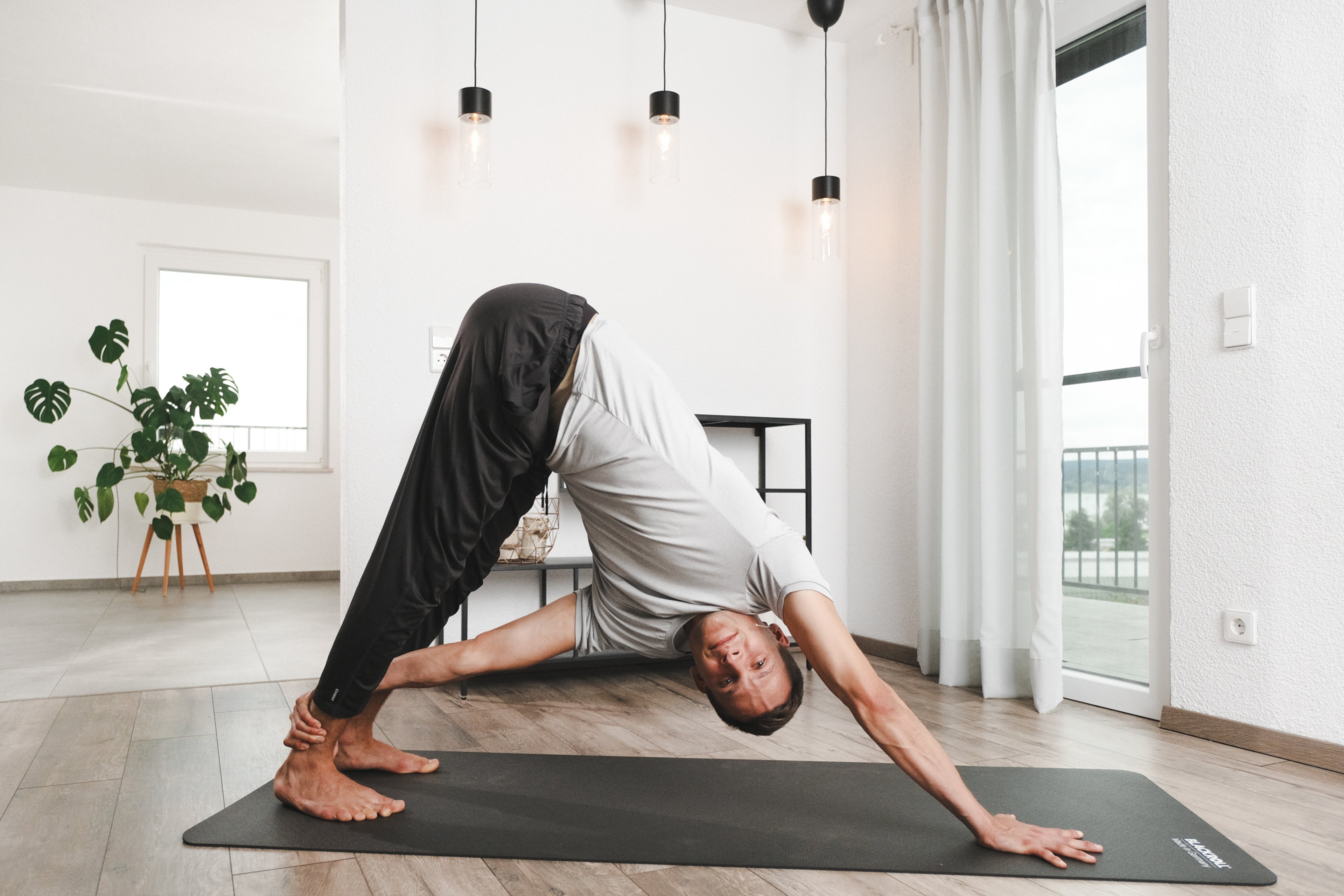
Improved Running Performance and Flexibility: Yoga and running—which may sound like opposites at first—complement each other wonderfully.
Time
- 28 minutes
- 6 exercises
To fully reap the benefits of yoga, runners should incorporate specific yoga exercises into their training routine. Here are some of the best yoga exercises recommended especially for runners:
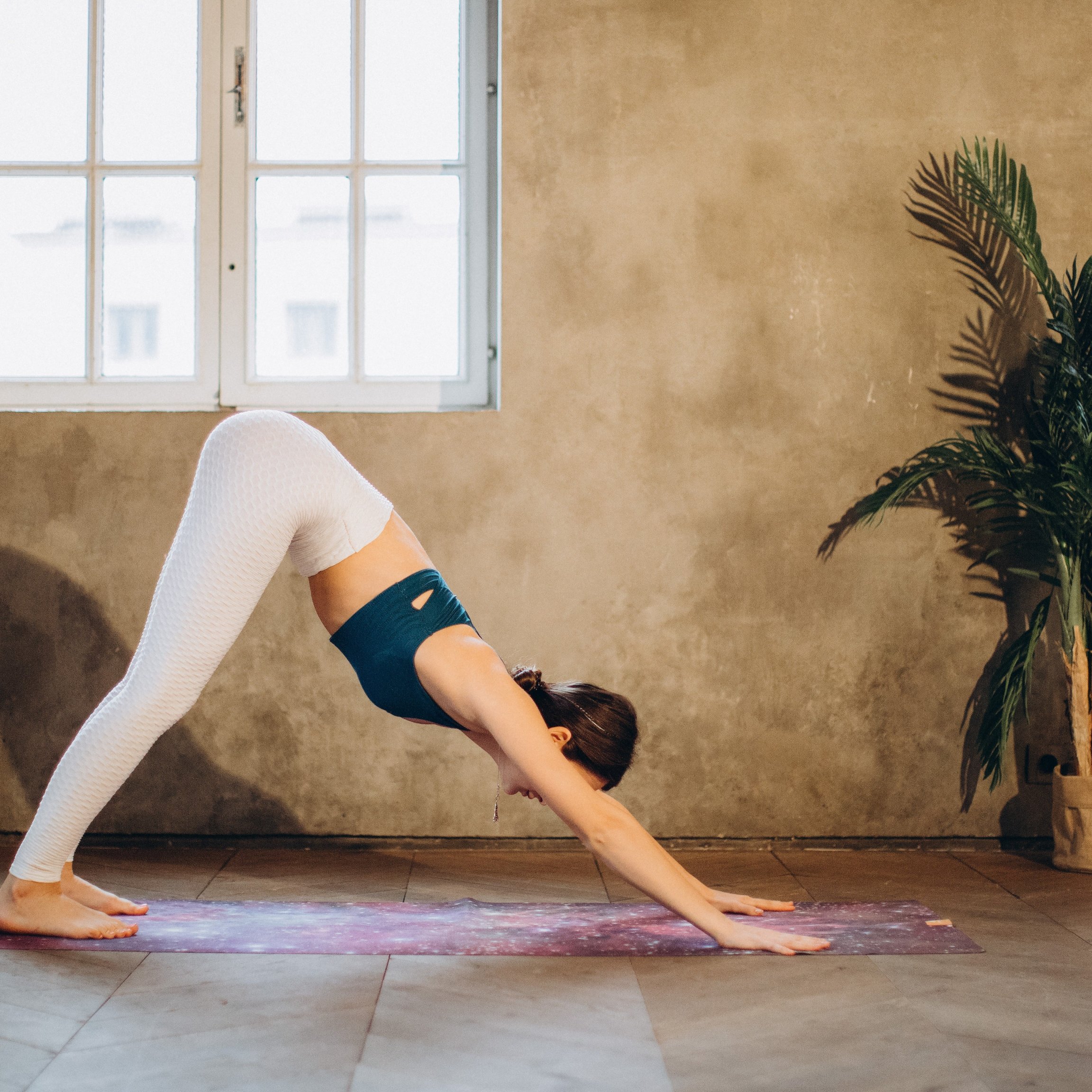
Downward-Facing Dog (Adho Mukha Svanasana)
This pose stretches the calves, thighs, and back. Your heels don’t have to be on the floor. You can also keep your knees slightly bent.
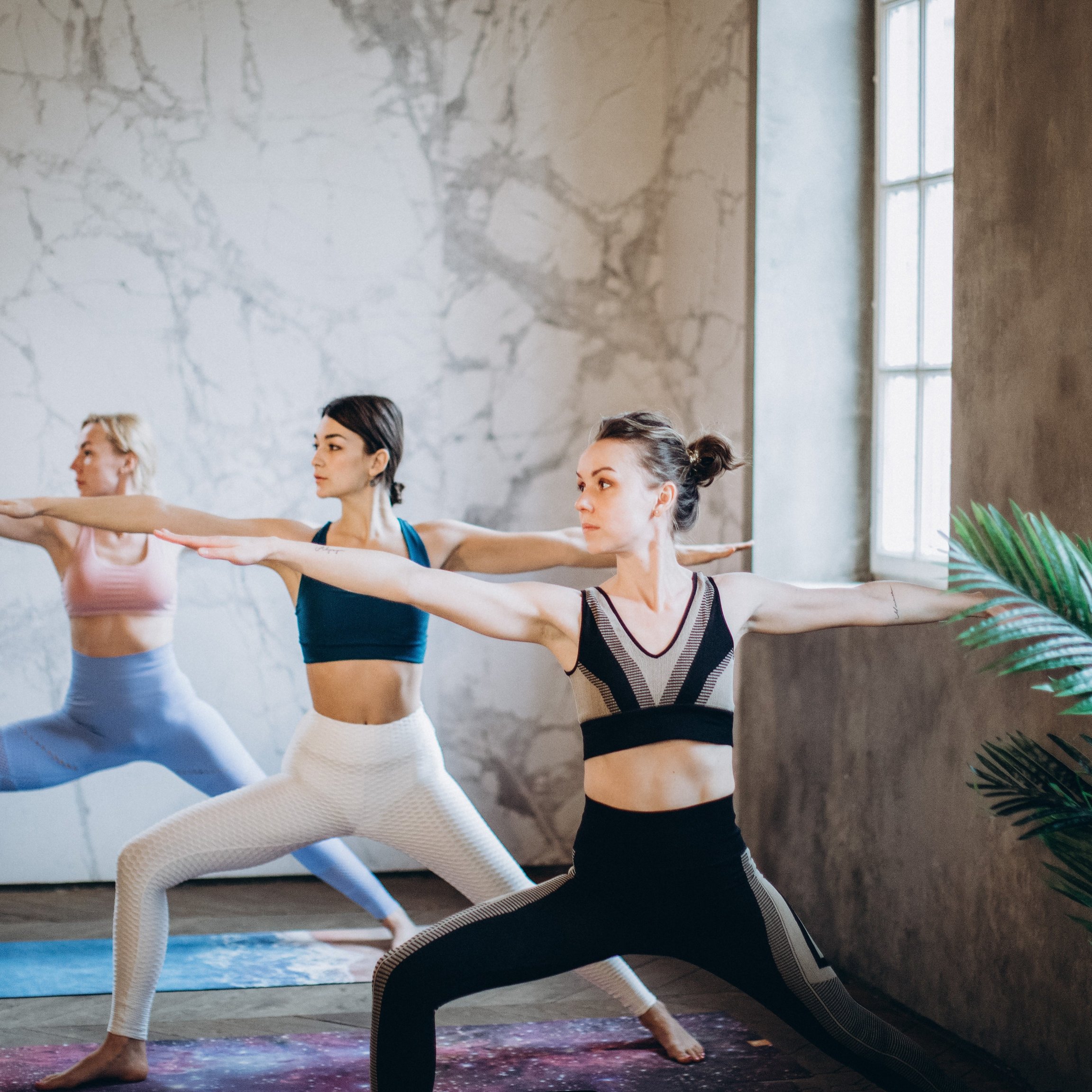
Warrior Pose (Virabhadrasana)
This pose strengthens your leg muscles, stabilizes your ankles, and improves your posture. Don’t forget to switch sides.
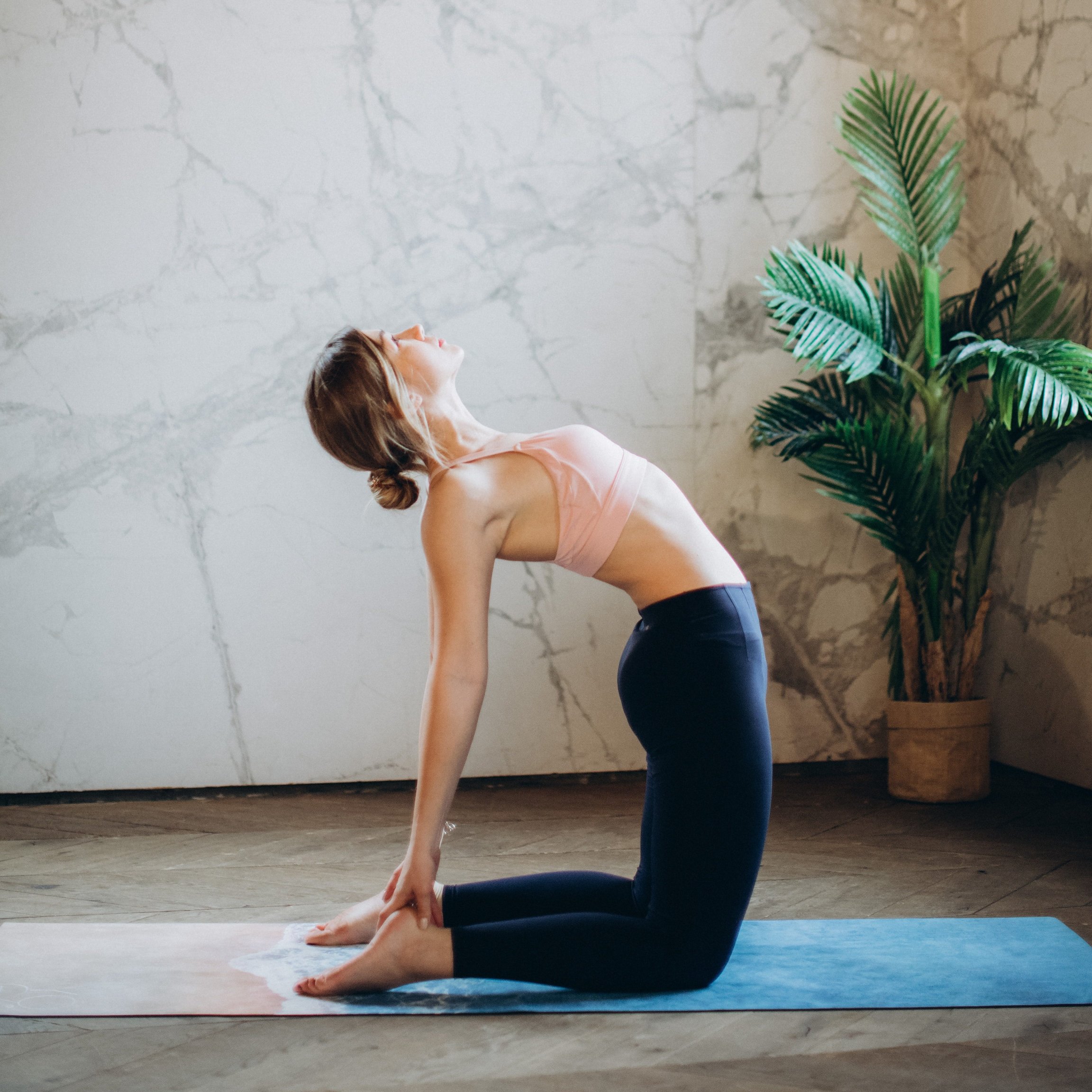
The Camel Pose (Ustrasana)
This pose stretches the muscles on the front of the hips and improves posture. It also stretches your spine.
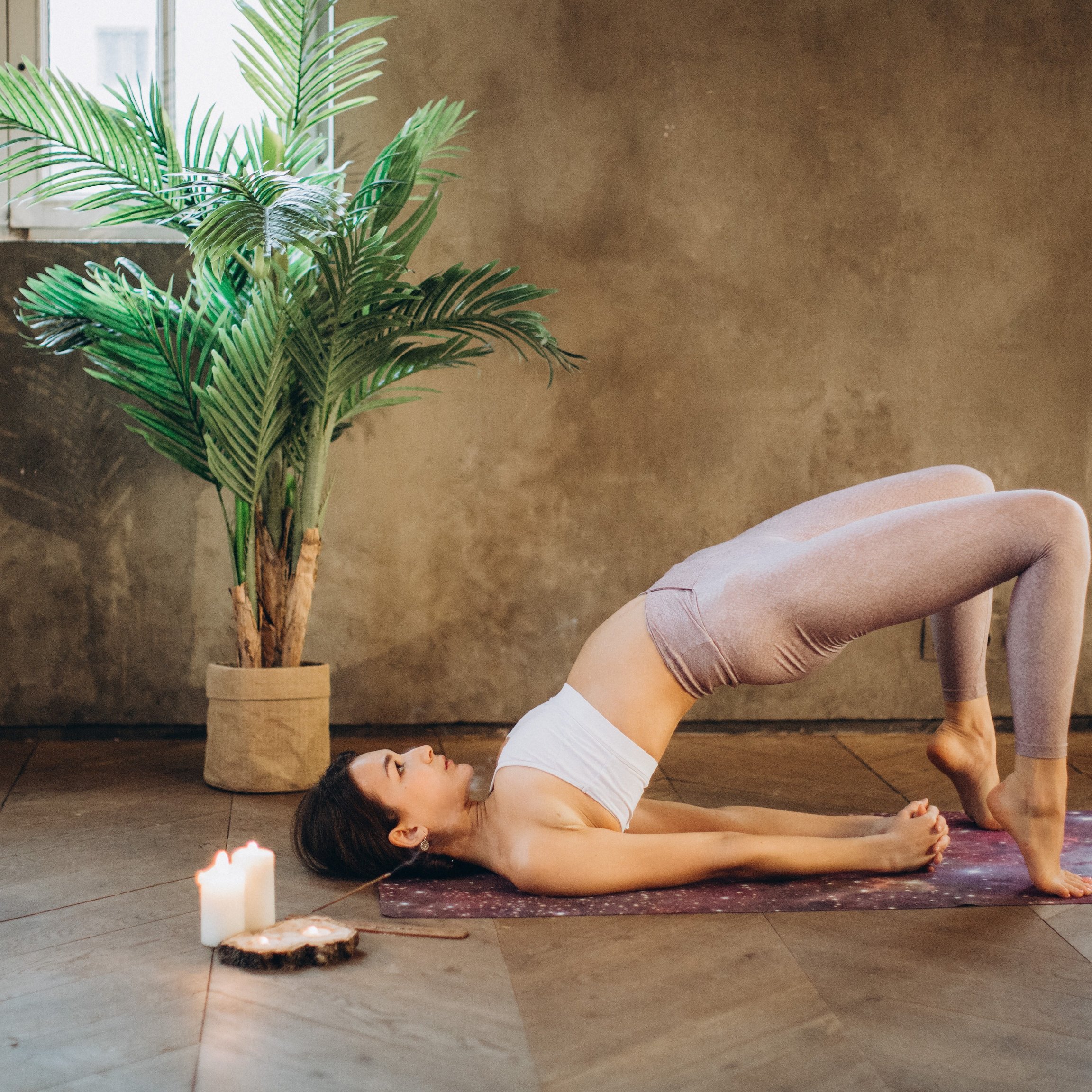
The Bridge (Setu Bandha Sarvangasana)
This pose strengthens the leg muscles and opens the chest. You can place your arms at your sides on the floor or clasp them behind your back.
The Tree (Vrksasana)
By balancing on one leg, this pose improves balance and stability. As you balance, focus on the muscles in your foot.
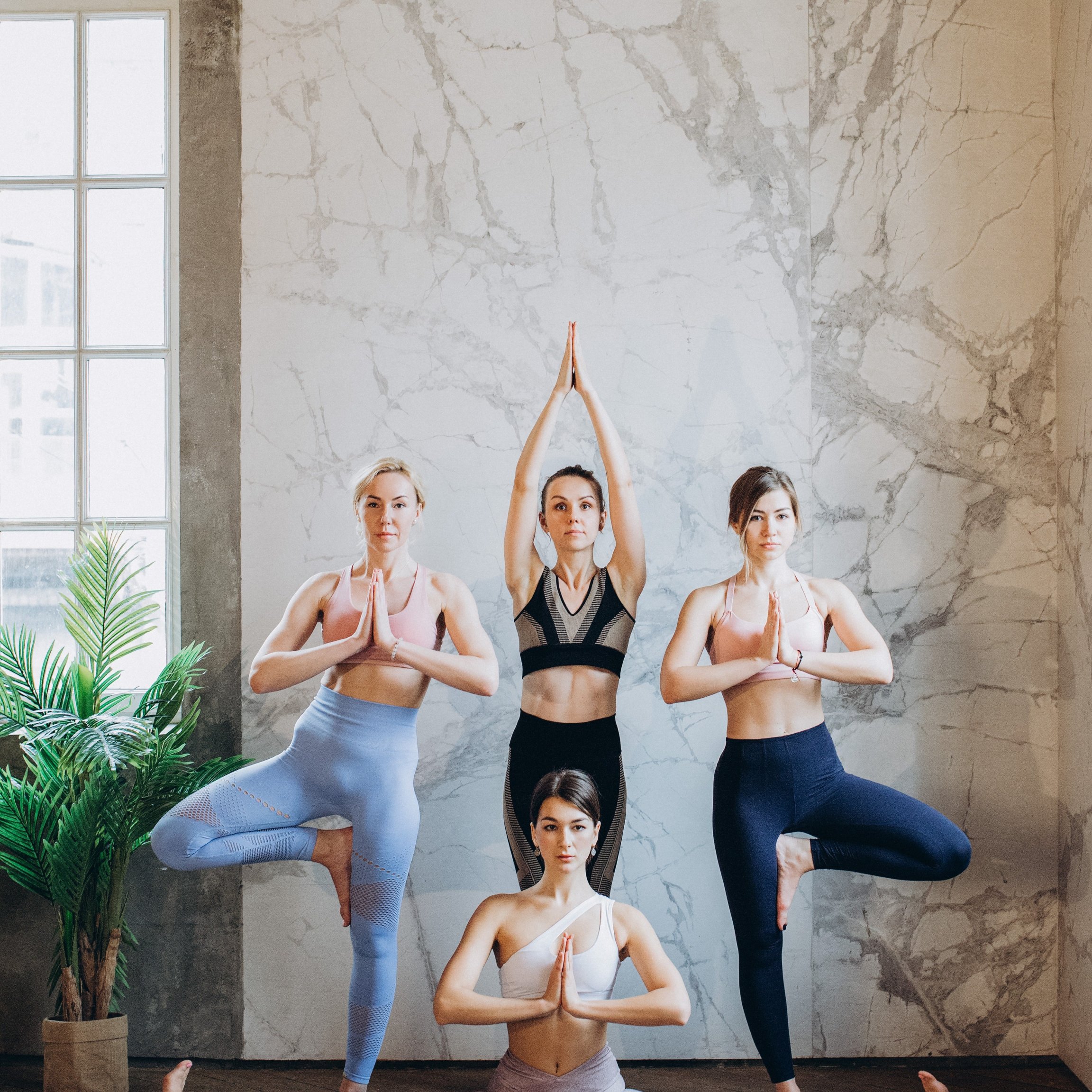
Why do yoga and running complement each other so well?
Yoga and running are two completely different activities. And that’s exactly why they go so well together—like yin and yang. While running tends to represent the yang aspect and energizes us physically by building our endurance and strengthening our cardiovascular system, yoga gives us flexibility, mental balance, and relaxes our muscles. Yoga thus embodies the yin aspect.
The combination of regular running and yoga creates a balanced foundation for enjoying physical activity in the long term.
The Benefits of Yoga for Runners
Yoga offers a variety of benefits that every runner can enjoy:
Improved flexibility:
Due to the often high training volume and the repetitive movements involved in running, many runners are prone to muscle tension. This results in limited flexibility and, at times, an increased risk of injury. Yoga keeps us flexible and promotes muscle relaxation.
Improved Breathing:
In yoga practice, great emphasis is placed on conscious breathing. Training your breathing pattern can help you optimize your breathing while running, which in turn can have a positive effect on your endurance.
Injury prevention:
Regular yoga practice sharpens body awareness and helps you monitor your form, which can help prevent unnecessary injuries and overuse injuries.
Mental clarity and stress relief:
Running can be physically and mentally demanding. Yoga promotes mental clarity and stress relief through meditation and mindful breathing.
Recovery & Relaxation
Yoga activates our parasympathetic nervous system, putting us in a state of relaxation and recovery. In this state, our body is better able to carry out repair processes.
Strengthening the Core Muscles
Many yoga poses require strong core muscles to maintain balance. A strong core is essential for good running form and stability.
Improved Body Awareness
Yoga teaches you to focus more consciously on your body and to be aware of your posture and movements. This can help you identify and correct biomechanical issues that may arise while running.
Yoga After Running
Yoga after running is a great way to relax your muscles, improve flexibility, and bring your body into a state of calm and recovery. After an intense running session, it’s advisable to perform some specific yoga exercises to reduce tension in the muscles that have been worked. Here are some yoga poses that are particularly well-suited for the post-run phase:
Downward-Facing Dog (Adho Mukha Svanasana)
This pose stretches the calves, thighs, and back and helps relax the muscles.
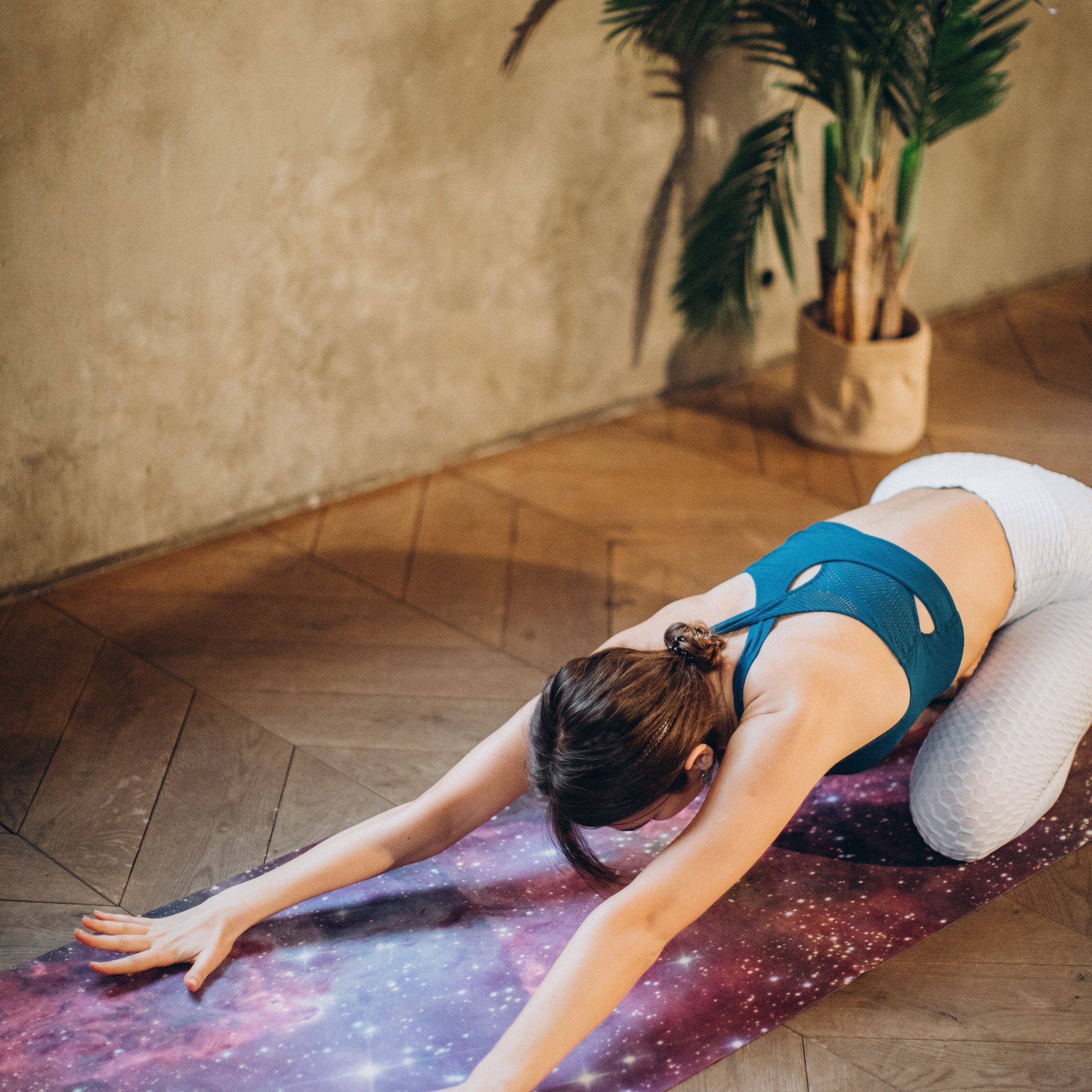
Child’s Pose (Balasana)
Child’s Pose is a soothing pose that stretches the back while promoting relaxation. Be sure to relax your shoulders as well while holding the pose.
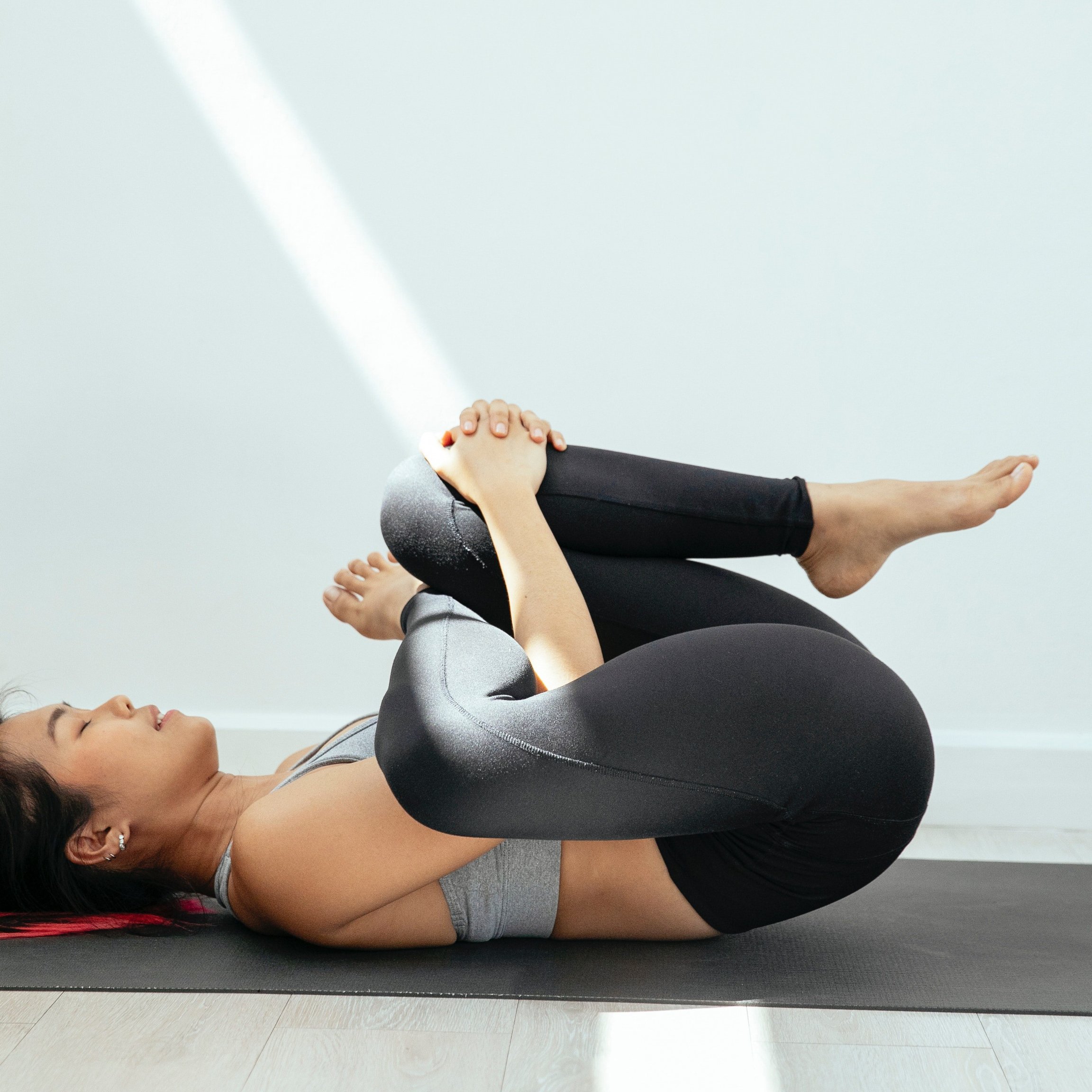
Knees-to-Chest (Apanasana)
This pose helps relax the lumbar spine and releases tension in the lower back muscles. Simply pull your knees toward your chest with your hands.
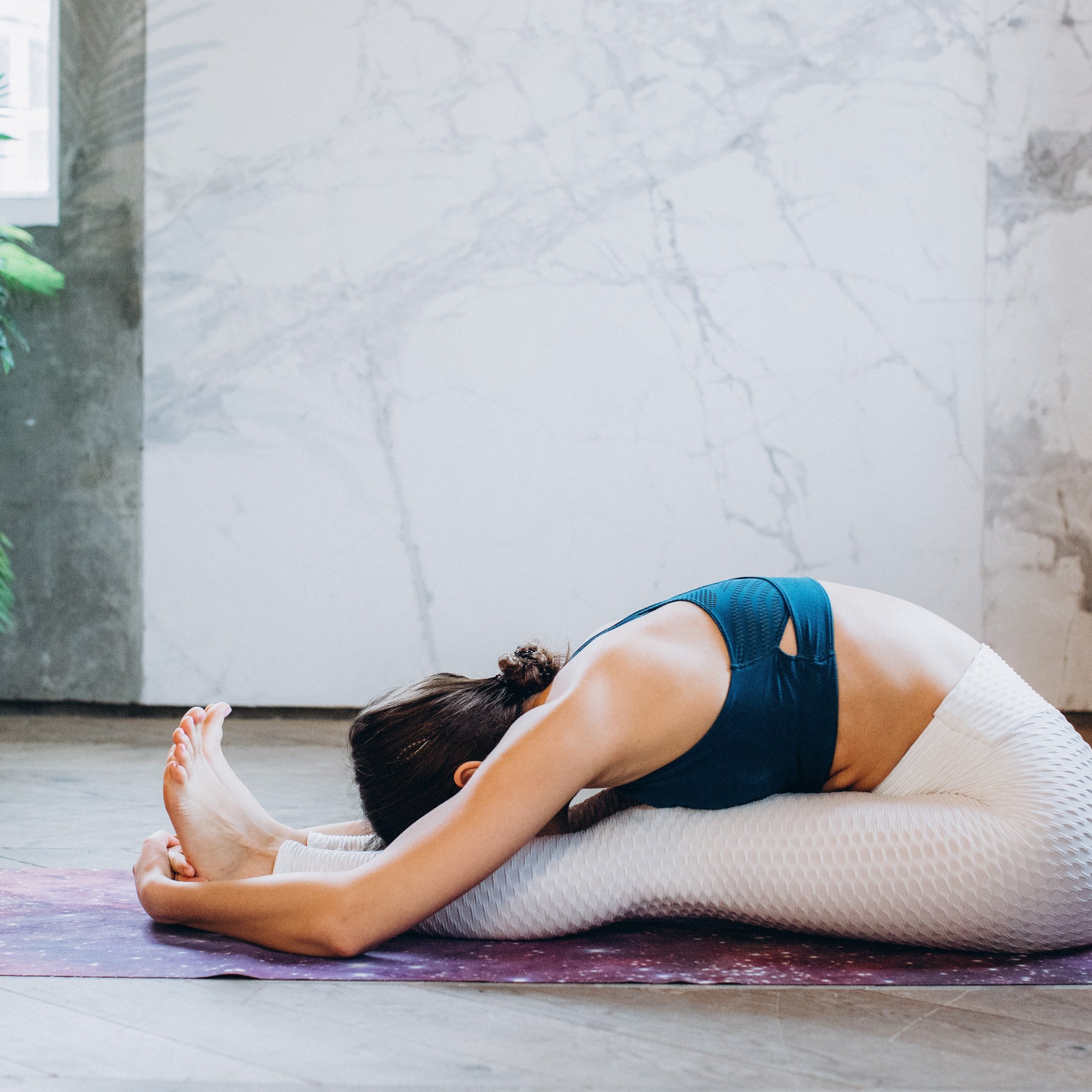
Seated Forward Bend (Paschimottanasana)
This pose stretches the legs and the entire back, promotes relaxation, and helps calm the mind.
Hip Opener
Hip-opening poses can be especially beneficial after running, as they relieve tension in the hip area.
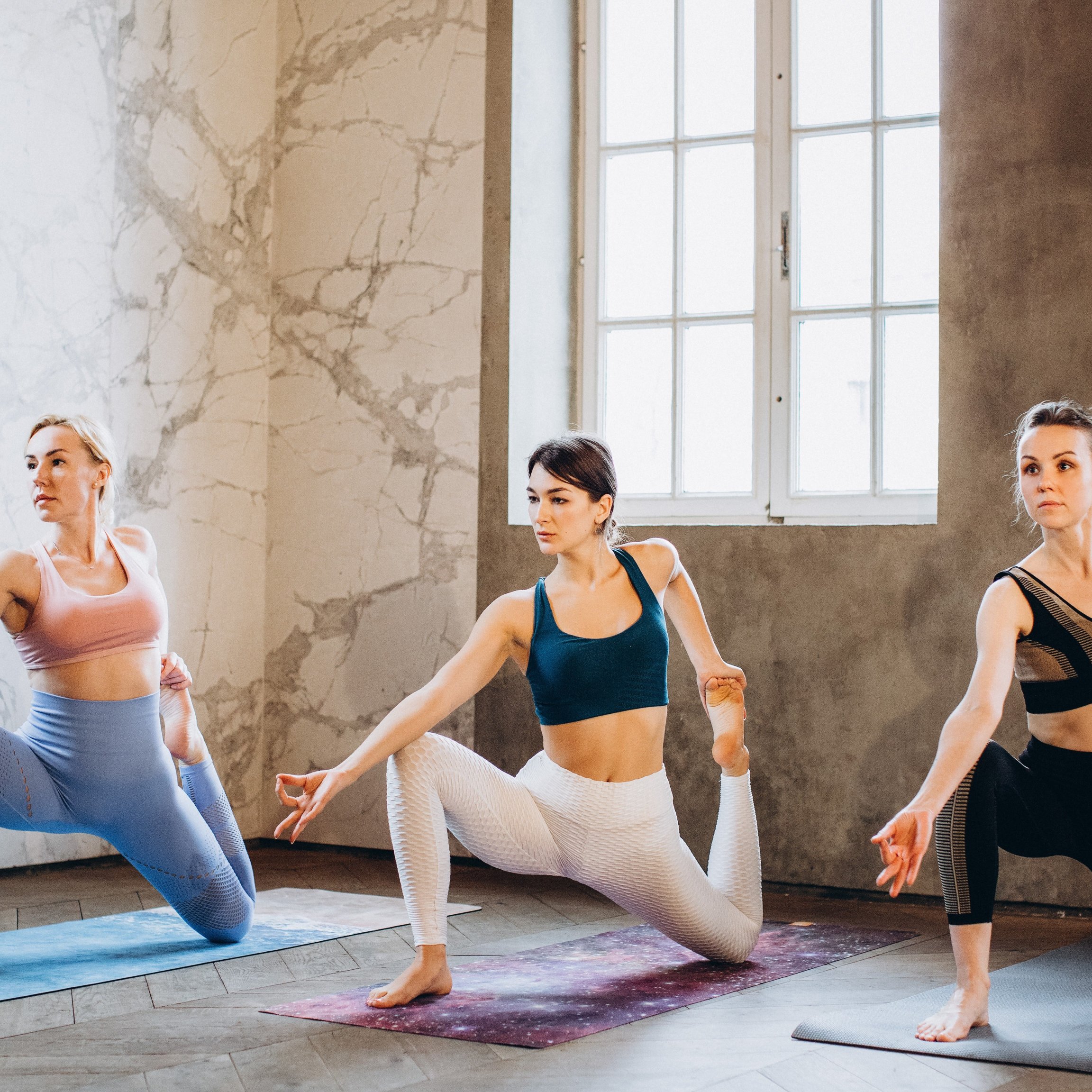
This practice not only supports physical recovery but also helps calm the mind and reduce stress. Remember to listen to your body and adjust the poses as needed to release any muscle tension and ensure optimal recovery.
How to Integrate Yoga into Your Running Training
To reap the benefits of yoga for your running performance, careful integration into your training routine is essential. Here are some proven tips:
1. Time Management: Schedule your yoga and running sessions so they don’t overlap. Yoga works especially well as a warm-up or cool-down after running.
2. Consistent practice: To reap the full benefits of yoga, you should practice it regularly. Try to incorporate yoga into your routine at least two to three times a week.
3. Listen to your body: Pay attention to how your body feels and adjust your yoga poses accordingly. If you’re tired or injured, don’t force yourself into deep poses.
4. Professional Guidance: If you’re new to yoga, it’s advisable to seek out a qualified yoga instructor to learn the proper technique. It’s also nice to practice yoga in a group.
5. Variety: Try out different styles of yoga to find out which one best suits your needs.
Which yoga styles are best for runners?
Runners can benefit from various yoga styles, depending on their individual needs and goals. Here are some yoga styles that are particularly well-suited for runners:
- Hatha Yoga: This classic yoga style focuses on the basics of asanas (yoga poses) and breath control. Hatha Yoga is excellent for learning the fundamentals of yoga technique and increasing flexibility. It can help runners stretch their muscles and release tension.
- Vinyasa Yoga: Vinyasa Yoga is known for its flowing movements and transitions between poses. It emphasizes breathing and strength and can improve cardiovascular fitness. This style of yoga is ideal for runners looking for an active and powerful practice to boost their endurance and flexibility.
- Yin Yoga: Yin Yoga focuses on holding poses for a very long time. It aims to open up the connective tissue and fascia, which is particularly beneficial for runners as it improves flexibility and relieves muscle tension. Yin Yoga can also be used for recovery after a run, as it calms the nervous system.
- Restorative Yoga: Similar to Yin, this yoga style is also extremely relaxing and helps reduce stress. With the help of props such as pillows and blankets, poses are held for extended periods. Restorative Yoga is great for runners to relax their muscles and promote recovery.
- Power Yoga: This is a powerful and intense form of yoga that strengthens muscles and increases flexibility. It can boost physical performance and is ideal for runners looking for a challenging practice.
How often should I practice yoga if I’m a runner?
How often you should practice yoga as a runner depends on various factors, including your individual schedule, your running goals, and your current fitness level. Here are some guidelines to help you decide:
- Consistency: Ideally, you should practice yoga at least two to three times a week. This allows for continuous improvement in your flexibility, strength, and endurance.
- Timing: The best time to incorporate yoga into your routine may vary depending on your running schedule. Some runners prefer to do yoga as a warm-up before running to loosen up their muscles and prepare for their workout. Others practice it as a cool-down after running to relax their muscles and promote recovery. You can also schedule separate yoga sessions if it fits into your schedule.
- Listen to your body: Pay attention to how your body feels. If you’re tired or injured, don’t force yourself into intense yoga sessions. Instead, you can choose gentler yoga exercises or relaxation techniques to help you recover.
Conclusion
Yoga for runners is more than just a supplement to running training. It’s an effective way to improve flexibility, endurance, and overall running performance. By incorporating yoga into your running routine, you can not only prevent injuries but also boost your mental well-being. Roll out your yoga mat and experience for yourself how yoga and running complement each other. Whether you’re a beginner or an advanced runner—by incorporating yoga into your training routine, you can improve holistically and achieve your goals as a runner.
Simple Tips for Runners
How to Keep Runners’ Feet Healthy