Recovery After Running
Eine gute Regeneration nach dem Laufen beginnt direkt nach dem Training: Cooldown, Flüssigkeit und Nährstoffe unterstützen die erste Erholung. Schlaf, aktive Erholung sowie Massage und Faszientechniken helfen deinem Körper anschließend, sich für den nächsten Lauf zu regenerieren.
Das Wichtigste in Kürze
- Nach dem Lauf 5–10 Minuten locker auslaufen, statt abrupt stehen zu bleiben.
- Flüssigkeit und Elektrolyte auffüllen, um Verluste durchs Schwitzen auszugleichen.
- Kohlenhydrate und Proteine unterstützen das Auffüllen der Energiespeicher und die Muskelregeneration.
- Schlaf und aktive Erholung sind wichtige Bestandteile einer nachhaltigen Regeneration.
- Massage und Faszienübungen können helfen, die Muskulatur zu entspannen und Verspannungen zu lösen.
Did you know that recovery is just as important as running training itself? To get back to full strength after intense training sessions and avoid overexertion, targeted measures are crucial. In this article, you’ll learn which techniques can help you maximize your recovery and stay healthy in the long term.
1. The Importance of Recovery
Recovery is much more than just resting. It is the key to improving performance and helps your body recover after intense exertion so you can start your next workout feeling stronger. Without adequate recovery, you risk overexertion, injuries, and stagnant performance.
Studies show that 75% of runners who incorporate regular recovery practices improve their running performance over the long term. Recovery doesn’t mean standing still—it’s an active part of your progress.
2. Immediate Steps After Your Run
Immediately after your run, you should never stop abruptly. A cool-down consisting of a light jog for about 5–10 minutes helps to slowly lower your heart rate and promote lactate removal. Afterward, you can incorporate a mobility routine to stimulate blood flow and relieve muscle tension. An example of an effective cool-down is jogging in place, combined with light stretching exercises to loosen up your muscles.
Tip: We recommend setting aside 15–20 minutes for recovery for every hour you run to stay healthy and perform at your best in the long term.
3. Stretching and Mobility
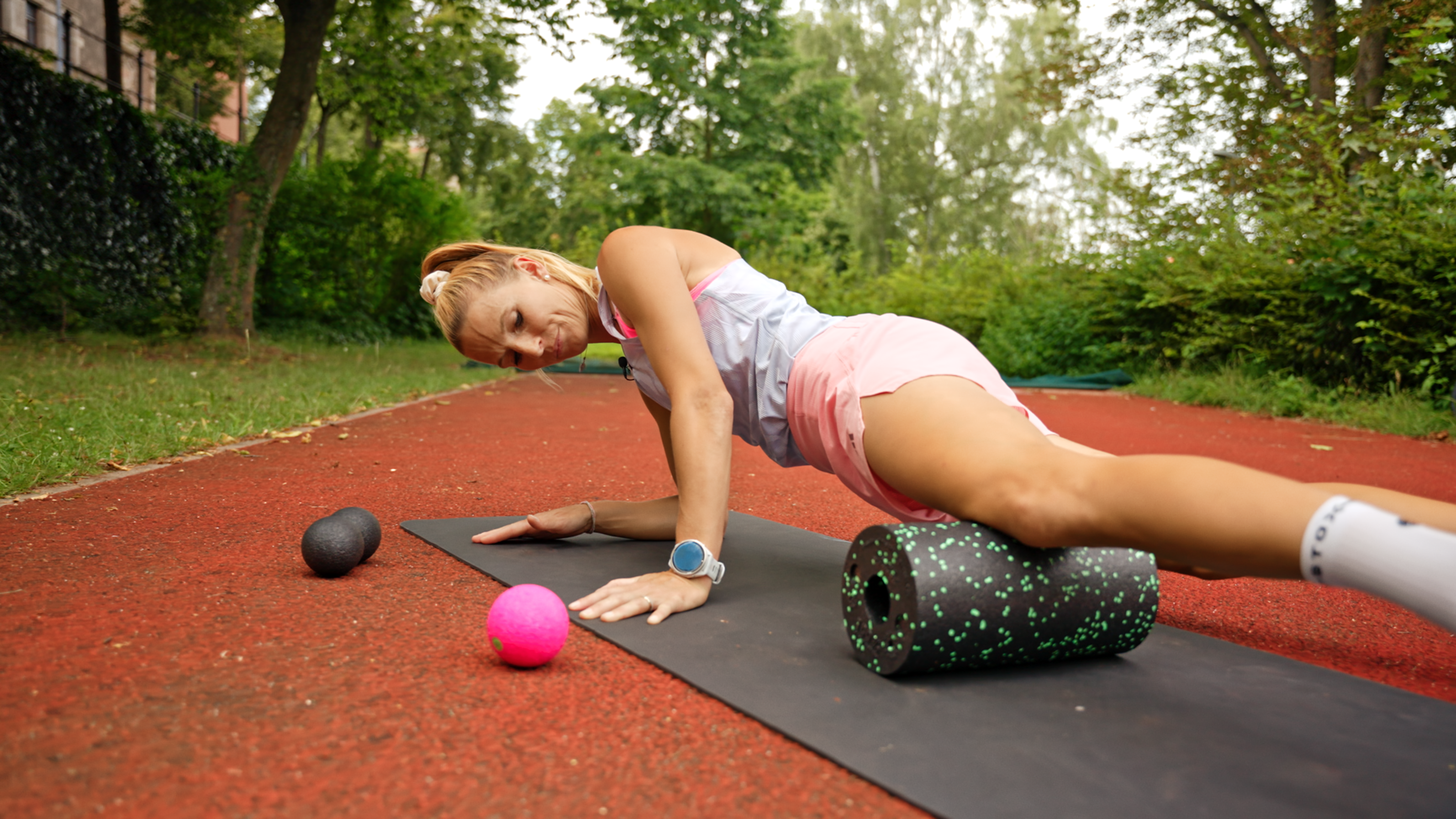
Stretching after a run not only promotes flexibility but also reduces the risk of muscle tension and injuries. Static stretching, in particular—where you gently stretch your muscles for 20–30 seconds—supports muscle recovery. You can incorporate targeted fascia exercises using a foam roller or a stretch band to relieve tension.
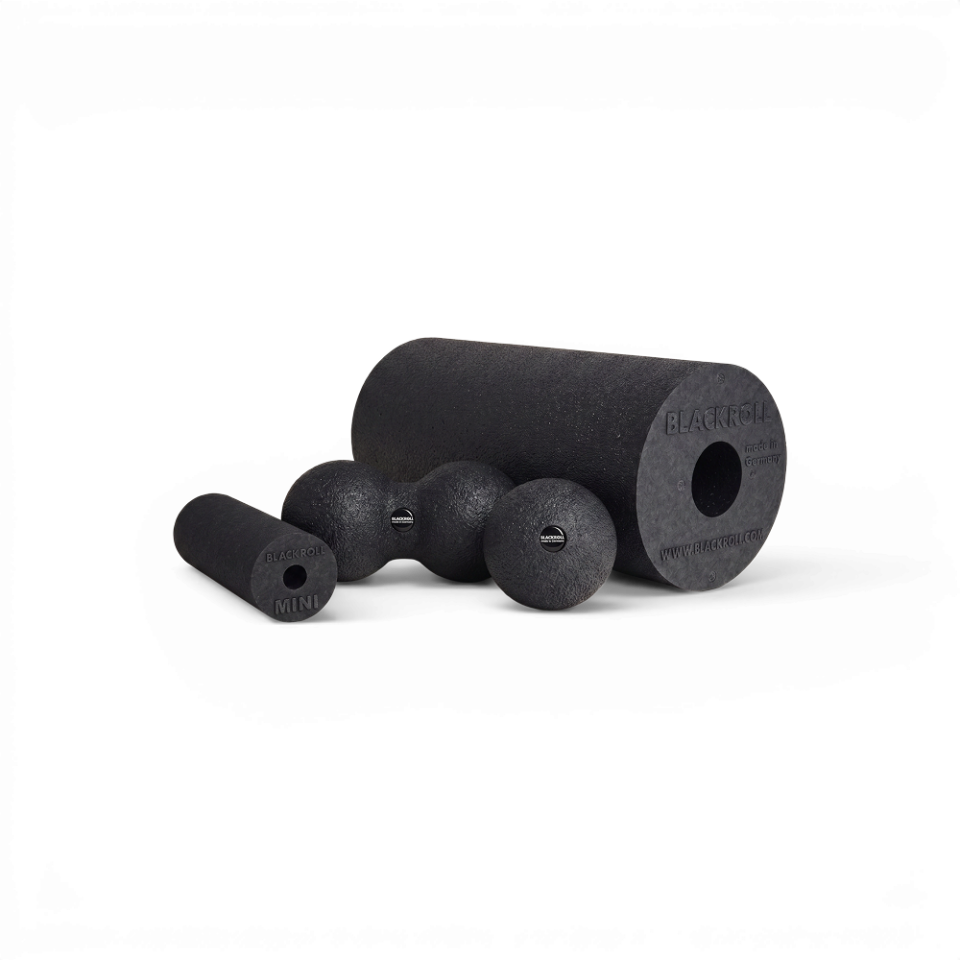
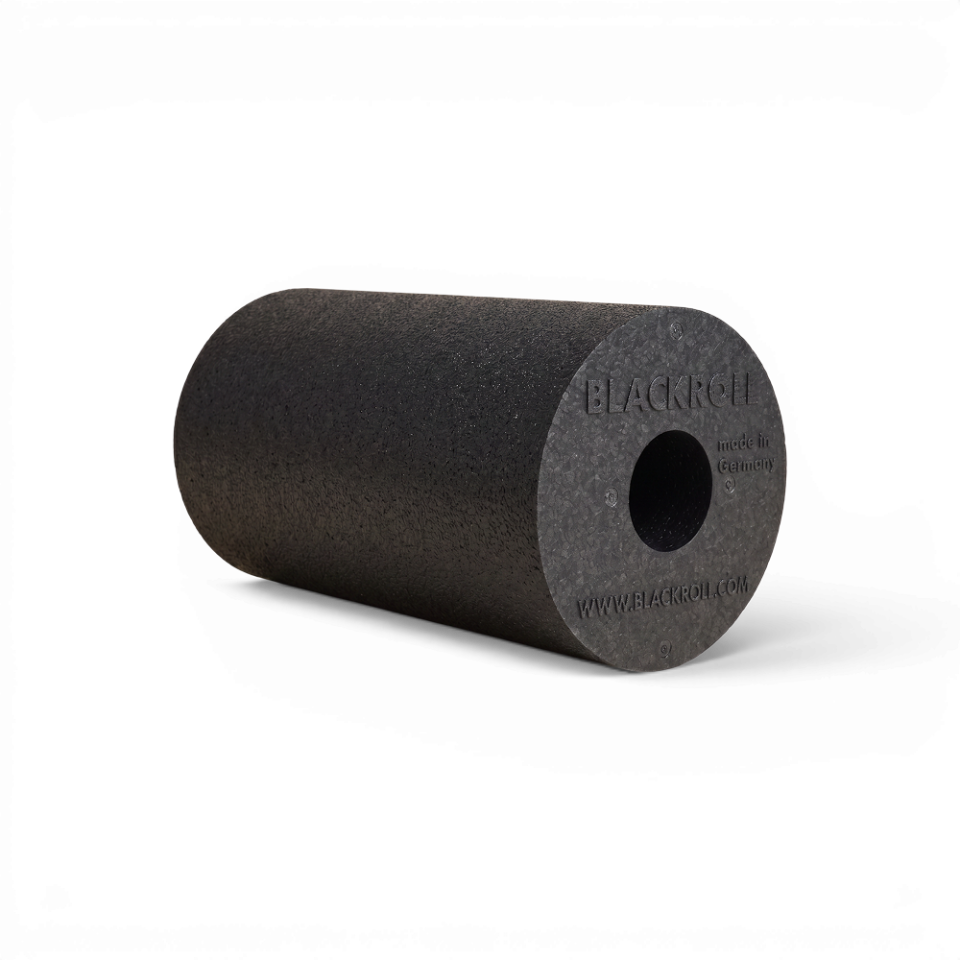
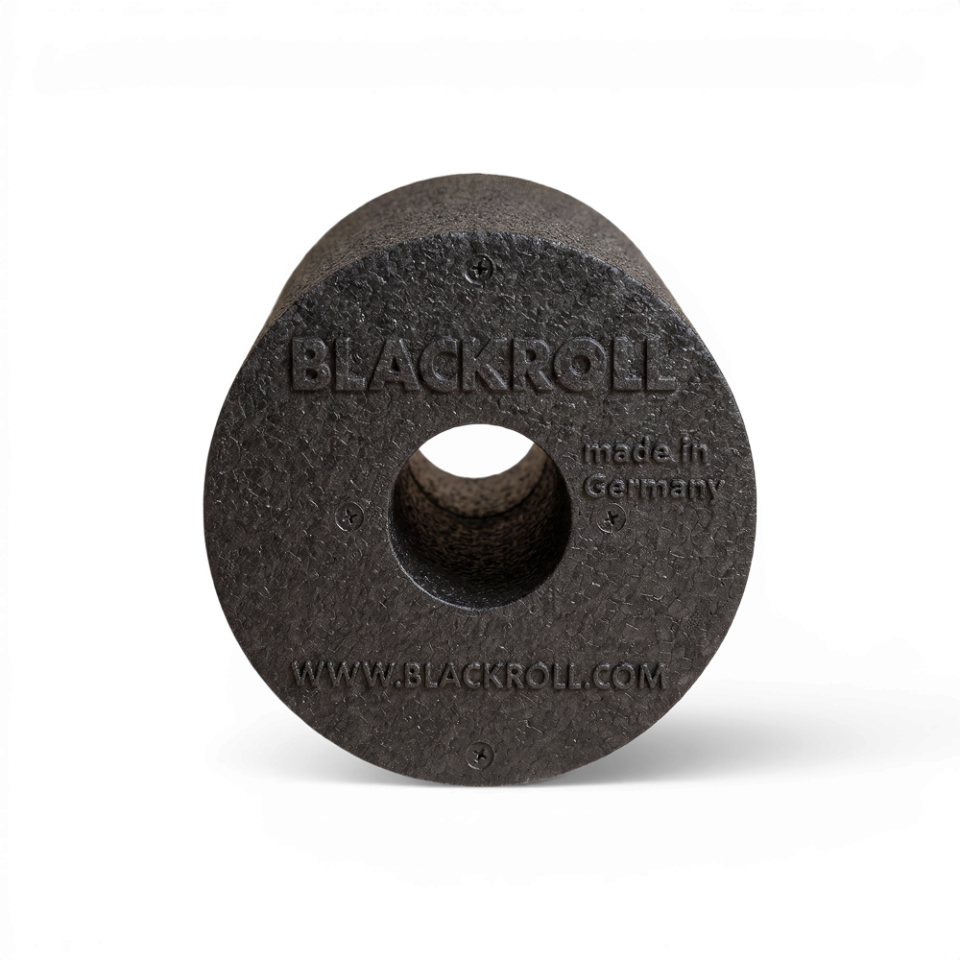
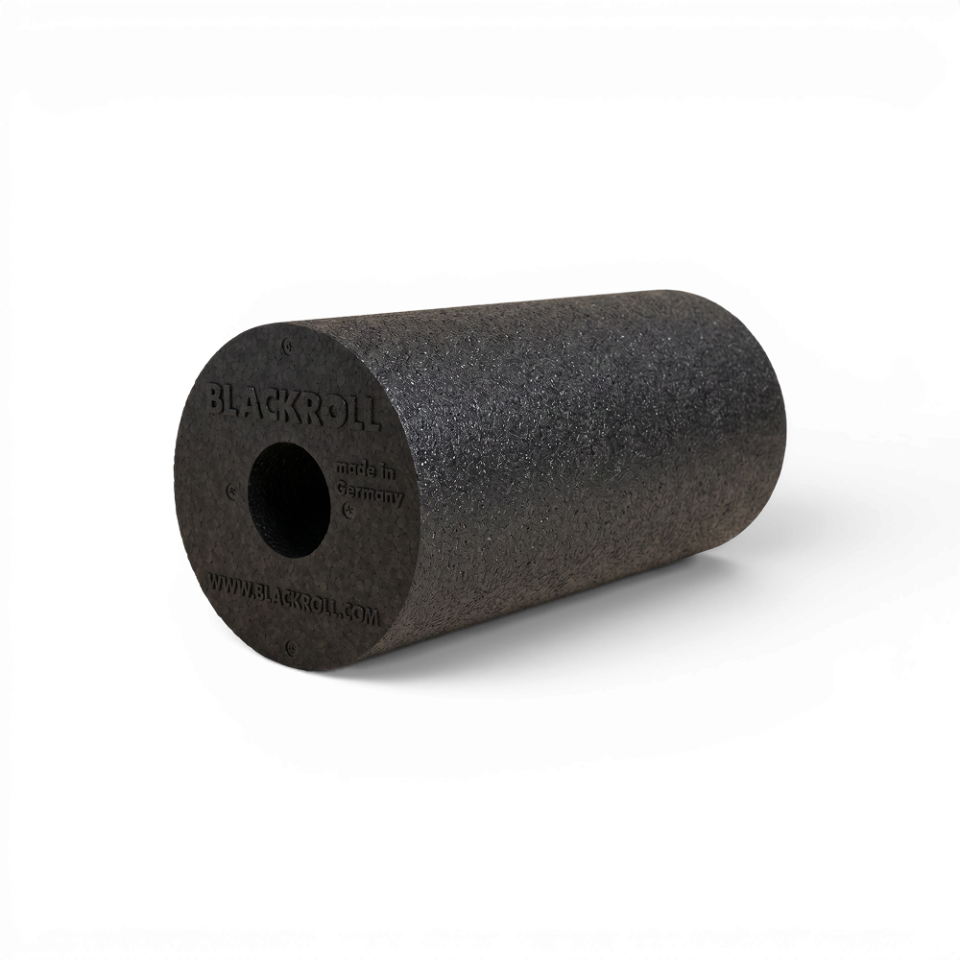
Example: Use the BLACKROLL foam roller to relax your calf muscles. Sit on the floor, place the roller under your calves, and slowly move your legs back and forth to increase the pressure on the muscles.
Tip: 63% of runners regularly use techniques such as yoga or foam rolling to relax their muscles and shorten recovery time.
4. Nutrition to Support Recovery
Proper nutrition plays a key role in recovery after running. Within 30 minutes of your workout, you should replenish your glycogen stores with carbohydrates and protein. A balanced ratio of carbohydrates and protein supports muscle recovery and reduces the risk of muscle soreness.
Example: After your run, you can drink a smoothie made with bananas, oats, and protein powder to get quickly absorbed carbohydrates and protein. Whole-grain bread with peanut butter or oatmeal with nuts are also excellent choices.
Tip: Studies show that recovery improves by up to 25% if you eat a balanced meal within 30 minutes after your run.
5. Hydration and Fluid Intake
While running , you lose a lot of fluid and electrolytes through sweating , which you should replenish after your run. Even a small amount of fluid loss can slow down recovery and lead to muscle cramps.
Example: Drink about 500–750 ml of water after your run to compensate for fluid loss. Isotonic drinks or electrolyte drinks help quickly replenish important minerals such as sodium and potassium.
Tip: After intense runs or jogging in hot weather, make sure to replenish at least 150% of the fluid you lost within the first two hours. An isotonic drink can help restore your electrolyte balance.
6. Active Recovery Techniques
Active recovery is an important part of regeneration. Instead of taking a complete break, you can opt for gentle activities such as light swimming, cycling, or a walk. These activities maintain blood circulation and help flush out metabolic waste products like lactate that build up during running.
Example: Plan an active recovery day with 30 minutes of light cycling or swimming. Even a short walk in nature can help loosen up your muscles and relax your mind.
Tip: 63% of runners regularly use active recovery techniques to relieve muscle tension and speed up recovery.
7. Sleep and Recovery
Sleep is the most important factor for recovery. During sleep, the body’s repair processes work at full speed, muscles recover, and the immune system is strengthened. Getting enough sleep not only reduces the risk of injury but also improves your performance.
Example: Make sure to get at least 7–8 hours of sleep per night. For optimal conditions, your bedroom should be cool (16–18 degrees Celsius), dark, and quiet. Have you checked out our sleep products yet? They support your recovery—for example, the RECOVERY PILLOW, which can improve your sleep quality.
8. Massage and Fascia Techniques
Massages are an effective way to promote blood circulation, relieve muscle tension, and speed up recovery. Self-massage with a fascia roller can also help relax your muscles and improve the removal of metabolic waste products.
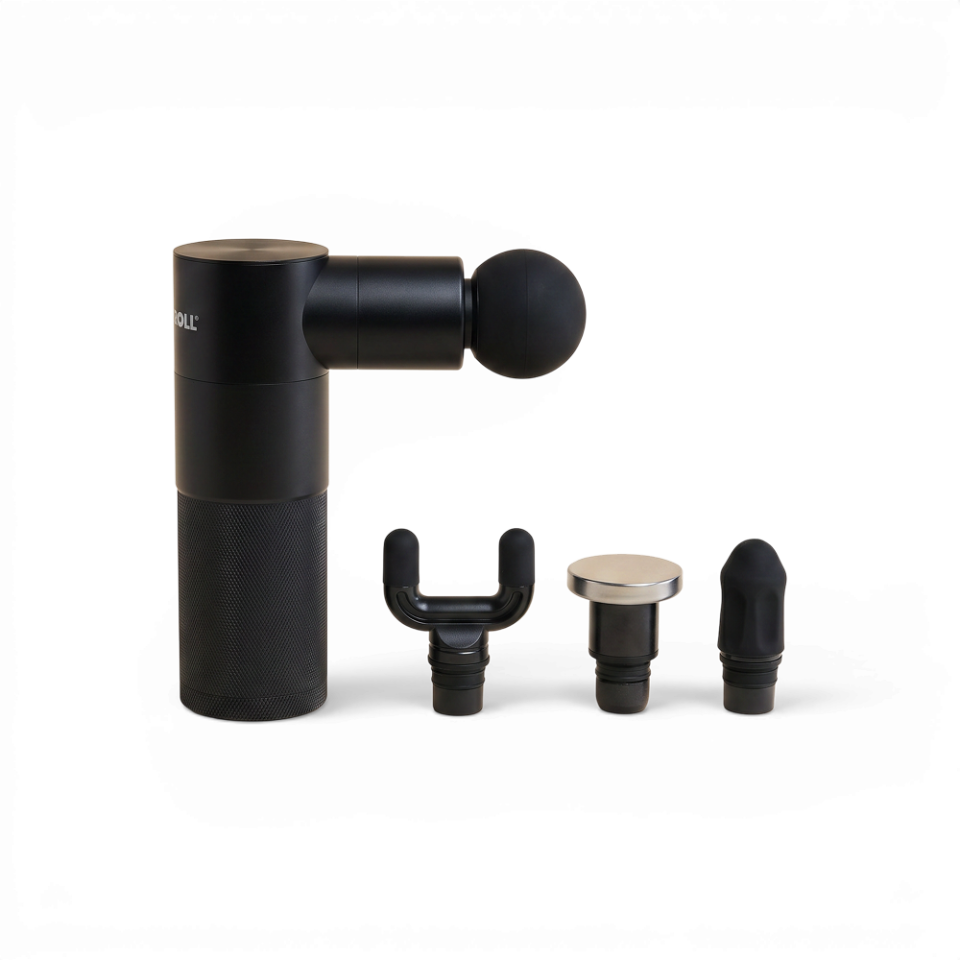
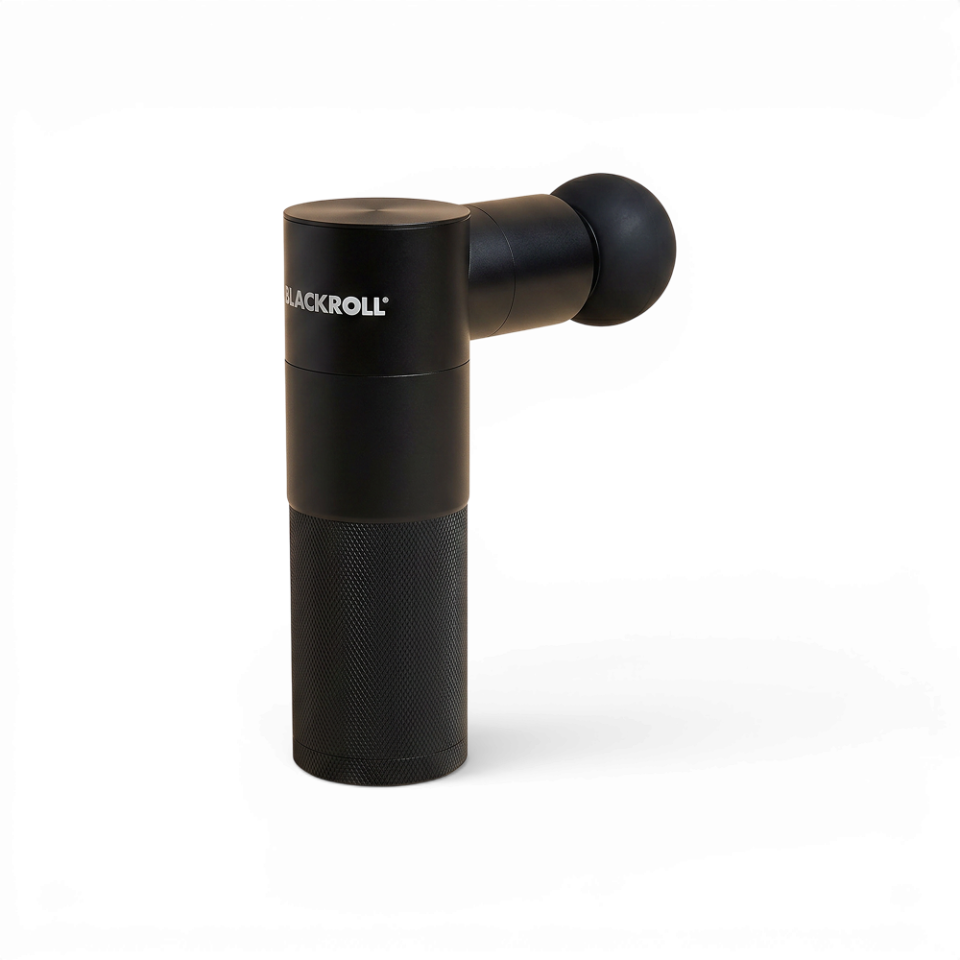
Example: Use the BLACKROLL fascia roller or the Fascia Gun to target your calves and thighs after a run. Start with light pressure and gradually increase it to release tension.
Tip: Over 50% of marathon runners regularly incorporate massage into their recovery routine.
9. Better Recovery Through Compression
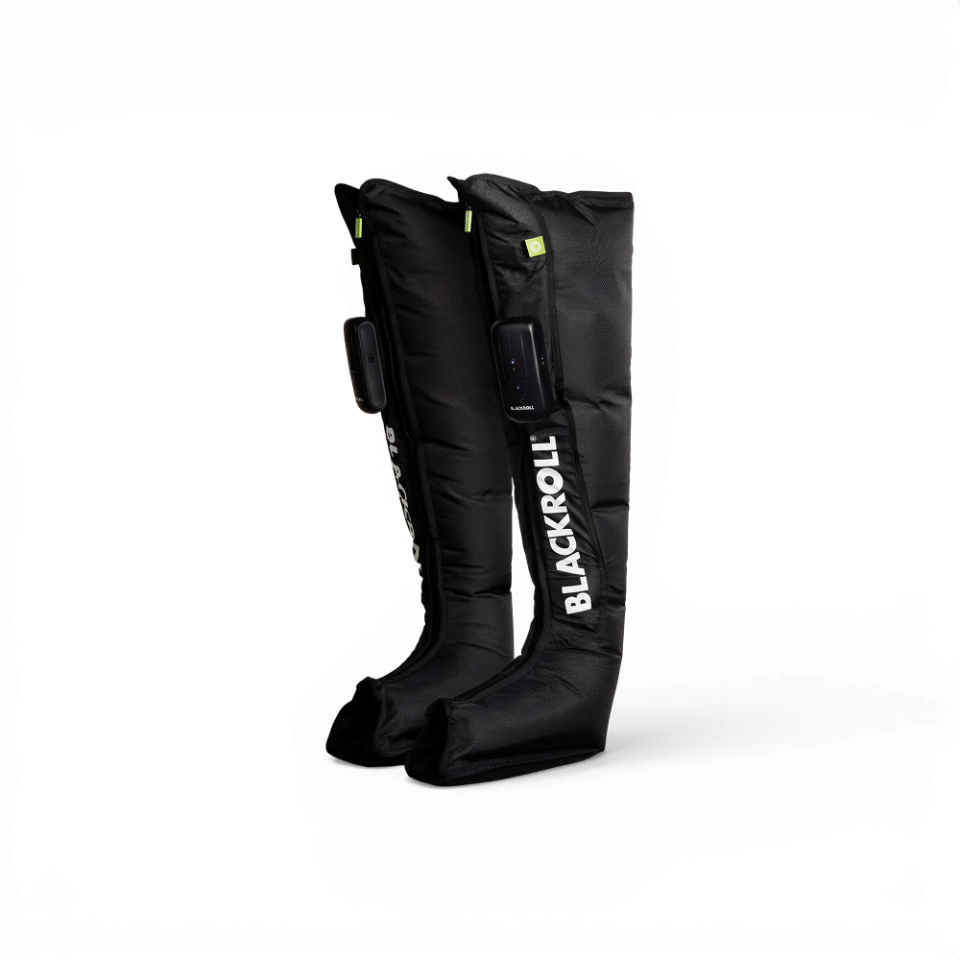
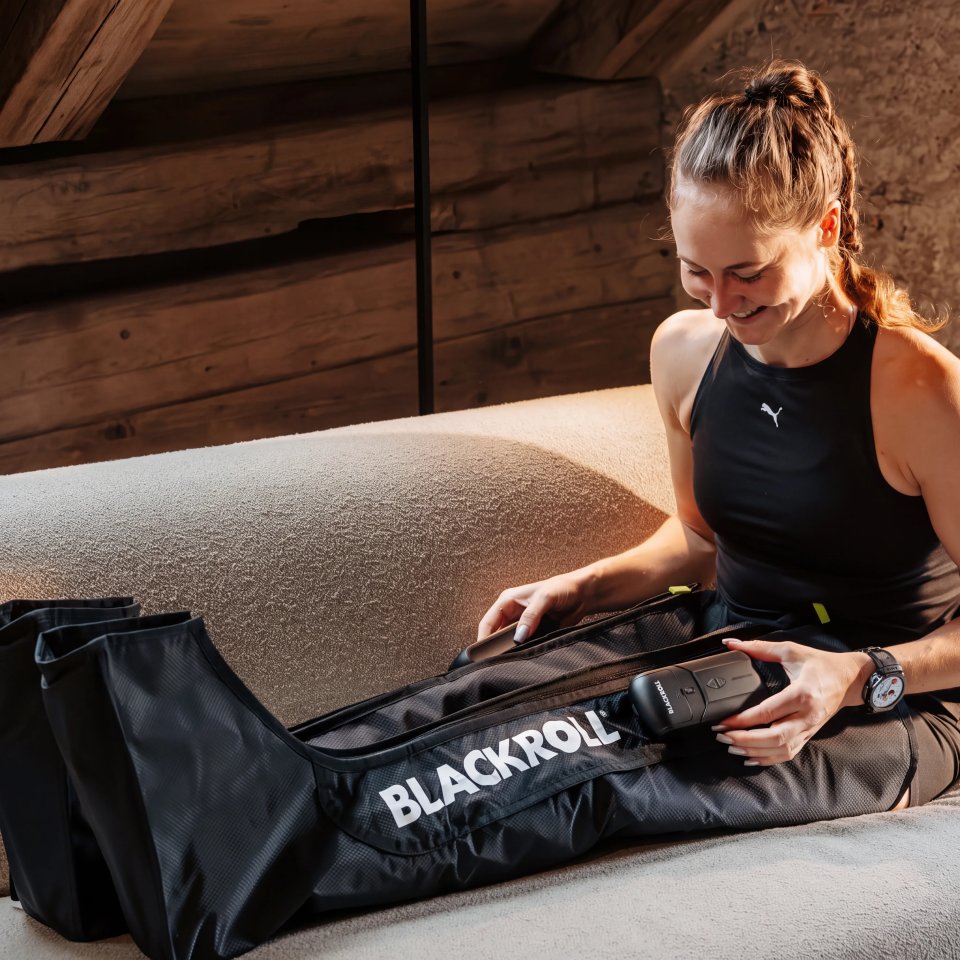
After an intense running workout or a long day at work, your legs deserve some soothing relief. The BLACKROLL® COMPRESSION BOOTS provide an effective compression massage that promotes blood circulation and accelerates the removal of metabolic waste products such as lactate.
Thanks to the pneumatic compression in the COMPRESSION BOOTS, gentle, pulsating pressure is applied to your legs, which can reduce fluid buildup and relieve muscle soreness. The overlapping compression chambers provide a seamless 360° massage that takes your recovery to the next level—all from the comfort of your couch.
Whether at home or on the go—the BLACKROLL® COMPRESSION BOOTS are lightweight, compact, and come with a handy storage bag, so you can enjoy a relaxing compression massage anytime. Studies show that mobility improves immediately after use and that the muscles receive optimal support.
10. Long-Term Recovery Strategies
In addition to immediate post-run measures, long-term recovery strategies are important for preventing injuries and maintaining performance. Regularly alternating between intense training phases and targeted rest periods, combined with the recovery techniques mentioned above, is the key to a sustainable running career.
Conclusion
Recovery after running is just as important as the training itself. By finding the right balance of nutrition, hydration, sleep, active recovery, and targeted techniques like massage and compression, you ensure that your body recovers optimally. Incorporate these tips into your routine and take your running performance to the next level.
Häufige Fragen zur Regeneration nach dem Laufen
Useful information
Wie lange dein Körper zur Regeneration braucht, hängt unter anderem von Dauer und Intensität des Laufs ab. Als Orientierung kannst du pro gelaufener Stunde etwa 15–20 Minuten für gezielte Regenerationsmaßnahmen einplanen. Nach intensiven Belastungen sind zusätzliche Ruhephasen wichtig.
Bleibe nach dem Lauf nicht abrupt stehen, sondern laufe etwa 5–10 Minuten locker aus. Danach helfen Flüssigkeit, Elektrolyte und Nährstoffe sowie eine kurze Mobility-Routine dabei, die Regeneration einzuleiten.
Ja, sanftes Dehnen nach dem Laufen kann die Beweglichkeit fördern und Muskelverspannungen reduzieren. Empfehlenswert sind statische Dehnübungen, bei denen du die Muskulatur etwa 20–30 Sekunden sanft dehnst.
Die Selbstmassage mit einer Faszienrolle kann helfen, die beanspruchte Muskulatur zu entspannen und Verspannungen zu lösen. Nach dem Laufen kannst du beispielsweise Waden und Oberschenkel langsam ausrollen.
Nach dem Lauf solltest du Flüssigkeit und Elektrolyte auffüllen. Bei der Ernährung empfiehlt sich eine Kombination aus Kohlenhydraten und Proteinen, um die Energiespeicher wieder aufzufüllen und die Muskelregeneration zu unterstützen.
More Tips from Leni









Our Best Tools to Help You Get Started with Jogging
Standard
Available in multiple variants
Compression Boots 2.0
Available in multiple variants
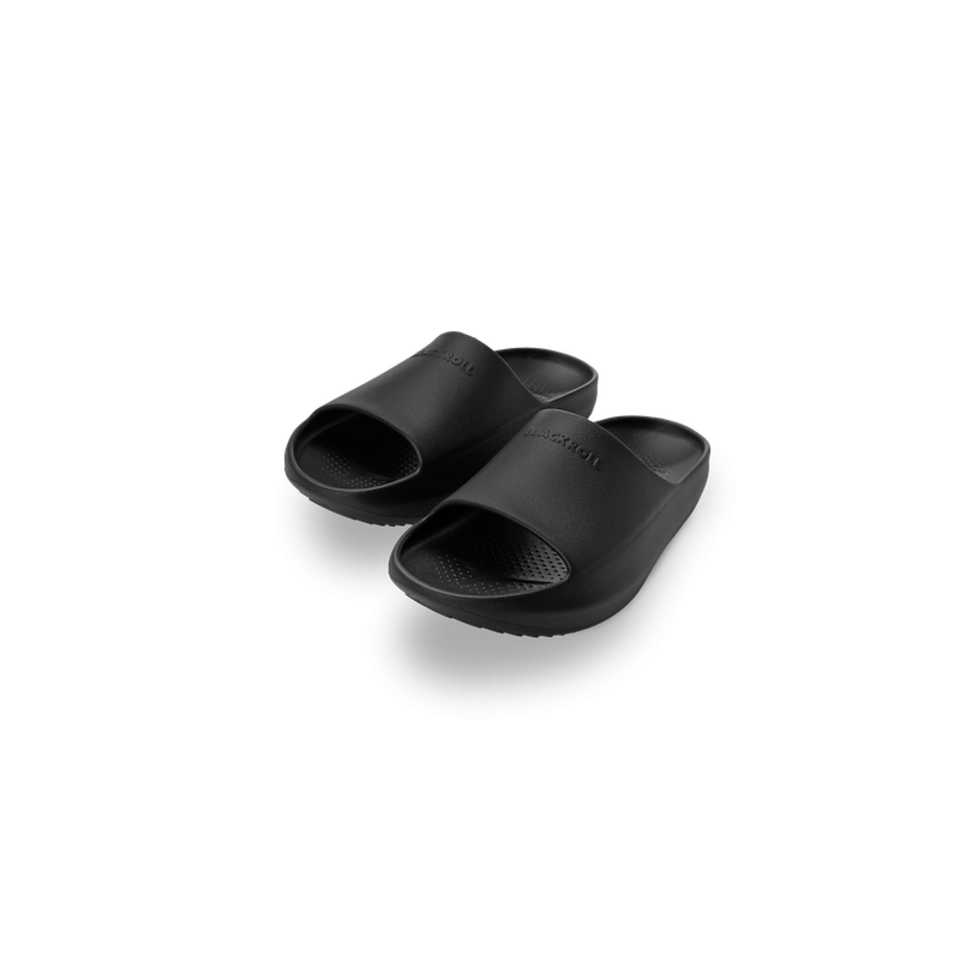
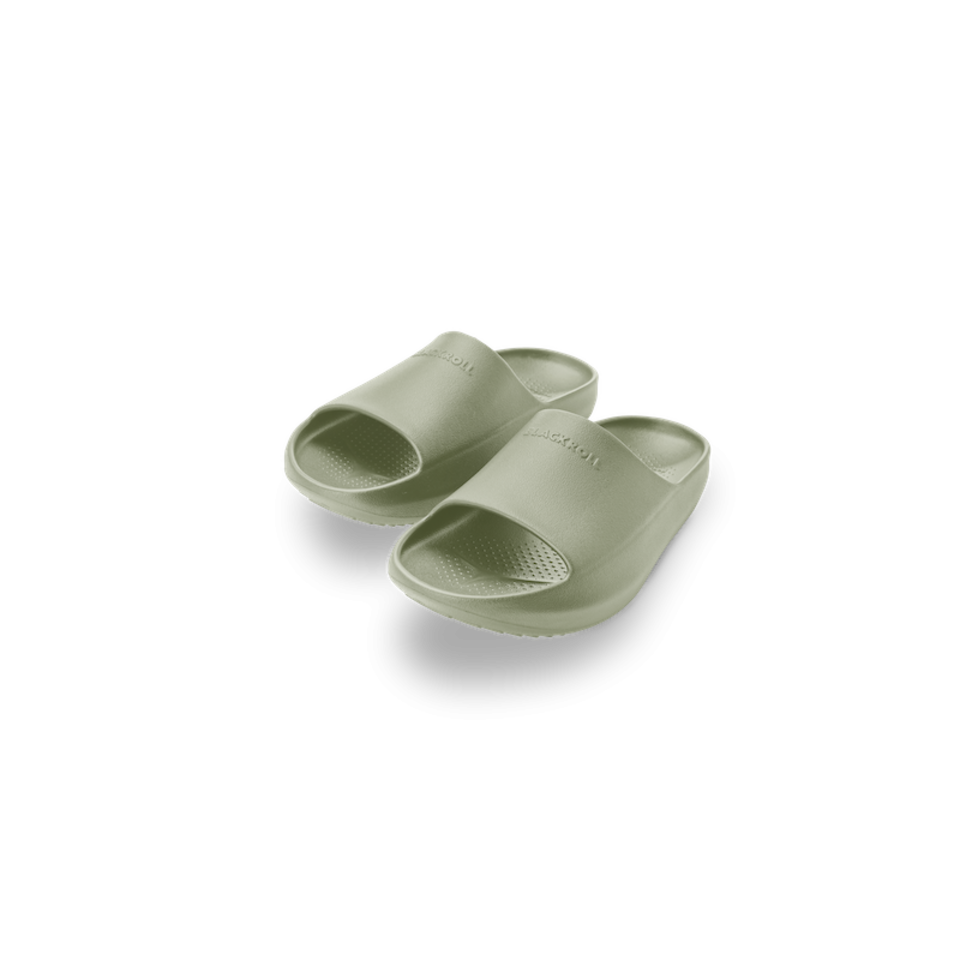
Recovery Slopes Core
Available in multiple variants