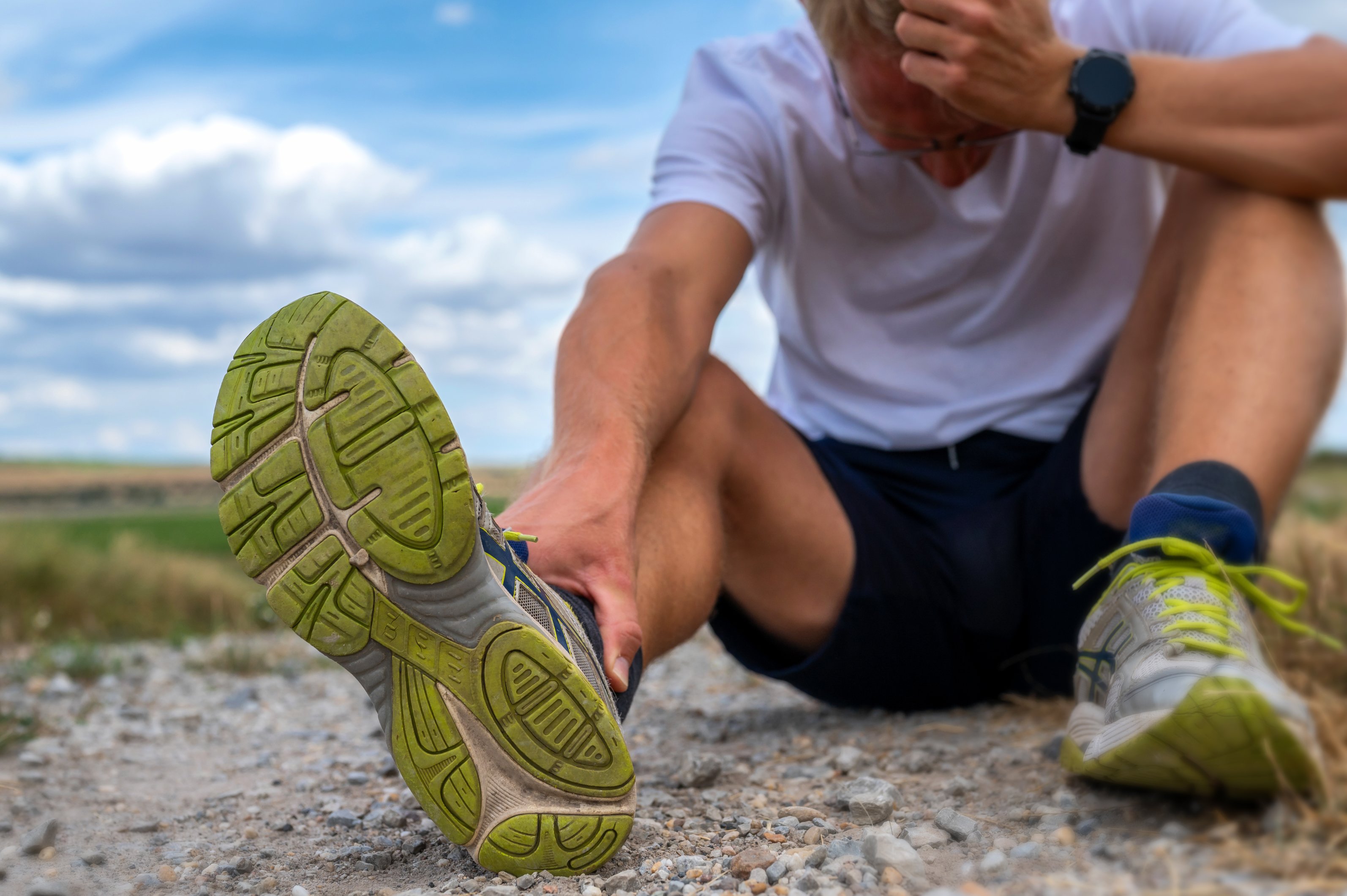
Common Injuries from Running and Jogging: Causes and Prevention

The forces acting on our bodies while running are enormous. This, in turn, can put a lot of strain on our joints, ligaments, and tendons and, in the worst case, lead to injuries. In this article, you’ll find an overview of the most common injuries associated with running and jogging, why they occur, and how you can prevent them.
Injuries from Jogging and Running: The 6 Most Common Ailments
While regular running and jogging give your cardiovascular system a real boost and help you shed a few pounds, they also put you at risk of injury—especially if your training intensity or technique isn’t optimal. Here are the 6 most common injuries associated with jogging and running:
Runner’s Knee
Runner’s knee, also known as iliotibial band syndrome (ITBS), is a common overuse injury among runners and other endurance athletes. It involves pain on the outside of the knee caused by friction between the iliotibial band (IT band) and the lateral femoral condyle.
Causes:
- Overuse: Frequent running, especially on uneven terrain or downhill, can lead to overuse of the IT band.
- Biomechanical factors:
• Unequal leg lengths
• Pelvic misalignment
• Poor foot function - Muscular imbalances
Symptoms:
Symptoms manifest as (pressure) pain around the kneecap and on the outer side of the knee, which can also radiate into the thigh and lower leg and usually occurs when walking, climbing stairs, running, or after sitting for a long time.
Shin Splints:
Shin splints, also known as tibial stress syndrome, are a common overuse injury that occurs particularly during running and other high-impact sports. The pain occurs along the inner side of the shinbone (tibia) and can lead to inflammation of the periosteum.
Causes:
- Overuse: Frequent running or jumping, especially on hard surfaces, can lead to overuse of the muscles, tendons, and bones in the lower leg.
- Biomechanical factors:
• Suboptimal foot mechanics
• Pelvic misalignment
• Leg length discrepancies - Inappropriate footwear
- Poor training progression: Increasing training intensity or duration too quickly without allowing adequate time for adaptation can lead to overuse.
- Muscular imbalances: Weak or unevenly developed leg muscles can lead to increased strain on the front of the lower leg.
Symptoms:
Shin splints are characterized by dull pain and significant tenderness along the inner or front edge of the shinbone. Sometimes there is also slight swelling in this area. The pain occurs primarily during activity and worsens with increased exertion. Symptoms usually develop gradually and can persist for a long time if not treated properly.
Plantar fasciitis:
Causes:
In plantar fasciitis, the plantar fascia—the band of tissue that begins under the heel bone and extends to the toes, supporting the arch of the foot during walking and running—becomes inflamed. Runners are particularly prone to this condition because constant impact places significant stress on this structure.
Symptoms:
Plantar fasciitis usually occurs at the point where the plantar fascia attaches to the heel bone and manifests as a burning, pulling pain in the heel, which can also radiate across the entire sole of the foot. Initially, pain occurs only during weight-bearing activities, but as the condition progresses, it often occurs even at rest.
Heel Spur:
Causes:
A heel spur is a bony growth on the heel bone (calcaneus). It often develops in response to repeated pressure and stress on the sole of the foot and can lead to significant pain. A heel spur frequently occurs alongside plantar fasciitis. Causes can include poor foot function, increasing exercise intensity too quickly, being overweight, or wearing improper footwear.
Symptoms:
Typical symptoms include sharp pain and severe tenderness in the heel, which intensify especially when walking or standing. Swelling and redness are also typical of a heel spur.
Stress Fracture/Fatigue Fracture:
Causes:
A stress fracture is a small crack in a bone caused by repeated stress or overuse. This type of fracture commonly occurs in runners, particularly in the lower extremities such as the tibia, metatarsals, and calcaneus. Causes often include increasing intensity too quickly or training at too high a volume.
Symptoms:
A stress fracture causes localized pain that increases during activity and subsides at rest. Significant tenderness and mild swelling may also occur. Theoretically, fatigue fractures can occur in any bone in the body, but they most commonly occur in the parts of the skeleton that are exposed to the greatest stress from impact or weight-bearing during physical activity. These include the feet and lower legs.
Achilles Tendonitis/Achilles Tendon Irritation:
Causes:
The Achilles tendon is the largest tendon in the body and connects the calf muscles to the heel bone. Pain syndromes affecting the Achilles tendon are generally referred to as achillodynia. Depending on their severity, these can range from irritation to inflammation and are most often caused by sudden impacts during sprints or jumps, improper footwear, running on hard or uneven surfaces, or poor foot mechanics. Chronic Achilles tendon irritation that is not properly treated carries the risk of an Achilles tendon rupture. Optimal treatment is crucial here to prevent future discomfort or injuries in this area.
Symptoms:
Irritation or inflammation of the Achilles tendon can be very painful. A typical symptom is pain radiating upward from the back of the heel—especially in the morning. This is because while the tendon is relaxed during sleep, it tightens again as soon as the person takes their first steps after getting out of bed. This is why it is referred to as “start-up pain.” However, because the Achilles tendon stretches slightly as the day progresses, the pain tends to subside over the course of the day. Other symptoms may include swelling, pain near the heel, stiffness, redness, and warmth. The Achilles tendon is very sensitive to pressure, and some people may also experience a crunching sensation when the foot is in motion.
Prevention: How to Prevent Injuries While Running and Jogging
To minimize the risk of injuries while running and jogging, you can take a few preventive measures yourself. The most important measures include:
- Don’t forget to warm up and cool down: Jog lightly or do dynamic stretches before running to prepare your muscles for the exertion and boost blood circulation. After your workout, cool down with a slow jog or perform static stretches to relax your muscles, regulate your nervous system, and promote recovery.
- Optimal training management: The key to a sustainable, pain-free increase in performance lies in striking the perfect balance between training stimulus and appropriate recovery breaks. Gradually increase the intensity and duration of your workouts to help your body adapt to the increasing workload, and be sure to include recovery phases.
- Wear appropriate footwear: Wear shoes that fit your feet well and provide sufficient cushioning and support. It’s best to seek advice at a running store to find the shoe that’s best suited for you and your needs. Replace worn-out shoes regularly. The typical lifespan of running shoes ranges from 400 to 800 kilometers (depending on running surface, weather, storage, and general care). If you can afford it, we recommend having 2–3 different pairs of running shoes in your closet to add some variety to your running routine throughout the training week, from one session to the next.
- Learn proper running form: Pay attention to good posture and a smooth, natural running style. If needed, have a running analysis done at a running store to improve your form, or get tips from books or a coach in a guided running group.
- Strength training for balance: Do regular strength training to strengthen your leg, hip, and core muscles, thereby reducing the strain on your joints, tendons, and ligaments and preventing muscular imbalances.
Some of the best strength exercises for runners include the LOOP BAND Glute Bridge, Overhead Squat, Clamshell, Rolling Plank, and Pallof Press.
We explain how to perform these exercises correctly in our video tutorials. On our website, you’ll also find the 13 best injury-prevention exercises for runners. According to a study, combining strength training with fascia training can help you reduce your risk of injury by up to 85 percent.
- Vary your running surfaces: Run on different surfaces as often as possible (such as asphalt, forest trails, and grass). This not only varies the stress on your joints but also challenges your physical adaptability. Feel free to give trail running a try.
- Optimal Nutrition: An optimal intake of nutrients through a healthy diet and proper hydration is especially important in running sports to ensure your body gets what it needs and to support recovery. A targeted nutrition plan may also include appropriate supplementation. It’s definitely recommended to seek advice from a nutrition expert.
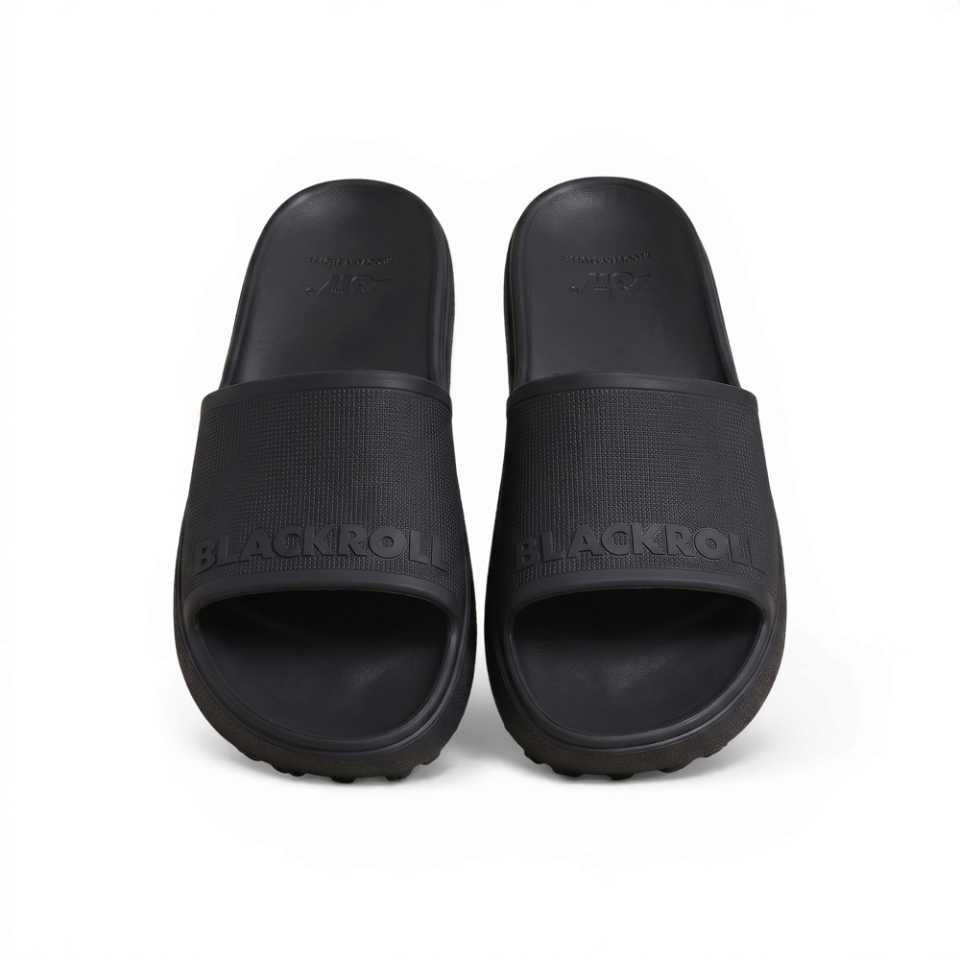
- Recovery Measures: In addition to nutrition,the main factor for good recovery is, above all, optimal sleep quality. Additionally, certain tools can further support and promote recovery. These include, for example, compression boots, the Fascia Gun, or recovery slopes.
Corrective exercises or self-massage using Blackroll Tools—such as the fascia roller or fascia ball—can also be important.
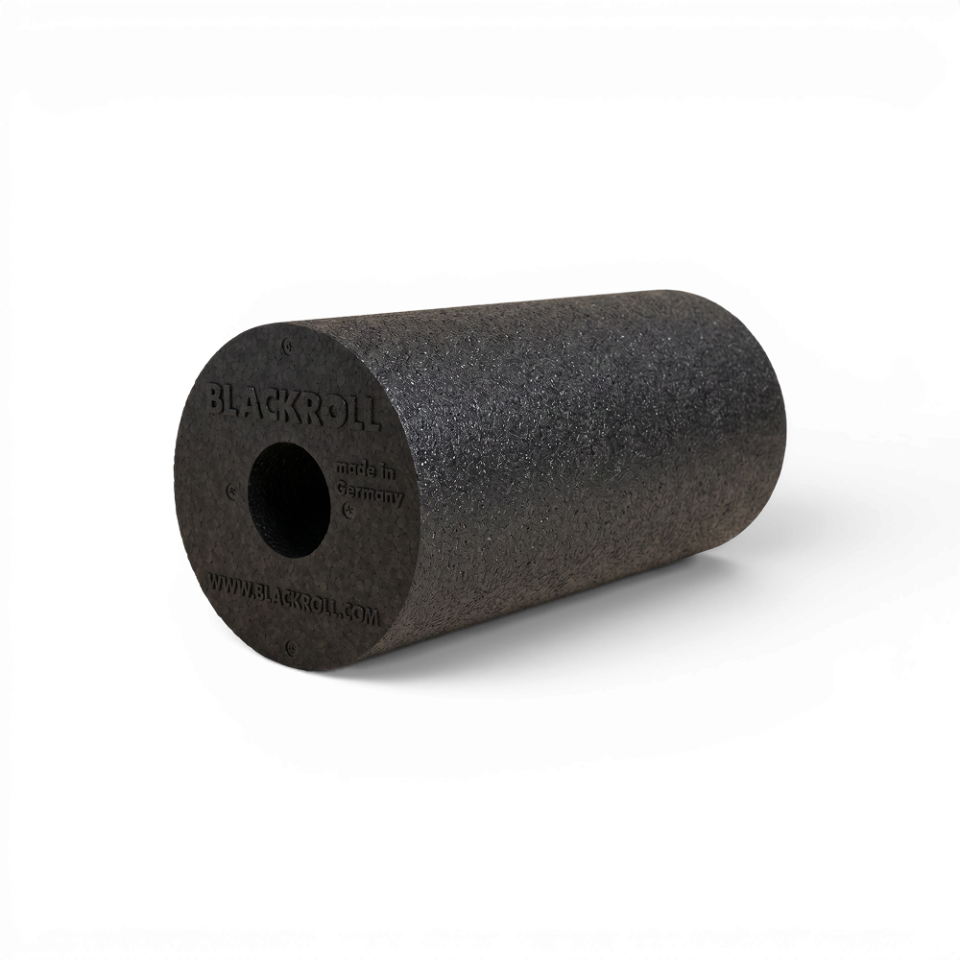
You can find the best exercises using the fascia roller in our videos. The STANDARD fascia roller is ideal for all athletes who want to improve their flexibility and specifically treat painful muscle knots—for self-massage of the back and neck, core muscles, calves, or thighs.
Tip: If pain or discomfort occurs despite taking all necessary precautions, take a break as soon as possible and consult a sports medicine specialist to prevent more serious injuries.
Summary
The most common injuries associated with running and jogging include Achilles tendinitis, plantar fasciitis, stress fractures, shin splints, and runner’s knee.
Symptoms typically include pain that subsides at rest but increases again during activity and may require prolonged treatment.
You can actively help your body prevent injuries while jogging and running by preparing well for your workouts. This includes, for example, maintaining proper running form, doing strength exercises, wearing appropriate footwear, eating a balanced diet, and taking sufficient rest breaks between workouts.
Also interesting










Our Best Tools to Help You Get Started with Jogging
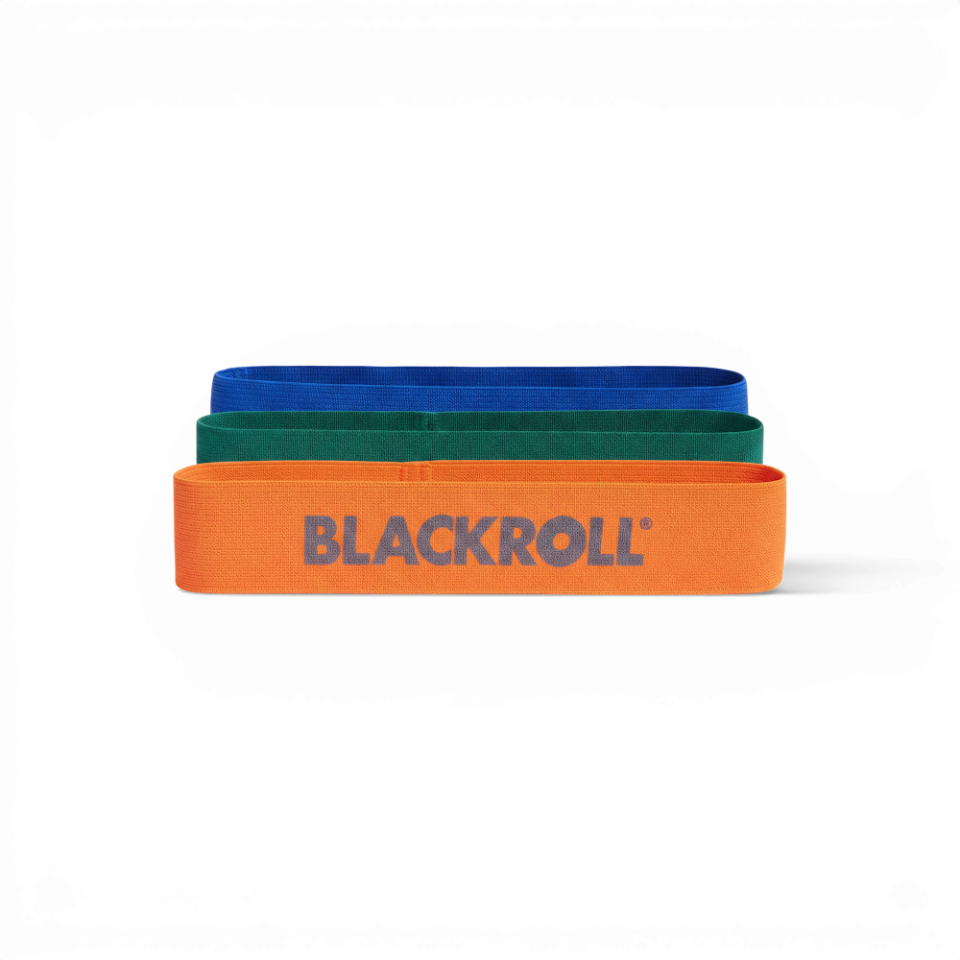
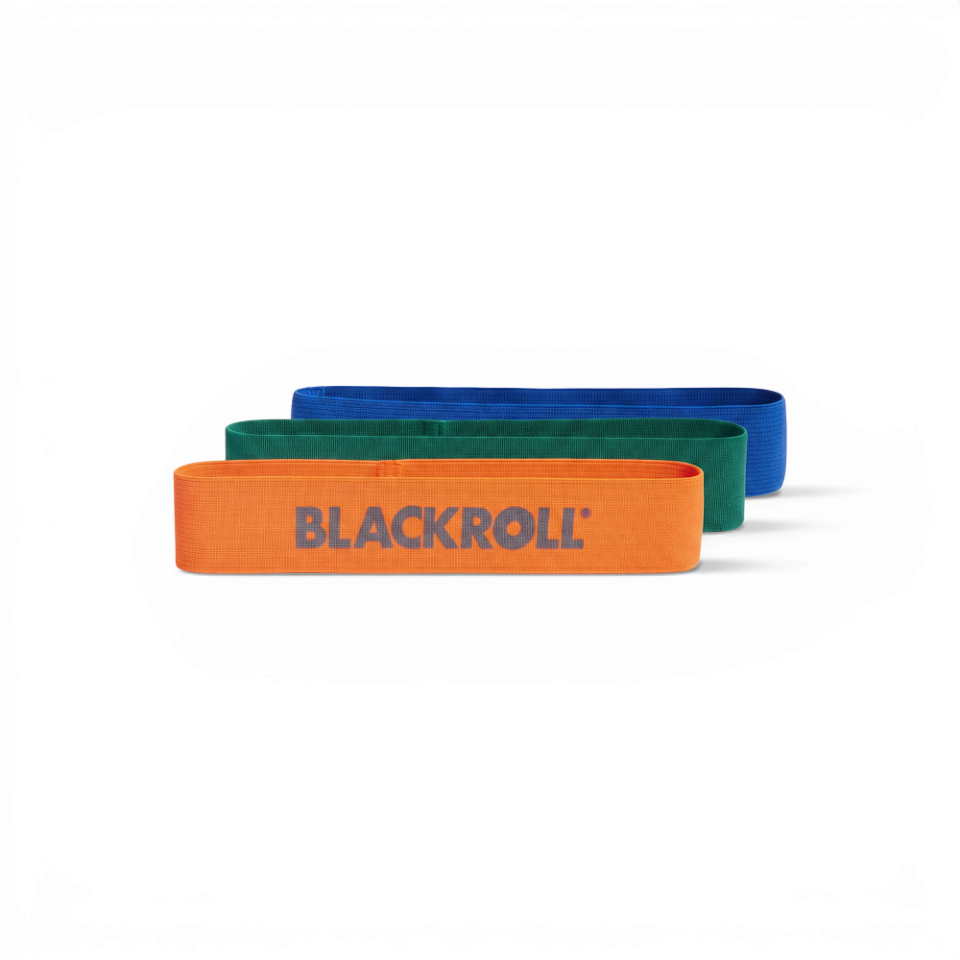
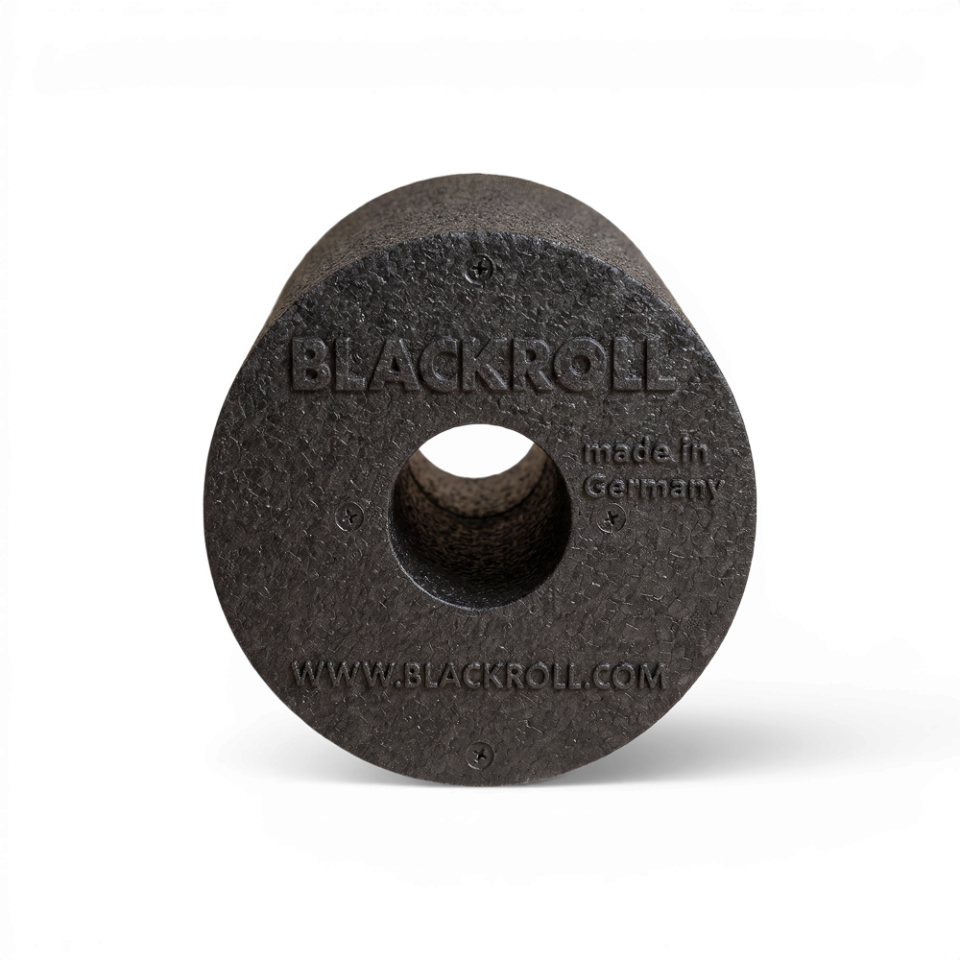
Standard
Available in multiple variants
Recovery Slopes
Available in multiple variants