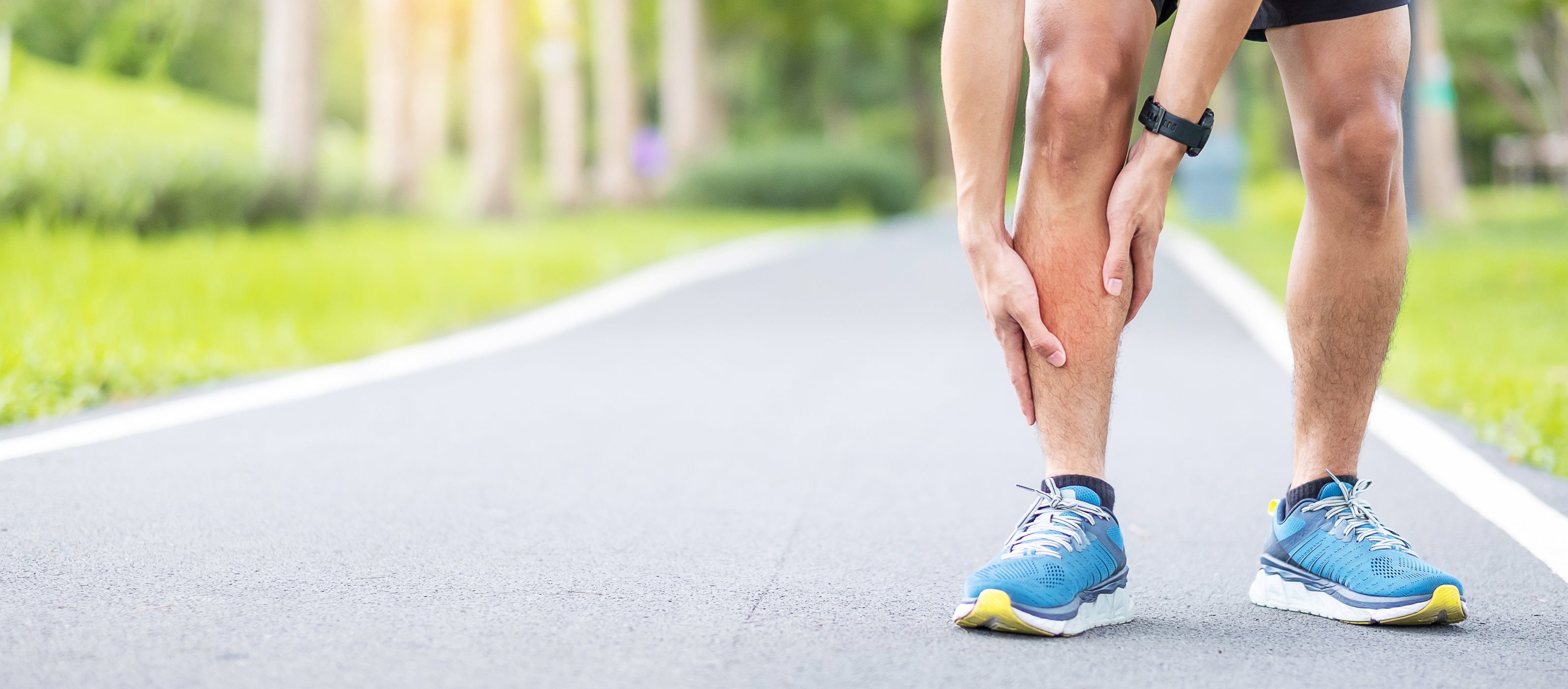
Shin Splints: Causes, Symptoms, and Treatment

Do you have pain along your shin or in your calves, and does it get worse especially when you’re running?
Then this could be a sign of shin splints. Shin pain, often referred to as “shin splints” in the running community, can frequently force runners to take a break. The risk of developing shin pain is particularly high after a long break from training or when you’re just starting to run.
One thing is clear: being forced to take a break from running is always a hassle. To help you avoid getting to that point, in this article we’ll explain the most common causes, risk factors, and typical symptoms of shin splints.
If you’re already suffering from shin pain, you’ll find practical tips here on how to get rid of this stubborn inflammation as quickly as possible.
Das Wichtigste in Kürze
- Der Schmerz sitzt an der inneren hinteren Schienbeinkante und tritt unter Belastung auf. Druckschmerz über mindestens fünf Zentimetern ist das entscheidende Merkmal.
- Es ist keine Knochenhautentzündung, sondern eine Überlastungsreaktion des Knochens selbst.
- Für die Diagnose reichen Anamnese und körperliche Untersuchung aus. MRT oder Szintigrafie dienen dazu, andere Ursachen wie Stressfrakturen auszuschließen – nicht dazu, das Schienbeinkantensyndrom zu bestätigen (Winters et al., 2018).
- Wer bereits eine Episode hatte, trägt das mit Abstand höchste Risiko für eine weitere (Newman et al., 2013).
- Die Belastungsreduktion ist die Grundlage jeder Behandlung. Keine Einzelmaßnahme hat sich ihr bisher als überlegen erwiesen (Winters et al., 2013).
- Bei rund einem Drittel der Betroffenen liegt zusätzlich eine weitere Unterschenkelverletzung vor (Winters et al., 2018). Deshalb gehören anhaltende Schmerzen ärztlich abgeklärt.
Remedies for Shin Splints
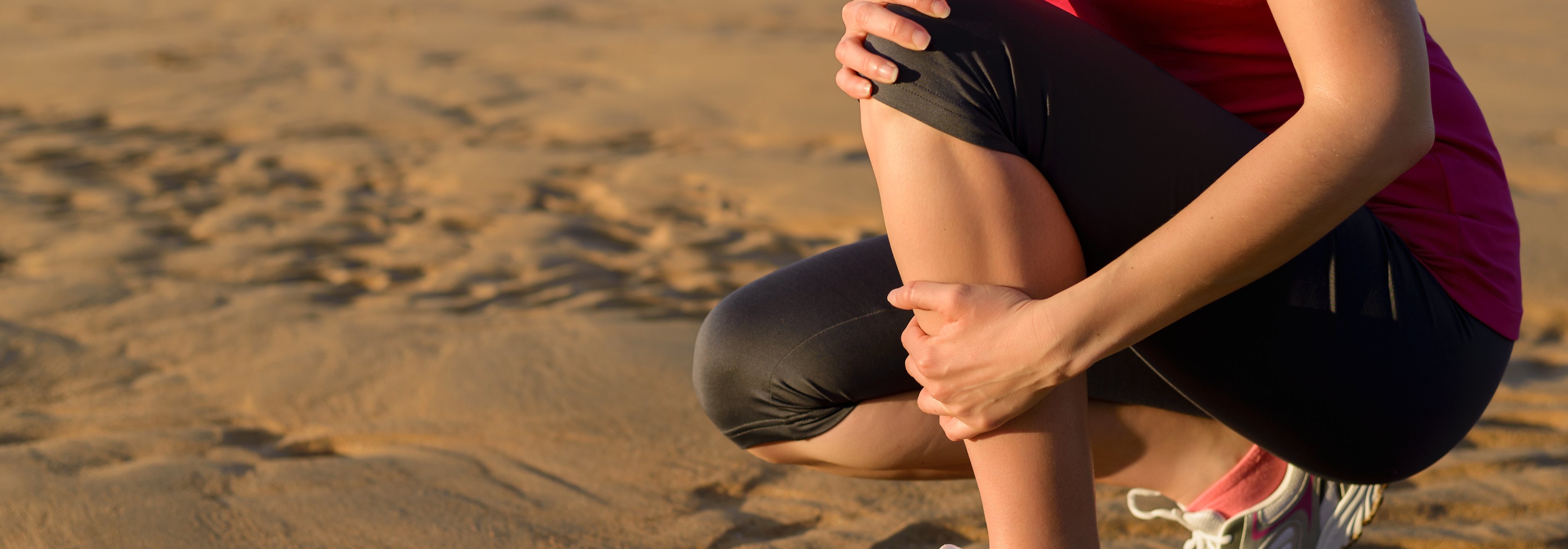
Common causes of shin pain while running
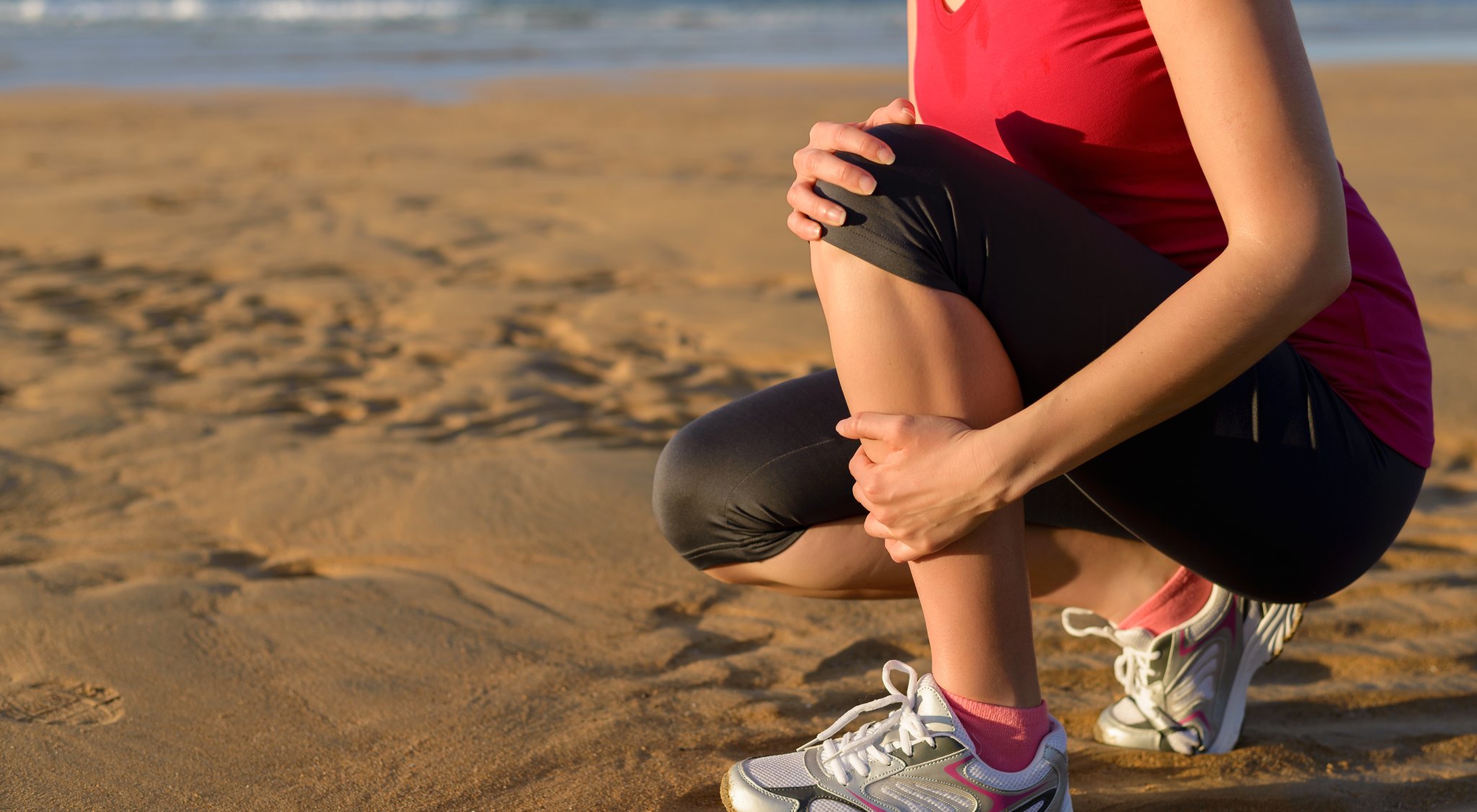
Shin splints are one of the most common conditions in sports involving high and repetitive impact, such as running, dancing, or hiking. It is a common injury caused by repeated stress on the foot while running. It is important to recognize that shin splints can occur in various forms, including medial, lateral, and posterior shin splints.
If you suspect you have or have been diagnosed with shin splints, it is advisable to seek treatment as soon as possible.
The associated pain can often indicate some form of overuse or strain on your muscles.
Shin pain, also often known as tibial edge syndrome or shin splints, is a painful irritation on the inner or outer side of your shinbone (tibia). Repeated and prolonged stress causes the irritation to develop into inflammation of the periosteum. This persistent periosteal inflammation (periostitis) occurs at the muscle attachment site and along the tendon of the posterior tibial muscle. Shin pain typically occurs at the start of a workout and usually increases with the duration of the activity.
Causes of Shin Splints at a Glance:
- Overuse from training: Gradual overuse—especially among new runners—due to increasing training volume or intensity too quickly can cause this syndrome.
- Poor training plan: Running too many kilometers, insufficient recovery periods, and overly intense training sessions without adequate base endurance are risk factors.
- Inappropriate footwear: Worn-out or ill-fitting running shoes that do not provide adequate support can cause shin pain.
- Muscle imbalances: Insufficiently trained leg and lower leg muscles, as well as imbalances between the anterior tibialis muscle and the calf muscles, can lead to increased stress on the shin and thus to shin splints.
A common cause of shin splints is gradual overuse of the body, particularly the leg muscles. Especially if you’ve just started running, initial, rapid progress can be very motivating. You want to run more and may increase your training too quickly.
However,intense training or a sudden increase in training volume can lead to signs of overuse. Even if you increase your running speed or training volume too quickly without first building a sufficiently strong aerobic foundation, overloading your legs is often inevitable.
Here’s how it might play out: In winter, it was too dark, too cold, and you might not have been motivated to go running regularly. When the first rays of spring sunshine appear, you get the urge and head out to the track, eager to do a few intervals. The next day, you go for a tempo run because it went so well, and the day after that, a long run. But without first laying the proper foundation—that is, endurance runs at a slow pace for at least 6–8 weeks—you risk developing pain.
Excessive mileage, a failure to observe recovery periods, and overly intense training sessions are therefore risk factors for developing shin splints.
Worn-out or ill-fitting running shoes, especially if they don’t provide enough support foryour pronation, can also cause shin pain. Insufficient shoe cushioning, improper arch support, or worn-out running shoes can contribute to pain along the shinbone.
If the leg muscles are not sufficiently trained—especially the lower leg muscles—the strain on the shinbone also increases. The calf muscles and shin muscles work closely together to maintain the stability of the shinbone and foot muscles while running. Imbalances in these muscle groups can compromise stability and lead to overuse.
Even if the anterior tibial muscle (tibialis anterior) is too weak in relation to the calf muscles (gastrocnemius and soleus), this can lead to increased stress on the shin. These imbalances often also lead to muscle tension and inflammation, which can contribute to shin splints.
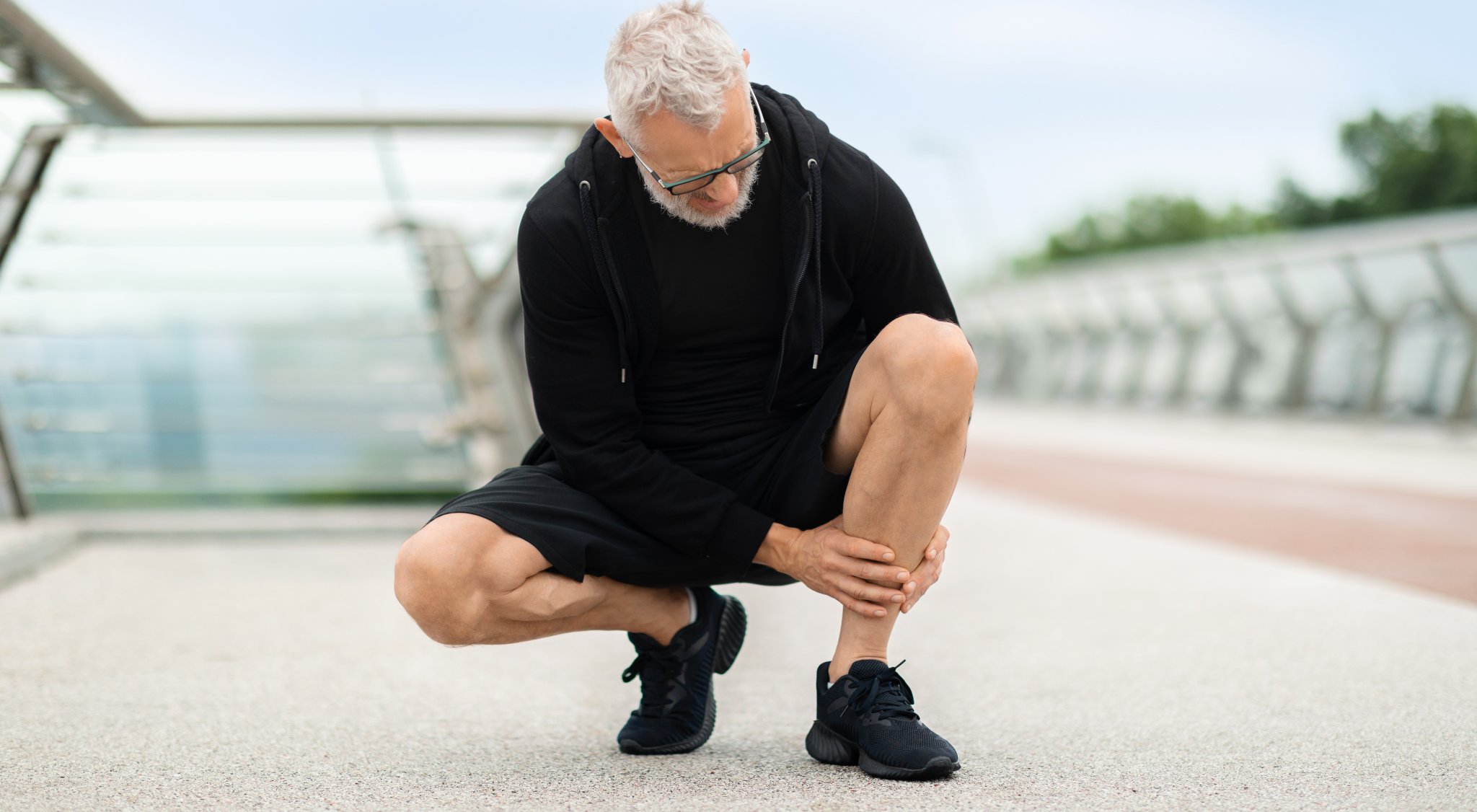

Symptoms of Shin Splints
The tibia is the long bone in the front of the lower leg. It bears the brunt of force transmission in the lower leg and is the origin of several tendons and muscles that act on the foot and ankle joint.
Runners, in particular, may develop specific lower leg problems that are exacerbated by athletic overuse, misalignment of the leg axes, or foot deformities (e.g., flat feet, pronated flat feet).
In the case of shin splints, regular and repeated strain on the anterior upper or lower inner edges of the tibia can lead to painful irritation at the tendon-bone junction.Swelling and pain along the edge of the tibia are common signs of shin splints.
The main symptoms of shin splints therefore usually manifest as pain along the shin, which is often dull, aching, and throbbing. The pain often occurs while running and can worsen as the activity continues.
If gently tapping, rubbing, or applying pressure to the edge of the shin triggers pain, this suggests shin splints. In that case, you should see a doctor as soon as possible.
The sooner you begin appropriate examination and treatment, the sooner you’ll be able to resume your running training. Generally, the diagnosis can be confirmed using magnetic resonance imaging (MRI), and the causes can be identified through methods such as a running analysis. Surgery is not usually necessary for shin splints themselves, but it may be considered in cases of chronic compartment syndrome or stress fractures.
What risk factors contribute to shin pain while running?
When it comes to risk factors, we distinguish between intrinsic and extrinsic risk factors that can contribute to shin splints.
Internal factors, such as age, gender, physical predisposition (body type), height, weight, body fat, and anatomical characteristics, are considered intrinsic risk factors. The latter may include, for example, certain anatomical conditions such as flat feet or differences in leg length.
Factors such as your overall fitness level, your level of fatigue, and your general muscle mass or flexibility can also play a decisive role in the development of shin splints.
Other intrinsic factors that contribute to shin pain include failing to warm up or cool down the muscles, increasing intensity too rapidly, poor running form, lack of muscle strength, or a sudden increase in training mileage.
Among the external risk factors, the most significant is ill-fitting footwear that doesn’t suit your foot, running style, pace, or running surface. Even if you run exclusively on hard surfaces like asphalt, this can contribute to shin pain. However, uneven terrain can also lead to painful symptoms if you don’t allow for sufficient recovery.
Furthermore, climate and weather conditions—especially extreme weather such as cold or wet conditions—can cause your muscles to cramp more quickly, which can lead to shin pain.
You can, however, largely minimize these external risk factors that contribute to shin pain.
Simply being aware of which risk factors exist will help you adjust your behavior and training.
Here’s how you can reduce your risk of shin splints
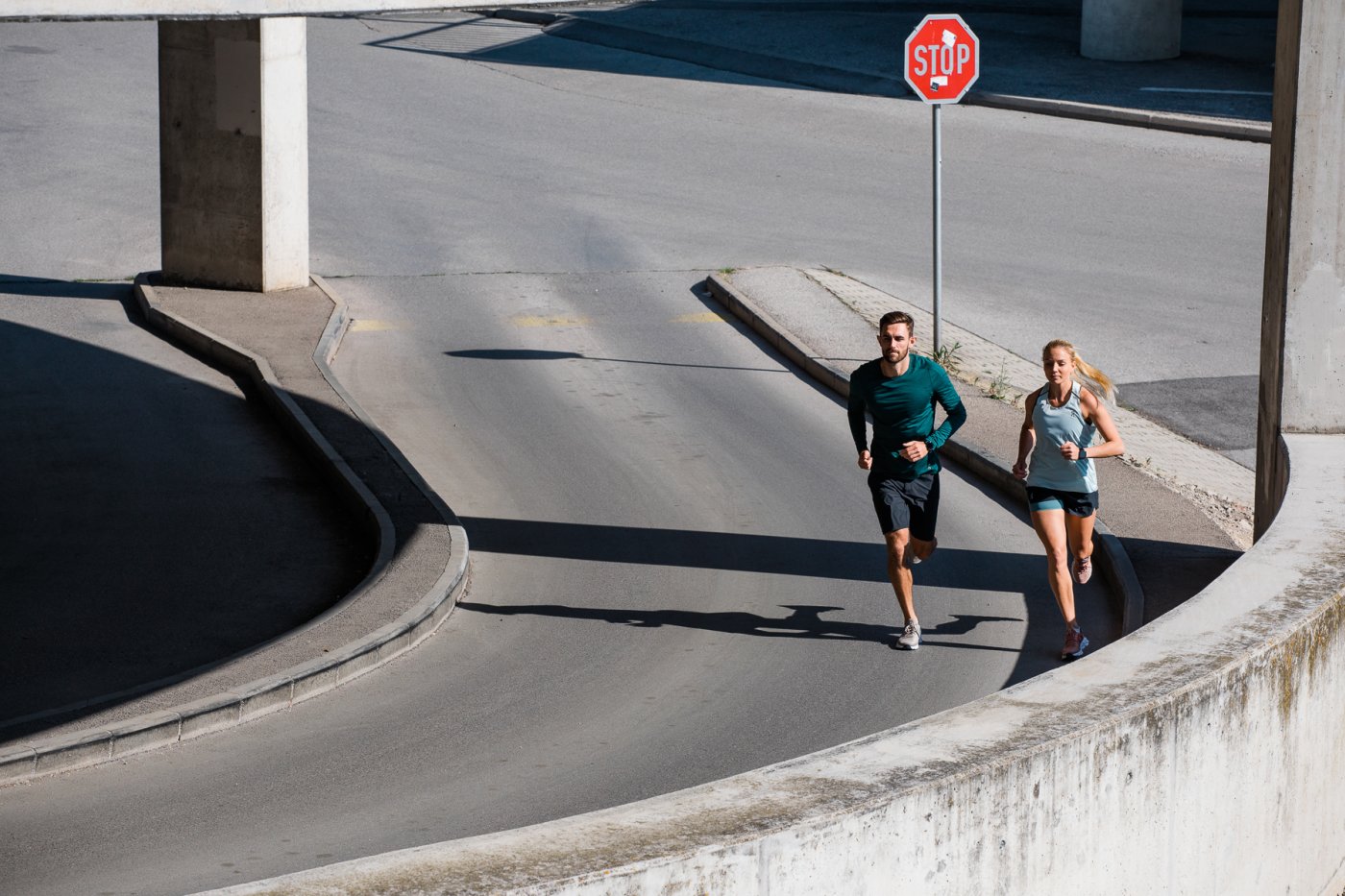
Gradually increasing training intensity and duration while running
Slowly and steadily increasing your training is crucial for preventing injuries. Pay particular attention to training volume, duration, and intensity to gradually prepare your body for higher levels of exertion. Gradually increasing the workload allows your muscles, tendons, ligaments, and bones to adapt to the demands of running.
For this reason, many runners follow the “10-percent rule.”
This rule states that your weekly running volume should not increase by more than 10 percent compared to the previous week. You should also build a solid foundation before increasing the intensity (faster running, such as intervals).
As a beginner in running, you should train at a base level for at least 8–12 weeks before including faster sessions in your training plan. During slow, aerobic runs, you should still be able to hold a conversation easily, or maintain a heart rate of about 60–70% of your maximum heart rate.
If you’ve been running for several years, 4–8 weeks of base training is often enough before you can start tempo training.
For both performance levels, however, your overall endurance and good running form are crucial.

Warming up, stretching, and releasing fascia to prevent shin pain
Warm-up exercises and targeted stretching are important measures for preventing shin splints and reducing shin pain.
You should warm up for at least 5–10 minutes before starting your workout. The warm-up is meant to bring your body up to “operating temperature” and prepare it for the upcoming physical activity. For example, you can go for a light bike ride, do running-specific exercises while standing, or perform dynamic movements.
After running, you should then do static stretches to relax your muscles and increase flexibility.
The most important thing you can do to minimize the risk of shin splints is to stretch your calves. To do this, stand upright, step one foot forward, and pull your toes toward your torso. Then slowly lower your torso toward your toes until you feel a comfortable stretch in your calf muscles. Switch sides and hold the position for 30–60 seconds on each side.
Another effective stretching exercise is stretching your calves on a raised surface or step. To do this, place both feet on the raised surface, then slowly press one heel toward the floor until you feel a stretch. Repeat on both sides. However, a comprehensive stretching program for the front and back muscle chains of your lower body is recommended.
Preventive Fascia Training
Fascia training using tools such as the BLACKROLL can help prevent shin splints.
Fascia are connective tissue structures in our bodies that envelop muscles and organs. If they become stuck together or harden, this can lead to pain or discomfort. Targeted rolling with the BLACKROLL before a workout to promote blood flow, or after a workout to relax, can reduce the strain on your shins.
Regularly incorporating fascia training into your running preparation or recovery routine can help reduce shin pain.


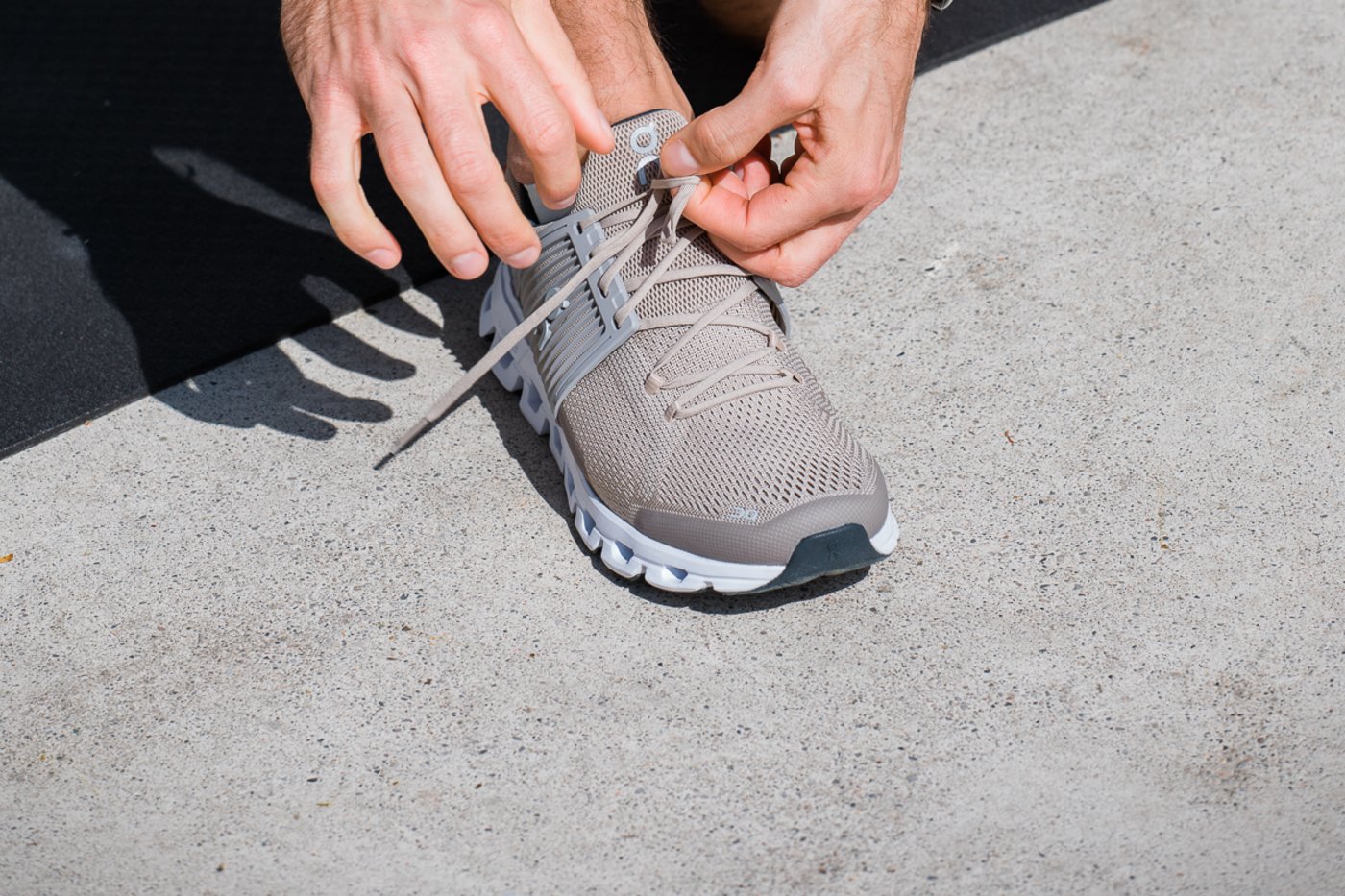
The Importance of Proper Running Form and Shoe Selection
Choosing the right running shoe for your foot shape, running style, and goals is crucial when it comes to injury prevention.
First and foremost, it’s advisable to have a professional running analysisdone to find out which type of shoe is right for you. Running shoes with an extra-cushioned midsole can often protect your feet and legs.
Insoles can also be an option for customizing your shoes to your individual needs.
Determine for yourself what kind of support you need, how much cushioning you require, and whether your running shoes provide enough room for your feet. Also, make sure your running shoes don’t wear out too much. Running shoes wear down over time and gradually lose their cushioning properties. Therefore, replace your shoes regularly to reduce the risk of overuse and shin pain.
Your shoes should last about 500–800 kilometers, depending on their quality, how often you run, the intensity of your runs, your running style, and your body weight.
A good running form is also important for preventing running injuries. An efficient foot strike technique, stride frequency, breathing, stride length, and rhythm are some key points you should keep in mind.
Find a running group with professional guidance or a running expert who can give you personalized tips. Optimized running technique helps you run more efficiently, improve your performance, and minimize injuries. For example, if you consistently lift your toes too high when your foot strikes the ground, this can overburden the tibialis anterior muscle (the muscle on the front of the shin) and trigger an inflammatory response.
Proper running form is therefore extremely important for preventing shin splints
Practical measures for pain relief
Many exercises using a foam roller can help provide long-lasting pain relief. Even though massaging the muscles may feel uncomfortable at first, these exercises help loosen up the calf and shin muscles over a large area.
Fascia massages have a direct effect on muscular structures and help reduce sports-related injuries. Alongside other therapeutic approaches such as dietary supplements, wearing compression garments, or active stretching, myofascial massage is considered very helpful.
Here we’ve put together a few exercises for you that can help with treating shin splints.
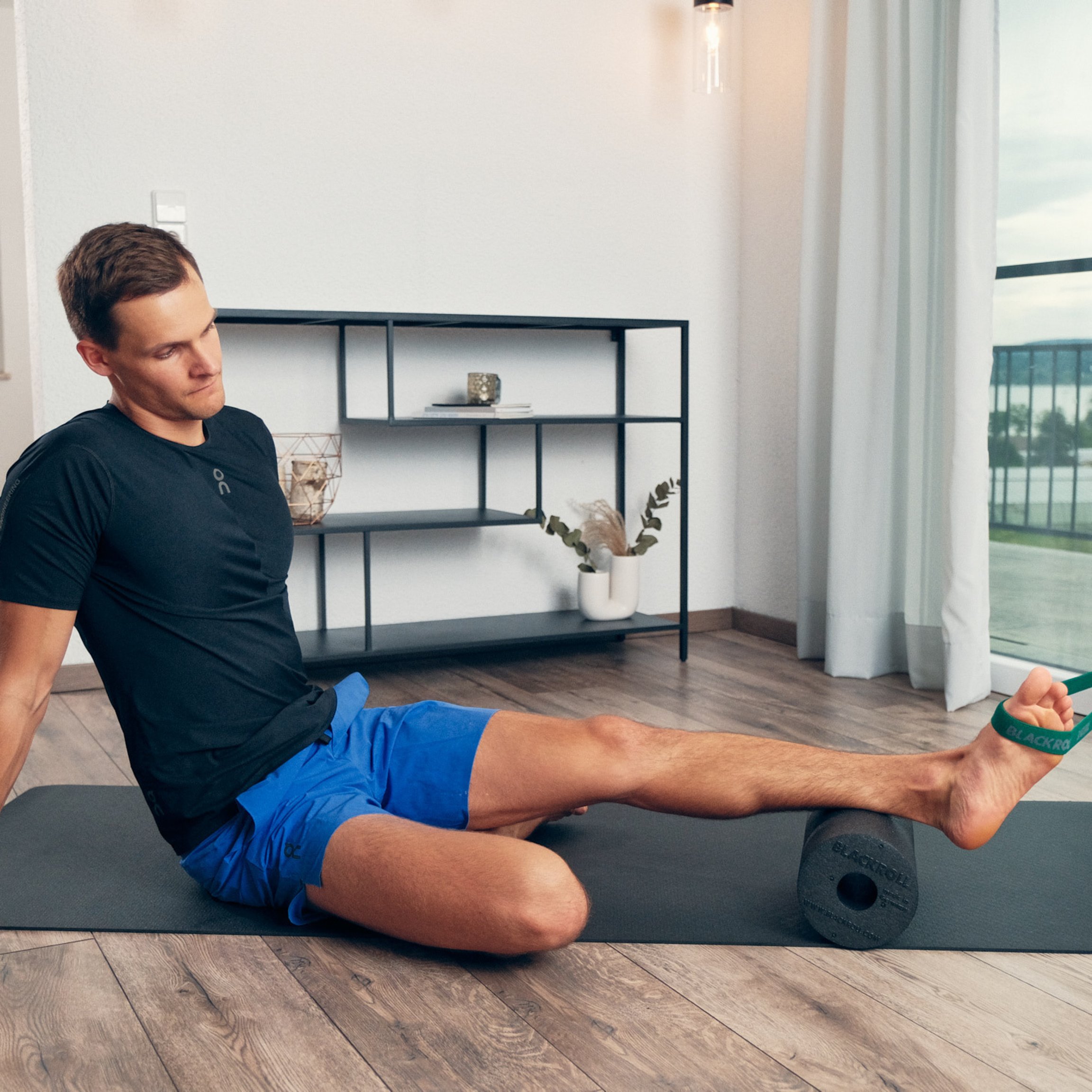
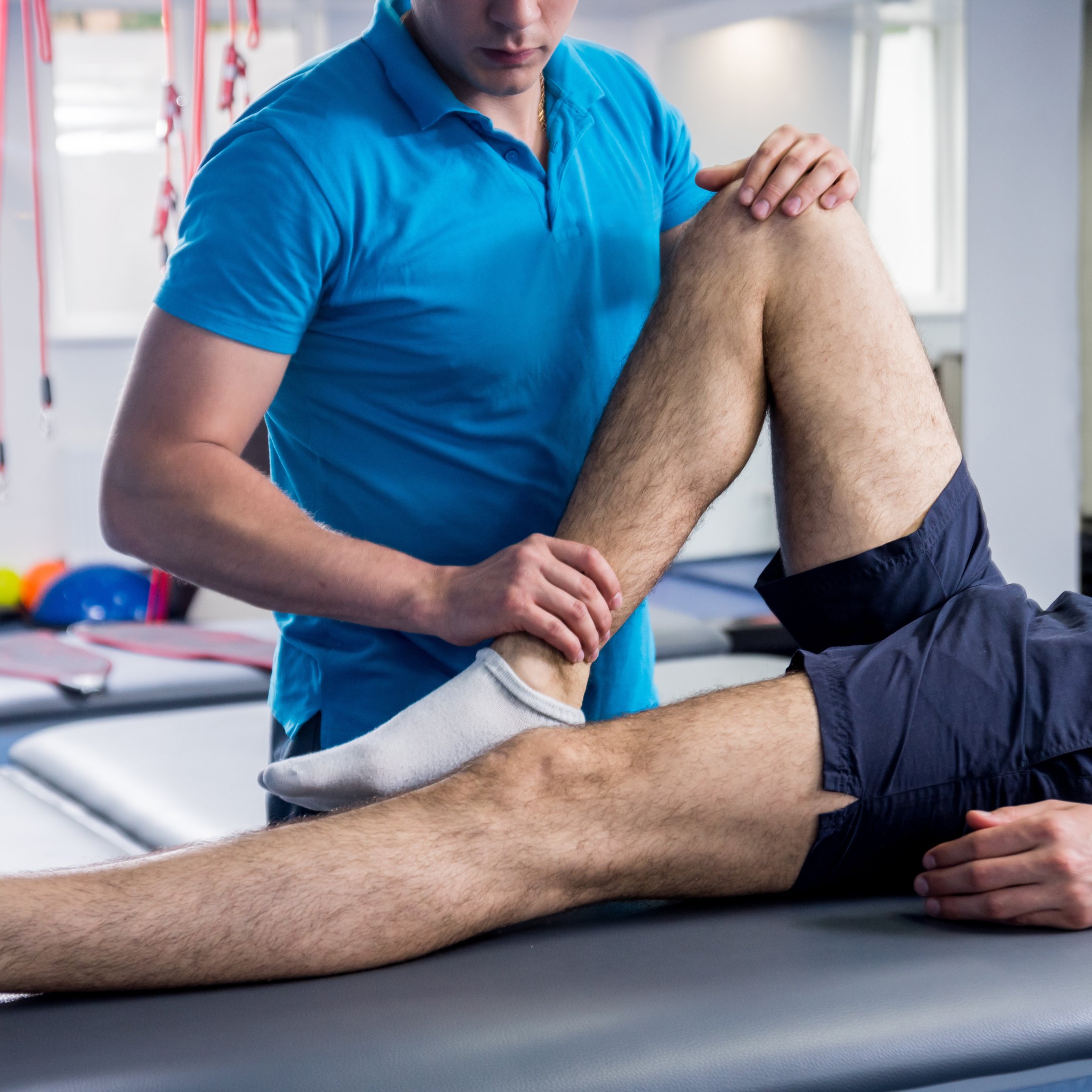
Conservative approaches such as physical therapy and the implementation of targeted exercises to alleviate shin pain are time-tested methods. Typical exercises include stretching and strengthening the calf muscles, as well as training your leg and foot stability.
Medication can relieve pain and reduce inflammation. Nonsteroidal anti-inflammatory drugs (NSAIDs) are often used for this purpose. Since they only provide temporary pain relief, medication should be just one part of a comprehensive and holistic treatment plan.
The use of dietary supplements can be considered to support pain relief. Omega-3 fatty acids, curcumin, or vitamin D can reduce inflammation, strengthen bones, and support your overall health. In general, rest and taking it easy are the most important components of your healing process. Take a break from running until you’re pain-free again.
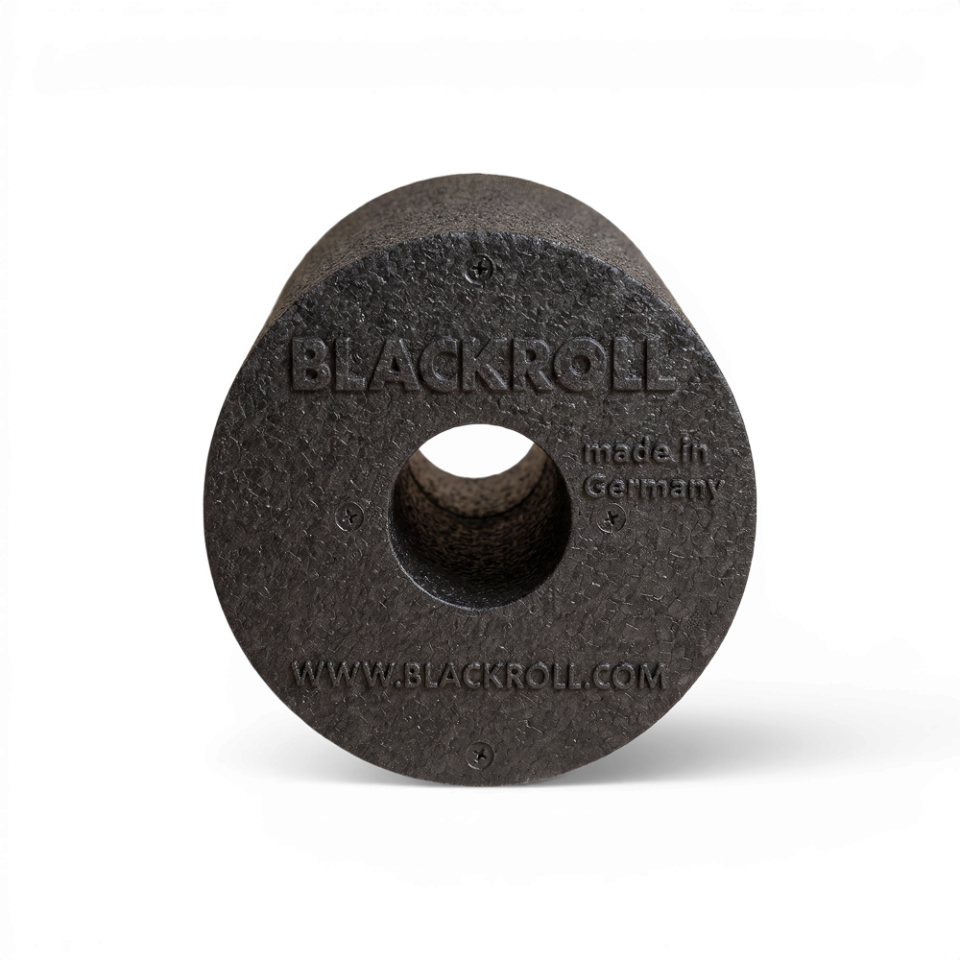
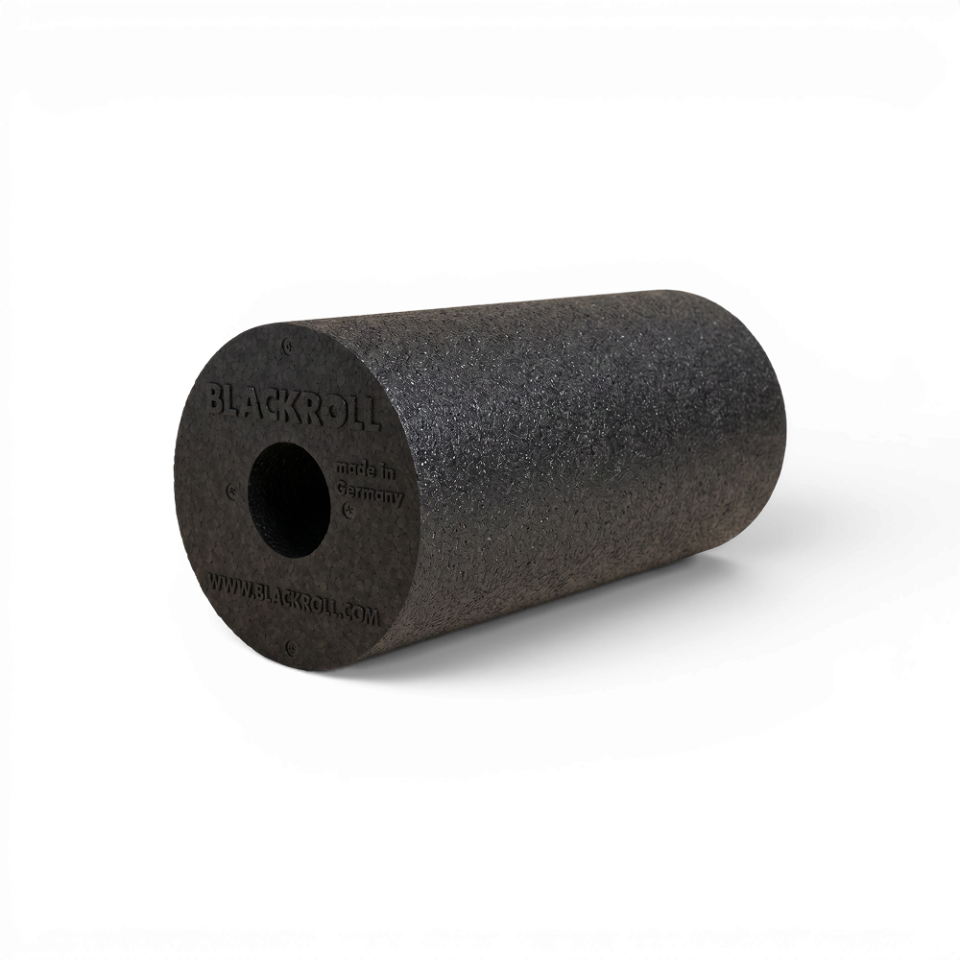
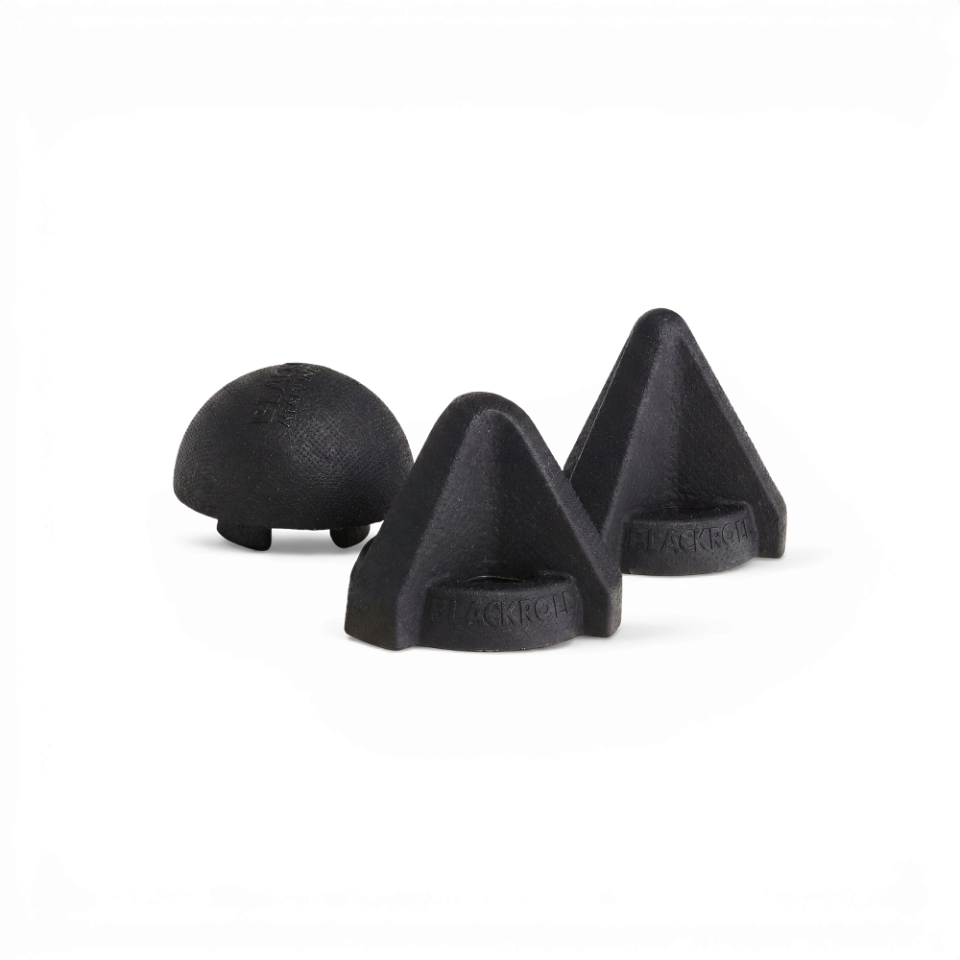
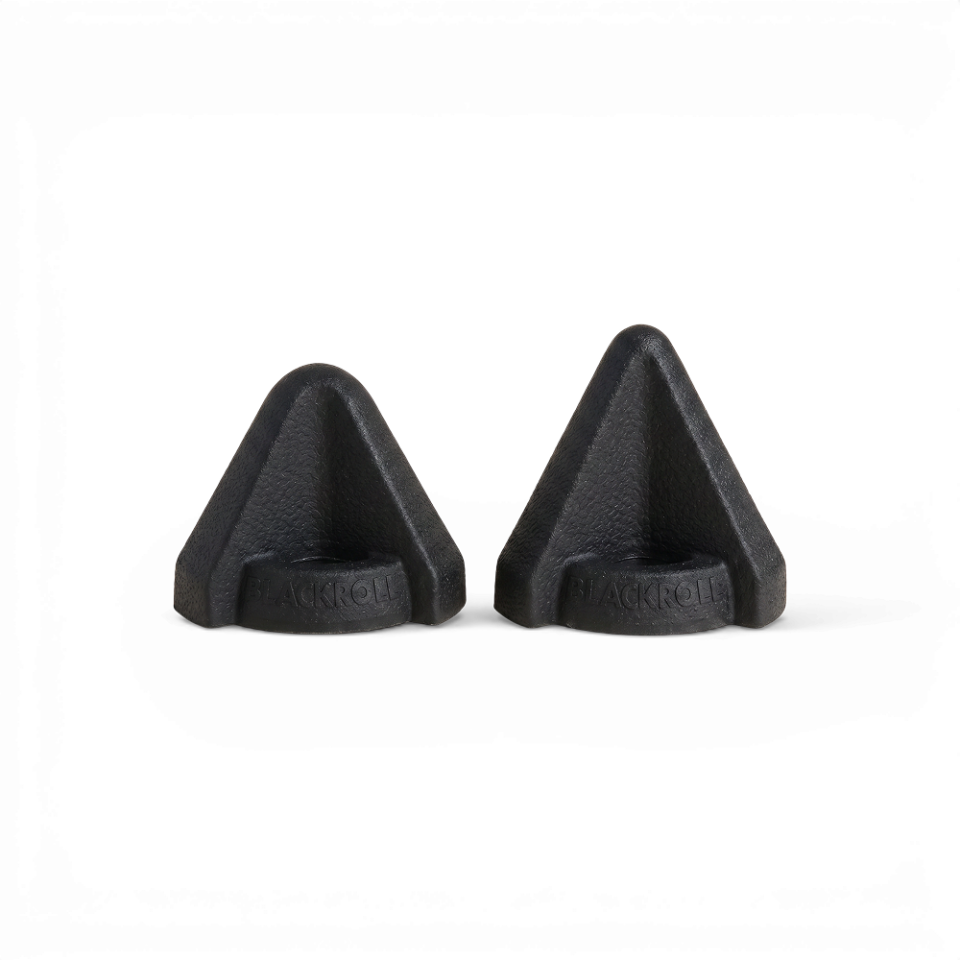
Standard
Available in multiple variants
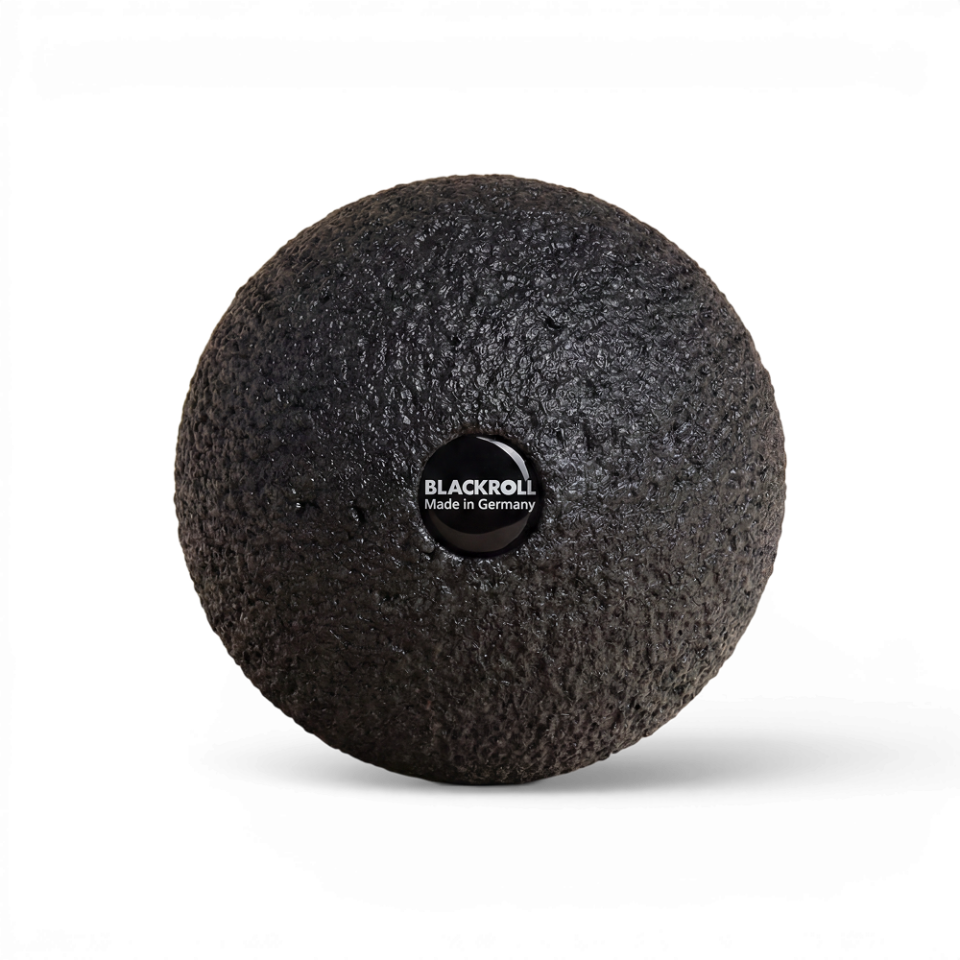
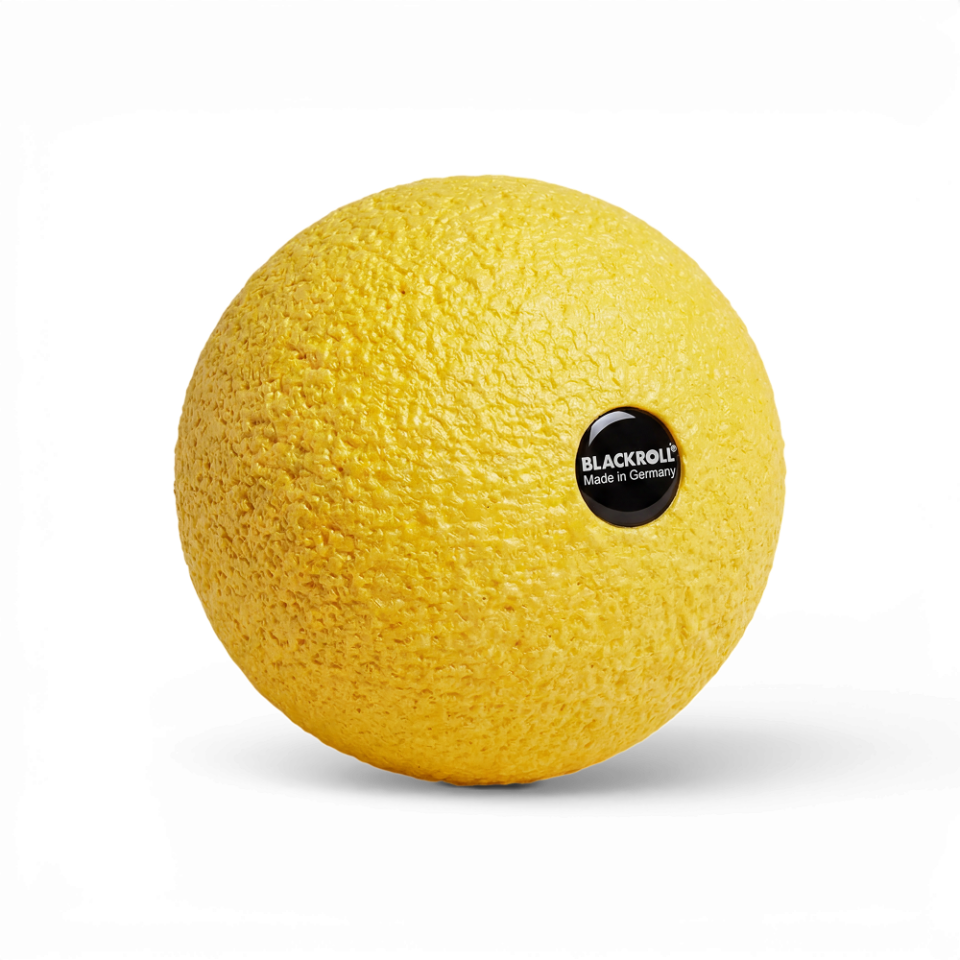
Ball 08
Available in multiple variants
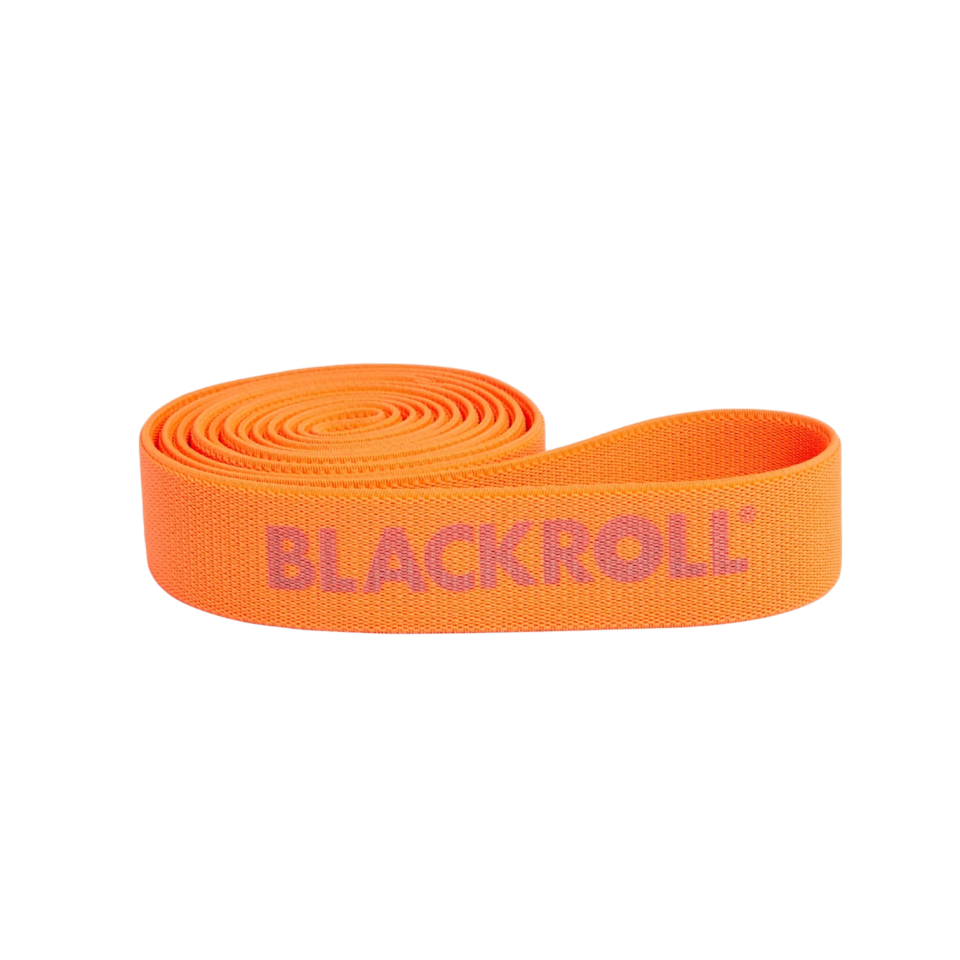
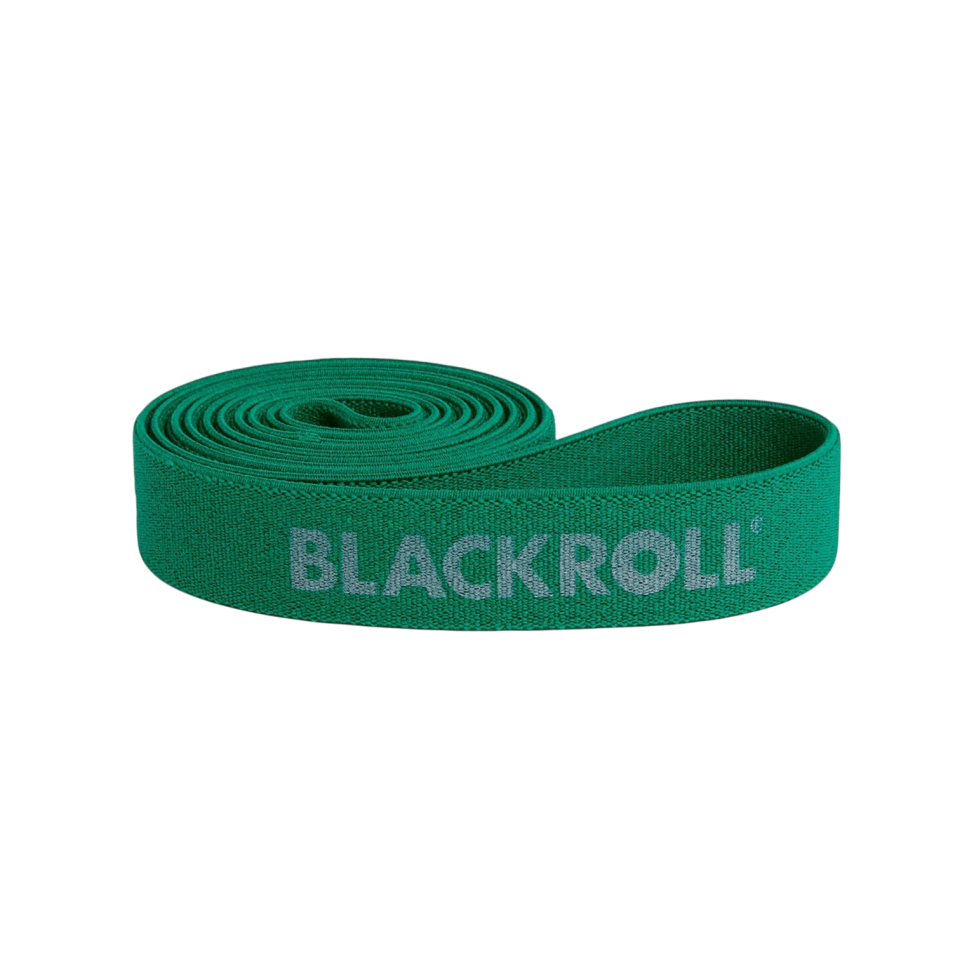
Super Band
Available in multiple variants
When can I start running again after shin splints?
Unfortunately, it can sometimes take several weeks or months for shin splints to fully subside. However, the duration of the break from runningvaries greatly from person to personand can be shortened by following the measures mentioned above.
In any case, you should always return to running gradually after your recovery. Depending on the length of your break from running, you shouldn’t pick up right where you left off, but rather slowly and steadily increase your running distance, frequency, and intensity.
Joint-friendly alternative sports like swimming or cyclingare ideal for getting back into it before you resume a full running program. When you do start running again, begin with just a few kilometers or use the “run-walk” method. This means you run for a few minutes, take short walking breaks, and then run again.
This way, you can gradually ease back into the activity and better assess whether the pain has completely subsided.
Conclusion—Overcoming Shin Splints with Practical Methods
Even though shin splints can really put a damper on your running life, don’t lose heart.
With the right approach and a little patience, you’ll soon be able to get back into running. Make sure you have the right shoes or insoles, do targeted strength and stretching exercises, and gradually increase the volume or intensity of your training.
Don’t forget to massage the muscles around your shin regularly and ease back into your training step by step.
If you also support your healing process with plenty of rest, sleep, and a healthy diet, nothing will stand in the way of your return to running!
Häufige Fragen zum Schienbeinkantensyndrom
Shin Splints ist der englische Begriff für das Schienbeinkantensyndrom, fachsprachlich Medial Tibial Stress Syndrome (MTSS). Gemeint ist belastungsabhängiger Schmerz entlang der inneren hinteren Schienbeinkante. „Tibiakantensyndrom" bezeichnet dasselbe Beschwerdebild.
Typisch ist Schmerz entlang der inneren hinteren Schienbeinkante, der bei Belastung auftritt und auf Druck über mindestens fünf Zentimetern auslösbar ist. Anamnese und körperliche Untersuchung reichen für eine zuverlässige klinische Diagnose aus – Bildgebung ist dafür nicht nötig (Winters et al., 2018).
Muskelkater klingt innerhalb weniger Tage ab und betrifft den Muskelbauch. Ein Schienbeinkantensyndrom sitzt am Knochenrand, kehrt bei jeder Belastung zurück und bessert sich in Ruhe nur langsam. Hält der Schmerz über Wochen an oder tritt er in Ruhe auf, gehört er ärztlich abgeklärt.
Der wirksamste Hebel ist Belastungsreduktion. Systematische Übersichtsarbeiten finden keine Intervention, die einer Belastungspause überlegen ist (Winters et al., 2013; Newman et al., 2013). Eine randomisierte Studie zeigt, dass ergänzende Unterschenkelübungen in einem multimodalen Ansatz die Beschwerden bei Freizeitläufer:innen verbessern können (Naderi et al., 2025).
Die Heilungsdauer variiert stark und wird in der Literatur in Wochen bis Monaten angegeben. Entscheidend ist, wie konsequent die Belastung reduziert und anschließend gesteigert wird – ein zu schneller Wiedereinstieg ist ein belegter Risikofaktor für erneute Laufverletzungen (Nielsen et al., 2014).
Der Begriff bezeichnet die klassische Form des Schienbeinkantensyndroms an der posteromedialen, also hinteren inneren Schienbeinkante. Genau diese Lokalisation ist in der Fachliteratur als Definitionsmerkmal beschrieben (Moen et al., 2009).
Studien & Quellen
Hamstra-Wright, K. L., Bliven, K. C., & Bay, C. (2015). Risk factors for medial tibial stress syndrome in physically active individuals such as runners and military personnel: A systematic review and meta-analysis. British Journal of Sports Medicine, 49(6), 362–369. https://doi.org/10.1136/bjsports-2014-093462
Heiderscheit, B. C., Chumanov, E. S., Michalski, M. P., Wille, C. M., & Ryan, M. B. (2011). Effects of step rate manipulation on joint mechanics during running. Medicine and Science in Sports and Exercise, 43(2), 296–302. https://doi.org/10.1249/MSS.0b013e3181ebedf4
Konrad, A., Alizadeh, S., Anvar, S. H., Fischer, J., Manieu, J., & Behm, D. G. (2024). Static stretch training versus foam rolling training effects on range of motion: A systematic review and meta-analysis. Sports Medicine, 54(9), 2311–2326. https://doi.org/10.1007/s40279-024-02041-0
Moen, M. H., Holtslag, L., Bakker, E., Barten, C., Weir, A., Tol, J. L., & Backx, F. (2012). The treatment of medial tibial stress syndrome in athletes; A randomized clinical trial. Sports Medicine, Arthroscopy, Rehabilitation, Therapy & Technology, 4, 12. https://doi.org/10.1186/1758-2555-4-12
Moen, M. H., Tol, J. L., Weir, A., Steunebrink, M., & De Winter, T. C. (2009). Medial tibial stress syndrome: A critical review. Sports Medicine, 39(7), 523–546. https://doi.org/10.2165/00007256-200939070-00002
Naderi, A., Fallah Mohammadi, M., Heidaralizadeh, A., & Moen, M. H. (2025). Effects of integrating lower-leg exercises into a multimodal therapeutic approach on medial tibial stress syndrome management among recreational runners: A randomized controlled study. Orthopaedic Journal of Sports Medicine, 13(2), 23259671241311849. https://doi.org/10.1177/23259671241311849
Newman, P., Witchalls, J., Waddington, G., & Adams, R. (2013). Risk factors associated with medial tibial stress syndrome in runners: A systematic review and meta-analysis. Open Access Journal of Sports Medicine, 4, 229–241. https://doi.org/10.2147/OAJSM.S39331
Nielsen, R. Ø., Parner, E. T., Nohr, E. A., Sørensen, H., Lind, M., & Rasmussen, S. (2014). Excessive progression in weekly running distance and risk of running-related injuries: An association which varies according to type of injury. Journal of Orthopaedic & Sports Physical Therapy, 44(10), 739–747. https://doi.org/10.2519/jospt.2014.5164
Wiewelhove, T., Döweling, A., Schneider, C., Hottenrott, L., Meyer, T., Kellmann, M., Pfeiffer, M., & Ferrauti, A. (2019). A meta-analysis of the effects of foam rolling on performance and recovery. Frontiers in Physiology, 10, 376. https://doi.org/10.3389/fphys.2019.00376
Winters, M., Bakker, E. W. P., Moen, M. H., Barten, C. C., Teeuwen, R., & Weir, A. (2018). Medial tibial stress syndrome can be diagnosed reliably using history and physical examination. British Journal of Sports Medicine, 52(19), 1267–1272. https://doi.org/10.1136/bjsports-2016-097037
Winters, M., Eskes, M., Weir, A., Moen, M. H., Backx, F. J., & Bakker, E. W. (2013). Treatment of medial tibial stress syndrome: A systematic review. Sports Medicine, 43(12), 1315–1333. https://doi.org/10.1007/s40279-013-0087-0