Compression: The Best Way for Athletes to Recover?

Can Compression Speed Up Recovery? Does It Work?
You know how crucial muscle recovery is for your athletic performance and for preventing injuries. In recent years, the use of compression has established itself as a promising method to support your recovery process.
Companies that manufacture compression clothing and compression boots advertise that their products can boost recovery, prevent muscle soreness, and help alleviate various issues. But how effective are they, really? Can they be used for injury prevention?
In this article, we’ll examine the effectiveness of compression for muscle recovery and overall well-being. We’ll take a closer look at both traditional compression garments and compression boots that use inflatable air chambers.
What is compression clothing and how does it work?
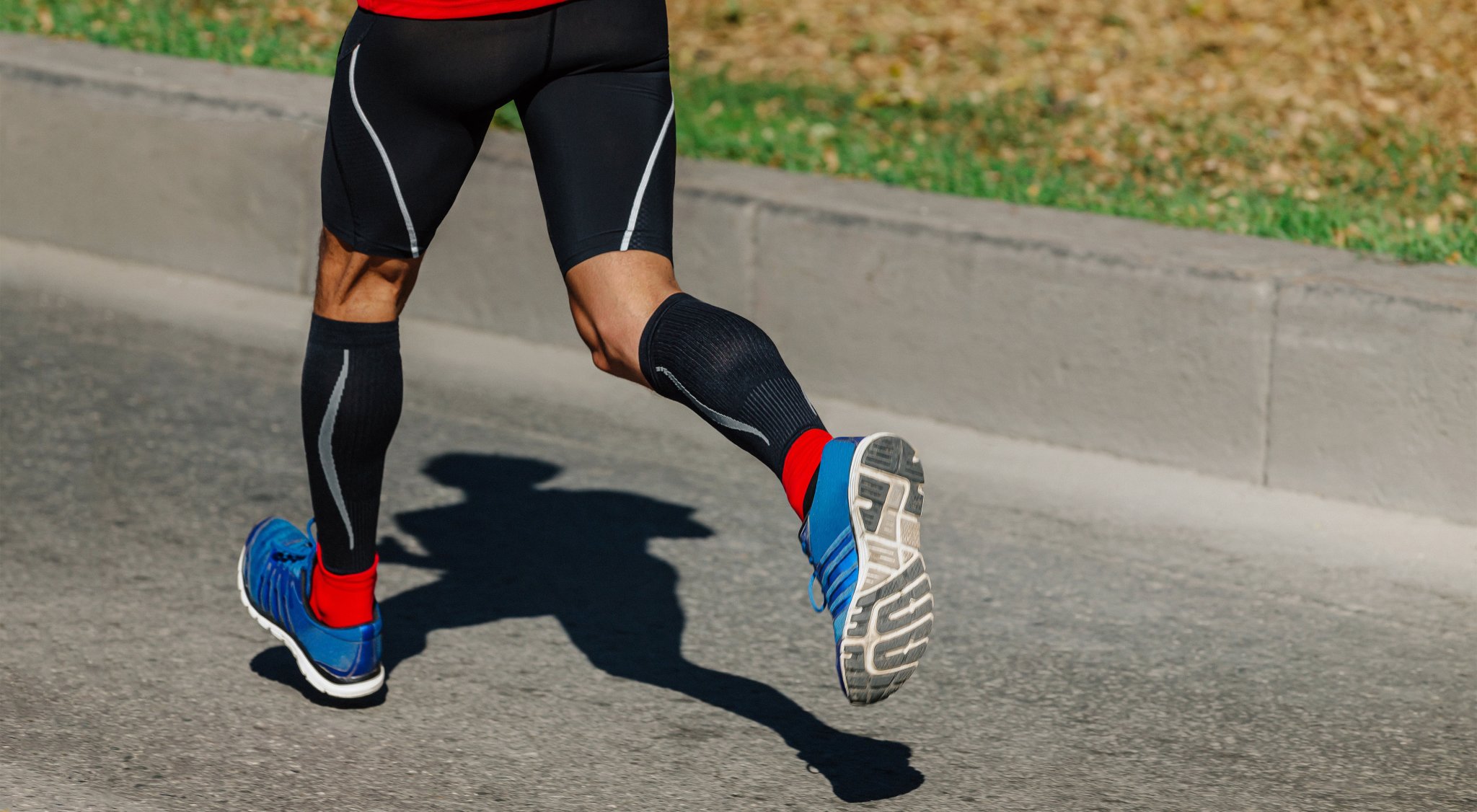
Originally, compression garments were used to aid recovery from vascular diseases. The external pressure provided by the tight-fitting compression garments is said to improve blood circulation in the arms and legs, thereby ensuring a better supply of oxygen and energy to the muscles.
Typically, compression garments were used in connection with cardiovascular diseases, heart failure, lymphatic congestion, and recovery from surgery. Today, compression garments are also used in sports. Many athletes wear compression garments during training, competitions, or games.
Types of Compression Garments
Compression garments come in various forms and with different pressure levels. The higher pressure levels are primarily intended for medical purposes, while the lower levels are mainly used for sports. Compression garments are usually made of a special elastic material that fits snugly against the body and exerts continuous pressure on the muscles.
Among the most common types of compression garments worn directly against the skin are:
- Tights
- Leg stockings
- Three-quarter-length pants
- Shorts
- Calf-length stockings
- Long- and short-sleeved shirts
- Socks
- Thigh-highs
- Compression stockings
Before you buy compression garments, it’s a good idea to learn a bit about the different brands, materials, and sizes. To get the most out of these garments, it’s important to clarify any questions you may have so that you can choose the right product for your needs.

Does compression clothing help with muscle recovery?
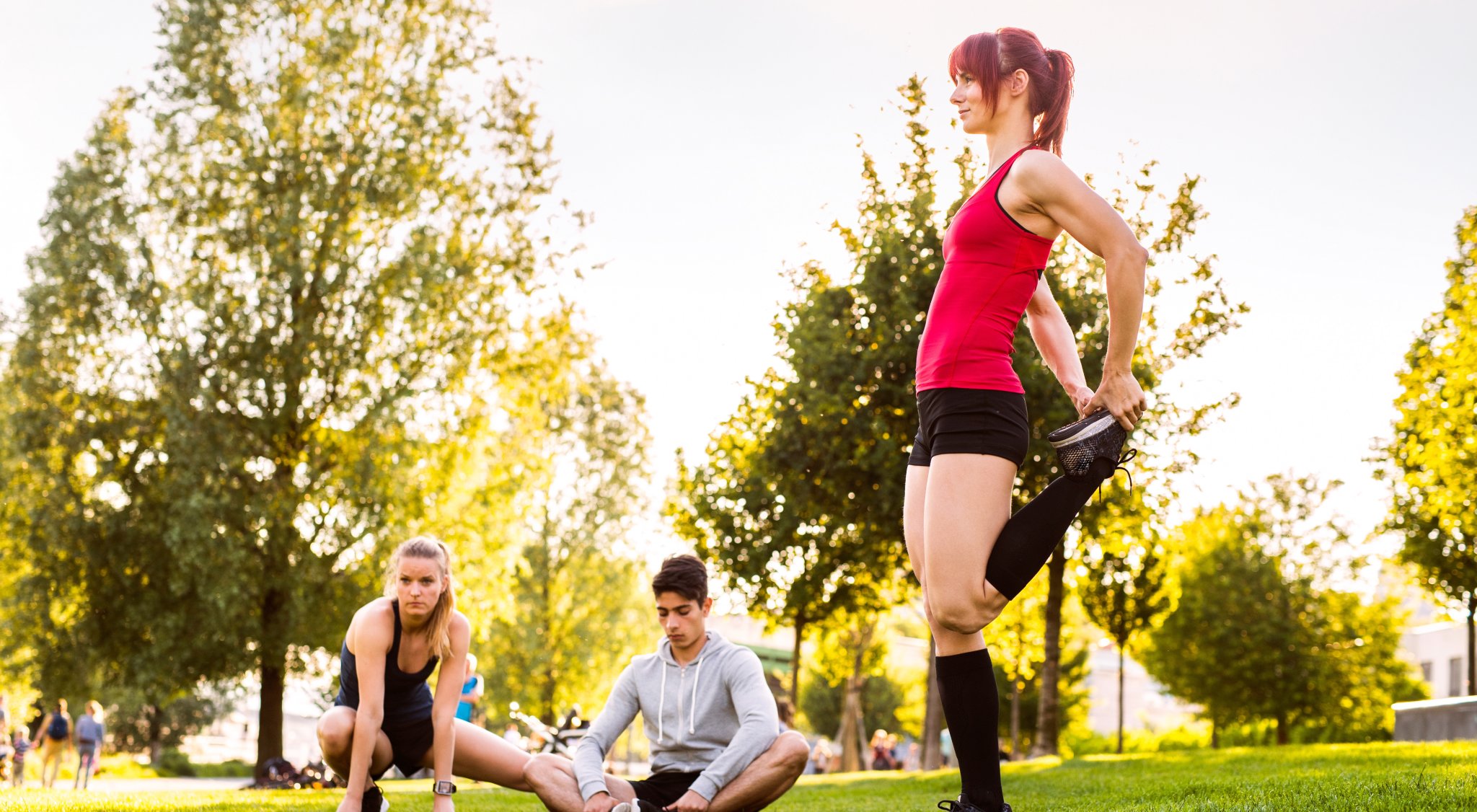
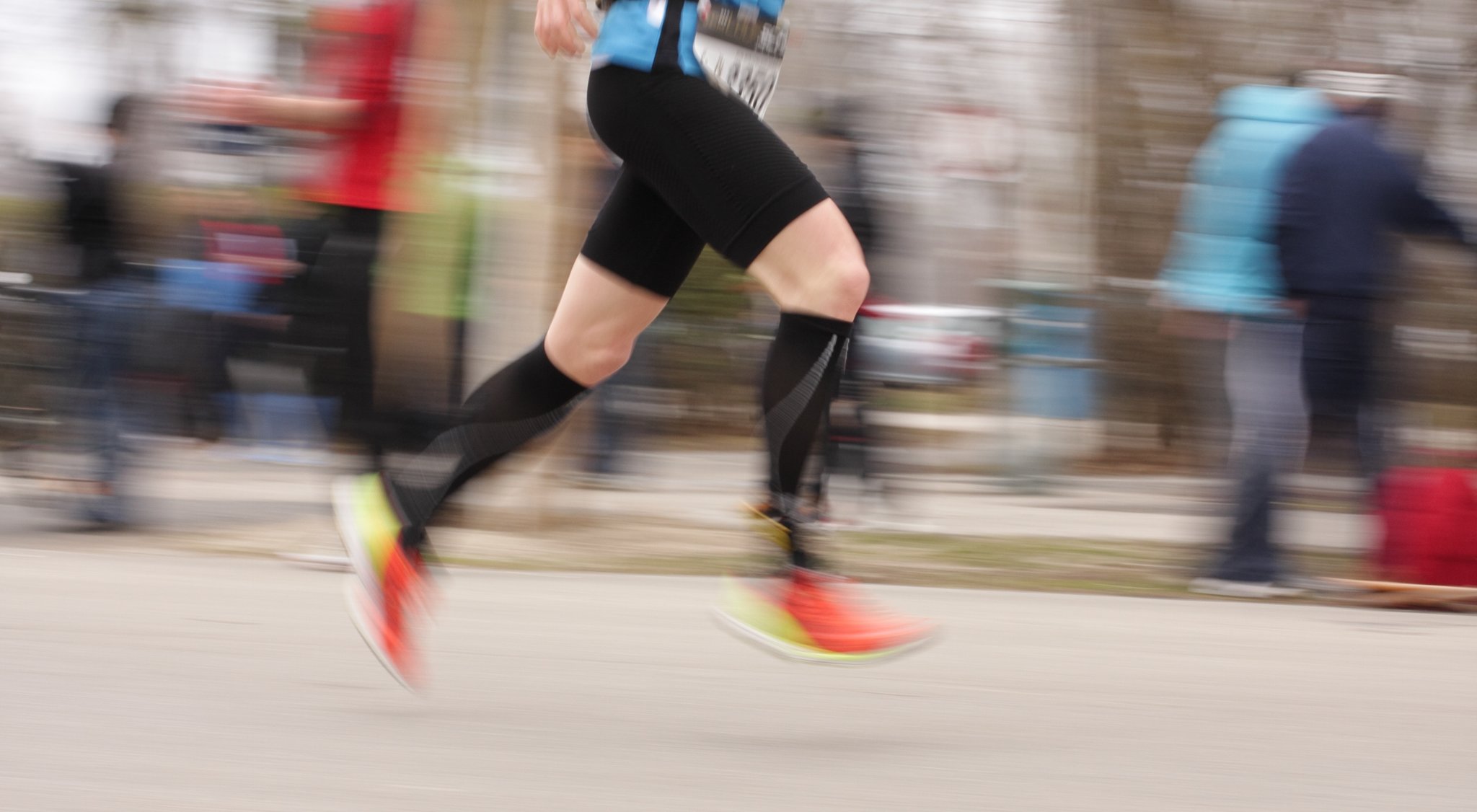
Wearing compression clothing after a workout or in everyday life is said to offer many benefits for muscle recovery. Experts say that wearing compression clothing after a workout reduces muscle injuries, pain, inflammation, soreness, and fatigue, and helps us return to normal movement more quickly. There are various hypotheses about how compression clothing can promote muscle recovery. Science has also been able to demonstrate some benefits of wearing compression clothing.
- Reduction of Muscle Damage:
Studies have shown that wearing compression garments after a workout leads to a reduction in a biomarker for muscle damage known as creatine kinase (CK). This reduction in CK levels shortens recovery time, as waste products can be eliminated more effectively and muscle tissue can be repaired. - Reduction of muscle soreness:
A meta-analysis found that wearing compression garments after exercise can reduce muscle soreness, muscle fatigue, and muscle damage. Researchers believe this is due to increased blood flow and lymphatic drainage.

Does compression clothing improve performance?
Many athletes wear compression garments to improve their performance and movement. The assumption is that improved blood flow and the resulting increase in oxygen supply can enhance an athlete’s performance. It is said to help us improve our body awareness. In addition, researchers believe that compression can also reduce muscle vibrations and ground reaction forces, thereby lowering functional stress on the muscles and improving joint stability—acting as a protective mechanism for the muscles.
Unfortunately, there have been only a few research studies on this topic so far. A close examination of the existing studies has shown mixed results. This means that the effect of compression garments on performance enhancement has not yet been fully clarified, and further research is needed

What are compression boots and how do they work?
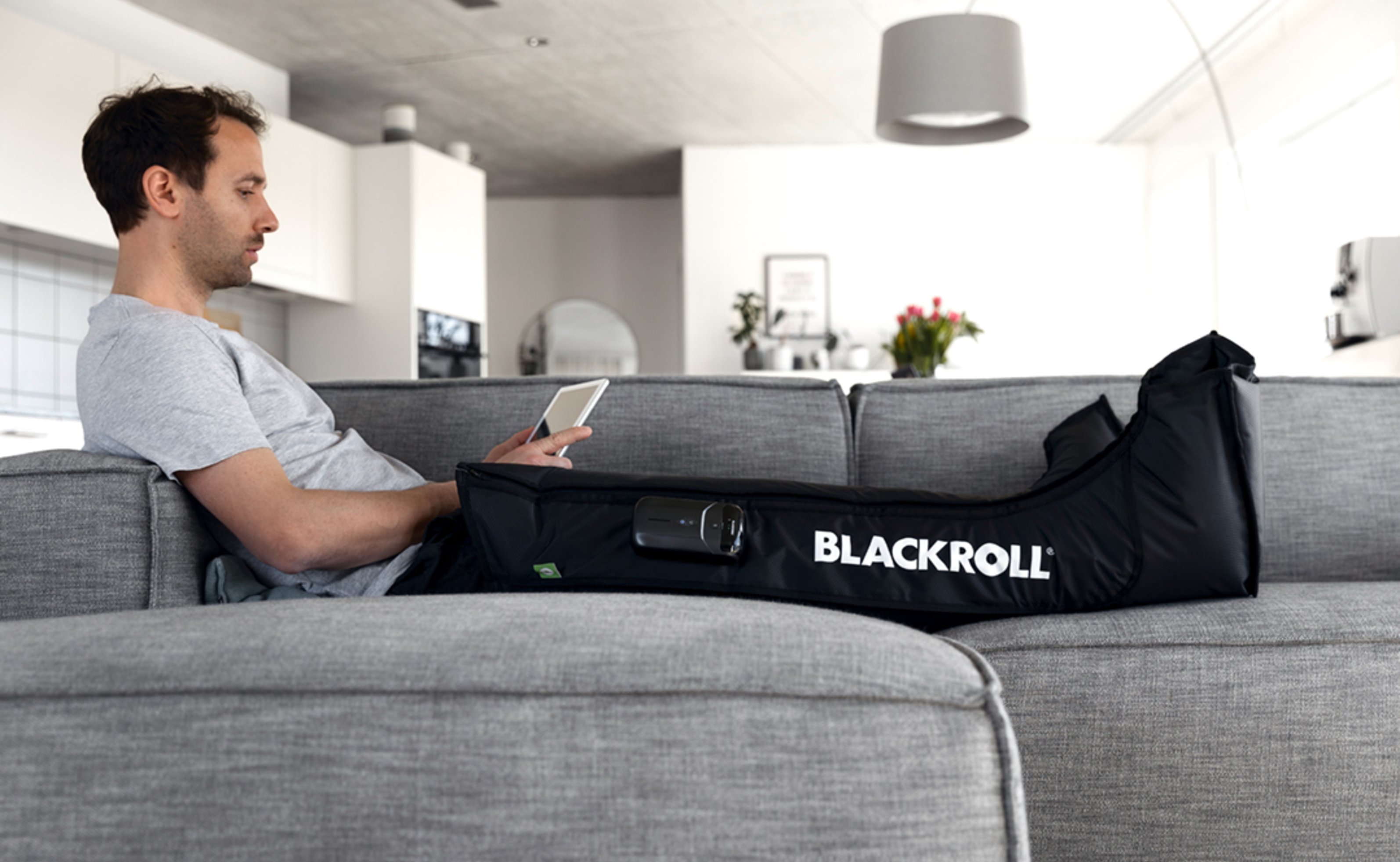
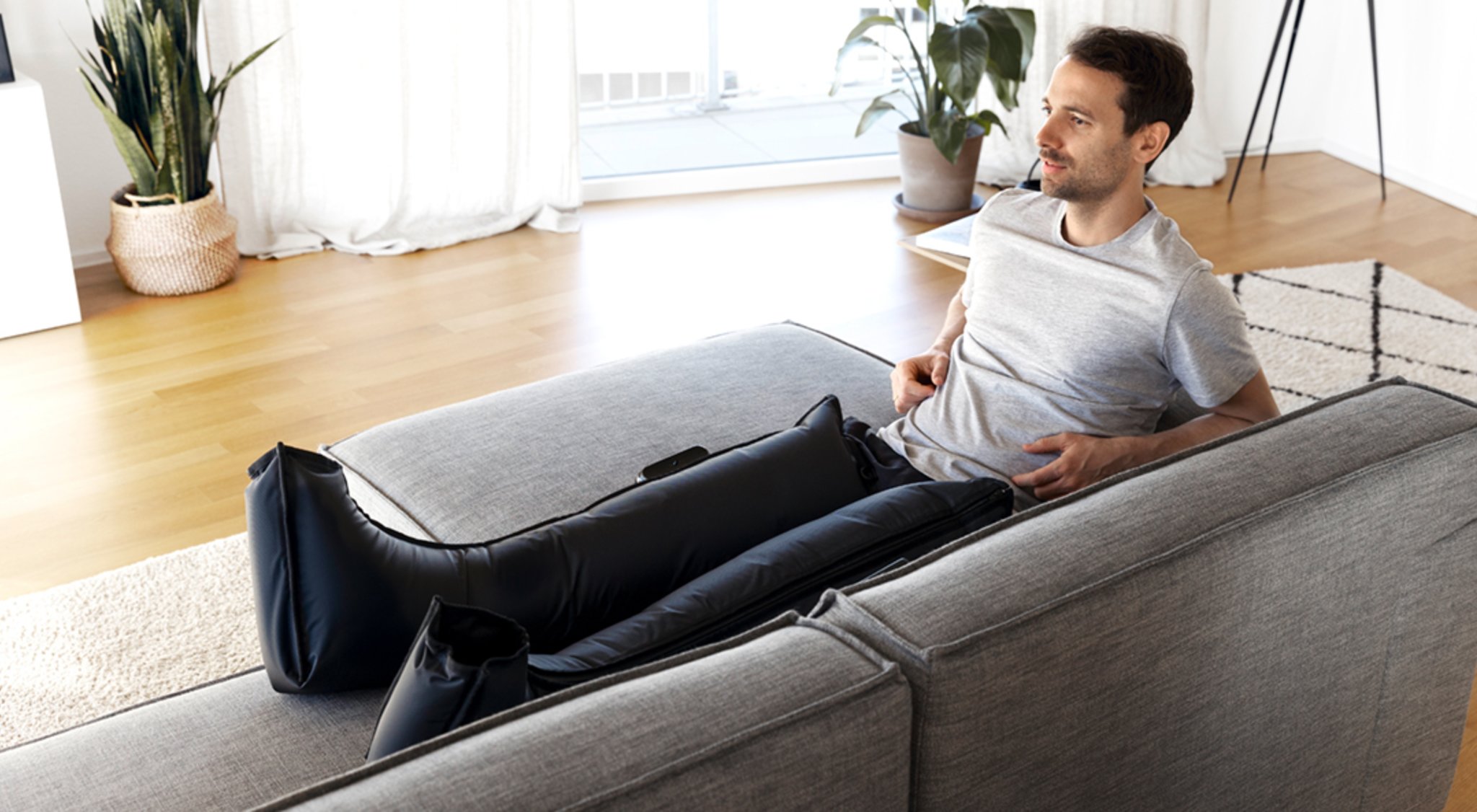
Compression boots are another way we can apply compression to our bodies to positively influence recovery. These compression boots are specialized products worn on the legs to promote blood flow and support post-workout recovery. They are also used in medicine to improve blood circulation.
The boots consist of inflatable leg cuffs that are placed around the legs. The cuffs are divided into different chambers that fill with air and then deflate in sequence. This technology creates a pulsating pressure that travels up the legs from the calf to the thigh.
Compression boots work by using intermittent pneumatic compression. The pressure generated helps to constrict and then reopen the blood vessels, which promotes blood circulation and creates a specific pressure profile. This pressure profile improves venous return and stimulates lymphatic flow. This can help waste products such as lactic acid be removed more quickly and ensure that fresh nutrients and oxygen reach the worked muscle groups.
Compression boots have a wide range of applications. They are used by athletes for recovery after intense training or competitions, as well as for therapy and treatment of certain medical conditions such as lymphedema or venous disorders.^
There are also people who use the boots for relaxation and to promote inner balance and calm.
“It was onlya few years ago that it was discovered that^^ there are nerve endings that are activated by pleasant, firm pressure and then trigger a deep sense of relaxation in the brain (in the so-called insula region), similar to that experienced during a soothing caress from a loved one.”
Dr. Robert Schleip, fascia researcher

The boots can be used at different intensities and with different programs to meet individual needs and achieve a positive effect on healing and health.
Do compression boots aid in recovery?
These boots, which look like an astronaut’s pants, are not only comfortable to wear but also offer scientifically proven benefits.
Using compression boots can improve blood circulation by increasing blood and lymph flow in the legs. This facilitates the efficient removal of fluid and the breakdown of metabolic waste products, such as lactate, from the muscles. Studies have shown that intermittent compression leads to improved blood circulation in the limbs of study participants. This supplies the tissue with fresh blood and nutrients.
It is now widely accepted that compression boots positively stimulate lymphatic flow. This alone points to significantly enhanced recovery. – Robert Schleip
Furthermore, the use of compression boots can improve flexibility, as the increased blood flow leads to a rise in muscle temperature. Research findings have shown that 15 minutes of intermittent compression massage can result in a significant improvement in range of motion during exercises such as the splits.
Another benefit of compression boots is the reduction of muscle soreness and pain sensitivity. A study has shown that using these boots immediately after intense physical exertion can lead to reduced pain sensitivity in the muscles. The duration of delayed-onset muscle soreness (DOMS) can also be reduced through the use of compression boots.
COMPRESSION BOOTS


What is the difference between compression boots and compression garments?
The main difference between compression boots and compression garments lies in their application and the type of compression they provide.
- Type of compression: Compression boots use intermittent pneumatic compression, in which the cuffs are alternately inflated and deflated. This pulsating pressure can improve blood flow and lymphatic drainage in the legs. Wearing compression stockings, on the other hand, provides continuous, even pressure on the muscles and tissues.
- Application: Compression boots are typically used for a specific period of time, such as 30 minutes. They are often used after a workout or for recovery. Compression garments, on the other hand, can be worn for longer periods of time, both during and after a workout.
Although both types of gear are based on compression, they differ from one another.
In summary: Compression boots provide higher pressure and active compression but are generally used for shorter periods of time. On the other hand, compression garments provide lower pressure and passive compression but can be worn for longer periods of time. Currently, there are no studies that directly compare these two approaches.


When is the best time to use compression?
Using compression can be beneficial in various situations to positively influence our vitality. In sports, compression garments can be worn during training or competition. Although there is limited scientific evidence of performance enhancement, many athletes swear by them. However, there are also athletes who find them uncomfortable to wear during physical exertion.
After training or competition, compression can help speed up recovery and reduce muscle soreness and inflammation. In addition, compression can also be used during long flights or extended periods of sitting—such as at the office or during long car rides—to reduce the risk of swelling and blood clots. . It’s important to note that the optimal use of compression depends on individual needs and goals.


Conclusion – Recovery Through Compression
Compression garments and compression boots are promising methods for supporting muscle recovery. However, the effectiveness of compression garments and compression boots for muscle recovery is still the subject of scientific debate.
There is evidence of positive effects, but study results vary. Athletes should make their decisions based on personal needs, experiences, and the available information. A personalized approach, combined with proven recovery methods and helpful tips, can effectively support recovery after a workout.
It is also important to consider other factors, such as sleep, nutrition, and training volume.