Muscle Soreness: What Really Helps Relieve Pain

Muscle soreness—also known asDOMS (Delayed Onset Muscle Soreness) —typically sets in 12 to 72 hours after an unusual or particularly intense workout. It is caused by tiny micro-injuries, particularly to the Z-discs of the muscle fibers, which trigger inflammatory fluid buildup and pain.
Scientific evidence shows that lactate is not to blame—rather, fascial trauma and local inflammatory reactions are the underlying causes. Sore muscles usually subside after a few days—but targeted active recovery, such as light jogging or fascial training, noticeably supports the healing process.
Fascia training with BLACKROLL® is considered particularly effective: According to meta-analyses, just 90 seconds per muscle group reduces pain intensity by up to 60%—and promotes blood circulation, myofascial mobility, and lymphatic flow. The fascia roller thus offers immediate and lasting relief for muscle recovery and mobility.
In the following article, you’ll find concise information, practical exercise routines, and tools for effective prevention and recovery from muscle soreness.
Facts, Prevention, and Recovery
Do you like to push yourself to the limit? For example, during a tough interval workout — one more sprint, and then another — and you don’t care if your muscles get harder and harder afterward? Oh, oh, that can really hurt the next day. Especially when walking down stairs, your thighs and the entire front of your legs will scream in pain if you have severe muscle soreness. If you’re thinking, “Great, that’s just supercompensation and strength training,” unfortunately, that’s not quite right. There are several myths about muscle soreness, but thanks to targeted sports science research, much is becoming clearer.


Facts About Sore Muscles
Sore muscles typically set in with a delay —after a particularly intense workout, a session with unfamiliar exercise routines, or even a recreational activity that’s new to you and your body, which has about 650 muscles.
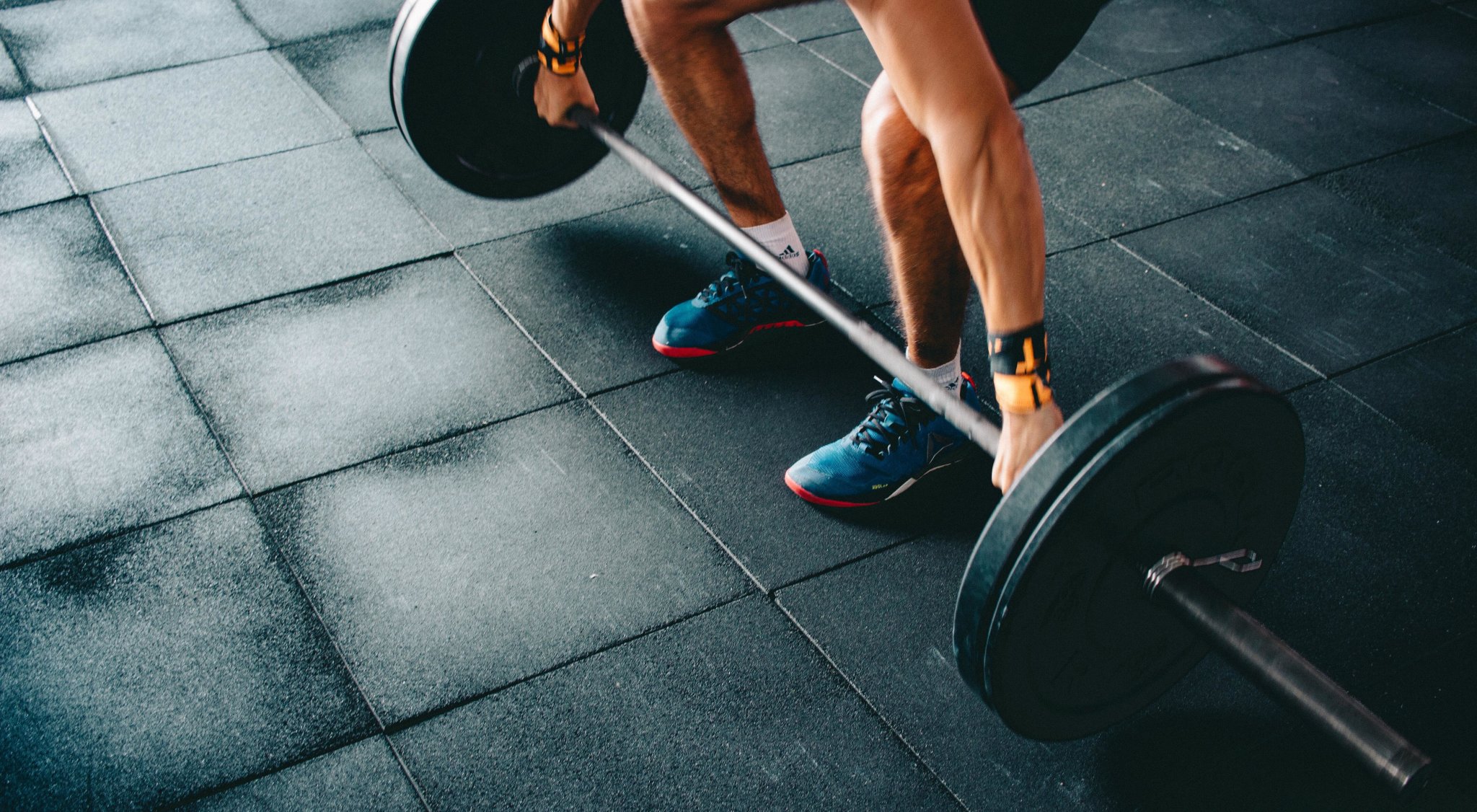
- Sore muscles are particularly common after eccentric exercise—that is, during decelerating movements such as running downhill or hiking downhill. They also often occur during strength training when you don’t simply let the weight drop but lower it deliberately and slowly.
- Earlier hypotheses—that muscle soreness is caused by excess lactate and muscle acidification —have been scientifically disproved.
- Recent studies suggest instead that microtears in the muscles and fascial tissue are responsible for the typically unpleasant symptoms of muscle soreness.
“Strictly speaking, muscle soreness should really be called ‘fascia soreness.’ This is because the exposed nerve endings that are now reacting sensitively are located in the tissue surrounding the muscle. For the fascia researcher, two causes are plausible: Either the fascia has sustained micro-injuries, or the muscle itself and the fascial sheath are acting as a sensitive ‘alarm tissue’ in response to them.”
Fascia researcher Dr. Robert Schleip



Cause: How does muscle soreness develop?
We’ve all experienced it at some point, but why do we actually get sore muscles? Sore muscles typically develop as the body’s reaction to unfamiliar or excessive strain on the muscles. If you push your muscles beyond their normal capacity—especially during activities you don’t do regularly or when you perform them more intensely than usual—tiny tears can occur in the muscle fibers.
Unfamiliar strain causes pain
This microdamage triggers an inflammatory response in the tissue because fluid enters and accumulates at the damaged sites (known as edema)—causing the muscle to swell. At the same time, the repair process begins. Blood flow increases, and new substances are transported to the damaged tissue to repair it and break down the inflammatory substances. As a result, the accumulated fluid presses on the surrounding tissue and nerves, leading to the typical symptoms of muscle soreness: pain, stiffness, and tenderness. So the pain is “good” in itself because it’s a sign of the ongoing repair process—and yet, sore muscles aren’t a sign of an effective workout.
The Myth of Sore Muscles Caused by Too Much Lactic Acid
For a long time, it was assumed in medicine and sports science that muscle soreness was caused by an overproduction of lactic acid in the muscles, which, so to speak, causes the muscles to become “over-acidified.” However, these assumptions have since been refuted by studies that have shown that muscle soreness is caused by microscopic tears in the muscle tissue (see above).
Is muscle soreness good?
“Sore muscles mean you’ve done too much.”
For sports medicine specialist Dr. Lutz Graumann, the answer is clear. These microtraumas can develop into a more serious injury—but only if you ignore the muscle soreness as a warning sign, which is exactly what it is. In short: Sore muscles usually occur after a single instance of overexertion. If you keep ignoring your body’s warning signs, you’re overtraining—and that’s definitely not good. It’s a form of chronic overexertion made up of several symptoms that can negatively impact your performance.
Gradually increasing the intensity of your workouts can prevent muscle soreness
To reduce the risk of muscle soreness, you should gradually increase your training intensity, plan in sufficient rest periods to allow your body to recover, warm up properly before training, and stretch after training.
Muscle Soreness: Symptoms
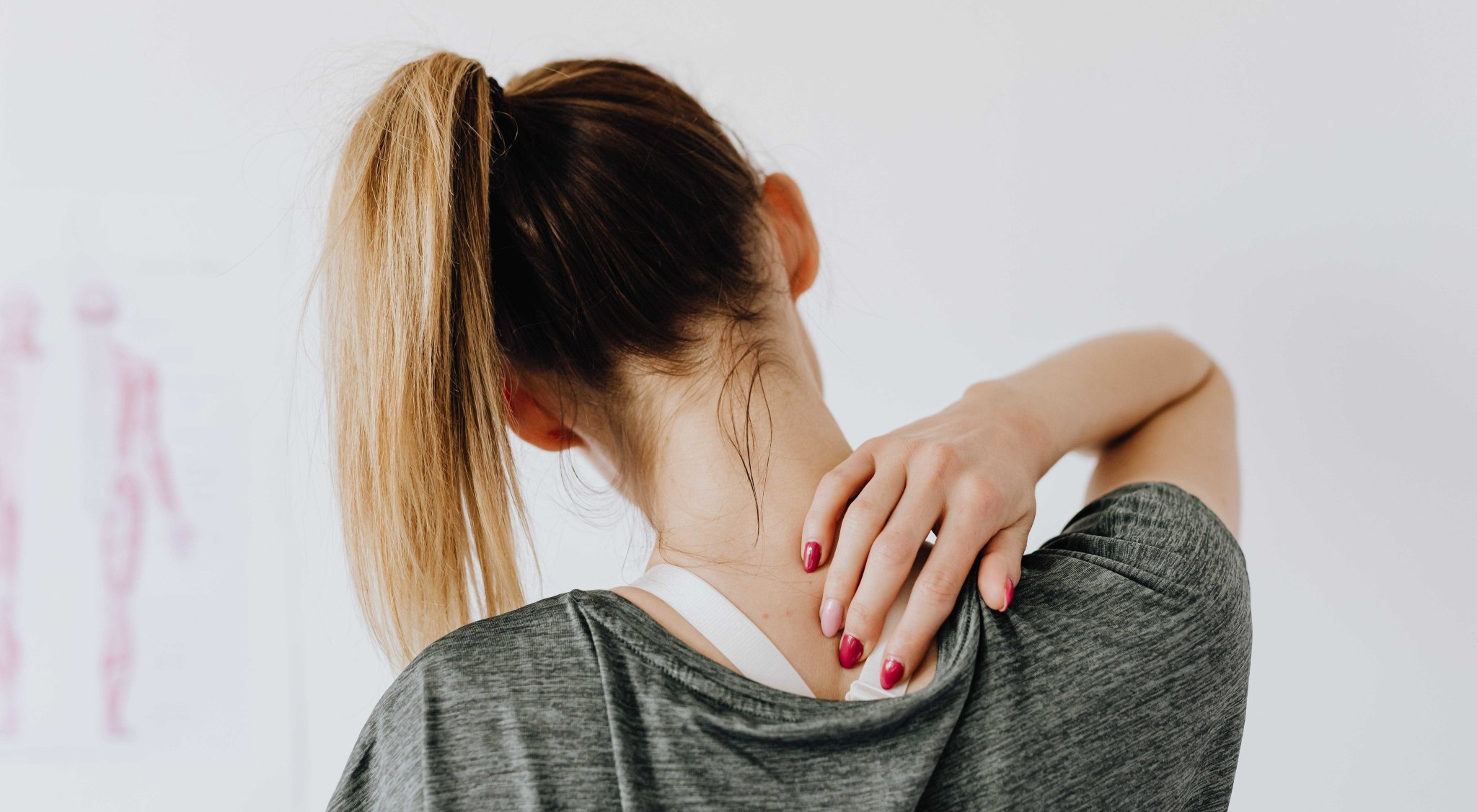
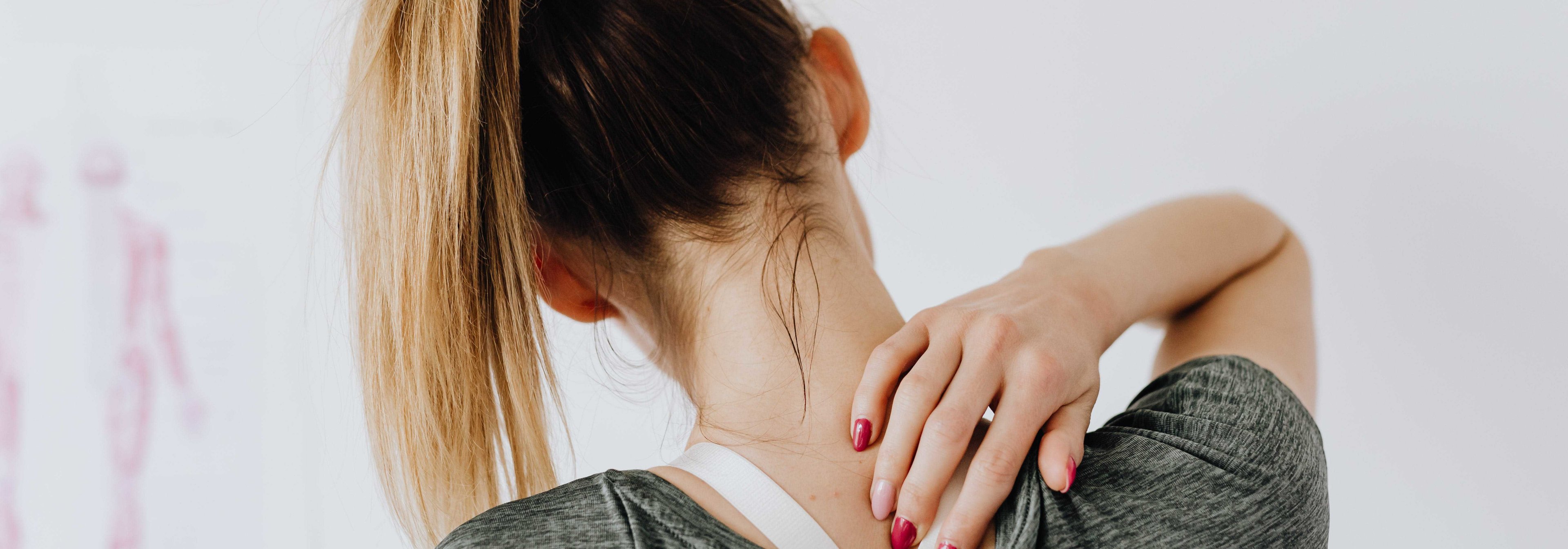
Muscle soreness after exercise—unless you’ve obviously injured yourself—can be a sign that you’ve pushed yourself a little too hard during your workout.
These are the five most common symptoms of muscle soreness:
- Pain: Sore muscles cause pain in the affected muscles, which most people often describe as dull, aching, or pressing. The pain may intensify with movement.
- Stiffness: The muscles may feel stiff and inflexible, especially when you try to move them or stretch.
- Tenderness: If you touch or apply pressure to the muscles affected by soreness, they may be very tender.
- Swelling: In some cases, there may be slight swelling of the affected muscles as the body sends fluid to the injured tissue to support the healing process.
- Reduced performance: Sore muscles can temporarily impair performance, as the affected muscles may not work as effectively as usual.
Should you work out with sore muscles—yes or no?
Today, researchers know that muscle soreness is not necessary to achieve physical adaptation and improved performance.
In other words: If you don’t get sore muscles, you shouldn’t jump to the conclusion that you haven’t trained hard enough.
Your muscles receive the signal to improve performance even without (severe) muscle soreness, because the microtears in the muscle fibers caused by soreness could actually slow down your performance progress under certain circumstances. This is especially true if the pain prevents you from completing your planned workout or if you push through the pain and risk a muscle strain or tear, which would require a longer break.
Variety in your workouts makes taking a break from exercise unnecessary
Depending on the severity of the pain, it will usually go away on its own after 2 to 5 days, but that doesn’t mean you should just lie around on the couch. You can still work out despite muscle soreness: For example, if the front of your thighs are aching after an intense running session, you can still exercise—just focus on your upper body or core muscles instead. It’s extremely rare for all major muscle groups to be affected at the same time. It can help to imagine a scale from 1 to 10 and use it to assess your own discomfort. At levels 1 through 4, everything is still within the normal range, and you can continue your workout. However, be sure to take extra care of your muscles (see recommendations). A level of 5 or higher requires more recovery time.
“Microscopic muscle injuries are followed by bleeding and, ultimately, inflammation. It’s important now to give the affected muscles rest and not to pretend that nothing happened.”
Sports medicine specialist Dr. Lutz Graumann

Jogging with Sore Muscles?
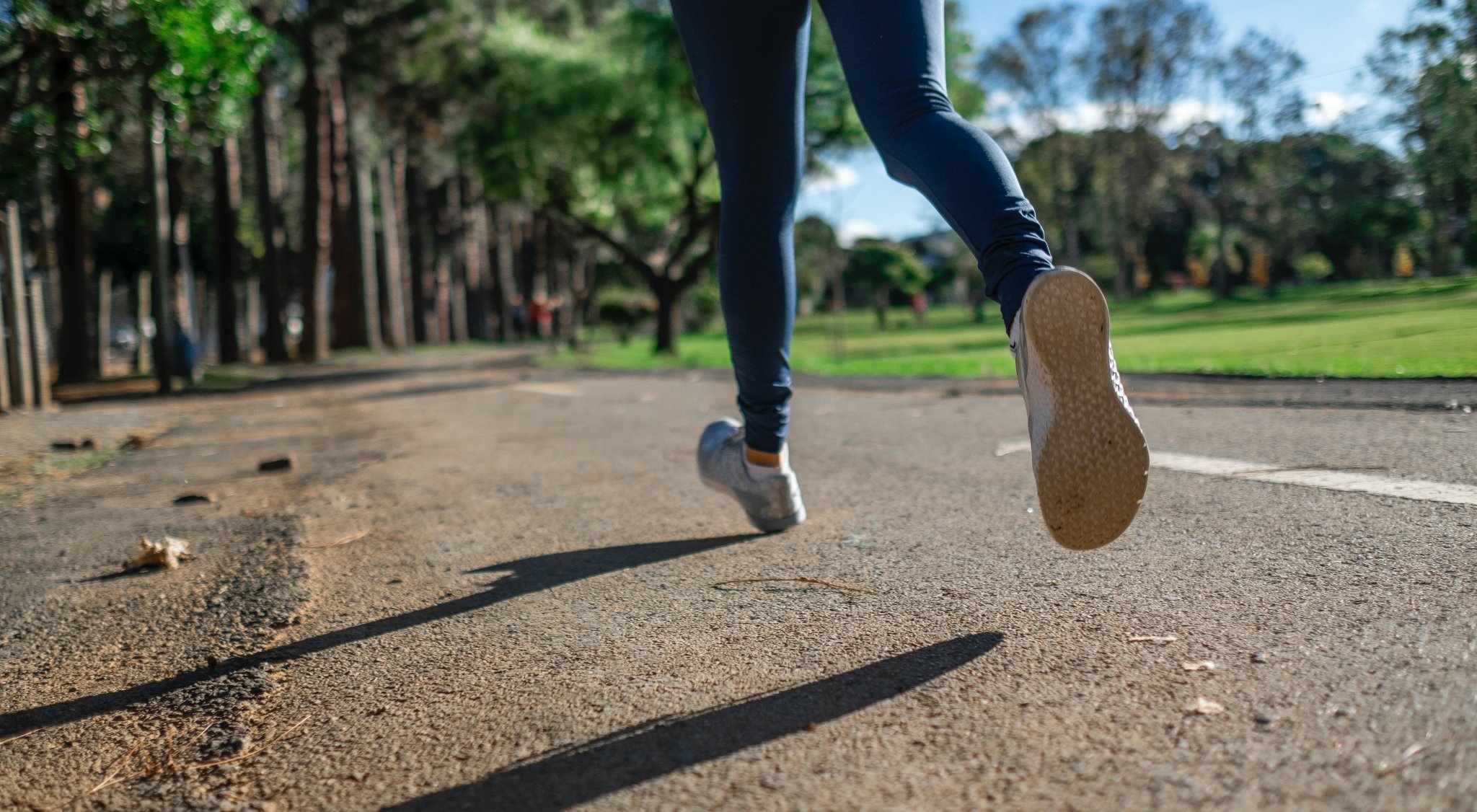
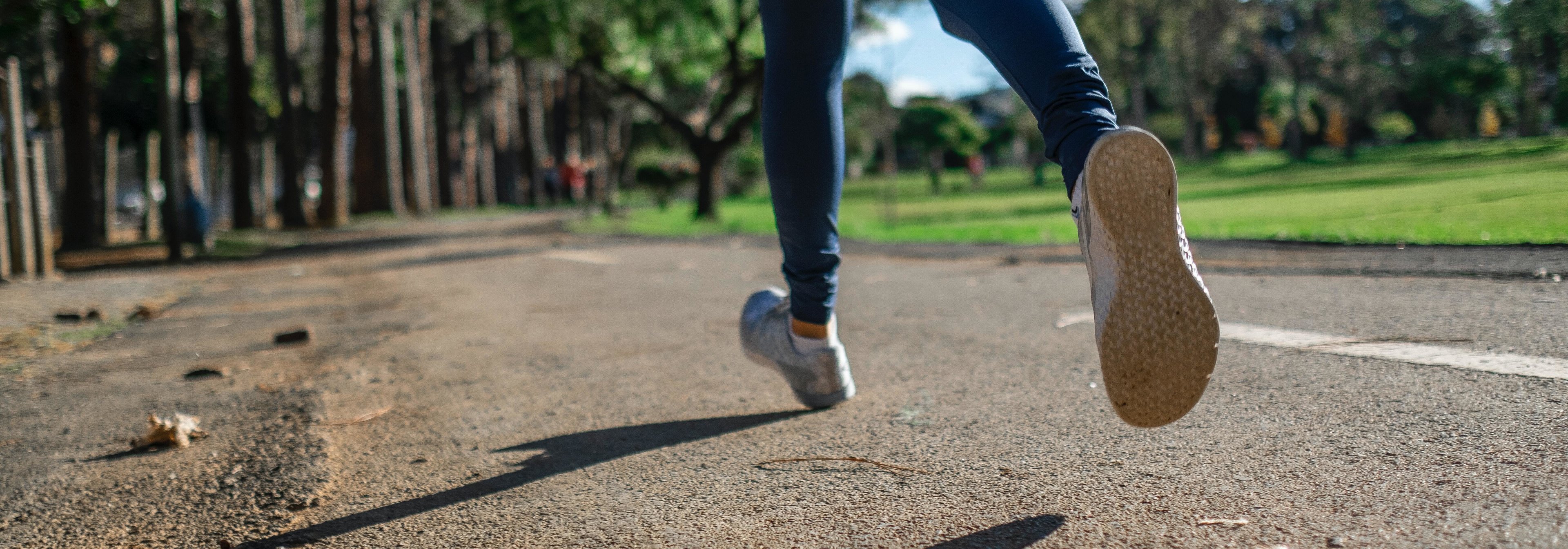
As you’ve probably already noticed, there’s no clear-cut “yes” or “no” when it comes to sore muscles. It depends on how well you assess and monitor yourself. If you’re new to running, jogging is certainly going to be strenuous for you.
But if your fitness level is average to good, a light run can actually do you some good. By that, we mean a regenerative run—like a warm-up or cool-down—where you can still chat easily. That’s because light endurance activity promotes blood circulation and helps flush inflammatory substances out of the lymphatic system more quickly.
If you’ve developed muscle soreness from an intense jog, it’s better to switch to a bike and ride on a straight path with very light resistance and a high cadence. By the way, this applies to anyone who isn’t quite sure whether jogging is a good idea right now.
Tip: According to studies, stretching after a jog is said to increase blood flow and thus promote faster recovery. This helps your body process the stress from your workout more quickly
Muscle soreness after a massage
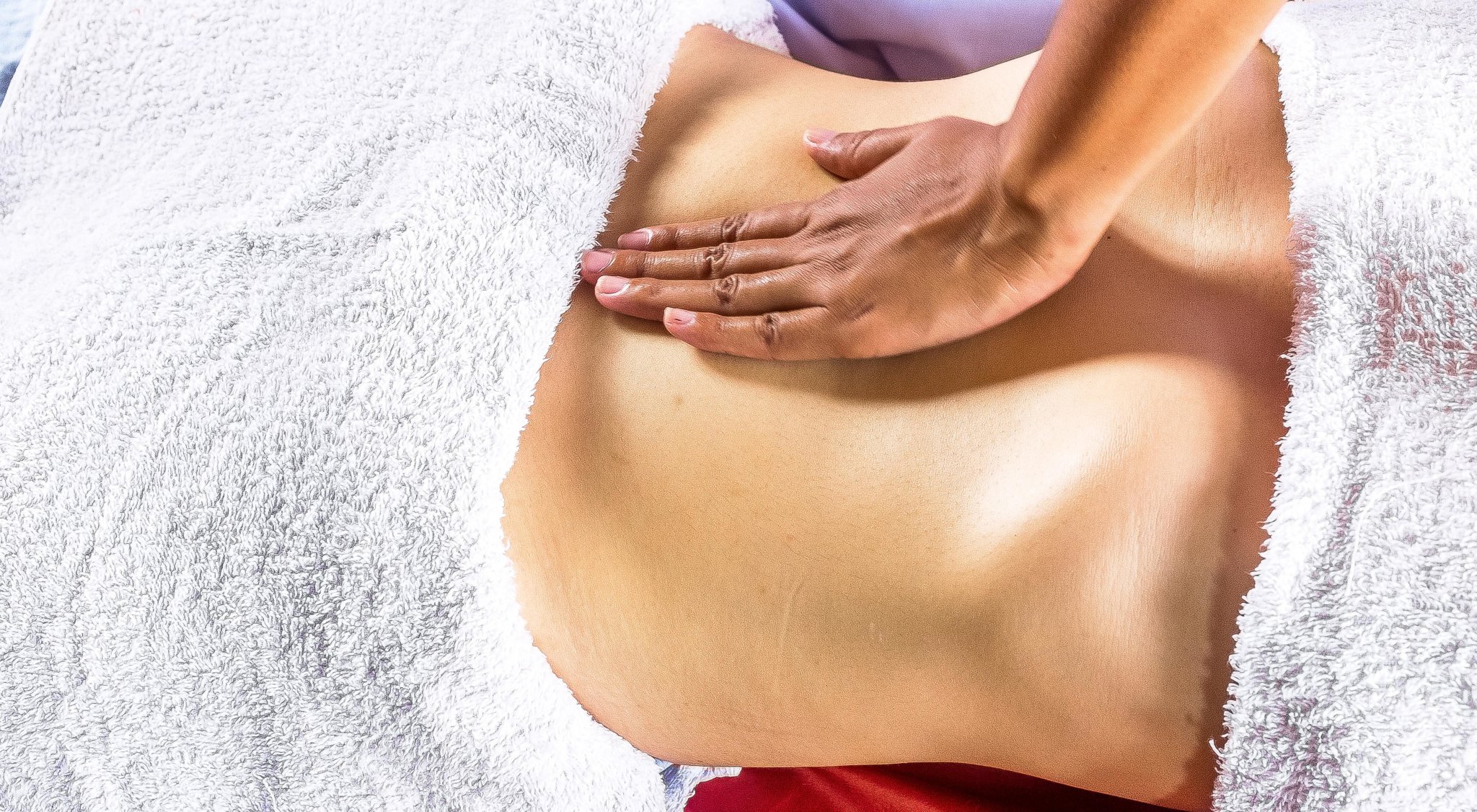
After a massage, you may experience pain that feels similar to muscle soreness. This is caused by chemical reactions in the muscle triggered by the mechanical stress of the manual treatment, which can lead to microtears. However, the massage itself is also the remedy, as it stimulates blood circulation and gently kneads the tight areas. The muscle-soreness-like sensation usually disappears quickly.


Muscle soreness after drinking alcohol
If you’re feeling muscle soreness or pain—especially now after Carnival—it might, for once, not be due to your exercise routine, but rather because you’ve had a few too many drinks in the last few days. This is known as a so-called alcohol hangover, which typically sets in about six to eight hours after a night of heavy drinking.
An alcohol hangoverhas the same symptoms as muscle soreness
This is because alcohol isn’t just toxic and dehydrating—it also depletes the muscles of important nutrients like magnesium and sodium. This causes the muscles to become overly acidic, which can result in muscle pain. And since alcohol also has a dehydrating effect, the body is now lacking the most important tool it needs to flush toxins out of the system. This, too, leads to acidification, which can manifest as muscle soreness and pain.
Alcohol-induced muscle pain is less persistent
Unlike muscle soreness, which can easily plague you for up to three days, alcohol-induced muscle pain usually subsides after just 24 hours. Still, you shouldn’t overdo it with regular binges, because alcohol is and remains a neurotoxin that you should ideally consume as rarely as possible.
When is muscle soreness at its worst?
Have you ever noticed that your muscle soreness is actually bearable on the first day, but then tends to get worse rather than better? In fact, the pain reaches its peak on the second day after you’ve sustained the tiny microtears in your muscle tissue. The reasons for this: The repair processes take time. As soon as the inflammatory substances caused by the tears are flushed out of the muscle tissue, they come into contact with the surrounding nerve cells—and that can be really painful.

How long do sore muscles last?
Sore muscles usually occur within 24 to 48 hours after overexerting the muscles and typically subside on their own within two to three days as the muscles recover. But even if the discomfort lasts a week, that’s not uncommon. After all, the duration depends not only on the degree of overexertion but also on how quickly your body’s repair processes work.

How do you get rid of muscle soreness? What helps with muscle soreness
Does stretching help with muscle soreness?
Have you ever noticed that you often feel muscle soreness when you stretch, for example, when opening your shoulders after a bench press? That’s because microtraumas usually occur in the Z-discs—the inter-fiber discs of the fine muscles. That’s why stretching is counterproductive when you have acute muscle soreness; the stretching stimulus could actually make the small fiber tears even worse.
Does the BLACKROLL® help with muscle soreness?
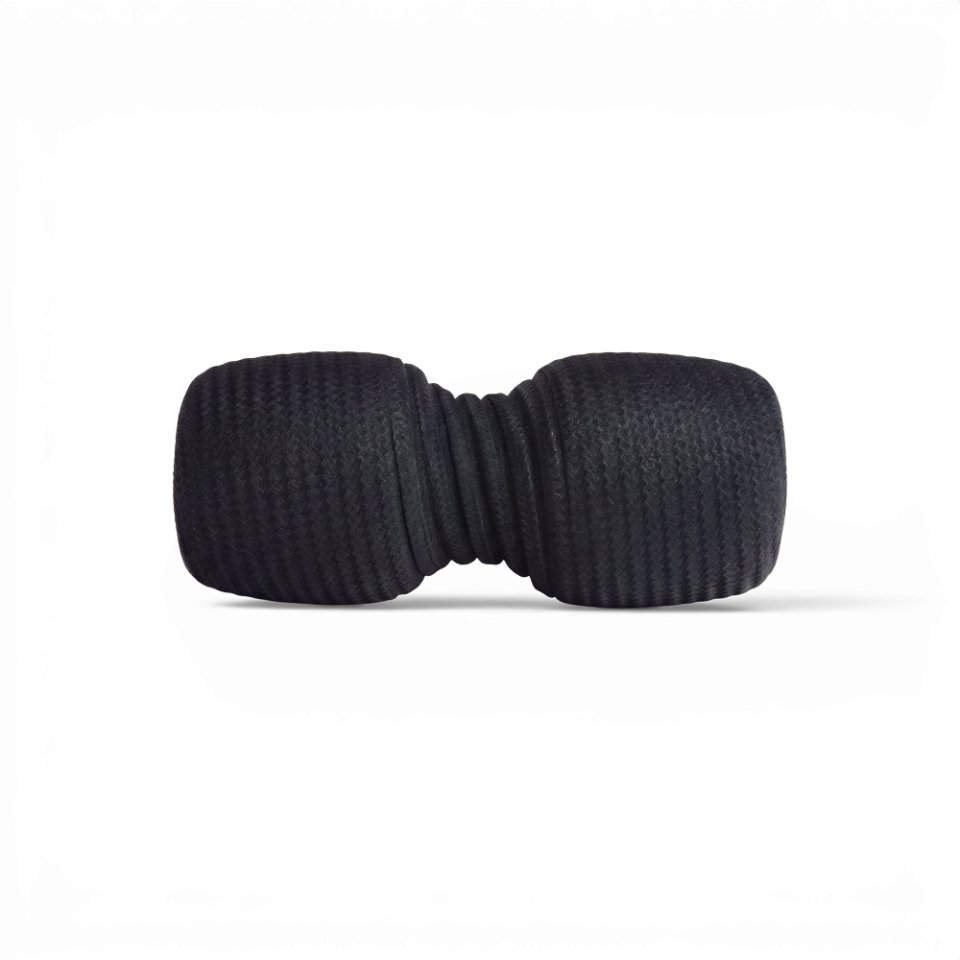
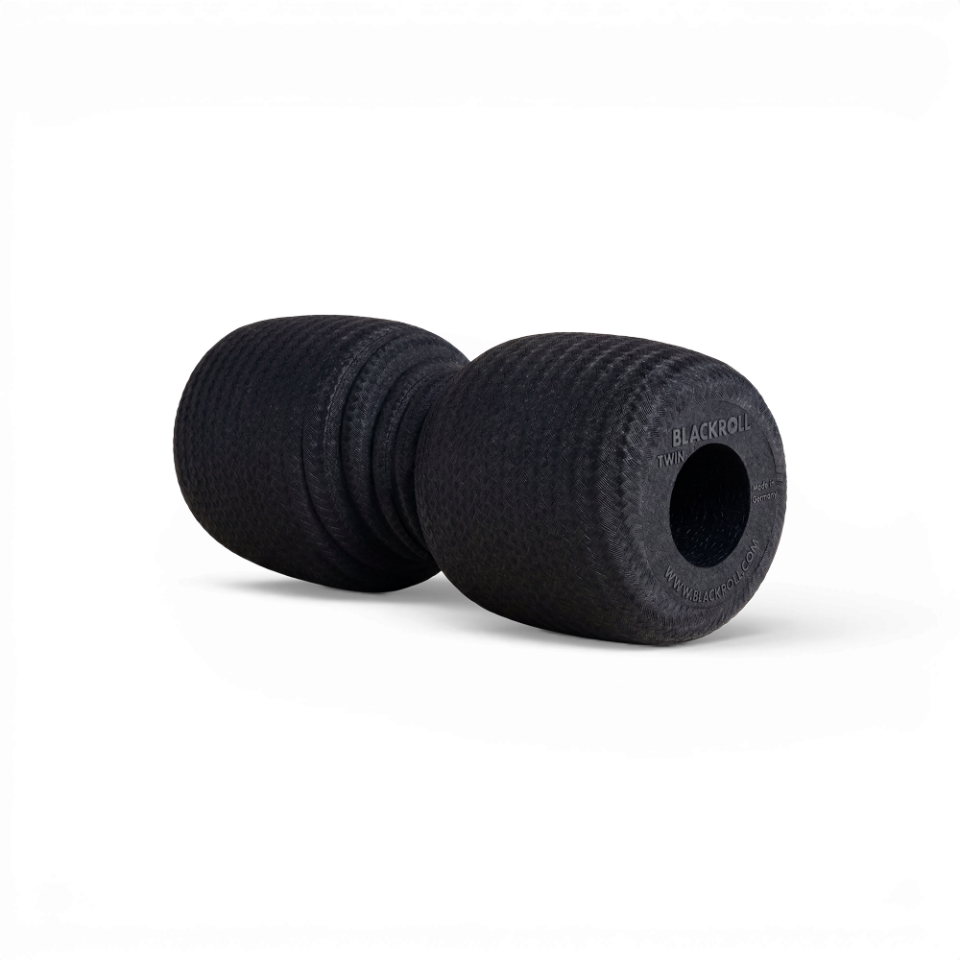
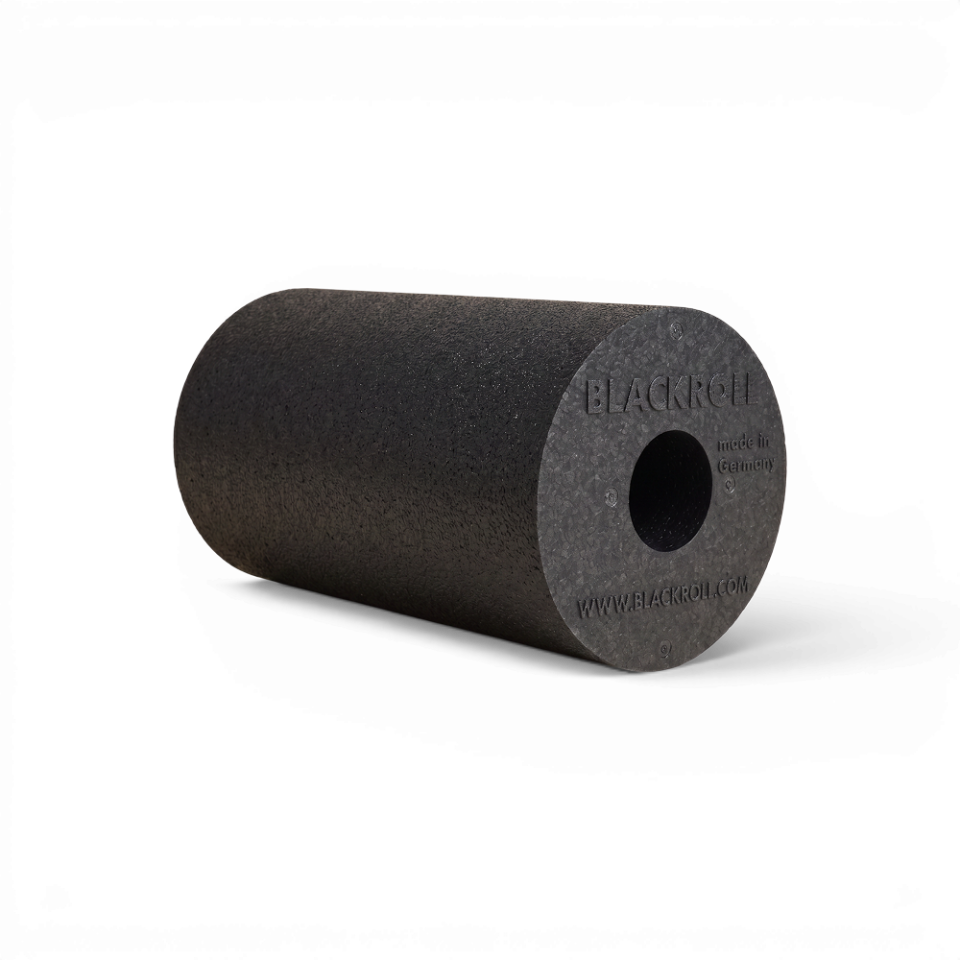
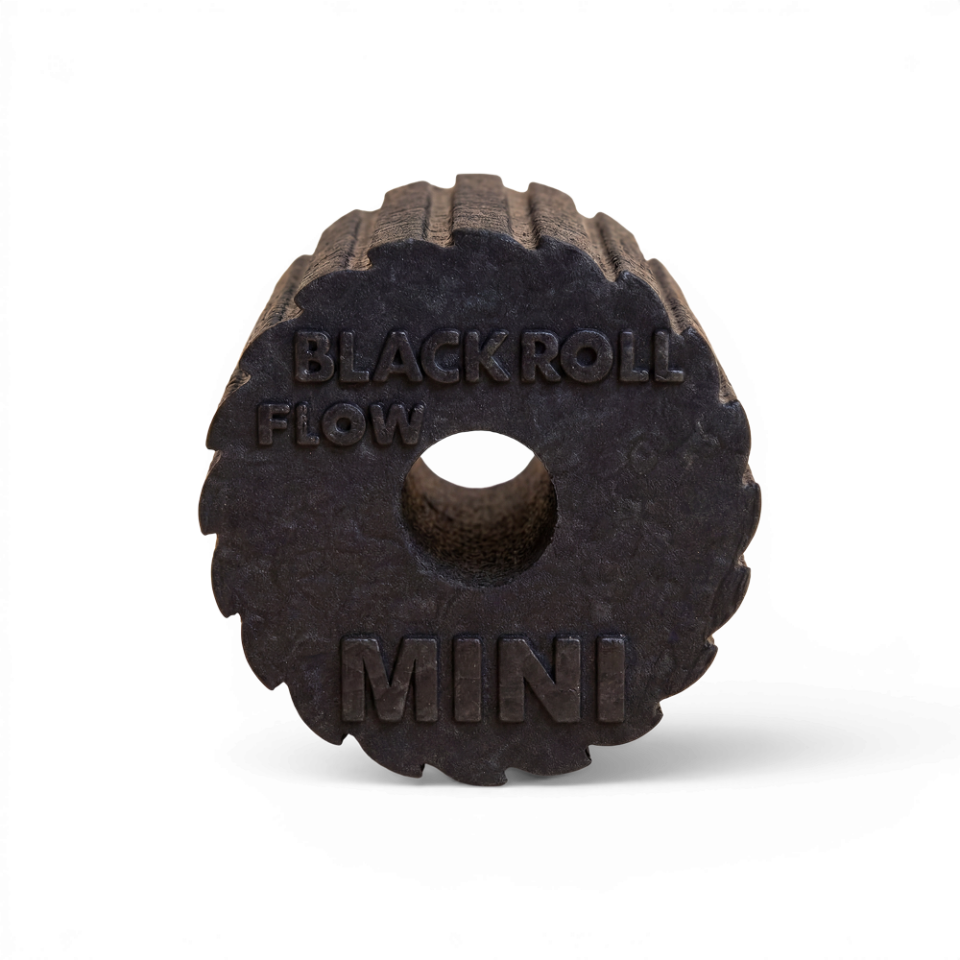
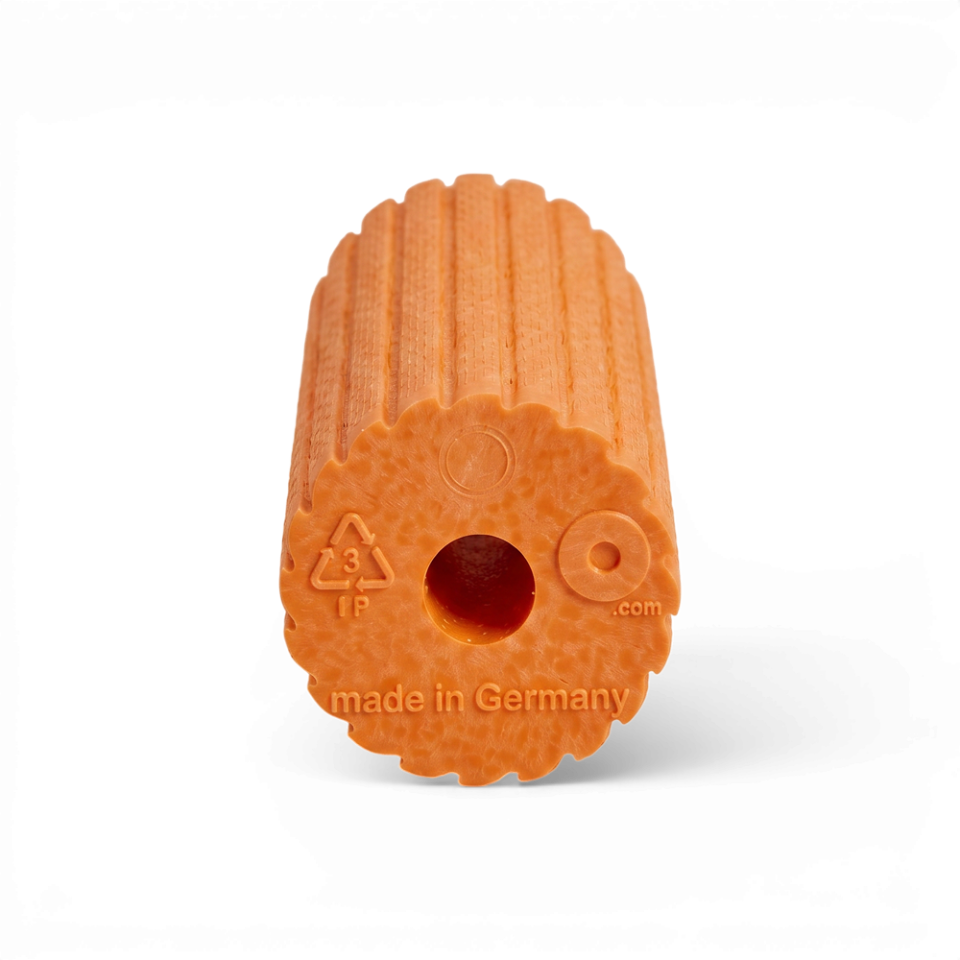
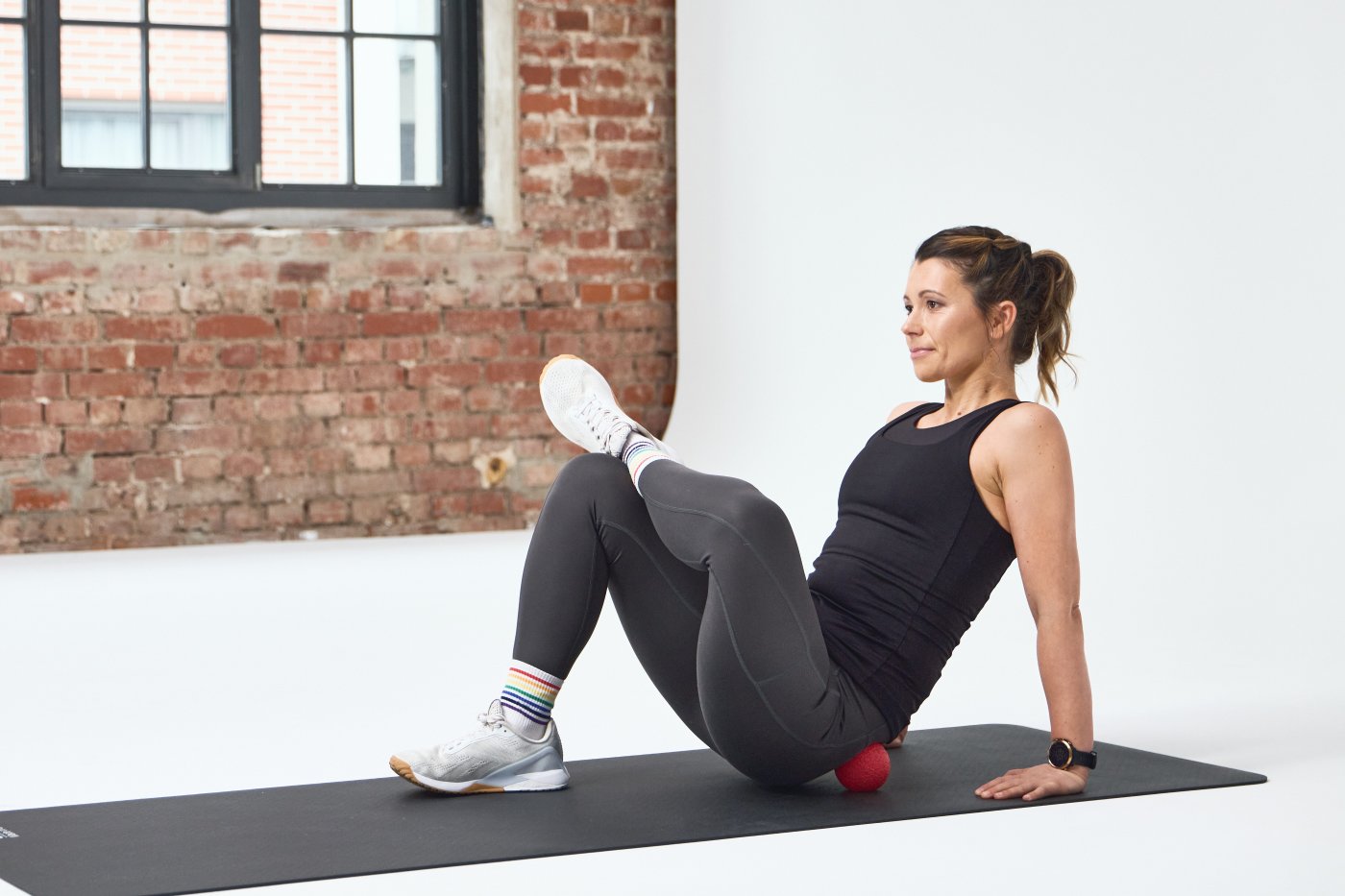
Recent scientific studies show that the fascia roller can help with muscle soreness. The reason: Fascia rollers stimulate blood flow and, as a result, the removal of inflammatory tissue particles. At the same time, they stimulate the fascial tissue, the overlying skin, and the deeper muscle layers. So, after a strenuous workout, it’s a good idea to roll over all the muscles you’ve worked with the foam roller to promote long-term recovery. This allows you to effectively reduce muscle soreness. Various evidence-based studies now support this. Foam rolling is therefore an effective remedy for muscle soreness. Even after a strenuous hike or unusual physical activity, it can be even more effective than getting a massage afterward.
Tip
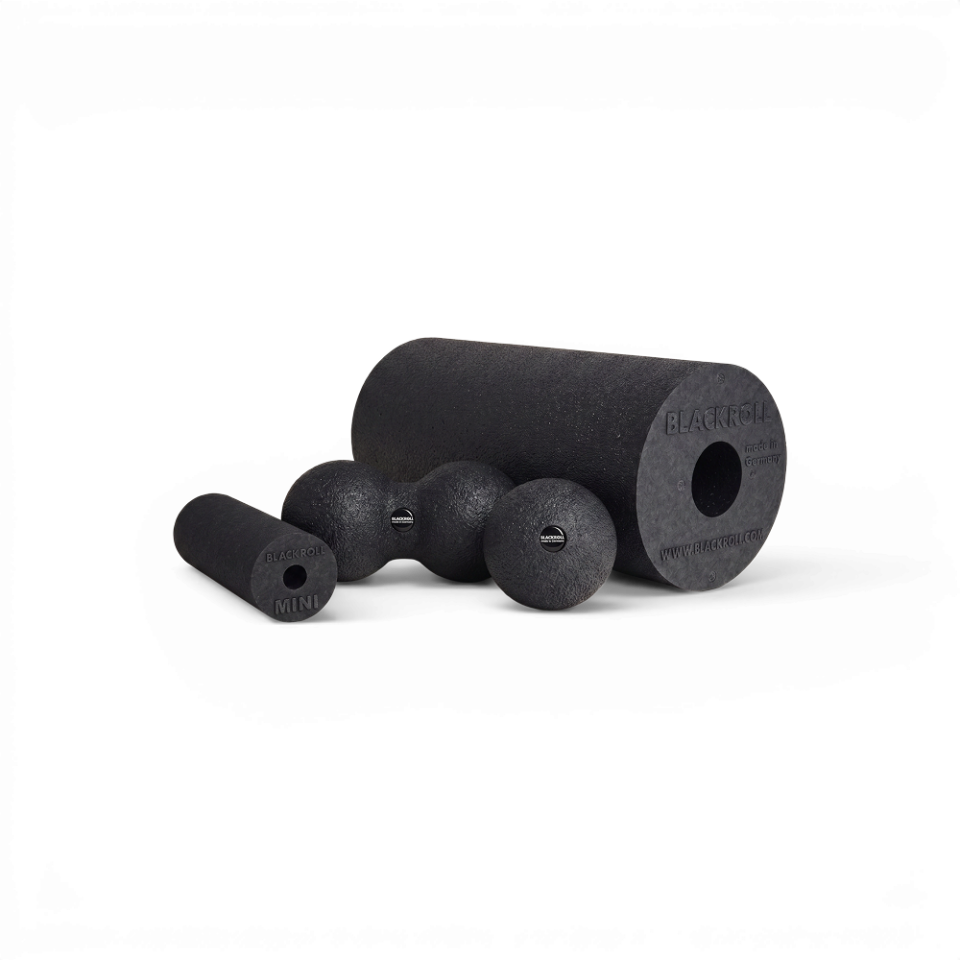
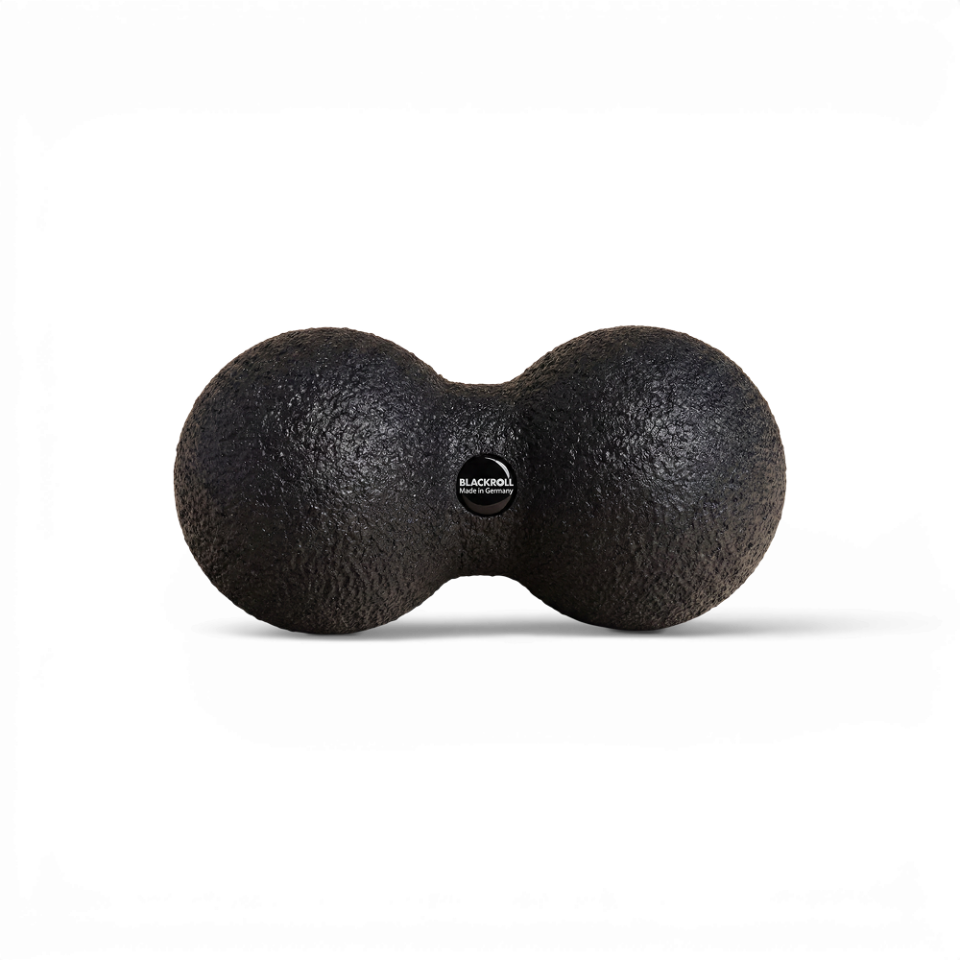
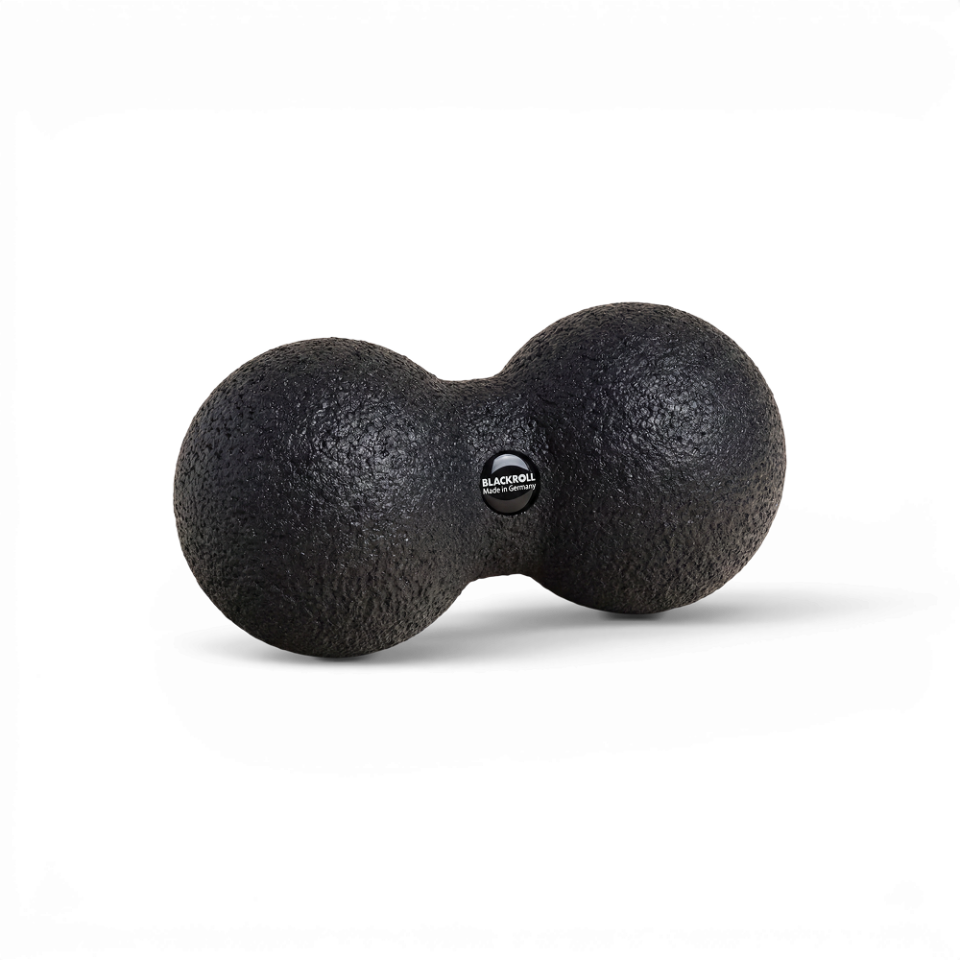
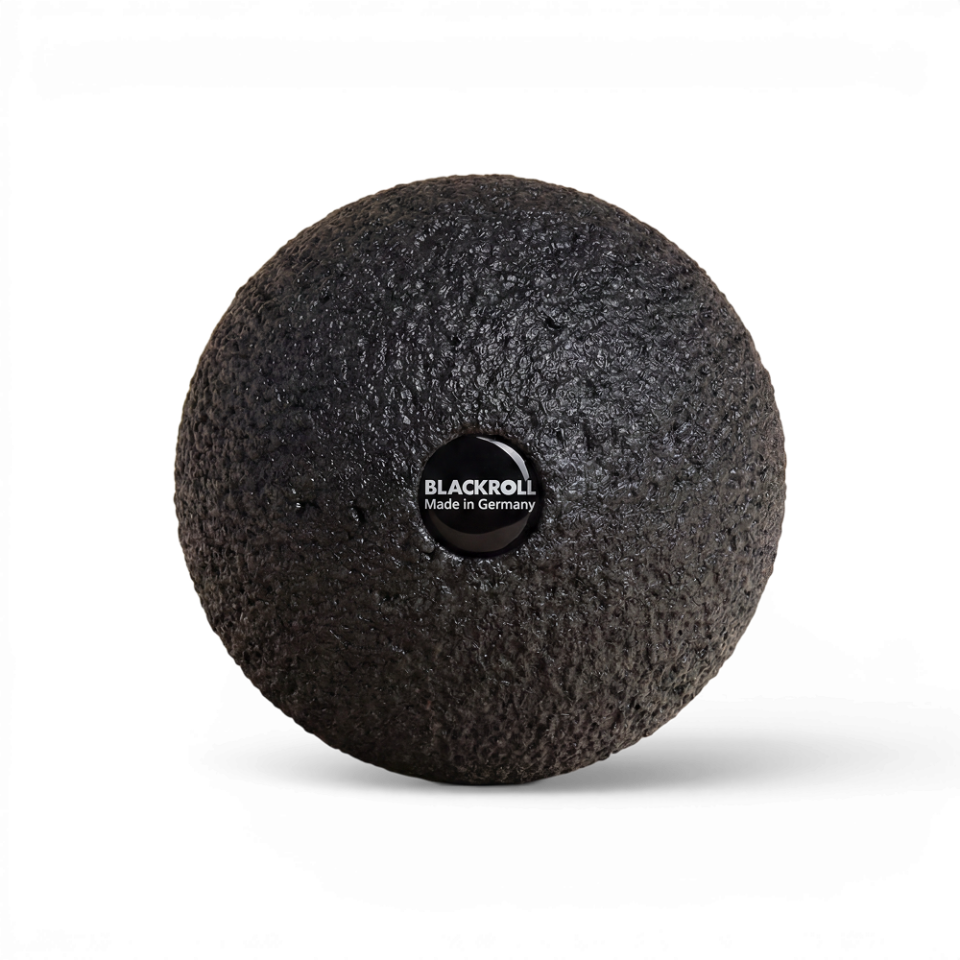
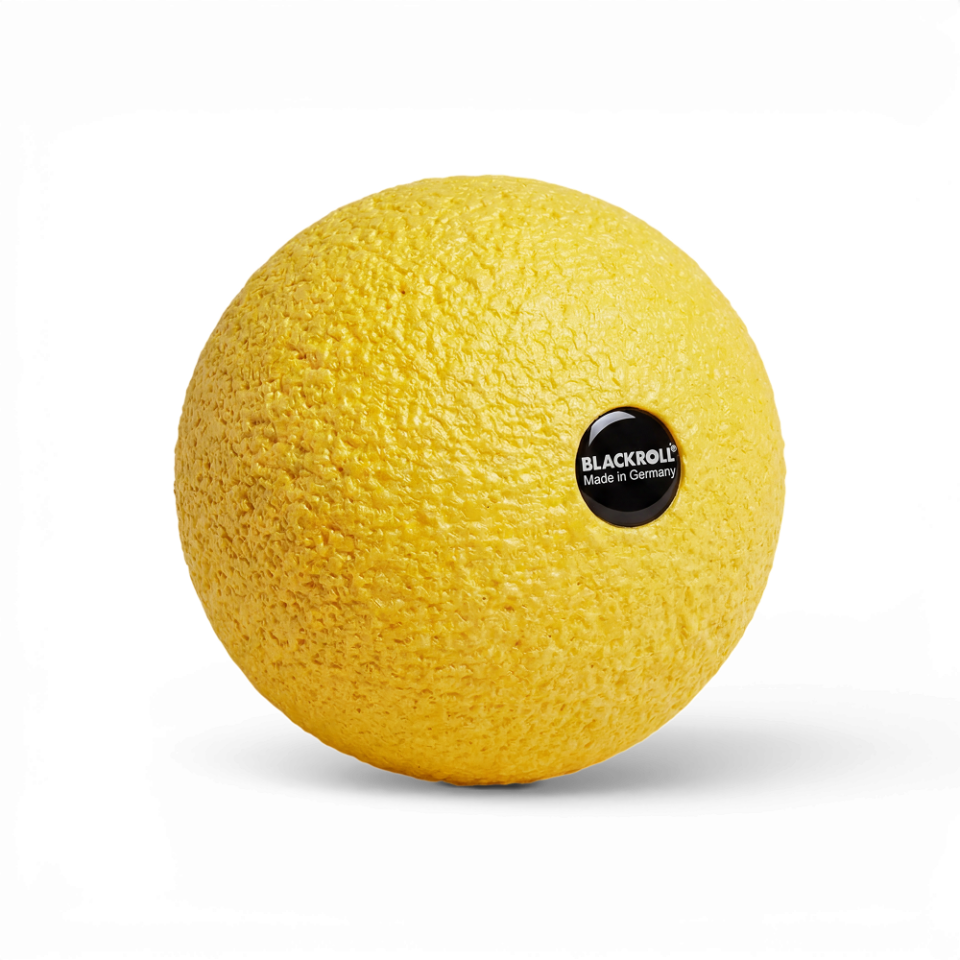
After exercise, it’s best to roll slowly over the muscle areas, focus intently on the pain, pause briefly there, take a deep breath, and as soon as the pressure subsides, continue rolling centimeter by centimeter. If you encounter small, tight spots while rolling, treat them specifically with the BALL 08 or DUOBALL foam ball. If these adhesions are located in deeper tissue layers or in areas that are difficult for the roller to reach, work on them with the TRIGGER TOOLS. And if you want to take it a step further, use a fascia roller with a vibrating core, as this has been proven to further alleviate pain symptoms.
More isn’t always better
Control the intensity of your pain perception yourself. On a scale of 1 to 10 (0 = no pain, 10 = excruciating pain), you should never exceed level 7 during treatment.

Does heat help with muscle soreness?
It’s best to soak in a warm bath for at least 5 and no more than 20 minutes afterward to relax. This accelerates the healing process thanks to improved blood circulation. A good home remedy for sore muscles is bath salts containing essential oils from spruce needles or rosemary, which give your blood circulation an extra boost.
Does ibuprofen help with sore muscles?
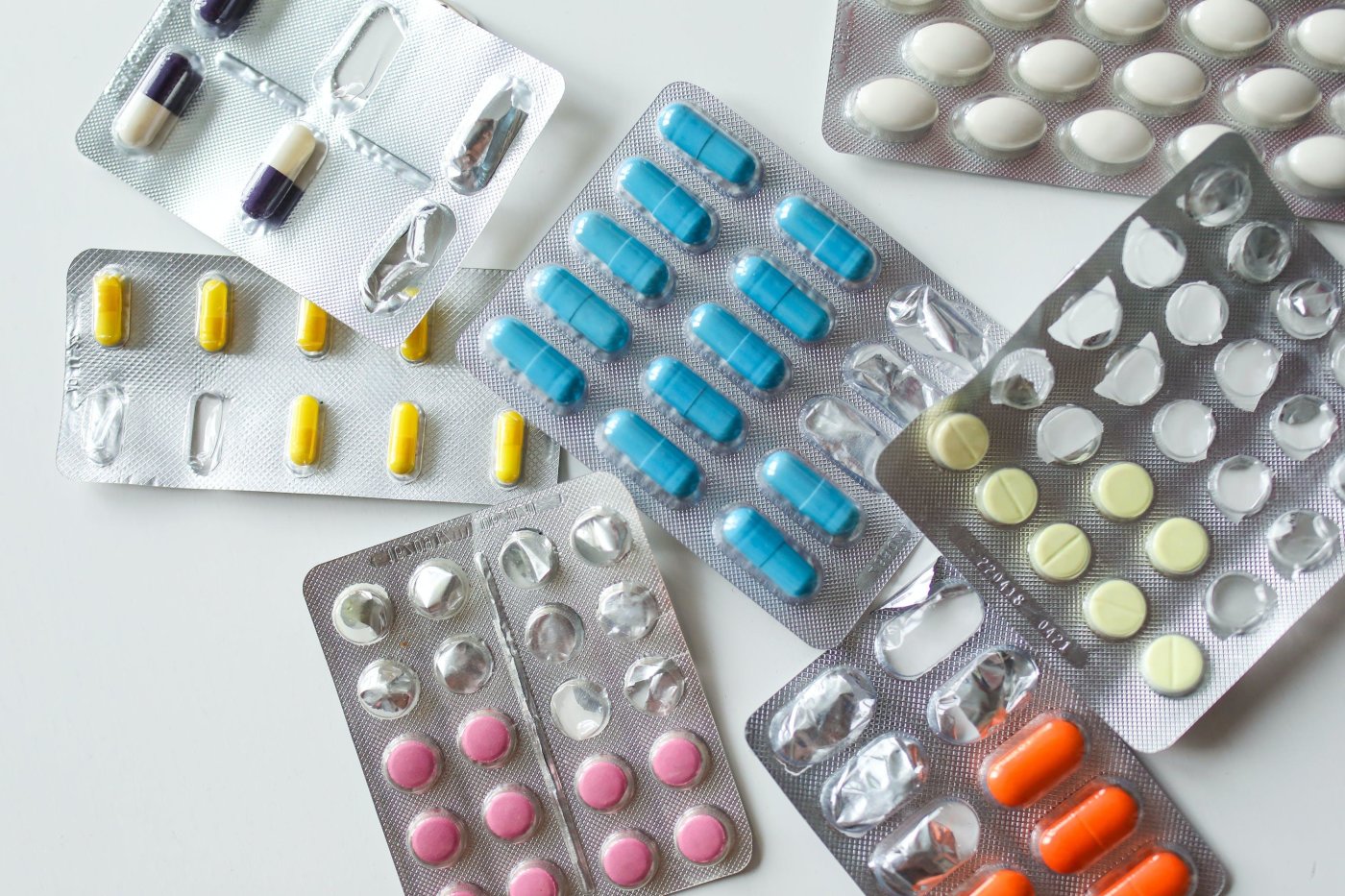
If your sore muscles are causing severe pain, you might consider taking pain relievers. This is understandable, as intense pain can lead to poor posture, which in turn can cause new discomfort. However, there are a few important factors to consider when choosing a pain reliever.
Why Ibuprofen Isn’t the Best Choice
Ibuprofen belongs to the class of nonsteroidal anti-inflammatory drugs (NSAIDs), which have strong anti-inflammatory effects. However, in the case of muscle soreness, this anti-inflammatory effect isn’t always beneficial: The mild inflammatory response in the muscle is an important part of the body’s natural repair process. It signals to your body where muscle tissue needs to be regenerated. If this process is suppressed by ibuprofen, your recovery may be delayed.
What alternatives are there?
If you don’t want to go without a pain reliever, acetaminophen is the better choice. It relieves pain without interfering with the important healing processes in your muscles.
Natural Alternatives
A promising natural option is enzyme therapy with bromelain (from pineapple) and papain (from papaya). These plant-based enzymes can:
- reduce swelling
- relieve pain
- support healing
- shorten your recovery time
Other helpful measures
Support your body’s recovery by:
- Gentle exercise to promote blood circulation
- Staying well-hydrated
- Heat therapy after the acute phase
- A balanced, protein-rich diet
Important note: You should avoid taking pain relievers regularly after your workout. Instead, adjust the intensity of your workout to your fitness level to prevent excessive muscle soreness. If you experience persistent or severe pain, you should see a doctor.
How to prevent muscle soreness?
Sore muscles can not only be very painful but can also force you to limit your physical activity. This can lead to reduced performance, especially for athletes or people who are regularly physically active. Therefore, it’s important to prevent muscle soreness to achieve optimal performance.
There are several ways to avoid muscle soreness or at least alleviate its effects. Some of these methods include:
9 Tips for Relieving Sore Muscles at a Glance
- Roll actively with the fascia roller before exercising to prevent soreness
- After exercise, roll out slowly and mindfully with the BLACKROLL®
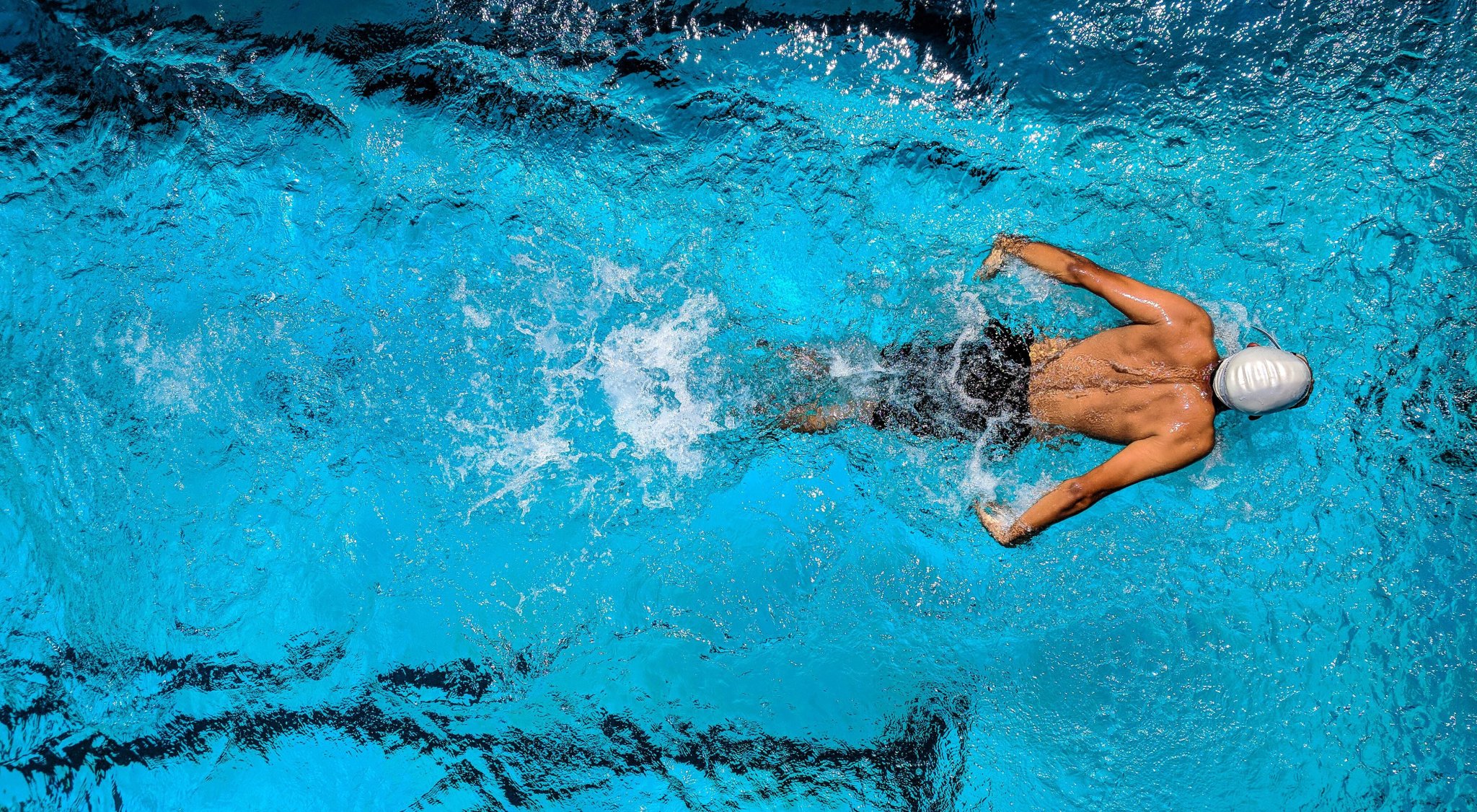
- If you experience pain, take a break or, at most, do a light cool-down run or a brisk walk. This type of light exercise (such as swimming) is good for improving blood circulation.
- If you experience severe pain, rest the affected areas
- Heat treatments can help alleviate pain and stimulate blood circulation. For example, use a hot water bottle or a cherry pit pillow, take a bath, or visit the sauna.
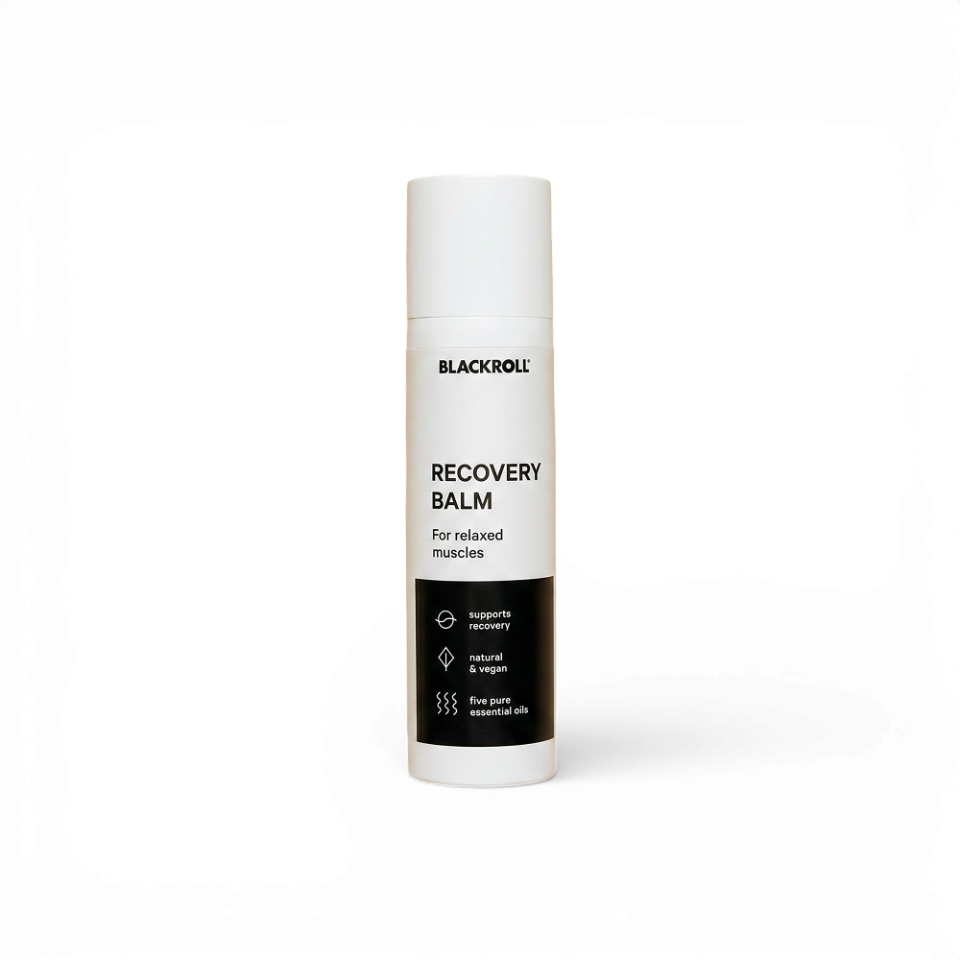
- Essential oils can also help with sore muscles because they promote blood circulation and reduce inflammation—for example, eucalyptus, peppermint, or cypress oil. Five of the most important essential oils for muscle recovery are included in BLACKROLL’s RECOVERY BALM, which stimulates blood circulation, prevents muscle soreness, and supports rapid recovery. Simply apply it and relax.
- Give the affected muscle areas a rest
- Drink plenty of fluids to support metabolism and detoxification
- Some people also swear by magnesium, zinc, and muscle-building proteins (amino acids)
- After a strenuous workout or workday, BLACKROLL’s COMPRESSION BOOTS can help reduce muscle soreness and relax your muscles. Once put on, they apply gentle pressure with a massaging effect to your legs, which helps reduce fluid buildup and promotes blood circulation. The increased blood flow helps flush metabolic waste products like lactate out of the muscles, thereby accelerating the recovery process. Heavy legs and muscle soreness are a thing of the past—all from the comfort of your couch.
Summary
Sore muscles typically manifest as pain, stiffness, tenderness, swelling, or reduced performance—and can last anywhere from two to three days to as long as a week. It’s difficult to avoid them entirely, as there’s always some risk of overworking your muscles. However, you can reduce the risk and intensity of muscle soreness by following the measures outlined above. Ideally, always try to avoid muscle soreness as much as possible during your workouts, and increase the intensity of your training slowly rather than too quickly all at once. This way, you can not only prevent overworking your muscles but also get back to your usual training sessions more quickly without having to take long breaks.
Post-Workout Routines to Prevent Sore Muscles
If you actively recover after exercise, you can counteract muscle soreness with foam rolling. Depending on the sport you practice, a different recovery routine makes sense. Find your routine. >