HIIT Explained: Short Duration, Big Results?

01. What is HIIT?
Literally translated, High-Intensity Interval Training means “high-intensity interval training.” It’s high-intensity because you raise your heart rate to 85–100% of your maximum heart rate. It’s interval training because you aim to maintain this high heart rate only in short intervals. You choose these intervals so that you exert yourself for longer than you rest. An example of this is Tabata training, where you train in intervals of 20 seconds of exertion followed by 10 seconds of rest. One round consists of 8 repetitions, and a session lasts four minutes. Music or a timer helps you keep track of the intervals.
02. What are the benefits of HIIT training?
HIIT boosts your overall metabolism. The great thing is that this boost lasts not only during your workout but also for up to 72 hours afterward. You burn calories while you’re active and during your recovery period after your workout. This effect is called the “afterburn effect.”
How many calories you burn during a HIIT workout depends on the duration of the HIIT session, your height, weight, age, fitness level, and, of course, your heart rate during the workout. Well-trained individuals have to work much harder to reach the same heart rate as someone who is untrained. As a rough estimate, you can expect to burn 200 to 400 kcal per 30 minutes of HIIT. That’s slightly more than with conventional endurance training. But don’t forget: the afterburn effect adds even more to that total. Studies show that HIIT is more effective when the intervals are kept short, as in Tabata training.
Targeting fat loss in specific areas of the body—that’s probably what many people want. Unfortunately, it’s not that simple. Your muscles need energy to function and perform at their best. They draw this energy from various sources, some more readily available than others. Blood sugar is an example of a readily available energy source. Only when this readily available source is no longer sufficient to meet energy needs are other energy sources mobilized. These can then come from fat stores in the body. We therefore cannot make a blanket statement about whether HIIT promotes fat burning.
According to various studies, HIIT is just as effective as traditional cardio training—while requiring significantly less time. Interestingly, you stay fit even with limited time.
Health benefits: You strengthen your entire cardiovascular system. Your blood’s flow properties improve, and blood production is stimulated. The result: Your blood pressure drops, your blood cholesterol levels improve, and your blood sugar can return to normal.
The very intense stimuli that HIIT places on your muscles trigger the release of growth hormones, which stimulate muscle growth. You’ll feel the lactate (lactic acid) in your muscles as a burning sensation during high-intensity exertion. The rest intervals during HIIT give your muscles a brief break to break down lactate.
According to recent studies, HIIT workouts can also improve your aerobic and anaerobic endurance as well as your VO2max. This is THE key metric for your body’s oxygen consumption. By the way, athletes who can no longer improve their endurance metrics through basic endurance training benefit from this in particular. Your hemoglobin levels rise, which improves oxygen transport in your blood. And where there’s more oxygen, there’s greater performance.
Tip #3 for HIIT Muscle Building
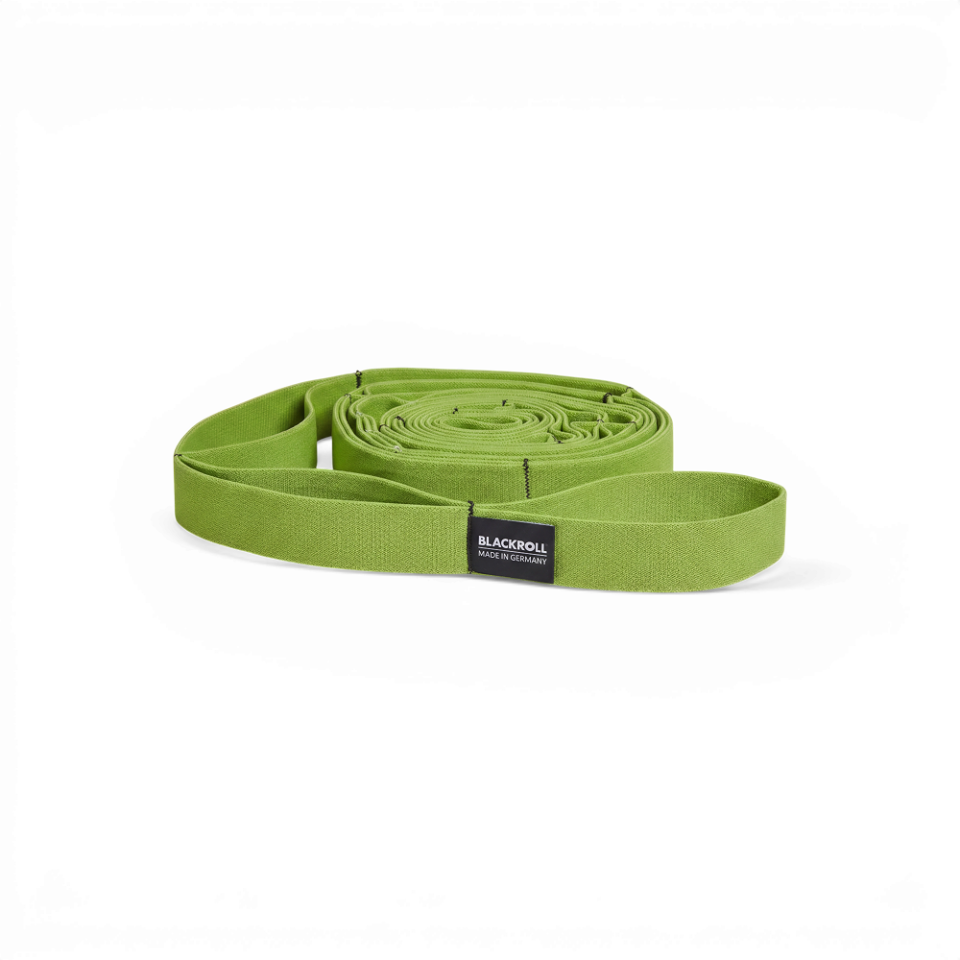
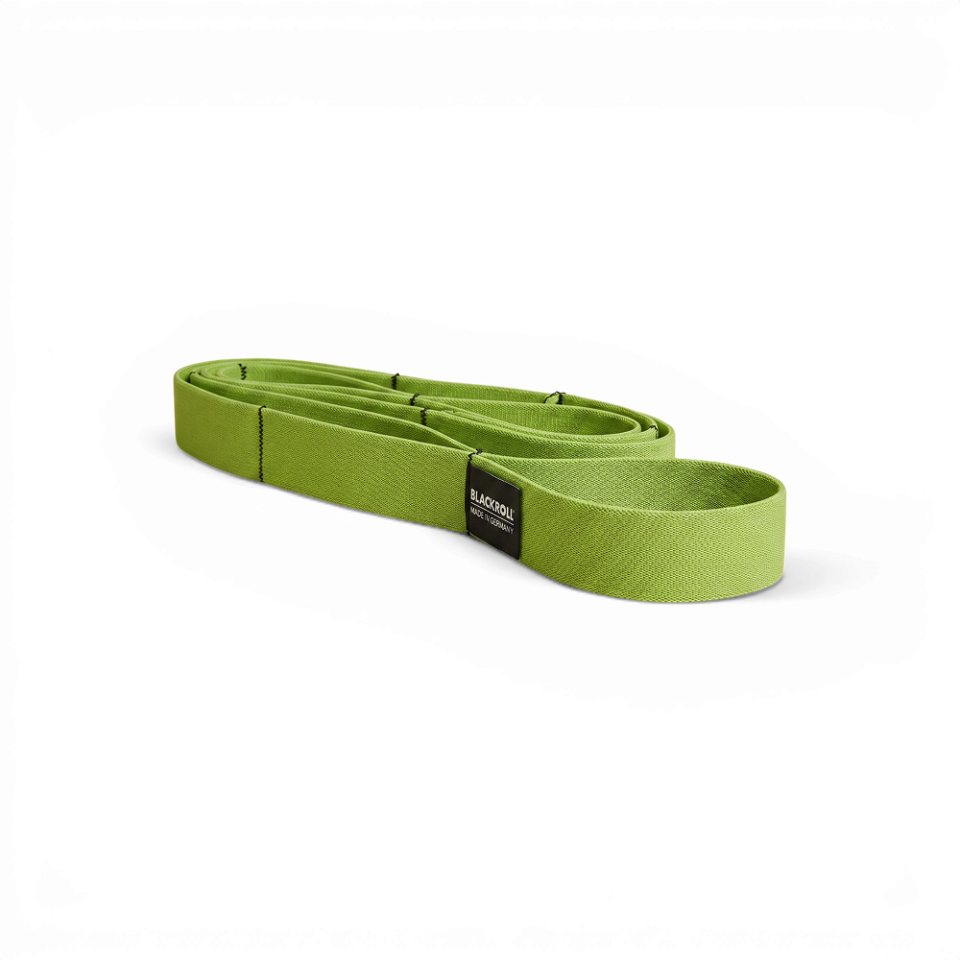
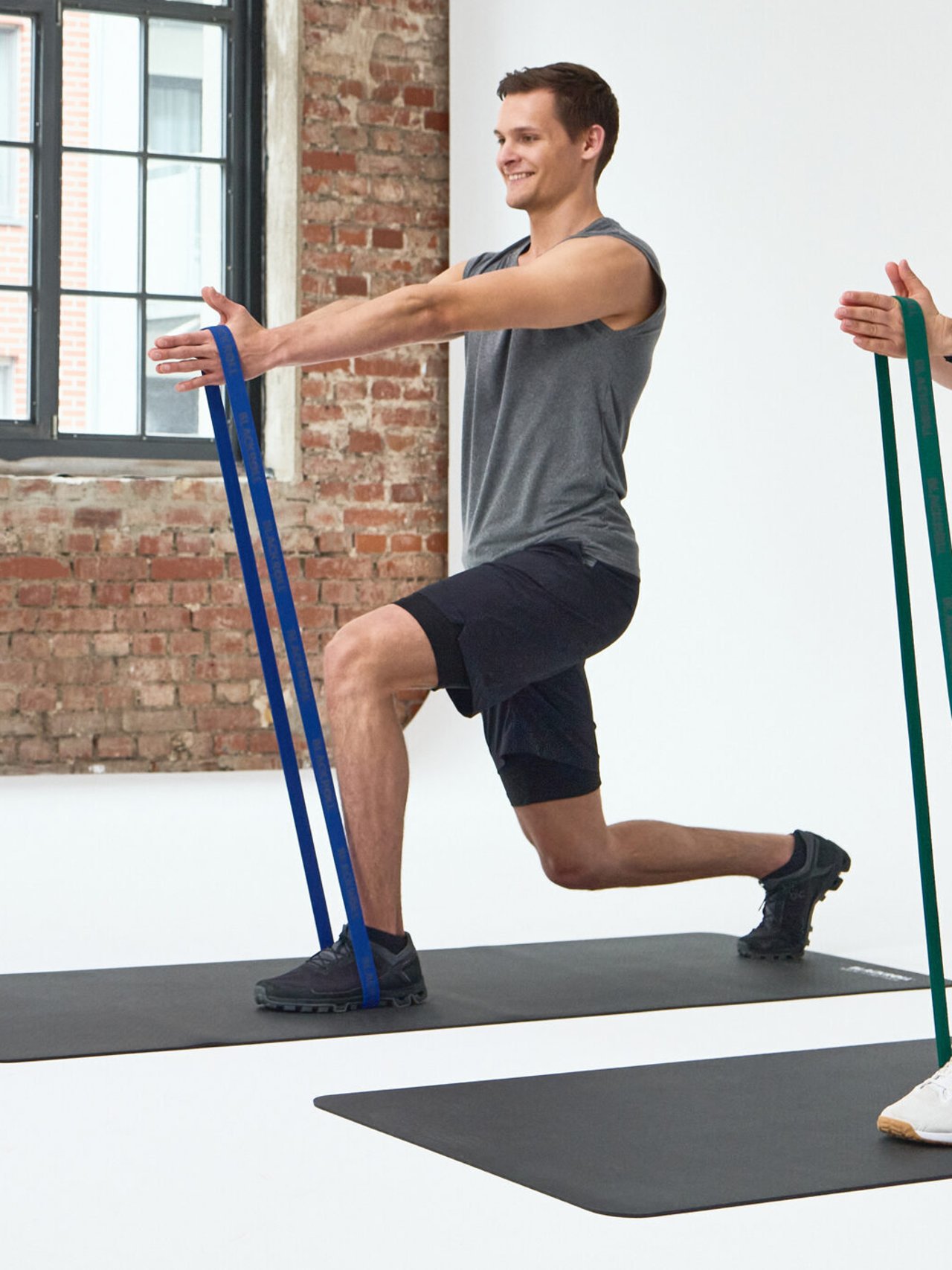
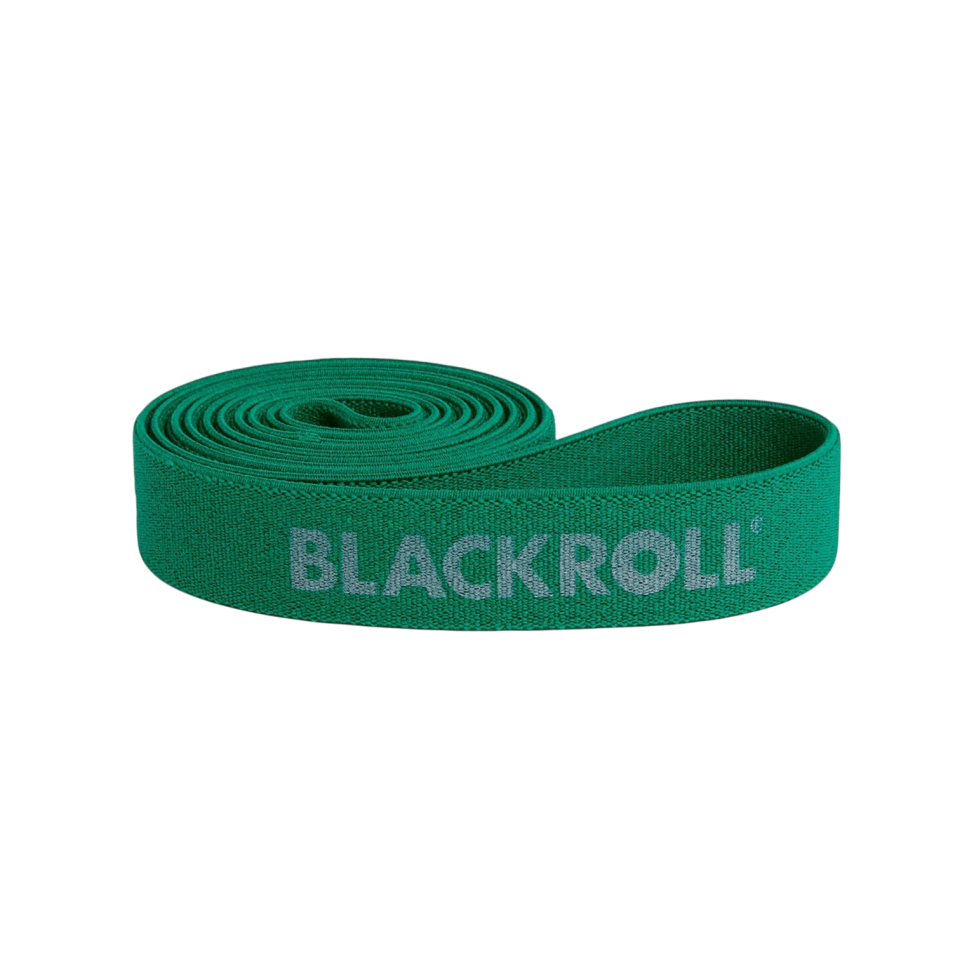
If you want to add extra stimulation because you’re using HIIT for muscle building and strength gains, use resistance bands. This allows you to increase your muscle activity to at least 60% of your maximum strength, thereby triggering hypertrophic responses. Especially if you’re already at an advanced level, bodyweight training alone is no longer sufficient to provide the necessary stimulus to your muscles.
By using resistance bands in high-intensity interval training, you can increase the intensity of your bodyweight exercises. This increases the force your muscles have to work against, which stimulates muscle growth. Only by regularly increasing the resistance and continually pushing your muscles to new levels of effort will you achieve visible and noticeable muscle growth. Resistance band training combined with HIIT is a genuine alternative to strength training with machines or free weights.
04. How often should you do HIIT per week? How long?
Several studies suggest that 40 to 60 minutes of HIIT on two days a week is just as effective as five hours a week of low-intensity steady-state cardio training. This includes, for example, jogging or cycling. However, this is only true if you train for 20 to 30 minutes per session and allow for sufficient recovery time in between.
If you’re a beginner, choose simple HIIT exercises, such as jumping jacks or running in place. More complex exercises, like burpees, require not only a high degree of coordination but also proper form. If your form is poor, you’ll do yourself more harm than good with your HIIT workout. You should have at least a basic understanding of core stability and its importance for more advanced exercises. If the typical exercise intervals are too long for you at first, you can reduce them to 10 or 15 seconds, for example, and increase the recovery phases to 20 or 30 seconds instead.
05. Recovery After High-Intensity Interval Training
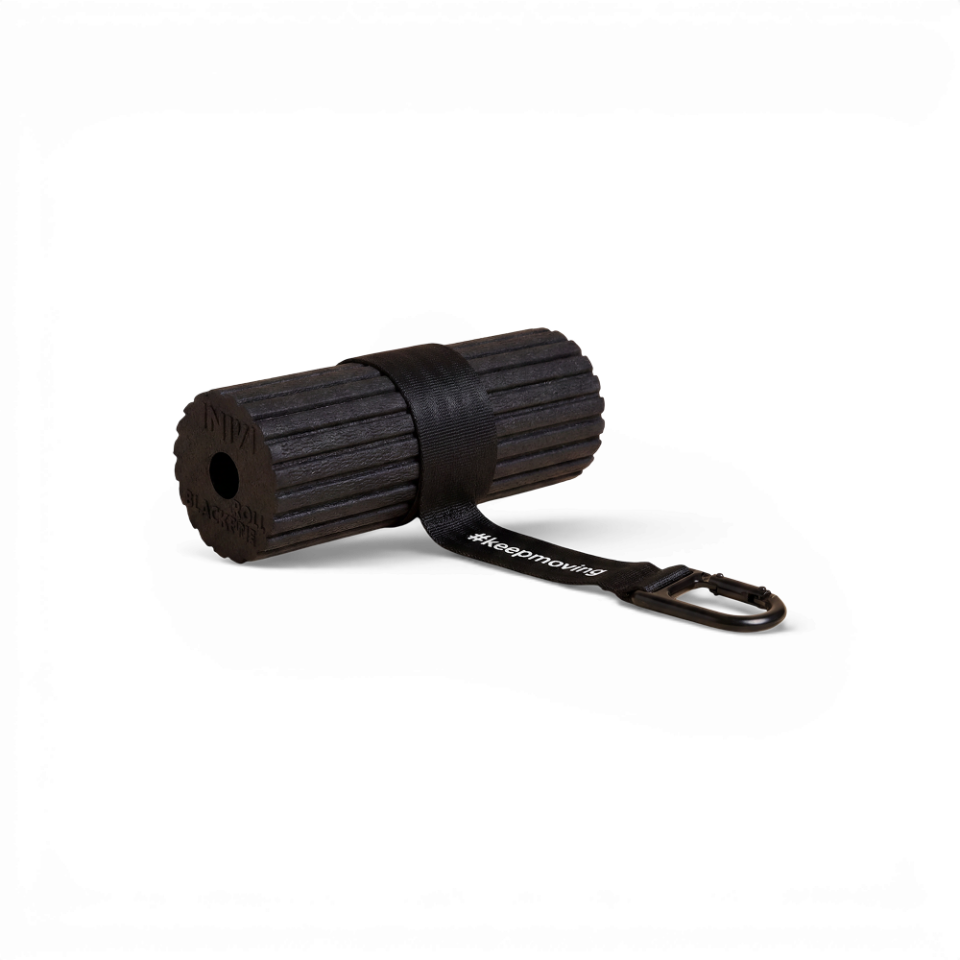
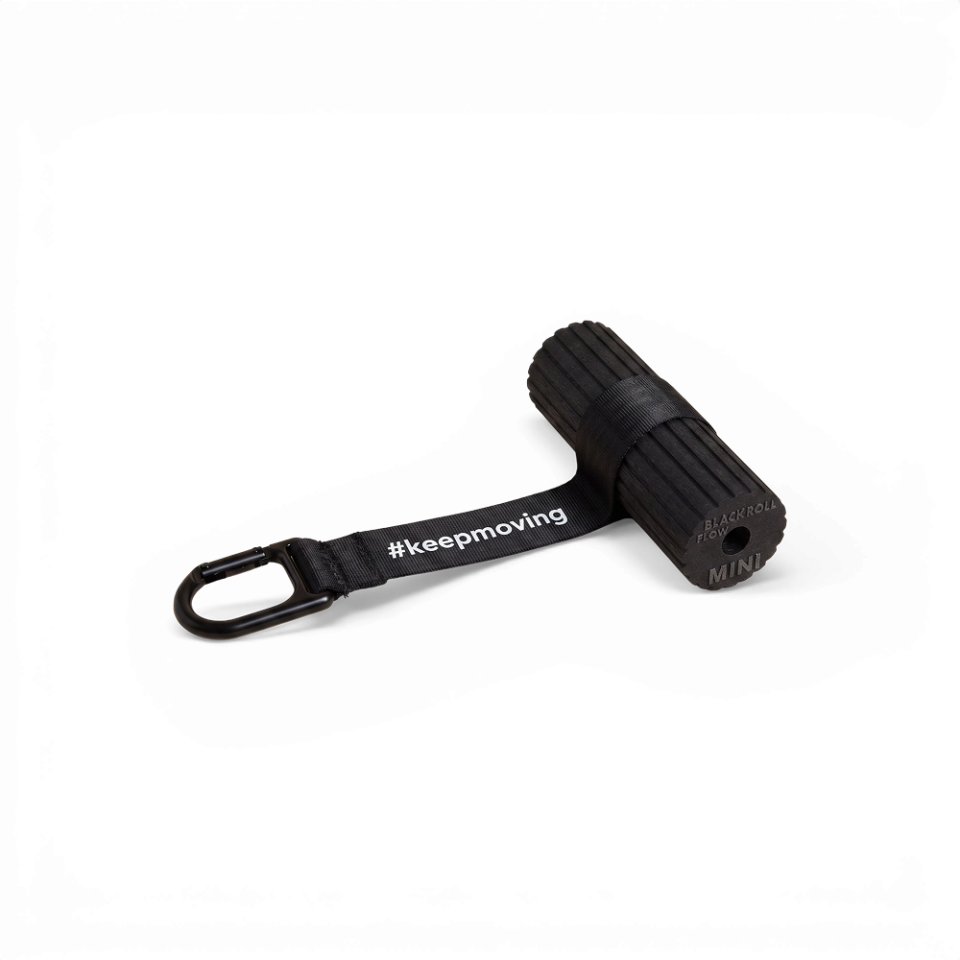
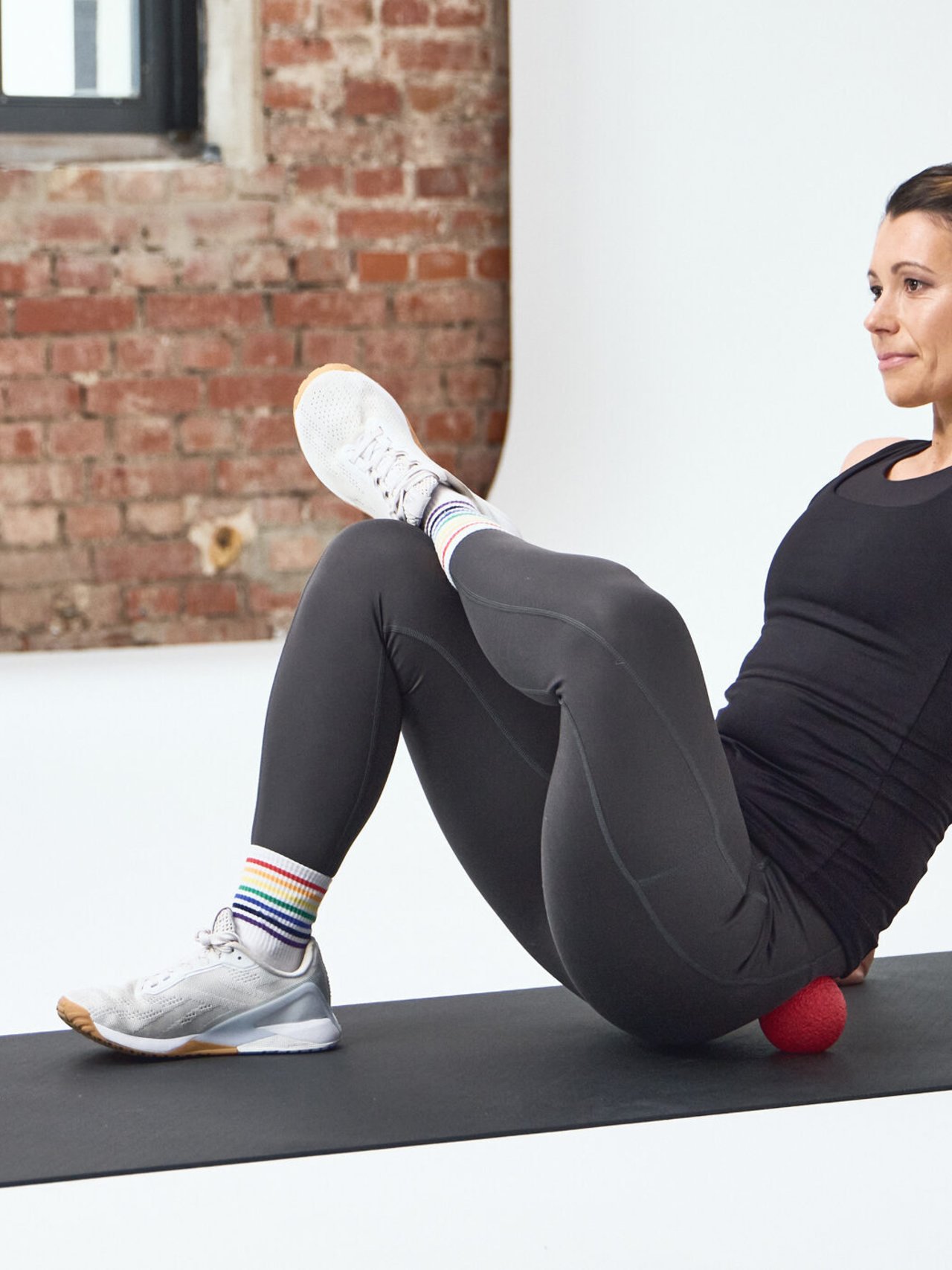
High-intensity exercise requires adequate recovery. Unfortunately, recovery is often given minimal attention—or none at all—in training plans. This can lead to overtraining and, consequently, a decline in performance. HIIT, in particular, places a high degree of stress on your body, as stress hormones like cortisol are released during the workout. In addition, muscle work produces many metabolic byproducts. Therefore—especially in high-intensity training—it’s of the utmost importance to allow for sufficient recovery. Take a two- to three-day break between HIIT sessions. Your body repairs damaged tissues and recharges its energy for your next HIIT session. Foam rolling supports active recovery and helps prevent muscle soreness.
06. HIIT or jogging?
Unlike HIIT, low-intensity steady-state cardio training is, as the name suggests, “low-intensity endurance training.” Steady state means that a “steady equilibrium of physiological parameters, such as blood lactate concentration, oxygen uptake, or heart rate”2 is maintained throughout the entire duration of the workout. So you train at a consistent level of effort. You can set this level, for example, by targeting a specific heart rate range, such as 65 to 75% of your maximum heart rate. If you don’t want to determine this through a heart rate stress test, you can use a rough rule of thumb to calculate your maximum heart rate. To do this, subtract your age from 220. Example: If you’re 27, then 220 – 27 = maximum heart rate of 193.
It always depends entirely on what goals you’re pursuing and what’s personally important to you. The ideal approach here is to combine both—this will make you physically fit, strong, and high-performing. If you train consistently at the same level, it builds up your base endurance. You’re doing your cardiovascular system a favor without overloading it. Of course, people with health issues or older adults benefit particularly from this type of training. It also excels during recovery, when gentle training is called for. However, if you’re ready to regularly push yourself to your limits, HIIT offers visible and positive effects on your body.
Resistance Bands for Your HIIT


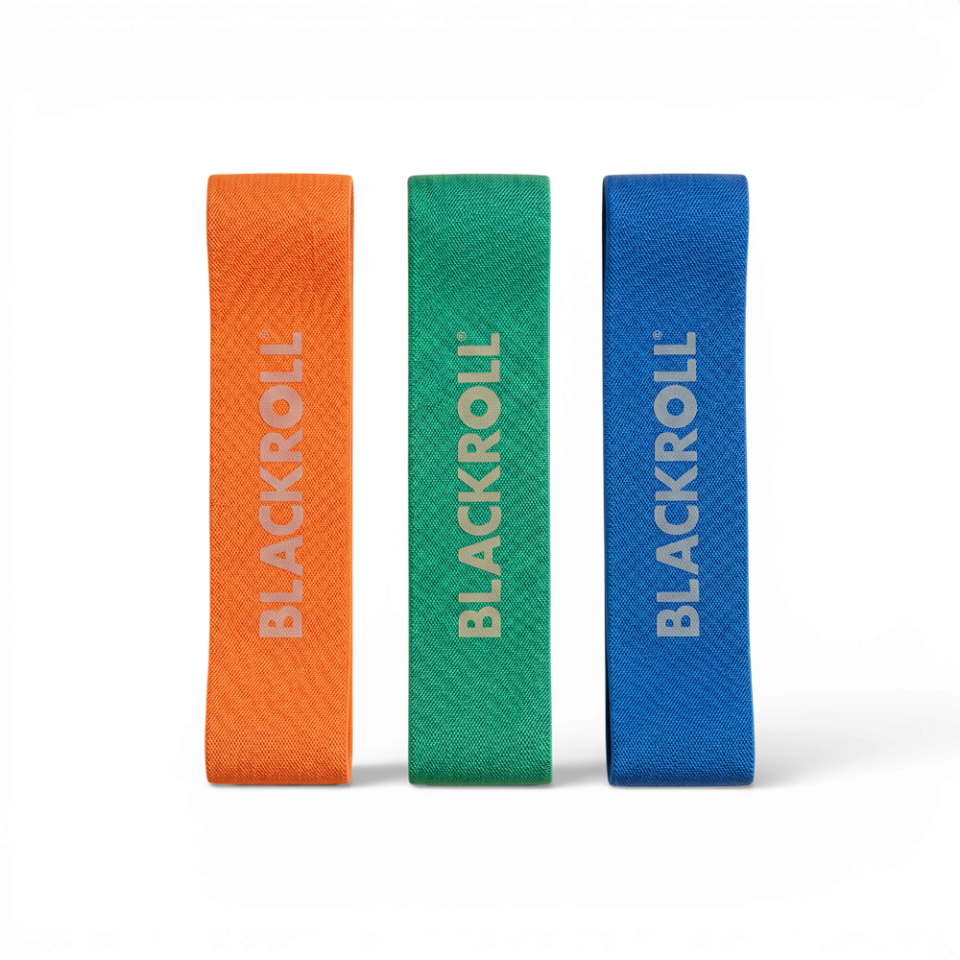
Loop Band
Available in multiple variants
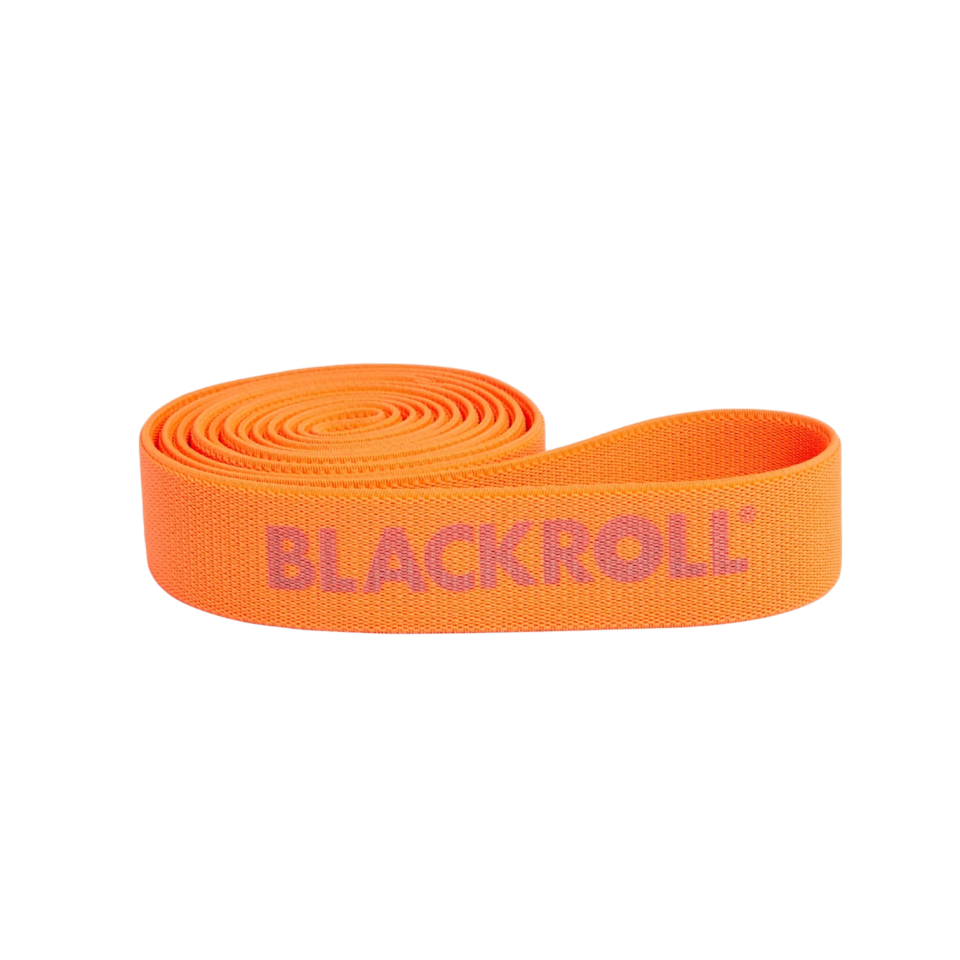
Super Band
Available in multiple variants