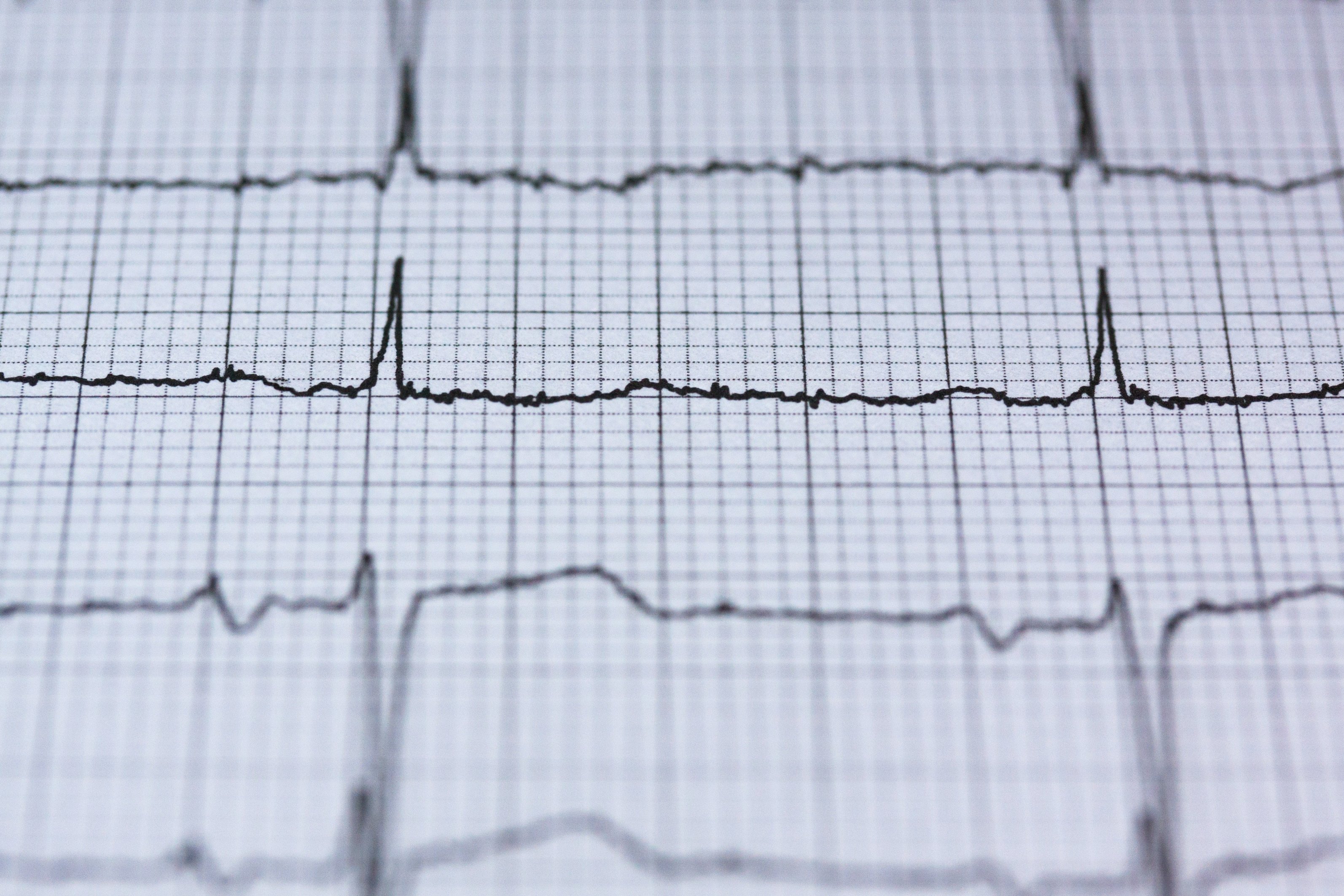
Heart Rate Variability: What Does HRV Tell Us?

In a nutshell: What is heart rate variability?
- HRV describes the variation in the time intervals between two heartbeats.
- It is an indicator of the activity of your autonomic nervous system.
- A high HRV indicates good recovery and adaptability.
- A low HRV may indicate stress or overexertion.
- It is measured by analyzing RR intervals (e.g., using wearables or a chest strap).
Die Herzfrequenzvariabilität (HRV), auch Herzratenvariabilität oder HFV genannt, beschreibt die natürlichen Schwankungen der Zeitabstände zwischen einzelnen Herzschlägen. Sie wird anhand der RR-Intervalle gemessen und zeigt, wie flexibel das autonome Nervensystem auf Belastung und Erholung reagiert. Herzfrequenzvariabilität, Herzratenvariabilität und HFV bezeichnen dabei dasselbe physiologische Phänomen.
Heart rate variability (HRV) —often referred to as heart rate variability —describes the natural fluctuations in the time intervals between two heartbeats. This variability is not an error, but a biological indicator of health: It shows how flexibly your body responds to exertion, recovery, and stress. It is controlled by the autonomic nervous system, specifically the interaction between the sympathetic (activation) and parasympathetic (recovery) nervous systems (Sammito et al., 2024).
Although the terms “heart rate variability” and “heart rate variability” are used interchangeably, they refer to the same physiological phenomenon: the variation in what are known as RR intervals—that is, the time between two heartbeats. A high HRV generally indicates good recovery capacity, stress resistance, and a balanced autonomic nervous system. A low HRV, on the other hand, can be an early warning sign of chronic stress, exhaustion, or impaired regulatory capacity (Zeid et al., 2023; Tarvainen et al., 2023).
In this article, you’ll learn how to reliably measure your HRV, what values are considered normal, and what your heart rate variability reveals about stress, sleep, and recovery. We’ll also show you how to improve your HRV over the long term—with more in-depth information available in the article “Improving Heart Rate Variability.”
What Is Heart Rate Variability (HRV)?
What Is Heart Rate Variability (HRV)?
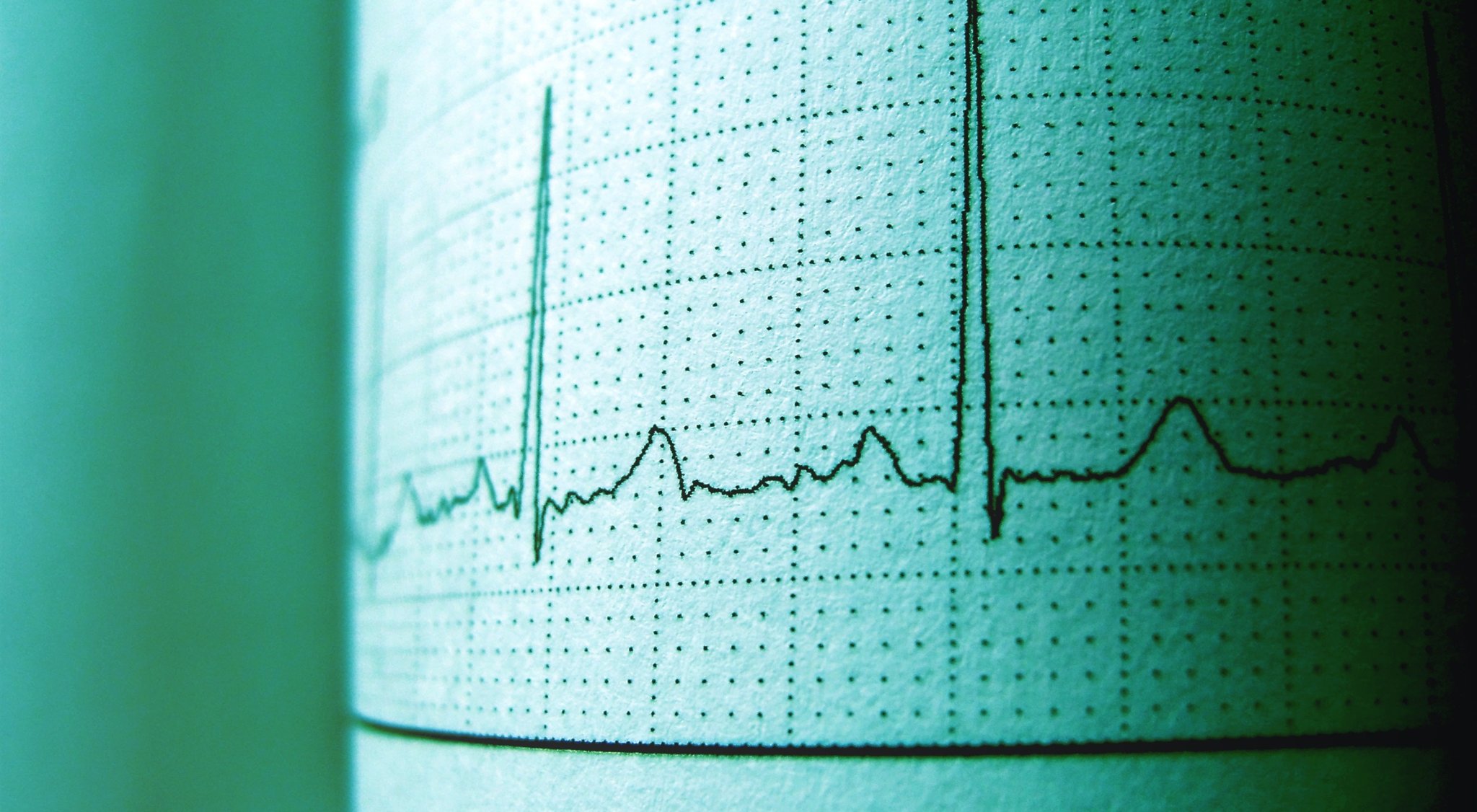
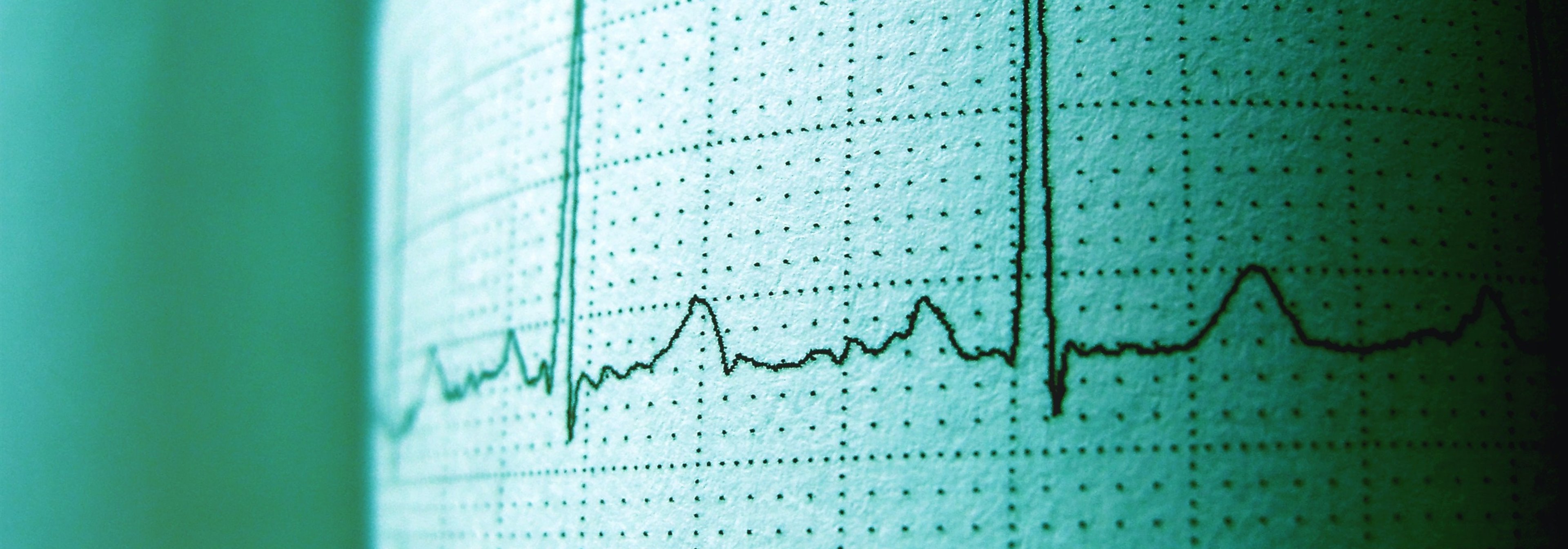
A healthy heart does not beat at a rigid, steady rhythm. The time between two heartbeats varies slightly—and it is precisely these fluctuations that heart rate variability (HRV) describes. It is measured in milliseconds (ms) and indicates how flexibly your cardiovascular system responds to physical and mental demands (Sammito et al., 2024).
Specifically, HRV analyzes the intervals between the contractions of the heart’s ventricles, known as RR intervals. The more these intervals fluctuate, the more adaptable your autonomic nervous system is. A high HRV typically indicates good recovery, resilience, and a balanced nervous system. A low HRV, on the other hand, may indicate acute or chronic stress, overtraining, or insufficient recovery (Tarvainen et al., 2023; Zeid et al., 2023).
In sports science, stress research, and preventive medicine, HRV is used to objectively assess recovery, training management, and the balance between activation and recovery. Studies show that persistently low HRV may be associated with an increased risk of cardiovascular disease—while higher values are linked to a better cardiovascular prognosis (Frontiers in Physiology, 2024).

Autonomic Nervous System: Sympathetic and Parasympathetic Nervous Systems
The autonomic nervous system consists of two opposing systems: the sympathetic and the parasympathetic. The sympathetic nervous system activates the body during stress or exertion (“fight-or-flight”), while the parasympathetic nervous system controls recovery and rest processes (“rest-and-digest”).
HRV measurement is considered a non-invasive method for objectively assessing this balance. It shows how well your body can switch between tension and relaxation—a key factor in performance, sleep quality, and long-term health (Sammito et al., 2024).
How do you measure HRV?
HRV measurement records the time intervals between two heartbeats—known as RR intervals. This analysis shows how flexibly your autonomic nervous system can switch between activation and recovery. Depending on the measurement method, different HRV values such as SDNN or RMSSD can be calculated (Shaffer & Ginsberg, 2017; Ernst, 2014).
1. Electrocardiography (ECG)—the gold standard
Electrocardiography (ECG) is considered the most precise method for measuring heart rate variability. Electrodes placed on the skin accurately record the heart’s electrical signals. The measurement can be taken at rest, during exercise, or as a 24-hour Holter monitor.
Analysis software calculates various HRV parameters from the recorded RR intervals, for example:
- SDNN: Total variability of all heartbeats—a measure of general adaptability.
- RMSSD: Short-term variability—considered a marker of parasympathetic activity.
- LF/HF ratio: Ratio of sympathetic to parasympathetic activity.
Studies confirm that the ECG offers the highest accuracy in measuring HRV parameters (Tarvainen et al., 2023).
2. Photoplethysmography (PPG) – HRV Measurement with Smartwatches & Wearables
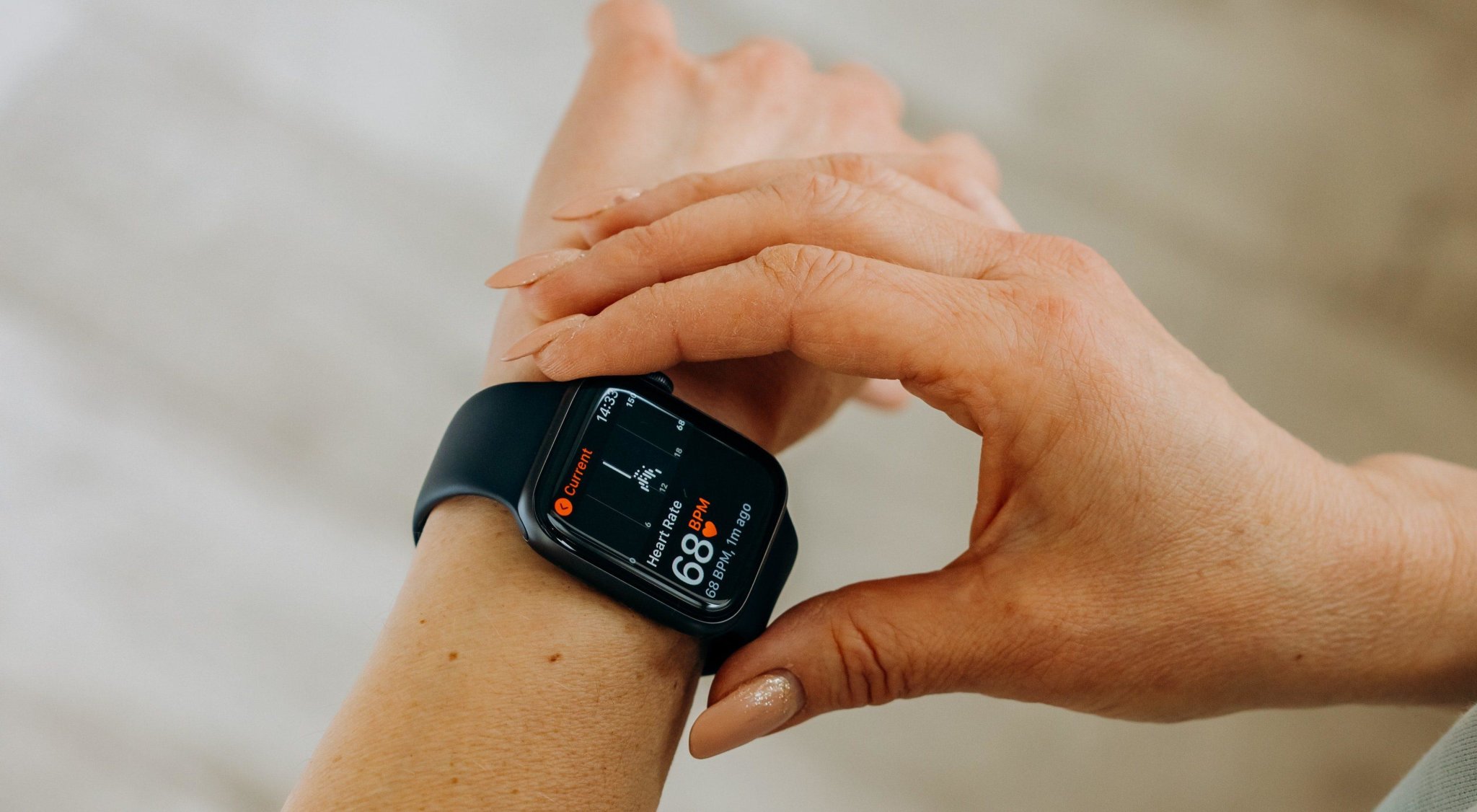
Photoplethysmography (PPG) is an optical measurement method used in many smartwatches and fitness trackers. A light sensor measures changes in blood volume within the blood vessels and converts them into pulse signals. HRV values can be calculated from these signals.
Devices such as Garmin watches, the Apple Watch, or other wearables usually display HRV as a trend value. Garmin often determines a nightly “HRV status,” while the Apple Watch typically calculates the SDNN value from periods of rest.
Compared to an ECG, the PPG method may be less accurate during physical activity or when skin perfusion is poor (Lu et al., 2020). However, it is well-suited for training, stress monitoring, or sleep analysis to identify long-term trends.
What matters less is the device itself than taking regular measurements under consistent conditions —ideally in the morning after waking up or at night while sleeping.
Who first measured heart rate variability?
Scientific research into heart rate variability (HRV) began in the early 20th century. Sir Charles Sherrington described the importance of neural regulation of the heart rhythm in the context of the autonomic nervous system—laying the groundwork for later HRV research (Sherrington, 1906).
The first systematic quantitative measurement of HRV took place in the 1960s. Moss and Kellenberger (1965) demonstrated that analyzing RR intervals allows for inferences about the activity of the autonomic nervous system.
In the 1980s, Akselrod and colleagues developed methods for spectral analysis of HRV, which allowed for the separate examination of sympathetic and parasympathetic activity. Today, HRV is an integral part of research in medicine, sports science, neurology, and sleep research.
Tip: Want to specifically improve your recovery and HRV? In our BLACKROLL Online Sleep Course, you’ll learn how to sustainably regulate your nervous system through restful sleep and targeted relaxation techniques.

Sleep better, live healthier—with our sleep course. Up to 100% refund + a free Recovery Pillow.
Discover the online sleep course now

HRV and Stress: What Your Body Is Telling You
Measuring Stress Using HRV
Heart rate variability (HRV) is considered one of the most reliable physiological markers for objectively measuring stress. It shows how flexibly your autonomic nervous system can switch between activation (sympathetic nervous system) and recovery (parasympathetic nervous system). A low HRV often indicates increased stress, while a high HRV is associated with good recovery and adaptability (Shaffer & Ginsberg, 2017; Thayer et al., 2012).


HRV Over the Lifespan and Sleep
Heart Rate Variability: Reference Values by Age
There is no single “good” HRV value that applies equally to everyone. Individual heart rate variability depends on age, gender, fitness level, stress levels, and sleep quality. Generally, HRV decreases with age as the flexibility of the autonomic nervous system declines (Shaffer & Ginsberg, 2017).
What matters most is not how you compare to others, but your own personal trend. Nevertheless, average values can serve as a guide—especially if you’re wondering: Is my HRV value normal? (Umetani et al., 1998; Nunan et al., 2010).
The following reference ranges are based on population-based average data and are provided for guidance only.
How HRV Reveals Stress
- Acute stress: Activates the sympathetic nervous system—the heart rate accelerates, and HRV drops temporarily.
- Chronic stress: Can lead to persistently low HRV values and reduce the nervous system’s ability to regulate itself.
- Recovery & relaxation: Activate the parasympathetic nervous system—heart rate decreases, HRV increases.
Studies show that people with persistently low HRV are more likely to suffer from sleep disturbances, exhaustion, and cognitive overload (Kim et al., 2018).
HRV Training and Biofeedback: Learning Balance Instead of Boosting It
HRV helps you understand how your body reacts to stress and how quickly you recover from it. What matters most is not a single measurement but the trend over several days or weeks. If your HRV values remain consistently low, this may indicate overload, lack of sleep, or insufficient recovery.
In this case, it’s worth focusing specifically on improving sleep quality, relaxation, and training management—for example, by creating better sleep conditions or practicing structured relaxation techniques.
However, it’s important to note that HRV is not a diagnostic tool, but rather a physiological indicator. It should always be interpreted in the context of other health parameters and your subjective well-being (Ernst, 2014).
How to Support Your HRV in Everyday Life
Heart rate variability (HRV) is highly sensitive to your lifestyle. Factors such as regular exercise, mindful breathing, sleep quality, and stress management influence how flexibly your autonomic nervous system can switch between activation and recovery. Studies show that even small, consistently implemented adjustments can bring about measurable changes in HRV (Shaffer & Ginsberg, 2017).
What matters most is not a single measure, but the combination of sleep, recovery, and stress management. If you want to improve your HRV over the long term—for example, through targeted breathing exercises, relaxation techniques, or structured training—you’ll find a detailed step-by-step guide with scientifically proven methods in the article “Improving Heart Rate Variability.”

Breathing Exercises for Stress and Anxiety
Breathing Exercises: Breathe Away Stress and AnxietyHRV Training and Biofeedback: How to Monitor Your Heart Rate Variability Effectively
HRV training describes the targeted use of methods to improve the regulatory capacity of the autonomic nervous system. The focus is not on short-term increases in individual HRV values, but rather on the conscious awareness of the interaction between breathing, heart rhythm, and relaxation (Lehrer et al., 2020).
The goal is to use regular practice to strengthen the ability to switch more quickly between activation and regeneration—a key mechanism for stress resilience and recovery.
What happens during HRV biofeedback?
In HRV biofeedback, heart rate variability is measured in real time using sensors. The results are displayed visually or acoustically—for example, as curves, colors, or sounds. This helps you learn to consciously synchronize your breathing, heart rate, and relaxation.
Studies show that regular biofeedback training can stabilize the balance between the sympathetic and parasympathetic nervous systems and improve physiological stress regulation (Lehrer & Gevirtz, 2014; Goessl et al., 2017).
Today, HRV biofeedback is used in fields such as sports psychology, behavioral medicine, and pain therapy. Clinical studies suggest that it can help manage high blood pressure, chronic pain, or anxiety by strengthening parasympathetic activity (Lehrer et al., 2020).
You can find specific breathing protocols, training frequencies, and step-by-step instructions in the in-depth article “Improving Heart Rate Variability.”
What is a good HRV value?
The following ranges serve as a rough guide (RMSSD values in milliseconds):
- 20–30 ms: low
- 30–50 ms: average
- 50–70 ms: good
- >70 ms: very good recovery capacity
Example: An HRV value of 45 ms falls within the average range. However, what’s important is whether this value remains stable for you or is significantly below your personal average.
Hormonal changes can also influence HRV. Especially during the female menstrual cycle, heart rate variability fluctuates depending on estrogen and progesterone levels. You can learn more about this in the article “HRV and the Female Menstrual Cycle.”
Heart Rate Variability During Sleep
HRV during sleep is an important indicator of your nighttime recovery. Ideally, the parasympathetic nervous system dominates during the night, causing the heart rate to drop and HRV to rise. A higher nighttime HRV usually indicates good recovery and sleep quality (Chua et al., 2019).
Throughout the night, HRV changes depending on the sleep phase. During deep sleep, parasympathetic activity is particularly pronounced—higher HRV values are typical here. During REM phases, HRV may drop slightly, as the autonomic nervous system reacts more variably (Trinder et al., 2001).
There are no fixed reference values for HRV during sleep. What matters is your personal trend over several nights. If your nighttime HRV remains consistently low or your resting heart rate drops or rises unusually sharply, this may indicate stress, overtraining, or sleep deprivation.
Modern HRV trackers, smartwatches, or chest straps can help you monitor these trends and determine your individual baseline.

Progressive Muscle Relaxation Exercises
Progressive Muscle Relaxation (PMR): 5 Simple Exercises

Heart Rate and Pulse: How Your Heart Adapts Throughout the Day
What Defines a Healthy Heart Rate?
Heart rate describes the number of heartbeats per minute (beats per minute = bpm) and should not be confused with heart rate variability (HRV). While HRV measures the temporal variations between individual heartbeats, heart rate indicates how often your heart beats per minute. Both metrics provide different but complementary information about your cardiovascular system (Zhao et al., 2020).
The normal resting heart rate in adults is generally between 60 and 80 bpm. Well-trained endurance athletes often achieve rates below 60 bpm—a sign of efficient heart function (Boudoulas et al., 2015). On average, women have a resting heart rate that is about 5–10 bpm higher than men’s.
It is important to note that a low heart rate does not automatically mean high HRV—and vice versa. Only the combination of a stable heart rate and flexible HRV indicates good autonomic regulation.
Average Resting Heart Rate by Age
Age (years) | Average resting heart rate (bpm) |
|---|---|
Newborns | 120–140 |
Children (6–12) | 75–110 |
Adolescents | 65–90 |
Adults | 60–80 |
Fitness-trained individuals | 45–60 |
Seniors (>65) | 65–85 |
An elevated resting heart rate (> 90 bpm) may indicate stress, lack of exercise, or an increased cardiovascular risk. A low heart rate (< 60 bpm) is referred to as bradycardia. In well-trained individuals, it is usually harmless—but in rare cases, it may require medical evaluation (Fox et al., 2007).
The heart rate also typically drops significantly during sleep. A very low pulse rate at night may be normal for fit individuals, but it should be evaluated in the context of overall well-being, HRV trends, and sleep quality.
A healthy heart responds flexibly: the heart rate increases during activity and decreases again at rest. This adaptability—combined with stable HRV—is a sign of good cardiac and autonomic regulation (Shaffer & Ginsberg, 2017).
Heart Rate Throughout the Day: How Your Heart Rate Changes Over the Course of the Day
The pulse, or heart rate, follows a natural daily rhythm controlled by the circadian rhythm. This biological 24-hour cycle influences sleep, hormone release, blood pressure, and heart rate. Additionally, age, physical activity, stress levels, and overall health affect these daily fluctuations (Furlan et al., 1990).
Typically, the heart rate is lowest in the morning, rises during the morning and early afternoon, and drops again in the evening. During physical exertion or emotional stress, the pulse briefly reaches higher levels. At night, the parasympathetic nervous system dominates, causing the heart rate to drop significantly during sleep (Shaffer & Ginsberg, 2017).
Typical Daily Heart Rate Pattern
- Morning (6–9 a.m.): lower heart rate—the body slowly wakes up
- Morning (9 a.m.–noon): Increase due to physical activity and mental engagement
- Afternoon (12–18 Uhr): often highest values at rest
- Evening (6–10 p.m.): gradual decrease—transition to recovery
- Night (10 p.m.–6 a.m.): lowest values—parasympathetic dominance during sleep
Continuous measurements using smartwatches, fitness trackers, or chest straps help you visualize your individual heart rate pattern. This allows you to see how exercise, stress, or sleep affect your heart rate—and to interpret this data in conjunction with your HRV.
It’s important to note that individual spikes are usually not a cause for concern. What matters is the long-term trend and the interplay between resting heart rate, exercise response, and heart rate variability.
Note: In everyday language, “pulse” and “heart rate” are often used interchangeably. Medically speaking, heart rate refers to the number of heartbeats per minute, while pulse measures the palpable pressure wave in the arteries. In healthy people, these two values are synchronized. However, in certain cardiac arrhythmias—such as atrial fibrillation—the pulse may deviate from the actual heart rate (Furlan et al., 1990).


Conclusion on Heart Rate Variability and Associated Health
Conclusion: Heart Rate Variability and Health
Heart rate variability (HRV) is a scientifically established marker of your autonomic nervous system’s adaptability. Numerous studies have linked higher HRV to better cardiovascular health, more effective stress regulation, and greater resilience (Thayer et al., 2012; Shaffer & Ginsberg, 2017).
Conversely, a consistently low HRV may indicate chronic stress, sleep deprivation, or reduced ability to recover. However, what matters most is not a single measurement but your individual trend over time (Sammito et al., 2024).
A healthy lifestyle that includes regular exercise, sufficient sleep, and mindful breathing supports the regulatory capacity of the autonomic nervous system. Methods such as controlled breathing, meditation, or HRV biofeedback can help stabilize the balance between the sympathetic and parasympathetic nervous systems over the long term.
Regularly monitoring your HRV allows you to identify stress early on and manage your training, recovery, or sleep more consciously—as part of a holistic health strategy, not as an isolated diagnostic tool.
HRV-Messung: Die wichtigsten Fragen und Antworten
Dein HRV-Wert zeigt, wie stark die Zeitabstände zwischen deinen Herzschlägen variieren. Er liefert Hinweise darauf, wie dein autonomes Nervensystem auf Belastung und Erholung reagiert. Besonders aussagekräftig ist die Entwicklung deiner HRV über mehrere Tage und Wochen.
Eine einzelne niedrige HRV ist nicht automatisch problematisch. Stress, Schlafmangel, intensive Belastung oder ein Infekt können den Wert vorübergehend senken. Auffälliger ist es, wenn deine HRV über längere Zeit deutlich unter deinem persönlichen Durchschnitt liegt.
Die HRV wird anhand der Zeitabstände zwischen aufeinanderfolgenden Herzschlägen gemessen. Besonders präzise ist ein EKG. Für regelmäßige Messungen können auch Brustgurte und Wearables eingesetzt werden.
RMSSD erfasst vor allem kurzfristige Schwankungen und wird häufig für kurze Ruhe- und Erholungsmessungen verwendet. SDNN beschreibt die Gesamtvariabilität während des jeweiligen Messzeitraums. Welcher Wert sinnvoller ist, hängt daher von Messdauer und Anwendungszweck ab.
Die durchschnittliche HRV nimmt mit zunehmendem Alter tendenziell ab. Die individuellen Unterschiede sind jedoch groß, weshalb Alters-Normwerte nur zur Orientierung dienen. Wichtiger ist, wie sich deine HRV im Vergleich zu deinem persönlichen Referenzwert entwickelt.
Regelmäßige Bewegung, ausreichend Schlaf, angemessene Regeneration und Stressmanagement können eine gesunde HRV unterstützen. Auch Atemübungen und HRV-Biofeedback können die Regulation des autonomen Nervensystems fördern.
Wenn du deine HRV als Verlaufswert nutzen möchtest, solltest du regelmäßig unter möglichst gleichen Bedingungen messen. Eine tägliche Messung, beispielsweise morgens nach dem Aufwachen oder eine standardisierte nächtliche Messung, erleichtert den Vergleich über längere Zeit.
Quellen & Studien
Brozat, M., Böckelmann, I., & Sammito, S. (2025). Systematic review on HRV reference values. Journal of Cardiovascular Development and Disease, 12(6), 214. https://doi.org/10.3390/jcdd12060214
Carrasco-Poyatos, M., González-Quílez, A., Altini, M., & Granero-Gallegos, A. (2022). Heart rate variability-guided training in professional runners: Effects on performance and vagal modulation. Physiology & Behavior, 244, 113654. https://doi.org/10.1016/j.physbeh.2021.113654
Figueiredo, D. H., Figueiredo, D. H., Bellenger, C., & Machado, F. A. (2022). Individually guided training prescription by heart rate variability and self-reported measure of stress tolerance in recreational runners: Effects on endurance performance. Journal of Sports Sciences, 40(24), 2732–2740. https://doi.org/10.1080/02640414.2023.2191082
Ranieri, L. E., Casado, A., Martin, D., Trujillo-Colmena, D., Gil-Arias, A., Kenneally, M., & Jiménez, A. (2025). Performance and physiological effects of race pace-based versus heart rate variability-guided training prescription in runners. Medicine & Science in Sports & Exercise, 57(7), 1510–1522. https://doi.org/10.1249/MSS.0000000000003671
Rocha, A. S. L., Siqueira, V. B., Maduro, P. A., Batista, L. S. P., & Schwingel, P. A. (2024). Reference values for heart rate variability in older adults: A systematic review. Psychophysiology, 61(12), e14661. https://doi.org/10.1111/psyp.14661