
The sympathetic nervous system is a true marvel of our body—it ensures that we have energy when we need it, can overcome challenges, and feel full of drive. As part of the autonomic nervous system, it’s our inner driving force that supports us during moments of activity and performance. But how exactly does the sympathetic nervous system work, and how can you regulate it to enhance your well-being and quality of life? Discover how you can use specific techniques to bring your sympathetic nervous system into balance, laying the foundation for more energy, vitality, and inner strength.
Definition of the sympathetic nervous system
The sympathetic nervous system is not a single nerve, but a complex network that extends throughout the entire body. It is part of the autonomic nervous system and runs along the spine in the form of the so-called sympathetic trunk. This trunk consists of a series of nerve nodes, known as ganglia, which are arranged in pairs on the right and left sides of the spine—from the neck down to the tailbone. From these ganglia, nerve fibers branch out to various parts of the body, including the organs, blood vessels, and glands.
This structure enables the sympathetic nervous system to control numerous processes simultaneously, such as regulating heart rate, breathing, blood circulation, and the release of stress hormones. Central control takes place in the brain, more specifically in the hypothalamus, which sends signals to the spinal cord. From there, the information is relayed via the sympathetic trunk to the target regions in the body. Thanks to this decentralized structure, the sympathetic nervous system can react to external stimuli at lightning speed and put your body into “activity mode.”


Understanding the Function of the Sympathetic Nervous System
The sympathetic division of the autonomic nervous system—or simply the sympathetic nervous system—is your body’s “powerhouse,” especially during challenging moments. It controls the so-called fight-or-flight response, which enables you to react quickly and efficiently to stress or dangerous situations. In doing so, the sympathetic nervous system activates a variety of processes: your heart rate increases, your blood pressure rises, and your breathing quickens. At the same time, energy is mobilized by increasing blood flow to the muscles. These mechanisms put your body in a state of peak performance.
Here’s an interesting detail: In critical moments, the sympathetic nervous system temporarily scales back less important functions—such as digestion—to focus available resources on survival strategies. But the sympathetic nervous system plays a central role not only in stressful situations—it’s also indispensable in everyday life and during physical activity. For fitness enthusiasts and people undergoing rehabilitation, it’s helpful to know how the sympathetic nervous system optimally prepares the body for exercise. Improved blood flow to the muscles provides more energy and performance capacity, which is particularly beneficial during training or recovery.
Tips and Tricks for More Energy
The sympathetic nervous system is key when it comes to mobilizing energy and putting your body into an active, high-performance state. Targeted activation of the sympathetic nervous system can help you approach your day with more drive and vitality—whether in your workouts, at work, or in everyday life. With the right techniques and exercises, you can give your nervous system a natural energy boost while also promoting a healthy long-term balance.
1. Exercise as an Energy Booster: Physical activity is one of the most effective ways to activate the sympathetic nervous system. Even a short walk or an intense workout is enough to speed up your heart rate, stimulate blood flow, and make you feel more alert and focused.
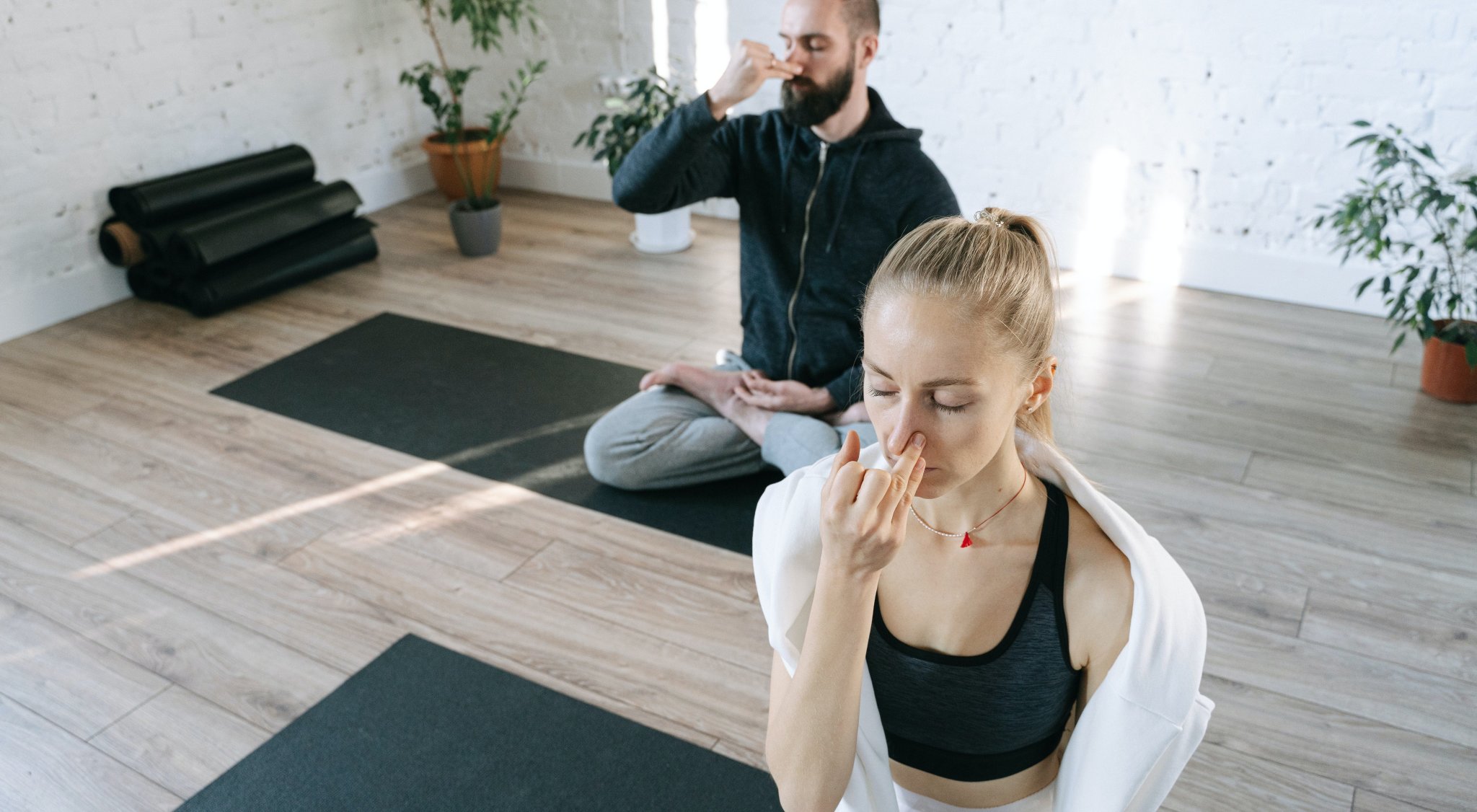
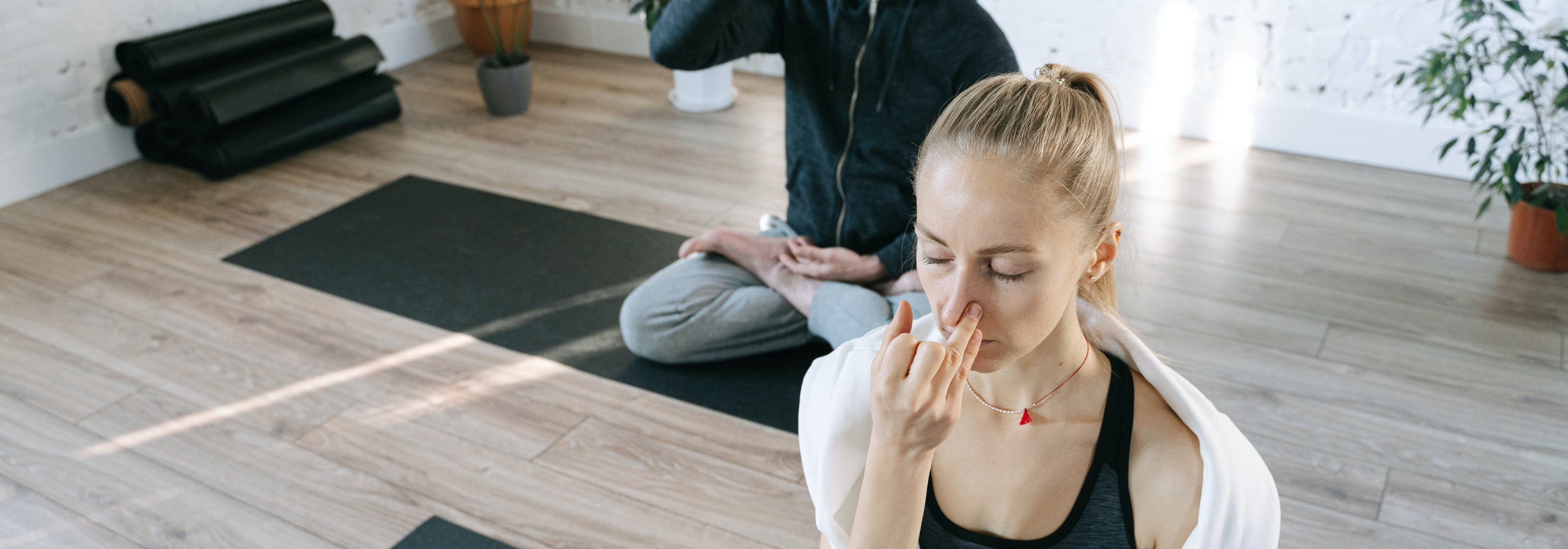
2. Breathing Exercises for a Kickstart: Your breath is a powerful tool for stimulating the sympathetic nervous system. Fast, conscious breathing techniques like the Wim Hof Method or short, forceful inhalations and exhalations can help you increase the flow of energy throughout your body. These breathing exercises combine wonderfully with fascia training.
3. Cold Therapy for Stimulation: A cold shower or a dip in cold water isn’t just refreshing—it’s also an effective way to activate the sympathetic nervous system. The sudden cold boosts blood circulation, increases oxygen levels in the tissues, and gives you an energy boost. After the cold therapy, your nervous system quickly returns to balance.
More Energy Through Balance
While it’s important to specifically activate the sympathetic nervous system for an energy boost, it’s equally crucial not to overtax it. A balanced ratio between activity and recovery ensures that your body remains high-performing in the long term. With a mix of breathing techniques and mindful movements, you can positively influence your sympathetic nervous system while simultaneously boosting your physical and mental strength.


Bringing an Overactive Sympathetic Nervous System Back into Balance
Sympathetic nervous system overactivity can occur when the body is kept in a constant state of alert due to prolonged stress. This condition, often perceived as “chronic stress,” manifests through symptoms such as inner restlessness, an elevated heart rate, sleep disturbances, muscle tension, and a feeling of being constantly overwhelmed. In the long term, such overstimulation can not only lead to exhaustion but also impair physical and mental health.
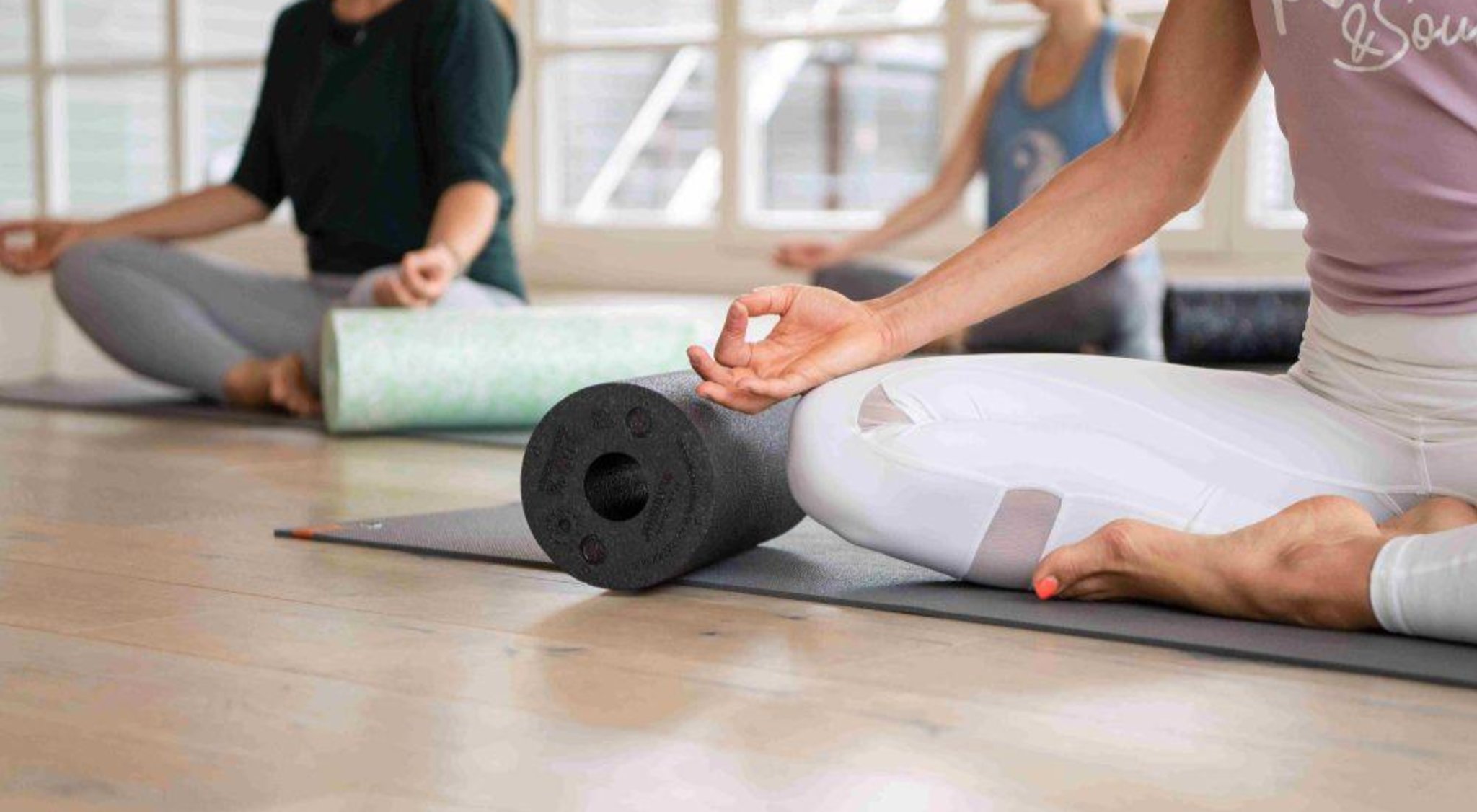
To counteract sympathetic nervous system overactivity, it is important to intentionally incorporate relaxation techniques and restorative practices into daily life. Breathing exercises, such as mindful breathing or the 4-7-8 method, can help activate the parasympathetic nervous system—the nervous system’s “rest mode”—and restore the body to a relaxed state. Gentle forms of movement, such as yoga, stretching exercises, or light swaying, also help restore balance to the nervous system and shift the focus toward relaxation.
Incorporate relaxation breaks
Another effective approach is the targeted release of muscular tension that can result from chronic stress. Slow and mindful movements, as well as techniques such as self-myofascial massage, can help promote blood circulation and relieve tension. Regular relaxation periods, ideally combined with mindful care for one’s own body, foster not only physical but also mental recovery.
It’s important to regularly give your body the opportunity to switch into recovery mode. This involves not only consciously planning breaks but also incorporating activities that bring joy and foster inner peace—whether through walks in nature, reading, or meditative rituals. By actively taking steps to combat chronic stress, you can reduce the activity of your sympathetic nervous system and help your body regain its balance. This not only promotes your recovery but also your long-term well-being.
Calming the Sympathetic Nervous System: 10 Tips for You
Chronic overactivation of the sympathetic nervous system can lead to stress and exhaustion. With the right techniques, you can put your body into relaxation mode and promote greater inner calm. Here are 10 proven tips to calm the sympathetic nervous system:
- Breathing exercises: Practice abdominal breathing or the 4-7-8 method. These breathing techniques activate the parasympathetic nervous system and promote relaxation.
- Meditation and mindfulness: Daily meditation or mindfulness exercises help calm the mind and reduce stress.
- Progressive muscle relaxation: Consciously tense individual muscle groups and then release the tension to relax your entire body.
- Gentle Movement: Practice yoga, tai chi, or slow stretching exercises to gently guide the body into a state of calm.
- Enjoy nature: A walk in the woods or by the water calms the nervous system and reduces stress hormones.
- Use heat: A warm bath or a hot water bottle relaxes the muscles and calms the sympathetic nervous system.
- Self-massage: Use gentle self-massage techniques to relieve tension and promote blood circulation.
- Avoid cold stimuli: Avoid sudden exposure to cold in the evening, as it can stimulate the body.
- Digital Detox: Reduce your use of smartphones and computers before bedtime to give your nervous system a break.
- Regular Breaks: Schedule intentional breaks into your daily routine to prevent overstimulation and keep your body in balance.
These tips will help you regulate your sympathetic nervous system, reduce stress, and return to a state of calm and well-being. By regularly incorporating some of these techniques into your daily routine, you can sustainably improve your physical and mental balance.


Conclusion
The sympathetic nervous system is particularly important for preparing your body for performance and overcoming challenges. It boosts alertness, increases energy, and puts you in a state where you can react quickly—ideal for situations that require focus, drive, or physical activity. Targeted activation of the sympathetic nervous system through exercise, cold therapy, or short bursts of intense exertion can help you boost your performance and promote alertness. However, it’s important that a period of relaxation always follows a phase of activation to bring your nervous system back into balance. This way, you can reap the benefits of the sympathetic nervous system without putting your body under constant strain.