Stress: Common Causes and Effects on the Body

“I’m stressed”
—a phrase many people use constantly in their daily lives. While most people certainly perceive stress as negative, for many it has become a normal part of life.
Yet stress is, first and foremost and in its original sense, a very healthy reaction of your body. It boosts physical and mental performance and protects us from danger.
This enables us to better cope with challenges and critical situations and helps us grow. Especially in sports or other high-pressure situations—such as at work—a short-term stress response is crucial for optimally meeting demanding challenges.
But stress can also become harmful and make us sick. Find out here when that happens and how you can stay healthy.
01. Stress—a primal instinct
The stress response is a very ancient and rapid evolutionary mechanism that ensured our physical survival in prehistoric times and remains active within us—in the brainstem—to this day. In a stressful situation, complex processes throughout our entire system are activated within milliseconds and put on high alert, preparing us to fight, flee, or freeze. These reactions are controlled not only by the autonomic nervous system but also by hormones such as adrenaline, norepinephrine, cortisol, etc. This leads to reflex-like changes in our body, accompanied by an increase in heart rate and blood pressure, an elevated respiratory rate, increased muscle tone, mobilization of energy reserves, and a reduction in pain sensitivity. All of this served, back then, to fight the mammoth, flee from the enemy, or freeze in place.
In the short term, this is a very intelligent but also energy-consuming strategy that, in the best-case scenario, ensures survival through our heightened state of readiness. For humans, this is not a problem during brief, limited-duration phases, provided that recovery follows.
02. Why We Need Stress
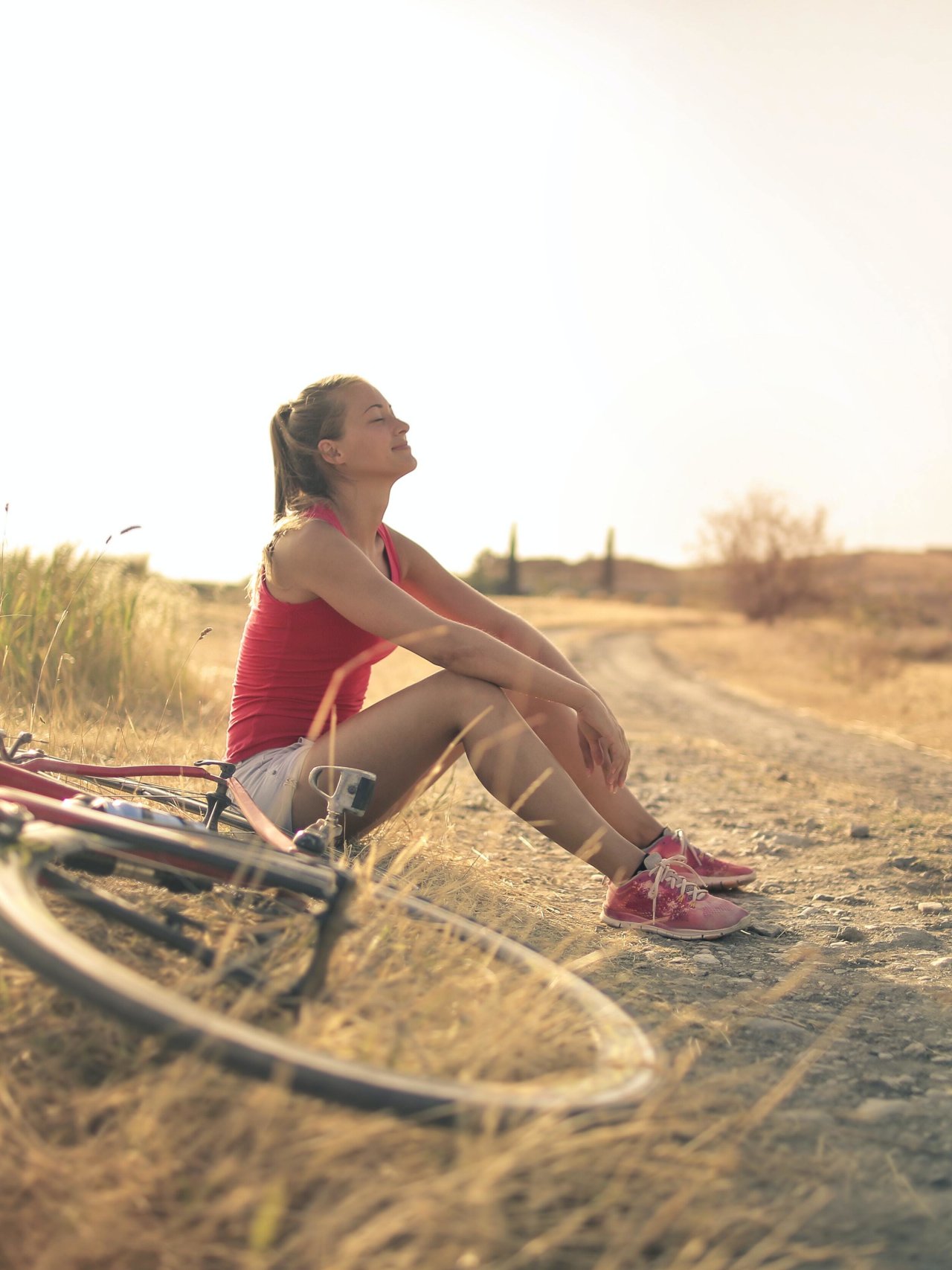
The goal is to bring our entire system into balance—that is, to find the right balance between stress and relaxation. This applies to both our mind and our body, as these two systems influence each other.
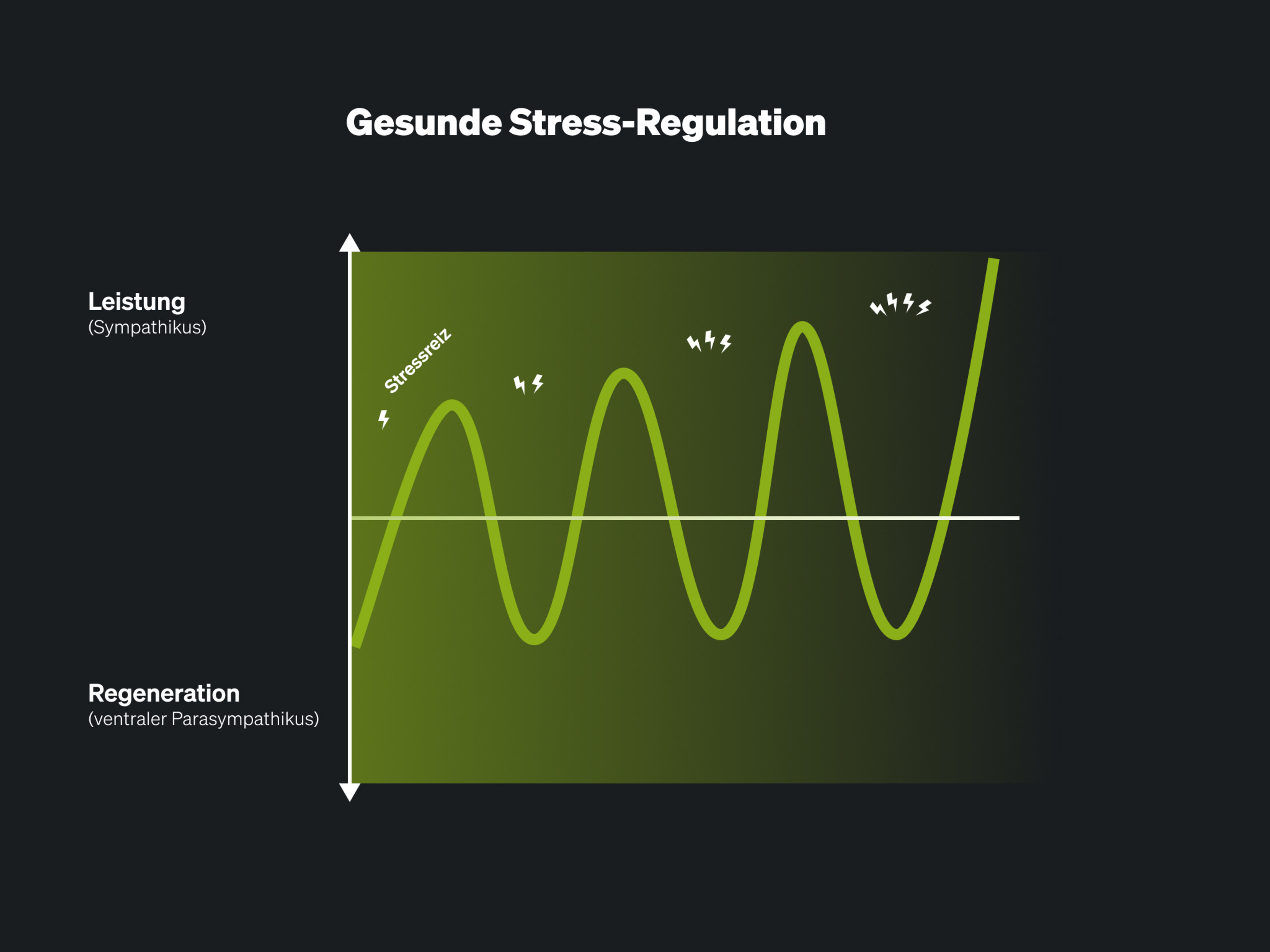
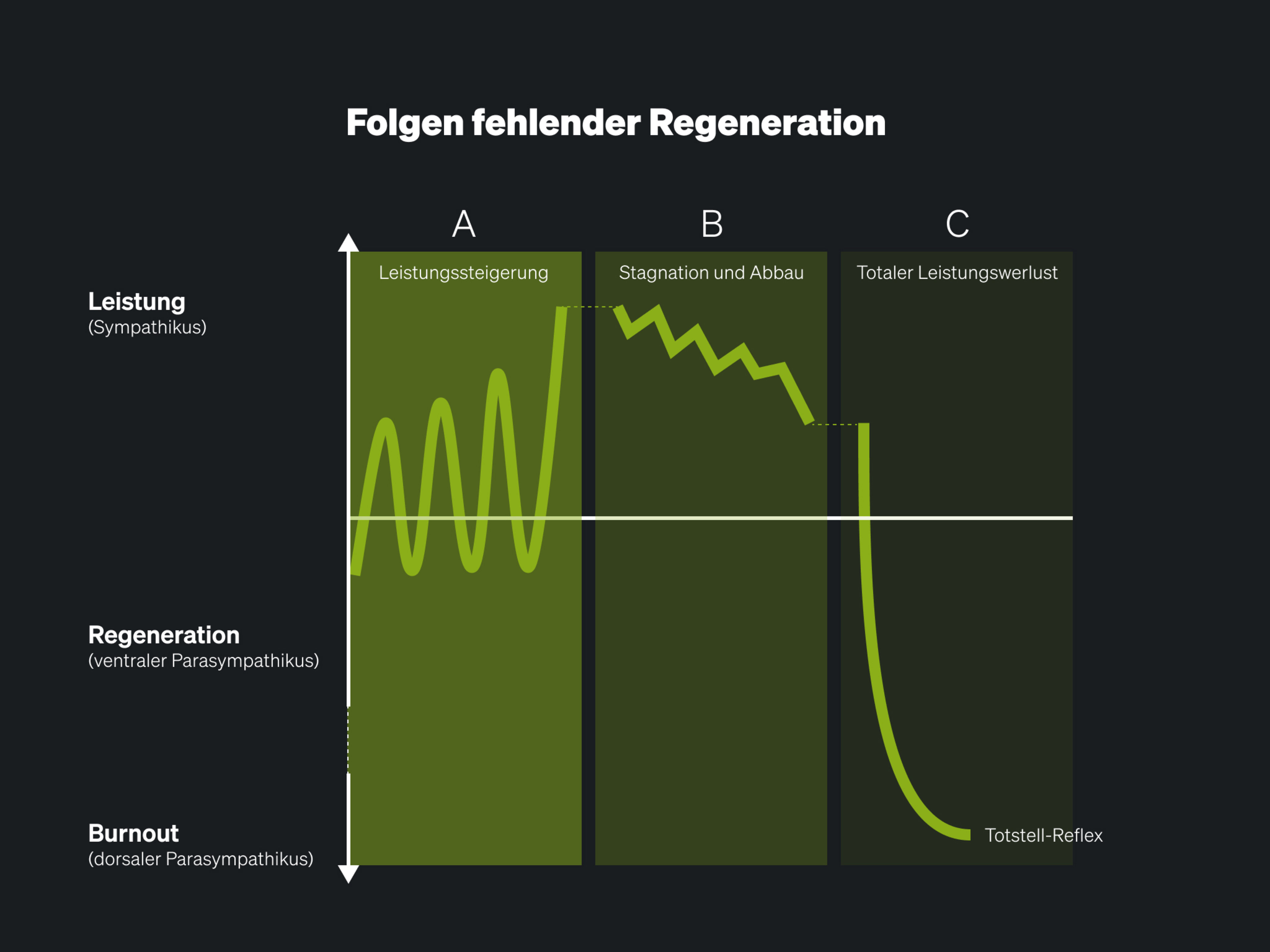
The same principle applies to us as in high-performance sports: “If you train hard, you must also recover thoroughly!” Stress is okay, but it must be followed by recovery. In sports, performance improvement occurs through targeted, optimal stimulation, which triggers adaptation processes during the recovery phase and leads to the supercompensation effect. This means that we subsequently operate at a higher performance level. If we neglect recovery, performance will not improve, and in the worst case, it may even decline. Our body therefore strives for a cycle of exertion and rest.
Our autonomic nervous system is structured in the same way: It consists of two major divisions, the sympathetic and parasympathetic nervous systems.
The sympathetic nervous system prepares our systems for stress and emergency responses (fight-or-flight) in response to intense stimuli and activates various processes to enhance performance.
The parasympathetic nervous system is generally responsible for our recovery and well-being and activates recovery processes. Healthy stress regulation—that is, a good balance between the sympathetic and parasympathetic nervous systems—maintains our health.
03. What happens in the body during stress?
The “stress” survival mode takes its toll if it persists for a long time and there is little or no recovery: the immune system is suppressed, digestion and recovery-repair processes are shut down, and rest and sleep become impossible. Complex strategic thought processes and planned actions, which are associated with specific brain structures (the prefrontal cortex), are reduced to a minimum. We operate “on autopilot.” This leads to a reduction in abilities such as cognitive function, concentration, attention, decision-making, creativity, communication, empathy, etc. However, these abilities are of immense and crucial importance in today’s (work) world.
These days, we no longer typically struggle for survival, but evolutionary mechanisms still kick in depending on our experiences, life events, and skills. In most cases, prolonged intense stress eventually limits our mental and physical performance. This constant, prolonged stress (survival mode) leads to dysfunctional adaptation processes and structural changes in our bodies and brains that harm us in the medium to long term. In the worst-case scenario, symptoms such as pain and general malaise arise, or a manifest illness such as burnout, high blood pressure, etc., develops. Our systems force us, in their own way, to take a break or make a change.
04. What are the symptoms of stress?
Stress manifests itself in us humans on many different levels, since we are a biopsychosocial system. Our body, our mind, and our environment—whether professional or personal—are in constant interaction and influence each other both positively and negatively.
Symptoms of stress can include:
- Headaches
- Circulatory problems
- Heart palpitations
- Increased breathing rate
- Muscular-fascial tension
- Stomach pain
- Digestive problems
- Sleep disturbances
- Dizziness
- Nervousness
- Hypersensitivity
- Feelings of helplessness and being overwhelmed
- Pessimism
- Depression
- Difficulty concentrating
- Forgetfulness
- Inner restlessness
- Lack of empathy
- Conflicts in one’s social circle
- Decline in performance
05. What causes stress?
Stress factors can be divided into internal and external stressors, which can cause stress and thereby trigger an adaptive response in people. The body interprets the stimuli acting upon it and evaluates them as a challenge or a threat—that is, either positively or negatively. Examples of stressors are listed below.
- Fears
- Worries
- Self-esteem issues
- One’s own standards/expectations
- Perfectionism
- Feelings of inferiority

- Illness
- Breakup/Death
- Noise
- Financial difficulties
- Deadline pressure
- Moving to a new home or changing jobs
06. When Stress Becomes a Problem
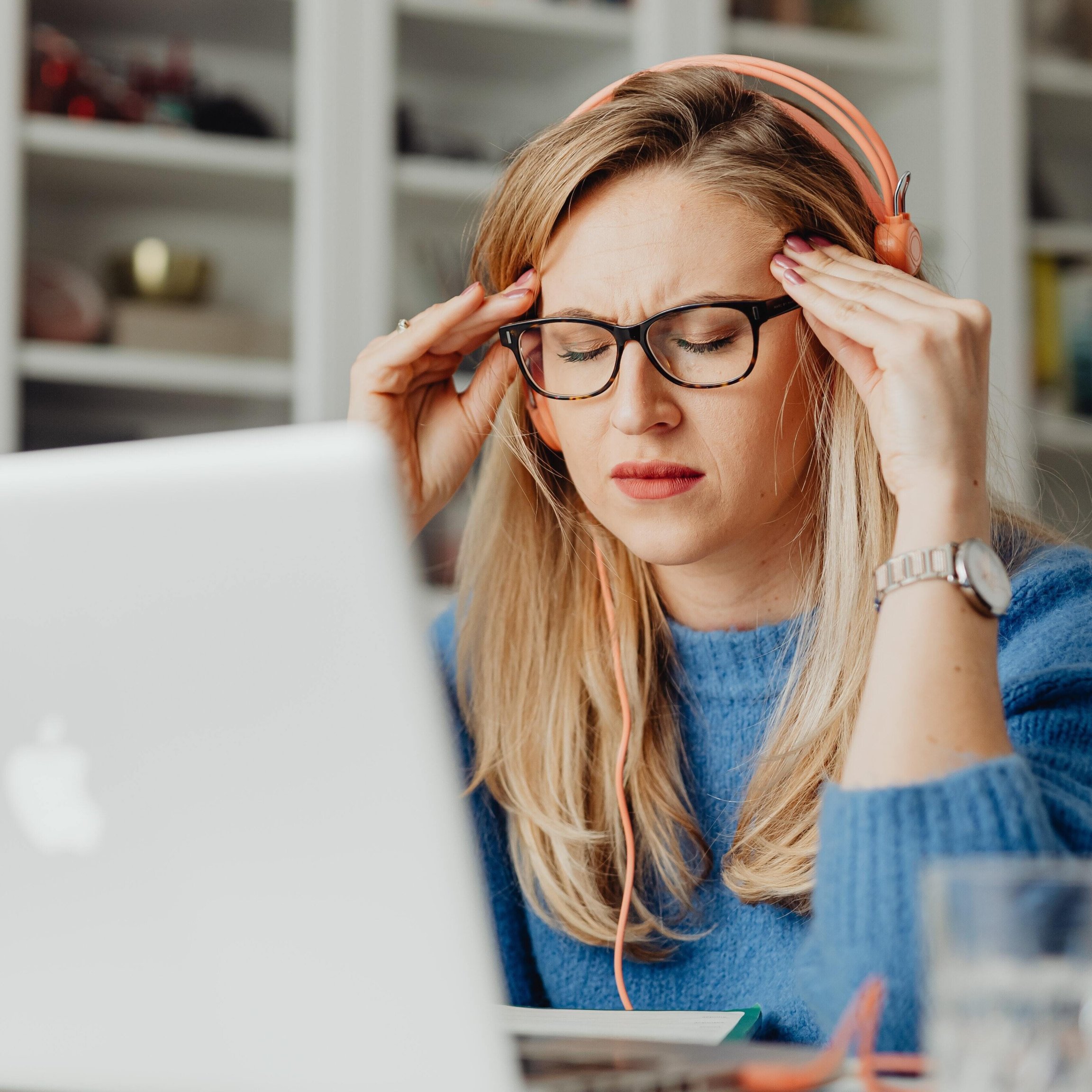
The greater the internal and external stressors, the more likely we are to become ill over time. If this persists over a longer period—that is, if chronic stress develops—the body reacts. Our system seeks to protect us because the energy deficit is too great, triggering a “shutdown reflex” initiated by a specific part of the parasympathetic nervous system. This is intended to protect our remaining resources and prevent us from “carrying on.”
07. How to Reduce Stress
The basic goal for escaping the stress trap is, roughly speaking, “reducing adrenaline.” After the stressor you’ve been exposed to—whether in sports or at work—you should also make sure to recover.
You can do this by:
- moderate exercise
- getting enough sleep
- strategic use of breaks
- using recovery methods and tools, e.g., fascia products
- Learning breathing techniques
- Integration of mindfulness and relaxation techniques
- Power nap
- Meditation
- Frequency-modulated music