Deep Tissue Massage: Procedure, Technique, and Effects

Deep tissue massage is ideal for sports injuries, muscle strains, and musculoskeletal issues.
Are you looking for holistic well-being, a supple and resilient musculoskeletal system, pain-free mobility, and a positive state of mind?
Deep Tissue Massage can be a valuable aid on this journey, as it helps you restore balance to your body. In deep tissue massage, the primary focus is on releasing tight fascia. Whether used preventatively, as part of therapy, or for rehabilitation, it relieves tension and relaxes tight, adhered fascia.
Loosening the deep fascia is considered effective for chronic pain, stiffness in large muscle groups and joints, as well as general musculoskeletal issues such as strains and sports injuries.
Similarly, athletes who regularly subject their bodies to intense physical strain—as is the case with running, for example—or those recovering from injuries benefit significantly from this type of massage.
What is “Deep Tissue”?
“Deep Tissue” is the English term for “deep fascia.” We also refer to deep fascia as “fascia profunda.”
Deep Tissue = Deep Fascia = Fascia profunda
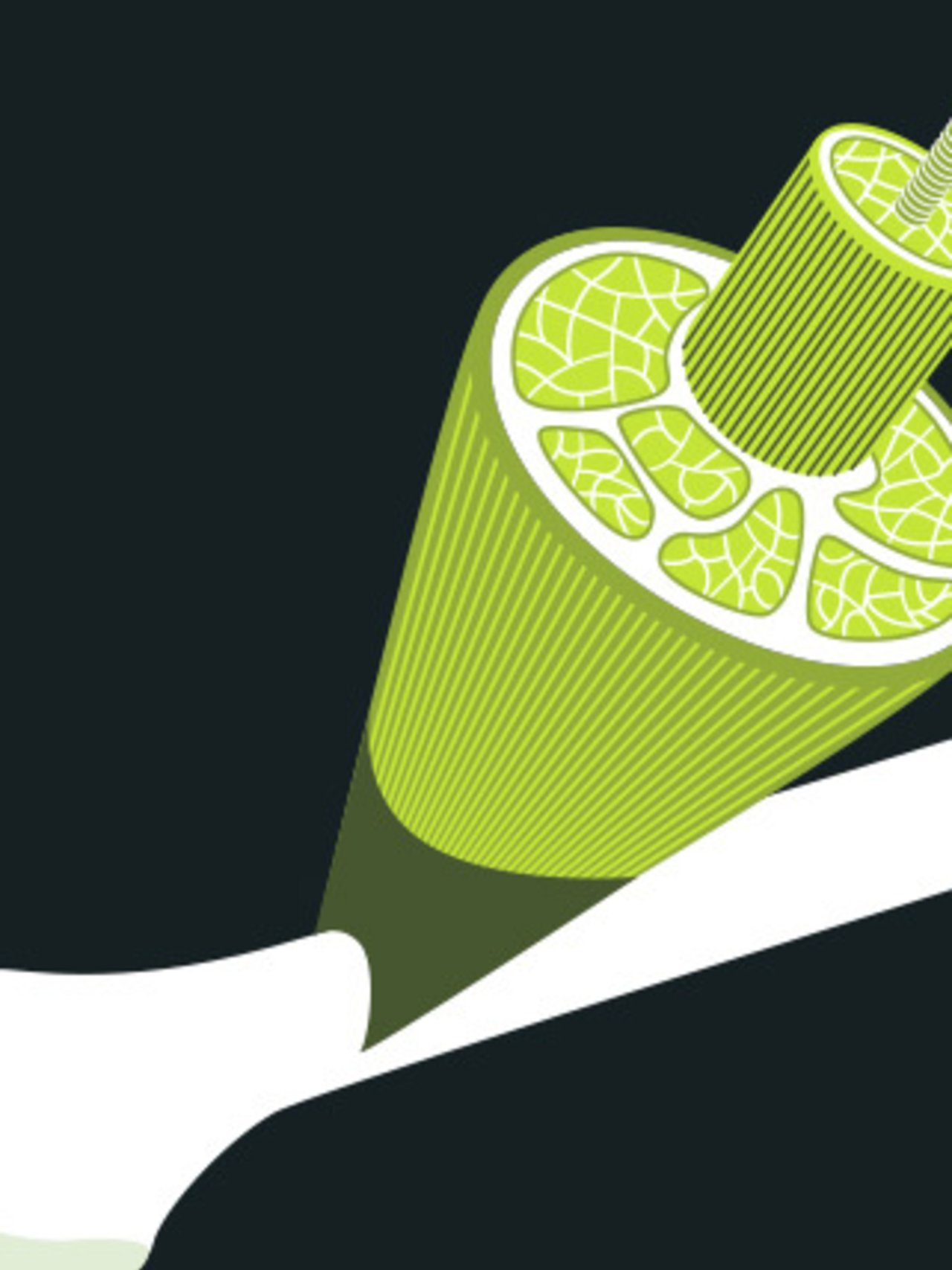
You can think of this deep fascial tissue as a fibrous, fat-free membrane that can vary in thickness depending on its location and function.
Deep fascia has various functions: It envelops muscles, separates muscle groups and muscle parts from one another, and ensures that they can glide past each other as smoothly as possible. It also forms the “sheath” for nerves and blood vessels. It lubricates joints and envelops organs and glands. It forms and strengthens tendons and ligaments and holds all the structures in your body firmly and compactly together.
Deep fascia is the counterpart to “superficial fascia” (fascia superficialis)—the colloquially referred to “diving suit” made of fascial tissue—which runs throughout your entire body beneath your skin and the top layer of fat, connecting everything as a single unit.
What can you expect from a deep tissue massage?
At the beginning, you’ll be asked in detail about your current symptoms. Your therapist will gently palpate the areas of your body to be treated, and only then will they begin the actual deep tissue massage technique.
Deep tissue massage focuses on the inner, deep-seated parts of the muscles and fascia. In addition to using the palms and fingers—as you’re familiar with from typical relaxation massages—this type of massage also employs fists, elbows, and forearms to increase pressure on the tissue and penetrate deeper into it.
The therapist applies sustained deep pressure to reach and release the inner layers of the muscles and connective tissue.
This intense stimulation of the tissue offers several benefits. For example, it promotes blood circulation in the treated area. This, in turn, has a positive effect on reducing inflammation and shortening the healing process.
Slow, deep strokes are applied along the muscle fibers or across them, alternating evenly between stretches, intense and dynamic stroking movements, and localized pressure.
We’ll explain how you can achieve similar effects on your deep fascia yourself later in this article.
Techniques and Applications
Deep tissue massage uses various techniques to reach the deeper layers of muscle tissue and fascia. It combines slow, controlled movements with intense pressure to loosen tight tissue and improve mobility. These techniques help relieve chronic pain, increase range of motion, and enhance overall well-being.
Particularly noteworthy is deep tissue massage’s ability to address specific problem areas. Through targeted treatment, even deep-seated tension—which traditional massage techniques often fail to reach—can be released. This makes the method particularly effective in treating long-standing conditions caused by overuse, postural issues, or injuries.
Physiological Effects and Benefits
The physiological effects of deep tissue massage are diverse. It promotes blood circulation, allowing oxygen and nutrients to be transported more efficiently to the muscles. This accelerates the healing process and reduces inflammation. The increased blood circulation also helps remove toxins from the body and strengthen the immune system.
Deep tissue massage also has a positive effect on the nervous system. It can help reduce stress and anxiety by stimulating the production of endorphins—the body’s natural painkillers and mood enhancers. This contributes to overall relaxation and a sense of well-being.
Personalization and Safety
It is important that deep tissue massage be customized to the individual. A qualified therapist can adjust the intensity and technique to suit each client in order to achieve optimal results while ensuring safety. It is crucial to discuss any health issues, pre-existing conditions, or concerns with the therapist to avoid potential risks.
Aftercare and Recovery
After a deep tissue massage, it is important to take time to recover. The body may react to the intense treatment with temporary fatigue, mild pain, or discomfort. Staying well-hydrated, engaging in light exercise, and avoiding strenuous physical activity can help minimize these symptoms and support the healing process.
What effects can a deep tissue massage have?
A “normal, conventional” massage generally results in relaxation and a sense of well-being. Increased muscle tension—caused, for example, by poor posture or a lack of exercise—can be effectively reduced by stimulating the superficial fascia. Deep tissue massage, on the other hand, stimulates the deep fascia (fascia profunda) and can do much more than just relax you:
- It can effectively alleviate physical and even mental imbalances.
- Acute and chronic pain resulting from muscle and sports injuries, as well as all kinds of limitations caused by hardened scar tissue, increasingly lead to stiffness. This stiffness restricts your body’s range of motion and performance.
- When applied regularly and over the long term, deep tissue massage can have a lasting positive effect on this unwanted stiffness, thereby increasing the suppleness and glide of muscles and connective tissue over time.
- The healing process for injury-related imbalances can be effectively supported and accelerated.
- Your entire musculoskeletal system becomes more stable, mobile, and capable, while mental health issues such as depression or emotional tension are also reduced through this innovative practice.
- So-called myofascial pathways run throughout your body. These are fascia or connective tissue pathways that connect your entire body from head to toe as a single unit. Pain in the Achilles tendon can be related to pain in the shoulder. Deep tissue massage can help you identify these connections between your symptoms, effectively break them down, and trigger a “reset”—essentially a fresh start—in your body.
- Deep tissue massage is a highly effective therapeutic technique that uses firm pressure and slow strokes to target deep layers of muscle and connective tissue, releasing tension and promoting the body’s natural relaxation.
As you may already know from intensive trigger point work or foam rolling, muscle soreness similar to that experienced after a workout can also occur following a deep tissue massage. Therefore, give your body enough time to recover from the deep tissue massage, and only then should you schedule your next session.

To what extent are physical activity and massage connected to mental well-being?
In studies, researchers found that after a massage, the stress hormone cortisol decreases by an average of 31% in the body. In contrast, the positive “happiness hormones” serotonin and dopamineincrease significantly, by 28% and 31%, respectively.
These study results suggest that massage therapy has both a stress-relieving and a stimulating effect on a wide range of conditions and stressful experiences.
There is even talk of a pain-relieving effect comparable to taking painkillers. If your physical posture is tense, this can affect your inner self—that is, your psyche.
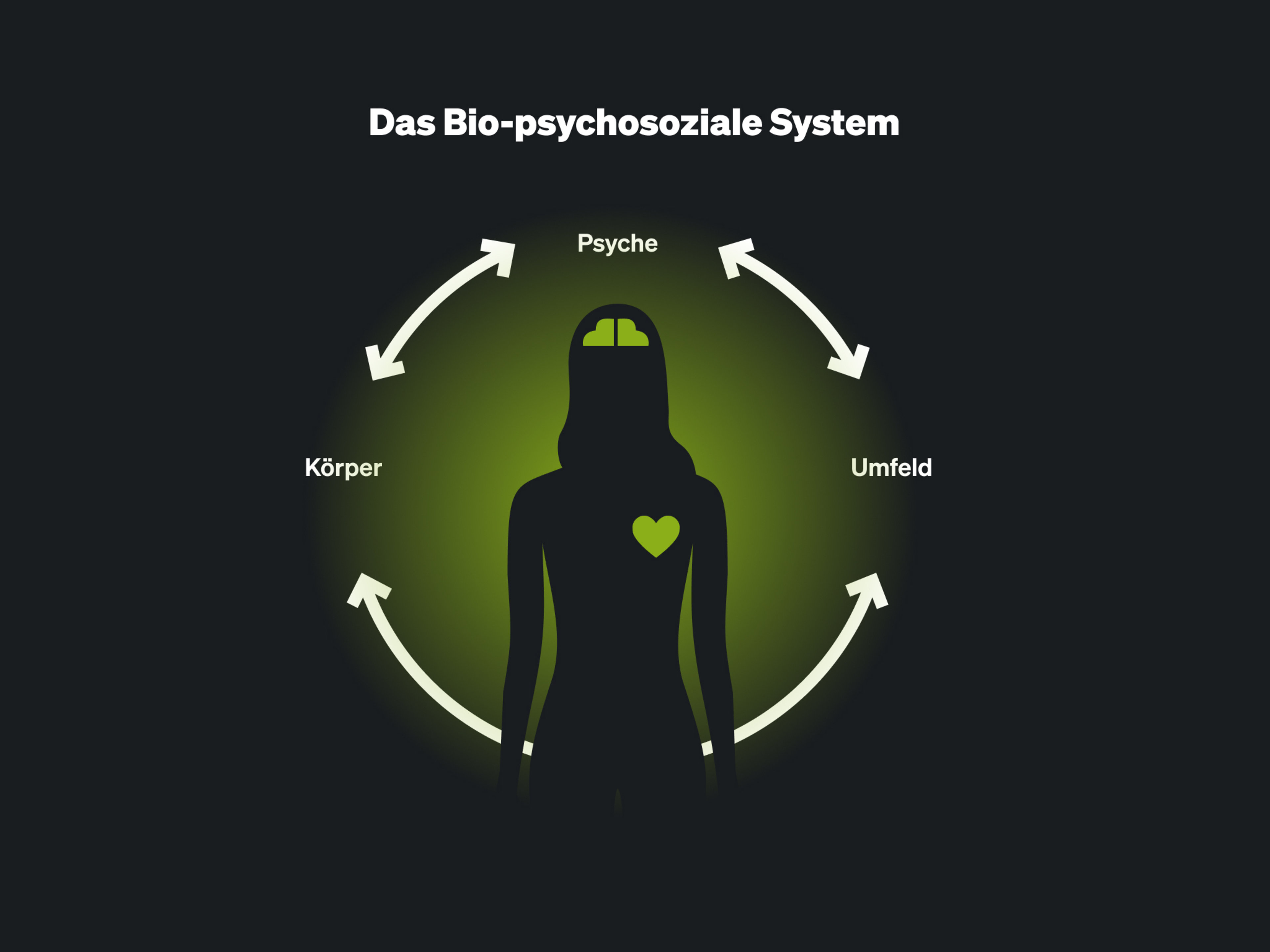
Conversely, stress, dissatisfaction, lack of sleep, irritability, anxiety, and depression can also lead to somatic tension, meaning they can affect your musculoskeletal system.
Massages help you achieve physical and mental balance.
Experts believe that relaxing the fascial system has an effect on the entire body.

How Can You Perform Deep Tissue Massage on Yourself?
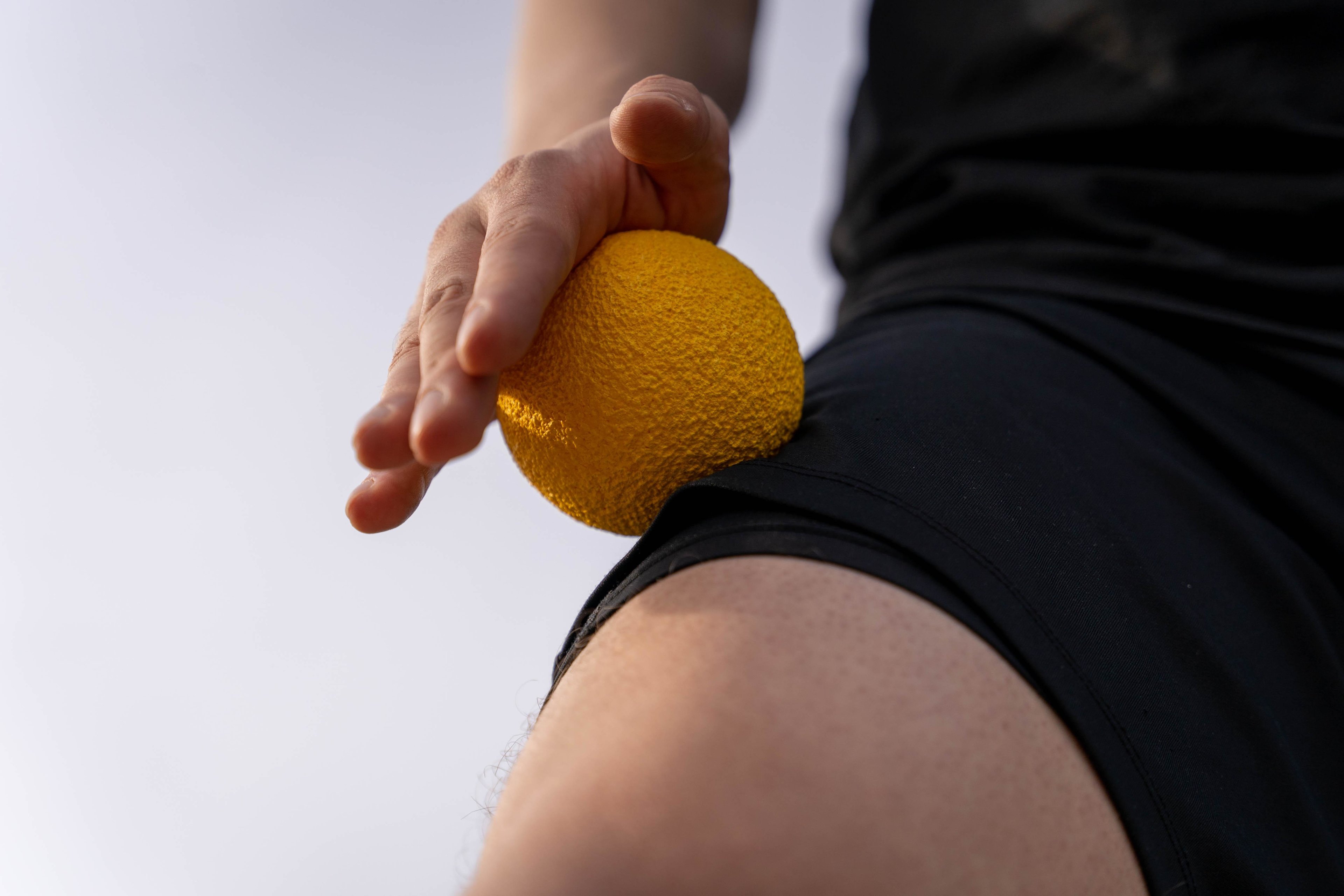
With the BLACKROLL® BALL 08, you can optimally prepare the area of your body you want to treat for the relatively strong pressure that follows. The fascia ball provides only a small contact surface, allowing you to penetrate much deeper into your muscles—and thus into your deeper fascia tissue—than you would, for example, with a fascia roller.
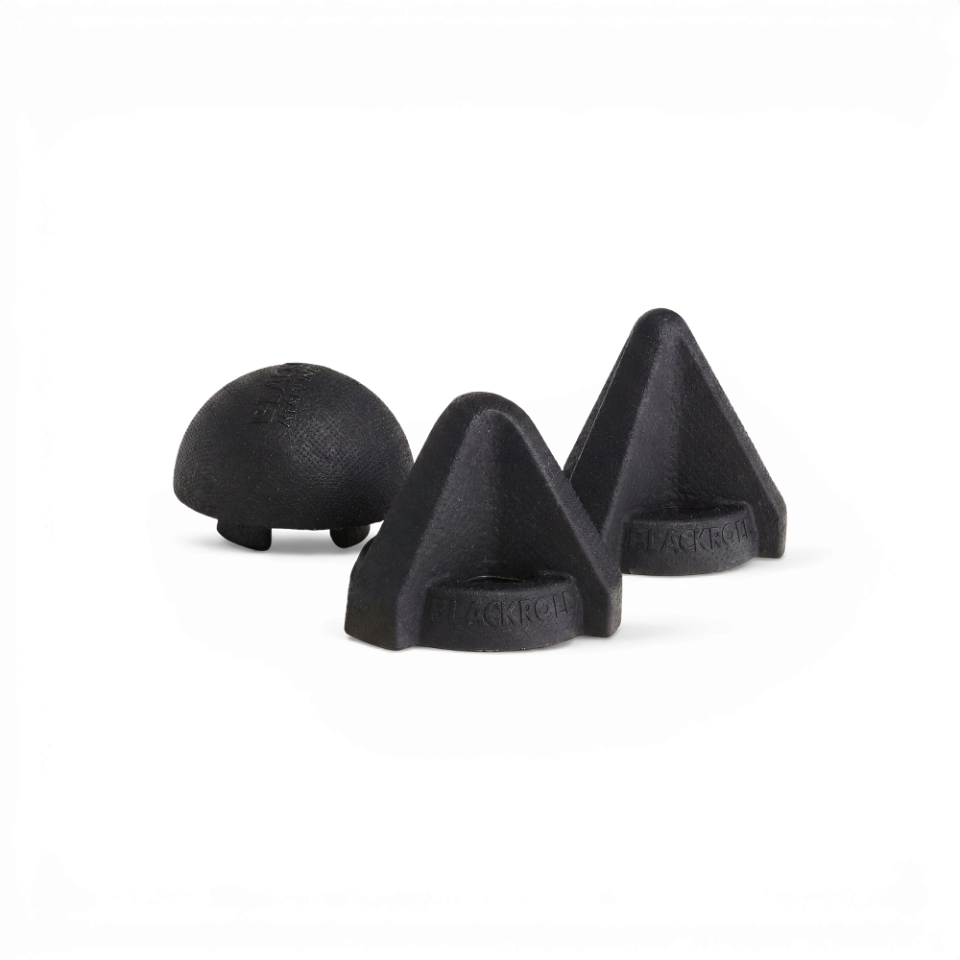
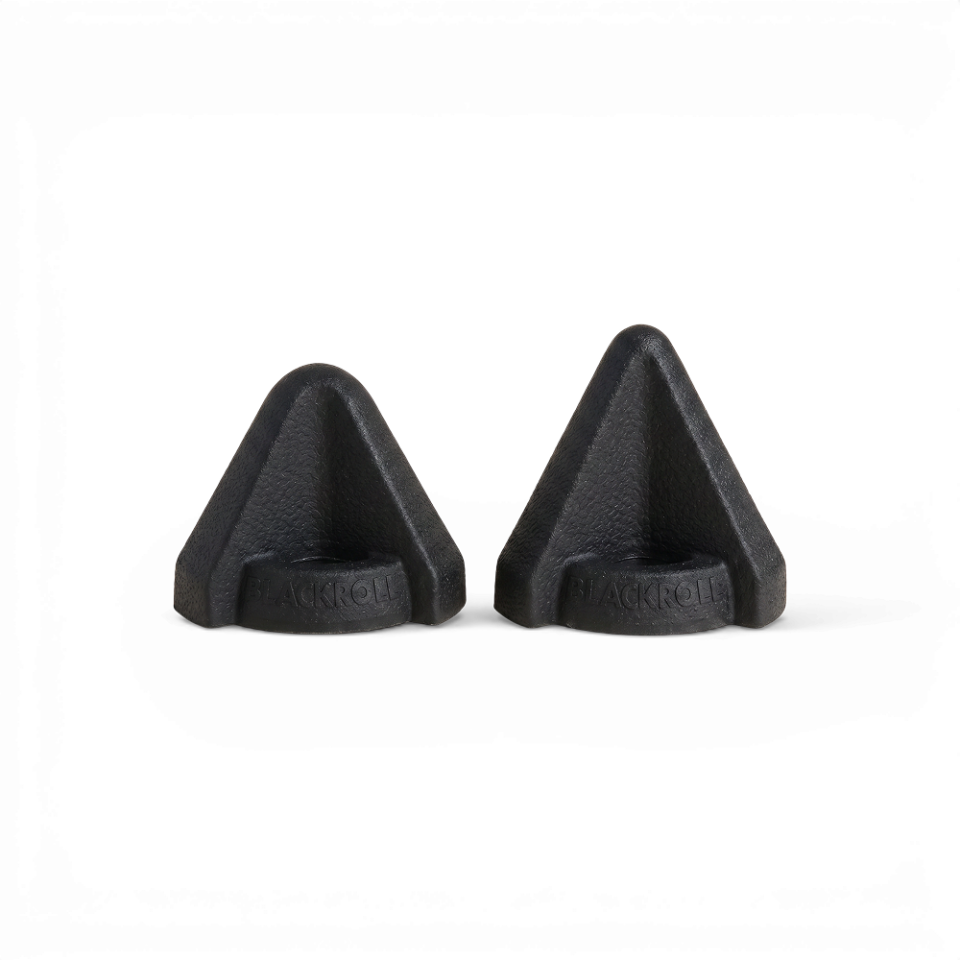
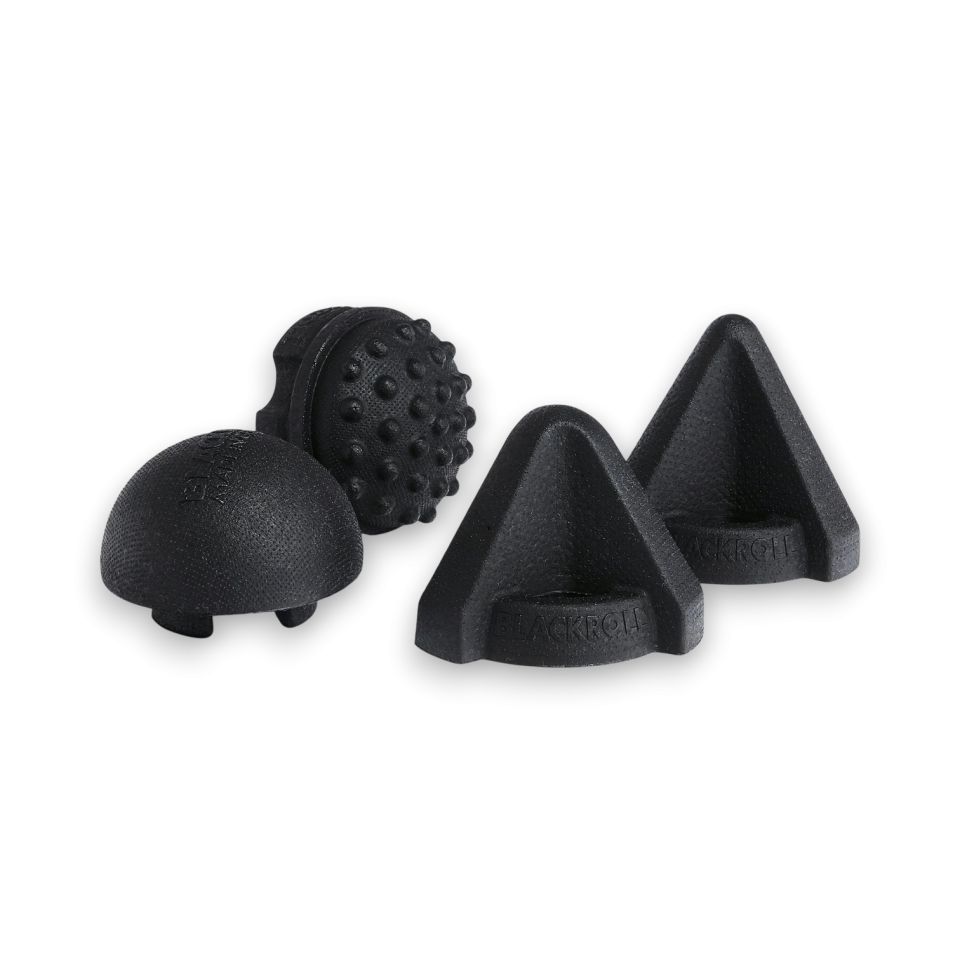
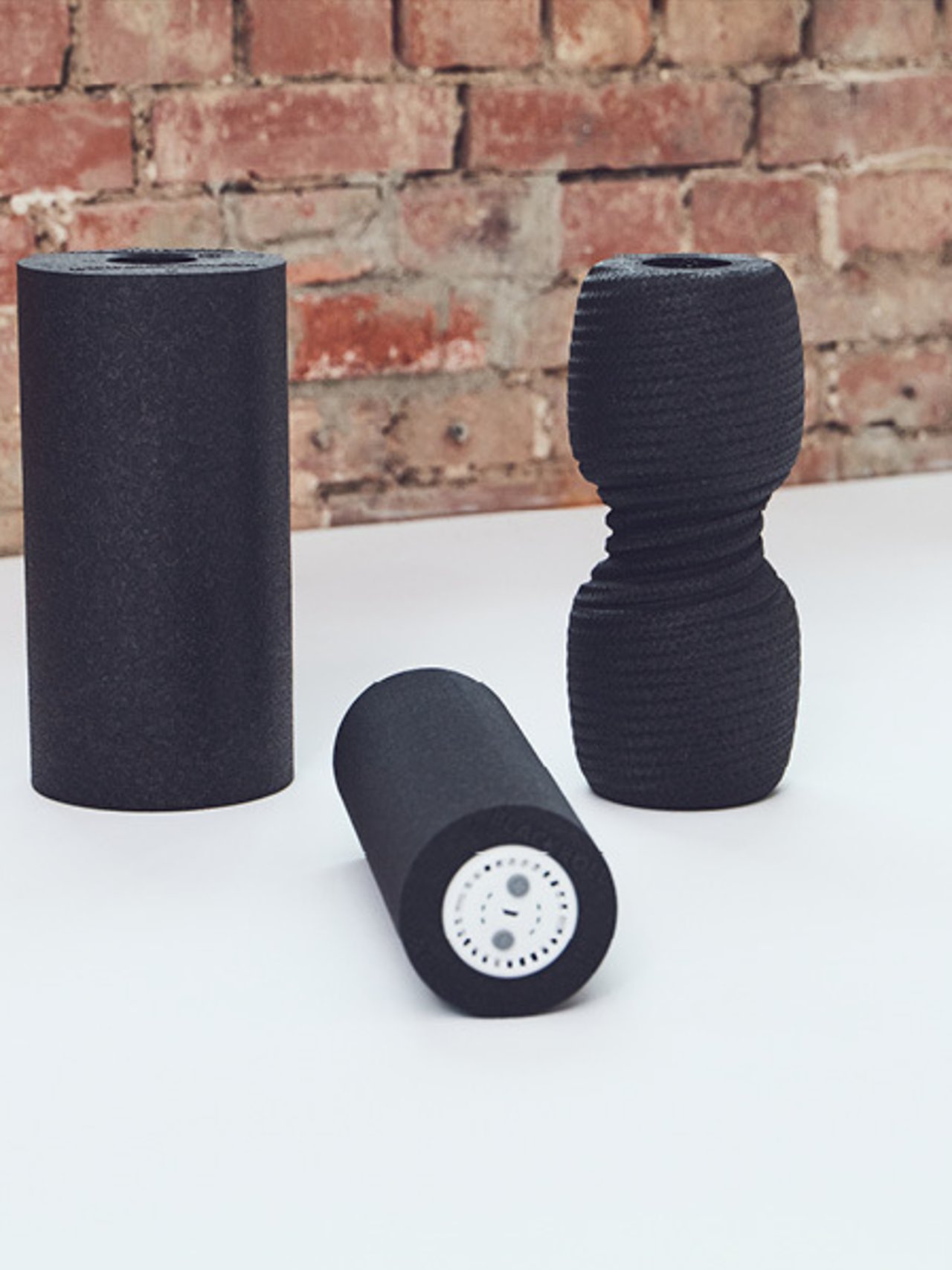
The BLACKROLL® TRIGGER Tools are ideal aids if you want to reach the deep fascia. When using the triggers, we recommend working exclusively on specific points and stretching the triggered tissue every now and then.
If you have a lower pain tolerance, gentler self-treatment methods are likely better suited for you.
For example, tools with vibration, such as the FASCIA GUN, the BLACKROLL® RELEAZER, or the BOOSTER, are ideal for this purpose. The vibration effectively reaches and loosens even the slightly deeper layers of fascia.
Deep Tissue Massage with BLACKROLL® Products
When Should You Avoid a Deep Tissue Massage?
You should consult a therapist before undergoing deep fascia tissue treatment if:
- you have a history of blood clots.
- you have a blood clotting disorder.
- you are taking blood thinners.
- you have an increased tendency to bleed.
- you have cancer or are currently undergoing cancer treatment.
- you have been diagnosed with osteoporosis.
- you are pregnant (especially during the first trimester).
- you have any type of skin lesion in the area to be treated with deep tissue massage.
Conclusion
Deep tissue massage is a powerful and versatile treatment method that offers both physical and mental benefits.
By targeting the deeper layers of muscles and fascia, it can help relieve chronic pain, improve mobility, and enhance overall well-being.
Tailoring the treatment to individual needs and conditions is crucial for its effectiveness and safety.
When applied correctly and followed by proper aftercare, deep tissue massage can be an essential component of a holistic approach to promoting health and well-being.
Tools for Deep Tissue Massage
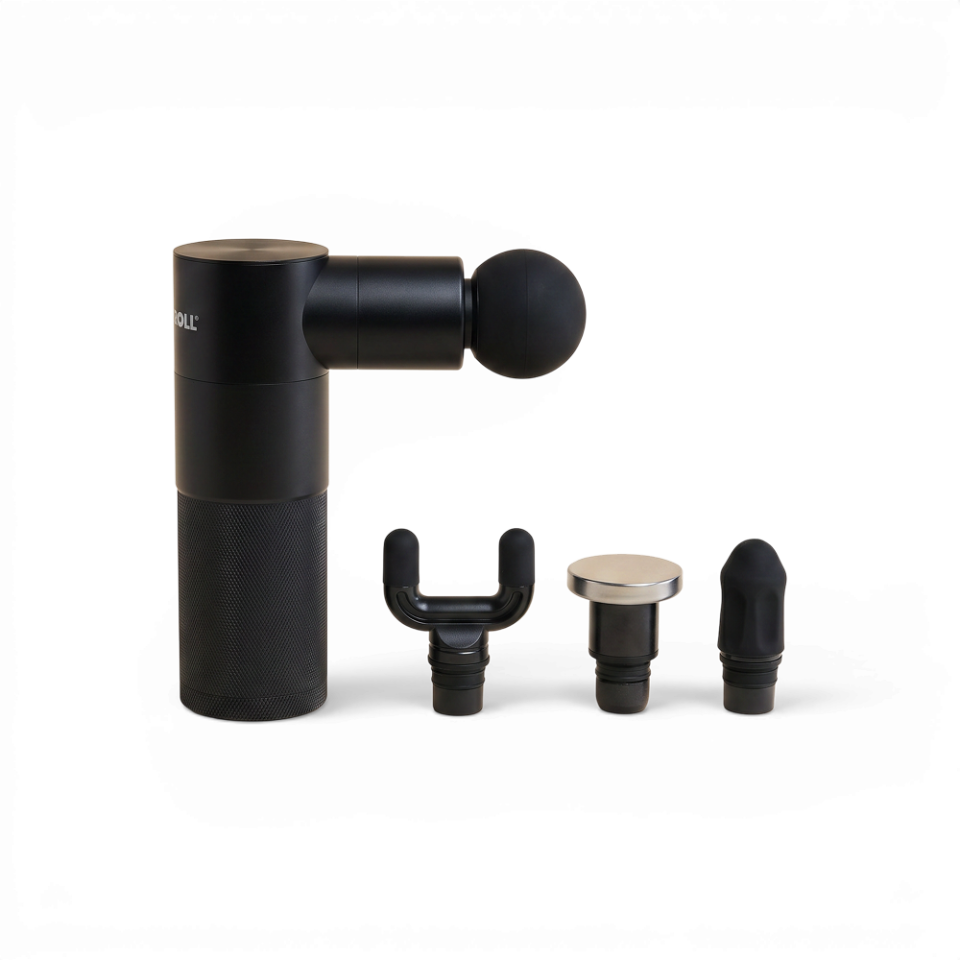
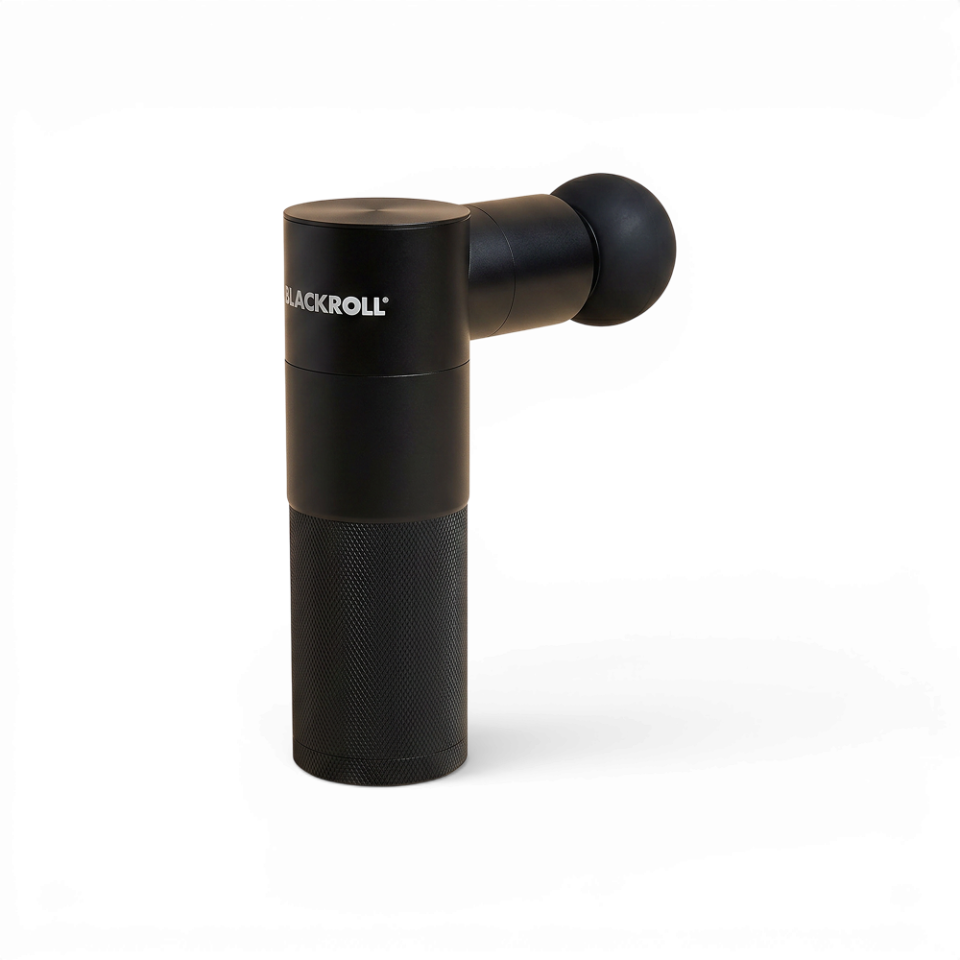
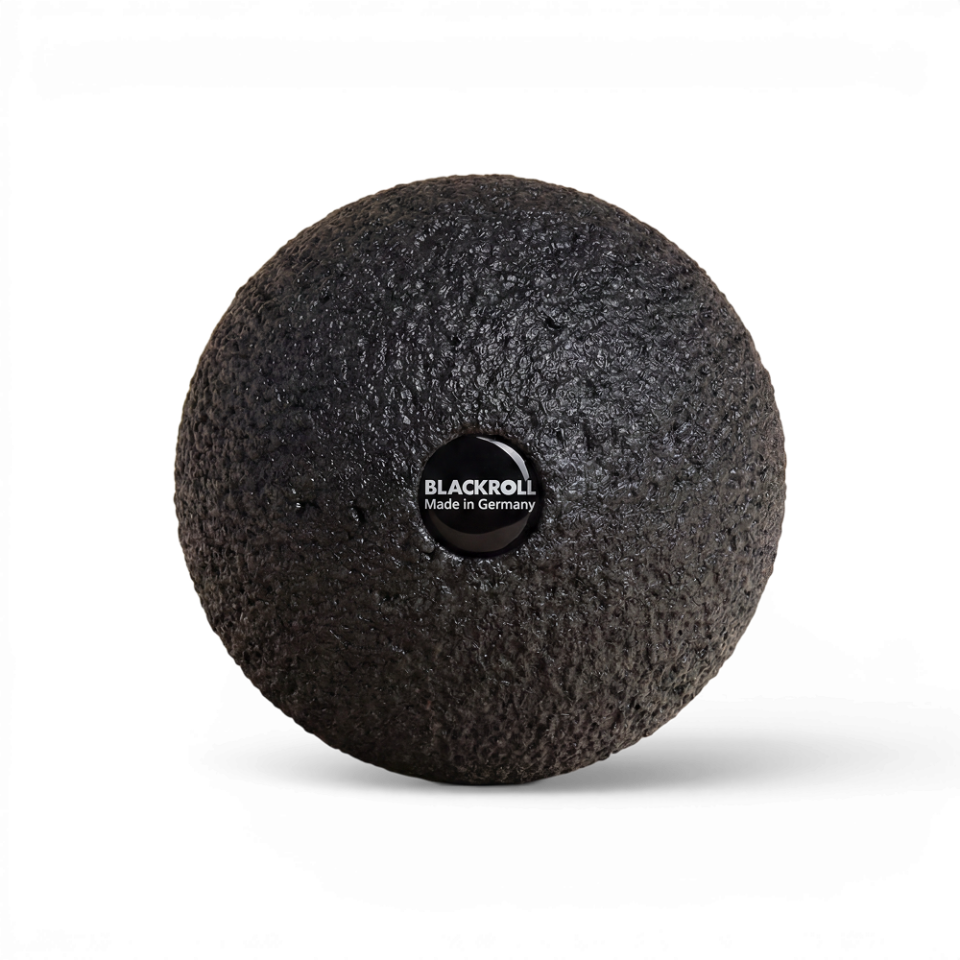

Ball 08
Available in multiple variants