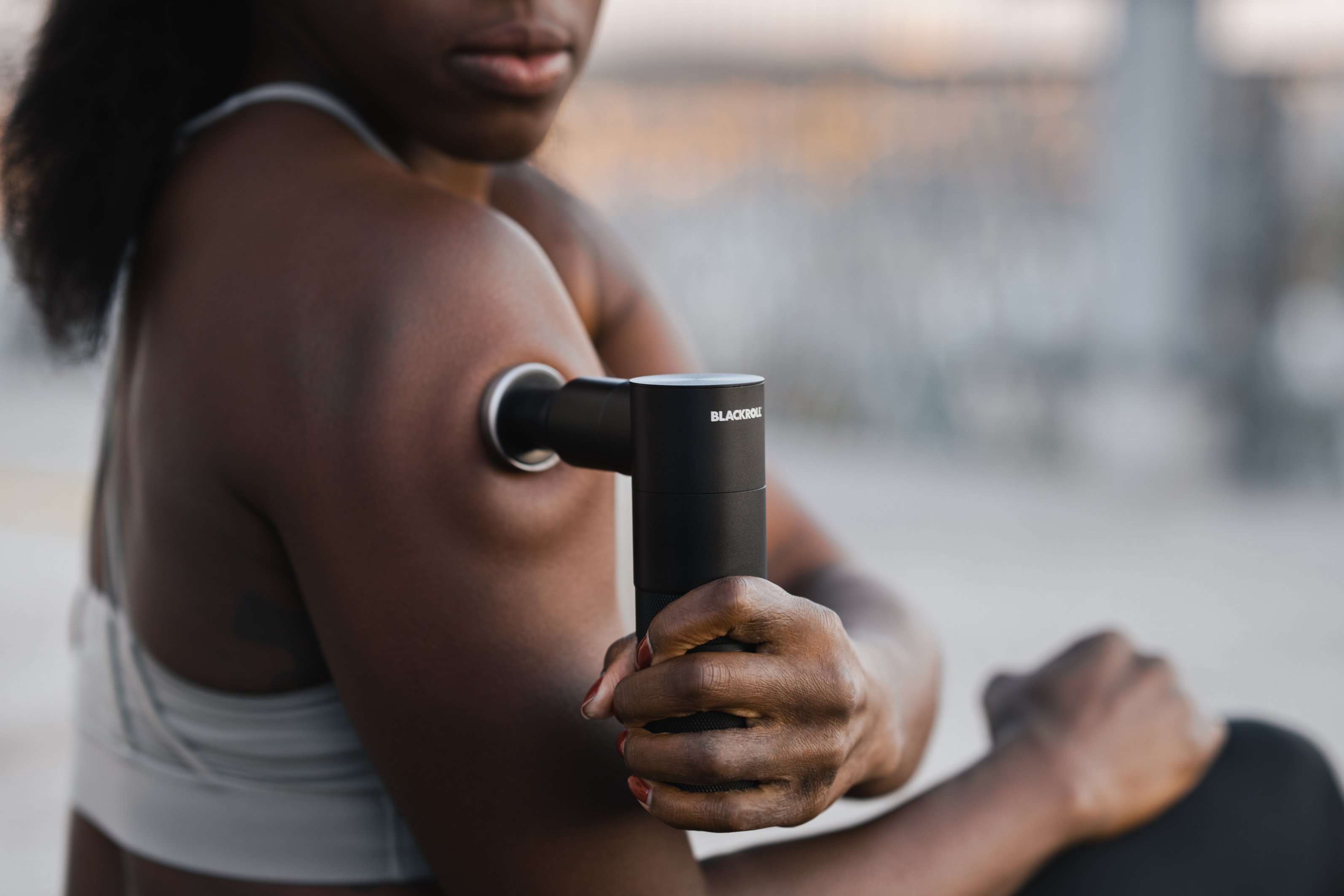
Vibration Massage: An Overview of All Effects

How Vibration Massage Can Improve Mobility and Relieve Pain
Vibration and massage are two approaches whose origins are separated by more than 1,000 years. Originally performed in manual therapy by shaking the hands, there are now countless massage techniques and tools on the market that take advantage of the combination of muscle relaxation through pressure and metabolic activation through vibration. Massage guns and vibrating foam rollers are among the most popular products. In this article, you’ll learn whether a massage combined with vibration is good for your body, what effects it has, and when you should use vibration massage.
What is a vibration massage?
The word “vibration ” is derived from the Latin word “vibrare,” which means“to set in trembling motion, to swing, or to shake.” A vibration massage uses vibrations to soothingly stimulate your tissue and set it in multidimensional motion. The vibrations allow the effects to penetrate deeper into the tissue, so that adhesions and muscular tension are better loosened, released, and relaxed than with a massage without vibration. During a vibration massage, the vibrations penetrate deep into the body.
What are the benefits of vibration massage?
One key effect of vibration appears to be the regulation of muscle tension. Depending on the vibration frequency, vibration massage has either a stimulating (above 35 Hz) or a relaxing (below 30 Hz) effect on the muscles. Ideal for preparing for an upcoming workout or cooling down after a workout
The vibration mechanism strongly stimulates metabolism and blood circulation while simultaneously alleviating pain. This is exceptionally helpful in the treatment of acute and chronic conditions. Additionally, at all frequencies, body awareness in the treated areas is significantly improved.
Additional effects of vibration massage reported by experts and users:
- Increased blood circulation
- Improved recovery
- Prevention of muscle soreness
- Improved body awareness and movement control
- Improved flexibility
Incidentally, the space industry is also interested in the effects of vibration massage. In zero gravity, it is said to help counteract muscle loss in astronauts.
“The stimulation penetrates deep into the tissue and acts like a soothing shower on the stretch receptors of the fascial tissue. With a little practice, you can find the optimal frequency for each body region that best matches the resonance frequency of the respective tissue.”
Dr. Robert Schleip, fascia researcher

Applications of Vibration Massage
Situations in which you can benefit from vibration massage:
The best time to start vibration massage is when you’re not yet experiencing any symptoms. If you already have physical limitations or pain, we recommend consulting a therapist before undergoing vibration massage.
If the frequency of the vibration massage is low (<30 Hz)—meaning your body is exposed to only a few vibrations per minute—you’ll find it relaxing. Using low-frequency ranges is recommended if you want to recover, reduce muscle tension, and release adhesions. Vibration massage is ideal for kickstarting your recovery phase after an intense workout. Note: Not every massage tool offers this frequency range.
High-frequency ranges (>35 Hz) have a stimulating effect on you and your body, increase muscle tension, and promote blood circulation. At this frequency and above, your muscles generate counter-tension, creating a training effect and stimulating the formation of new muscle cells. High-frequency ranges are therefore recommended before exercise to prepare your body for the upcoming physical activity. In addition, the vibrations penetrate deep into the deep muscles. These muscles ensure good posture and are responsible for the stability of our musculoskeletal system.
Pain signals can be inhibited by tactile stimuli of various types and intensities. You may be familiar with this: when you bump into something, your first, intuitive reaction is to quickly rub the affected area to relieve the pain. This unconscious reaction of your body is based precisely on this mechanism. Vibration massage also works by “stimulating” the pain receptors in this way. For example, targeted stimulation of a trigger point combined with vibration is perceived as significantly less painful. In therapy, this has the advantage that the tissue can be treated optimally while reducing the sensation of pain during the procedure.

Vibration Tools for Activation & Regeneration
View the toolsIs vibration massage healthy?
The positive health effects of vibration massage are attracting a great deal of attention in a wide variety of fields. It has become indispensable in therapy, prevention, and rehabilitation. But more and more trainers and individuals are also appreciating the soothing and health-promoting benefits of vibration massage.
Which tools are suitable for vibration massage?
There is now a wide variety of vibration massage devices available on the market. These include massage guns, vibrating foam rollers, vibrating massage wands, and much more. Find out how these products differ here.
Broad-Area vs. Targeted
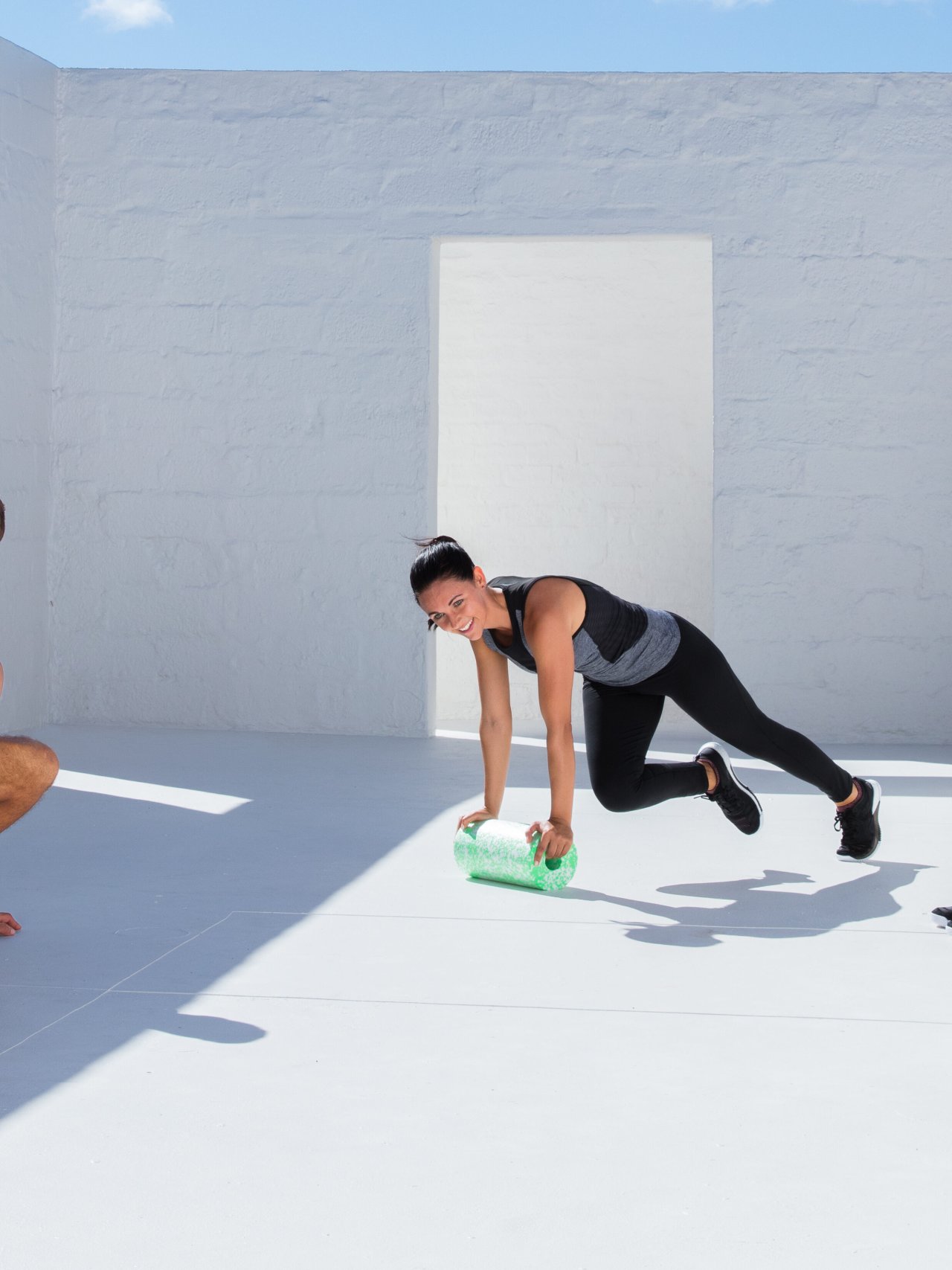
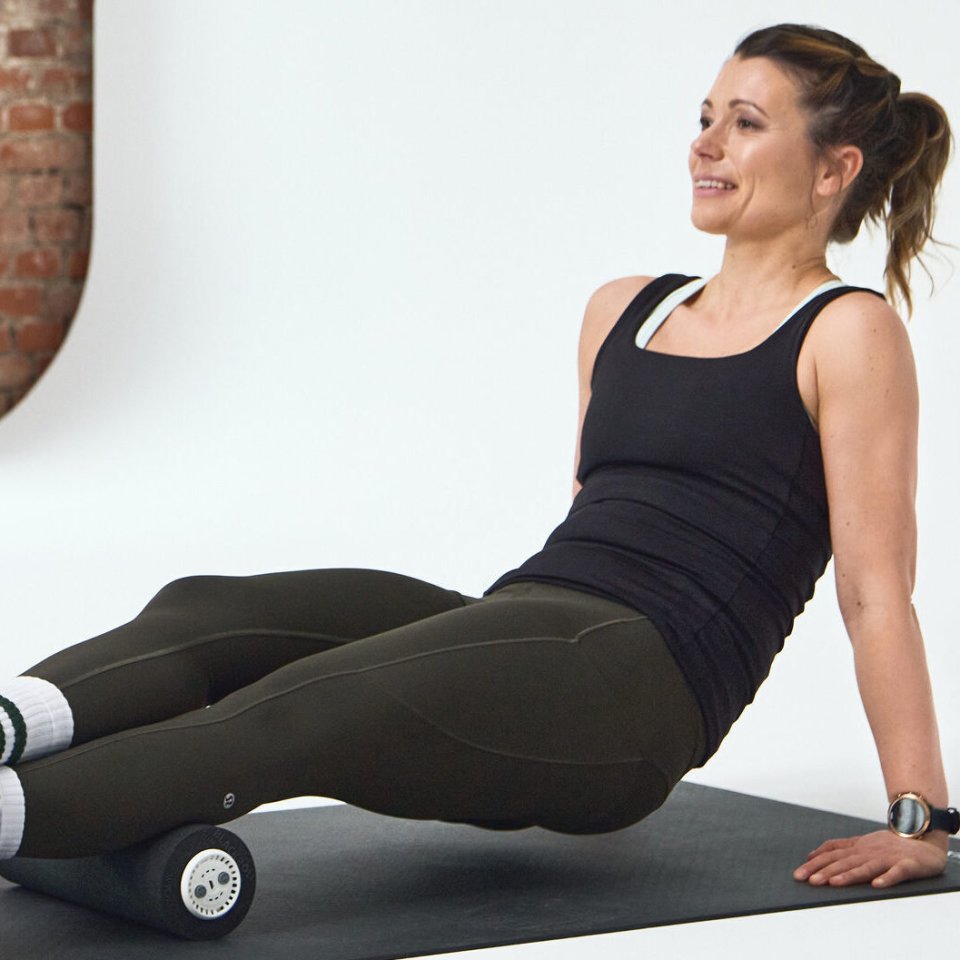
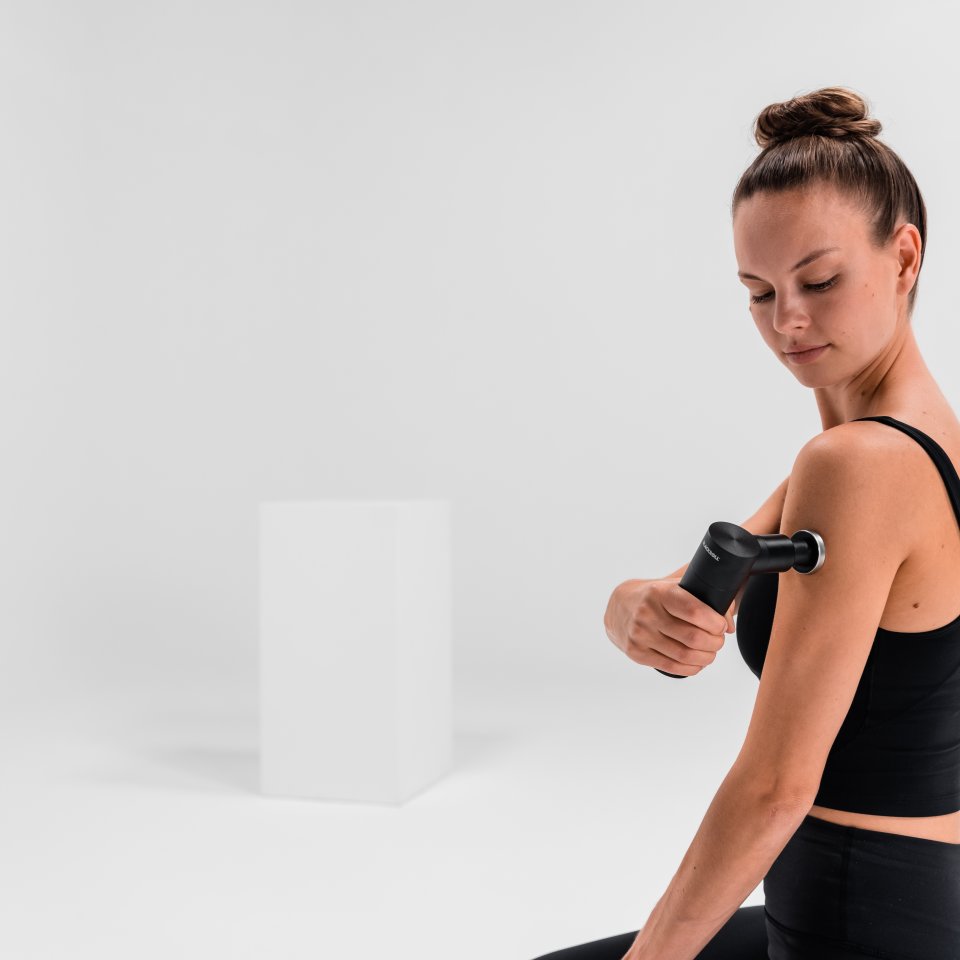
Vibration massage with a vibrating foam roller is a broad-area application. In contrast, using massage guns provides a targeted, localized massage. As a general rule, you should work your way from broad-area to targeted massage when treating your tissues.
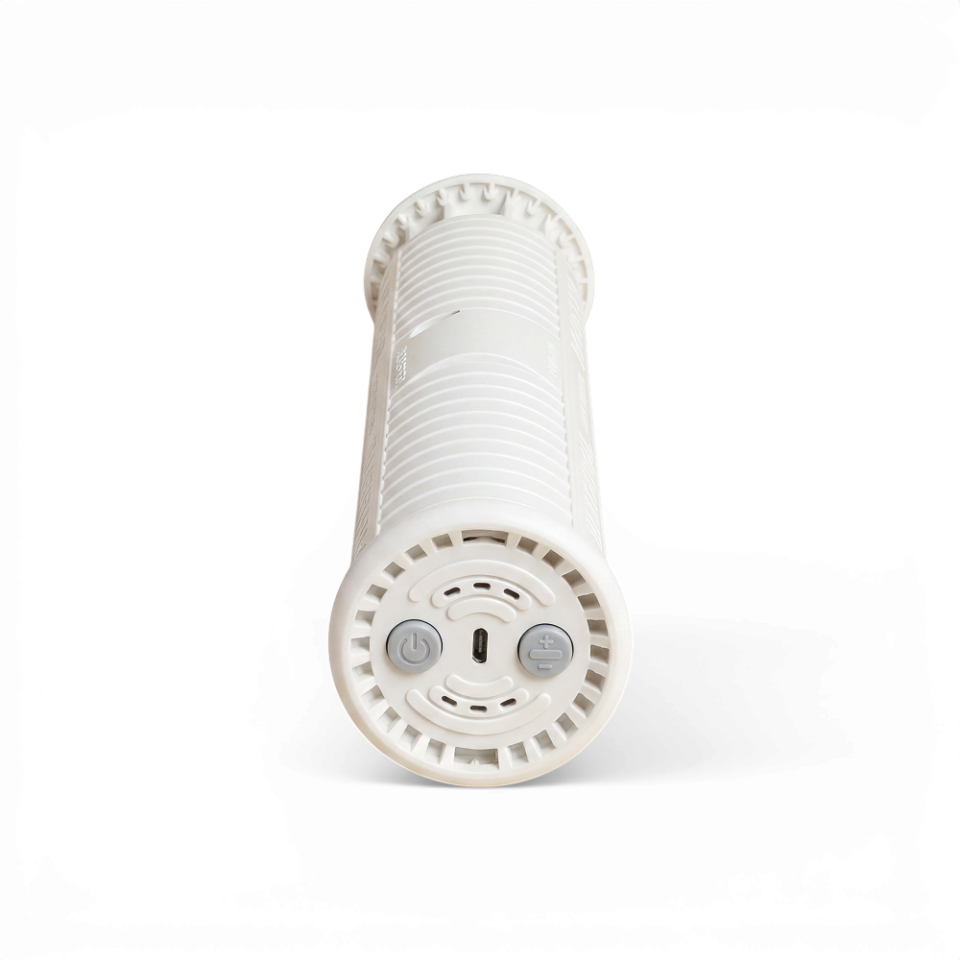
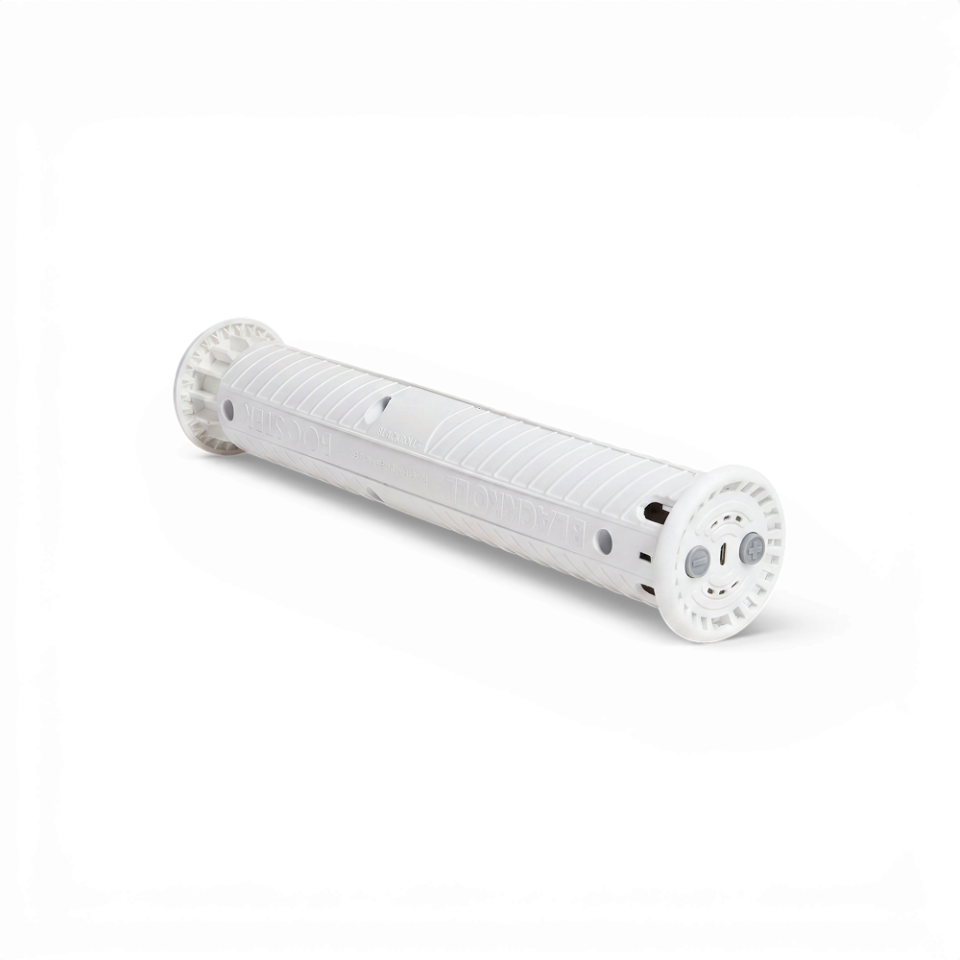
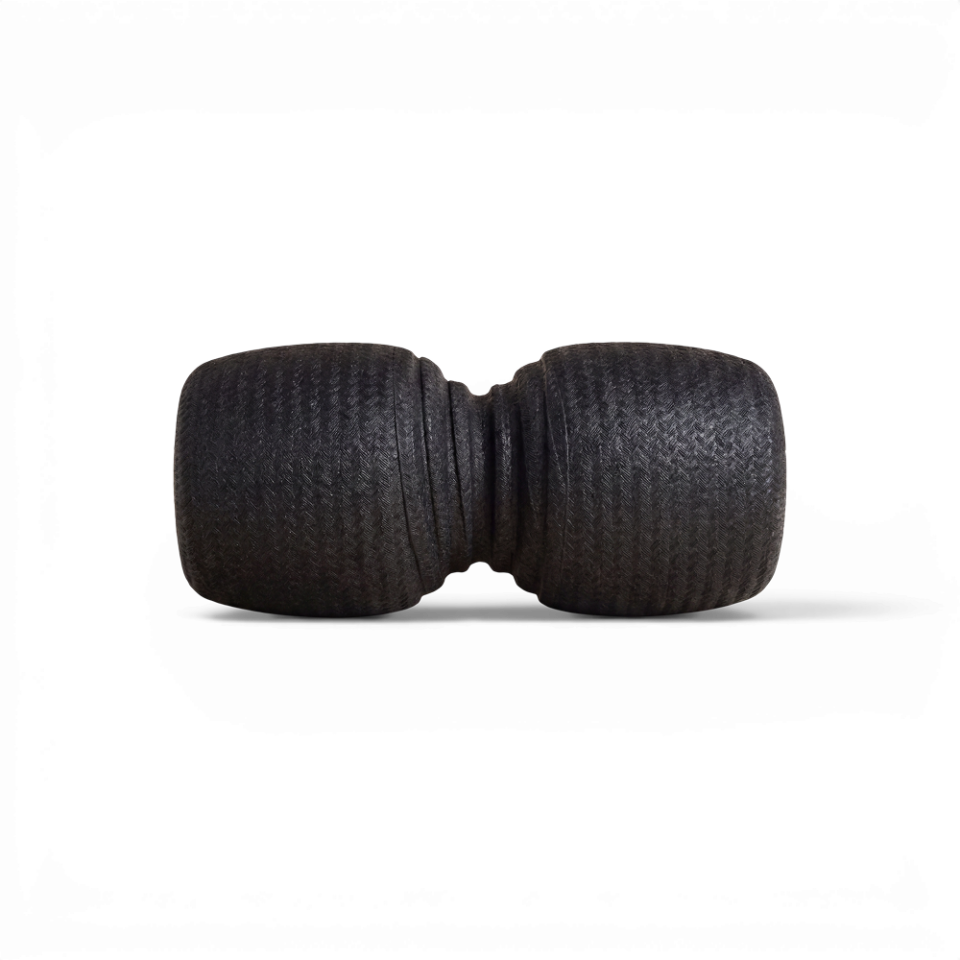
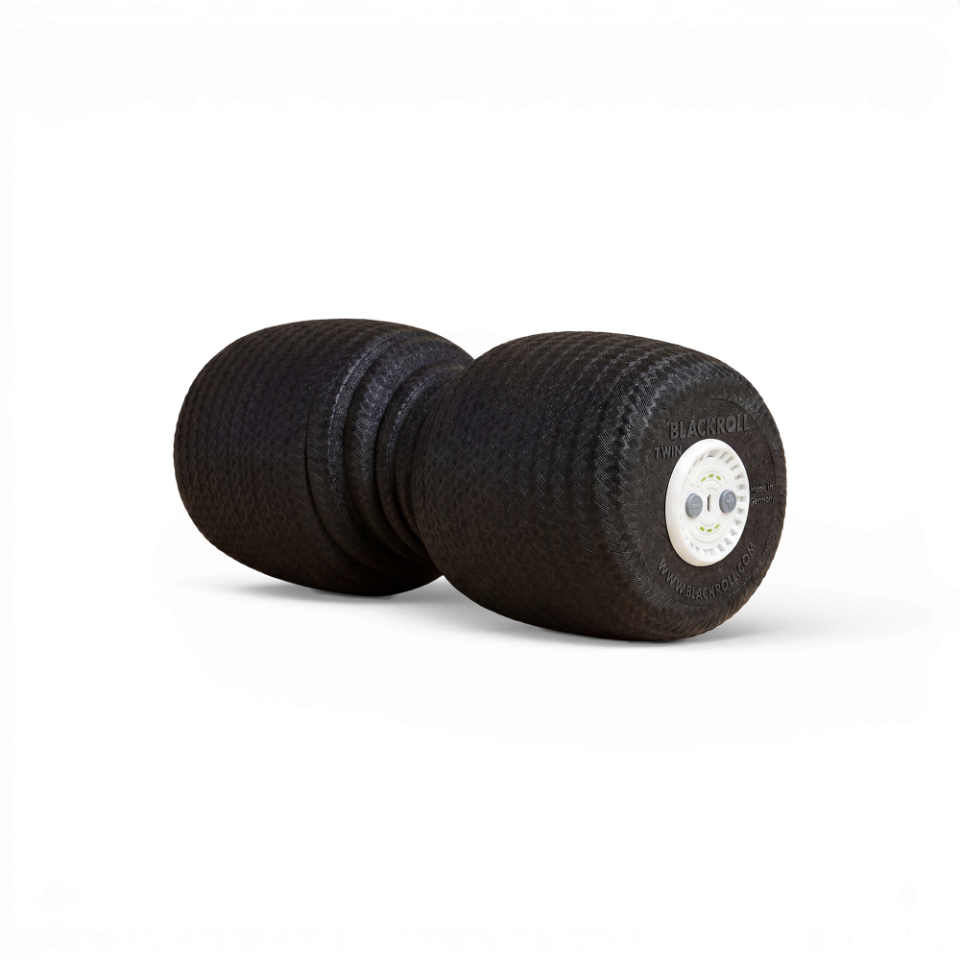
By the way, the BLACKROLL® BOOSTER vibration core turns a foam roller into a tool for broad-area vibration massage.
Recovery and Activation
Most vibration tools have only limited options for adjusting the vibration frequency or tend to operate in a high-frequency range. The problem with this is that our muscles tense up at vibrations exceeding 35 Hz. The regenerative effect is lost. A vibration massage device should therefore always be as adjustable as possible.
The BLACKROLL® BOOSTER offers stepless intensity control within a maximum frequency range of 12 to 56 hertz (1 Hz = 1 vibration per second, or 720 to 3,360 vibrations per minute).
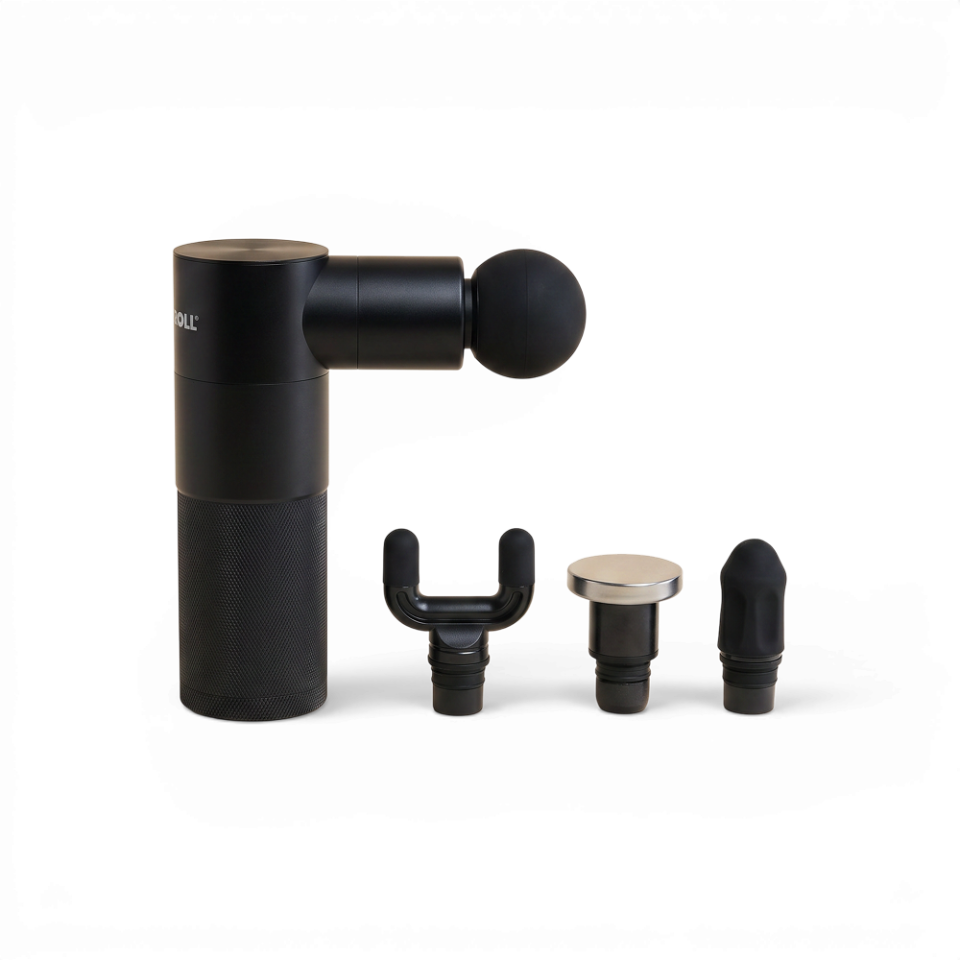
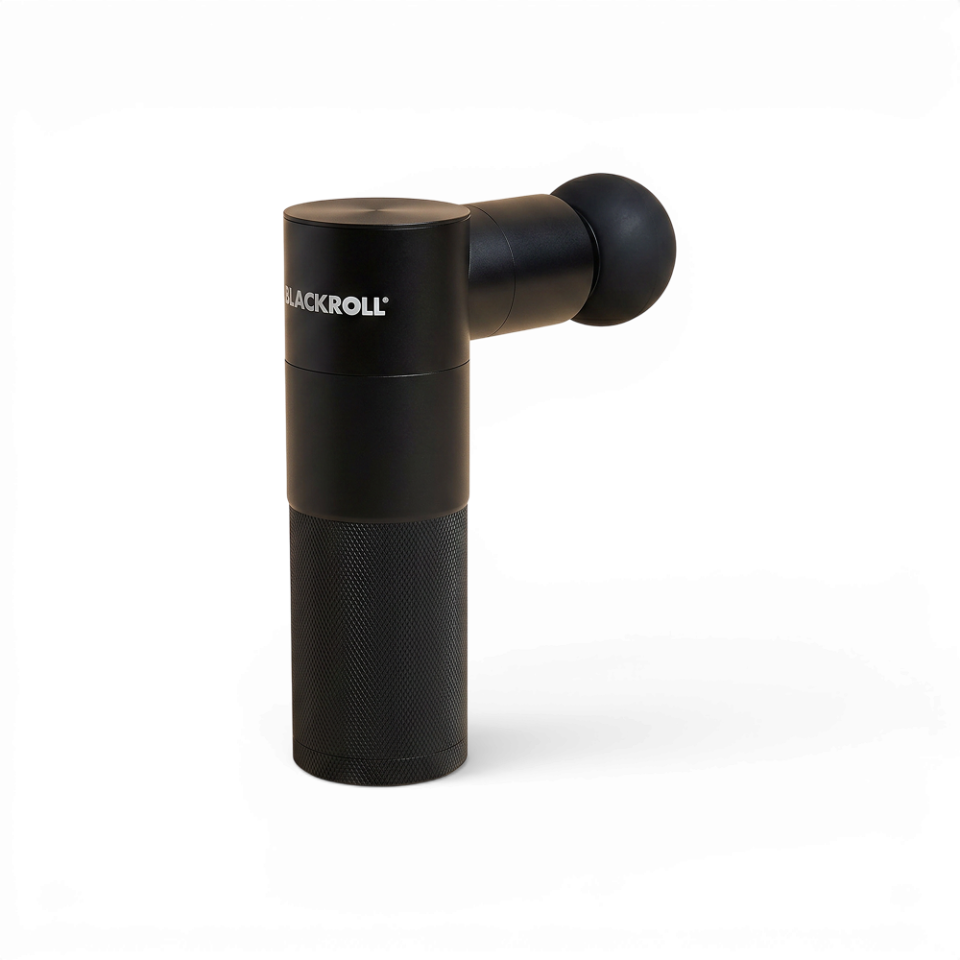
The BLACKROLL® FASCIA GUN offers four vibration levels within a frequency range of 20 to 53.3 hertz (1,200 r/min to 3,200 r/min).
Direction of Vibration
Most massage guns operate with a vertical vibration. This vibration moves toward and away from the body, creating a “hammering” effect. It’s roughly like making a fist and applying gentle pressure pulses to your tissue. It’s no coincidence that the use of a muscle massage gun is often referred to in English as “percussion therapy” (percussion = strike/impact). Other devices use eccentric vibrations that are horizontal to the tissue—more of a “stirring” motion. It’s like pinning your tissue with your finger and making quick circular movements.
The BLACKROLL® BOOSTER’s vibration core also uses this “stirring” vibration. You set the tissue into a circular oscillation that moves parallel to your body’s surface. Furthermore, by adjusting the angle at which you use the BLACKROLL® BOOSTER, you can determine for yourself how the vibrations will affect your body. When used at a 90° angle, as described above, you’ll experience stirring, eccentric vibrations. At a 0° angle, you’ll receive a deep-penetrating vibration massage whose vibrations reach deep into the tissue. And when used at a 45° angle, you’ll get a combination of both vibration directions—for a highly personalized vibration massage experience. Depending on the attachment used, the FASCIA GUN allows for application in a purely vertical direction or in lateral directions up to a 45° angle.
What does the research say about vibration massage?
A 2020 study investigated whether the combination of vibration (31 Hz) with conventional self-massage using the BLACKROLL® has a greater effect on the glide of the thoracolumbar fascia (lumbar fascia) than self-massage with the BLACKROLL® without vibration. The glide between the subcutaneous tissue and the lumbar fascia was significantly better in the group that used vibration massage with the BLACKROLL® BOOSTER than in the group that rolled without additional vibration. It’s important to note that only a fascia that glides smoothly is a healthy fascia.
In the same study, the mobility of the lumbar spine was compared between vibration massage and conventional self-massage. Active mobility of the lumbar spine increased significantly with both vibration massage and foam rolling without vibration compared to study participants who did not use the BLACKROLL ®.
A significant portion of proprioceptive nerve endings is not reached during slow stimulation, as they respond only to rapidly changing stimuli. Vibration massage therefore offers the advantage of stimulating a much larger number of sensory receptors than a traditional massage, while also reaching deeper tissue layers.
Discover Vibration Massage Exercises
Conclusion on Vibration Massage
There’s a reason for the saying “Good Vibes Only.” Vibration massage is good for you—and it feels good, too. Even though the body of research in this area is still quite limited, many people are absolutely raving about vibration massage. It can be used not only for recovery after intense workouts but also as a great way to activate your muscles before a workout or prevent pain. If you enjoy massage with a BLACKROLL®, you’ll love upgrading it with the BOOSTER vibration core – or getting both together in the BOOSTER SET TWIN 2.0. The best thing to do is to experience the positive effects for yourself.