Acupressure: Effects and Application of This Healing Method

What acupressure is, how it’s applied, and what benefits it offers.
You’ve probably already used acupressure on yourself without even realizing it—completely intuitively. The “Third Eye” acupressure point is located in the small indentation between your eyebrows, at the base of your nose, just below the hairline on your forehead.
We tend to rub or knead this point when our eyes are tired or we notice that our concentration is waning. In doing so, we’re helping ourselves—with acupressure! Or have you ever massaged your temples when you had a headache?
Here, too, you’re applying acupressure—also known as acupuncture massage—to yourself. Acupressure literally means “needle pressure” (Latin acus = needle, Latin premere = to press).
In fact, acupressure is very closely related to acupuncture, in which needles are inserted into acupuncture points. But since acupressure requires no needles or other tools and can be practiced anywhere, it’s wonderfully suited for self-treatment by people of all ages and health conditions.
With the help of acupressure, you can relieve pain and other discomforts, reduce stress, and even support weight loss—all while doing something good for your health by supporting your body’s self-healing powers.
What is acupressure?
Both acupuncture and acupressure originate from TCM, or Traditional Chinese Medicine. The key concept in TCM is qi (pronounced “chee”). It is synonymous with energy or life force.
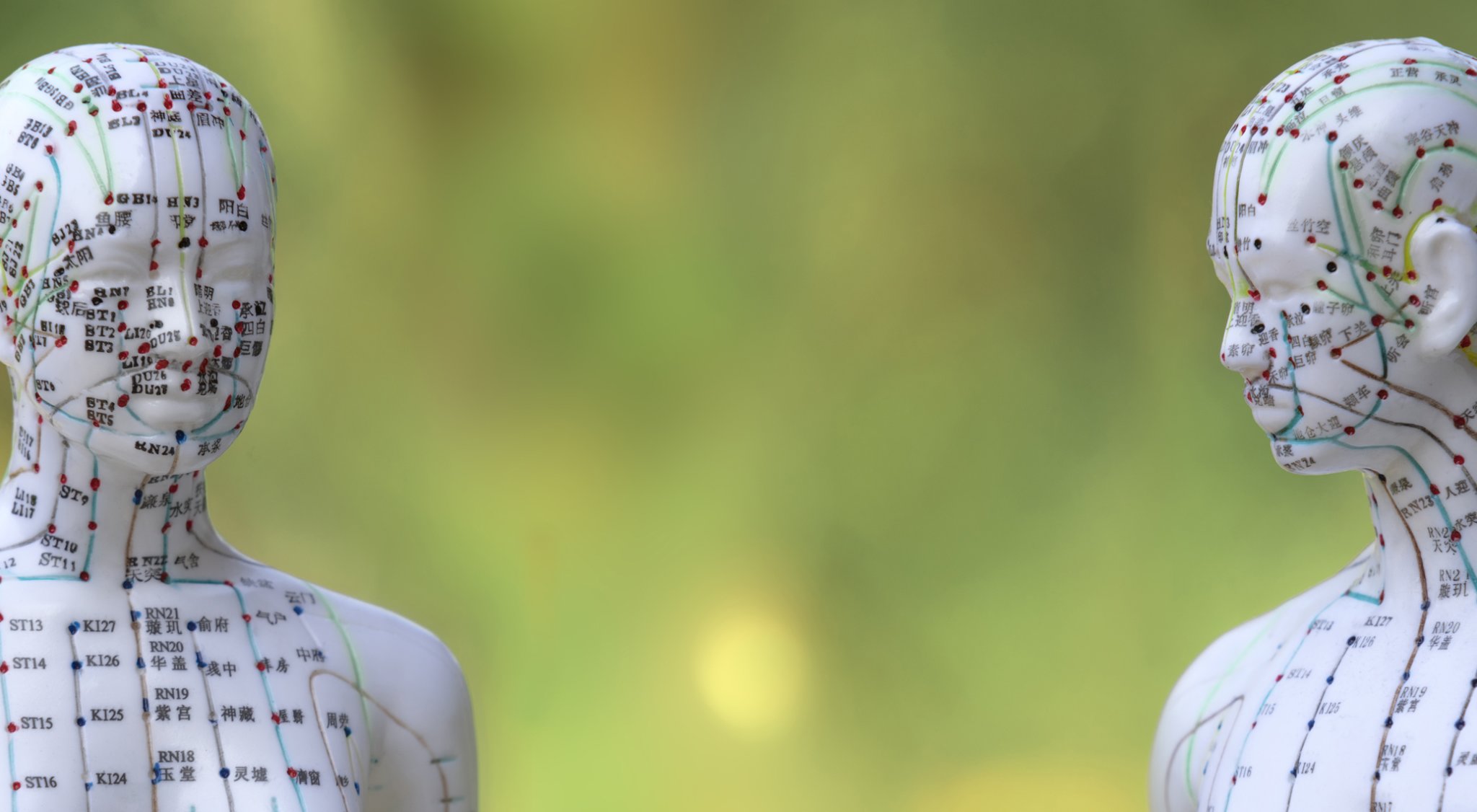
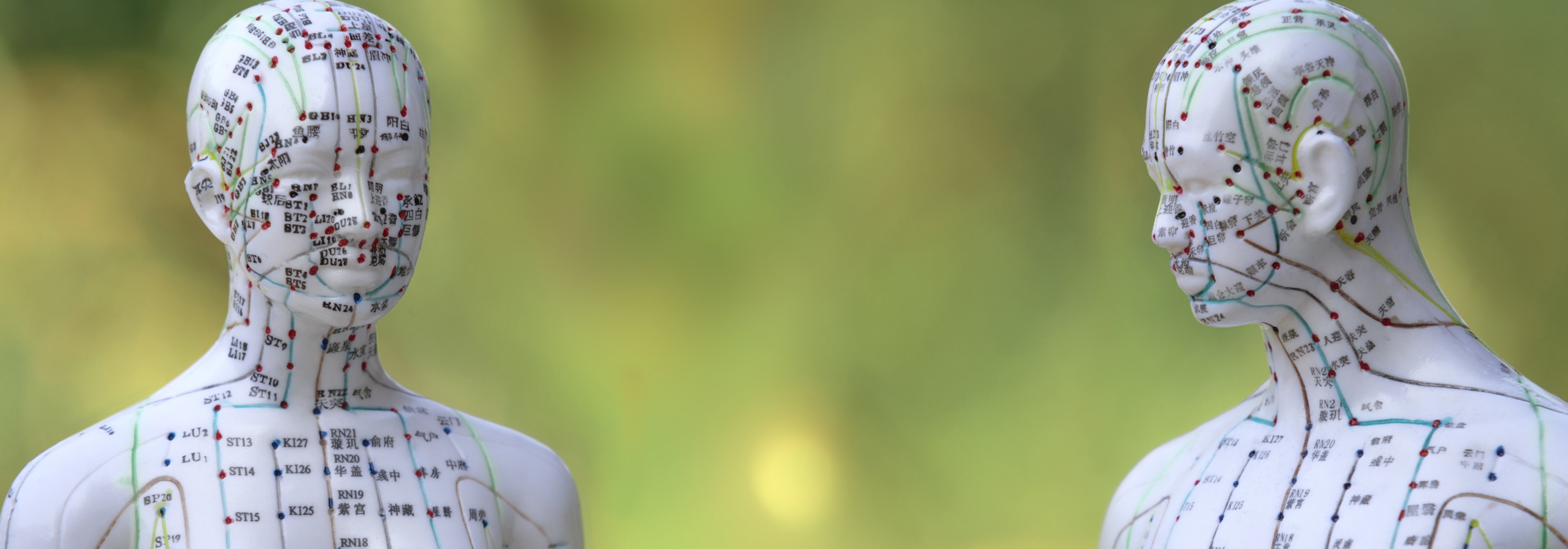
Imagine it this way: Life energy flows through your body along meridians, which are energy pathways. The 12 main meridians run through our entire body. They form functional circuits with the organs. Along these energy pathways, which vary in length, there are a total of over 350 clearly defined points where Qi is concentrated.
On the gallbladder meridian alone, for example, there are as many as 44 acupressure points. Each individual acupressure point is associated with different ailments. If the flow of energy within a meridian is disrupted, this can lead to illness.
Various factors, such as an unhealthy lifestyle, injuries, heat, and cold, can contribute to this energy blockage.
Depending on which meridian is affected by this blockage, the associated organ may no longer function optimally and, in the worst case, may become diseased.
For example, if the goal is to relieve pain, the primary objective in TCM is to resolve this energy blockage.
How does acupressure work?
If you want to perform acupressure on yourself, make sure beforehand to allow enough time between acupressure and meals. A stomach that is too full or completely empty can have an adverse effect.
The Right Acupressure Point
The key is to find the right point for your symptoms. Books on acupressure, relevant articles online, training courses on the subject, or consulting a therapist of your choice can help you with this. There isn’t just one “right” point for headaches, for example. Since headaches can have a wide variety of causes, you’ll need to try different possible points to find the one that works best for your specific headache.
You don’t have to hit the acupressure point exactly. Experience shows that stimulating the area where the acupressure point is located is also effective. Sometimes, at the spot where your specific acupressure point is located, you’ll find small indentations or thickened areas of skin that can serve as additional guidance in your search for the right acupressure point.
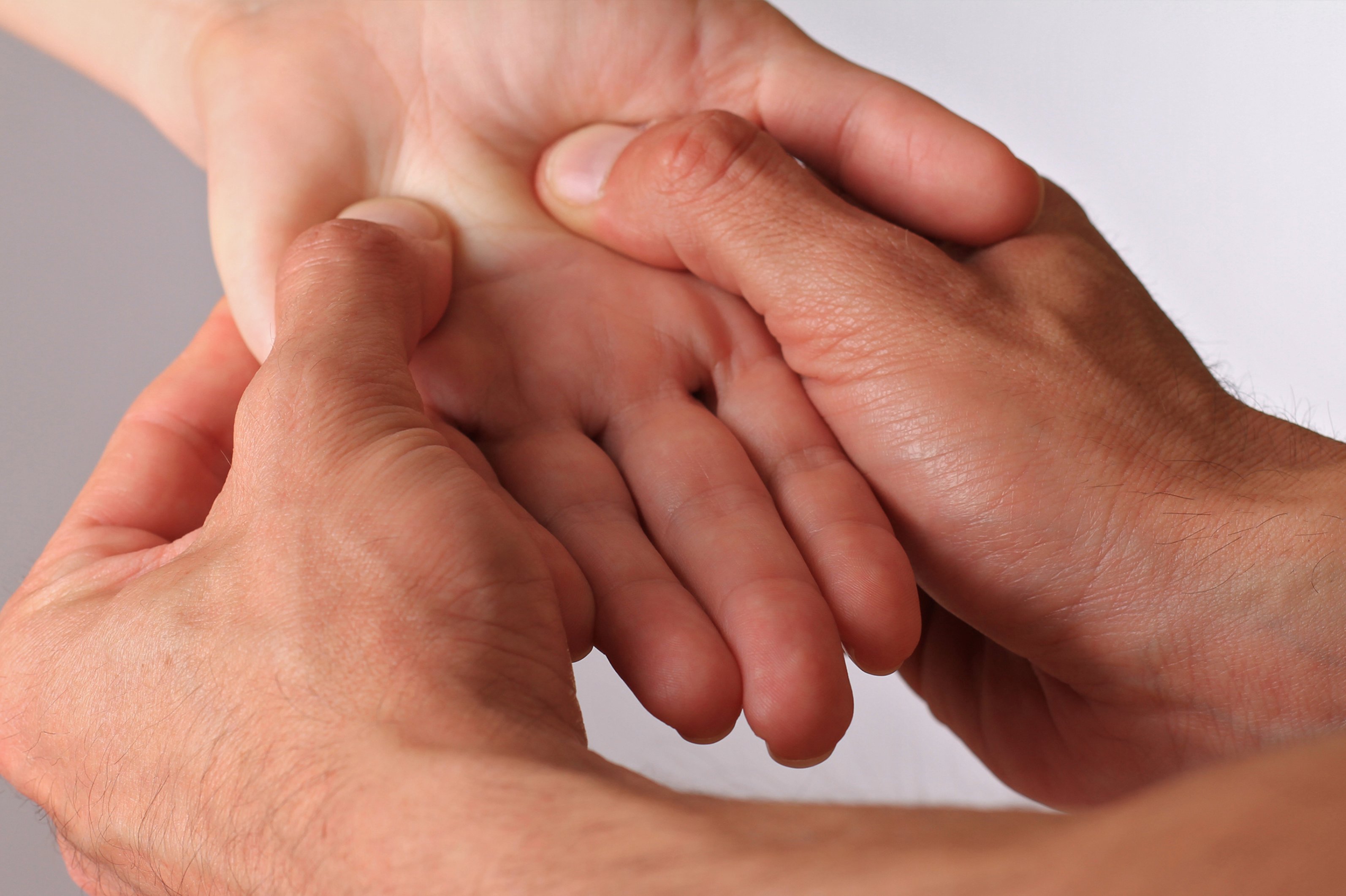
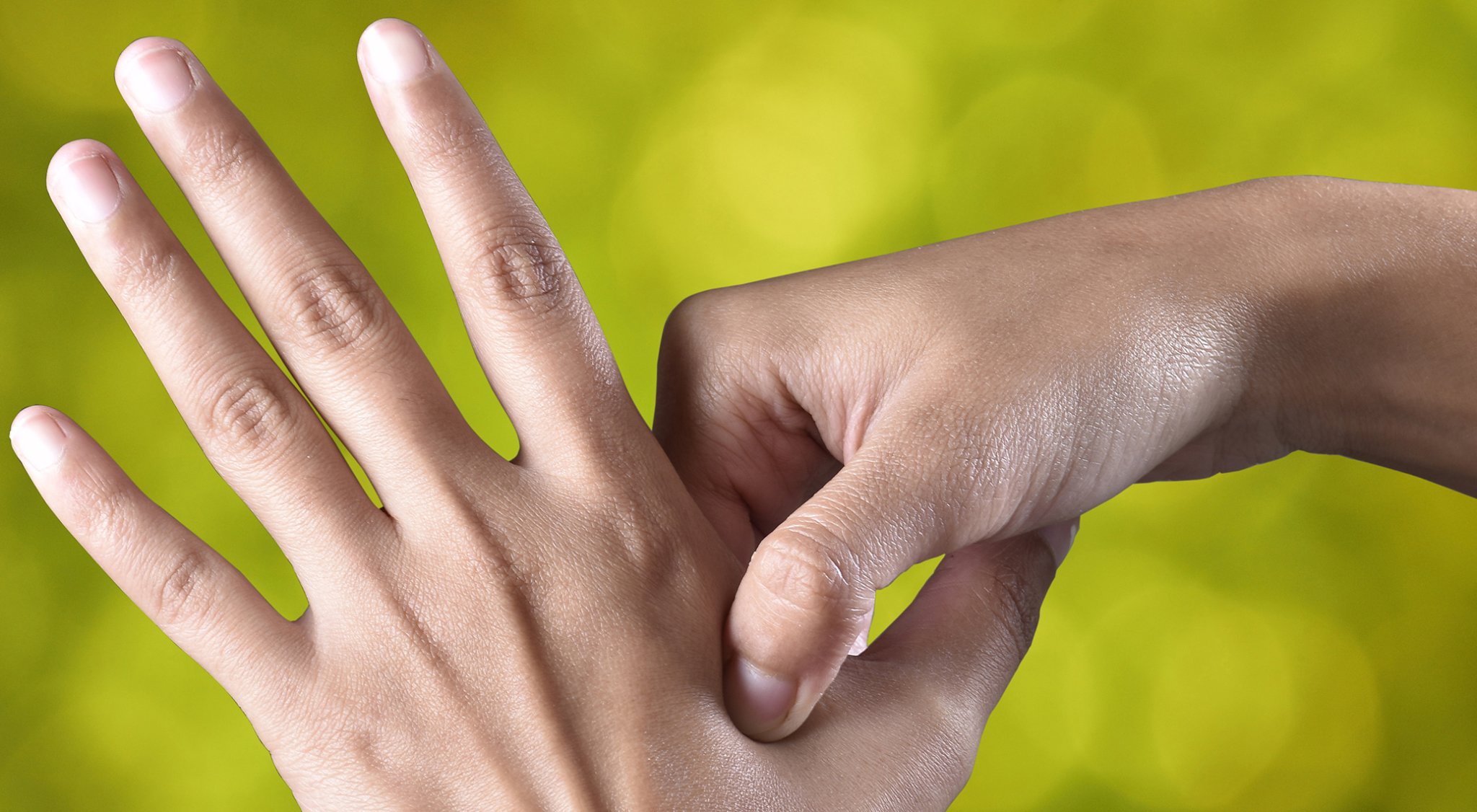
With acupressure, you may feel an immediate effect, but it can also take 15 to 20 minutes for relief to set in. With a little trial and error and practice, you’ll get better and faster at finding the right acupressure point. Once you’ve found the right point, press it with your thumb or index finger (sometimes even your fingernail) and hold the pressure for 30 seconds to three minutes. There are also recommendations ranging from as little as five seconds to as long as 15 minutes.
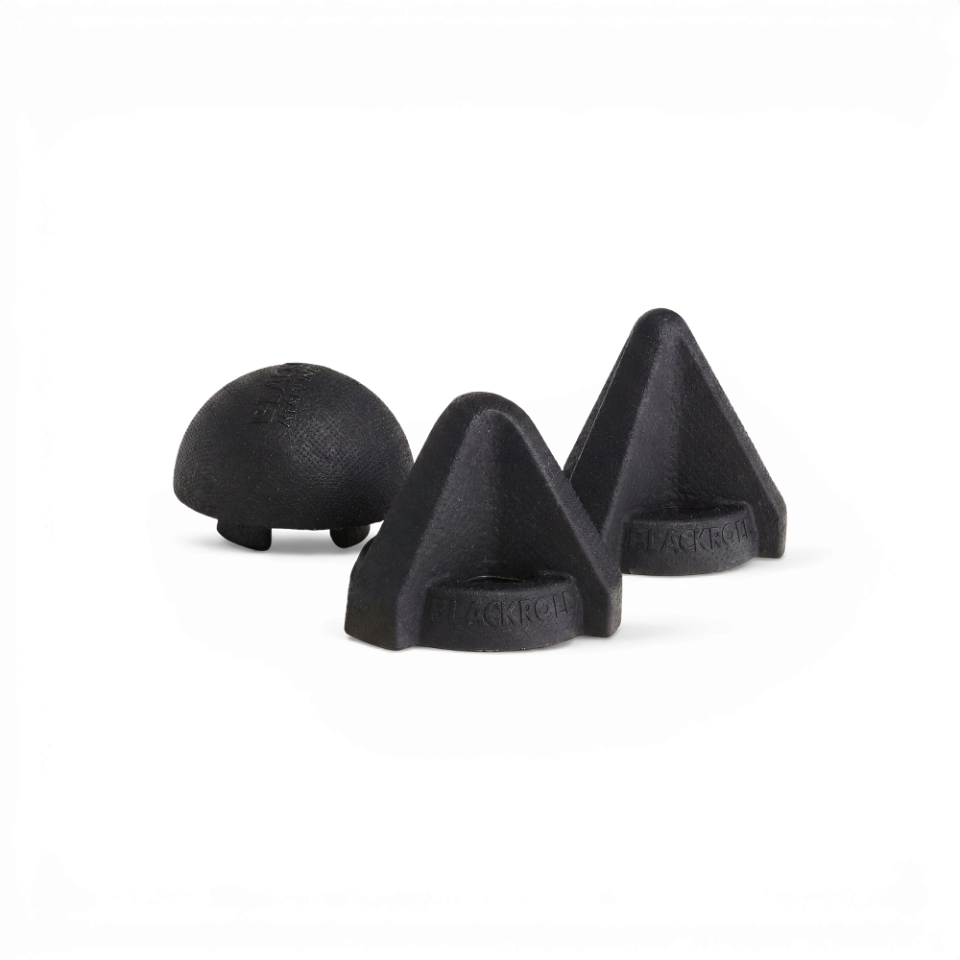
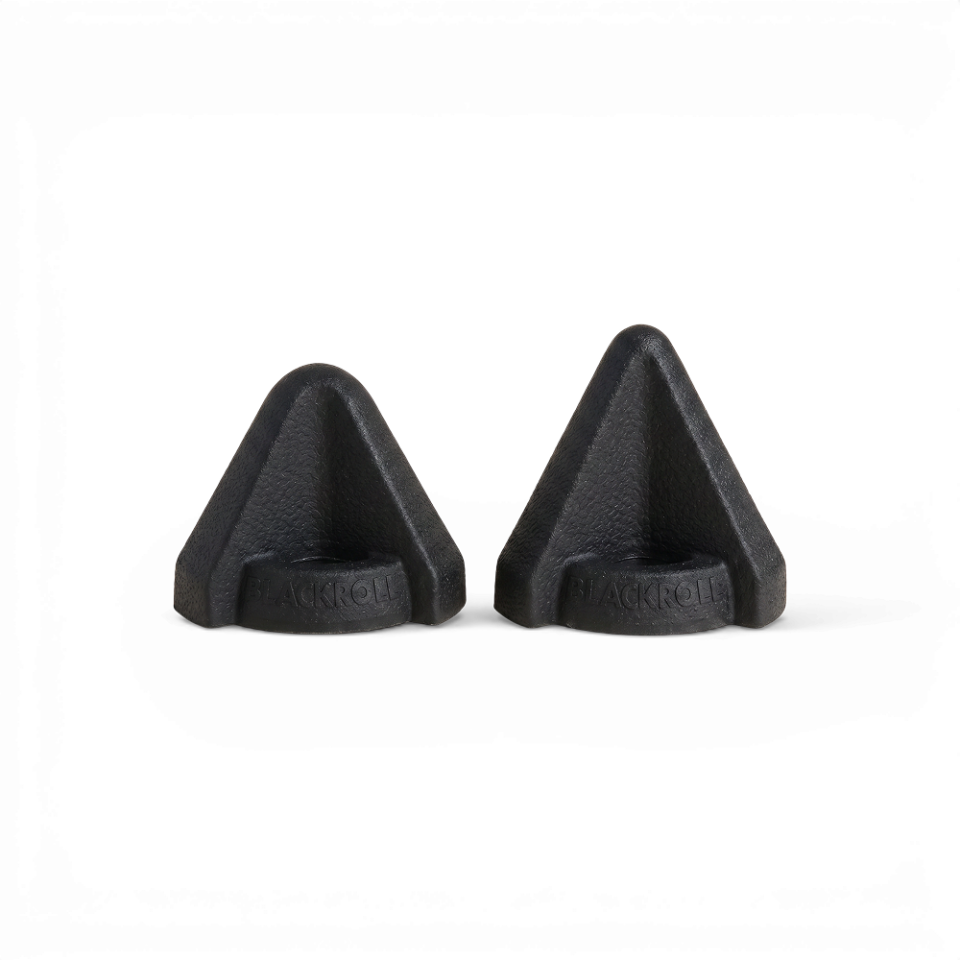
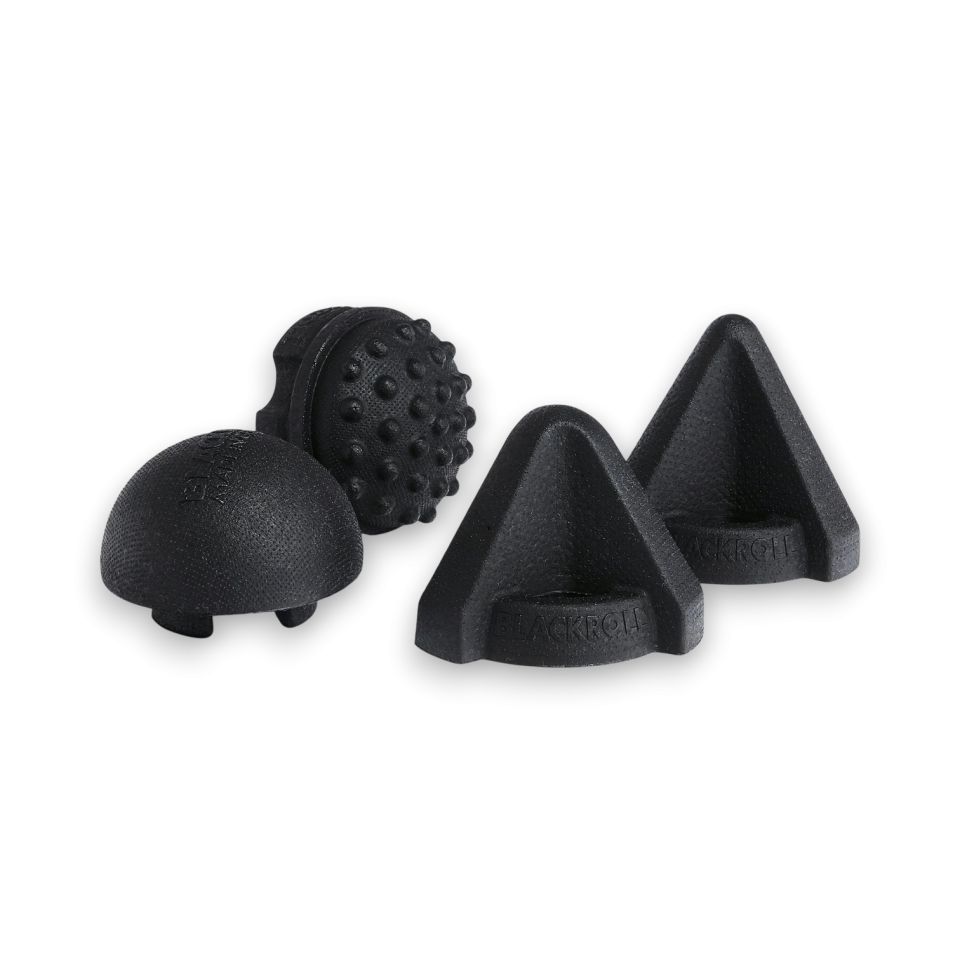
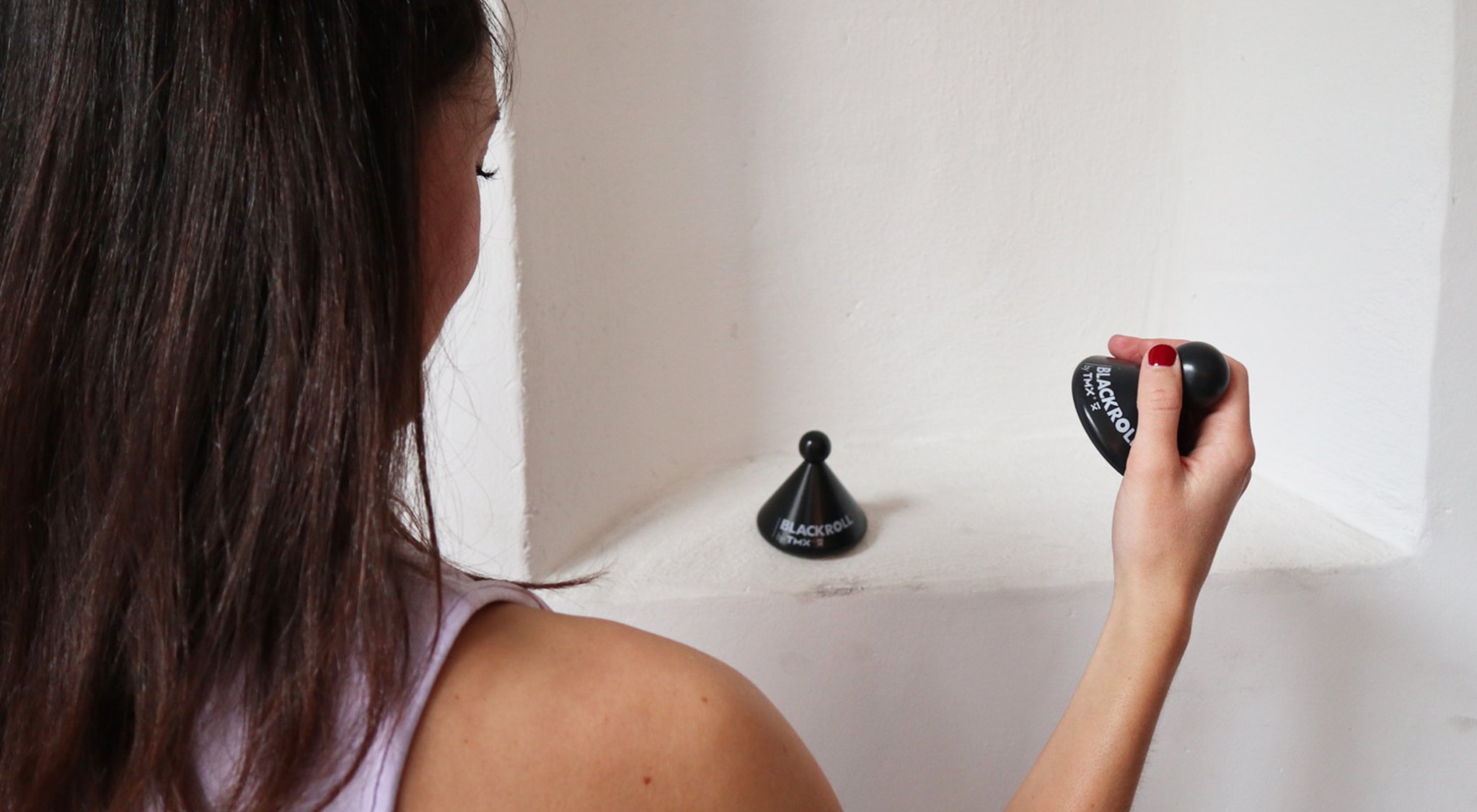
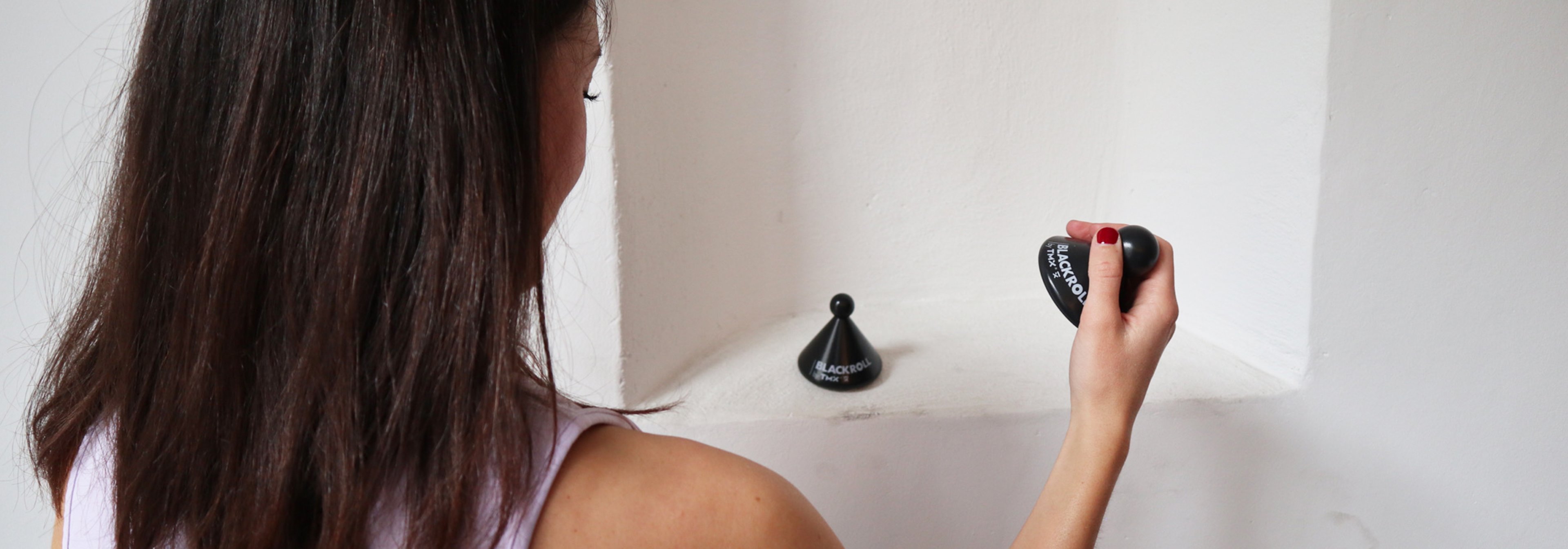
It’s best to test for yourself which duration is comfortable and effective for you. If you find it uncomfortable to use your fingers to press the acupressure points, you can alternatively use a small, rounded object, such as the BLACKROLL® TRIGGER TOOLS. You can also use these tools for trigger point massage. Key differences from acupressure lie in the points themselves—or rather, in locating them. Unlike acupressure points, trigger points do not lie along clearly defined meridians, nor are they associated with specific organs.
Acupressure points are generally not detectable as hardened knots in the tissue, as is the case with trigger points.
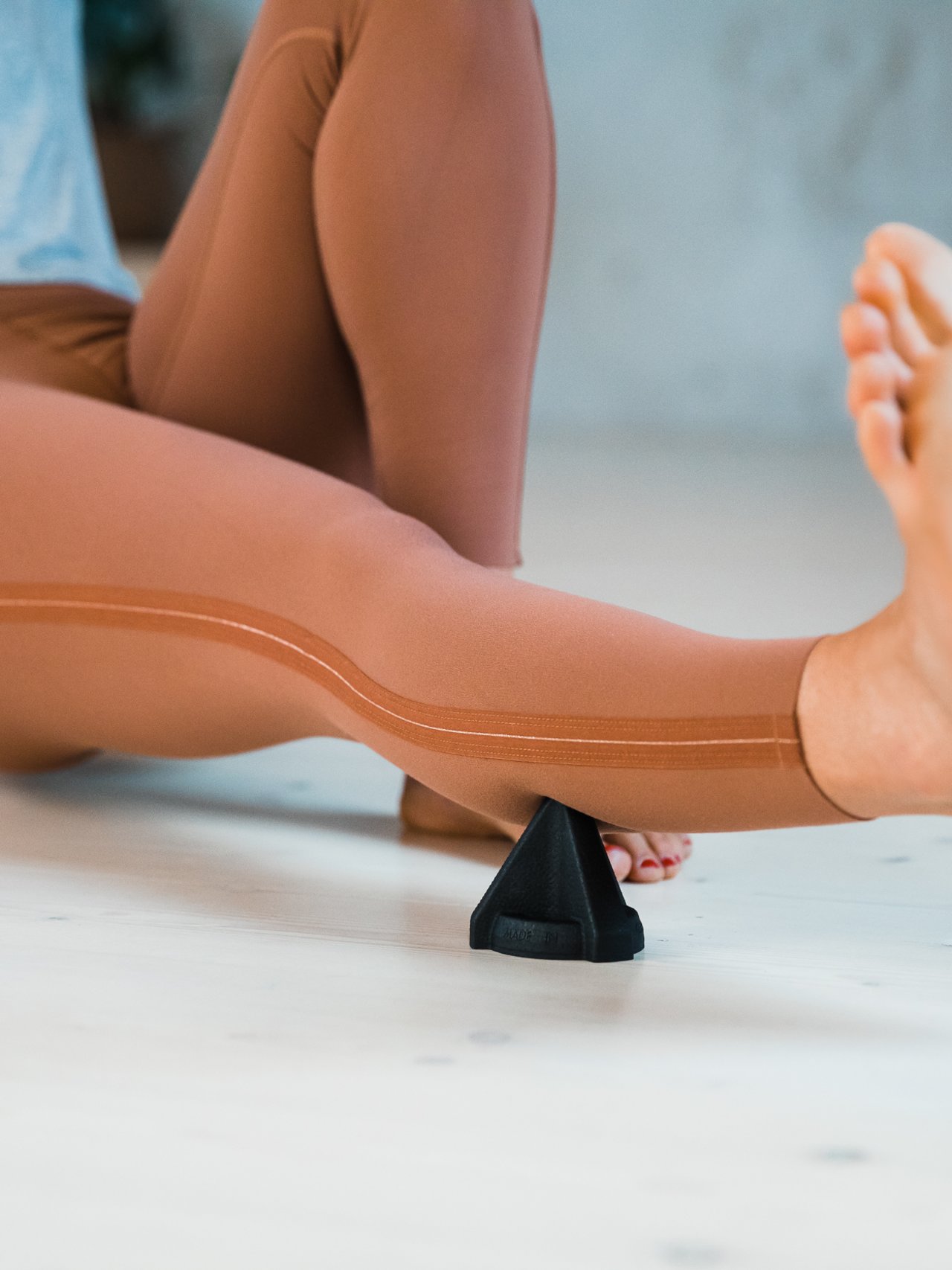
Intensity
The pressure should be light and not cause too much pain. By adjusting the intensity of stimulation at the acupressure point, you can influence the effect of acupressure on your entire body. You can achieve a calming effect with firm pressure and a stimulating effect with gentle pressure.
Acupressure points within the muscles can generally be stimulated more intensely, but it’s advisable to be more cautious on the face or near bones. Sometimes specific directions of pressure are also specified, such as toward the torso or toward the head. This is related to the different flow directions of qi within the meridians, which should be either dampened or stimulated depending on the specific condition.
Rotation
You can also influence the effect of acupressure by applying rotational stimulation to a point, for example, using the BLACKROLL® TWISTER. For acute conditions, which are typically characterized by an excess of energy, a clockwise rotation is recommended to reduce this excess.
In the case of chronic conditions, on the other hand, there is usually a deficiency of energy, which you can stimulate by rotating counterclockwise. As an alternative to applying steady pressure, you can also massage the acupressure point firmly, in a specific direction if necessary.
Vibration
Vibrating or tapping stimulation of an acupressure point can further enhance the effect. For vibrating acupressure, both the BLACKROLL® RELEAZER in combination with the BLACKROLL® DEEP RELEAZER and the BLACKROLL® BOOSTER with the BLACKROLL® BOOSTER HEAD attachment are suitable.

Tools for Acupressure with Vibration
Trigger Tools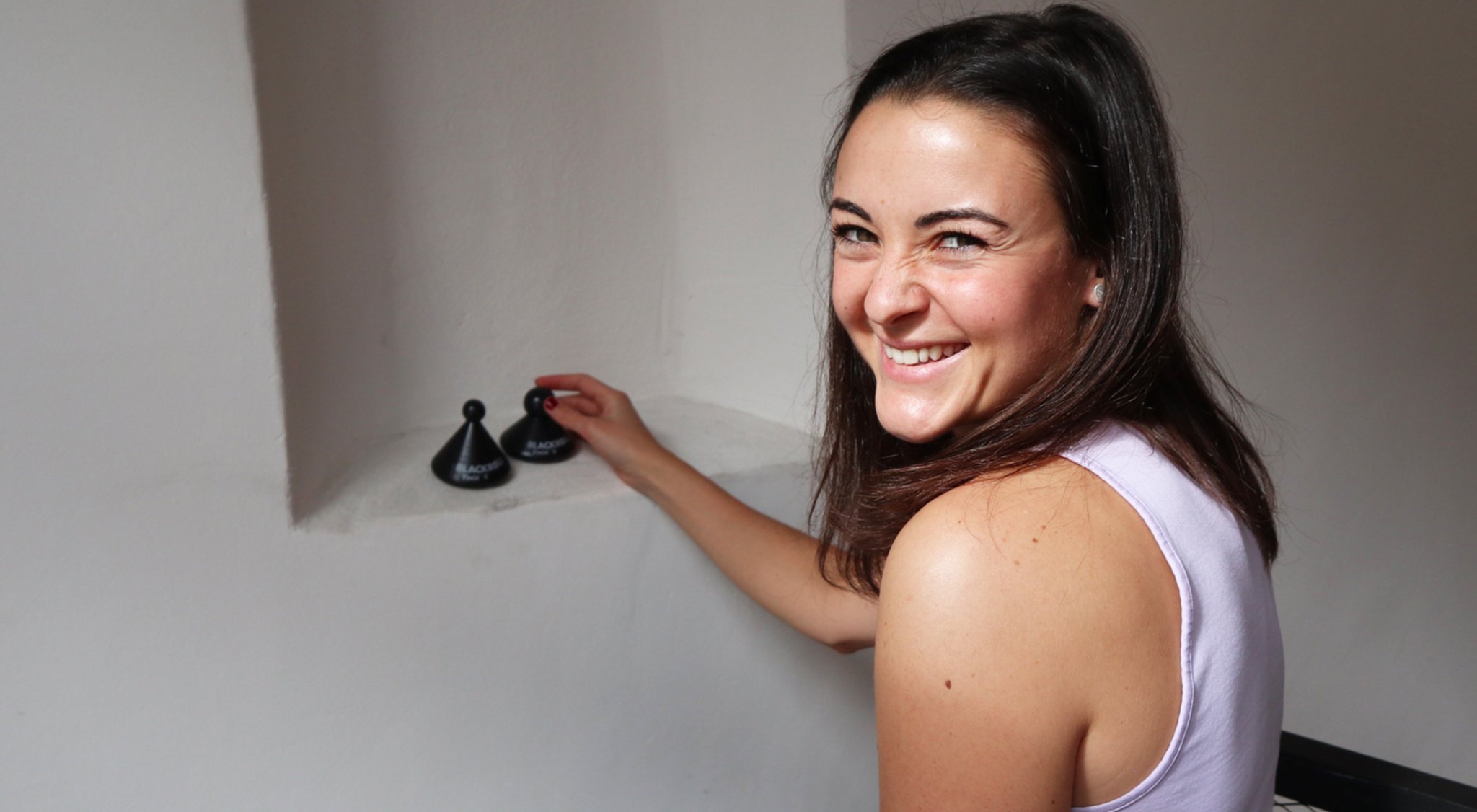

Acupressure Points and Their Associated Effects
There are two easily locatable acupressure points that are meant to provide you with basic guidance in locating others. It’s quite possible that you’ll feel pain when stimulating these acupressure points. Some people describe this type of pain as “pleasant pain”—it hurts, but at the same time, it actually feels good.
Perhaps you’re already familiar with this “pleasant pain” from therapeutic back massages or trigger point massage. Many of the clearly defined acupressure points are sensitive to pressure in most people. But perhaps there’s actually more to this pressure-induced pain than meets the eye, and you don’t even realize it yet.
Your body sometimes reacts to discomfort long before it becomes clinically noticeable. This gives you—or your therapist—the opportunity to take preventive action before symptoms appear.
It’s generally highly recommended to prioritize preventive care over symptom-based treatment.
How does an acupressure mat work?
An acupressure mat works by applying targeted pressure to the skin through hundreds of small plastic spikes, thereby stimulating blood circulation and the release of endorphins—much like traditional acupressure. The latest research in the field of acupressure shows that regular use promotes relaxation and can specifically relieve tension in the back or neck.
Modern studies also indicate that acupressure mats can contribute not only to pain relief but also to improved sleep quality. It is particularly worth noting that today’s acupressure mats often utilize innovative material compositions and optimized needle shapes to make the treatment gentler and more effective.
Example: Acupressure for Circulatory Problems
Using the fingernail of your little finger, press between your upper lip and nose, directly below the nose. Remember that the pain should be well tolerable, and maintain pressure on this acupressure point for as long as feels comfortable and appropriate to you. You may want to wait until the initial pain subsides.
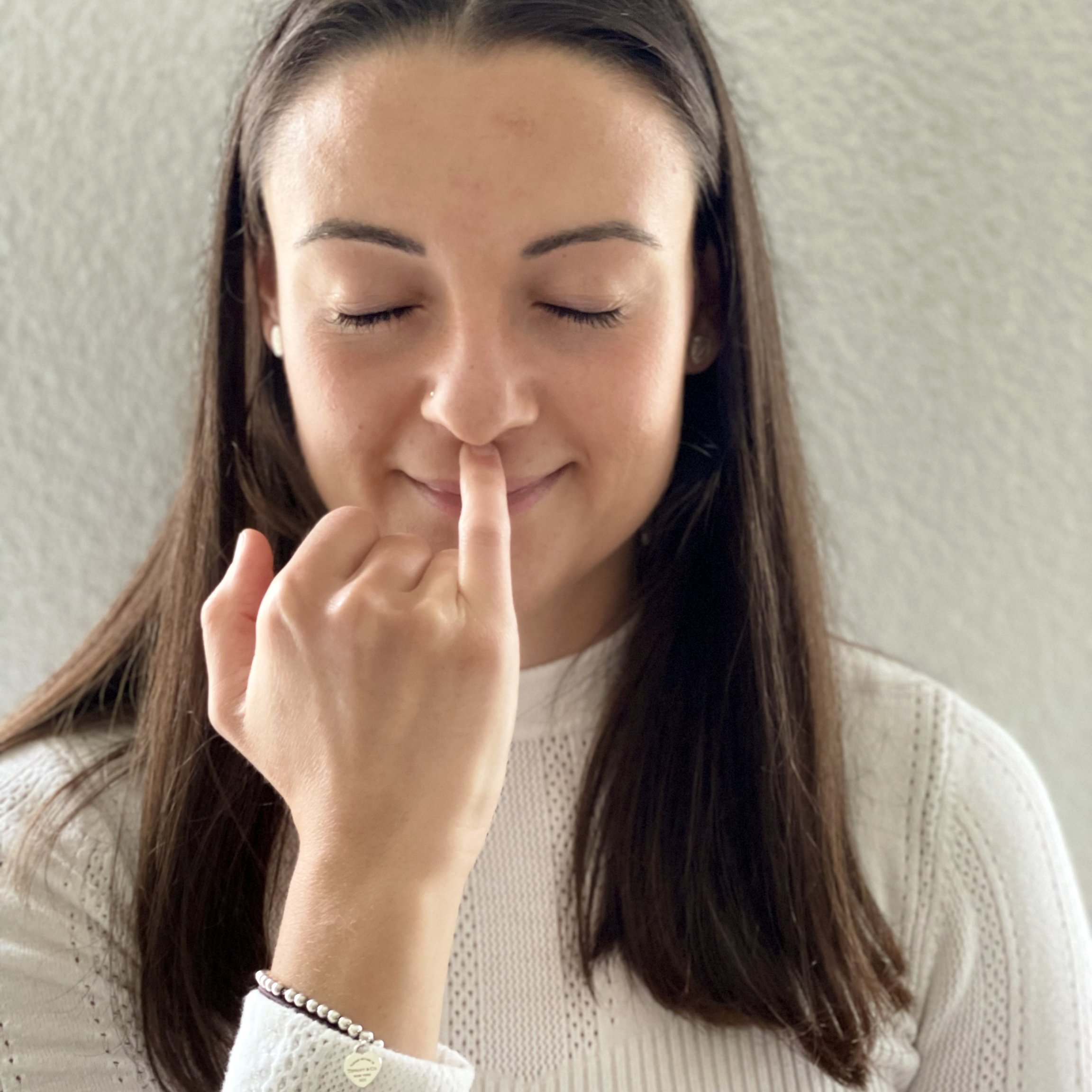
Example: Acupressure for Tinnitus and Dizziness
On the inside of your foot, between the inner ankle and the Achilles tendon, you’ll find a potential acupressure point associated with tinnitus and dizziness. Apply gentle pressure to this spot with your thumb or index finger. Feel free to massage it in a circular motion. Again, pay attention to what feels most effective and comfortable for you personally.
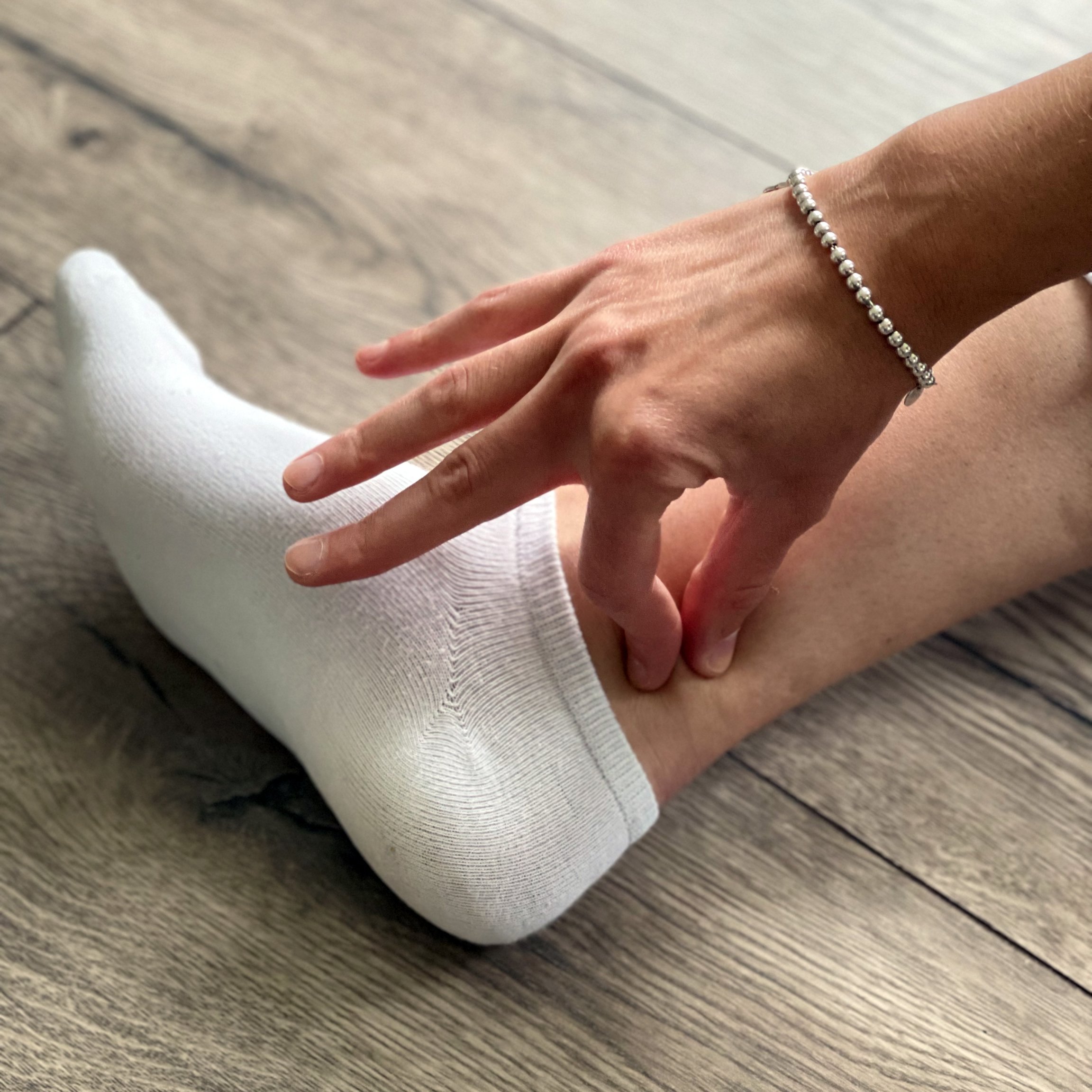


Is acupressure dangerous?
Thanks to its simple application, acupressure is wonderfully suited for self-treatment—even for those without medical training. Additionally, it has no side effects—except for bruises, which can sometimes occur if too much pressure is applied.
However, these can be disregarded, as the benefits of acupressure clearly outweigh them. For serious illnesses, however, other forms of therapy are more appropriate. In such cases, it is preferable to use acupressure only as a complementary treatment and only after consulting with the treating therapist.
Acupressure is also suitable exclusively as a complementary measure for mental health conditions, such as depression. In cases of persistent chronic fatigue that continues despite self-treatment with acupressure, another form of therapy is also preferable. Inflamed areas of the body should not be subjected to acupressure, and in cases of pregnancy as well as with infants, acupressure should be performed by an experienced therapist.
How long does it take for acupressure to work?
Depending on how long you choose to hold each acupressure point, you’ll perform self-treatment at different frequencies throughout the day. If you hold individual acupressure points for a very long time, once a day—or even just once every other day—is sufficient. If, on the other hand, the duration of each acupressure session is relatively short, you should perform acupressure three to four times a day.
For example, it makes sense to integrate self-treatment with acupressure into your daily routine in the morning, at noon, and in the evening. Only by making acupressure a regular part of your daily routine will you use this form of self-treatment often enough in the long run. Incidentally, this applies to just about all activities—even those that aren’t strictly necessary—that are aimed at promoting our health and preventing illness.
Experience shows that acute conditions respond to acupressure much more quickly than chronic ones. Chronic conditions often require a longer period of time before significant relief from acupressure becomes noticeable. You can think of it this way: the development of these chronic conditions itself took a certain amount of time. These chronic conditions didn’t appear suddenly, so they won’t be able to disappear suddenly either.
Furthermore, stressful life circumstances can delay the rapid relief of your symptoms.
For which conditions can acupressure provide relief?
You can use acupressure to prevent a wide variety of physical ailments and to treat them if you’re already experiencing symptoms such as pain. Listed below are possible ailments and areas of application that can be positively influenced by acupressure.
- Physical Ailments
Muscle tension, back pain, lumbago, neck pain, shoulder pain, knee pain, paresthesia, cramps, circulatory problems, high blood pressure, tinnitus, headaches, migraines, toothaches, insomnia, fatigue, menstrual cramps, irregular periods, nausea, constipation, respiratory conditions, allergies - Mental Health Issues
Anxiety, exhaustion, restlessness, nervousness - Infectious diseases
Colds, runny nose, ear infections - Weight loss (supportive)
According to TCM, being overweight is caused by an imbalance in vital energy, which can lead to increased appetite, consequently to higher calorie intake, and ultimately to weight gain. The goal is to harmonize the flow of Qi and thereby curb the sensation of hunger. Acupressure can only be used as a complementary treatment here. Other fundamental factors are of greater importance for weight loss. - Smoking Cessation (Supportive)
The same applies to smoking cessation. Acupressure can be a wonderful supportive measure here. However, the decisive factor is the will to quit smoking.
How effective is acupressure?
Unfortunately, there are no truly conclusive studies on acupressure itself. Opinions on its effectiveness range from “ineffective” to “effective” to “purely a placebo effect.”
A study on acupuncture conducted by Charité Berlin found impressive results: “Three out of four patients with headaches or lumbar syndrome (pain in the lumbar spine) were still feeling significantly better six months after treatment.
The success rate would have been even higher for osteoarthritis pain (85 percent), asthma/allergic rhinitis (82 percent), and dysmenorrhea (menstrual cramps) (85 percent). It can be assumed that, with regular use of acupressure, success rates similar to those of acupuncture are possible.
Acupressure tools: