Have you ever suffered from neck or back pain? Have you ever felt strange lumps in your muscle tissue?
If so, there’s a good chance you’ve come across a trigger point. Myofascial trigger points are of great importance in medicine because they are among the most common causes of chronic pain and tension.
In this article, you’ll learn what trigger points are, how they develop, and how you can specifically locate and release these tender points.
The good news is: You can locate and work on (or “trigger”) myofascial trigger points yourself, even without the help of a therapist. You can rely on your own body awareness to do so.
01. What Are Myofascial Trigger Points?
Myofascial trigger points—which occur in muscle and fascial tissue—are widespread in industrialized nations and are often the cause of musculoskeletal pain.
The term is derived from the English word “to trigger” because trigger points trigger pain— such as headaches, neck pain, or shoulder pain —when touched or pressed . This pain can even radiate to other areas of the body (known as “referred pain”).
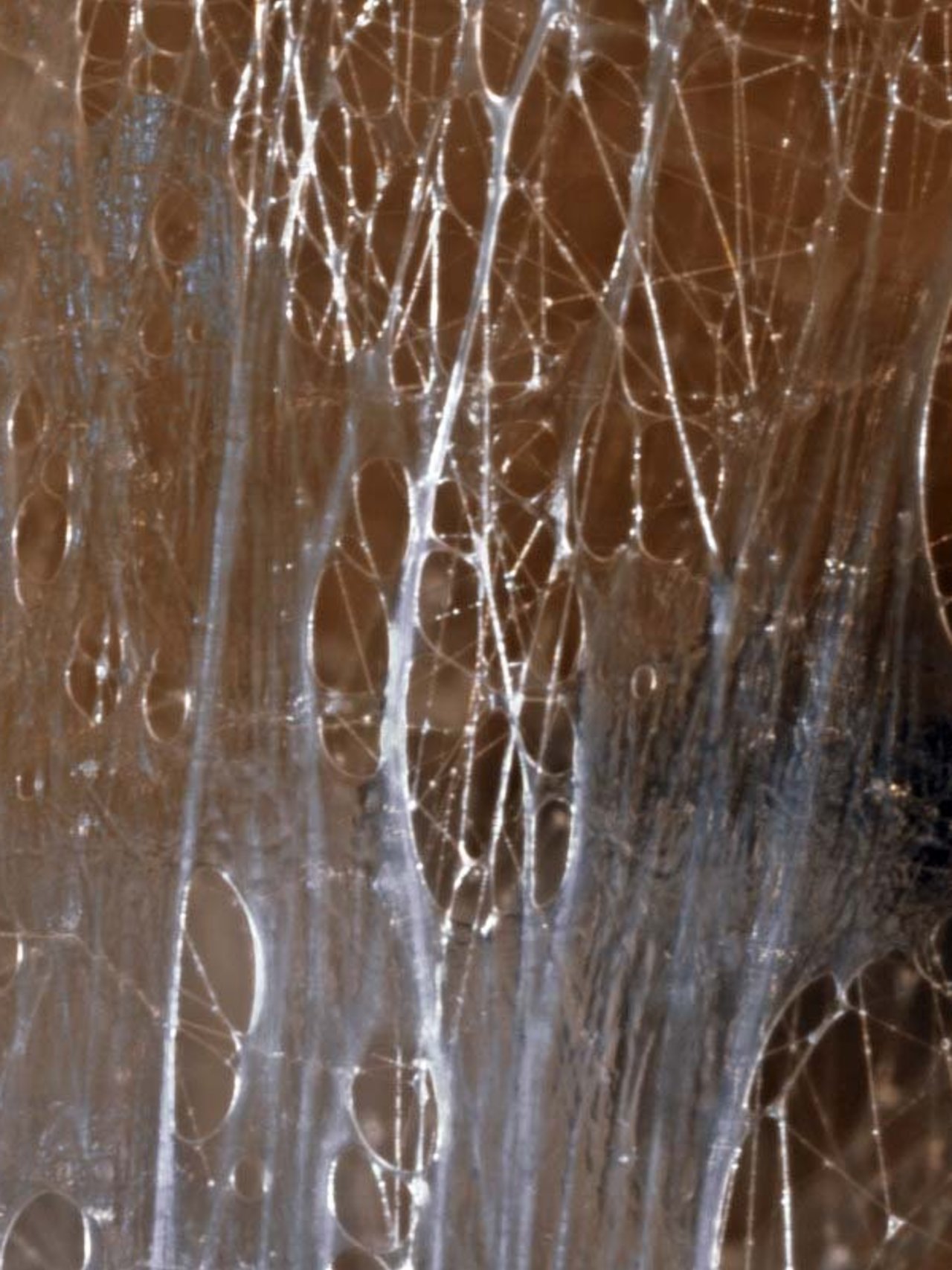
In myofascial tissue, muscle cells undergo a sustained contraction, leading to reactive overstretching of adjacent tissue; blood vessels are compressed, and oxygen supply to the affected tissue decreases.
The consequences are myofascial oxygen deprivation, coupled with a local lack of energy that would otherwise be necessary to release the contracted muscle cells. This local knot of contraction gives rise to what is known as a trigger point—a pinpoint, nodular hardening in the muscle.
By definition, trigger points are found in hardened myofascial tissue (hard tension).
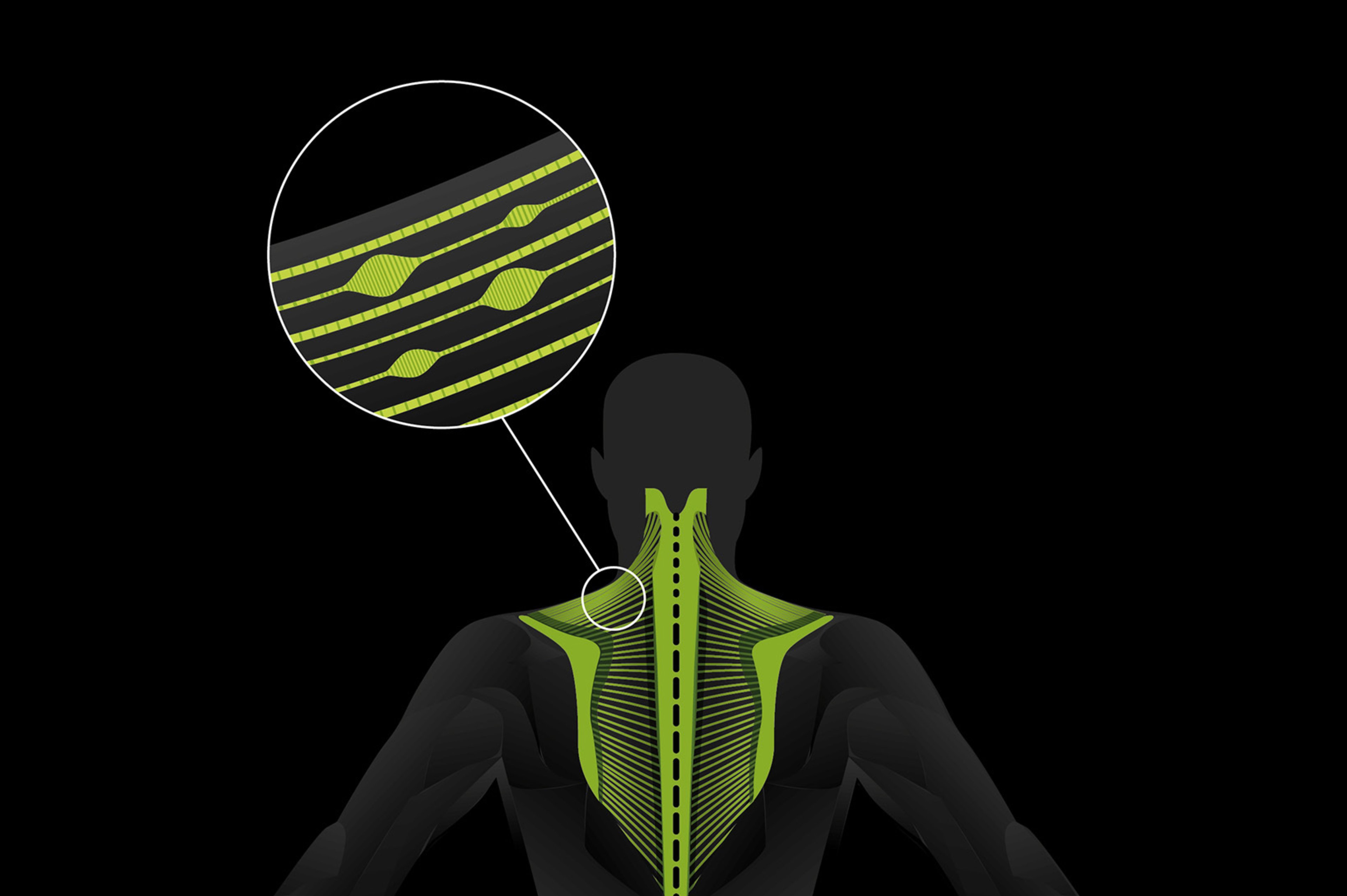
Colloquially, we often mistakenly refer to this hypertonic tissue as “shortened” muscle. This is incorrect because, from a purely physiological standpoint, muscle cannot shorten.
A muscle always has the same origin and insertion points and is stretched between these points. Only the muscle’s tension can vary—from the muscle’s relaxed resting tension (resting tone) to full contraction under load.
And it is precisely when muscles, after contraction, no longer return to their normal, low resting tension and remain in a state of excessive tension that we colloquially refer to the muscle as “shortened.”
For self-treatment with trigger point massage, the type of trigger point makes no difference. However, the pain triggered by the different types of trigger points feels different.
That’s why we’ll briefly explain the difference here: There are active and latent trigger points.
They differ in that active trigger points are already noticeable without mechanical stimulation and cause us pain. Stimulating an active myofascial trigger point can reproduce the typical, everyday symptoms.
The latent trigger point, on the other hand, is clinically silent. It doesn’t bother us in our daily lives; it goes unnoticed. Only with strong stimulation through pressure or stretching can pain—which is usually radiating—be triggered. However, in this case, it’s not possible to provoke the kind of pain we’re familiar with from our daily lives.
02. Are trigger points responsible for pain?
Trigger points can be responsible for pain in distant parts of the body.
Headaches and neck pain, for example, can be triggered by trigger points in the shoulder area. This phenomenon is called pain referral. This explains why the source of pain is not always immediately apparent.
One example of this is trigger points located on the front of the body in the groin area, which can be responsible for pain in the lower back.
If it is an active trigger point, pressing on it can trigger pain in a distant part of the body. We call this pain projection.
We refer to a latent trigger point as a point that is tender to pressure but does not trigger pain projection to another part of the body when stimulated.
Pain caused by trigger points is perceived very differently by those affected—depending on their location, the degree of activity, and other individual factors such as general pain sensitivity.
Pain caused by trigger points ranges from mild discomfort to severe, debilitating pain and can manifest as follows:
- Local pain: The pain is concentrated directly at the trigger point and may manifest as tenderness, stiffness, or a stabbing sensation.
- Referred pain: The pain often radiates from the trigger point to other areas of the body that are not directly connected to the muscle.
- Dull pain: Some trigger points cause a dull, pressing pain that lasts longer.
- Hot and burning pain: Trigger points can also cause a sensation of hot or burning spots in some people.
- Nighttime pain: Trigger point pain can be particularly intense at night, severely disrupting sleep.
- Pain caused by movement: If a muscle is affected by a trigger point, moving that muscle can trigger or worsen the pain.


Relieve trigger points easily with these tools
Mehr lesen03. What causes trigger points?
The exact causes of trigger points are very complex.
However, the main cause is usually muscle tension and overuse that persist over many years, leading to the development of trigger points.
While anyone can develop a trigger point, there is a particularly strong link between sedentary work and a lack of physical activity and the development of trigger points.
We have listed some of the most common factors contributing to their development:
The main reasons trigger points develop are too little, incorrect, or too much movement.
It sounds like there are plenty of ways you could be doing your exercise wrong. If you don’t move enough—for example, by sitting for hours at a time—if you move incorrectly, or if you push yourself too hard—for example, during sports.
So always aim for a healthy balance—whether you’re sitting, standing, or exercising. Because, as is so often the case, “The dose makes the poison.”
For example, you can regularly alternate between sitting and standing. You can either do this based on how you feel or according to a set schedule.
This way, you actively prevent improper posture and overexertion.
When exercising, always make sure to perform the exercises correctly and give your body the appropriate time to recover afterward.
Rest is, among other things, crucial for the body’s repair mechanisms.
If you don’t allow enough time for this, it can lead to overexertion, tension, and the development of new trigger points. You already know that excessive tension in the tissues promotes the development of painful knots.
Our mental state can also be responsible for trigger points.
A common cause of negative stress (distress) is internal tension.
Here we have the word “tension” again. “Distress” therefore means high physical tension—we tense up. And surely most of us know what it feels like to be under tension.
We conclude that we also need mental relaxation to prevent trigger points from forming in our myofascial tissue.
Unfortunately, we don’t always have much control over preventing this cause of trigger points—namely, in the case of injuries.
Our body tissues react by increasing tension when we get injured. This is a natural protective mechanism. Unfortunately, this also promotes the development of tender, hardened areas.
Nutrition is an important and, at the same time, decisive factor in the development of trigger points.
This is because even a deficiency in nutrients (such as vitamins, proteins, and minerals) can act as a trigger.
In addition to a healthy amount of exercise, make sure to stay adequately hydrated and maintain a wholesome, plant-based diet.
Avoid stimulants such as alcohol and nicotine. Ultimately, both are cellular toxins that lead to vasoconstriction and thus promote the development of painful trigger points
04. Trigger Points Caused by Acidosis
American scientists have found in studies that trigger points contain higher levels of inflammatory substances, which trigger local inflammatory reactions and cause the characteristic pain.
In this case, the area of small muscle hardening exhibits a very low pH value, which leads to acidification. The oxygen content of the tissue in these regions is also lower than usual.
Treatment drastically reduced the concentration of inflammatory substances in the knots, and the acidosis subsided—and with it, the pain.
05. What do trigger points feel like?
With a little sensitivity in your fingertips, you can feel trigger points on your own body. To do this, run your fingers vertically across your muscles with light pressure to find trigger points.
Trigger points feel like small knots or lumps in the tissue. If you press a little harder, you may feel the knots more distinctly. Trigger points can be detected not only with your hands but also with the help of so-called TRIGGER TOOLS.
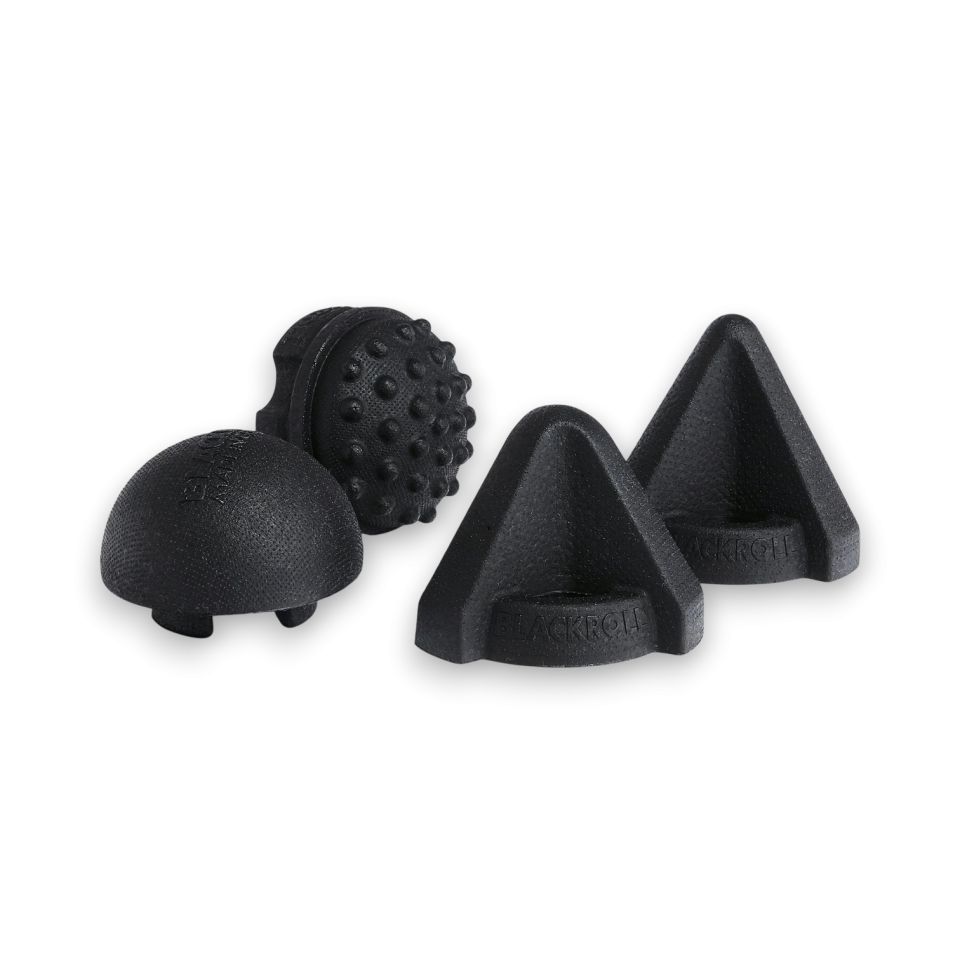
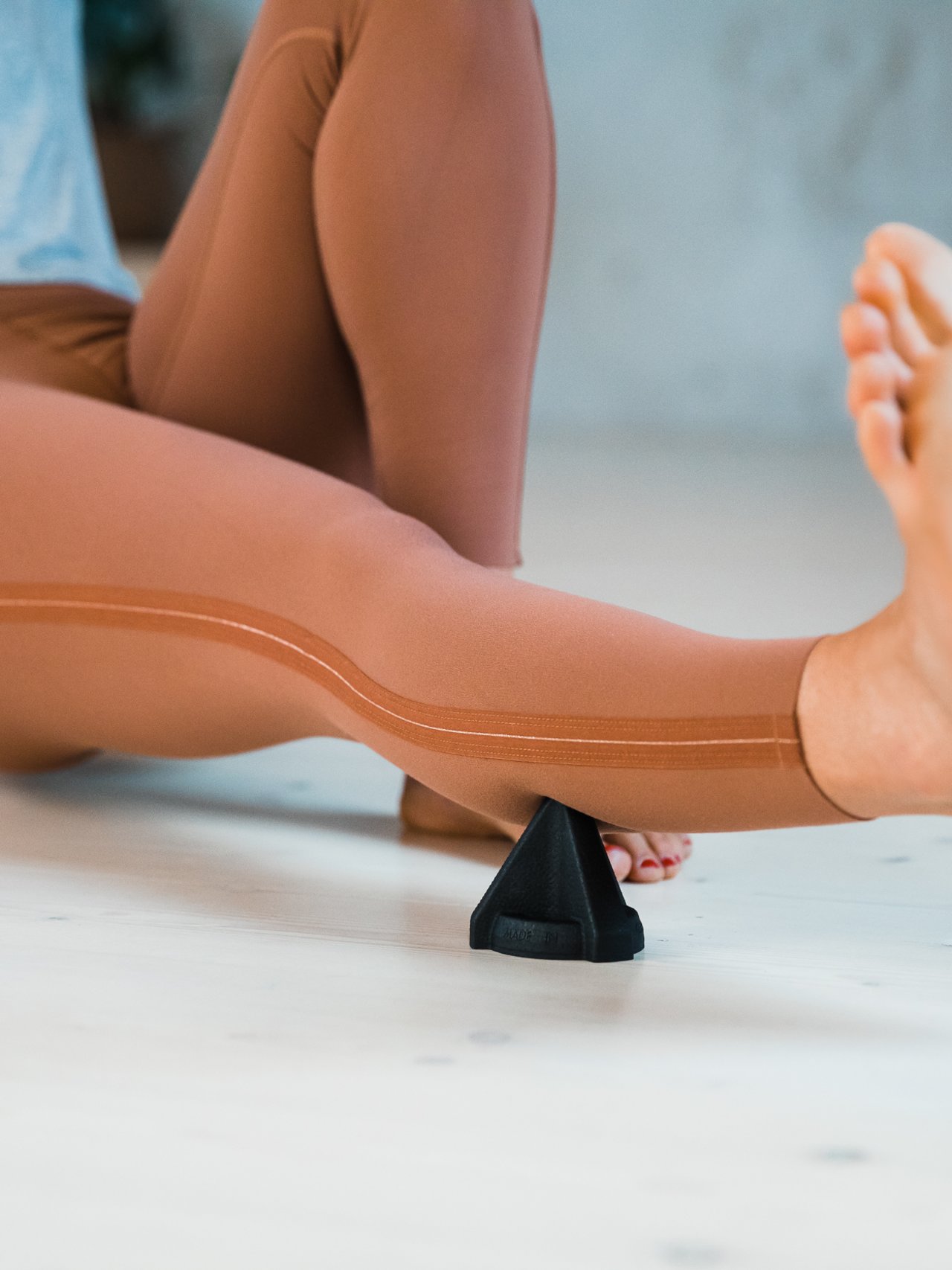
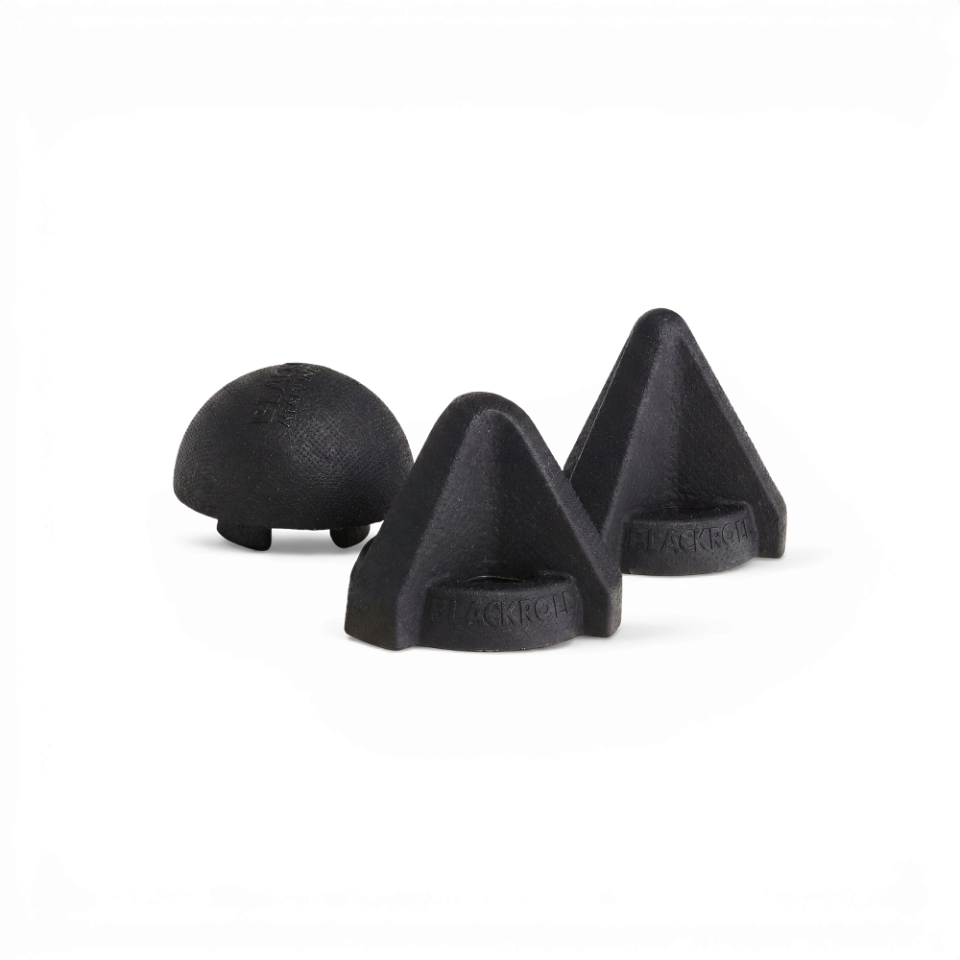
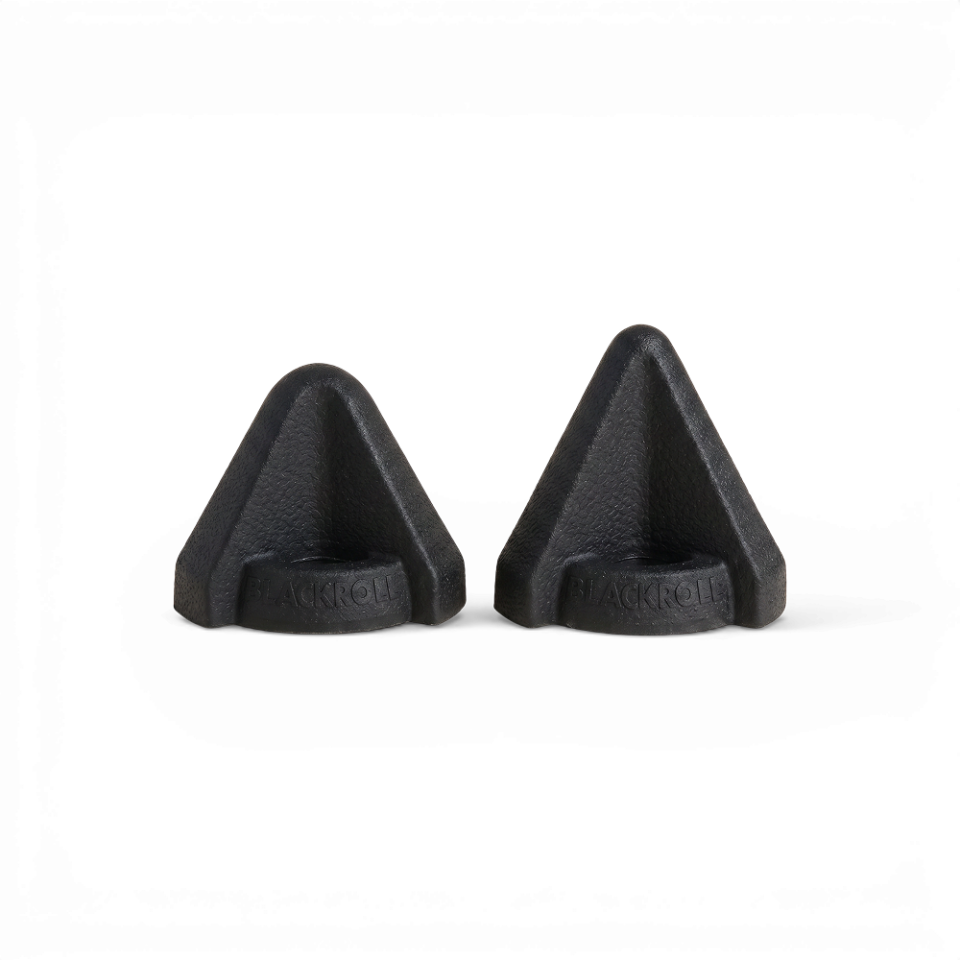
They come in a wide variety of designs—made of plastic or wood, small or large, low or high. What they all have in common is that they’re designed to replace a therapist’s thumb. So they help you treat trigger points on your own—ones you might not even be able to reach with your thumb, such as those on your back.
In addition, using TRIGGER TOOLS as an aid is a much gentler option on your thumb and helps you release trigger points.
06. Trigger Points: These Are the Symptoms
The symptoms caused by trigger points vary from person to person andcan range widely. They can range from mild discomfort to severe pain.
Symptoms can vary depending on where the trigger points are located.
Here are some of the most common symptoms of trigger points:
- Localized pain: Localized pain in the affected muscle area is one of the most common symptoms of trigger points. The sensations range from a dull ache to sharp, burning pain to a pulling sensation.
- Referred pain: Trigger points can cause pain in distant areas of the body that are not directly related to the trigger point itself.
- Limited mobility: Muscle tightness caused by trigger points can also restrict mobility in the affected joints.
- Muscle stiffness: Trigger points can put pressure on the muscles, resulting in muscle stiffness. This makes it more difficult to stretch or move the muscle.
- Muscle weakness: Trigger points can interfere with normal muscle contraction, often leading to temporary muscle weakness.
- Tingling and numbness: In some cases, trigger points can cause numbness or tingling in adjacent areas.
- Muscle twitching: Muscle fibers near trigger points may twitch or spasm uncontrollably.
- Sleep problems: Pain triggered by a trigger point can also interfere with sleep. The resulting sleep disturbances often lead to exhaustion and fatigue during the day.
- Headaches: If the trigger points are located in the neck and shoulder muscles, this can lead to migraines and tension headaches.
Not everyone experiences the same symptoms when trigger points occur. The specific symptoms that appear always depend on the location of the trigger point and the individual’s general pain sensitivity.
In cases of persistent pain, you should always consult a specialist to obtain an accurate diagnosis and discuss possible treatment strategies.
07. Trigger Points Overview: Where Are Trigger Points Located
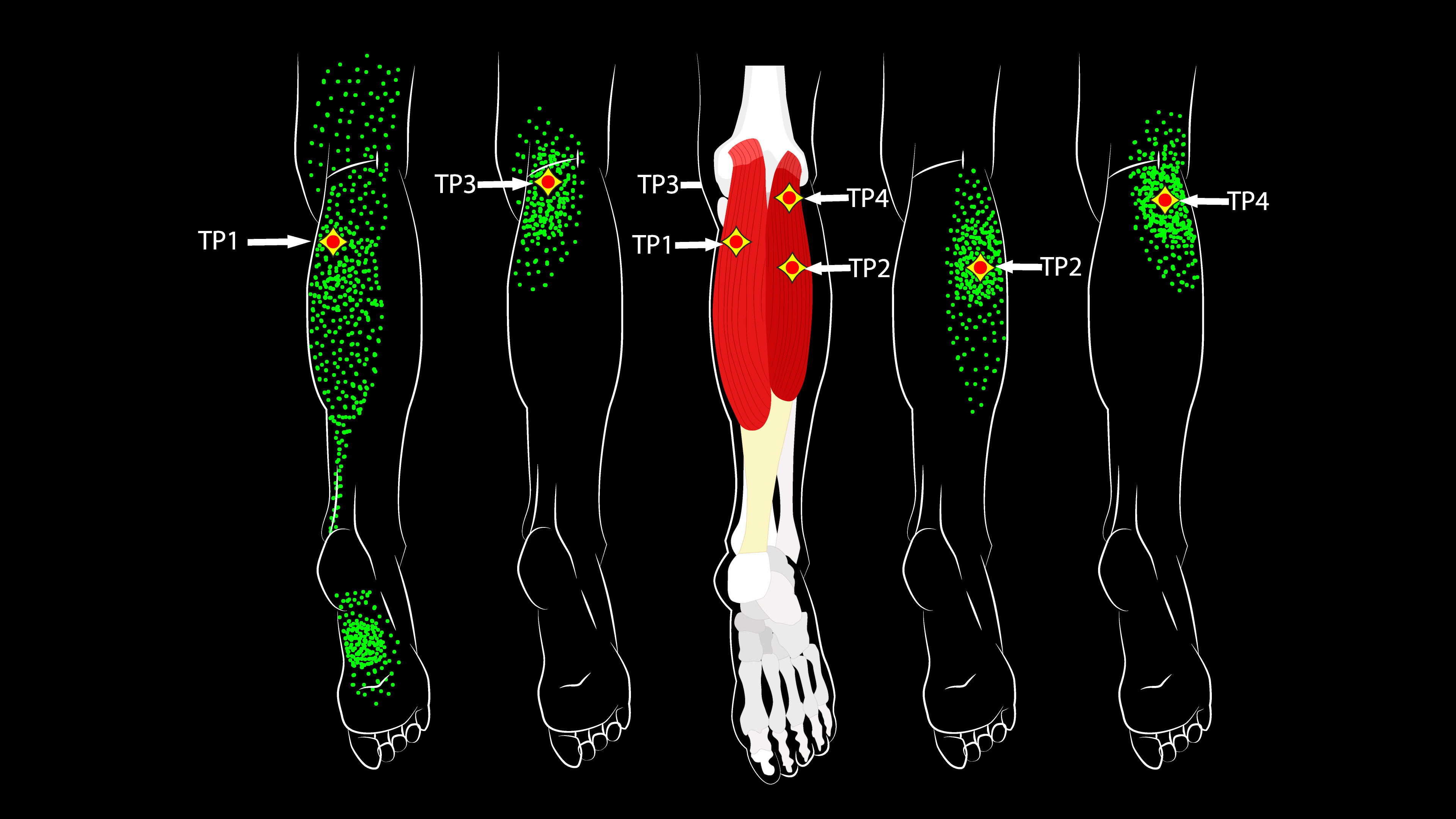
Trigger points can occur in a wide variety of tissue types at various locations throughout the body. Myofascial tissue is most commonly affected.
Furthermore, we find localized, tender areas of stiffness in the tendons, ligaments, bones, and subcutaneous connective tissue (fascia superficialis). The literature also identifies specific tender points that can be found at a particular location within the muscle in most people; however, they can develop anywhere where, for example, improper pressure or tensile stress is applied to the tissue.
Below is an overview of some areas of the body where these hardened areas frequently occur:
Upper trapezius muscle: Runs along the top of the shoulder joints and the neck.
Levator scapulae: Runs along the side of the neck, close to the shoulder blade.
Sternocleidomastoid: Located on the lateral front of the neck.
Lumbar region: Trigger points can also develop along the lumbar spine.
Paraspinal muscles: Muscles along the spine may also exhibit small, knotty areas of stiffness.
Biceps: On the front of the upper arm.
Triceps: On the back of the upper arm.
Hand extensors and flexors: in the forearms.
Gluteal muscles: These include the buttock muscles, particularly the gluteus medius and minimus.
Piriformis: A skeletal muscle that is part of the deep hip musculature.
Quadriceps: This term refers to the four-headed thigh muscle.
Hamstrings: These are the muscles on the back of the thigh.
Adductors: These are located on the inner side of the thigh.
Iliopsoas: This muscle group connects the hip to the lumbar spine.
Rectus abdominis: This is the name given to the straight abdominal muscles.
Masticatory muscles: Muscles in the jaw area.
Temporalis: The temporal muscle.
Suboccipital muscles: Small muscles at the back of the head near the spine.
08. Is the pain the same intensity at all trigger points?
This varies greatly not only from person to person, but even two trigger points on the same person can cause symptoms of varying intensity.
On the one hand, trigger points that are clearly palpable in the tissue may be noticeable but cause no discomfort whatsoever. On the other hand, you might barely feel the hardening in the tissue when palpating it, yet complain of significant pain.
Last but not least, it is crucial which surrounding tissue types are being “compressed” by the trigger point. If blood vessels are affected, blood flow to the affected area may be impeded, which can lead to oxygen deprivation and promote the development of new, downstream trigger points.
If, on the other hand, a nerve is compromised by the increased tension in the tissue of the pressure-sensitive point, stabbing nerve pain of the highest intensity may occur, significantly reducing the affected person’s quality of life.
09. When should you look for trigger points?

Treating Trigger Points for Back Pain
Many Central Europeans suffer from back pain. Nearly one in three adults experiences back pain regularly or frequently.
85% of all patients have no identifiable cause for their—sometimes debilitating—pain—simply because no cause can be found or identified.
Imaging of trigger points using ultrasound is still in its infancy, but it shows great promise and will hopefully soon be used as an imaging technique in medical practices.
And it is precisely when no underlying structural cause for the pain can be found that it is worthwhile to look for relevant trigger points.
Training programs on the topic of trigger points focus on classic, muscular pressure-pain points associated with the most common ailments and clearly outline the most important guidelines for application as well as contraindications.

Treating Trigger Points for Shoulder and Neck Pain
Similarly, with shoulder and neck complaints—which often accompany back pain—it is very often impossible to identify a specific underlying cause.
Significant relief can be achieved by treating these pressure-pain points.
Excessive tension in the muscles (recall the incorrect term “shortened” muscles) often leads not only to trigger points but also increases pressure on nearby joints, which then suffer from accelerated wear and tear.

Treating Trigger Points for Knee Pain
It is not uncommon for these states of tension and their consequences to lead to chronic pain in the knee region as well.
Over 50% of Germans report suffering from knee pain on a regular basis. We also recommend trying trigger point therapy for this type of pain.
10. How are trigger points released?
Various methods can be used for trigger point therapy.
The type of treatment depends primarily on the severity of the trigger points, as well as the accompanying symptoms and underlying causes.
Therefore, each patient must be assessed and treated individually.
Here are some options for trigger point treatment.
Self-massage:
If you have pain that is difficult to pinpoint to a single tender spot, you can apply pressure over a broader area by rolling with a foam roller or holding your hand on the painful area for a few seconds. This stimulates the trigger points.
But be careful: Too much pressure can lead to even more tension and may even pinch nerves. So those affected should proceed with caution when performing self-massage.
As an alternative to the broad-area method, you can search for individual trigger points in the painful area and use smaller tools to target your tissue more precisely—for example, with foam ballsor TRIGGER TOOLS, which are specifically designed for this kind of targeted application.
You can locate trigger points by paying attention to the signals your body is sending you. The stronger the pain signal, the more likely it is that you’ve found a trigger point.
In addition, you can use your fingers to feel whether the spot feels like a lump or a knot. This is another indication of a tender point.
You might even find that when you stimulate this point, another area of your body reacts. You’ve already learned about this as “referred pain.”
You now have two options:
Either you use your thumb as a “therapy tool,” as therapists generally do, or you use the much more thumb-friendly option—the TRIGGER TOOL or a fascia ball such asthe BALL 08. Using your thumb also gives you the option to massage out the noticeable nodules.
It’s best to decide for yourself which type of trigger point massage suits you and your body best. Note that muscular pain caused by excessive tension in the tissue usually subsides with the application of pressure. If you do not feel any relief after repeated use, please seek advice from a properly trained professional.
Manual Treatment:
A physical therapist stretches the muscle tissue using special hand techniques or a massage stick, thereby targeting and releasing the trigger points.
During manual treatment, the therapist must apply significant pressure to the painful area.
It helps to grit your teeth and remind yourself that the pain will subside after the treatment.
In physical therapy, patients should also learn to avoid poor posture and specifically strengthen their muscles.
Cold/Heat Therapy:
While cold (for example, by applying a special cold spray) can deactivate the trigger point, heat stimulates blood flow and thus helps relieve the pain.
Hot water bottles, heat patches, or cherry pit bags are suitable for initial treatment at home.
Dry needling:
In this method, a doctor or alternative practitioner inserts an acupuncture needle into the trigger point, which can lead to muscle relaxation and a reduction in local inflammation.

Shockwave Therapy:
If the trigger points are located very deep and are therefore difficult to reach, or if a large area of muscle is affected, shock wave therapy is recommended.
Medication:
If the pain is very severe, medication may also be appropriate for a short period of time.
In these cases, muscle relaxants or pain relievers are usually used.
Medications should only be taken after consulting a doctor and not on your own.

Trigger Point Injections:
If trigger point symptoms have already become chronic, muscle pain can also be treated with injections.
In this procedure, medication is injected directly into the trigger point using a fine needle to relieve tension in the tissue.
However, such injections should not be considered the first line of treatment but should only be used when all other methods have failed to relieve the symptoms.
Important: The measures listed above only treat the pain symptoms in acute cases.
During the course of treatment, patients should work with a doctor or physical therapist to identify the cause of the trigger points and discuss measures to prevent their recurrence.
11. Conclusion: Trigger Points
Although the muscle tightness caused by trigger points is minor, it can lead to many different types of pain and, in some cases, significant limitations in movement.
The good news: You can often take action yourself to release trigger points and relieve the pain. Keep in mind, however, that you shouldn’t just treat the acute symptoms—you should also investigate the underlying causes in the long term.
Because once you know what causes these knots in your body, you can take the right steps to prevent them from developing in the first place.
It’s best to decide for yourself which type of trigger point massage suits you and your body best.
Keep in mind that muscle pain caused by excessive tension in the tissue usually subsides with the application of pressure.
If you do not feel any relief after repeated use, please seek advice from a properly trained professional.

Trigger Point Massage for Pain Relief
You can use these products to release trigger points:
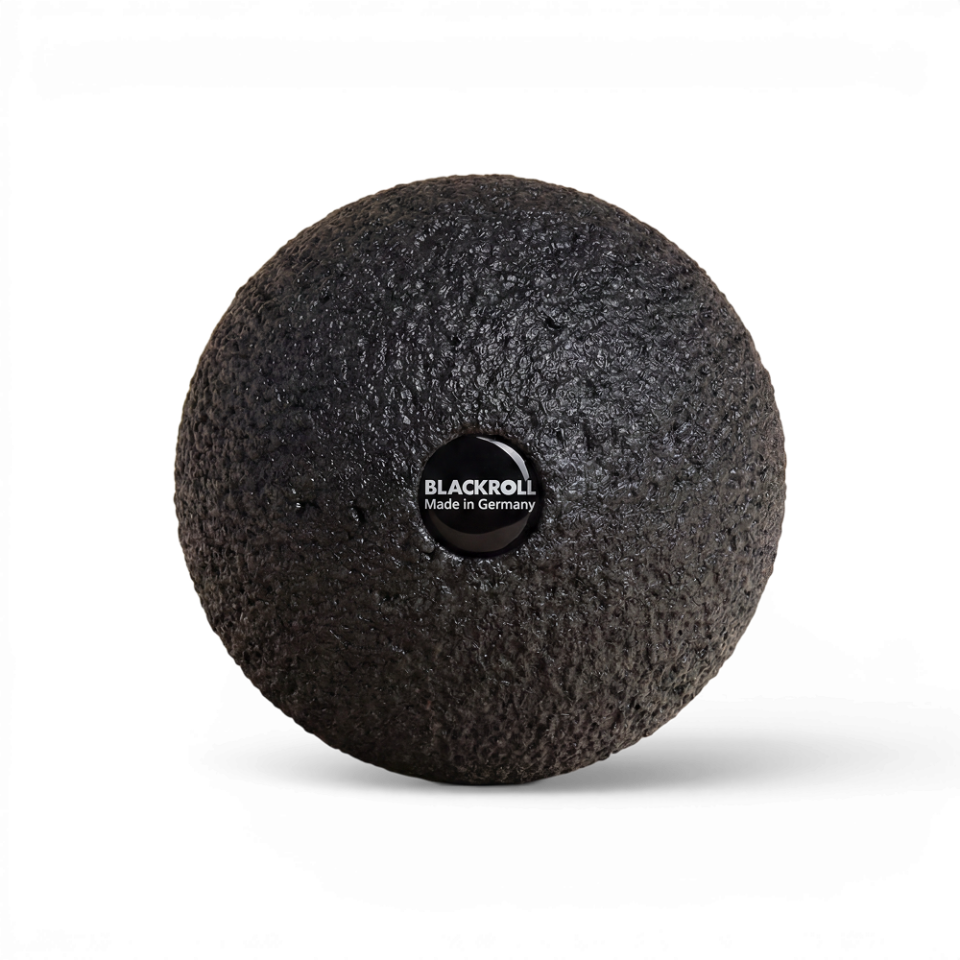

Ball 08
Available in multiple variants