Fascia Training During Pregnancy: Is It Worth It or Not?

Whether and how you can use a fascia roller during pregnancy.
For many pregnant women, this is exactly the question on their minds. Do you love to stay active, and is the foam roller your go-to tool for recovery and myofascial self-massage? During pregnancy, your body changes, and uncertainty about which myofascial techniques you can safely perform grows.
According to a study (P. Kristiansson, K. Svärdsudd, B. Von Schoultz) involving 200 pregnant women, 76% of the respondents reported having experienced back pain at some point during their pregnancy. It’s only natural to reach for the foam roller.
In the following article, you’ll learn how fascia training with the BLACKROLL® can help relieve pain and provide relief during pregnancy—and what contraindications you should be aware of.


Using the foam roller correctly—a treat for body and mind during pregnancy.
RelievingTension in the Shoulders & Neck
The shift in the body’s center of gravity during pregnancy causes muscular imbalances, leading to an imbalance in muscle and fascia tension throughout the body.
Gentle fascia exercises for the shoulder girdle and neck area release fascial adhesions, improving blood flow and nutrient supply to the muscles, allowing them to relax again. Applying pressure tailored to the individual to release tense neck muscles can help reduce headaches and migraines.
PreventingNumbHands
Many women experience increased fluid retention (edema), especially toward the end of pregnancy. This fluid retention causes tension in the musculo-fascial area (muscles and connective tissue), which can lead to symptoms such as tense neck muscles and swelling in the arms and legs.
This often leads to carpal tunnel syndrome (a compression syndrome in the hand), causing many women to struggle with numb fingers. Toward the end of pregnancy, fascial training using a fascia roller on the shoulder and arm muscles is therefore highly recommended to improve lymphatic and blood circulation and reduce edema.
Deepen Your Breathing
During fascia training (not just during pregnancy), you should focus on deep, calm breathing. This supplies you and your baby with more oxygen and activates your most important breathing muscle—the diaphragm.
Deep breathing promotes relaxation and stimulates the return of venous blood and lymph fluid back to the heart. This has a positive effect on swelling in the arms and legs.
SpinalMobilization Techniques
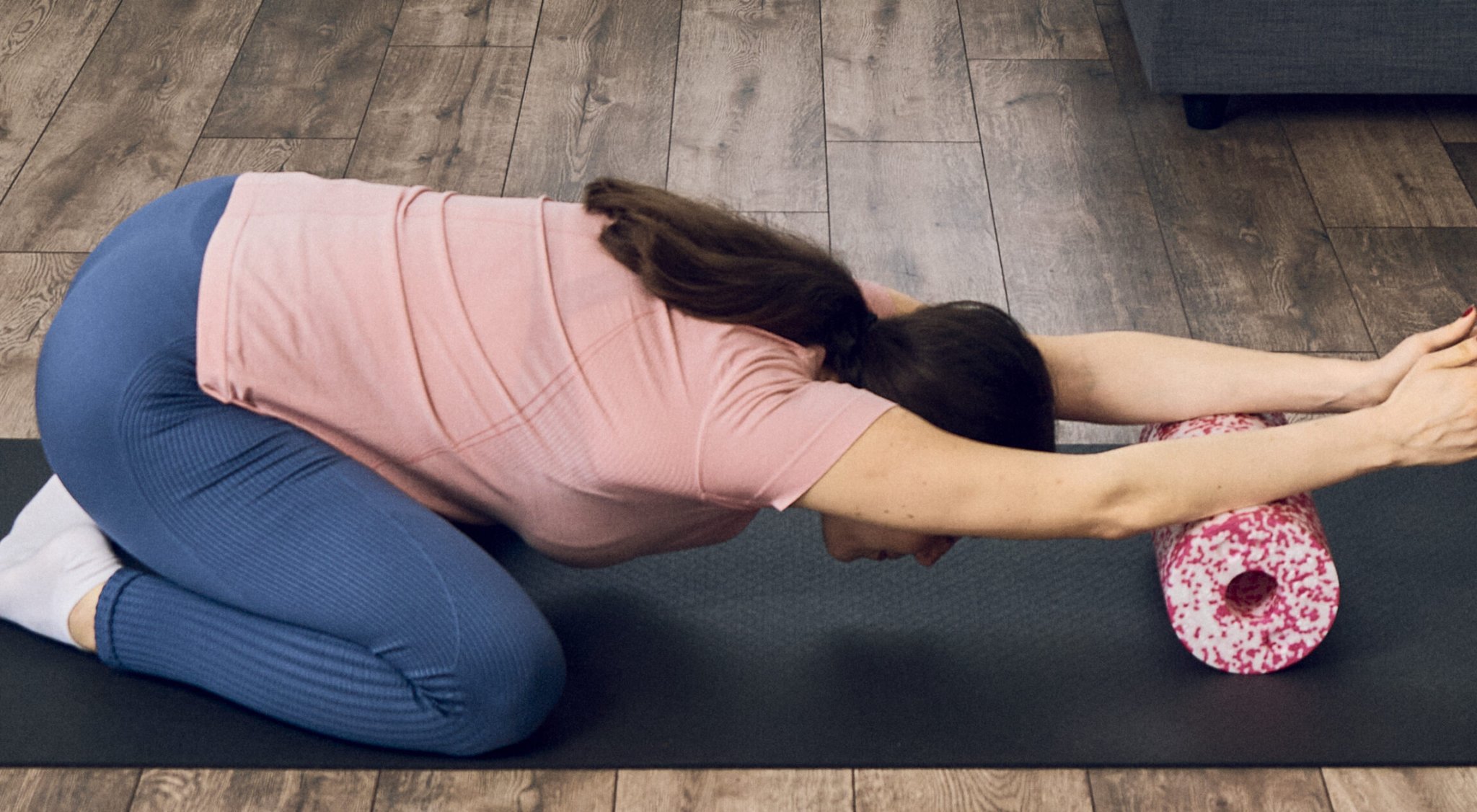
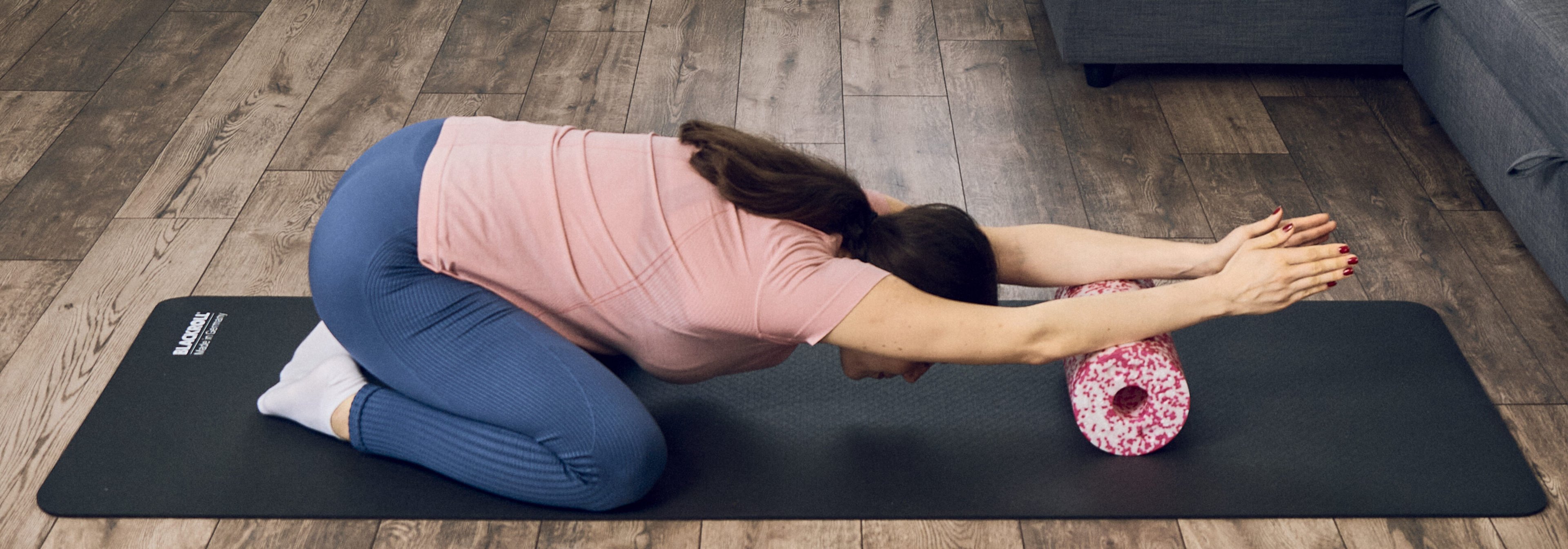
The foam roller is not only suitable for self-massage of the tissues but can also be used to assist with spinal mobilization exercises without applying any pressure to the fascia. The roller supports you during these movements.
Good trunk mobility reduces muscular imbalances and back pain, and promotes good posture.
Relaxing the Jaw Muscles
Tension and emotional stress, which are not uncommon before childbirth, can lead to increased activation of the masticatory muscles during the day and, especially, at night. The consequences can include “jaw clicking” when opening and closing the mouth, headaches, and tension in the masticatory muscles—even migraines.
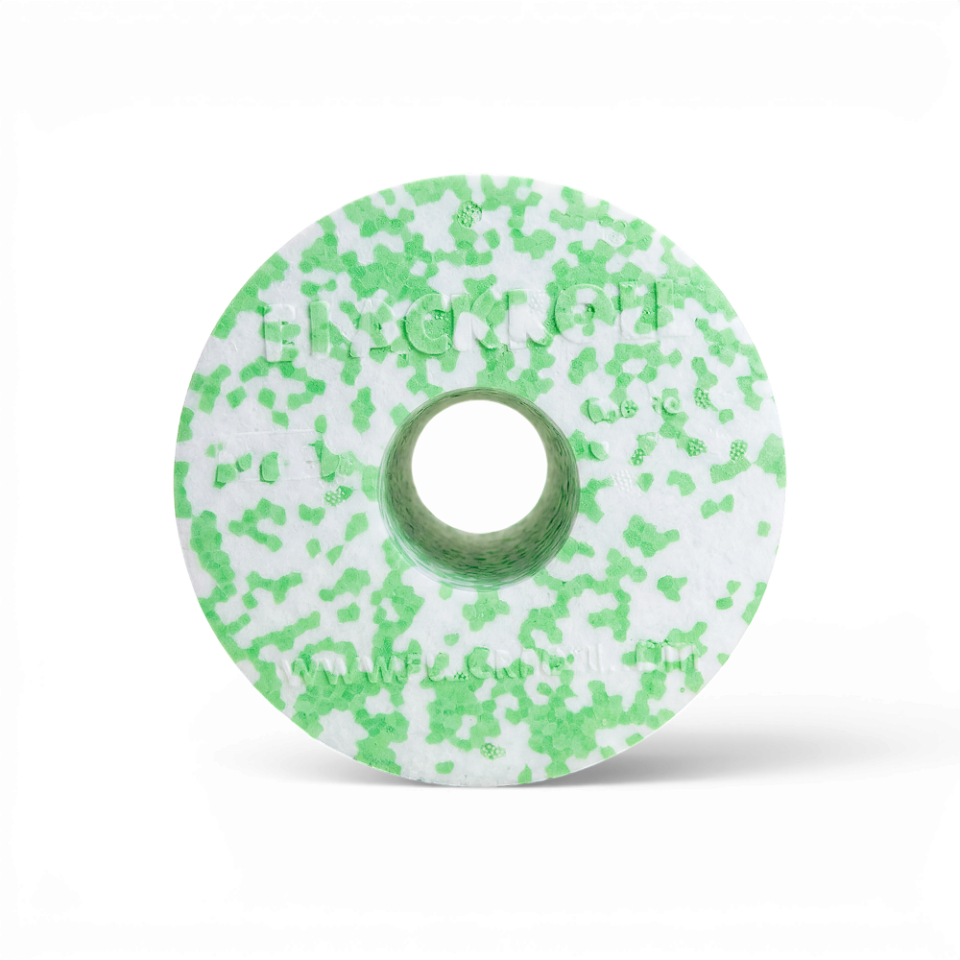
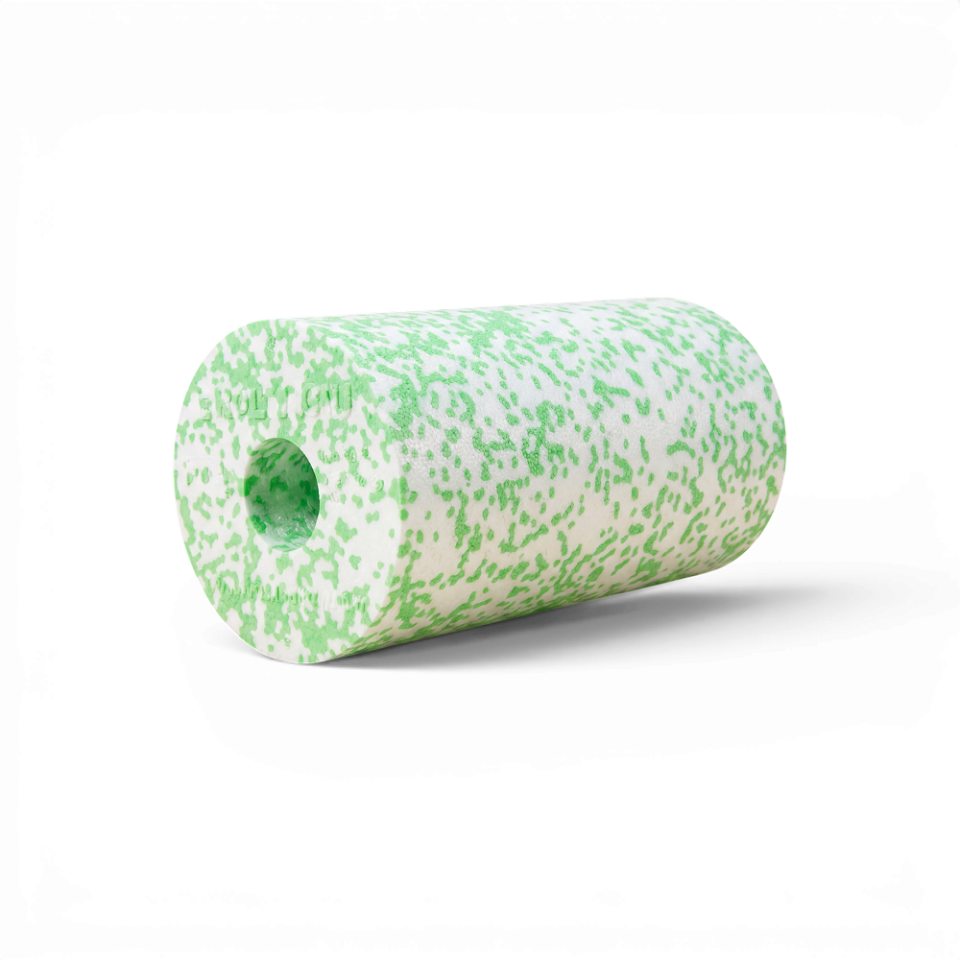
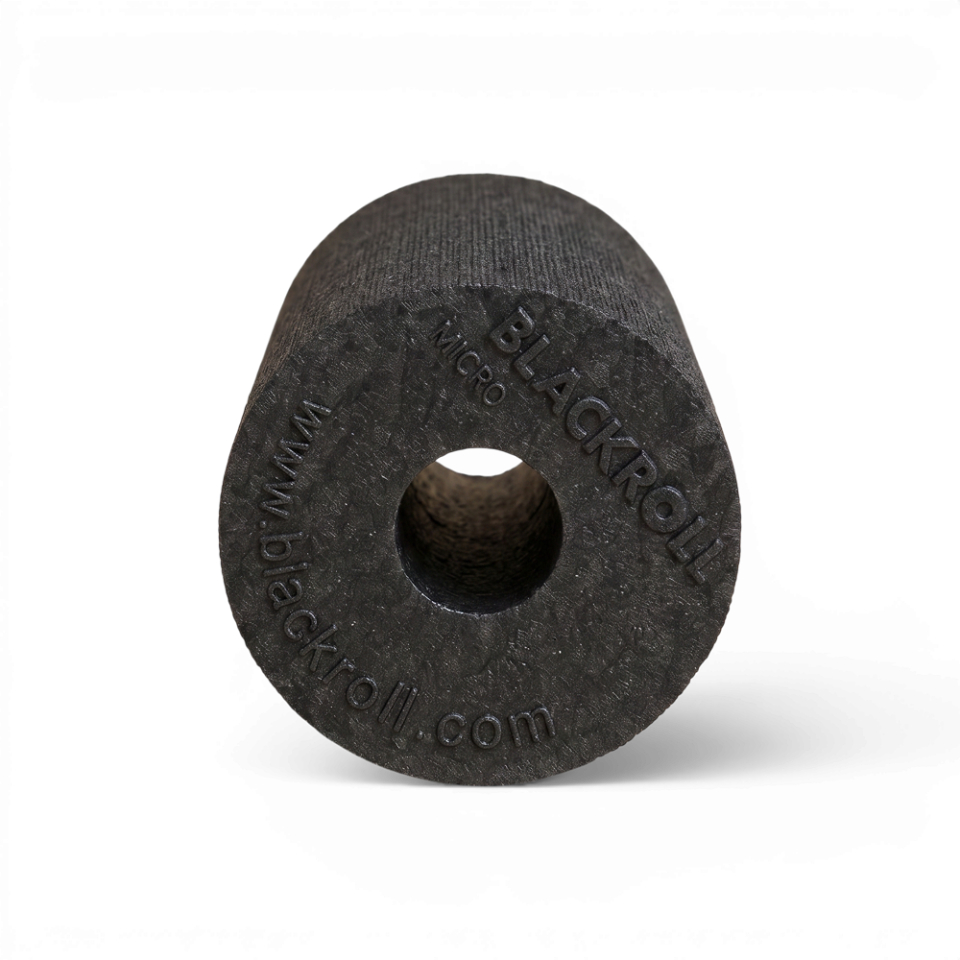
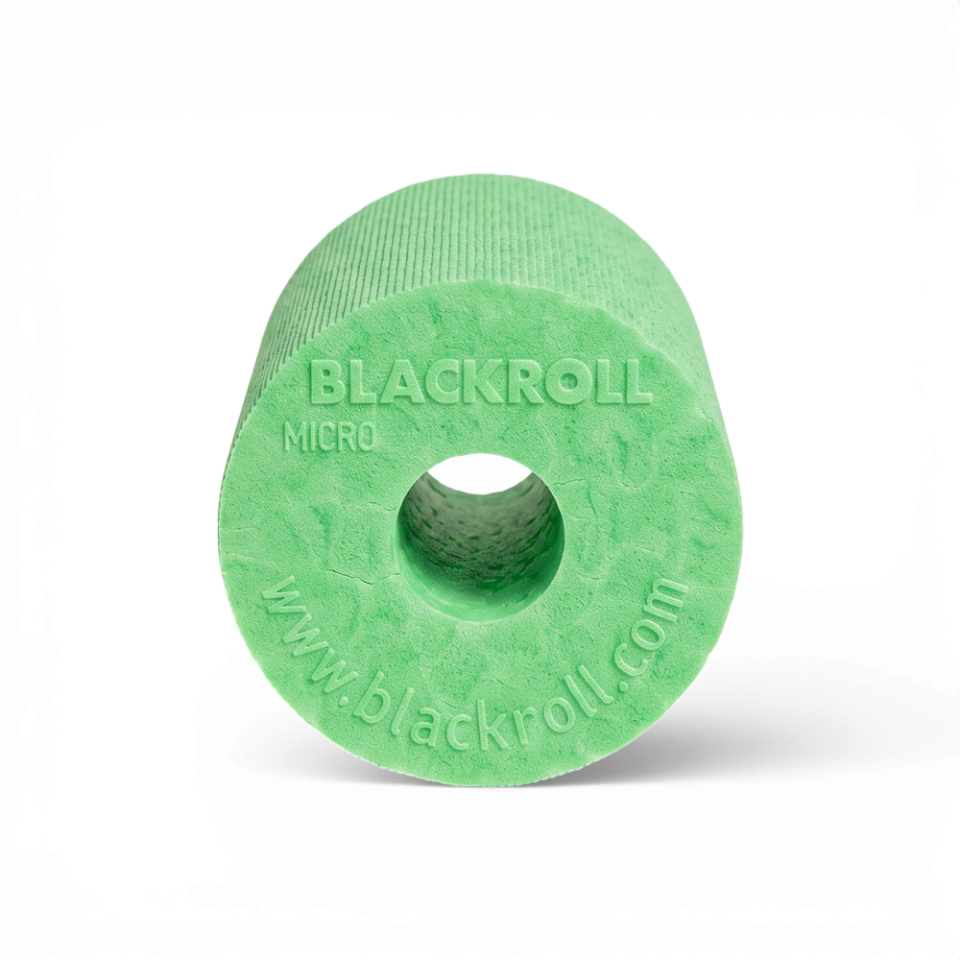
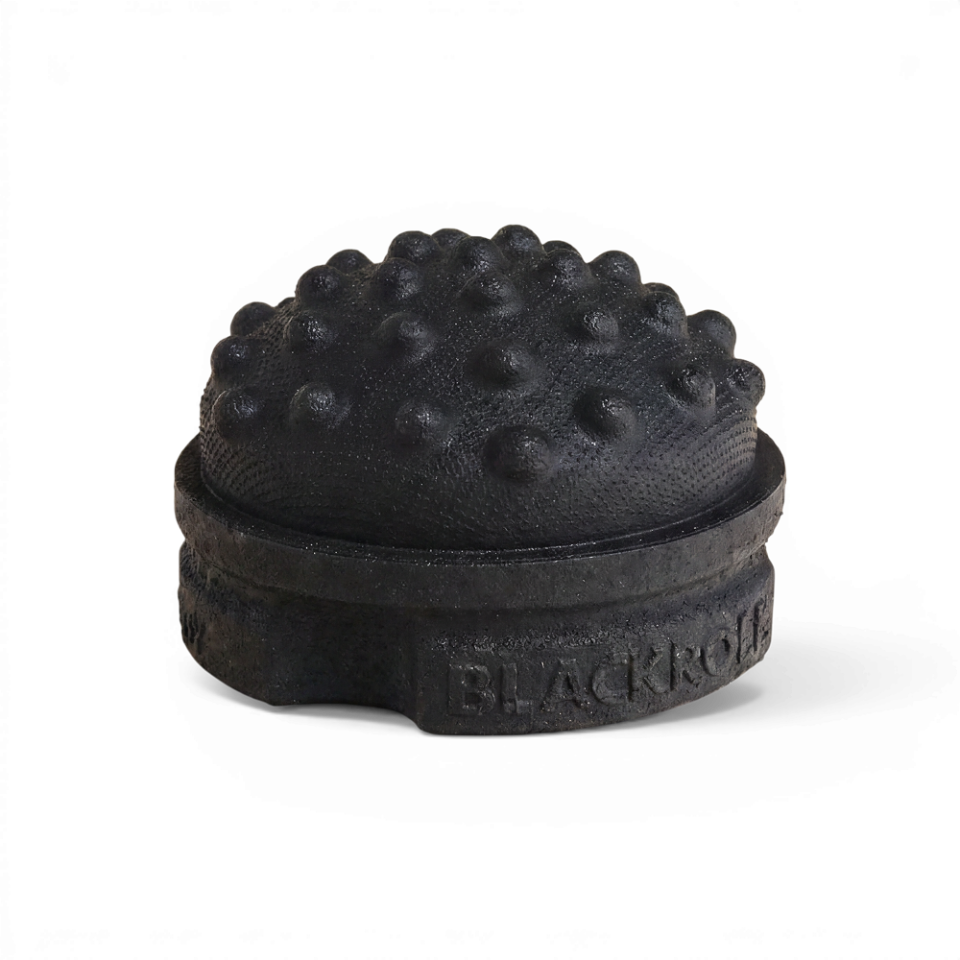
With the BLACKROLL® BALL, the BLACKROLL® TWISTER, or even the BLACKROLL® MICRO, these muscles can be worked on with ease and are safe to use during pregnancy.
The Importance of Fascia Training for Blood Circulation
During pregnancy, the expectant mother’s blood volume increases significantly to meet the fetus’s growing need for nutrients and oxygen.
This often results in increased strain on the cardiovascular system. At the same time, blood flow in the legs and pelvic area slows down, which can increase the risk of venous problems such as varicose veins and thrombosis. Good blood circulation is therefore essential for maintaining the mother’s health and ensuring your baby’s optimal development.
Regular exercise, such as light fascia training or prenatal exercise, can help promote blood circulation and keep the fascia healthy. Such activities also help reduce pregnancy-related discomforts like back pain and improve your overall body awareness.
You can safely use the BLACKROLL® fascia roller on these areas of the body even during pregnancy:
- Hands
- Forearms
- Upper arms
- Shoulder girdle
- Jaw muscles
Things to Keep in Mind When Doing Fascia Training While Pregnant
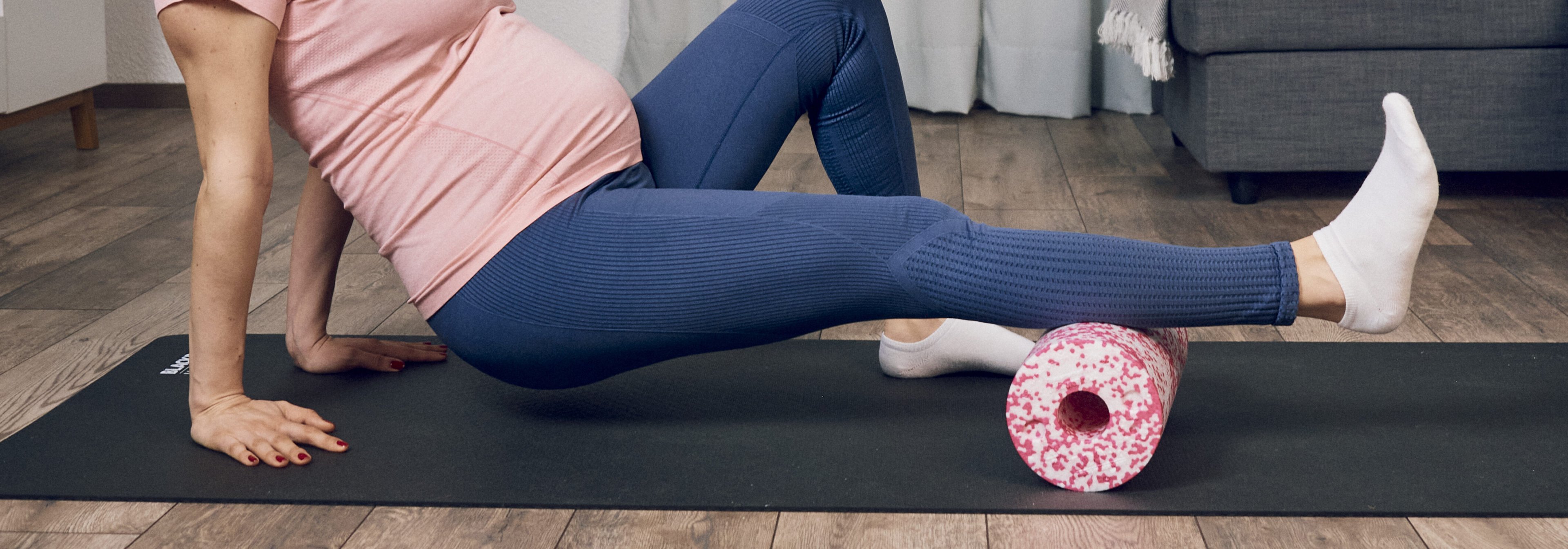
- Before you start training, it’s essential to discuss this with your obstetrician
- Make sure to perform the exercises moderately and without causing pain
- Perform the myofascial self-massage slowly for about 30 seconds per body region
- Make sure to breathe calmly and deeply
- To apply the right amount of pressure to the tissue, we recommend using the BLACKROLL® MED, which is 20% softer than the BLACKROLL® STANDARD
- For better pressure control, you can perform the exercise while standing against a wall
Pregnancy Workout Routines:
Discover our exercise routines for pregnancy and beyond. They’re specially tailored to your needs. The focus is on strengthening, but you’ll also learn how to use the foam roller during the cool-down. >


Just as important as mobility through myofascial training is stabilization through moderate strength training to prevent pain and muscle weakness during pregnancy.
We’ve put together two prenatal BLACKROLL® pregnancy workouts for you, featuring exercises to stabilize and strengthen your back, shoulder girdle, core, and pelvic muscles.
It’s best to do these 2–3 times a week. Of course, the routine also includes myofascial release for recovery after your workout during pregnancy.
Which areas of the body you should avoid during fascia training while pregnant
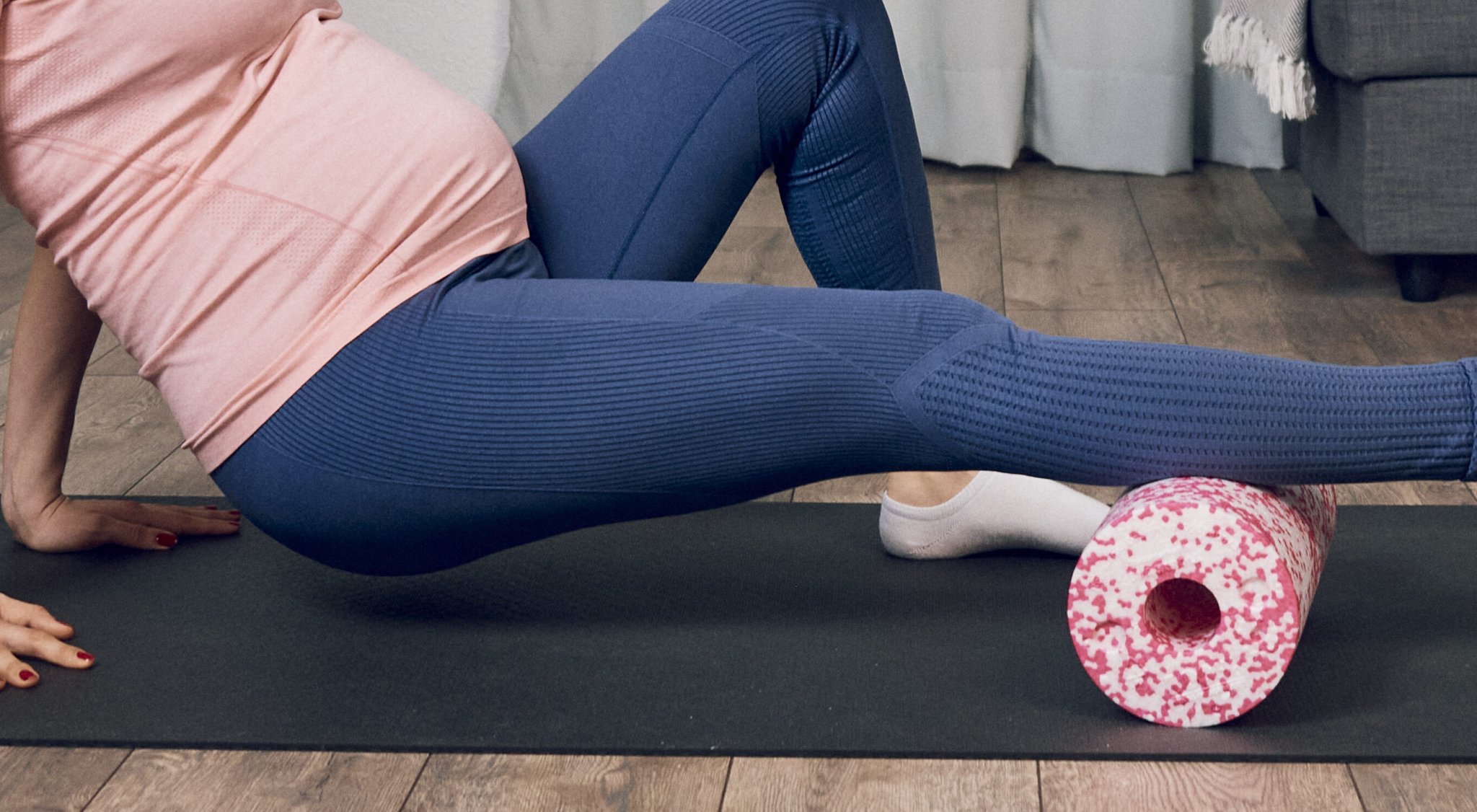
Your legs
Pregnancy causes hormonal changes in your body. Hormones such as estrogen, progesterone, HCG (human chorionic gonadotropin), and HPL (human placental lactogen) lead to increased water retention in the skin, which can cause tension in the fascia. The hormonal changes and the increased pressure on the pelvis from the growing baby slow down blood flow, affect blood clotting, and cause the blood vessels to dilate. This can particularly affect the deep veins in the legs, increasing the risk of thrombosis (blood clots). This is why you should avoid fascia training and refrain from vigorous leg massages to prevent a potential blood clot from breaking loose.
Your Feet
The acupuncture points, which have their origins in Traditional Chinese Medicine (TCM), should not be underestimated when it comes to fascia training during pregnancy. There are 365 of these acupuncture points, each associated with an organ or a region of the body. Areas related to the urinary and reproductive systems are associated with the soles of the feet and the calf muscles. To avoid premature and unwanted contractions, you should avoid these areas.
Your Pelvis and Lower Back
During pregnancy, hormonal changes also cause the pelvic ring to soften, which can lead to instability in this area, as well as symphysis pubis diastasis and back pain. Applying fascial techniques with the BLACKROLL® could increase mobility, which might lead to the onset or worsening of back pain.
Warning: If you have a high-risk pregnancy—such as one with a history of preterm labor or complicated previous pregnancies—or if you suffer from general medical conditions like epilepsy, diabetes, or high blood pressure, you should refrain from training with the roller.
Massage Guns During Pregnancy
In general, you should exercise caution when using massage guns during pregnancy. However, if your pregnancy is progressing normally and without complications, you can use them carefully on certain parts of the body, such as your arms, feet, and neck.
You should also be able to find information on this in the user manual for your massage gun. Nevertheless, it’s important that you always discuss this with your doctor first.
Please note that during pregnancy, you should not use vibration massage on your (lower) back or abdomen.
Conclusion
Gentle rolling with the BLACKROLL® fascia roller has a positive effect on muscular imbalances even during pregnancy and helps promote relaxation and relieve tension. In addition, fascia rollers provide optimal support for mobilization exercises without exerting any pressure on the tissue.
A healthy diet can also positively influence the health of the fascia during pregnancy. Make sure to stay well-hydrated and eat a nutrient-rich diet high in vitamins and minerals as part of your daily routine.