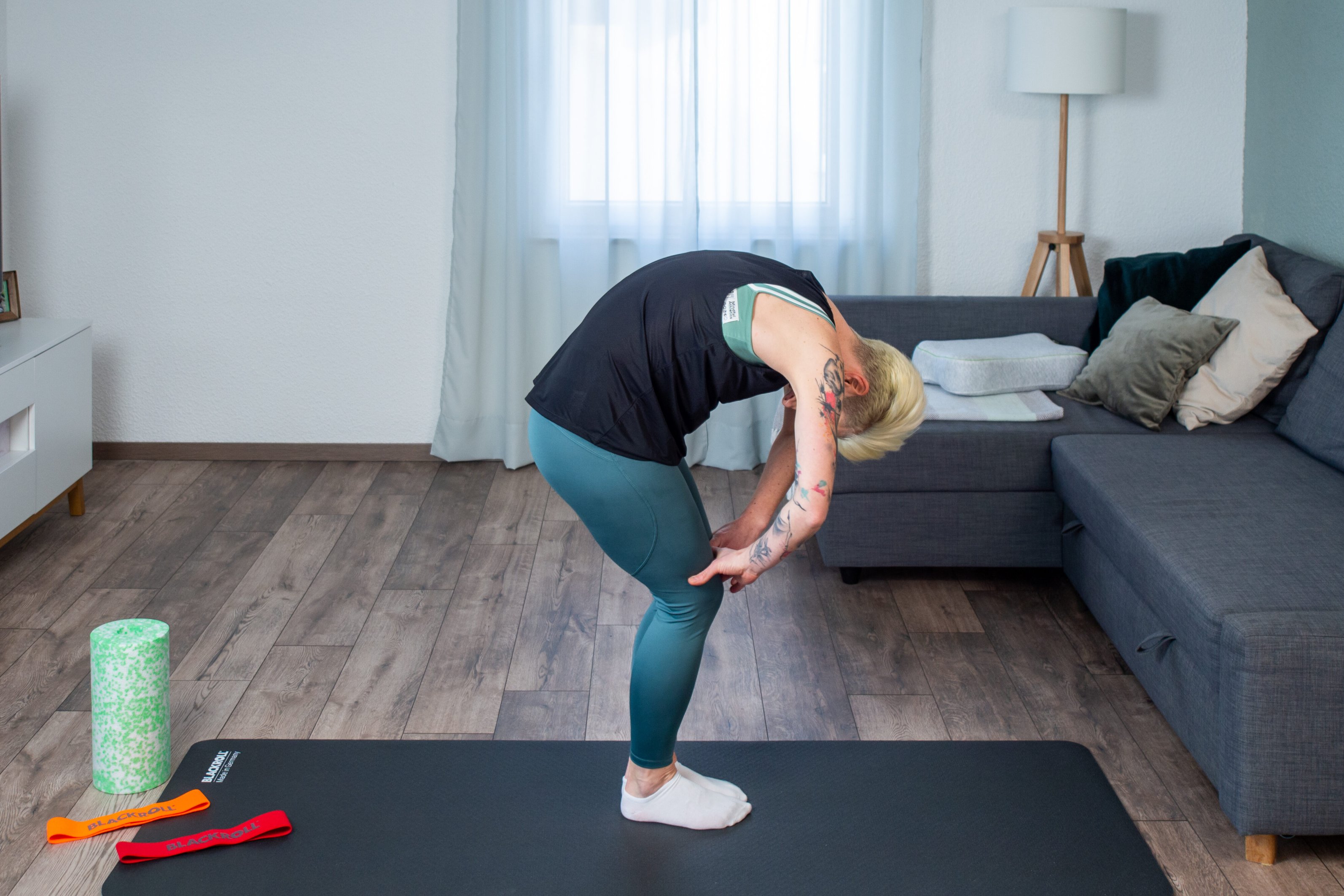
Postpartum Recovery: What Matters Most

Tina HohlochPregnancy & Postpartum Recovery Expert
Many women can’t wait to resume their usual workout routine after pregnancy to get back to their former fitness level, regain a strong core, and close the separated abdominal muscles (rectus diastasis). Postpartum recovery and the healing of the detached placenta in the uterus begin on the very day your child is born. The so-called postpartum period spans approximately 8–12 weeks after birth and can progress at very different rates. During this time, you should take it easy, recover from any birth-related injuries, and avoid excessive exertion, such as intense exercise and heavy lifting. Depending on the type of delivery, you can begin postpartum recovery exercises after about 8 weeks, with the approval of your midwife or a gynecologist. Find out here what you should focus on during your postpartum recovery after your baby’s birth.
01. Postpartum Recovery – Scars
Whether you had a vaginal delivery (with an episiotomy or perineal tear) or a C-section, scars will form. Once the wound has fully healed, the fascia—the connective tissue in this area—should be mobilized to prevent adhesions or functional limitations. Mobilize this area daily by gently moving the scar along the subcutaneous tissue. Many women are unsure how firmly they should mobilize this area or associate emotional stress with the scar. A physical therapist or osteopath can assist you with this.
02. The foundation for effective postpartum recovery—upright posture & pelvic floor activation
It’s especially important after pregnancy to regain awareness of an upright posture and a stable core. To do this, you should be able to reconnect with and activate your abdominal core, which consists of the pelvic floor, abdominal and back muscles, and the diaphragm. The pressure your baby exerted on your pelvic floor and a vaginal delivery may have weakened or possibly injured this vital muscle. We recommend incorporating pelvic floor exercises into your postpartum recovery routine even after a C-section. Your baby has been resting comfortably on this muscle for several months—now it’s time to reactivate it.
Effective pelvic floor exercises as part of postpartum recovery also include intensive breathing techniques that engage your diaphragm and pelvic floor. Train your pelvic floor several times a day as part of your postpartum recovery (at least 3 sets of 20 repetitions), and pay attention to both contraction and relaxation to avoid straining the muscle too much. Once you’ve mastered this exercise, you can confidently begin a moderate workout routine tailored to your postpartum recovery.
"This crucial prerequisite for an active pelvic floor is often overlooked in postpartum recovery and post-birth training because the desire for a more intense workout after pregnancy is so strong. But this is exactly what paves the way for optimal postpartum recovery."
Tina Hohloch, Expert in Pre- and Postnatal Training
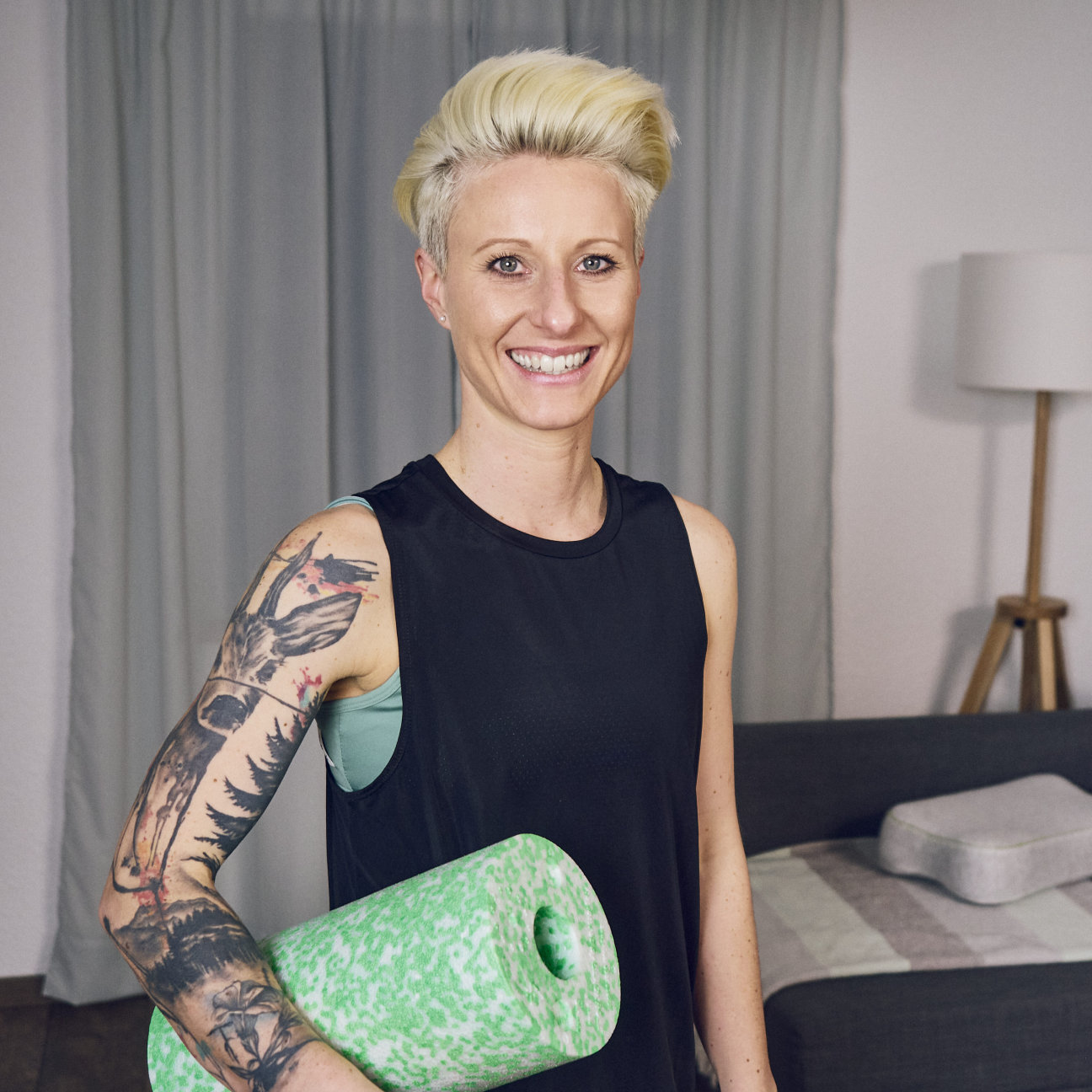
03. Why a stable core is so important for effective postpartum recovery
Muscle imbalances in the core lead to imbalances that can result in inconsistent stress distribution or trigger back pain due to instability. Hyperlordosis (exaggerated lower back curve) of the lower back during pregnancy leads to reduced activity in the gluteal muscles. Maintaining an upright posture strengthens these muscles again, thereby relieving pressure on the muscles and fascia of the lower back.
Therefore, try to remember to maintain an upright posture as often as possible and to engage your pelvic floor regularly. This is especially important when you’re holding your newborn. Core training should definitely take precedence over endurance training to prevent damage to the pelvic floor and any associated prolapse of the pelvic organs.
04. Postpartum Belly Recovery – Rectus Diastasis
When working on postpartum belly recovery, your primary focus should be on closing the rectus diastasis. You should encourage this gap to close. Since many women initially find it very difficult to engage their pelvic floor and abdominal muscles during strengthening exercises, we advise against doing abdominal exercises while lying on your back. In this starting position, it’s often impossible to keep the rectus diastasis closed. This could prevent the gap from closing or, in the worst case, even worsen it. So avoid typical sit-ups and train in a closed system, such as on all fours or in a forearm plank.
Medically speaking, rectus diastasis is only diagnosed when the gap is 2 cm or wider. Often, this layer of fascia does not close completely. Don’t let this bother you—what’s important is that you gain good control over your core muscles and know what to look out for during your workouts.
When You Can Start Ab Workouts Again
For every exercise, you should be able to pull your belly button inward and maintain good tension in your lower abdomen. Then nothing will stand in the way of your workout.
In this case, guidance from a physical therapist, midwife, or pelvic floor specialist can be very helpful. Love balls or other pelvic floor trainers can support you during your workouts by providing biofeedback.


05. Postpartum Recovery – Pelvic and Leg Stability
Hormones such as estrogen cause our tissues to soften. Instability in the feet, morning pain in the ball of the foot, and knee pain are problems that can occur when the pelvic and leg muscles lack stability after pregnancy.
Incorporate and activate these muscles at the beginning of each workout, or integrate exercises into your daily routine to restore stability to these muscles. This helps prevent injuries to the ankles and knees.
06. Postpartum Recovery – Back Tension
Imbalances in the core muscles can lead to adhesions in the back’s fascia, in particular. Many women suffer from deep-seated back pain and/or tension in the neck area and wrist pain after pregnancy, which are exacerbated by breastfeeding and frequently carrying the baby.
This is where the fascia roller can help. With myofascial self-massage, you can relax your back fascia. Years of experience have shown that the lower back and lateral core muscles, in particular, benefit from fascia training.
Regardless of your exercise routine or postpartum recovery program, you can safely use the fascia roller to massage yourself every day or every other day. If the BLACKROLL® STANDARD causes pain, we recommend switching to the softer BLACKROLL® MED.

Self-massage with the 20% softer fascia roller
Med07. Postpartum Recovery – Tips for Your Workout After Pregnancy:
- Before you start training, it’s important that you’ve already had your postpartum checkup with your gynecologist and received the go-ahead from your midwife to begin your postpartum recovery.
- Start a postpartum recovery class with a specialist about 8 weeks after giving birth.
- You should feel good during and after your workout. Pay attention to your body’s signals. Nausea and discomfort can be signs that you’re overexerting yourself. It’s better to work out more frequently but at a more appropriate intensity.
- Daily pelvic floor exercises will benefit you and help strengthen your core.
- Maintain good posture.
- Strengthen your pelvic floor and engage your abdominal muscles before starting a workout.
- Focus on engaging your abdominal muscles during core exercises.
- Encourage your rectus diastasis to close.
- Incorporate stabilization exercises into your workout.
- Keep your workout intensity moderate, and don’t start endurance activities—such as jogging—until at least 6 months after giving birth.
- Use a foam roller to release tension, especially in your lower back and the lateral core muscles.
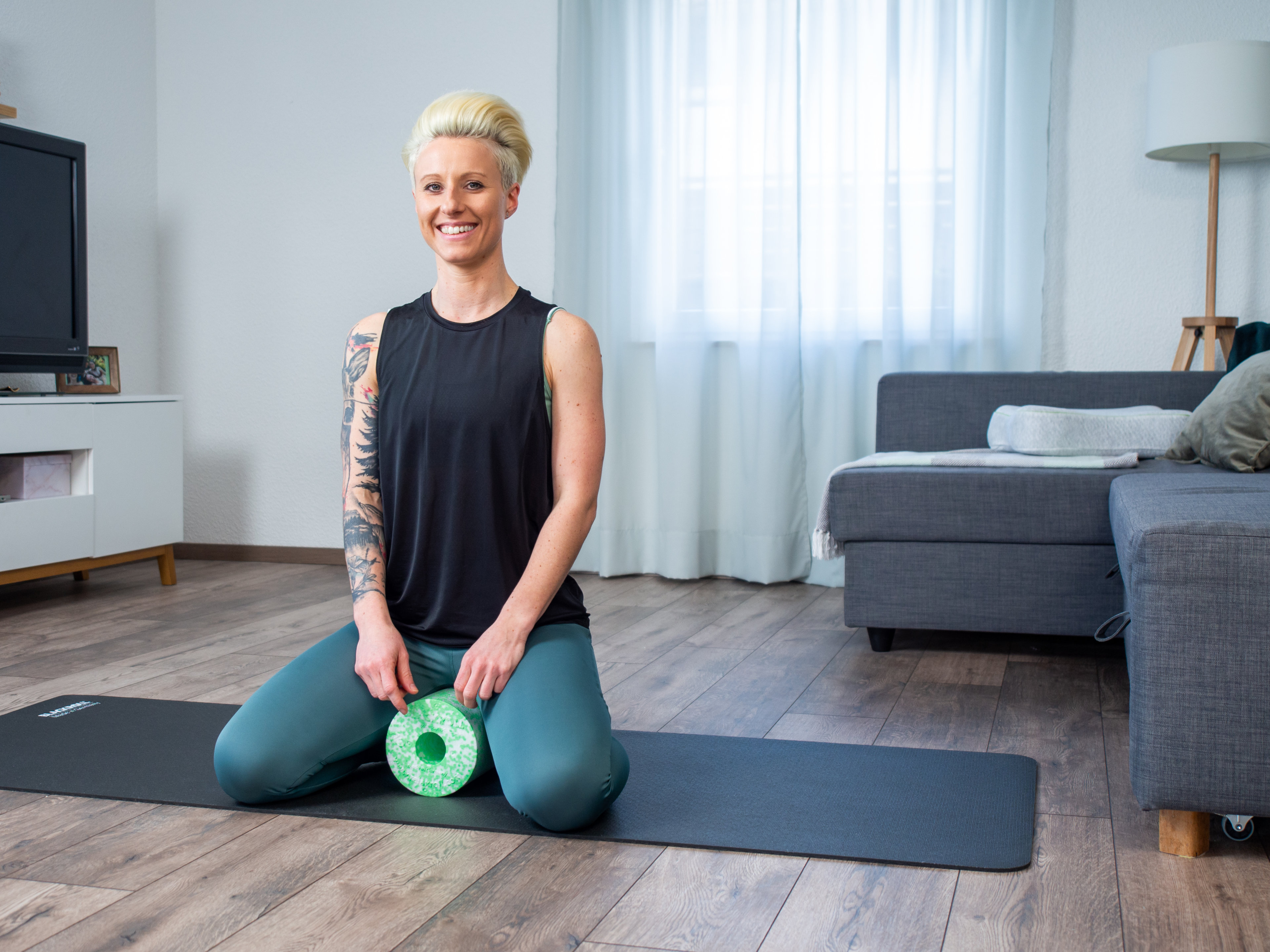
Your Optimal Postpartum Workout
We’ve put together a postnatal BLACKROLL® workout for postpartum recovery, designed for about 12 weeks after pregnancy. Get started right away!
Products for postpartum recovery:
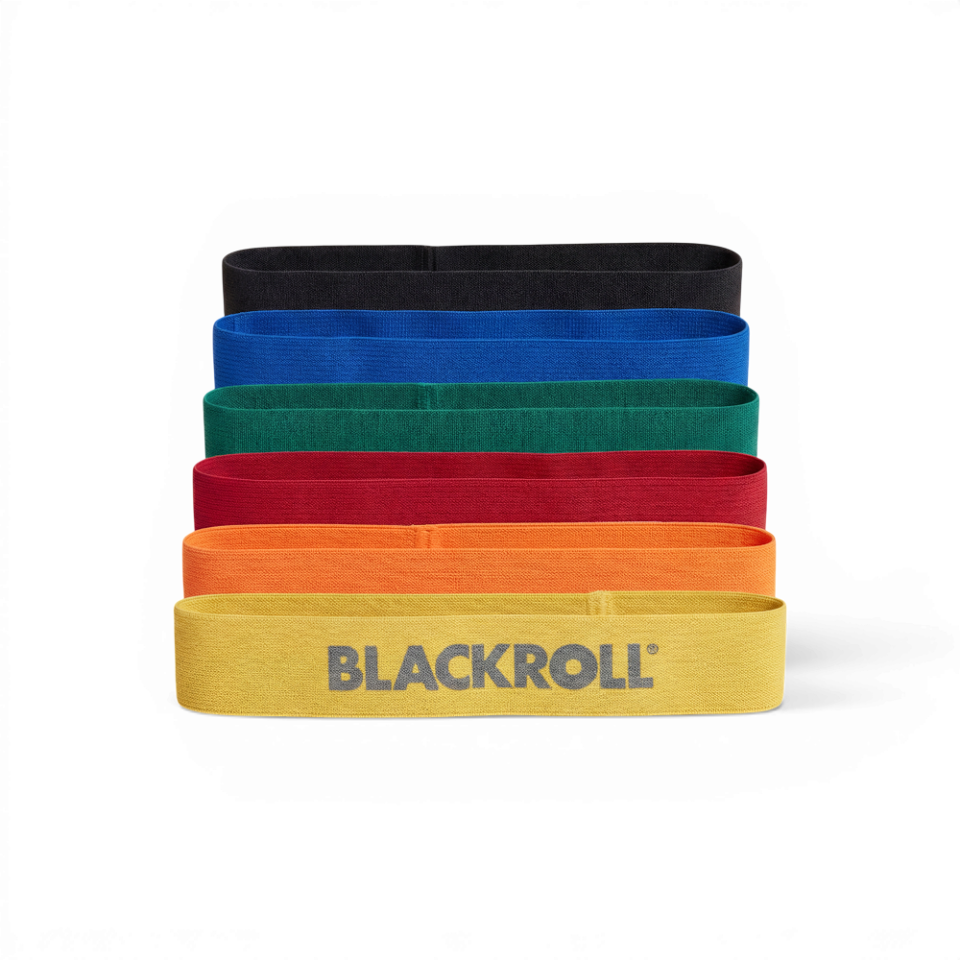
Resistance band set
€69.90
Foam roller
€34.90
Exercise mat
Mat
Available in multiple variants
from€79.90