
Regeneration: Why It’s So Important for Body and Mind

When we think of regeneration, we almost always think only of physical regeneration. But regeneration is far more than just rest, sleep, and a healthy diet.
On a biological level, regeneration is a comprehensive process that is primarily aimed at restoring, renewing, and repairing tissue and muscles after exertion or injury.
In fact, this vital component of recovery plays a major role in a wide variety of areas of daily life—at work and for mental health. We view regeneration not only as an important process in sports, but also as an all-encompassing framework for our health and our lives.
In this article, you’ll learn what regeneration means beyond athletic performance and how we can support our physical, mental, and emotional regeneration.


Regeneration: A Holistic Perspective
Regeneration manifests itself in various forms, ranging from the biological renewal of the body to the environmental restoration of damaged ecosystems. The reconstruction and revitalization of the natural environment, as well as the emotional and physical regeneration of an individual, contribute to our understanding of health.
Our adaptability and resilience—demonstrated by both nature and the human body—are key elements for a sustainable and vibrant existence. Clean air, pure water, and healthy food are just a few of the fundamental conditions we need for our own health and well-being to initiate regenerative processes.
Regeneration, in the classical sense, can refer to the mental, emotional, or social renewal of a person or community. Regeneration can take the form of active relaxation—such as exercising, going for a walk, or practicing yoga—to refresh and revitalize the body and mind. However, regeneration can also be passive, involving the use of specific regeneration techniques to help us recover. Unlike recovery, which encompasses various physical, mental, and emotional activities and measures, regeneration focuses on specific physical processes. Recovery can be mental, emotional, spiritual, sensory, social, or creative.
At the cellular level, regeneration refers to a process in which damaged cells divide and regenerate to repair injured tissue. It involves the repair of tissues and organs such as muscles, bones, and skin. Literally, regeneration means “re-creation.”
Regeneration is therefore an active biological process that requires time and energy. Just as nature needs periods of rest—which are supported by renewable energy or sustainable practices—so too do our bodies and minds need long-term strategies that promote our regeneration. To promote regeneration, we should therefore integrate various elements—such as sleep, nutrition, hydration, and active regeneration techniques—into our daily lives.
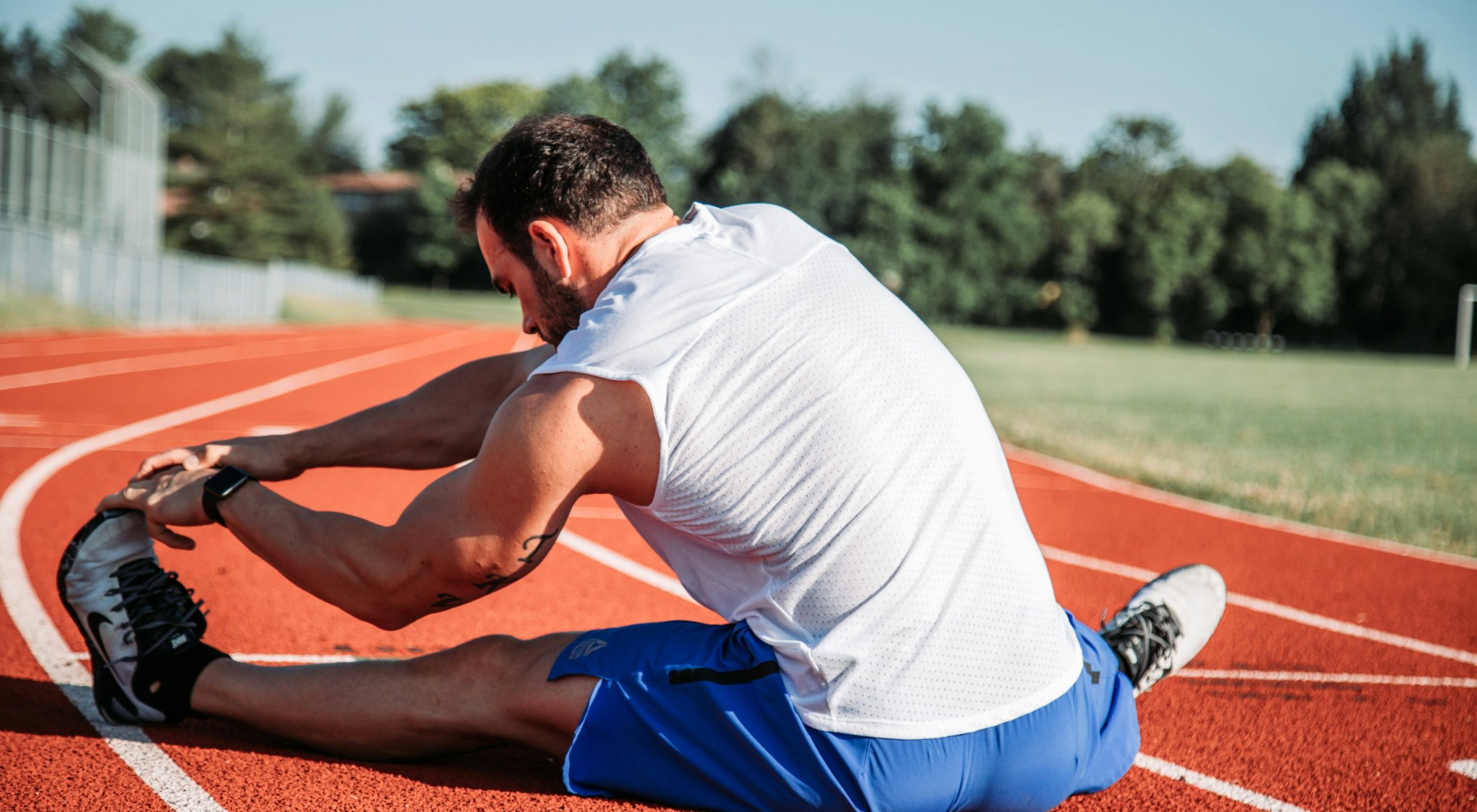

You should incorporate these recovery techniques into your daily routine
Regardless of whether you exercise daily or not, you should regularly incorporate recovery techniques into your day. Especially if you have a hectic daily routine and have to juggle work, career, family, friends, hobbies, and relaxation, recovery should be an integral part of a harmonious and balanced life.
By incorporating these recovery techniques into your daily routine, you can optimize your recovery:
- Relaxation and Stress Relief: Regularly incorporate relaxation techniques such as meditation, breathing exercises, or yoga into your routine to reduce stress in the long term and find more balance in your daily life.
- Incorporate periods of rest: Regeneration and rest should be a fixed part of your daily schedule. Sit down in a quiet place for a few minutes, close your eyes, and focus on your breathing. Not only your body but also your mind will begin to wind down, stop the constant stream of thoughts, and reduce stress. A 20- to 30-minute power nap or a walk can also be part of your rest periods.
- Mindfulness and self-care: two elements we tend to completely neglect. When was the last time you did something just for yourself, and not for someone else? Take a warm bath, treat yourself to a full-body massage, read a book, or enjoy a relaxing sauna session. No matter what you choose to do: Stay fully present and do what you enjoy to replenish your energy reserves and strength.
If you don’t give your body and mind a chance to initiate certain recovery processes, chronic fatigue, reduced stress tolerance, and decreased performance will become the norm.
An effective recovery process, including both physical and mental recovery techniques, is also crucial for your recovery from injuries and illnesses, as well as for your overall health and vitality.
Improved recovery capacity not only reduces the risk of injuries but also makes your body more resilient to stress, whether mental or physical.


How to Boost Your Body’s Recovery Ability
You can not only optimize recovery but also train your body’s ability to recover. As a general rule: The more often you use certain techniques, the more regularly you incorporate them into your daily routine, and the more conscientiously you perform them, the faster your body learns to recover.
Take any motor skills as an example. When you first learn to serve in volleyball, it takes some time before you’ve automated and perfected the technique. Eventually, however, you no longer even think about how the technique works, and you simply hit one ball after another over the net. The learning process for motor skills is therefore a continuous one that is fostered by regular and targeted training.
Similarly, improving your body’s ability to recover is a lifelong process that requires patience and a mindful lifestyle. Incorporate recovery practices into your daily routine, and make sure to eat a healthy diet, get enough sleep, and use active relaxation techniques and stress management strategies.
If you apply these measures regularly and consistently, you can improve your body’s ability to recover and lead a healthy, energetic lifestyle in the long term. Your body and mind will thank you!


Mental and Emotional Recovery: Tips for Your Mental Well-Being
Mental and emotional recovery is important for your overall well-being and is essential for reducing the constant sensory overload of everyday life. Recovery techniques like those described above—which incorporate meditation, mindfulness, and relaxation—are ideal for this.
However, there are a number of other steps you can take to boost your mental well-being:
- Social Interactions: Nurturing your friendships can help break negative thought patterns and strengthen your emotional well-being.
- Nature and fresh air: Take a walk in the fresh air, have a picnic with friends in the park, or enjoy the gentle murmur of a river. Activities in nature will calm and rejuvenate your mind.
- Creative expression: Keep a journal, play the piano, or dance freely to your favorite song. Tend to your tomato plants. Take pictures of your pet. Spend time doing something that creates a deep connection with yourself—an activity where you can switch off and relax completely.
Performance and Recovery After Intense Exercise
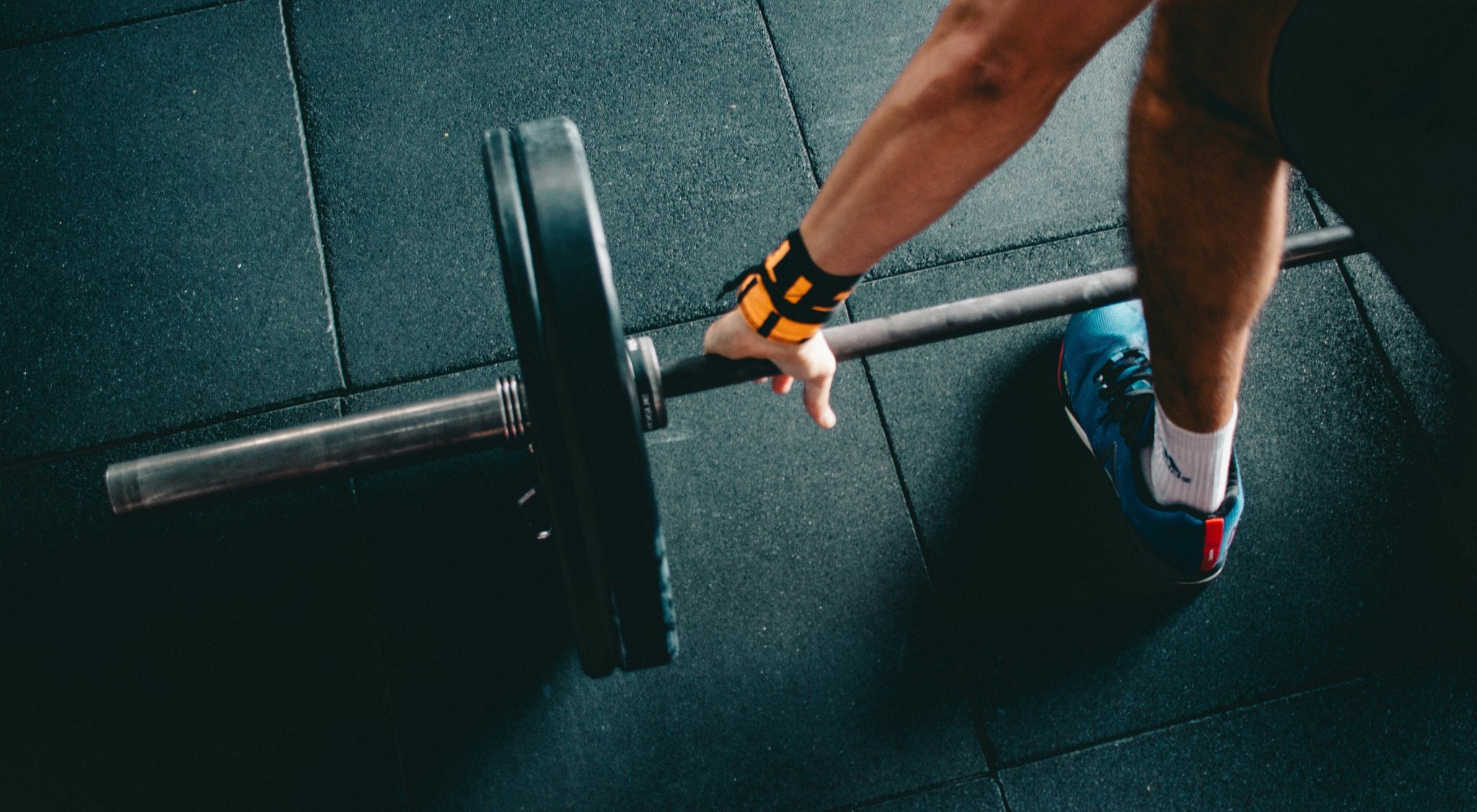
There are many studies on the body’s performance and performance enhancement. The fact is that recovery does not occur during exercise, but rather during the subsequent rest phase. Proper recovery should be initiated not only with an appropriate warm-up but also with a suitable cool-down during every training session. These prepare the body for the upcoming exertion or the subsequent recovery phase.
An effective recovery phase is crucial not only for maintaining performance but also for improving it. Recovery and regeneration are particularly important for recovering more quickly between intense training sessions or during a competition with multiple rounds. If high-intensity physical activities are spread out over the course of the week, appropriate recovery phases should be scheduled in between. Breaks of 48 hours between intense sessions are recommended, especially for strength training. In this case, you should allow for about two days of recovery before training the same muscle groups again.
Long-term muscle recovery plays a crucial role, as training can damage muscle tissue. This often manifests as muscle soreness, temporary loss of strength, oxidative stress, and triggers inflammatory processes in the body. Muscle soreness is thought to result from small, microscopic tears in the muscle fibers, which lead to localized inflammatory reactions. This can cause pain and tenderness in the affected muscle areas.
During recovery, healing processes are activated that repair and regenerate these damaged muscle fibers. Researchers Dupuy et al. (2018) conducted a comprehensive systematic meta-analysis to evaluate the effects of various recovery techniques on performance-related factors such as muscle soreness, fatigue, inflammation, and muscle damage.
The study’s results suggest that the implementation of certain recovery practices—such as massage, stretching exercises, cold therapy, or compression garments—can accelerate recovery. The most effective methods for reducing DOMS (Delayed Onset Muscle Soreness, i.e., the body’s delayed reaction to exercise, typically manifesting as muscle soreness 1–2 days later) were massage techniques, compression garments, and cold baths. All of these techniques can stimulate and promote blood circulation, helping to remove waste products more quickly and accelerate recovery.


The Right Diet to Optimize Your Recovery
When it comes to recovery for both body and mind, we should take a holistic approach. Especially in everyday life, such as at work, stress and physical exertion should be avoided during the recovery phase. One of the most important components of the recovery phase is proper nutrition.
This plays a key role, as it provides the essential energy, fluids, and nutrients our bodies need to function optimally. The three classic goals of a recovery-optimized diet are rehydration, replenishing glycogen stores, and muscle recovery and growth.
While the first few hours after intense exercise focus on the intake of fluids, glycogen, and protein, an anti-inflammatory diet is advisable for long-term muscle recovery. Intense physical activity is associated with oxidative cellular stress and inflammatory responses. Therefore, it makes sense to specifically incorporate foods with anti-inflammatory properties into your daily diet—even if you don’t exercise regularly.
These natural remedies in your diet can improve your recovery:
- Fatty fish, such as salmon, mackerel, or sardines, which are rich in omega-3 fatty acids and thus have anti-inflammatory effects. Nuts and seeds, such as walnuts, flaxseeds, chia seeds, or almonds, also have similar effects.
- Berries, such as blueberries, raspberries, or strawberries, can reduce inflammation.
- Green leafy vegetables, such as spinach, Swiss chard, or kale, are rich in vitamins C and E and can help suppress inflammation in the body.
- Spices such as ginger, turmeric, garlic, and cinnamon are also said to have anti-inflammatory effects.
- Whole grains, such as brown rice or quinoa, contain natural antioxidants that not only reduce inflammation but also help control cholesterol levels.
These foods, on the other hand, tend to promote inflammatory processes in the body:
- Processed white flour products such as white bread or pasta
- Excessive saturated fats such as butter or cream
- Sugary, artificially sweetened beverages and highly processed foods and desserts
- Alcohol


The Importance of Getting Enough Sleep for Your Recovery
In nearly all tests that measure attention, cognition, and willingness to exert effort, people who sleep less than seven hours on average perform worse (see study by Walker et al., 2017). It has long been scientifically proven that important cognitive, emotional, and muscular repair processes take place during sleep, including the release of growth hormones such as the anabolic hormone HGH (human growth hormone). These hormones are crucial for the repair and building of muscle tissue in the body.
Furthermore, during sleep, the body adapts to the stress it has experienced during the day, whether emotional or physical. Consequently, the body initiates a kind of “supercompensation” during sleep. This means that the body not only repairs damaged tissue but also makes it stronger and more resilient so that it can better withstand future stressors. Sleep, therefore, is not just about recovery; it is an essential process that helps maintain the body’s state of balance—homeostasis—and revitalizes both body and mind.
Regular and sufficient sleep is crucial for athletes to restore balance in the body and support the regeneration of tissues, organs, and neurological processes.


Recovery as Part of Your Routine
Regeneration is far more than just the body’s recovery after exertion. It is a holistic process that encompasses physical, mental, and emotional renewal and even takes environmental factors into account. While the biological regeneration of muscles and tissues is often the focus, we should recognize the holistic approach to our lives.
Through targeted techniques such as relaxation, mindfulness, and sufficient sleep, we can not only promote the regeneration of body and mind but also have a positive impact on our environment. By integrating our regeneration practices into our daily lives and making them part of our routine, we lay the foundation for a healthy and vibrant life.