
Jogging for Beginners – Your Introduction to Running

Want to start jogging but aren’t sure how to get started? No problem—especially as a beginner, there are a few important things you should keep in mind to enjoy running in the long run and get off to a successful start. In this article, we’ll share the best tips from trainer and marathon runner Ingalena Schömburg-Heuck, known as Leni_Runner, to help you start jogging safely and effectively.
Jogging isn’t just a great way to stay fit—it’s also easy to incorporate into your daily routine. It’s a versatile sport that offers not only physical but also mental balance. So, let’s get started—let’s embark on your journey to successful jogging together!
Tip 1: Start slowly and build up gradually
The most important tip for beginner runners: Start slowly and at a low pace. Build up your training step by step and don’t push yourself too hard too soon. It’s crucial that you give your body, muscles, and joints time to get used to the new strain. Through slow, steady training, you’ll not only improve your endurance but also strengthen your cardiovascular system—which leads to better health in the long run.
A common mistake among beginners is the urge to do too much too quickly, which often results in overexertion, pain, or even injuries.
Our tip: Plan a balanced workout routine and give your body plenty of rest breaks. These are essential for recovery and making steady progress.
Tip 2: Pay Attention to Your Breathing
Proper breathing is especially important when you’re just starting out with running. It tells you how intensely you’re exercising. The motto is: “Run without gasping for breath.” Choose a pace at which you can still hold a conversation without getting out of breath. This helps you build your endurance over the long term and makes running more enjoyable. Make sure to breathe evenly and deeply into your abdomen to take in enough oxygen and improve your performance. Avoid shallow or hurried breathing, as this can lead to rapid exhaustion.
Tip for beginners: Run at your own pace and only increase the intensity when you feel ready. A good breathing technique is the so-called 3-2 breathing method: Take a deep breath in through your nose over three steps and exhale through your mouth over two steps. This helps you maintain a steady rhythm and reduces strain during your workout.
Tip 3: The Right Gear for Jogging
Although running is one of the most accessible sports, having the right gear is crucial for making your workout comfortable and effective and for preventing injuries. Good running shoes are especially important. Invest in high-quality shoes that provide optimal support for your feet and suit your running style. Make sure they’re suitable for your foot type to avoid putting undue strain on your feet.
It’s also worth investing in breathable performance clothing that wicks away sweat while offering you unrestricted freedom of movement. This type of clothing ensures that you stay comfortable even during longer runs. A heart rate monitor can also be helpful for tracking your heart rate during your workout and ensuring that you stay within the optimal intensity range for your fitness level.
Shoe tip: Get advice from a specialty store to find the best running shoes for your individual needs. This can make a big difference in your comfort and running performance.
Tip 4: Holistic Training—Stability and Relief
Just running isn’t enough to stay healthy and injury-free in the long term. A holistic training program that includes both stability exercises and sufficient recovery is the key to your success. Stability exercises help your body better cope with the stresses of running and reduce the risk of injury. At the same time, relaxation and mobility exercises are important for preventing muscle tension and avoiding overexertion.
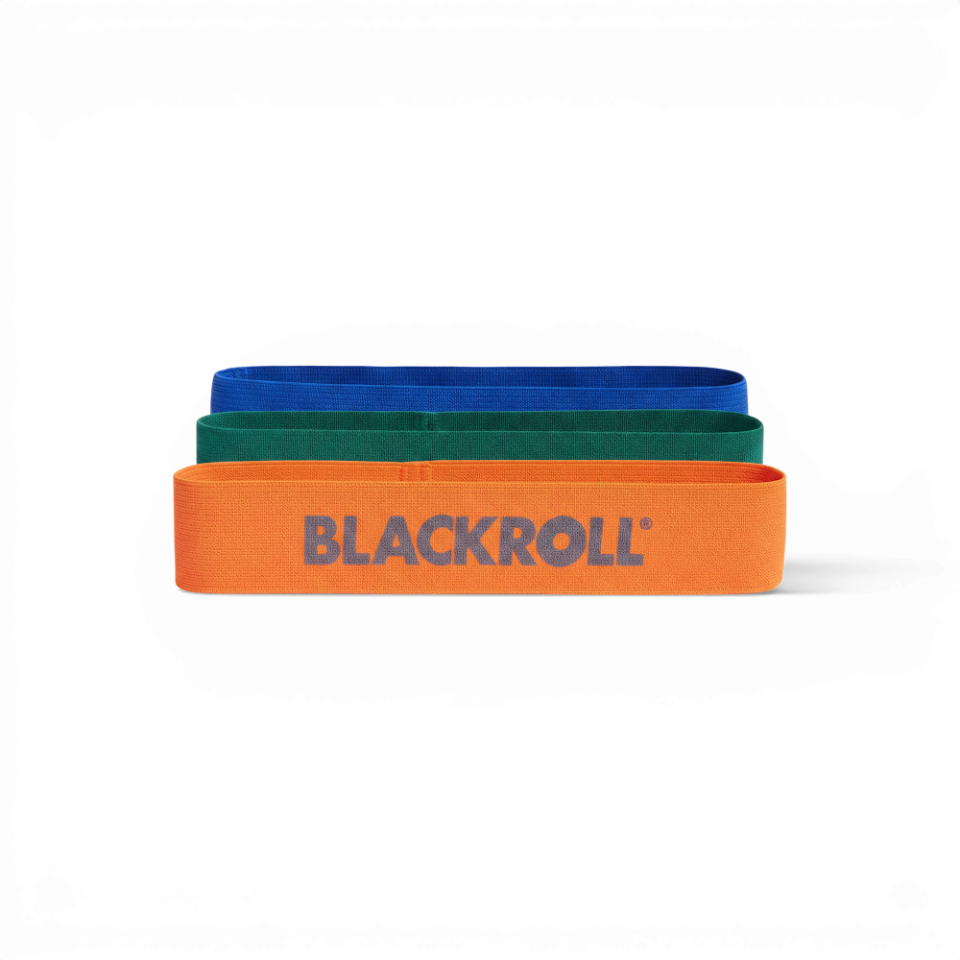
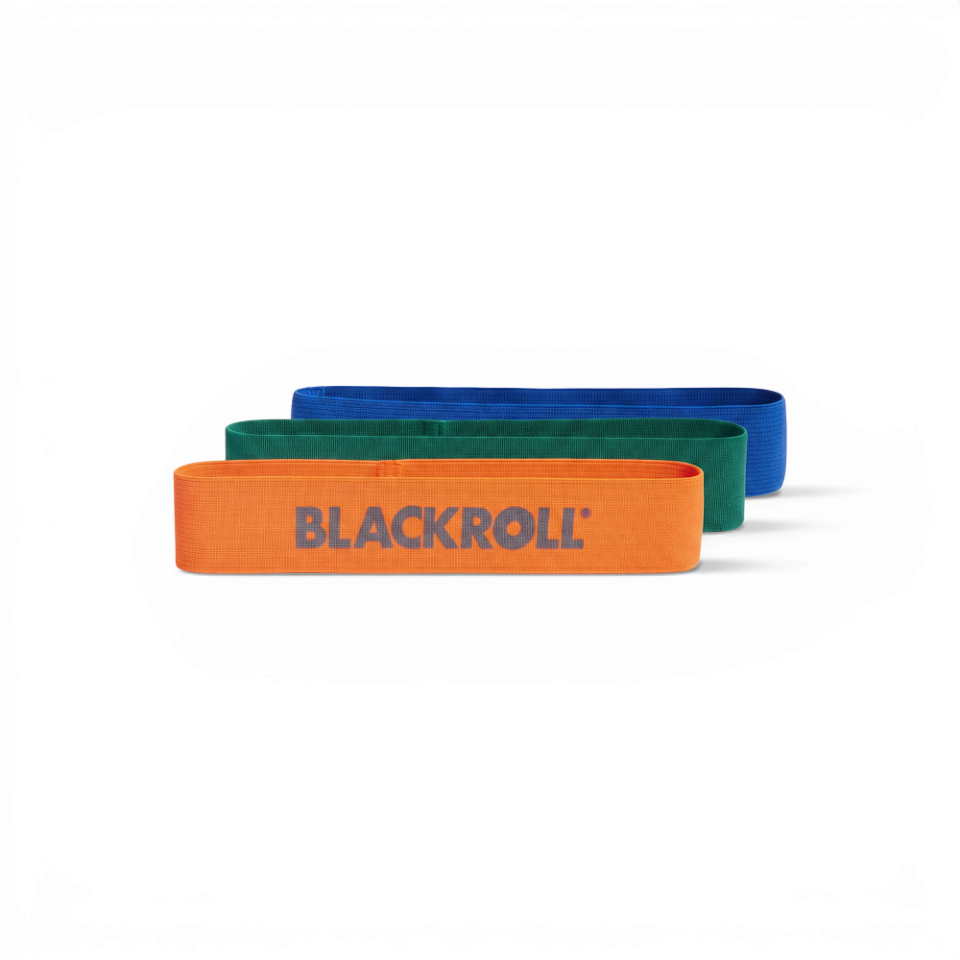
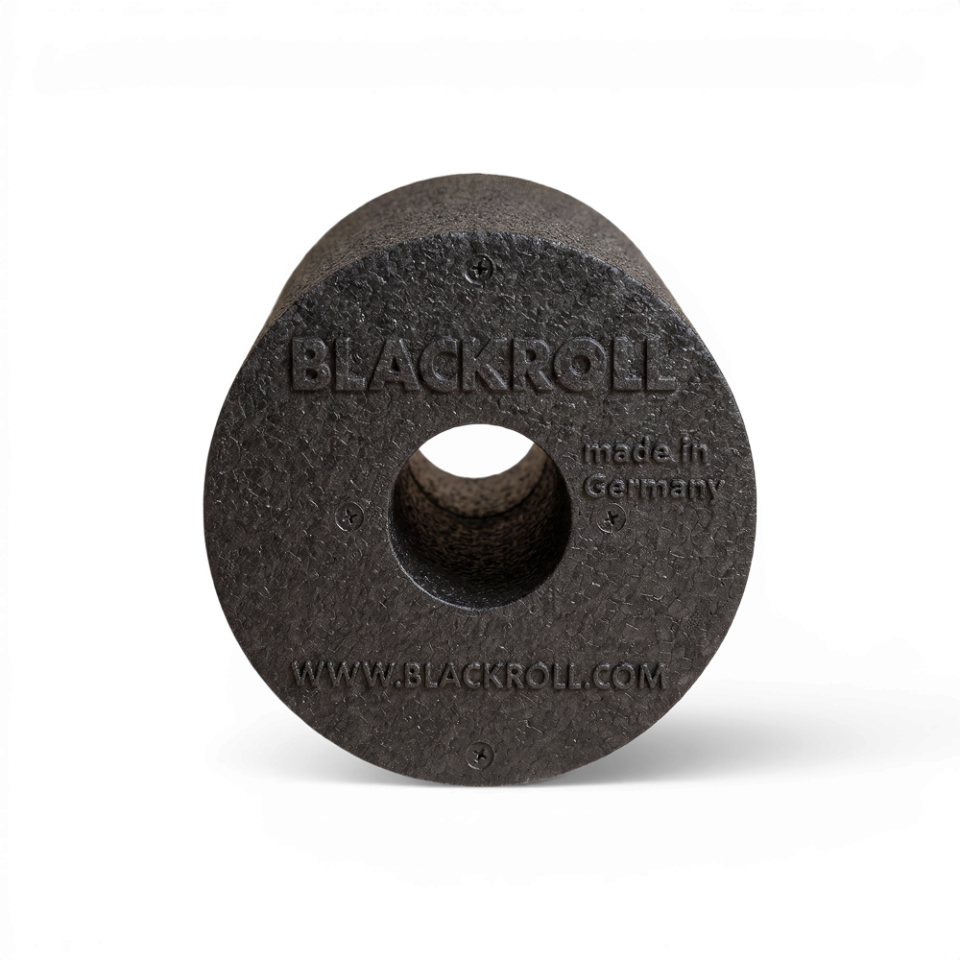
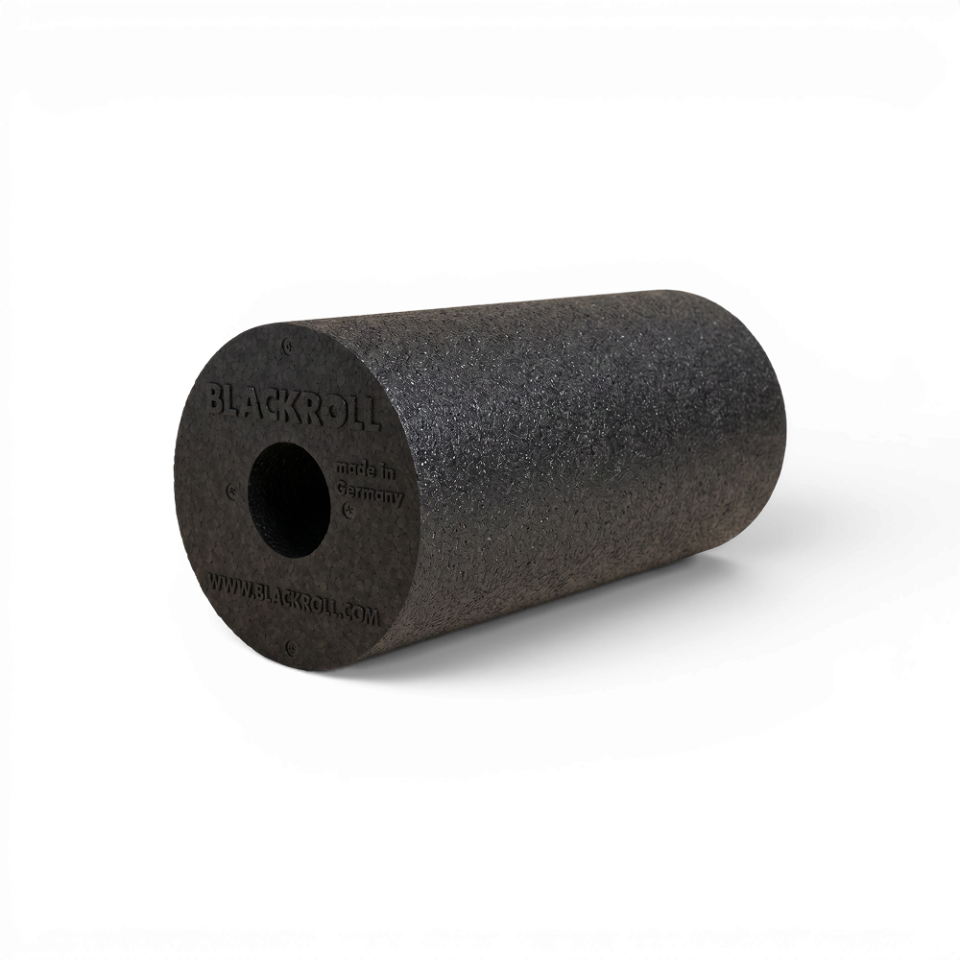
Recommendation: Use the LoopBand from Blackroll for simple yet effective stability exercises. A foam roller is perfect for relaxation and for your stability training after a run. This helps promote recovery and keeps you fit in the long run.
Tip 5: Warm-up and stretching exercises
Before you start jogging, it’s important to prepare your body for the upcoming physical activity with dynamic warm-up exercises. These exercises boost blood circulation, increase flexibility, and reduce the risk of injury. After your run, static stretching exercises are ideal for relieving muscle tension and supporting recovery.
Tip: Before running, exercises such as arm circles, squats, or lunges are great for activating your muscles and preparing them optimally for your workout.
Tip 6: Running Techniques for Beginners
The right running technique makes the difference between an enjoyable workout and potential injuries. Run at a natural, relaxed pace and maintain an upright posture. Land lightly on your feet and avoid landing too hard on your heels to reduce the strain on your joints and muscles.
Fact: Good running technique not only helps prevent injuries but also increases your running efficiency.
Tip 7: Training Plans for Beginners
As a beginner, you should start with short distances and a slow pace. A tried-and-true way to start is to alternate between 1–2 minutes of running and 1–2 minutes of walking. Gradually increase your distance by extending the running intervals. A realistic goal might be to be able to run 5 kilometers straight after eight weeks—a distance that over 60% of beginner runners can easily achieve.
Statistic: 82% of beginner runners report feeling less stressed after running.
Tip 8: Nutrition Tips for Joggers
A balanced diet is crucial for providing your body with the energy it needs for running. Before your run, opt for carbohydrate-rich meals to replenish your energy stores, and make sure to drink enough fluids. After your workout, protein-rich foods are important to support muscle recovery.
Tip: A small snack like a banana or a granola bar before jogging can give you a quick energy boost and make your workout more enjoyable.
Tip 9: Motivation and Goal Setting for Jogging
Motivation plays a crucial role in making jogging a long-term part of your daily routine. Set realistic and achievable goals, such as running 5 kilometers in eight weeks or losing a certain amount of weight. Reward yourself when you reach your goals—this helps keep your motivation high and keeps you on track.
Tip: Find a running partner or join a running group. Running together provides mutual motivation and makes your workouts even more varied.
Tip 10: Community Running Groups and Events
Running in a group can significantly boost your motivation and help you stick to your training plan consistently. Many cities also offer regular running events where you can showcase your progress and connect with other runners. These events aren’t just a great opportunity to measure your performance, but also to make new friends.
Tip: Group runs are a great way to make friends and set new, shared goals together. This helps you stay motivated and ensures you always have someone to support you.
Tip 11: Jogging in Nature vs. on the Road
Jogging in nature not only offers a relaxing environment but also soft, joint-friendly surfaces like forest floors or meadows. Running on the road is often more practical, as asphalt routes are easier to plan and more even. Both options have their advantages, and it’s worth alternating regularly between nature and road runs to add variety and new stimuli.
Tip: Forest trails not only offer a welcome change of pace but also promote your well-being thanks to the natural surroundings. For even more of a challenge and variety, trail running could be an exciting option. This involves running on uneven, often hilly natural trails, which further improves your coordination and endurance.
Conclusion: Train Holistically for Lasting Success
The most important advice for beginner runners is this: Don’t just focus on the running itself, but also on the important aspects surrounding it. A holistic training approach that incorporates stability exercises, stretching, and sufficient recovery is the key to a successful—and, above all, injury-free—running routine.
Stay tuned and follow our series for more valuable tips on jogging. Get inspired by Leni Runner and our Blackroll products to take your running training to the next level!
FAQ – Frequently Asked Questions About Jogging for Beginners
Start slowly with short runs and walks, and gradually increase the duration of your runs.
Comfortable running shoes, breathable clothing, and, optionally, a running watch or app to track your workout.
Two to three times a week is ideal for gradually getting your body used to the exertion.
Start with short distances of 2 to 3 kilometers and gradually increase your distance.
Through consistent training and gradually increasing your running distance.
Exercises such as arm circles, squats, and lunges are excellent for warming up.
Proper running form, stability training, and regular breaks are crucial.
Yes, start slowly and listen to your body to avoid injuries.
Music can be motivating, but you should pay attention to your breathing rhythm and your surroundings.
Yes, apps like STRAVA or MapMyRun, as well as apps from running shoe manufacturers, help beginners gradually build their endurance and stay motivated.
Our Best Tools to Get You Started with Jogging
Standard
Available in multiple variants
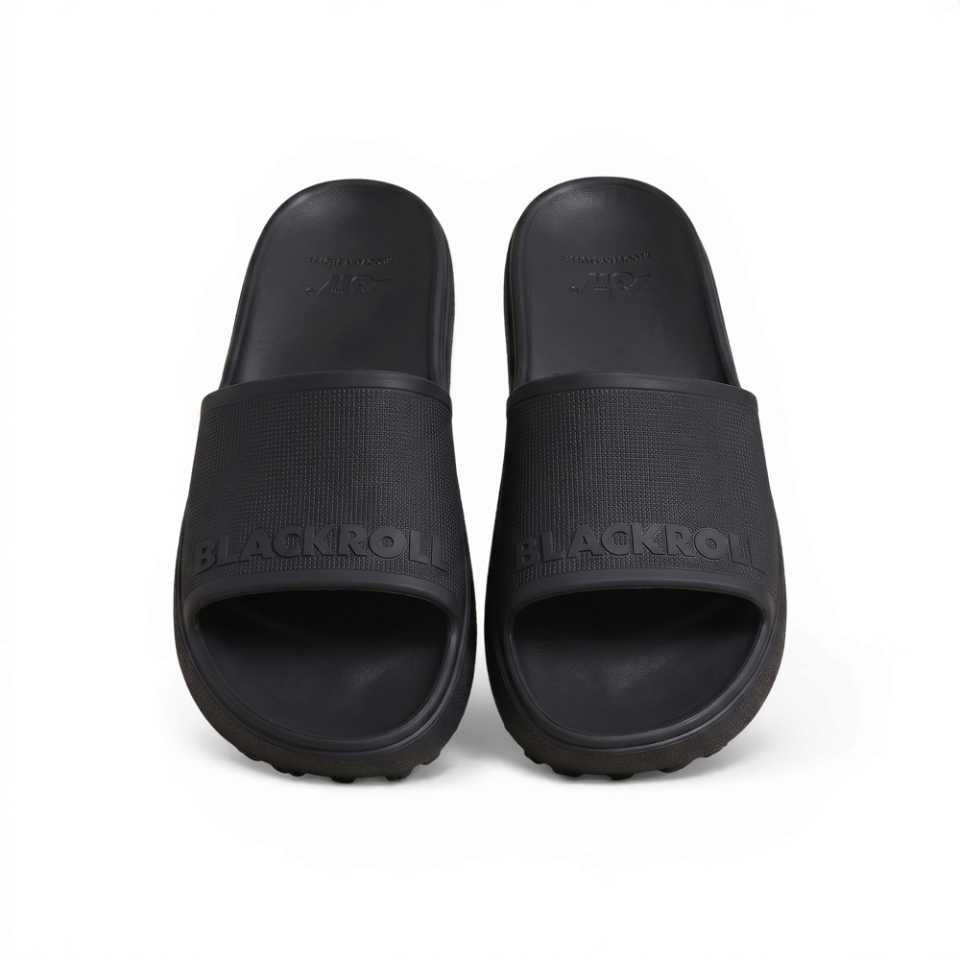

Recovery Slopes
Available in multiple variants