Heel Spur: What Helps with Heel Pain?

“You step on your foot and it feels like you’re stepping on a thumbtack.” That’s how people describe the symptoms of a heel spur. You usually experience heel pain in the morning when you get out of bed—the pain tends to subside during the day.
This is because movement helps relax the muscle and fascia tissue in the soles of your feet and calves. If you don’t take action in time, your heel pain—which may seem to subside at first—can develop into a heel spur. Stabbing pain in your heel becomes a constant companion and limits your daily activities.
01. What is a heel spur?
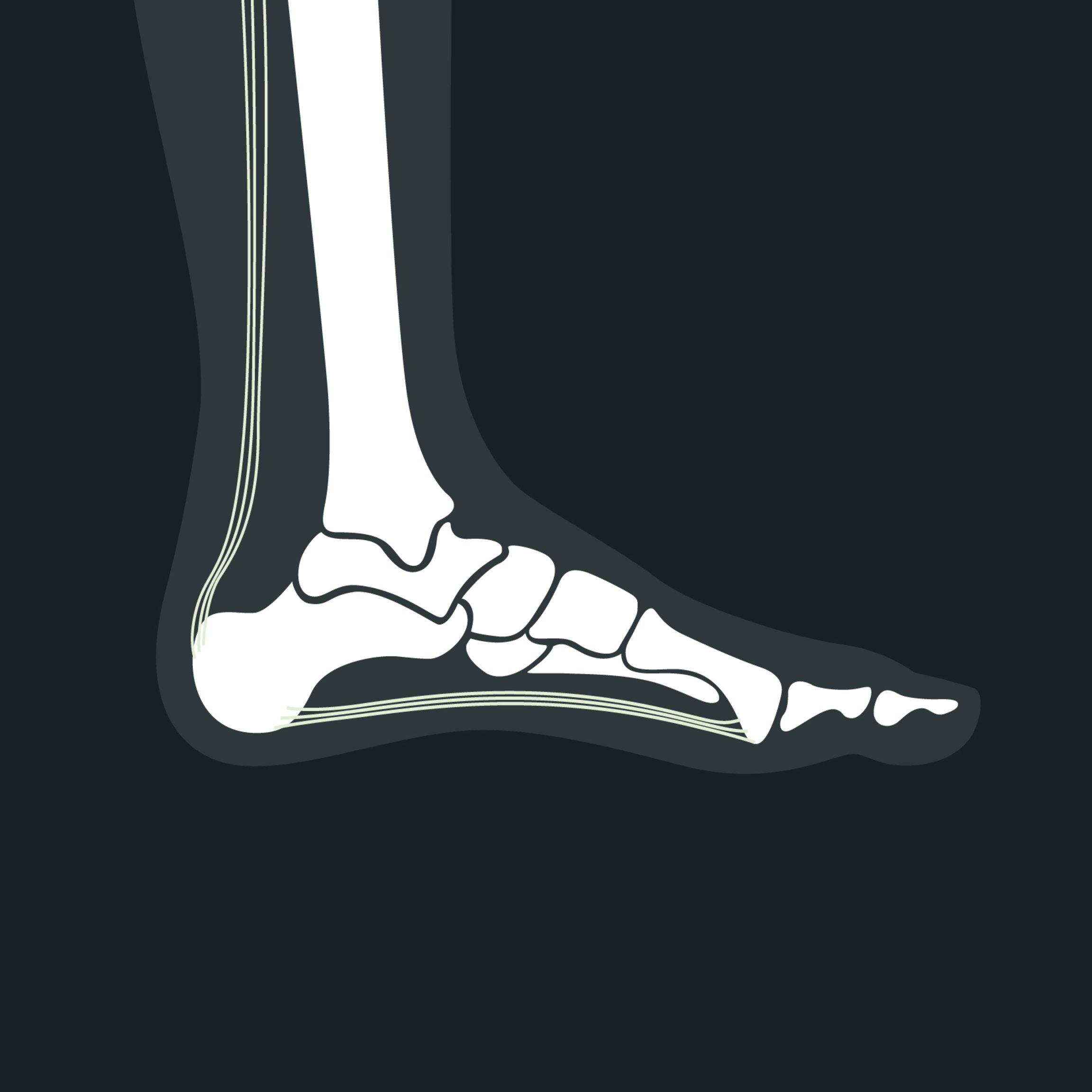
A heel spur is a bony growth that can form on the heel bone and looks like a small thorn under the heel. It is usually caused by irritation of the plantar fascia—the band of tissue on the sole of the foot. The plantar fascia originates at the lower part of the heel bone and connects it to the forefoot and toes. That is why this condition is also called plantar fasciitis.
Overuse of the Achilles tendon promotes the formation of such a bony growth, which in this case develops on the upper part of the heel bone. Chronic overuse puts strain on the periosteum, leading to bony thickening and calcifications—the so-called heel spur. In most cases, the heel spur cannot be detected with the naked eye. A definitive diagnosis can only be made through an X-ray or an ultrasound examination, which can visualize the soft tissue structures in the foot and detect changes and inflammation.
It is also important, as part of the diagnosis, to distinguish a heel spur from other foot problems. This is because the symptoms and the location of the pain often resemble those of other foot problems—such as Achilles tendinitis, arthritis in the ankle joint, or inflammation of the bursa between the heel bone and the Achilles tendon (bursitis). Although all of these conditions can cause pain that radiates to the heel, they have different causes.Women are slightly more likely to develop a heel spur than men. Certain occupational groups are also more prone to developing a heel spur. These include jobs that require a lot of walking and standing, such as waitstaff, nursing staff, or salespeople. Certain activities can also contribute to the development of a heel spur. For example, playing tennis or basketball, or jogging, which involve repeated impact on the feet.
Age also plays a role in the development of heel spurs. They occur more frequently in older people because the elasticity of ligaments and tendons decreases with age. If heel spurs are common among family members, there may also be a genetic predisposition. In that case, your risk of developing one yourself is increased.
There are two types of heel spurs:
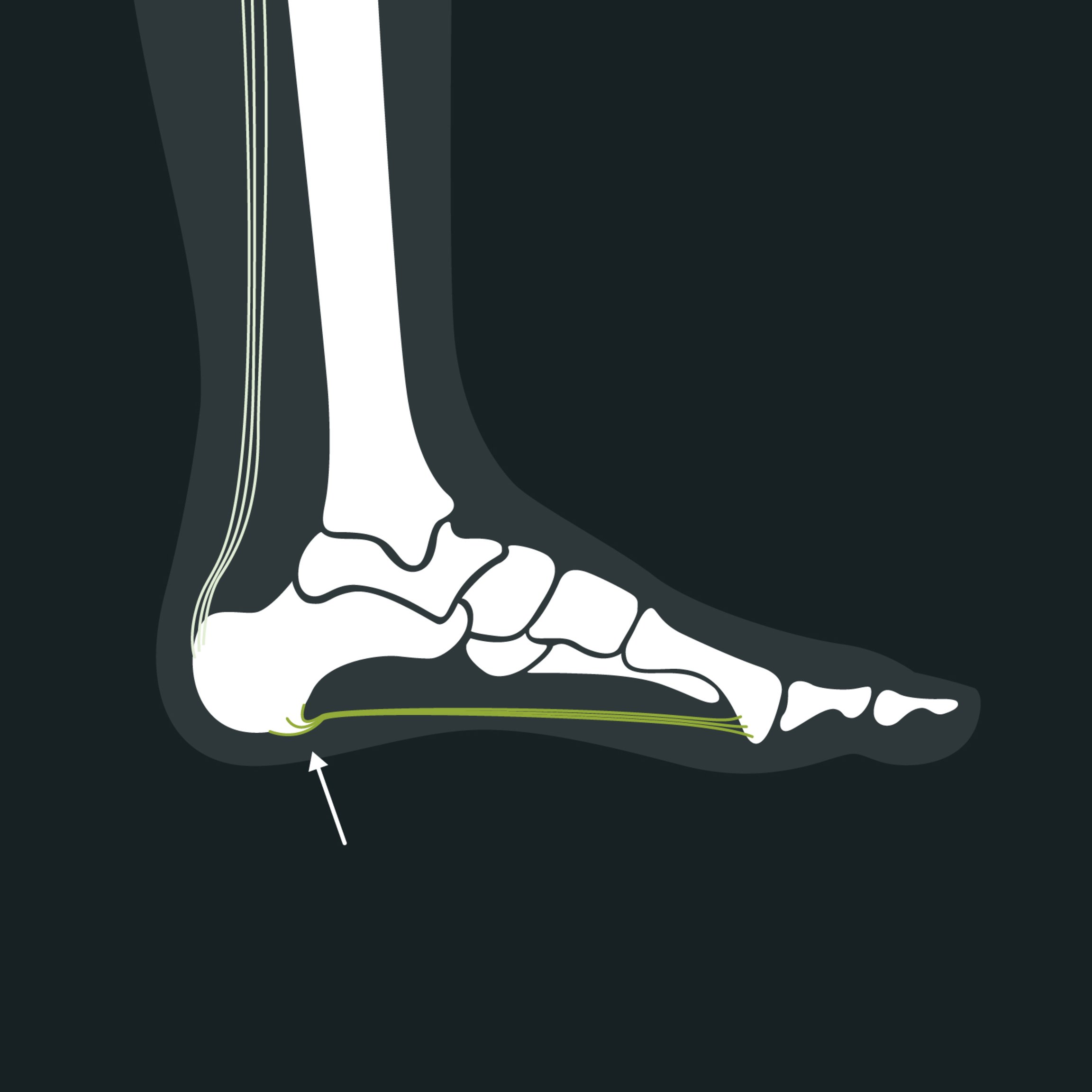
Lower heel spur (plantar heel spur)
This is a bony protrusion on the underside of the heel. A plantar heel spur is caused by overuse of the plantar fascia.
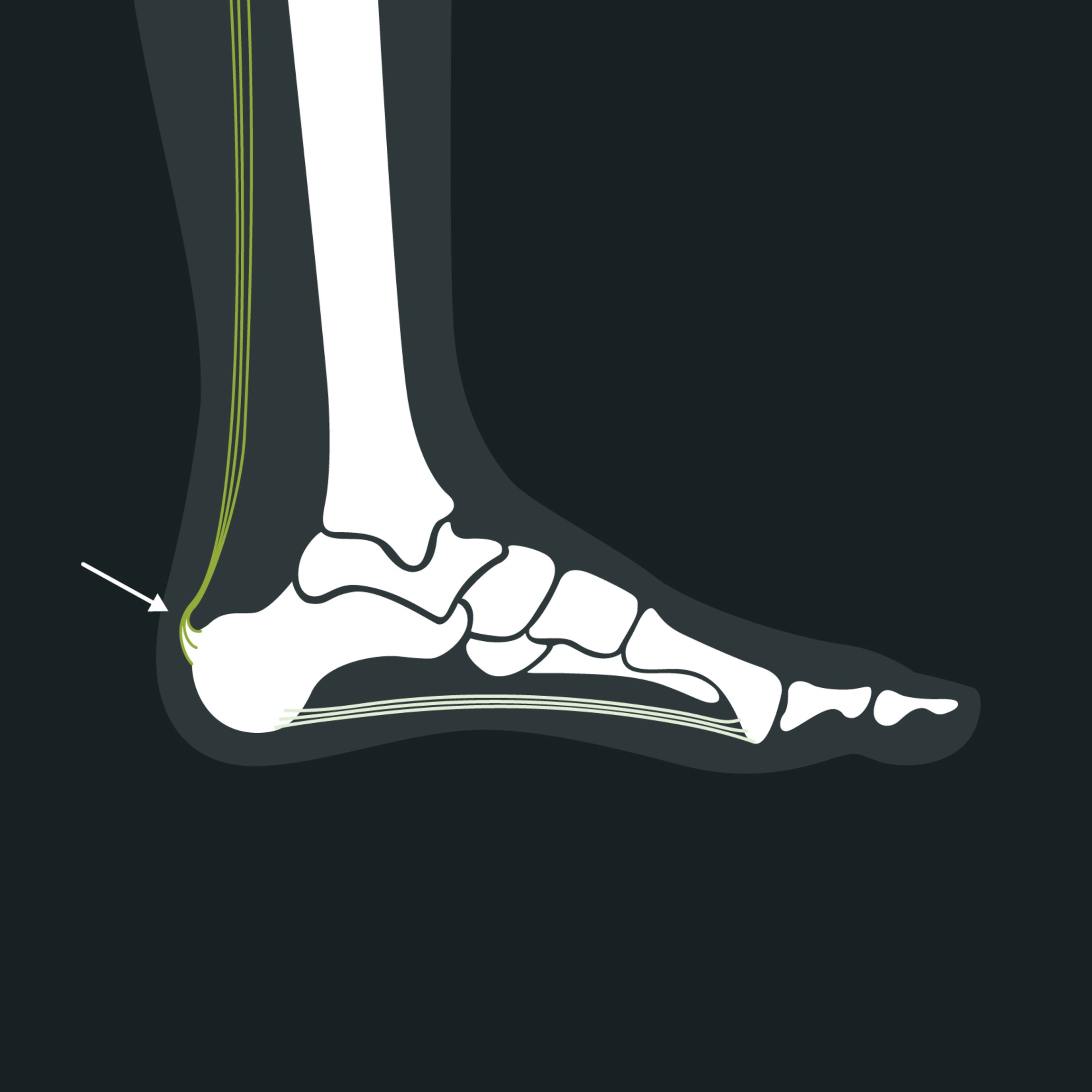
Posterior heel spur (cranial heel spur)
This is a bony thickening at the point where the Achilles tendon attaches to the heel bone. Heel pain occurs at the back of the heel in this case. The posterior heel spur is caused by an overused Achilles tendon.
Healthy Heel
In comparison to the anatomy of a heel spur: the anatomy of a healthy heel.
02. What are the symptoms of a heel spur?
- You have sharp, pain in your heel that worsens with activity.
- You have “morning stiffness” that you feel especially during the first few steps after getting out of bed.
- Your heel pain radiates from your foot up into your lower leg.
- The inflammatory reaction causes swelling associated with a heel spur, and your heel feels warm to the touch.
- You may be able to feel or see a small bony protrusion on your heel.
Heel spurs often go undetected because they don’t cause any symptoms. In the past, heel spurs were usually treated with surgery, but this rarely provided long-term relief from the pain. The good news: Surgery is rarely necessary. Instead, you can relieve your heel spur pain with the tips described below.
03. What causes heel spurs?
Excessive or improper strain while standing, running, or walking are the most common causes of heel spurs.
- Inflammation of the plantar fascia or, less commonly, the Achilles tendon, as a cause of heel spurs:
If you overuse the tendons in your feet by standing for long periods or engaging in sports over an extended period, pathological tension can develop. Minor injuries, tears, and inflammation in the heel may also occur. Your body reacts by adapting to the abnormal stress. As a result, calcium deposits form at the affected tendon insertions where there is increased tension. In this way, the body attempts to make the heel bone more resilient and restore the natural tension balance. However, it is not the bony protrusion itself that causes the pain. The strong tension on the periosteum and, in advanced stages, a chronically inflamed plantar fascia are what lead to the symptoms. Less commonly, increased tension and inflammation of the Achilles tendon can also trigger heel pain.
- Lack of mobility in the sacroiliac joint (SIJ) as a cause of a heel spur:
The sacroiliac joint connects the sacrum to the ilium—that is, the posterior pelvic region to the spine. You might be wondering: How can restricted mobility in my pelvis lead to problems in my heel? It’s quite simple: The usually unilateral lack of mobility in the sacroiliac joint causes pelvic misalignment. Changes in tension along the posterior myofascial chain then result in differences in leg length. The result: Your weight is distributed unevenly across your feet. On the side bearing the greater load, the calf and foot muscles become overstretched. The heel assumes an unnatural position, causing the plantar fascia to become overstretched and inflamed.
“Stiff shoes, prolonged sitting in daily life, sports, or standing for long periods—these strains are the beginning of heel pain and heel spurs.”
Dr. Torsten Pfitzer, holistic pain therapist and health coach

“Generally speaking, humans are designed to be endurance runners. Unfortunately, these days we hardly give our feet enough exercise. Stiff footwear and prolonged sitting in daily life mean that the muscles and fascia of the foot arch are no longer sufficiently challenged. At the same time, in this atrophied state, they are often overtaxed by exercise or prolonged standing. This strain is the beginning of heel pain and heel spurs.” Dr. Torsten Pfitzer, holistic pain therapist and health coach
04. Treatment: What to Do About Heel Spurs or Plantar Fasciitis
A heel spur can easily cause you pain and limit your mobility for several months. The duration of heel spur symptoms depends on the severity of the condition and the type of treatment.
However, there is help available for heel spurs, plantar fasciitis, and heel pain, and a heel spur can even resolve on its own if the underlying causes are successfully treated.
An important aspect of treating a heel spur is for patients to restore the natural tension in the connective tissue and strengthen their foot muscles.
You can take the following steps yourself:
Relief
First and foremost, it’s important to rest the affected area. Avoid activities that put a lot of strain on your feet (standing for long periods, jogging, running, jumping). Ideally, you should take a break from sports for now.
Cold or Heat Therapy
Cooling helps relieve pain caused by inflammation. Heat helps relax tight muscles and fascia. Just try out what feels best for you.
Mobility
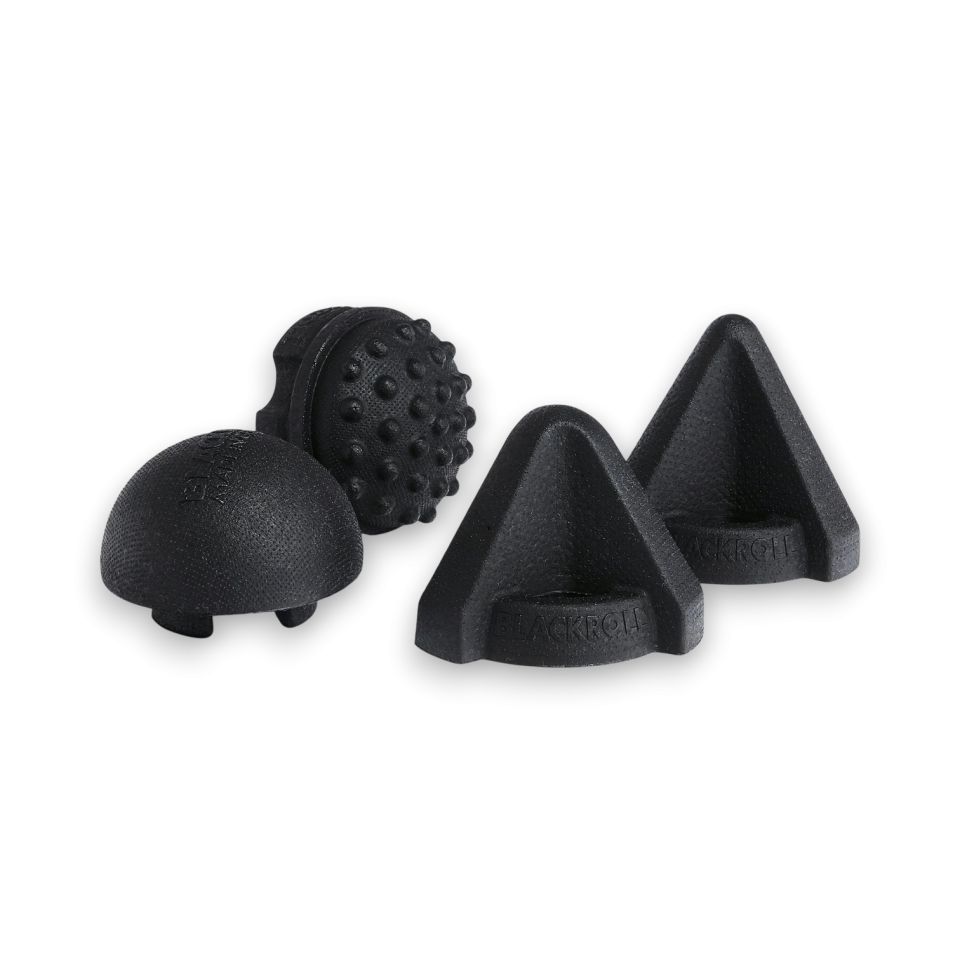
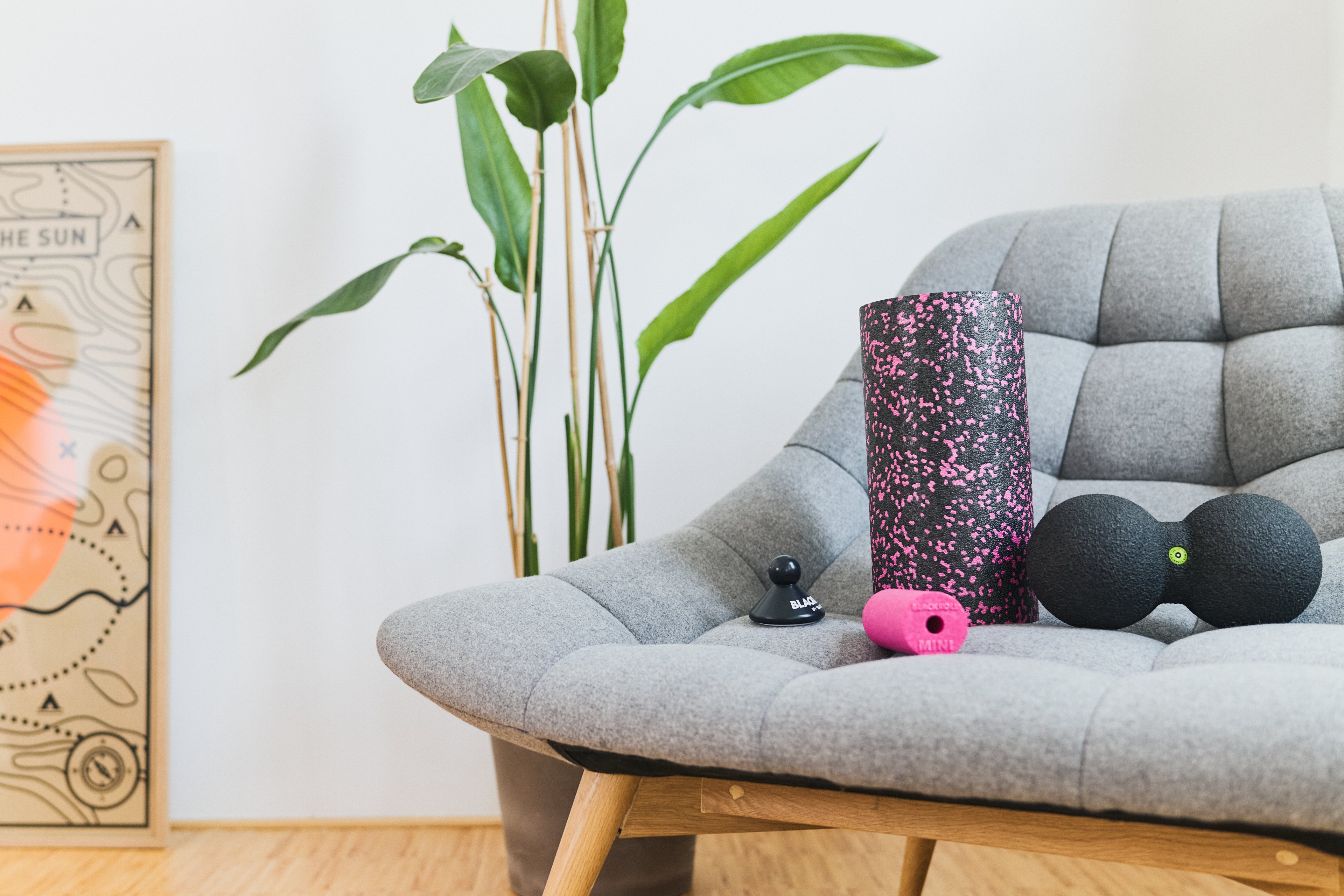
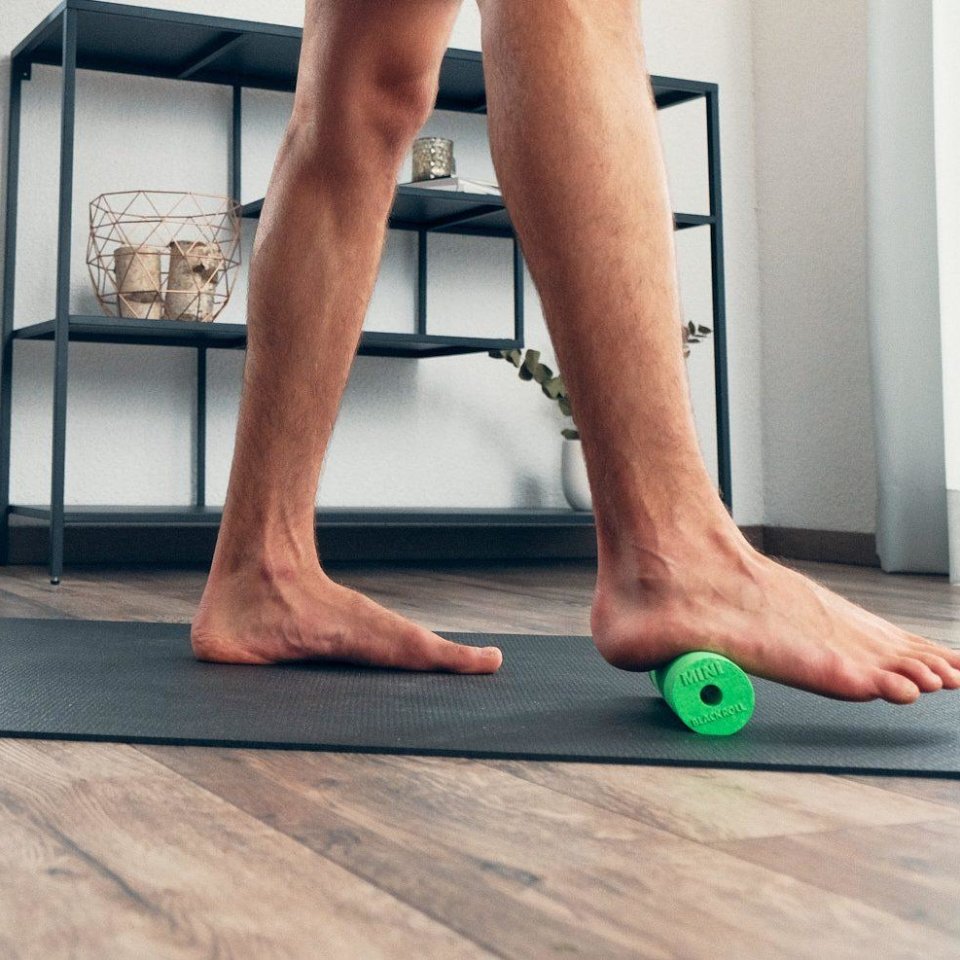
Self-massage of the plantar fascia and calf muscles has been proven to increase flexibility and reduce muscle tension. Important tip for fascia massage on the sole of the foot: Roll as close to the heel spur as possible. Apply gentle pressure to the painful area. Afterward, you should mobilize the sacroiliac joint (SI joint).
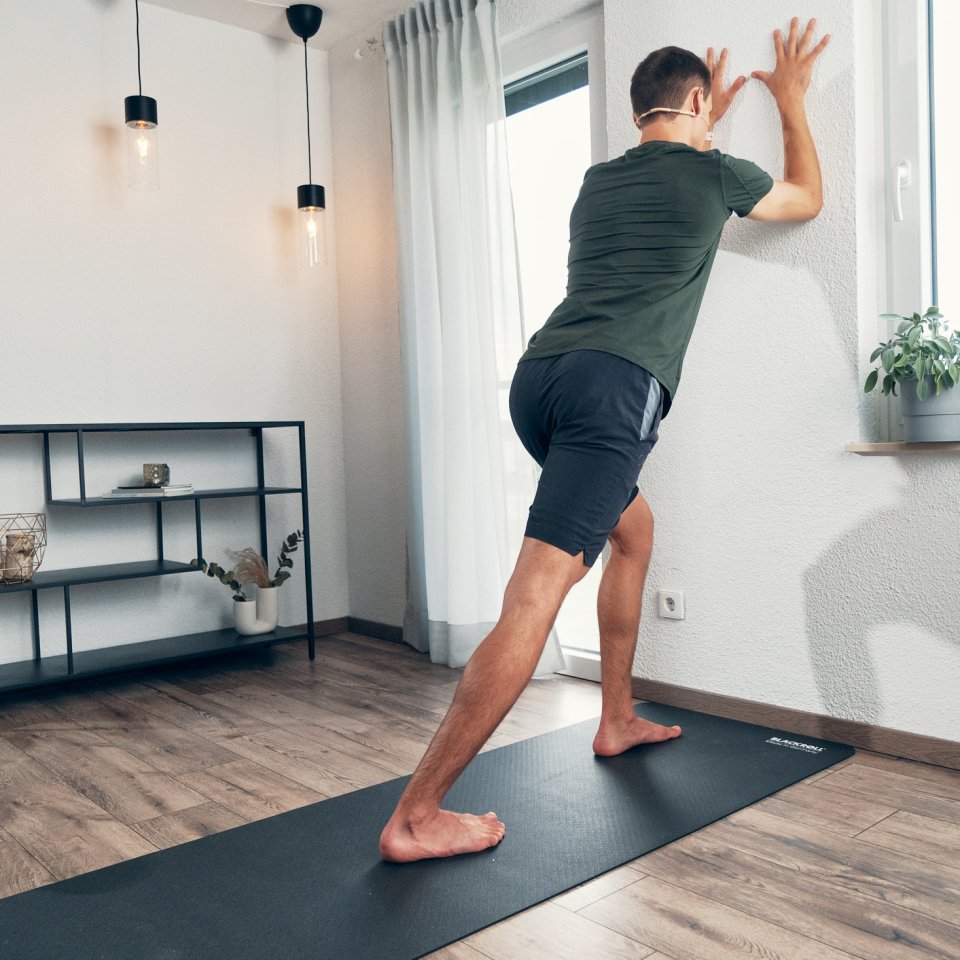
Stretching Exercises for the Foot and Calf Muscles
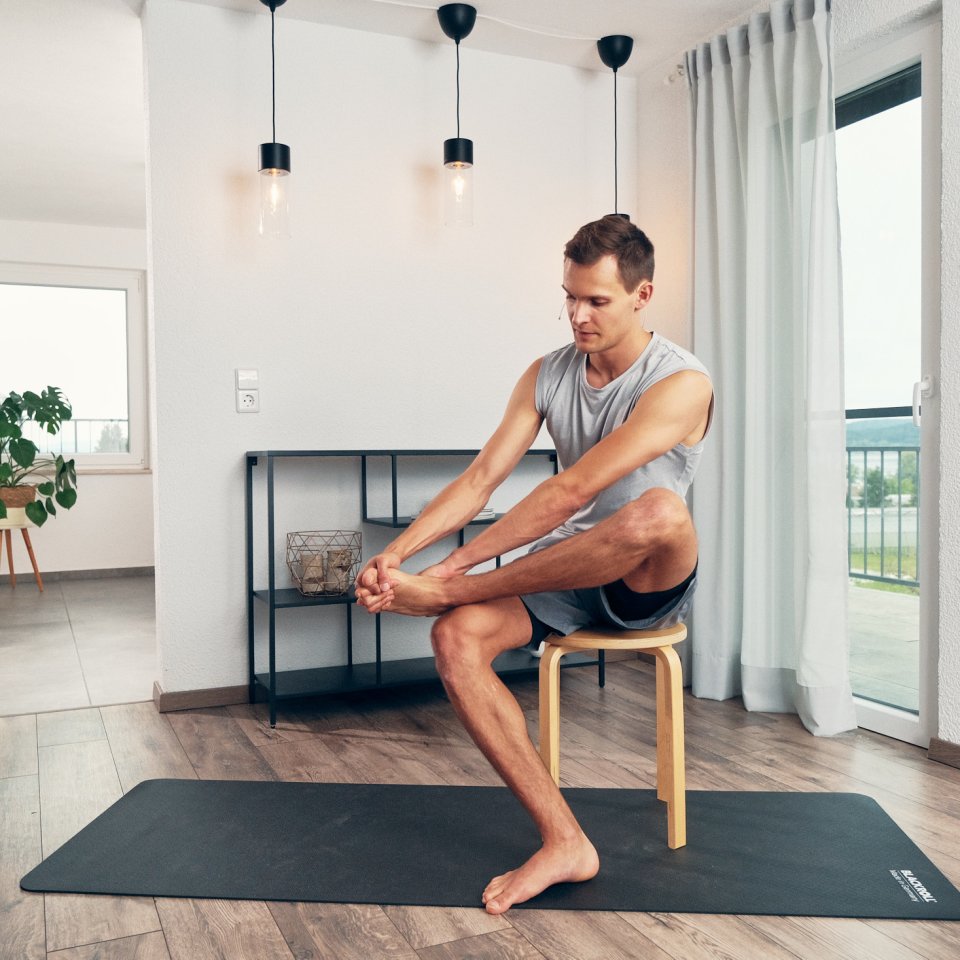
Activation exercises performed in a stretched position help you release the foot and calf muscles from shortening. This stimulates the formation of new connective tissue. Stretching exercises are therefore an essential part of conservative treatment.
Comfortable Footwear
If you’re prone to heel spurs, you’re probably wondering what kind of footwear is right for you. You should definitely wear comfortable shoes or, temporarily, foam or gel insoles, gel cushions, or gel heel wedges to relieve pressure on the heel spur area.
Your orthopedist can recommend the best insoles for heel spurs based on the misalignment of your foot. You shouldn’t use these as a long-term solution, as they often cause the misalignment to become permanent.
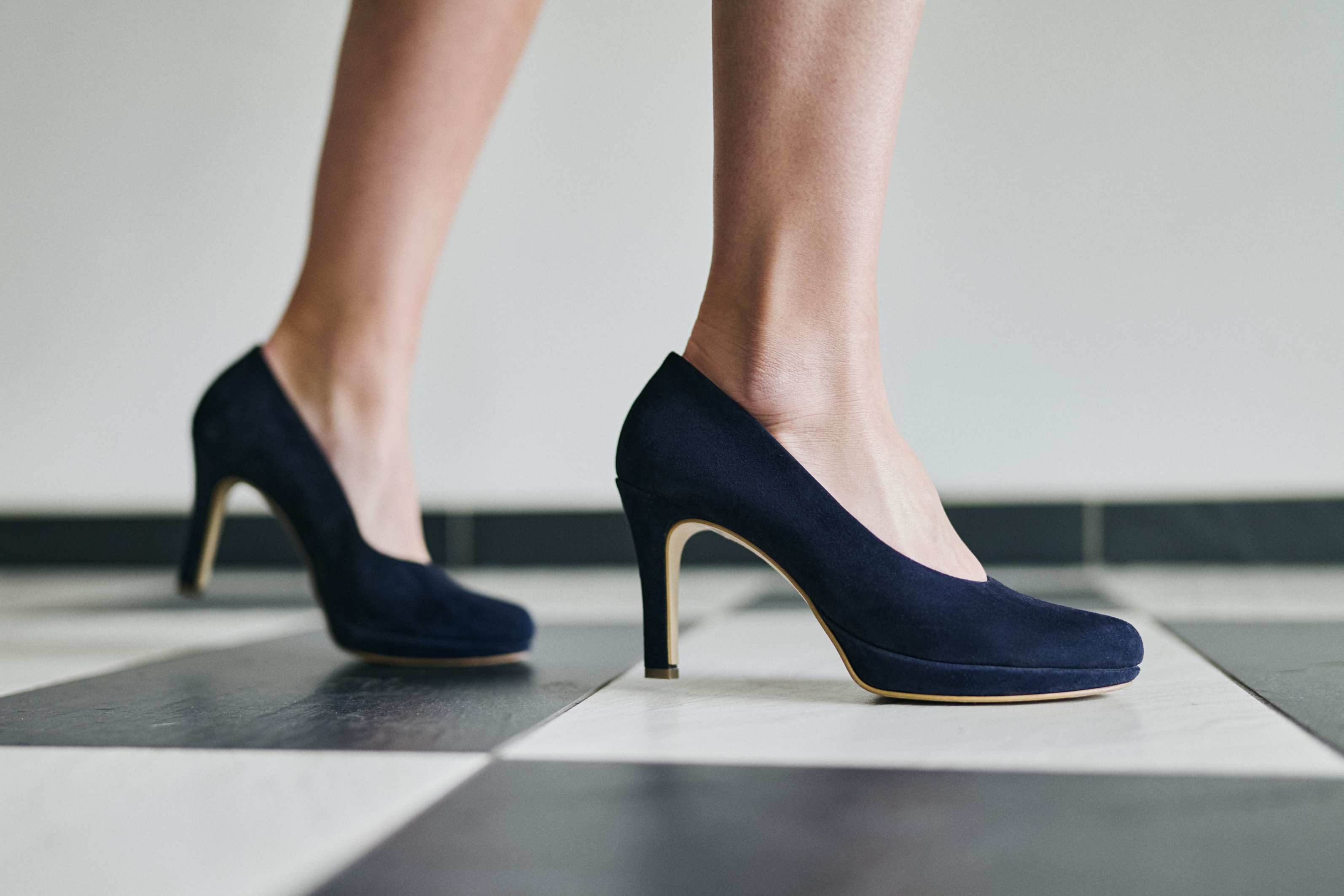
It’s better and more sustainable to use exercises to regulate muscle tension. Wearing high and tight shoes—such as high heels—is, of course, a no-go if you have a heel spur.
If you experience severe pain that persists despite exercises, we recommend seeing a doctor.
They can prescribe not only shockwave therapy or radiation therapy but also ointments and medications.
For example, pain relievers with anti-inflammatory effects (such as ibuprofen) or those that simply relieve pain, such as acetaminophen.
Keep in mind, however, that you’ll only get rid of the pain in the long term if you change your lifestyle and loosen up your muscle-fascia tissue.
Treatment by a Physical Therapist
Physiotherapy is also among the non-invasive treatment options. This is because your symptoms can also be alleviated through physiotherapy. For example, through targeted exercises, muscle relaxation, or so-called transverse friction massages at the tendon insertion.
Acupuncture
Acupuncture is a component of Traditional Chinese Medicine (TCM). It involves inserting fine needles into the skin to restore the flow of qi. When treating a heel spur, needles are primarily inserted into points along the kidney meridian.
Anti-Inflammatory Diet
Your diet can also influence the success of your recovery—both during treatment and as a preventive measure to stop the heel spur from recurring. Since a heel spur causes inflammation in the foot, anti-inflammatory foods containing vitamin C, antioxidants, vitamin E, and omega-3 fatty acids can help relieve pain. Also, be sure to include high-quality plant-based oils such as flaxseed oil or olive oil in your diet.
General Tip
If you already have a heel spur, you should avoid certain exercises and activities. These include prolonged walking or standing on hard surfaces, as this puts additional pressure on the heel. Also avoid high-impact sports and activities involving quick changes of direction, such as tennis or basketball, as well as jogging and exercises that put too much strain on the arch of the foot. These include squats and the leg press.

Go to the heel spur exercises
Discover now05. How to Prevent Heel Spurs
- Choose the right footwear and rotate your running shoes as often as possible. Worn-out shoes and shoes with a high heel-to-toe drop (the difference in height between the heel and forefoot) can contribute to heel spurs.
- Make sure the surface you’re running on isn’t too hard.
- Manage your weight: Being overweight often puts too much pressure on the heel.
- Walking barefoot: Try to gradually get used to walking barefoot. This way, you absorb the weight through the muscle-fascia chain rather than the bone-joint chain. This is especially ideal in the summer when you can walk outdoors on various surfaces. Particularly suitable: grass, moss, and sand.
- Regularlymobilize and activate the muscles in your feet.
Exercises for Foot Pain
06. FAQs on Heel Spurs
Here’s a quick summary of the most important information you need to know about heel spurs:
- A heel spur is a small bony growth on the heel bone that protrudes from the heel like a small thorn.
- A heel spur often occurs due to overuse, which leads to irritation of the plantar fascia.
- Although a heel spur can sometimes resolve on its own, there’s often a risk that it will become chronic and the pain will persist.
- However, with special exercises, stretching exercises, physical therapy, heat therapy, appropriate footwear, and relief for the foot through insoles, you can usually manage plantar fasciitis quite well.