Plantar Fasciitis: 5 Exercises to Relieve Pain
A Guide for Foot Pain Caused by Plantar Fasciitis
Time
- 23 minutes
- 8 exercises
Plantarfasziitis ist eine Überlastung der Sehnenplatte unter dem Fuß. Typisch ist ein stechender Schmerz an Ferse oder Fußsohle bei den ersten Schritten am Morgen. Am besten belegt sind laut der aktuellen Physiotherapie-Leitlinie von Koc et al. (2023) drei Dinge: die Plantarfaszie und die Wade gezielt dehnen, Fuß und Unterschenkel kräftigen und die Belastung vorübergehend anpassen.
Das Wichtigste in Kürze
- Dehnen von Fußsohle und Wade lindert Schmerzen kurz- und langfristig (Koc et al., 2023).
- Kräftigungsübungen für Fuß und Unterschenkel gehören fest zur Behandlung.
- Einlagen allein reichen laut Leitlinie nicht als einzige Maßnahme.
- Massage mit Ball oder Rolle kann den Schmerz vor dem Training senken.
- Bessert sich der Schmerz über mehrere Wochen nicht, solltest du ihn ärztlich abklären lassen.
Typisch für eine Plantarfasziitis sind Schmerzen an der Fußsohle, vor allem an der Innenseite der Ferse und im Fußgewölbe. Häufig sind die Beschwerden morgens bei den ersten Schritten, nach längerem Sitzen oder zu Beginn des Laufens besonders stark. Nach einigen Schritten wird der Schmerz oft besser.
Auslöser können zum Beispiel eine plötzlich erhöhte Laufbelastung, langes Stehen, neue oder sehr flache Schuhe, Übergewicht oder eine verspannte Wadenmuskulatur sein. Wenn deine Fußsohle wehtut, bedeutet das allerdings nicht automatisch, dass eine Plantarfasziitis dahintersteckt.
Auch ein Fersensporn kann mit Schmerzen unter dem Fuß einhergehen. Mehr zu den Unterschieden erfährst du in unserem Artikel zum Fersensporn.
Bei deutlicher Schwellung, Taubheitsgefühlen, Schmerzen in Ruhe oder nachts sowie Beschwerden nach einem Sturz solltest du die Ursache ärztlich abklären lassen.
Deine Fußsohlen schmerzen? Was tun bei Plantarfasziitis?
Deine Fußsohlen schmerzen? Insbesondere morgens nach dem Aufwachen fühlt es sich so an, als ob jemand einen Nagel in deine Ferse hämmert? Dann leidest du vermutlich unter Plantarfasziitis. Aber was tun bei Plantarfasziitis? Wissenschaftliche Schätzungen zeigen, dass jeder Zehnte in unsezzhb er Bevölkerung in seinem Leben einmal unter Plantarfasziitis leidet. In diesem Video zeigt dir Master Trainer Stefan, wie du mit ein paar einfachen Übungen deinen Heilungsprozess unterstützt und zukünftigen Problemen vorbeugst.
Plantar Fasciitis Massage
In many cases, targeted self-massage can help improve blood circulation and thus support the healing process.
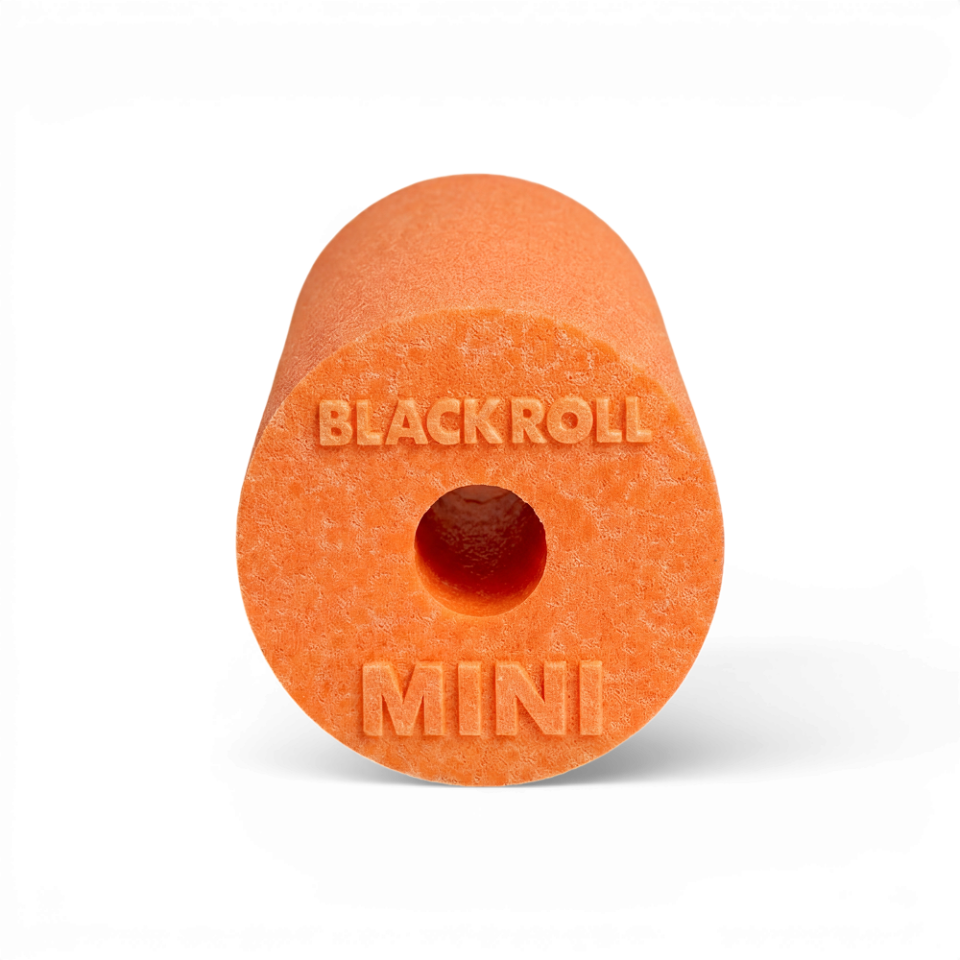
Fascia tools are ideal for plantar fasciitis massage. In the following section, we’ve put together some myofascial self-massage exercises for you. You can perform them using various products, depending on what you have on hand. The BLACKROLL® MINI, the BALL 08, a TRIGGER, or a TWISTER are particularly well-suited for this. It’s best to try out which one feels most comfortable for you.
Massage the sole of your foot for at least 60–90 seconds per side.
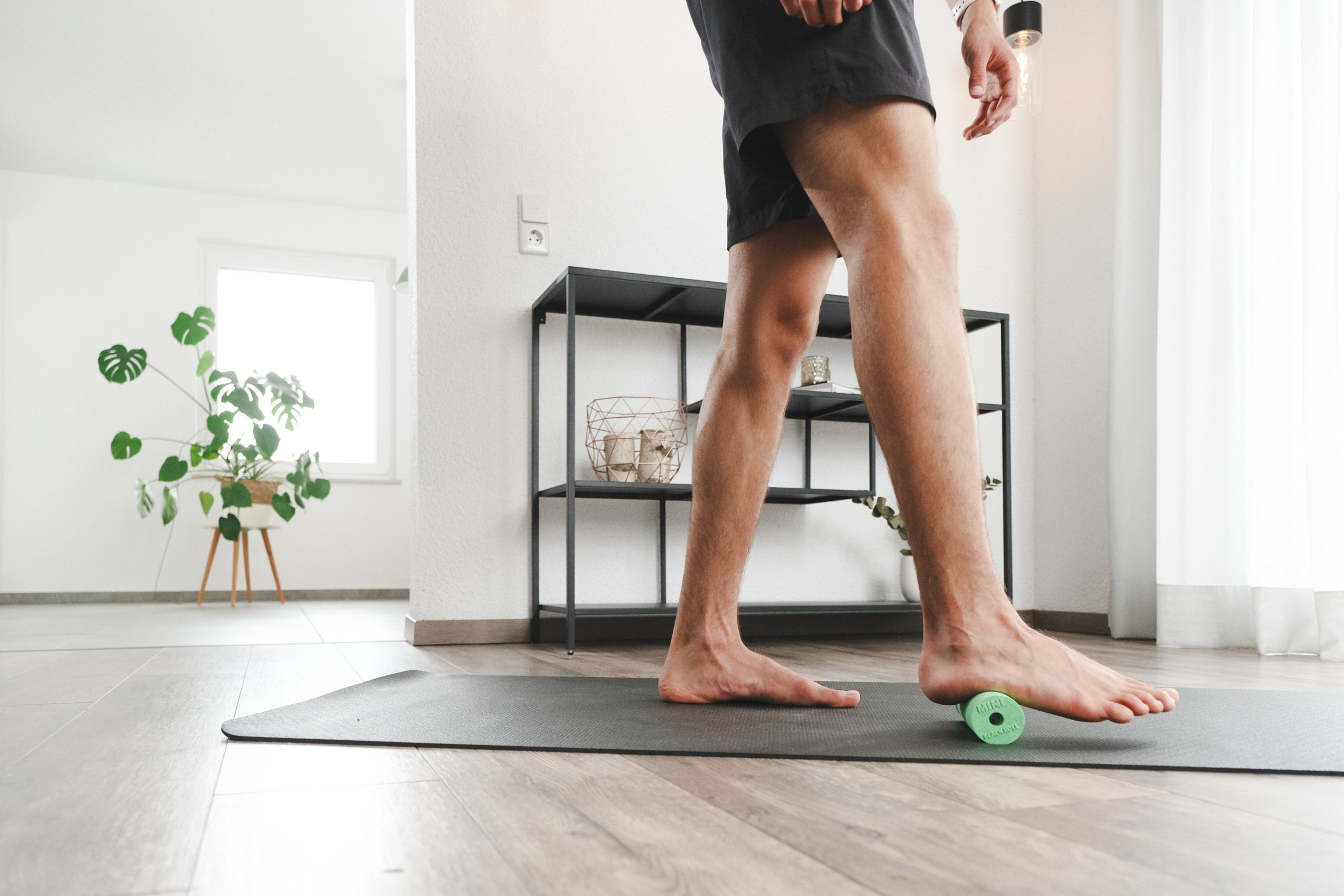
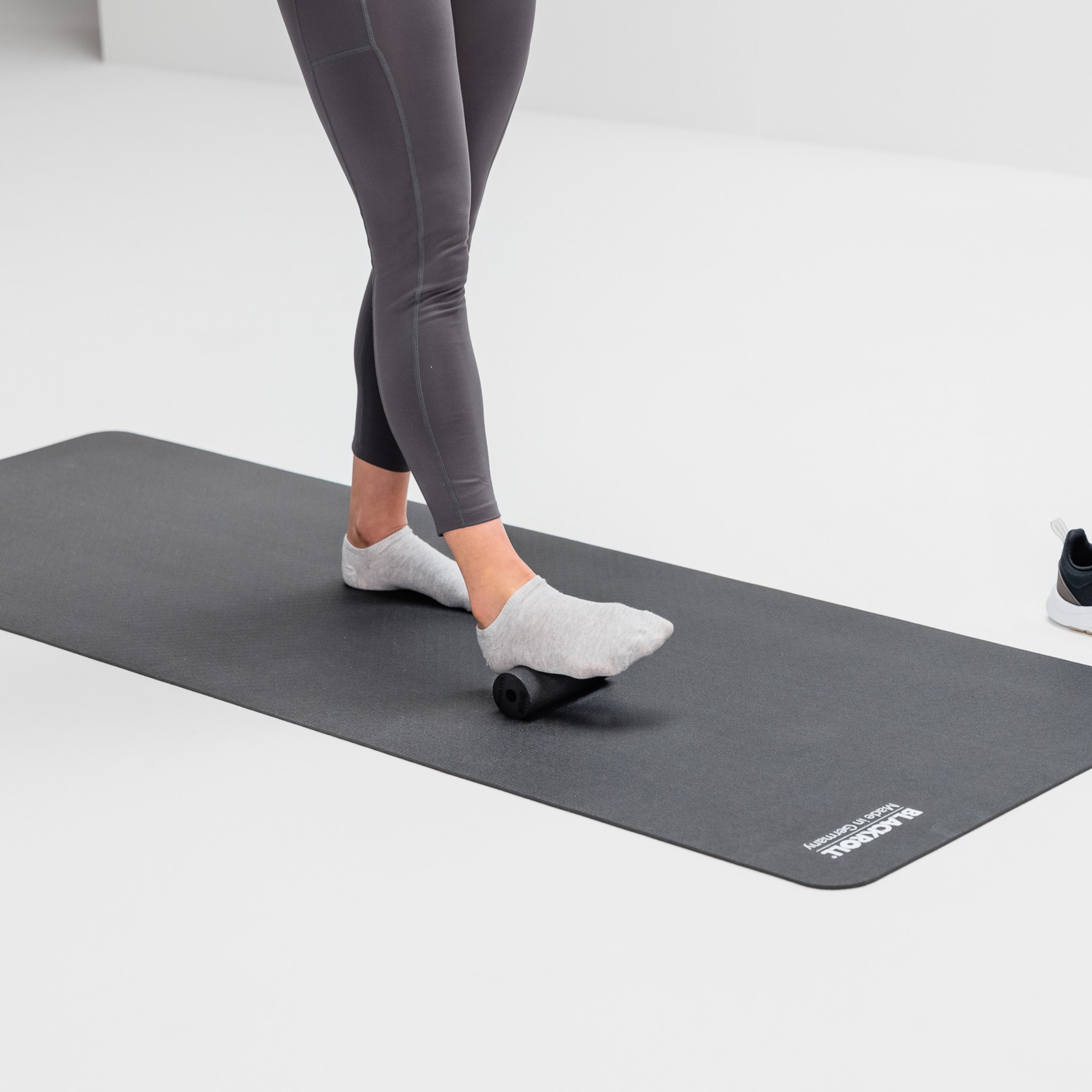
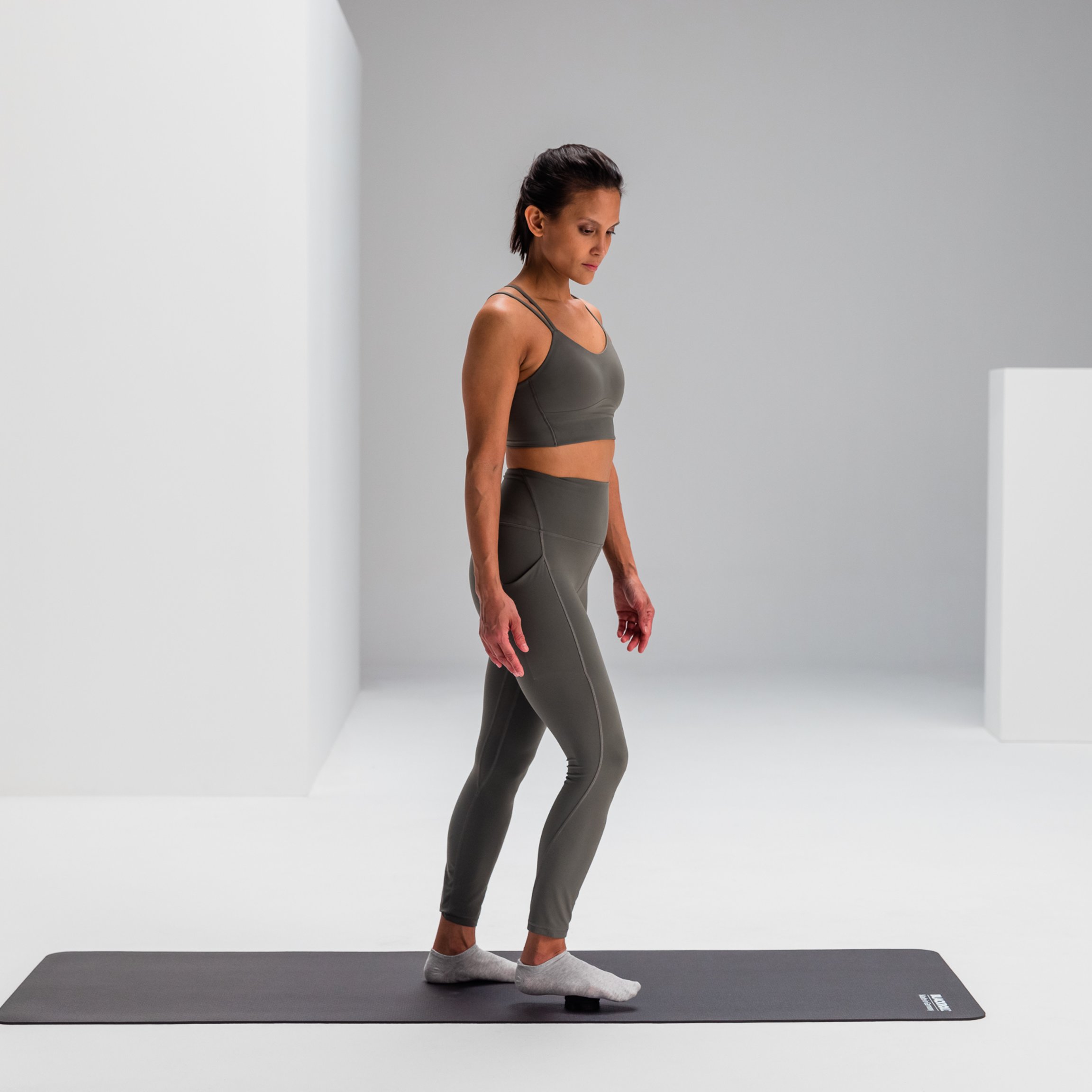
Sole of the Foot Massage with the MINI
While standing, place the sole of your foot on the MINI. Roll slowly back and forth. As you do so, rotate your foot onto its inner and outer edges. Apply moderate pressure to the MINI by slightly bending your leg.
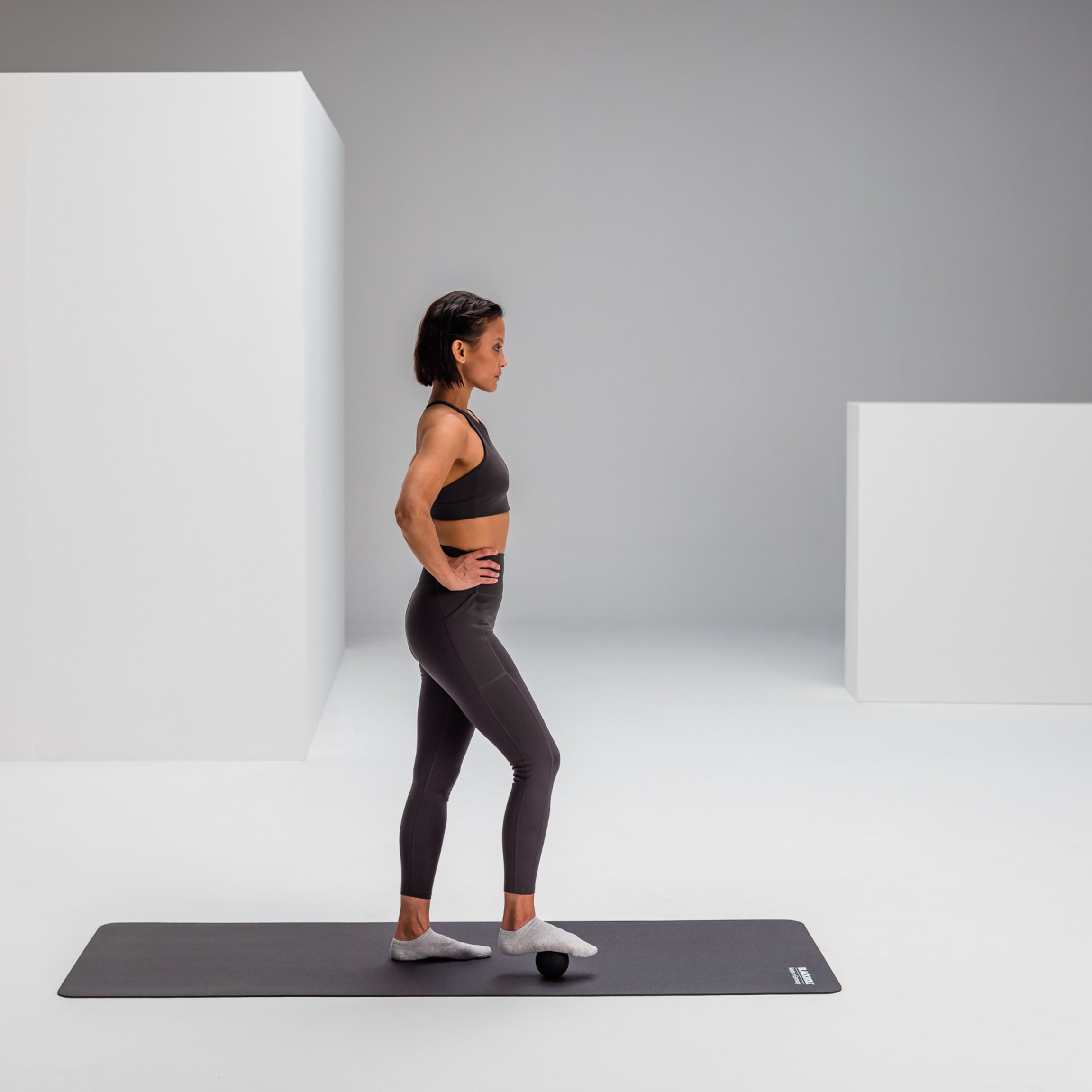
Sole of the Foot Massage with the Fascia Ball
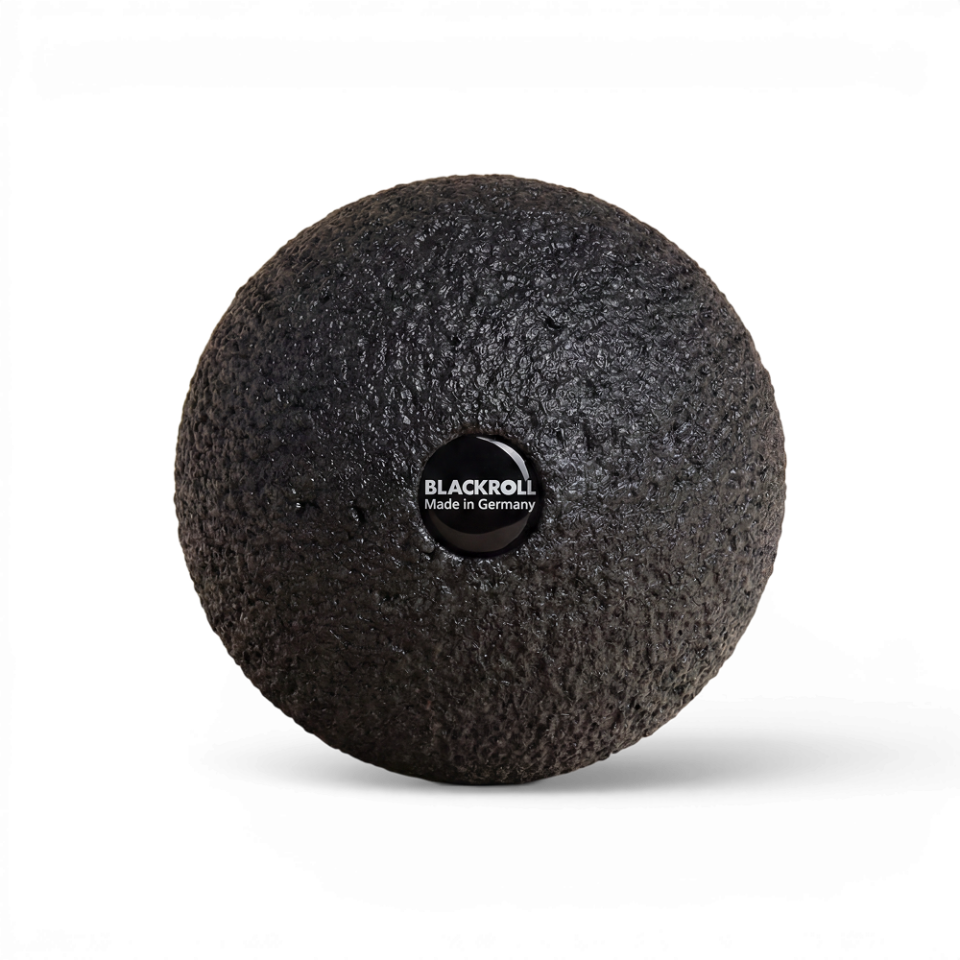
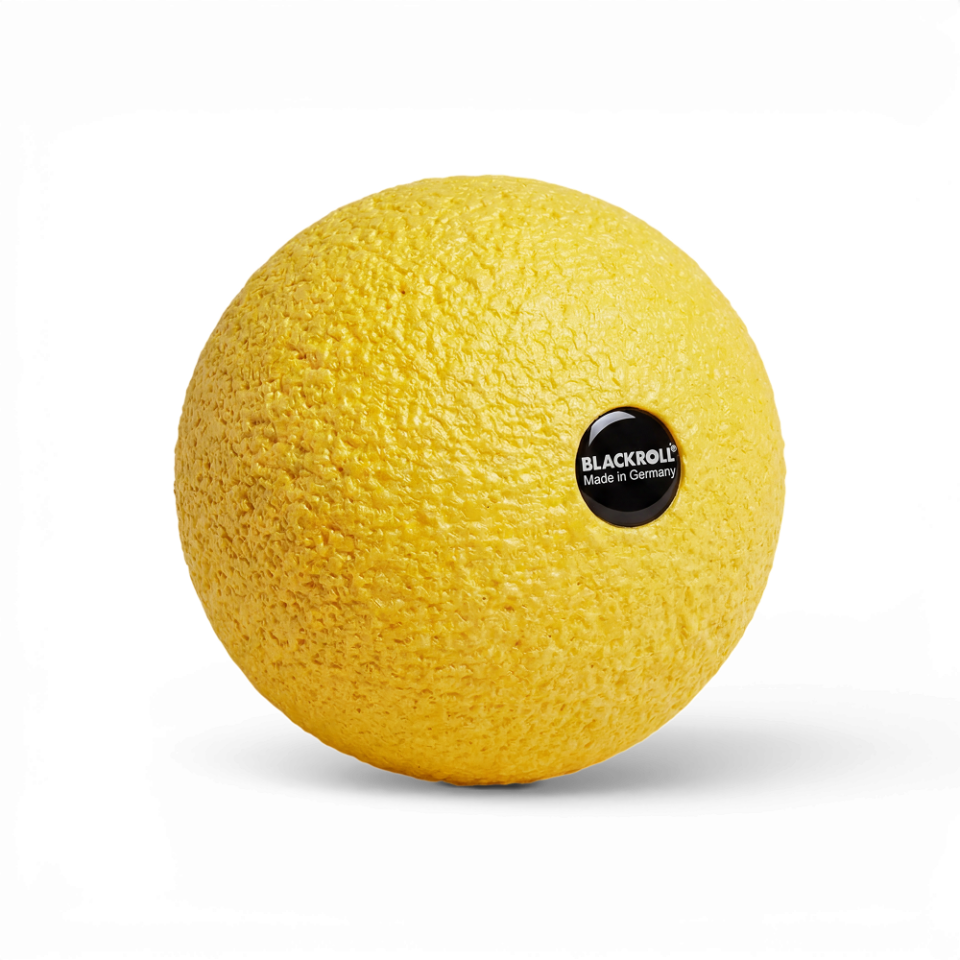
While standing, place the sole of your foot on the BALL. Roll slowly back and forth. Reduce the pressure by slightly bending your knee, thereby shifting your weight onto your supporting leg.
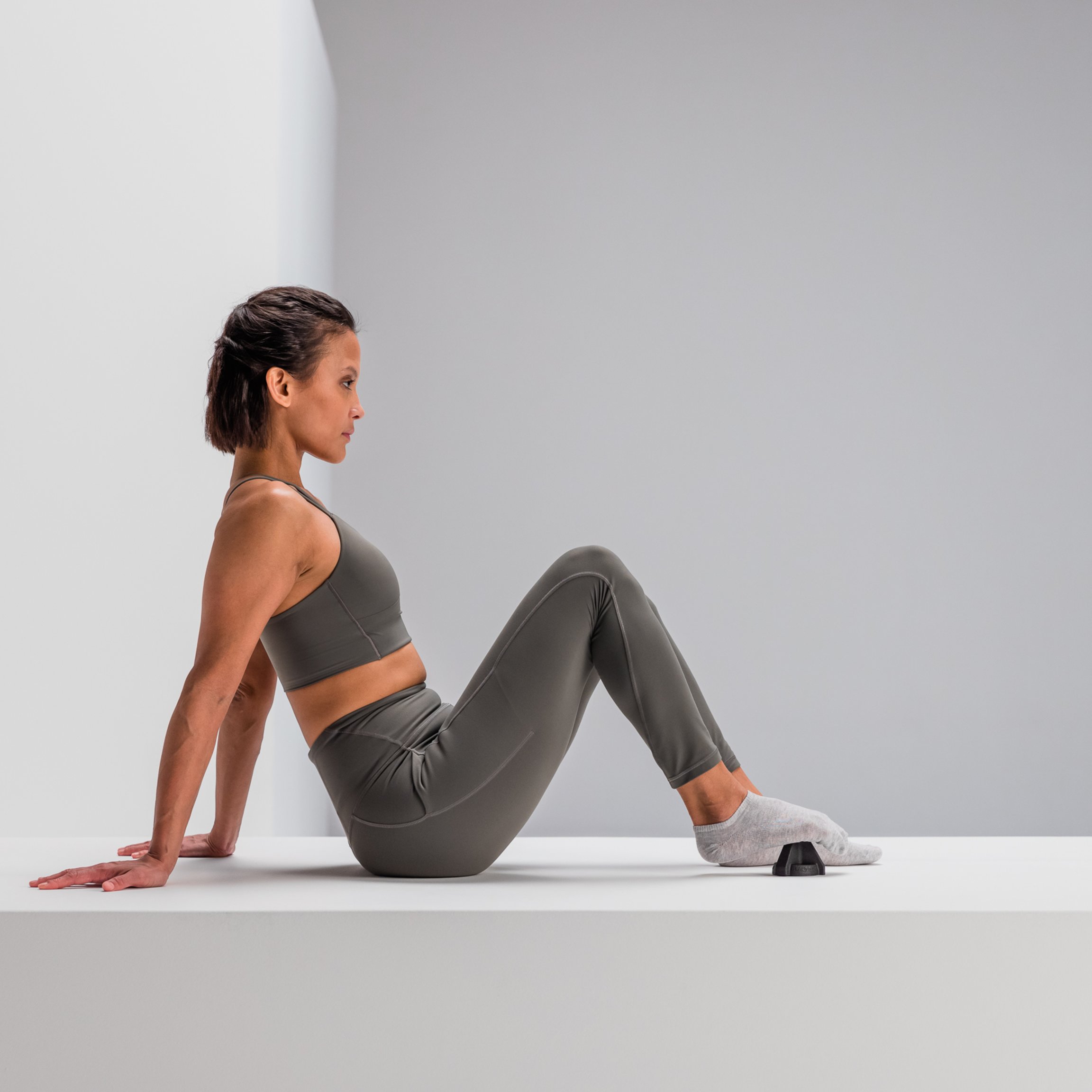
Trigger point massage of the sole of the foot
While standing or sitting, place your foot on the TRIGGER. Find a tender spot. Stay on that spot. Relax your foot. Focus on your breathing. Move your toes up and down once the initial pain has subsided.
Sole of the Foot Massage with the Twister
Place your foot on the TWISTER while standing. Rotate your foot. Vary the position and the pressure.
Is Stretching the Plantar Fascia Beneficial?
What does research say about stretching exercises for treating plantar fasciitis?
To date, science has not been able to provide clear recommendations regarding stretching for plantar fasciitis. However, various studies suggest that stretching exercises may help alleviate plantar fasciitis symptoms in the short term.
Based on the current scientific evidence, it is therefore not possible to definitively answer whether stretching the plantar fascia is beneficial.
However, there are some indications that targeted stretching of tight calf muscles may help alleviate symptoms.
You’ll find targeted stretching exercises for the calves in the next chapter.
Plantar Fasciitis Stretching Exercises
If you’re suffering from plantar fasciitis, targeted plantar fasciitis stretching exercises could support your recovery. The primary goal is to relieve tension in the calf muscles. Below you’ll find a selection of stretching exercises for the calves.
Hold each stretch for at least 60 seconds per side. Alternatively, you can stretch for 2 sets of 30 seconds on both sides.
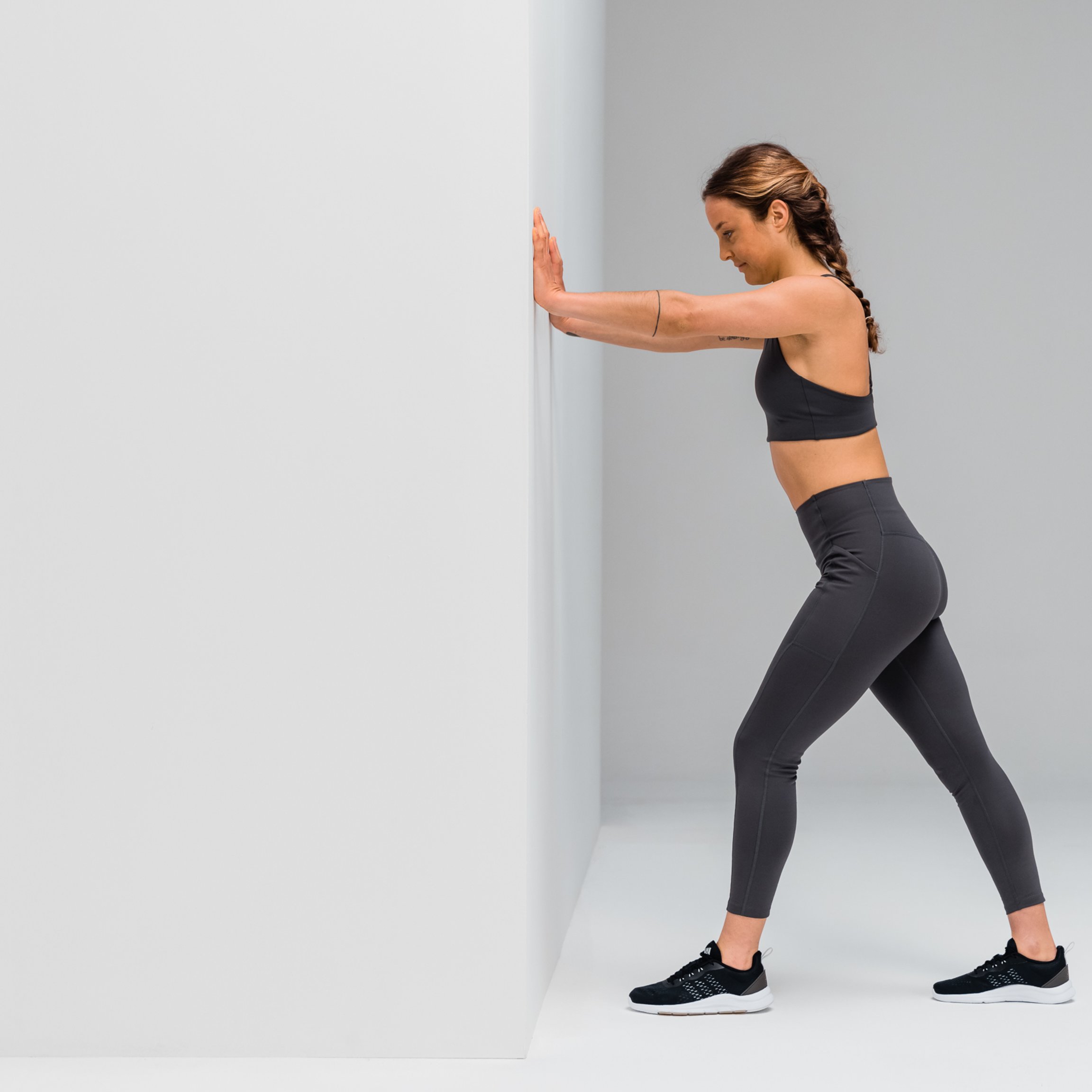
Calf Stretch Against a Wall
Stand in a lunge position facing a wall. Support yourself with your hands. Shift your body weight onto your front leg. Make sure the entire sole of your back foot is flat on the floor. Keep your knee straight.
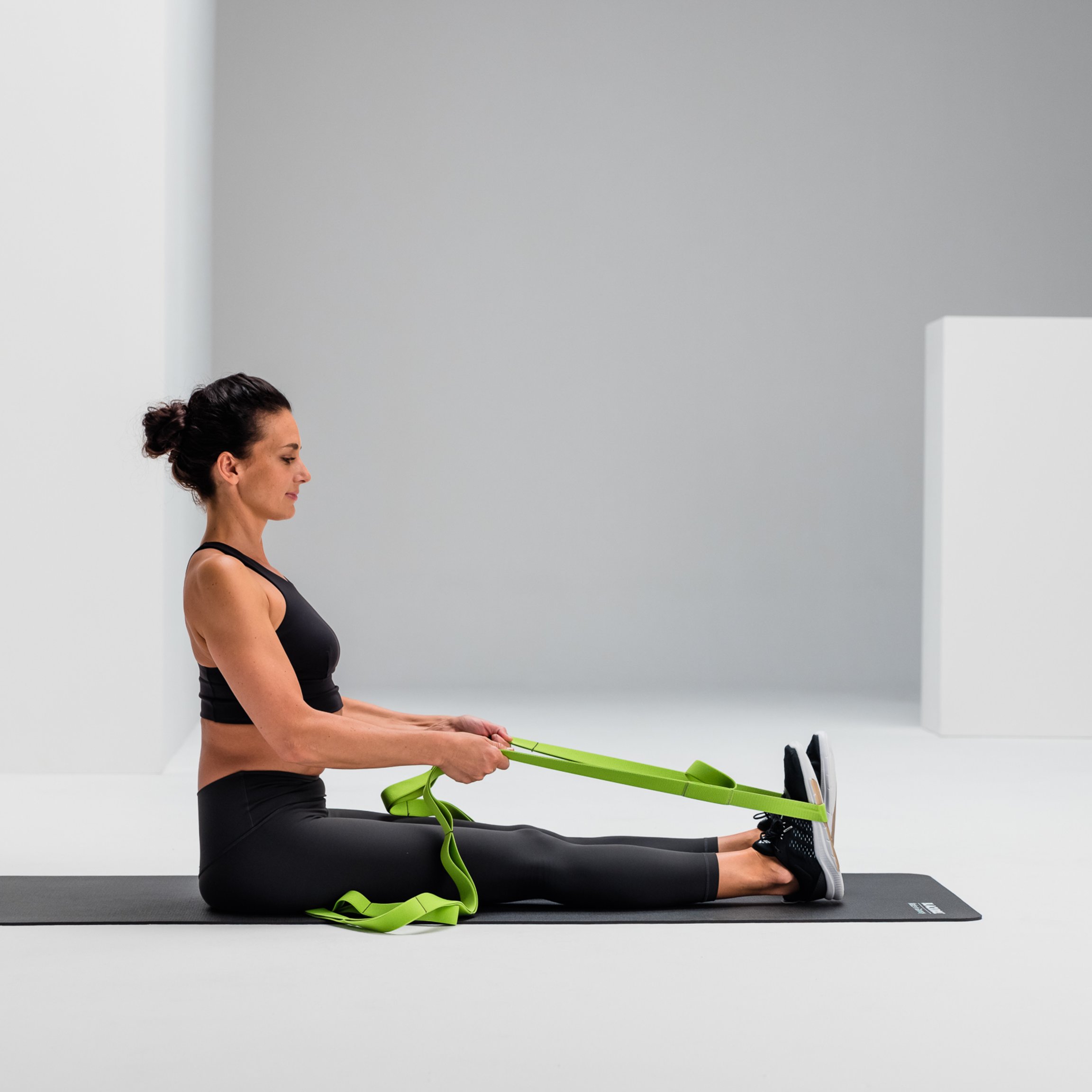
Seated Calf Stretch
While seated, wrap the MULTI BAND around one foot. Extend your leg. Grasp the band with both hands. Pull the MULTI BAND toward your body. Hold this position. Actively pull your toes toward your torso during the stretch. (This exercise can also be performed with the LOOP or the SUPER BAND.)
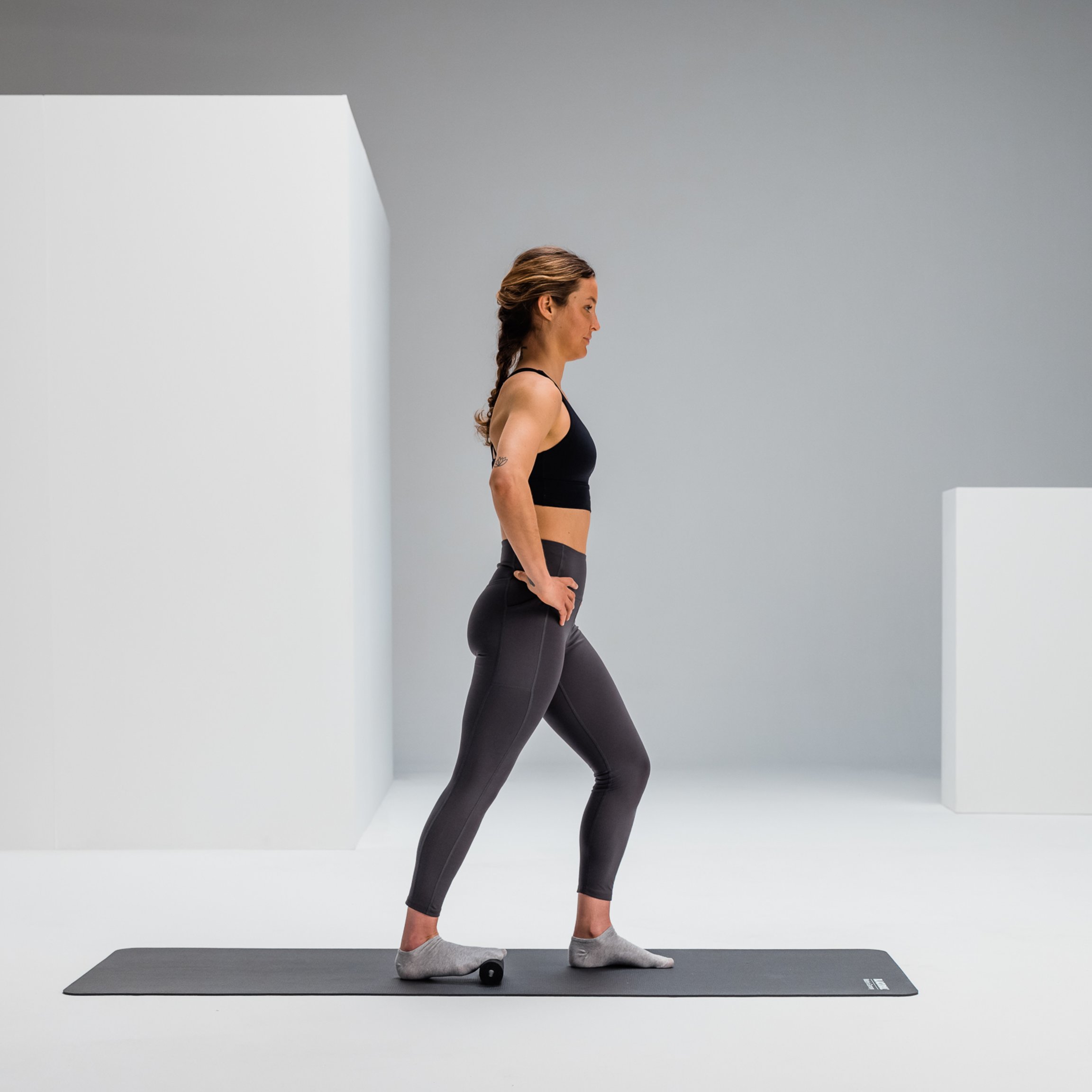
Calf Stretch with the MINI Foam Roller
Start in an upright standing position. Place the ball of your foot on the foam roller. Keep your heel on the floor and your knee straight. Shift your weight forward. This will increase the stretch in the sole of your foot and your calf muscles. To strengthen the muscles while lengthening them, press the sole of your foot into the roller. Release the tension. Go a little deeper into the stretch.
Fuß und Wade kräftigen
Single-Leg Calf Raise
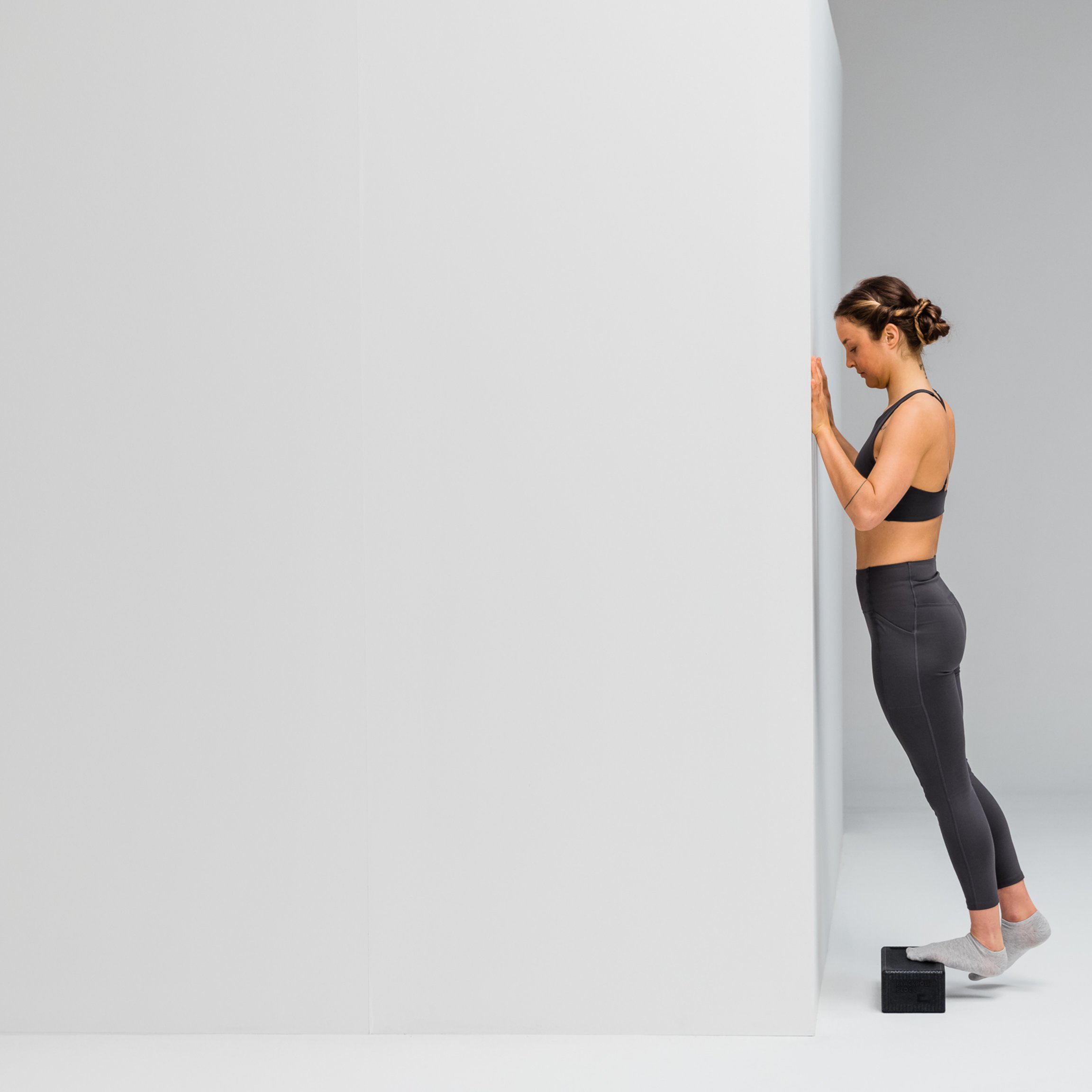
Stand with the ball of one foot on the BLOCK in front of a wall. Your heel should be suspended in the air. Push yourself up into a toe stand. Slowly and controlledly lower your heel back down. If you find the exercise difficult, stand with both balls of your feet on the BLOCK. This puts less strain on your calf muscles.
Exercises for Shortened Tendons in the Foot
In the foot area, so-called “shortened tendons” can lead to various problems. However, it’s important to note that these problems are often not due to an actual shortening of the tendons themselves, but rather to changes in the surrounding tissue, muscular imbalances, or other biomechanical factors. Here are some examples of problems that can occur in connection with seemingly shortened tendons in the foot:
- Plantar fasciitis: Overuse or improper loading can irritate the plantar fascia, which can lead to pain on the bottom of the foot.
- Achilles tendon problems: The Achilles tendon, which connects the calf muscles to the heel, can cause pain when overloaded or due to poor biomechanics. This pain is sometimes described as a “shortened Achilles tendon,” but it is often due to structural changes or inflammation.
- Ankle stiffness: Injuries such as a torn ligament or a fracture in the ankle area can result in limited mobility and stiffness. This can give the impression of a shortened tendon, even though the cause lies in scar tissue or joint stiffness.
- Hallux rigidus: This is a condition in which the joint of the big toe becomes stiff, limiting movement. It is often perceived as a “shortened big toe,” although it is actually a joint problem.
In many cases, physical therapy and exercise therapy can help improve mobility in the foot. These approaches aim to maintain or restore the flexibility of the muscles, tendons, and fascia, which in turn can improve overall foot health.
If you’re looking for exercises to improve “shortened tendons” in the foot, you should consider seeking professional guidance to ensure the exercises are performed effectively and safely.
Summary
Heel pain caused by plantar fasciitis can be extremely bothersome. In many cases, however, you have the option of finding relief through exercise therapy or physical therapy. So stay on top of it and take your health and well-being into your own hands.
Häufige Fragen
Bei einer Plantarfasziitis sind die ersten Schritte am Morgen oft besonders schmerzhaft. Nach der Ruhephase wird die Plantarfaszie bei den ersten Schritten wieder belastet und gedehnt. Nach einigen Schritten lassen die Schmerzen häufig nach, können bei längerer oder stärkerer Belastung aber wieder zunehmen.
Eine Plantarfasziitis ist eine schmerzhafte Überlastung der Plantarfaszie, einer festen Gewebestruktur an der Fußsohle, die von der Ferse bis zu den Zehen verläuft. Typisch sind Schmerzen an der Ferse oder im Fußgewölbe, die besonders bei den ersten Schritten nach Ruhephasen auftreten.
Eine Plantarfasziitis betrifft die Plantarfaszie an der Fußsohle, während ein Fersensporn eine knöcherne Veränderung am Fersenbein bezeichnet. Beides kann gleichzeitig auftreten, ein Fersensporn verursacht jedoch nicht automatisch Schmerzen. Mehr dazu erfährst du in unserem Artikel zum Fersensporn.
Bei Plantarfasziitis kannst du selbst aktiv werden: Dehne regelmäßig die Plantarfaszie und deine Waden, kräftige die Fuß- und Unterschenkelmuskulatur und passe deine Belastung vorübergehend an. Eine Massage der Fußsohle mit einem Ball oder einer Rolle kann ergänzend helfen, die Schmerzen zu lindern.
Einlagen können bei Plantarfasziitis unterstützend eingesetzt werden, sollten aber nicht die einzige Maßnahme sein. Koc et al. (2023) empfehlen Orthesen in Kombination mit anderen Behandlungen, um Schmerzen zu reduzieren und die Funktion zu verbessern. Sinnvoll sind sie beispielsweise ergänzend zu Dehnungs- und Kräftigungsübungen.
Für die Massage der Fußsohle eignet sich beispielsweise der BALL 08 für punktuelleren Druck oder der größere BALL 12 für eine großflächigere Massage. Welcher Ball angenehmer ist, hängt von deinem persönlichen Empfinden ab. Ein Faszienball kann die Selbstmassage unterstützen, ersetzt aber keine gezielte Behandlung der Plantarfasziitis.
Bei deutlicher Schwellung, Taubheitsgefühlen, Schmerzen in Ruhe oder nachts sowie Beschwerden nach einem Sturz solltest du die Ursache ärztlich abklären lassen. Auch wenn sich deine Beschwerden trotz angepasster Belastung und regelmäßiger Übungen über mehrere Wochen nicht bessern, ist eine ärztliche Abklärung sinnvoll.
Eine Plantarfasziitis kann sich über mehrere Wochen bis Monate hinziehen. Beim Laufen solltest du dich an deinen Beschwerden orientieren und die Belastung vorübergehend reduzieren, wenn sie deine Schmerzen verstärkt. Steigere Umfang und Intensität erst wieder schrittweise, wenn dein Fuß die Belastung gut verträgt.

More exercises for feet & legs


Quellen
Koc, T. A. et al. (2023). Heel Pain – Plantar Fasciitis: Revision 2023. JOSPT, 53(12). https://doi.org/10.2519/jospt.2023.0303