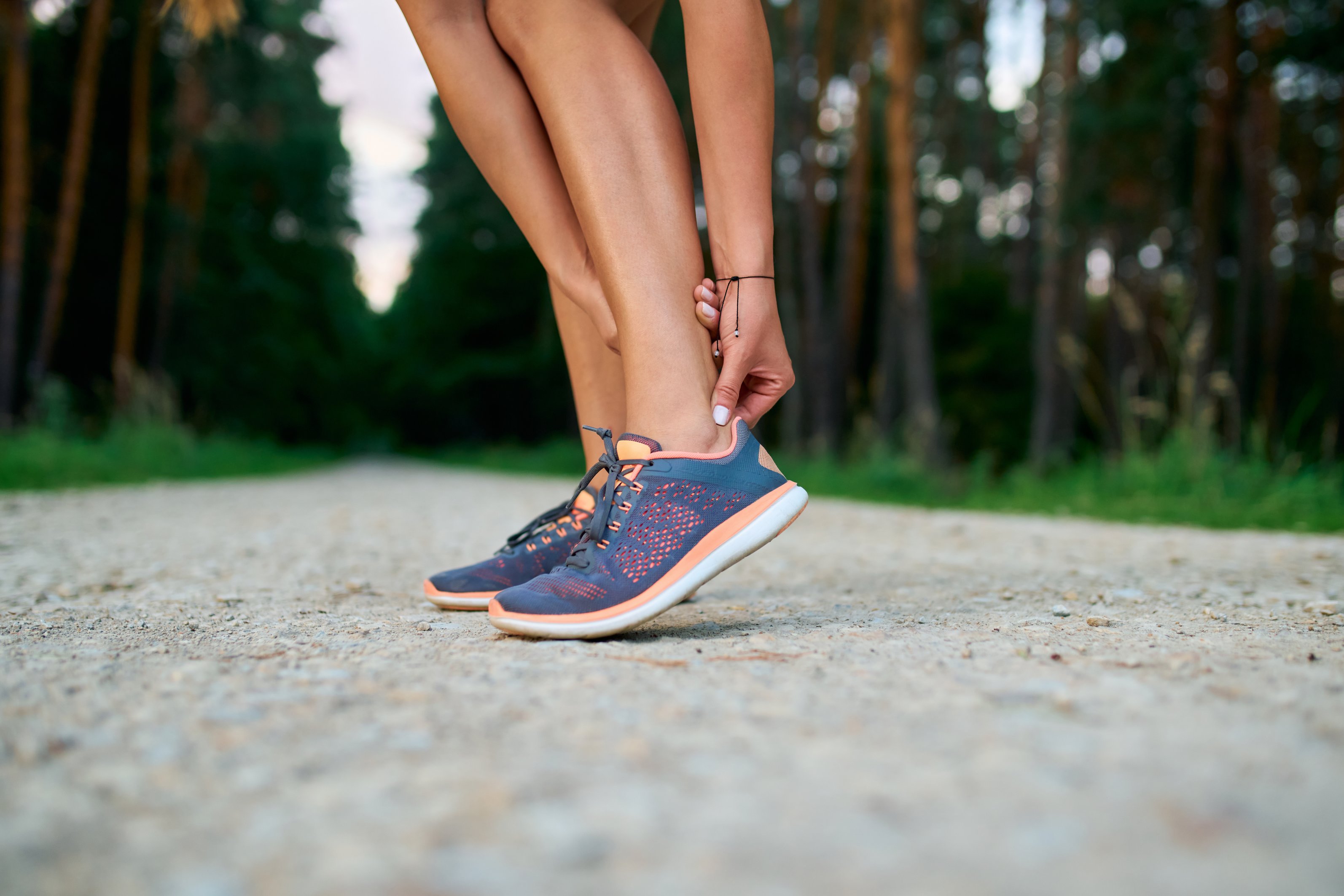
Achilles Tendonitis: Causes, Symptoms, and Treatment of Achilles Tendon Pain

Have you ever noticed pain in your heel after taking your first steps in the morning, which improves after a little movement? If so, you may have Achilles tendinitis. Achilles tendinitis (medically known as achillodynia) is a degenerative condition that occurs frequently, especially in athletes, and is caused by persistent irritation of the Achilles tendon.
The Achilles tendon is the largest and strongest tendon in the human body and connects the calf muscles to the heel bone. It enables you to push off when walking, running, and jumping; however, inflammation severely limits its ability to withstand stress. In this article, we explain the main causes and risk factors for Achilles tendonitis and what you can do to relieve the pain.
Causes and Risk Factors
Symptoms of Achilles tendonitis usually develop gradually, but once they appear, treatment can be very lengthy and may even become chronic if those affected do not take timely action. Normally, however, Achilles tendonitis heals within six to eight weeks.
The most common causes and risk factors for Achilles tendinitis include:
- Overuse: Intense physical activities such as running, jumping, or brisk walking—especially without adequate warm-up and stretching exercises—or poor running form can lead to overuse of the tendon. Nearly 10 percent of all runners experience Achilles tendinopathy at least once in their lives. A rapid increase in the volume or intensity of training can also overload the Achilles tendon. Long-distance runners and sprinters are particularly at risk, but ball sports involving quick changes of direction—such as basketball or tennis—also increase the risk.
- Improper footwear: Wearing shoes that do not provide adequate support for the arch or heel can increase the strain on the Achilles tendon. Worn-out or unsuitable shoes, especially during sports, can also increase the risk of inflammation.
- Age and gender: As we age, the Achilles tendon loses flexibility and strength, making it more susceptible to injury. The quality of the tendon begins to decline around age 30. Men are affected by Achilles tendinitis more frequently than women.
- Excess weight and physical build: Every additional kilogram increases the pressure and strain on the Achilles tendon. Weak calf muscles can also put greater strain on the Achilles tendon, as it has to do more work.
- Previous injuries: If a person has previously had an Achilles tendon injury, the risk of recurrent inflammation is increased.
- Existing medical conditions: People who suffer from an inflammatory disease (such as rheumatoid arthritis) are also more susceptible to Achilles tendonitis.
- Intrinsic factors: Individual anatomical characteristics can contribute to overuse of the tendon in affected individuals. These include, for example, inward rotation of the foot (pronation), colloquially known as a “flat foot.”
- Medication use: Medications such as cortisone or antibiotics are known to negatively affect the body’s ability to heal tissue and can thus lead to pressure pain at the tendon insertions.
Symptoms and Diagnosis: When Should Those Affected See a Specialist?
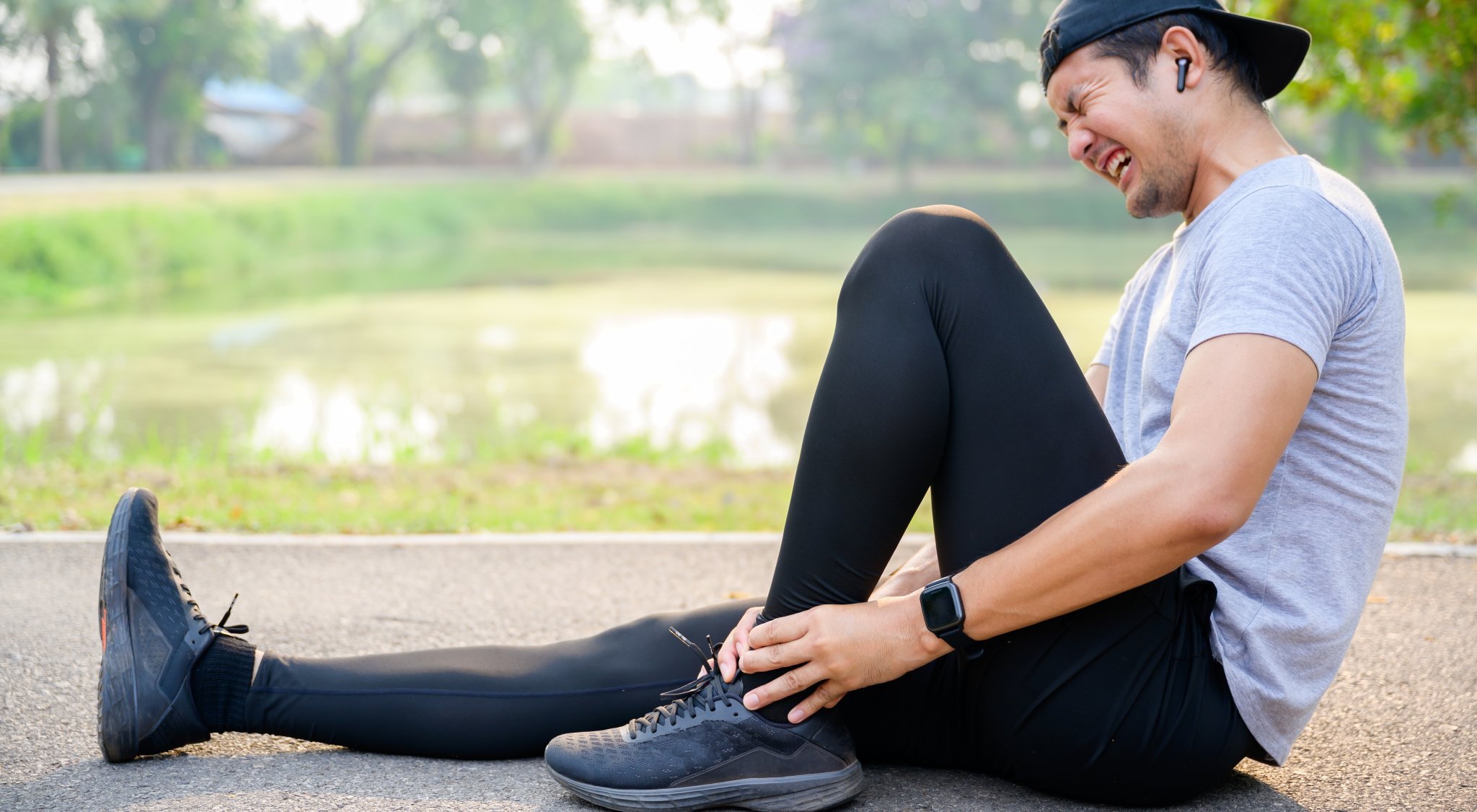
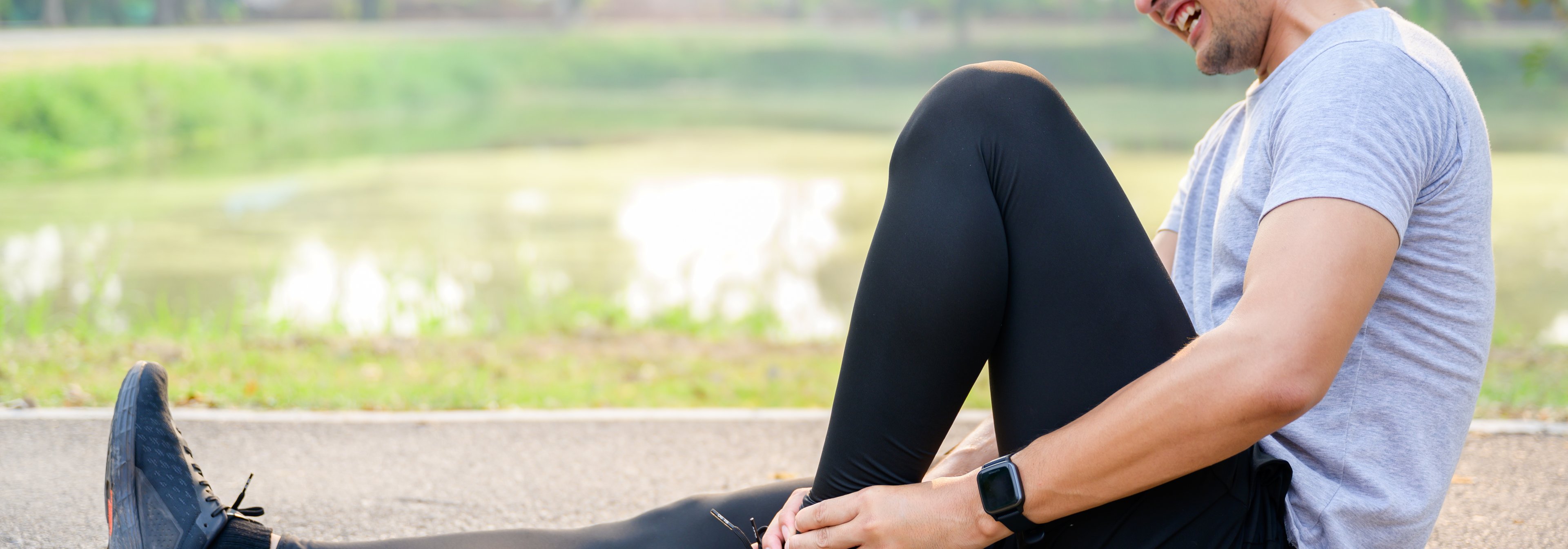
Constant pain in the heel area is typical of an inflamed Achilles tendon. The pain is localized about two to six centimeters above the heel bone and in the lower leg, and is initially most noticeable during physical activity (especially during movements that strongly stretch the tendon, such as climbing stairs). However, if the tendon continues to be irritated, the typical symptoms may also occur even at rest. Externally, those affected usually notice a thickening of the tendon and slight warmth in the skin over the affected area. The symptoms are most severe at the start of physical activity and in the morning after getting out of bed (this is known as “start-up pain”), but they usually subside after the first few steps. Morning stiffness of the Achilles tendon is also one of the typical symptoms of Achilles tendinopathy.
If you suspect you have Achilles tendinitis, you should see an orthopedic specialist to prevent the symptoms from becoming chronic and to receive the proper treatment as soon as possible. If you continue to put strain on the tendon, it can, in the worst case, lead to an Achilles tendon rupture—that is, a complete tear of the tendon.
A doctor can diagnose the inflammation relatively easily through a physical examination. Imaging tests such as ultrasound or MRI allow a doctor to distinguish achillodynia from other conditions affecting the Achilles tendon that can cause similar symptoms. These include, among others, a heel spur, a partial tear of the tendon, or Haglund’s deformity, in which the entire area of the heel bone is inflamed.
Treatment: First Aid Measures and Therapy
Achillodynia is typically treated with conservative measures; surgery is rarely necessary. The primary goal of first-aid measures is to relieve symptoms and support healing. If you are experiencing Achilles tendon pain, you can follow these tips immediately:
- Rest and Avoidance: Take the weight off the affected leg and avoid activities that cause or worsen pain, especially running or jumping. Take a break from sports until the pain is gone.
- Compression wrap: Wrap an elastic bandage around the affected area to reduce swelling and provide support to the foot. Be careful not to wrap it too tightly, however, so as not to restrict blood circulation.
- Stretching and Strengthening Exercises: Once the acute pain has subsided, you can support your recovery with gentle stretching exercises for the calf muscles and the Achilles tendon. A well-known exercise is the wall calf stretch. Eccentric training of the calf muscles can help strengthen the Achilles tendon over the long term and prevent recurrences. You’ll find more tips on suitable stretching and strengthening exercises in the following sections of our article.
- Wear appropriate shoes: Wear shoes with a slight heel lift or use heel cushions to reduce pressure on the Achilles tendon. Also, make sure your shoes are well-cushioned and provide adequate support.
Tip: Ourfirst-aid measures can help relieve symptoms. However, if you still experience persistent pain or if the pain actually worsens, see a doctor to rule out other conditions and receive the proper treatment.
Medications that can support conservative treatment include anti-inflammatory pain relievers such as ibuprofen, diclofenac, or acetaminophen. In any case, you should consult a doctor to determine the correct dosage.
Stretching and Strengthening Exercises
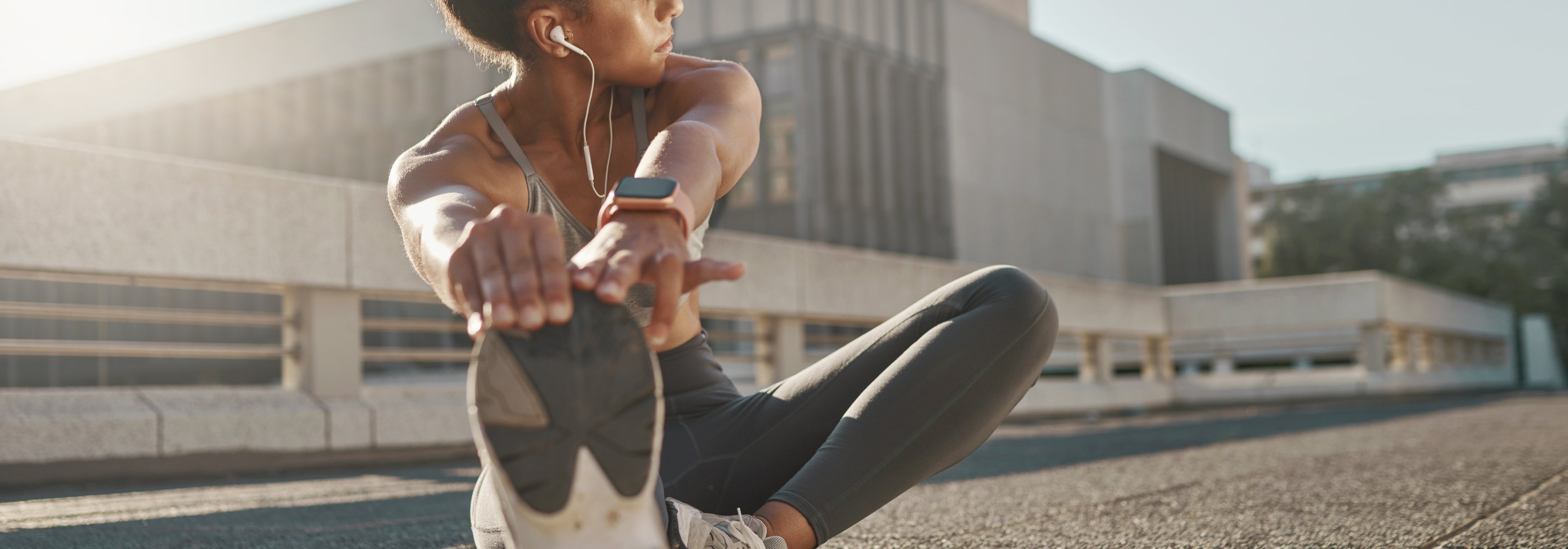
To help your lower leg become pain-free again when bearing weight and moving, you can use stretching and strengthening exercises to improve the flexibility and strength of your Achilles tendon and the surrounding muscles, which supports healing and prevents future injuries. Exercises with a foam roller are also ideal for this. We recommend the MINI from BLACKROLL, the DUOBALL 12, or the DUOBALL 08.
- Calf stretch against a wall or on a stair step: Stand on a stair step with your heels hanging off the edge. Slowly lower your heels until you feel a stretch in your calves. Hold the stretch for 20–30 seconds and repeat 3 times. Hold onto a railing or wall to maintain your balance.
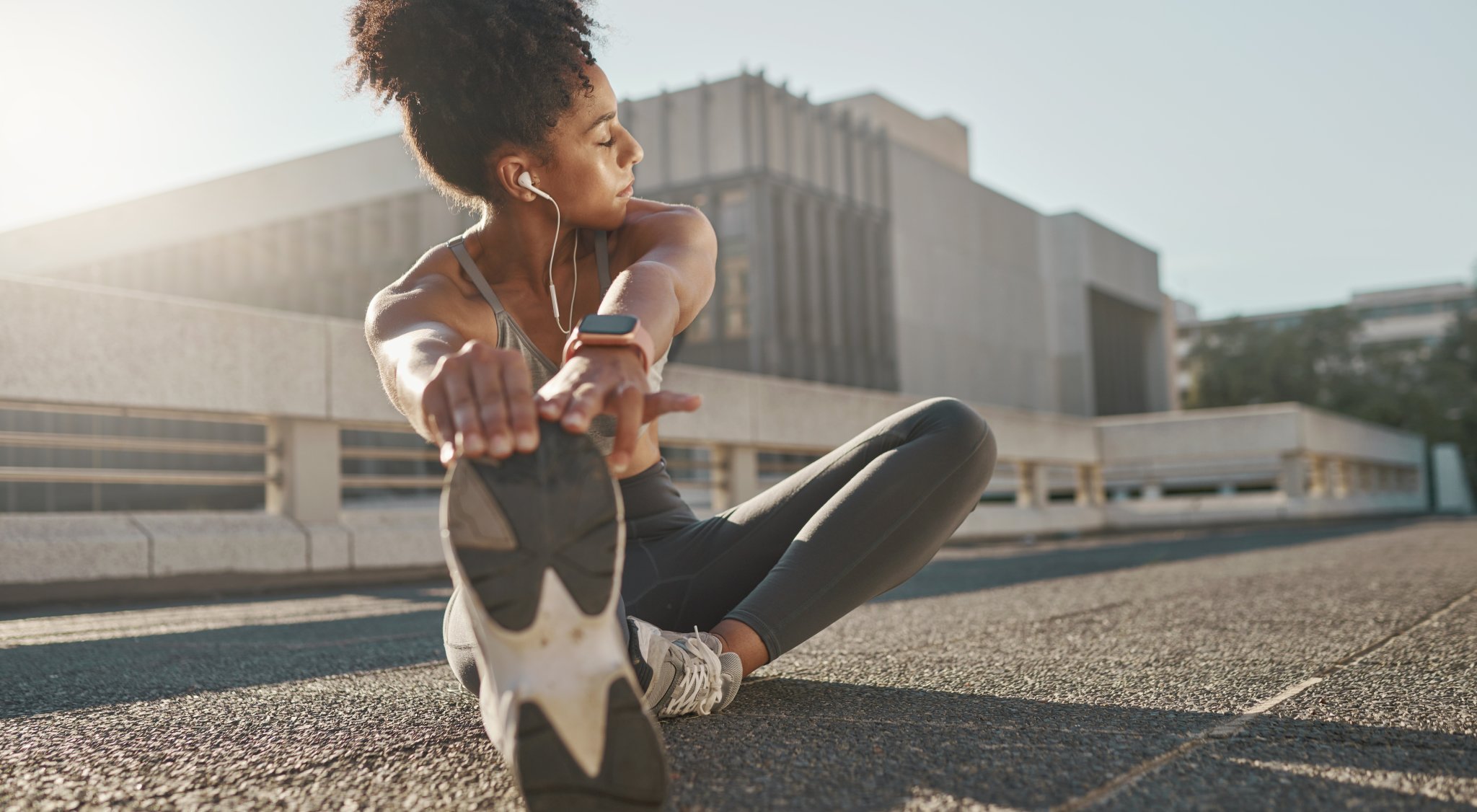
- Seated calf stretch with a towel: Sit on the floor with your legs extended. Wrap a towel around the ball of the affected foot and slowly pull it toward you. Hold the stretch for 20–30 seconds and repeat 3 times. Keep your leg straight, but don’t tense it excessively.
- Eccentric Calf Raise (Single-Leg Calf Raise): Stand with the balls of your feet on a stair step, with your heel again extending past the edge. Raise yourself onto your tiptoes with both feet. Lift the unaffected leg and slowly lower the heel of the affected leg (about 8 seconds) until it drops below the edge of the step. Set the unaffected leg back down and repeat the process. 10–15 repetitions, 3 times a day.
- Two-Legged Calf Raises: Stand with your feet hip-width apart. Slowly rise onto your toes and lower yourself just as slowly. 15–20 repetitions, 3 times a day. Make sure the movement is controlled and performed without momentum.
- Seated heel raises: Sit on a chair with your feet flat on the floor. Raise your heels as high as possible and slowly lower them back down. 15–20 repetitions, 3 times a day. You can also perform this exercise with additional weight on your knees to increase the intensity.
We’ve compiled more foam rolling exercises for the Achilles tendon and the 5 best exercises for Achilles tendon pain on our website. There you’ll also find a selection of suitable tools you can use for the exercises.
Physical Therapy and Rehabilitation for Achilles Tendinopathy
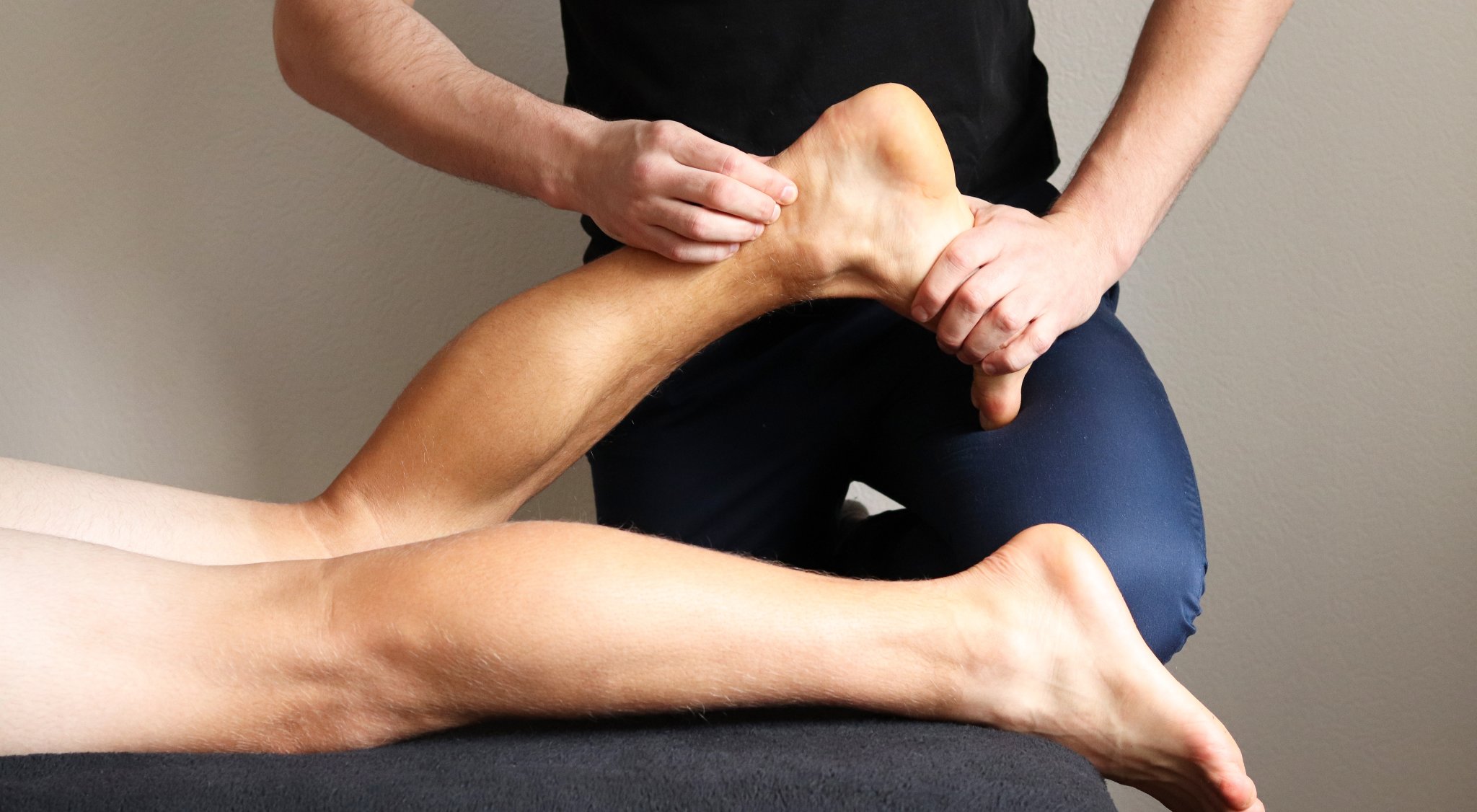
Appropriate physical therapy for Achilles tendinopathy involves a combination of stretching and strengthening exercises, manual techniques, and pain relief.
Eccentric exercises for the calf muscles are particularly effective in treating Achilles tendinitis. This is a form of strength training in which the muscle is first shortened and then stretched again. It is important to perform the movement very slowly during the deceleration phase. The deceleration from the contracted muscle position into the stretch should take approximately 8 seconds.
As part of manual therapy, a therapist attempts to palpate disturbances in the musculoskeletal system, muscles, and joints and to resolve them through manual pressure.
Regular stretching of the calf muscles can also improve flexibility and relieve strain on the Achilles tendon. A physical therapist can explain which exercises you can easily do on your own at home.
6 alternative therapy methods
Alternative treatment methods for Achilles tendinitis can be used in conjunction with physical therapy and medication to promote healing and relieve pain. Proven alternative treatment methods include:
1. Shockwave therapy: In extracorporeal shockwave therapy (ESWT), high-energy shockwaves are directed at the affected area to improve blood flow and accelerate the healing process.
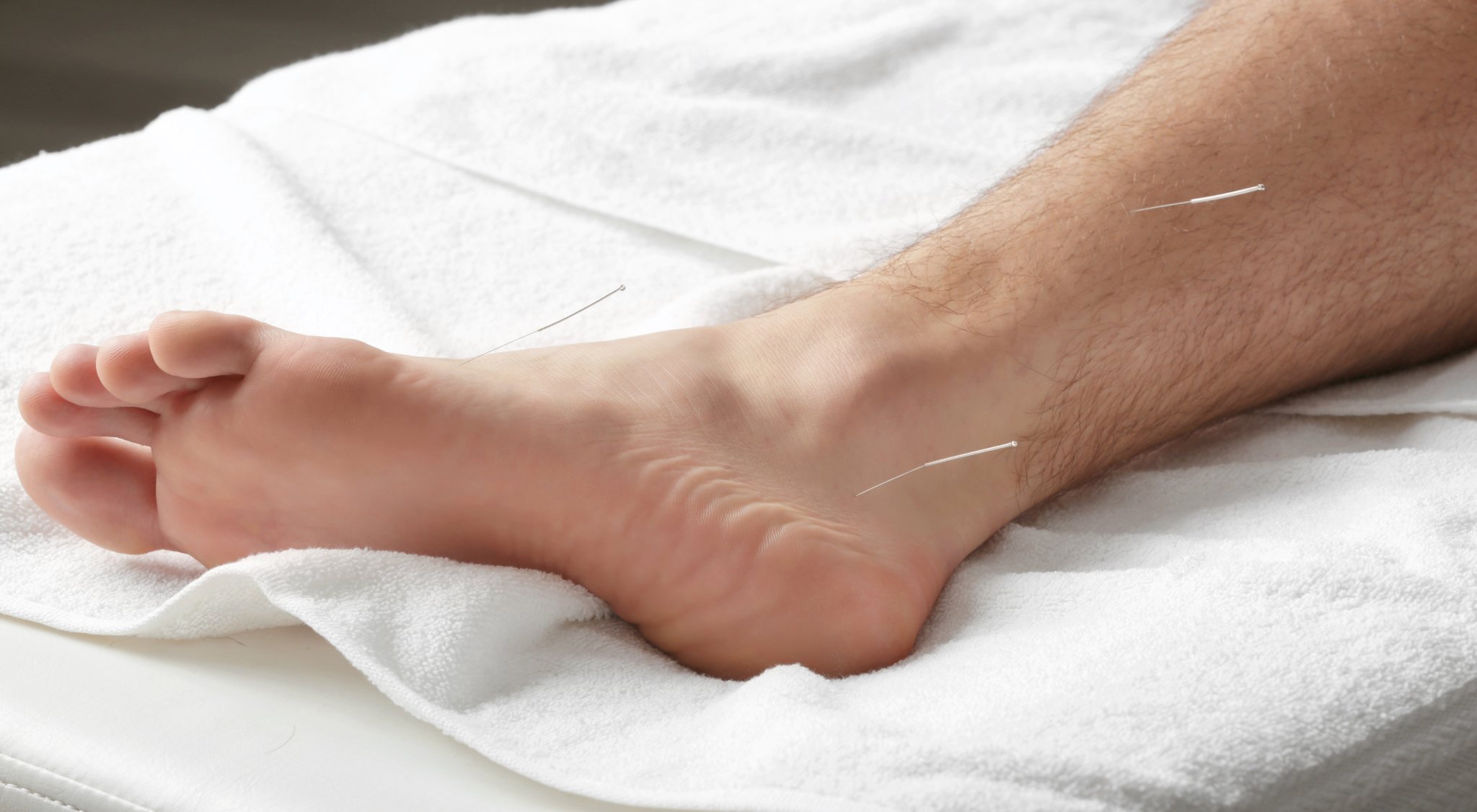
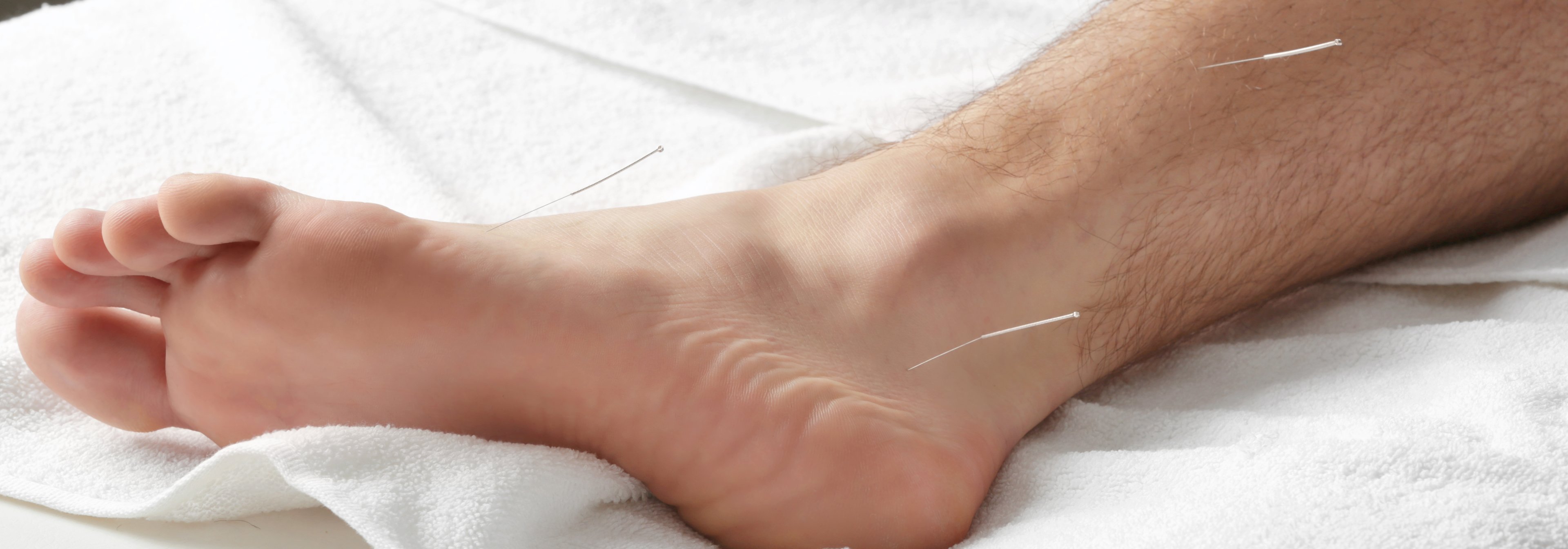
2. Acupuncture: Acupuncture can help relieve pain and reduce inflammation by stimulating specific acupuncture points. Some studies have shown that acupuncture can be an effective complement to conventional treatment.
3. Ultrasound therapy: Therapeutic ultrasound can help increase blood flow, reduce inflammation, and accelerate the healing process. To do this, the affected area is treated with an ultrasound device that emits high-frequency sound waves.
4. Laser therapy: In low-level laser therapy (LLLT), the affected area is treated with low-dose laser beams to promote healing, reduce inflammation, and relieve pain.
5. Kinesiology taping: An elastic tape applied to the affected area by a physical therapist can improve blood circulation and lymphatic flow, thereby supporting healing and relieving pain.
6. Diet and dietary supplements: A diet rich in omega-3 fatty acids (found in fish oil, for example), antioxidants (found in berries and green leafy vegetables, among other foods), and anti-inflammatory spices (such as turmeric or ginger) can reduce inflammation in the body and thus have a positive effect on tendon health.

Prevention and Precautions
To prevent Achilles tendon inflammation from occurring in the first place, there are a few key things you can do. Here are 8 tips for prevention:
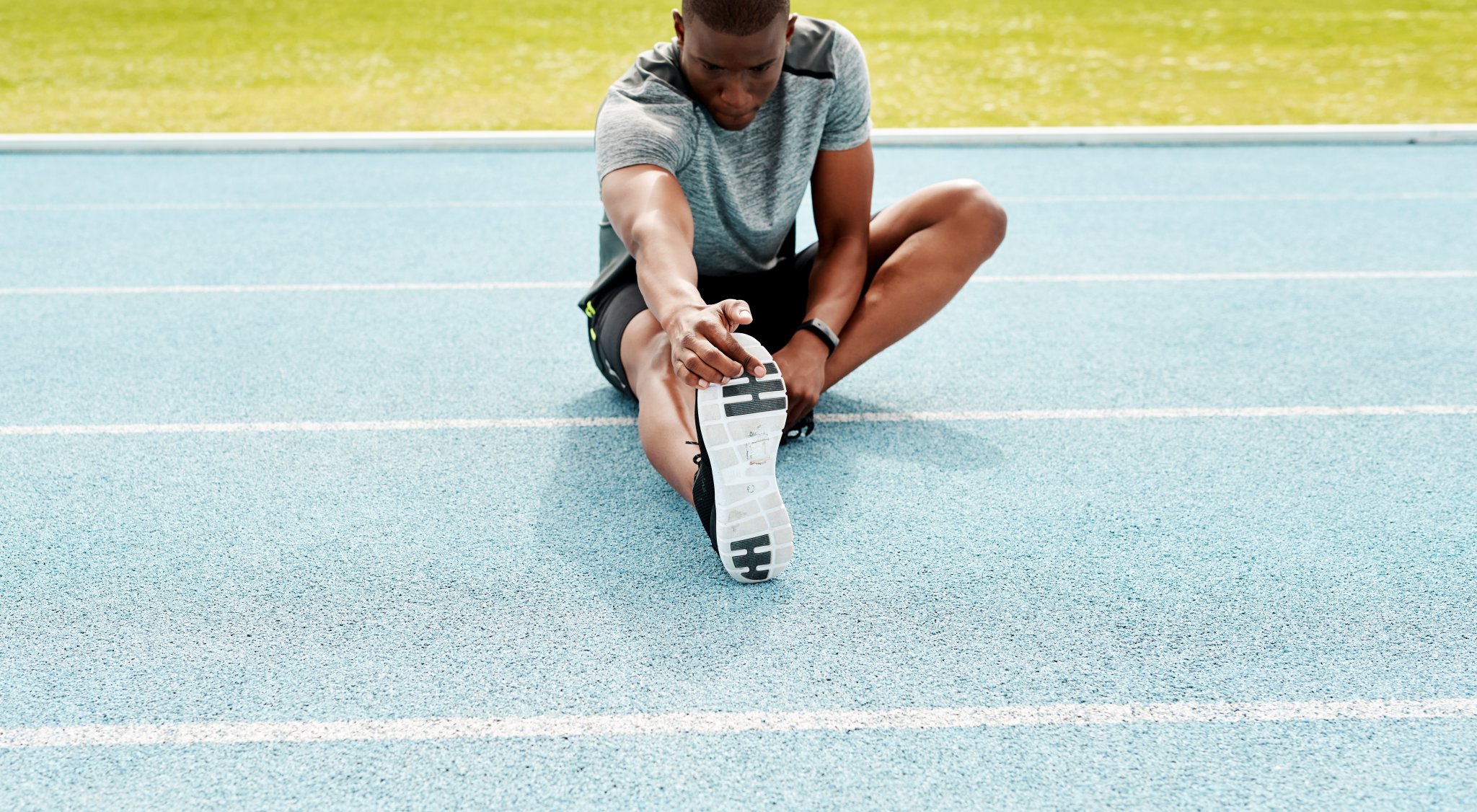
- Warm-up and Stretching: Start every physical activity with a thorough warm-up. Mobilize your joints, roll out your legs briefly with a Blackroll if needed, and do a few dynamic stretching exercises like leg swings to prepare your muscles for the upcoming exertion.
- Strengthening exercises: Perform strengthening exercises regularly to strengthen your Achilles tendon and calf muscles.
- Footwear and Insoles: With the right footwear and special insoles (ideally custom-fitted orthopedic insoles), you can support your feet and provide additional support for your Achilles tendon. Be sure to rotate your shoes regularly, especially during intense training.
- Adjust Your Training and Workload: Gradually increase the intensity and duration of your workouts to avoid overuse. As a rule of thumb, increase your workload by no more than ten percent per week. Also, vary your physical activities to engage different muscle groups and avoid one-sided strain, and give your body enough time to recover between intense training sessions.
- Regular Breaks and Recovery: Take regular breaks during your workout or work to relax your muscles and tendons. Also, schedule regular rest days into your training plan to avoid overexertion.
- Nutrition: A diet rich in omega-3 fatty acids, antioxidants, and anti-inflammatory foods can reduce inflammation in the body. Examples include fatty fish, nuts, seeds, berries, and leafy green vegetables. Also, drink enough water to support tissue hydration and healing processes.
- Ergonomic adjustments: Make sure your workspace is set up ergonomically to ensure good posture and even weight distribution.
- Take early symptoms seriously: If you notice the first signs of Achilles tendinitis, you can prevent the condition from worsening by taking first-aid measures. If symptoms persist or recur, see a doctor or physical therapist to receive appropriate treatment and prevent the condition from getting worse.

Summary
- Achillodynia is a degenerative condition of the Achilles tendon that commonly affects athletes.
- In most cases, intense physical activity is considered the cause
- The risk increases after age 30, as tendon quality declines
- Symptoms of Achilles tendinopathy include constant pain in the heel area, especially during physical activity, thickening of the tendon, warmth of the skin, pain upon initial movement, and morning stiffness.
- The diagnosis is made through a physical examination and medical history review by an orthopedic surgeon; ultrasound and MRI may also be used if necessary.
- In acute cases, those affected should avoid strenuous activities. Stretching and strengthening exercises support the tendon’s healing process and also help prevent further issues. Pain relievers such as ibuprofen or acetaminophen have anti-inflammatory effects and alleviate pain.