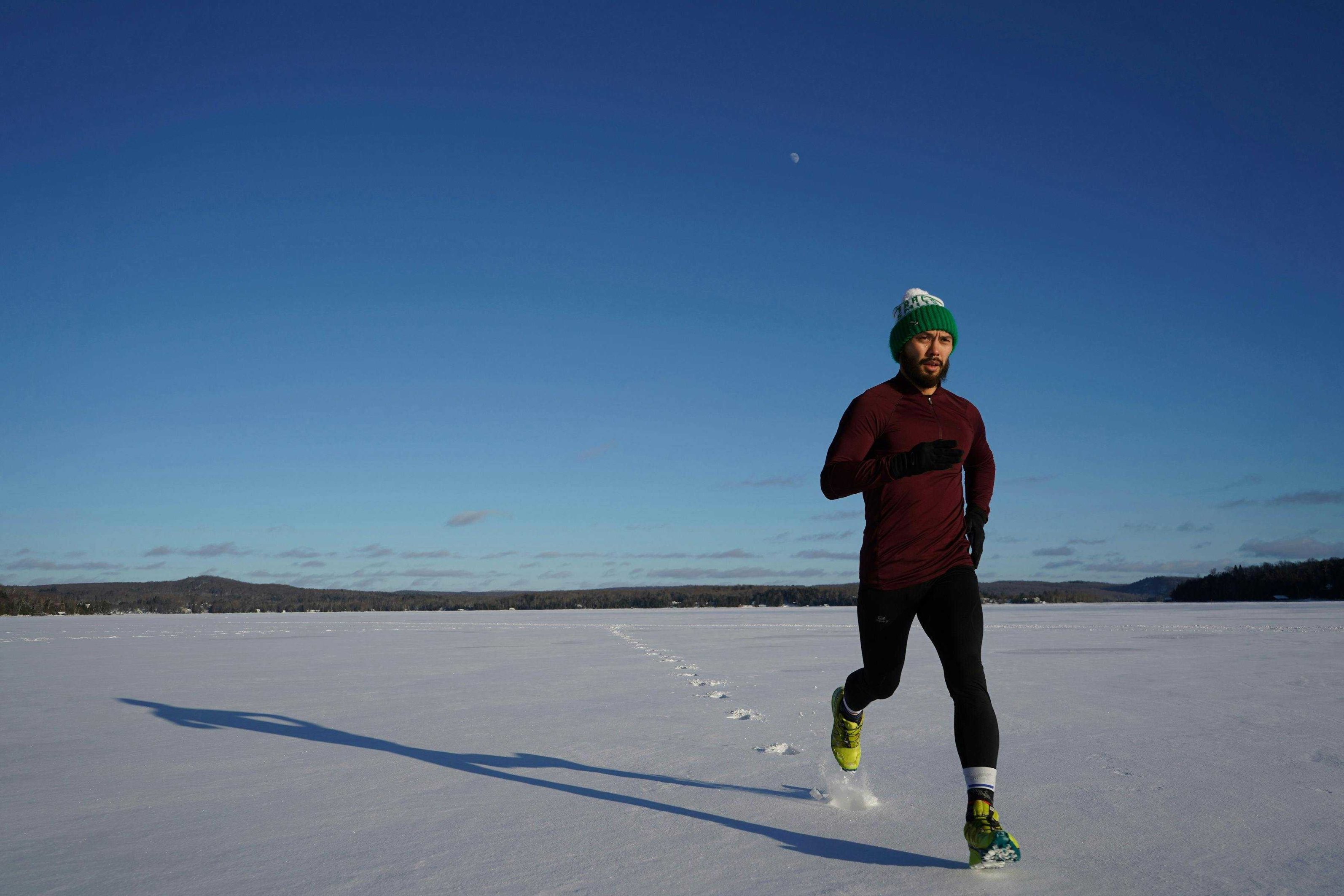
The days are getting shorter, temperatures are dropping, and in many places a white blanket is covering the landscape—winter is here. For many runners, this presents a special challenge: the cold, slippery paths, and darkness can really test your motivation. But running has its own unique charm, especially during the cold season. The crisp, fresh air, snow-covered forests, and the feeling of pushing through despite adverse conditions make winter training a truly special experience. Here, you’ll learn how to best prepare for running in winter, what gear you’ll need, and what tips will help you stay safe and motivated throughout the cold season.


Benefits and Challenges of Winter Running
Winter runs offer a special opportunity to take your running routine to a new level. The cold season brings benefits that enrich your training. Running in the crisp, fresh winter air can not only strengthen the immune system but also improve cardiovascular fitness. The often lower temperatures challenge the body to regulate its temperature more effectively, which increases energy expenditure and can boost metabolism. At the same time, running in a generally quieter, less crowded environment promotes concentration and creates space for a meditative focus. Winter scenery—with snow-covered paths or frost-covered landscapes—also offers a unique experience that can inspire a completely different kind of motivation than training during other seasons.
Challenges of Winter Running
However, the difficulties of winter running lie in the often adverse outdoor conditions, which make training more demanding. The cold places special demands on the body, as muscles and joints are more susceptible to injury if they are not kept sufficiently warm. Darkness and shorter days require increased attention and planning to ensure safety while running. Slippery or icy paths also pose a physical challenge and can slow your pace or increase the risk of falls. Additionally, the dry winter air can put a strain on the respiratory system, which is an unfamiliar challenge for some runners.
Despite these challenges, winter runs are an opportunity to build mental strength and perseverance, as they often require overcoming inner resistance. Those who master the hurdles of winter training benefit from increased self-confidence and sustained fitness, which lays the foundation for a successful start to the running season in the spring.


Effective Warm-Up in Winter
Warming up plays a crucial role in cold weather to prepare the body for the upcoming physical exertion and prevent injuries. Cold muscles and stiff joints are more prone to strains or overuse, which is why targeted preparation is essential. An effective warm-up increases blood flow to the muscles, promotes oxygen delivery to the cells, and improves flexibility—the ideal foundation for a safe and successful workout.
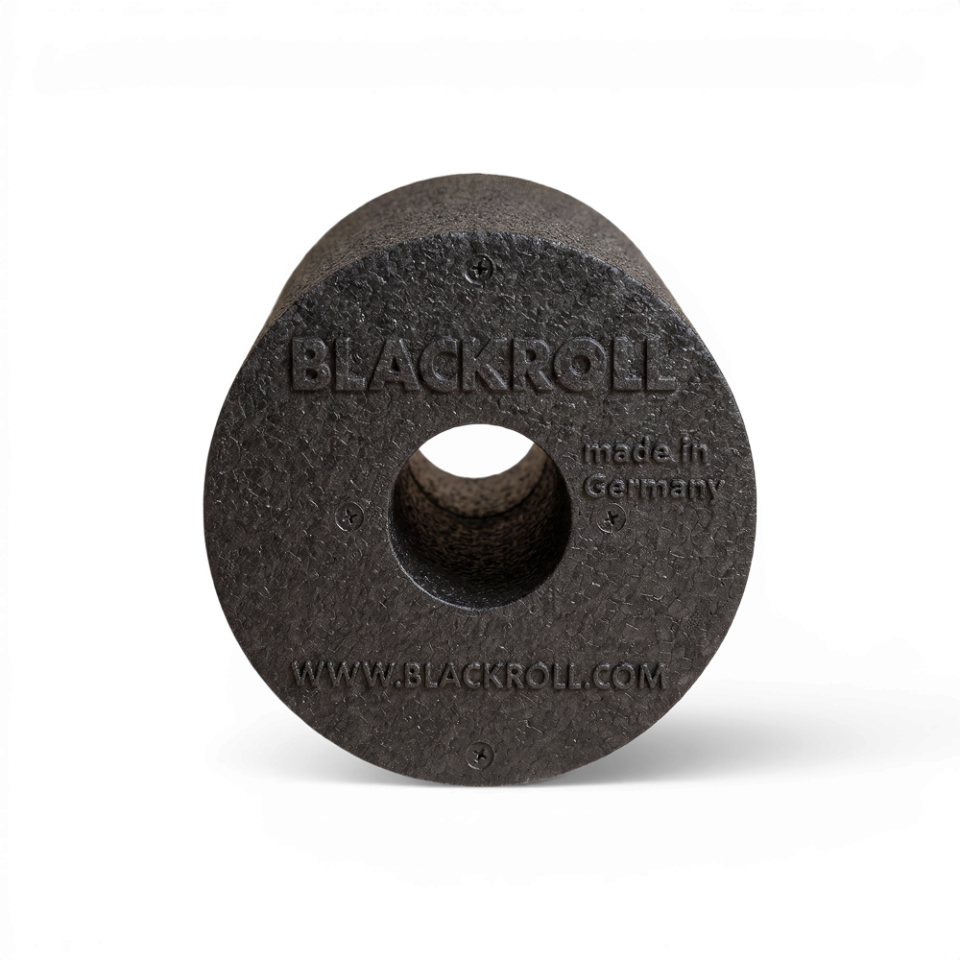
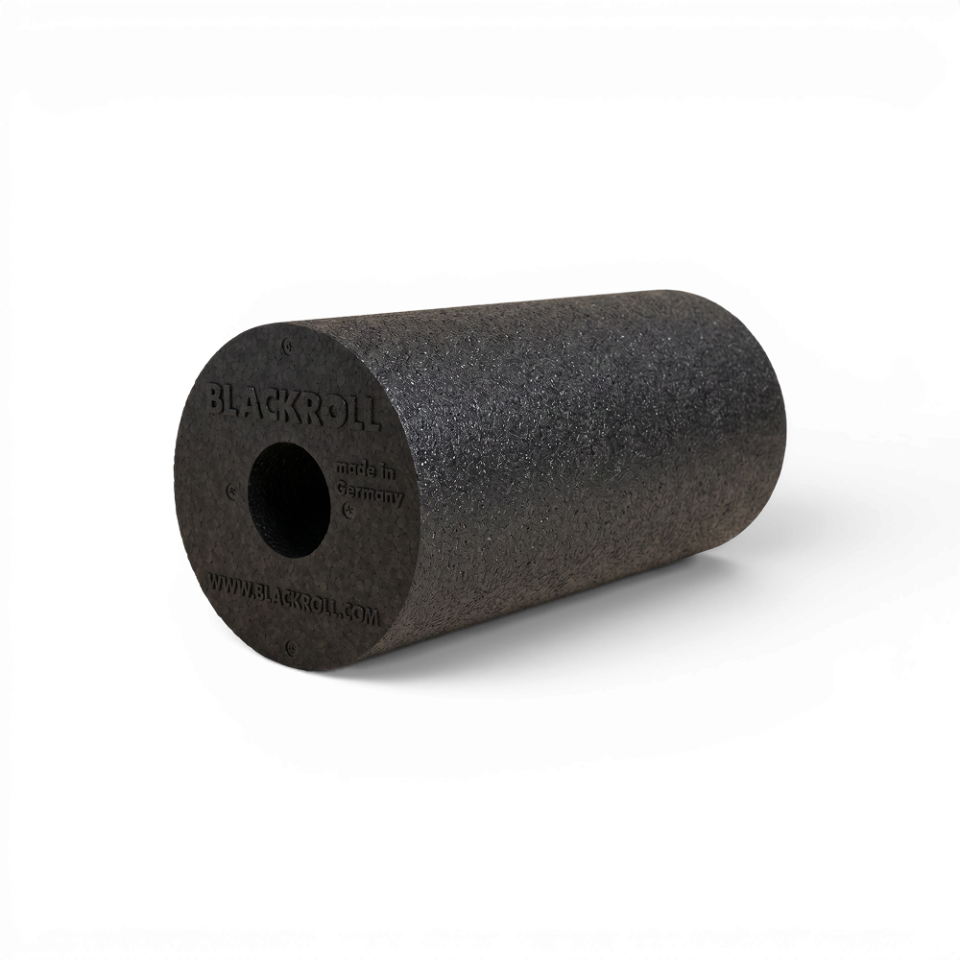
Using a foam roller can be a valuable part of this process. Myofascial self-massage techniques with the BLACKROLL® promote blood flow and improve tissue elasticity. It is particularly beneficial to target larger muscle groups such as the thighs, calves, or back before a workout. This helps release adhesions in the fascia and increase the range of motion, ensuring the body is optimally prepared for the physical demands of the workout.
Activation and Mobilization
Training bands such as the BLACKROLL® Super Band or Multi Band can also be used specifically to intensify the warm-up. Dynamic mobilization exercises, in which the bands provide resistance, activate the muscles and increase joint stability. Exercises such as lateral steps, resistance knee lifts, or shoulder mobilizations effectively prepare not only the muscles but also the fascial structures for the upcoming physical exertion.
A good warm-up in cold temperatures should last at least 10 to 15 minutes and include dynamic movements that stimulate circulation. The combination of a foam roller and resistance bands makes the warm-up versatile and ensures that the body starts the training session feeling supple, stable, and ready to perform.
Feel free to check out our routines designed specifically for runners
Running Routines




Clothing for Winter Jogging
What to Look for in Clothing
Use the layering principle
The layering principle is essential for winter runners. Wearing several thin layers of clothing on top of each other allows you to regulate your body heat optimally. The air pockets between the layers act as insulation, while excess moisture is efficiently wicked away. This keeps the body dry and warm—a crucial factor for maintaining comfort and performance in cold temperatures.
Choose Functional Fabrics
Choosing the right material is just as important as the layering system. Functional clothing made from synthetic fabrics like polyester or natural fibers like merino wool provides the ideal foundation for winter runs. These fabrics wick sweat away from the skin, dry quickly, and thus prevent you from getting chilled. Merino wool, in particular, stands out for its insulating properties and its ability to keep you warm even when damp. At the same time, it has antibacterial properties, which help reduce unpleasant odors. Cotton, on the other hand, should be avoided, as it retains moisture and increases the risk of hypothermia.
The Legs:
The legs usually require less protection than the upper body, as blood flow to them increases during running. In most cases, a pair of lined running leggings is sufficient to keep the muscles warm. However, in extremely cold temperatures or strong winds, an additional pair of overpants or pants with a windproof front can be useful to protect sensitive joints.
With this well-thought-out setup, winter jogging becomes not only comfortable but also safe—perfect for staying in shape even during the cold season.
The most important layers at a glance
The base layer forms the foundation of the layering principle. A close-fitting functional undershirt or T-shirt ensures that sweat is wicked away from the skin. Special thermal underwear offers additional protection in particularly low temperatures and keeps the body comfortably warm
The middle layer is responsible for temperature regulation. A long-sleeved running shirt or a lightweight fleece jacket retains body heat without restricting freedom of movement. This layer is especially important for protecting the body from heat loss, even in cold and dry conditions.
The outer layer protects against external elements such as wind, rain, or snow. A wind- and water-repellent running jacket is ideal for keeping the layers underneath dry and functional. At the same time, it should be breathable to prevent overheating or moisture buildup. A close-fitting cut that still allows for freedom of movement is crucial here.
Recovery Tools for Runners
Standard
Available in multiple variants

Warming Accessories for the Head, Neck, and Hands
A large portion of body heat is lost through the head, hands, and neck, which is why these body parts should be given special protection in winter. Through the strategic use of warming accessories, the body not only remains performance-ready but is also protected from hypothermia.
Headband or Beanie:
The head is one of the most vulnerable areas for heat loss. A thin beanie made of breathable material or a headband that fully covers the ears is ideal for retaining heat. Beanies made of merino wool or performance fabrics like polyester are particularly well-suited, as they wick away moisture and keep the head dry. In milder temperatures, a headband may be sufficient, as it protects the ears without overheating the head. For very cold days or windy conditions, a snug-fitting running beanie offers optimal protection.
Scarf:
A multifunctional scarf or tube scarf is a versatile companion for winter jogging. It protects the sensitive neck area from the cold and wind and can be pulled over the mouth and nose if needed. This is especially helpful for protecting the airways from dry, cold air. Styles made of lightweight fleece or windproof material keep you warm without feeling restrictive and prevent cold air from entering your lungs directly.
Gloves:
Hands are particularly susceptible to the cold because blood flow to them decreases as temperatures drop, helping to retain heat inside the body. Breathable running gloves made of insulating material provide a solution. For extreme cold, windproof or lined models are ideal, as they still offer enough flexibility for finger movement. If your hands get cold easily, you can choose gloves with a merino wool lining that keep your hands warm even when damp.
These accessories make winter running much more enjoyable. They protect the body’s most sensitive areas, ensure even heat distribution, and allow for a comfortable workout, even in freezing temperatures.


Important Safety Precautions for Winter Running
Safety precautions play a key role when jogging in winter, as conditions are often more challenging than in the warmer seasons. Darkness, slippery paths, and extreme temperatures require specific preparation to prevent injuries and accidents. With the right precautions, your workout will be safe while remaining effective.
Increase Visibility
Since the days are shorter in winter and many runners are out at dusk or in the dark, good visibility is crucial. Reflective elements on your clothing and shoes ensure that other road users can spot you early on. A headlamp or LED clips on your arms and legs not only increase your visibility but also help illuminate the path better—which is especially important on uneven or icy surfaces.
Minimize the Risk of Slipping
Ice and snow can make running routes dangerous. That’s why sturdy shoes with a grippy tread are a must. Special winter running shoes offer additional traction and reduce the risk of falls. Plan your route so that you choose paths that have been cleared and salted whenever possible.
Start Slowly and Adjust Your Pace
Slippery paths and cold weather require you to adjust your pace. Run in a controlled manner and avoid sudden changes in direction to minimize the risk of slipping. Start slowly and only increase your speed once you feel confident and the surface allows it.
Plan for emergencies
Especially in winter, it’s important to be prepared for unforeseen situations. Before your run, let someone know your planned route and carry your cell phone with you so you can call for help in an emergency.
Pay attention to your body
Pay close attention to your body’s warning signs while running. Numbness, excessive chills, or pain in your joints and muscles can be signs that you should take a break or stop running.
With these safety precautions, you’ll be well-prepared for winter running and can enjoy the benefits of the cold season without taking unnecessary risks.


10 Motivation Tips for Cold Days
Running in winter can be a particular challenge when it comes to staying motivated. Darkness, cold, and rain often make it hard to get yourself out the door. But with the right strategies, you can keep enjoying your workouts—even on the frostiest days. Here are 10 practical tips to help you stay motivated this winter:
1. Reward Yourself
Motivate yourself with small rewards after your run. Whether it’s a hot bath, a cup of tea, or your favorite snack—the prospect of something enjoyable makes it easier to step out into the cold. And sometimes, just the thought of a warm shower is enough to get you to take those first steps outside.
2. Set a winter goal
Use the winter to work toward a personal goal. It doesn’t always have to be a race—how about setting a new personal best on your usual route or increasing your weekly mileage? Alternatively, you can use the time to listen to new podcasts or enjoy an audiobook while you run.
3. Invest in the right gear
The right clothing can work wonders. A good pair of running shoes with a grippy outsole and waterproof upper ensures safety and comfort. Combined with breathable, layered clothing and warm accessories, running is fun even in freezing temperatures.
4. Warm up before you run
Before you head out into the cold, warm up your body. A few exercises in the living room—such as high knees, jumping jacks, or stretches—will get your blood flowing. This will make the cold outside feel less uncomfortable.
5. Focus on the movement, not the cold
You’ll warm up quickly while running, so there’s no need to be afraid of low temperatures. When choosing your clothes, imagine it’s 10 degrees warmer outside, and remind yourself how good you’ll feel after your run.
6. Run at a new time of day
Winter offers new possibilities. Run early in the morning when the world is still asleep and enjoy the peace and quiet, or go for a midday run when the daylight is at its brightest. A fresh start or a break in the sun can do wonders for your mood.
7. Explore new routes
Change up your running environment to add some variety. Try well-lit paths or explore streets in your neighborhood that you’ve never run on before. The sense of adventure will motivate you to get out there, even on cold days.
8. Don’t stress
Winter runs aren’t about peak performance. Take the pressure off and focus on running regularly instead of fixating on speed or long distances. Every step counts—and sometimes even a short loop is enough to overcome your inner sloth.
9. Meet up with others
A running partner helps keep you accountable. It’s easier to meet up in all kinds of weather when you know someone is waiting for you. Plus, training together is more fun and provides extra motivation.
10. Challenge yourself
A challenge, like going for a run every day for 30 days, can really push you. Even if it’s not always easy, you’ll grow through the challenge. Whether you’re racking up kilometers, running specific routes, or setting new records—there’s hardly a better way to stay motivated in the winter.
With these tips, jogging in winter won’t just be a challenge—it’ll be a rewarding experience that strengthens you mentally and physically—and gets you fit and motivated for spring!