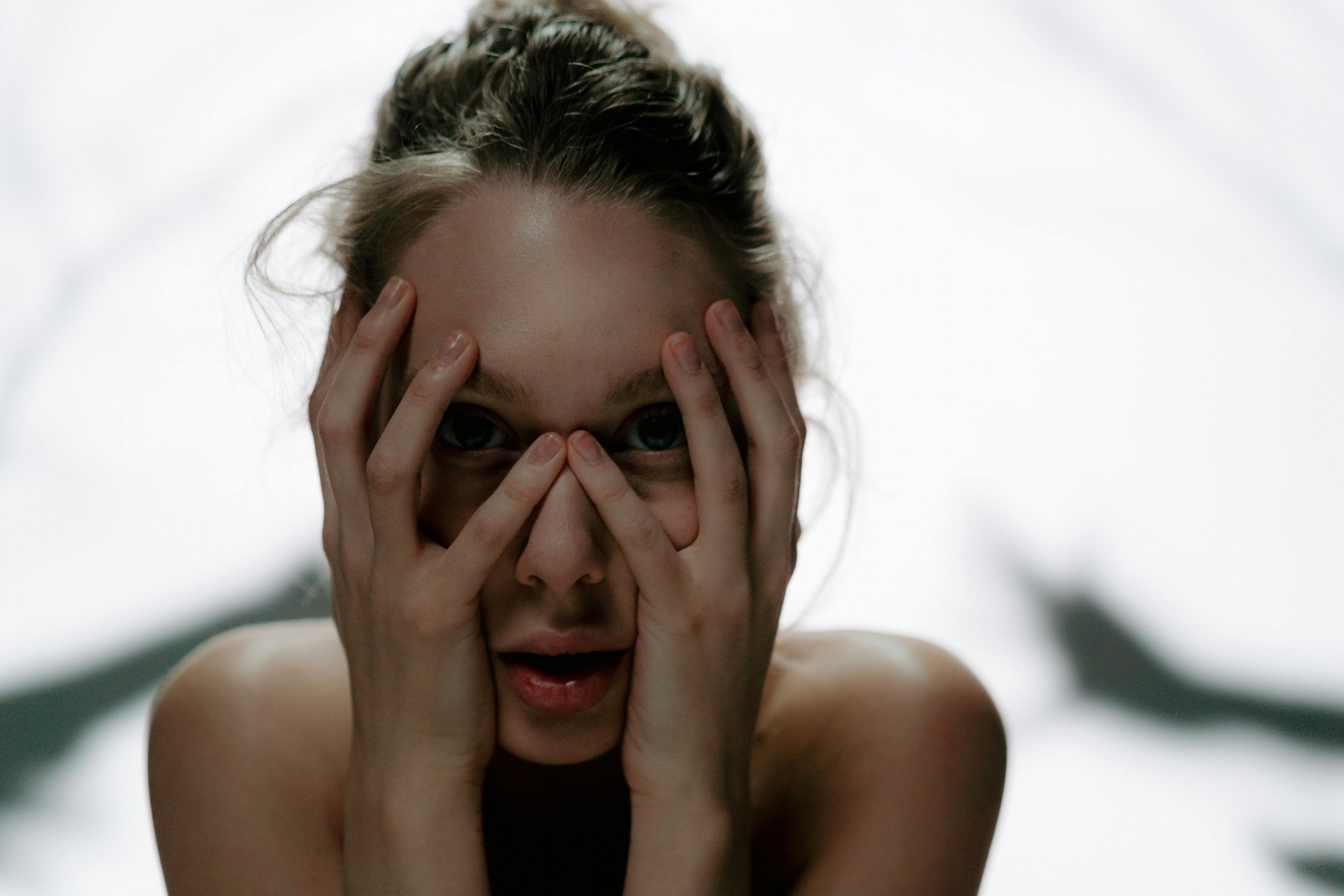
Faster, Higher, Further: Coping with Performance Pressure in Sports, Daily Life, and Work

Faster, higher, further—the pursuit of peak performance shapes not only sports but also our daily lives and the workplace. The pressure to constantly perform at our best can be motivating, but it can also push us beyond our physical and mental limits. How can we effectively manage performance pressure to remain healthy and sustainably successful? In this article, you’ll learn more about the complexities of dealing with performance pressure. You’ll learn plenty of new strategies that you can apply in sports, to achieve peak performance at work, and in your social life to maintain your mental well-being.
Definition of Performance Pressure in Sports
Definition of Performance Pressure in Sports
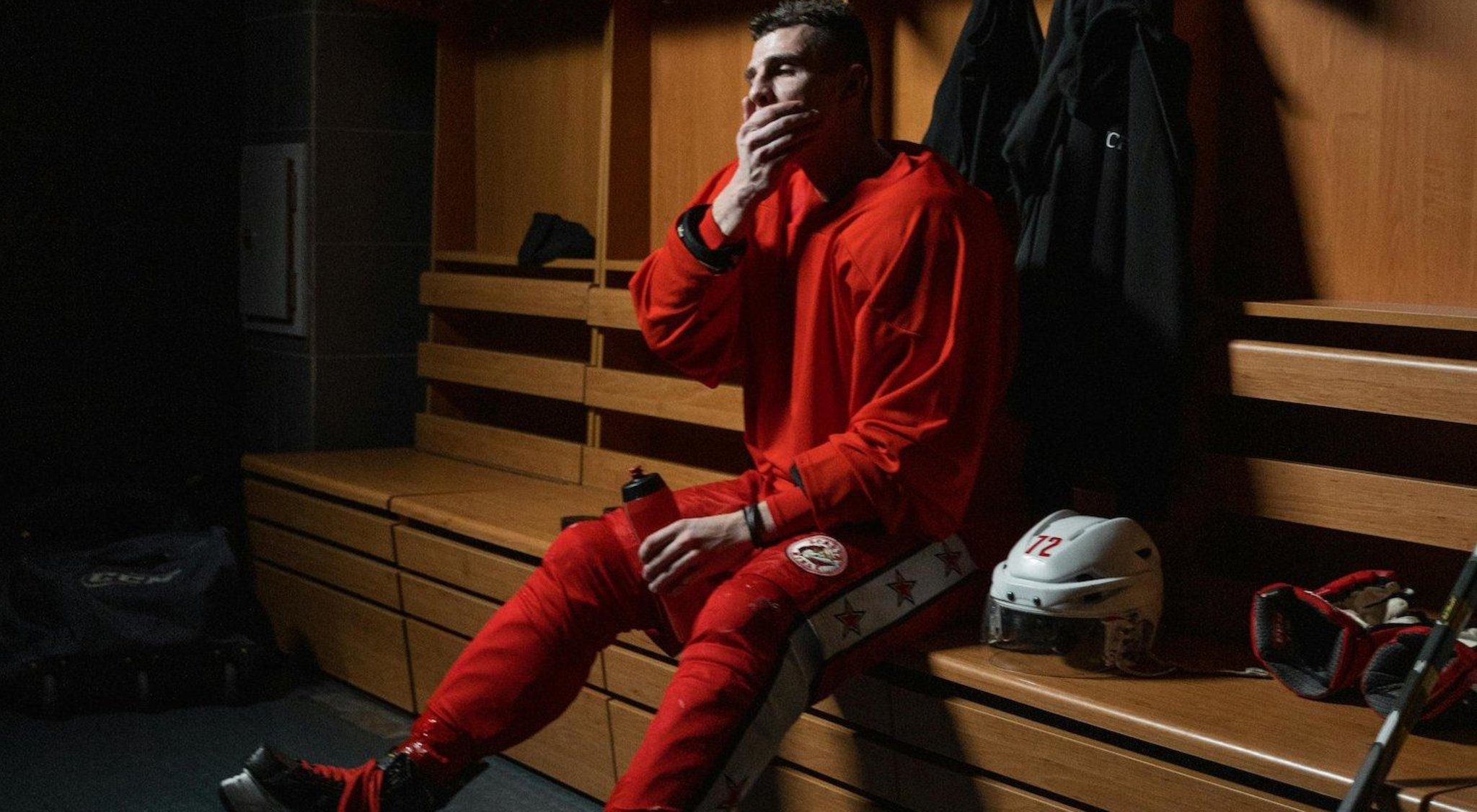
Performance pressure in sports is a widespread phenomenon that affects both amateur and professional athletes. The term describes the internal and external pressure placed on athletes to consistently deliver high-level performance. This pressure can have both positive and negative effects on athletes’ performance and overall well-being.
Year after year, athletes from around the world showcase their peak performances, and their success stories recount not only the highs and lows of training and competition but also the mental strategies they use to cope with performance pressure. Writing “I will win” hundreds of times, having a deep faith in God, giving candid interviews about mental struggles, and making regular visits to a psychotherapist were all part of the routine. Specialized fields within sports psychology are increasingly focusing on the mental health of athletes.
On the one hand, the focus is on optimizing mental performance; on the other, it’s about prevention and protection against mental illness.
In elite sports, at work, and in our free time, the goal is to maintain healthy boundaries and strike an appropriate balance between stress and strain. Prominent examples include gymnast Simone Biles, who manages the pressure to succeed and her mental blocks through regular psychotherapy sessions. Sprinter Noah Lyles speaks openly on camera about his symptoms of depression, and German track and field athlete Leo Neugebauer uses the motto “The sky is the limit,” among other things, to provide a framework for the pressure to perform.
Performance Pressure as a Risk Factor
Performance Pressure as a Risk Factor
How to Keep an Eye on Your Mental Health
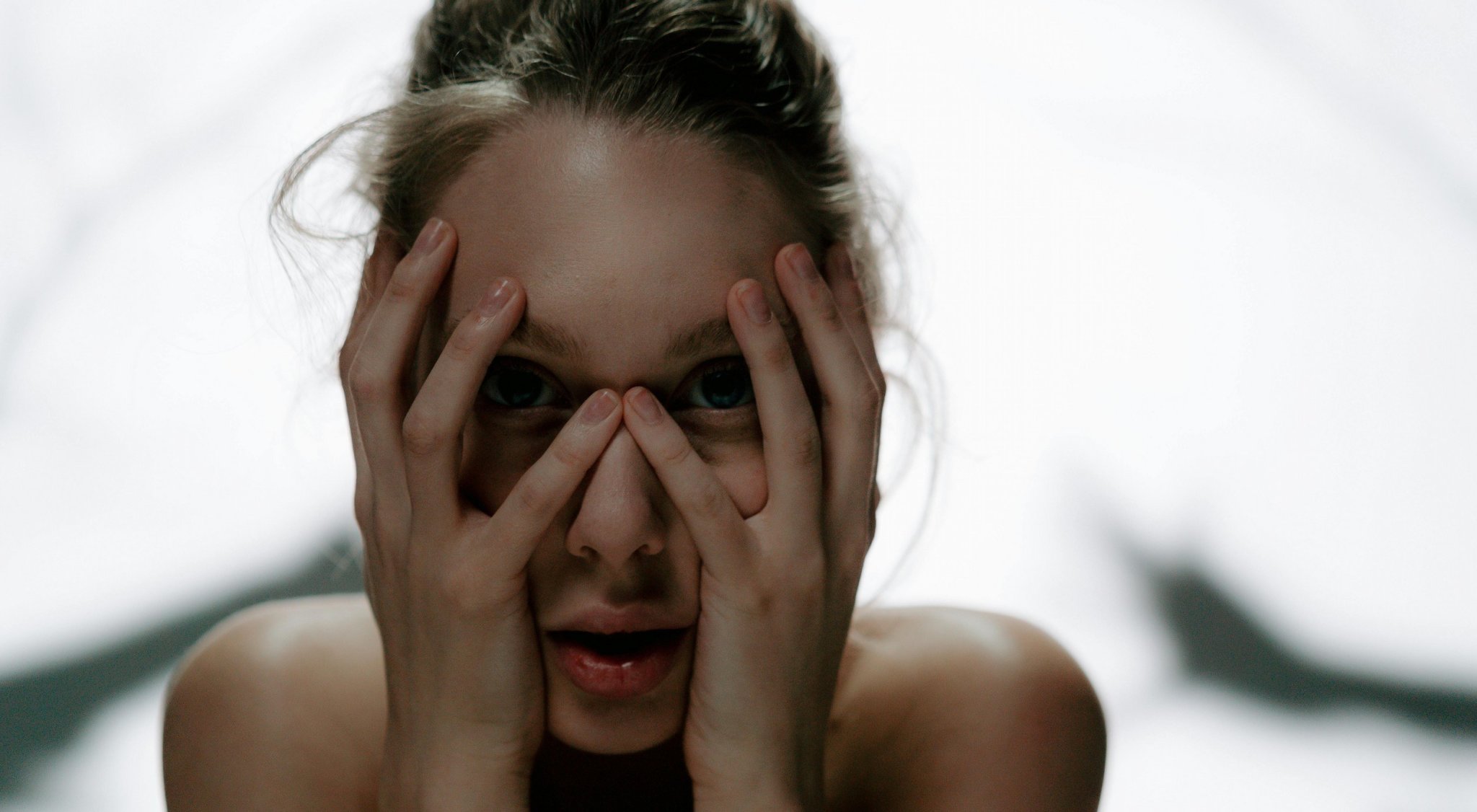
Performance pressure can arise, for example, from your own expectations or those of coaches, managers, teammates, experts, or family members. Personal goals, such as achieving a personal best, promote self-motivation but can also trigger internal stress.
For some athletes, pressure to perform is motivating, while for others it can be paralyzing.
Mental strength and resilience play an important role here.
Expectations can develop at an early age
In youth soccer, specific expectations are placed on young players. In many cases, it becomes clear that every movement, every shot on goal, and every other action is evaluated through the lens of parental analysis. The child’s exploration of the game is curtailed, and motivation declines. A vicious cycle develops. Constant analysis of mistakes creates a culture of fault-finding, which in turn triggers an increased focus on mistakes. Fears, self-imposed barriers, and a negative belief in one’s ability to succeed are inevitable.
Quick decisions within the context of athletic performance are made more slowly and less effectively. Performance pressure in children manifests as stomachaches, a lack of enthusiasm, or a complete refusal to participate in practice or competition. Combinations of these different symptoms are possible.
Performance Pressure in a Professional Context
The situation is similar in a professional context: If targets are set too high or too early and do not align with available resources, realistic results cannot be achieved. The employee’s internal pressure increases, their work effectiveness decreases, and, in the long term, their mental health suffers. The following study examines how optimal conditions can be created for employees to keep stress levels and performance pressure low.
In a report by the Federal Institute for Occupational Safety and Health, 4,511 employees subject to social insurance contributions in Germany were surveyed on the factors of working conditions, mental health, and work ability. The conclusion makes it clear that workers are more depressed when their job demands are too high and resources are lacking. An understanding boss, a balanced workload, and a self-directed work process go hand in hand with increased employee satisfaction. By providing a certain degree of autonomy and decision-making leeway, along with moderate demands that do not overwhelm employees, the rates of depression and burnout among employees can be reduced.

Properly Rested = Full Performance
Those who are truly rested can perform at their best
Understanding and living by the right balance between exertion and stress
Researchers at the University of Bochum studied the interplay between stress and recovery in the daily lives of coaches, sports experts, and other professionals who face high demands.
Almost everyone experiences pressure to perform and stress, and a constant stream of new demands can lead to burnout or exhaustion. Athletes can only achieve peak performance if the appropriate recovery processes are defined and implemented.
The alternation between stress, recovery, and subsequent stress is particularly important.
Elite athletes are supported by experts and receive plans for optimal sleep and nutrition, and they take time for meditation and mindfulness breaks. Many companies are already taking steps to foster greater awareness through workplace wellness programs. The “average person” is usually on their own and chooses their own recovery activities for after work. Stress and responsibilities within the family can place additional strain on both body and mind. How to manage this mounting strain from all the daily “burdens” in order to reduce performance pressure is a complex challenge in today’s world.
Reducing Performance Pressure Through Individual Relaxation Strategies
Recovery looks different for everyone
In a sports context, the recovery strategy chosen by the coach doesn’t necessarily produce the same effects for every team member. A sauna session, a walk in the woods, mindfulness exercises, breathing techniques, sports—or myofascial massage with the BLACKROLL® MYOFASCIAL ROLLER —or ice baths can yield different results for athletes. Personal preferences take precedence here.
With the following tips, you can put together a personalized plan tailored to your preferences.
Tips:
- Create a personalized plan to identify which recovery methods are most effective at reducing your stress when you’re under high performance pressure.
- Try out new methods every now and then to expand your repertoire of recovery options. Is there something you’ve always wanted to try? How about a weekend stay at a wellness hotel or a gentle hike in the mountains?
Personal beliefs can influence your performance pressure
Recovery is a process that requires patience
Recovery can mean something different for everyone. While you might enjoy biking through the woods after work, your colleague is already sunk into the couch watching their favorite TV show. Couch potatoes are often accused of doing nothing and viewed negatively. Does doing nothing make you lazy, and does being lazy mean you’re not respected?
Can you lie on the couch with a clear conscience? These beliefs can sap your energy and further increase the pressure you’re already under to perform. Given the various stresses of everyday life, lying on the couch can make sense depending on the situation. It’s best to avoid moralistic discussions about performance pressure with family and friends. Articulate your needs and your preferred way of relaxing. Set clear boundaries when talking with those actively seeking relaxation, and stand up for your own values and circumstances. Taking time to relax doesn’t happen at the snap of a finger.
Your body and mind need enough time to regenerate. Be patient and wait until you feel your energy returning.
If you find yourself lying on the couch exclusively and constantly after work, a second alternative might be worth considering. You’ll find a few suggestions in the next section.
A study by the University of Bochum showed that “passive recovery includes lying and sitting quietly, hot and cold baths, steam baths and saunas, and massages. Heat, cold, and pressure elicit physiological responses through physiological stimuli.”
Tip: A “Deep Touch” experience with your BLACKROLL® FASCIAL ROLLER can also reduce muscle tension caused by stress-related muscle tightness at work and in everyday life.


Evening rituals reduce performance pressure
Permanently reduce performance pressure through evening rituals
Find a way to mentally wrap up the workday
For most people, the time to recharge begins after work. But switching off immediately isn’t always the easiest task. A whirlwind of thoughts, frustration from work, unresolved problems, and unanswered questions can significantly disrupt the desired evening balance. Sleep is postponed in an attempt to maintain a sense of self-determination and leisure time. This delay in going to sleep is known as “Revenge Bedtime Procrastination.” The causes of this phenomenon have not yet been conclusively determined. A 2019 Polish study investigated various causes of sleep procrastination, such as the need for autonomy and the desire for more free time. In most cases, this phenomenon affected the younger generation more than the older one.
Keep a journal and put your smartphone away
Set aside enough time to clear your head. Write down your worries, thoughts, and ideas in a journal. Once you’ve put something down on paper, it should be out of your head. To get into the right mindset for your free time, you shouldn’t check work emails in the evening. If you have a work cell phone, you can turn that off as well. The end of the workday, breaks, vacations, and weekends should offer a real contrast to your work life and be as free as possible from performance pressures, stress, or deadlines.
Other evening rituals that can help you:
- Take a warm shower.
- Dim the lights in your home and listen to some calm music.
- Turn off all digital devices.
- Read something relaxing.
- Air out your bedroom.
- Meditate and enjoy the peace and quiet of the night.
- Lie down calmly and comfortably on your couch and let your mind wander.
- Go to bed at roughly the same time every night.
Get Tired in a More Relaxed Way



Performance Pressure and the Vagus Nerve
How Performance Pressure Can Affect Your Vagus Nerve
Most athletes are familiar with the psychosomatic symptoms of performance pressure: a racing heart, sweaty palms, gastrointestinal discomfort, shaky hands, weak knees, or headaches. Especially before a competition, a wide variety of symptoms or combinations of symptoms can occur that impair performance.
The vagus nerve is one of the main nerves in the parasympathetic nervous system and plays a key role in regulating stress responses. It originates in the brainstem, runs through the neck into the esophagus, and branches out to the heart, lungs, stomach, and intestines. It traverses many areas of the body, and if the vagus nerve is weakened and the sympathetic nervous system (the activating part) takes over, the following symptoms may occur:
- Digestive problems
- Heartburn
- Chronic inflammation
- Anxiety
- Fatigue and exhaustion
- Reduced heart rate variability
- Muscle tension with pain
“I’ve got a lot on my shoulders right now!”
Do you recognize this feeling? The extent and intensity of performance pressure determine the level of stress you’re experiencing. Is your neck stiff, and are your shoulders and back tense and sore? If so, you’re at a high level of stress or feeling overwhelmed. The more complex your situation is, the more help and strategies you’ll need. Increased or intense performance pressure can manifest in various ways in sports. Highly tense muscles can lead to cramps, injuries, or impaired coordination. You’re unable to achieve your personal best. The next section will explain these connections in more detail using the “yips phenomenon” in archery as an example.
The “Yips” Phenomenon as an Expression of Performance Pressure
Psychosomatic Factors and Their Effects in Archery
Shoulder tension, a racing heart, rapid breathing, back pain, or abdominal pain before a competition are common psychosomatic complaints. Especially when shooting accuracy is required, these symptoms should have subsided. Are you familiar with the “yips” phenomenon? At the decisive moment, the shot cannot be released because fear and the pressure of failure block the execution of the movement or action. Movement disorders manifest suddenly and involuntarily. The bow cannot be drawn, and no shot is fired. This triggers a vicious cycle: the intense feeling of pressure causes performance to deteriorate further, which in turn builds even more pressure. The causes of the “yips” phenomenon are not yet fully understood. It is thought to be a combination of psychological and physiological factors stemming from past failures, concentration problems, high expectations, and reduced self-confidence resulting from previous mistakes.
Breathing Techniques in Biathlon
Similar symptoms are described in biathlon. Weather conditions—such as wind and cold—further complicate matters. Due to an elevated heart rate during endurance phases and while running up to the shooting range, the body is usually very agitated. This form of overactivation can impair shooting accuracy.
Breathing techniques or precise movement sequences with a set rhythm can be helpful in these moments.
The echoing shots of competitors negatively affect your own performance and can be distracting. If you miss the target, you’ll have to complete a penalty lap, which induces further stress. Visualizing a channel or tube in front of your eyes or a protective shield next to your ears might help you focus better so you can deliver the desired performance.
A sports psychologist can support you with small tools such as breathing techniques and visualization, as well as creative exercises and tricks. Below, you’ll find strategies you can use to reduce the pressure to perform. Thinking, feeling, and acting under pressure is a challenge for almost all athletes in competitive situations.


How Athletes Reduce Performance Pressure
How do athletes relieve performance pressure?
What Sports Psychologists Recommend to Competitive Athletes
Relaxation exercises and breathing techniques are reliable tools for alleviating physical symptoms and stress in athletes. Mental training, visualization, and mindfulness exercises can help improve focus and maintain the necessary calm. Specific scenarios and situations are vividly imagined to serve as a solid anchor in high-pressure situations.
Use specific stress training in sports to boost your performance
Example: The goal scorer, the decisive penalty kick, and thousands of spectators in a frenzied atmosphere in the stadium
The spectators are cheering wildly, booing, and putting pressure on the goalkeeper and the penalty taker. Which corner will he shoot for? Will he sink the ball into the net, or will he miss? Will the goalkeeper save the shot? How will the spectators react? The goal scorer doesn’t want to make a mistake and wants to see the ball in the net! These questions can be very stressful. Performing under pressure and improving how you handle mistakes are important skills for mental strength in sports.
With specific stress training, potential high-pressure situations can be simulated in advance to build strength and readiness.
Different shooting techniques are combined with loud crowd noises. Constantly practicing under these simulated stress conditions leads to improved performance in realistic high-pressure situations.
Tip: Is there a specific high-pressure situation in your daily life that you could prepare for? Make a plan!
Relaxation Techniques: Reducing Stress and Finding Calm






SMART – GOALS
SMART GOALS help reduce performance pressure
If athletes occasionally find themselves overwhelmed by their goals and expectations, they can make use of the SMART formula. Business leaders also use it. With the SMART goals formula, you define exactly what is feasible and realistic for you. (Specific, Measurable, Attractive, Realistic,Time-bound)
For example, you can use the following phrasing in sports: “By spring 2025, I will improve my personal best by 5 seconds and practice my newly learned techniques twice a week.”
Mindful body awareness reduces performance pressure
Have a conversation with your body
Do you feel pressure in your chest, or does the excitement make your stomach churn? Is your heart racing, and does the thought of competing already take your breath away? All these reactions are psychosomatic in nature and provide you with important signals about your current physical state. Psychosomatics describes the interaction between body and mind.
Elite athletes generally have to manage high levels of psychological stress, but not everyone succeeds.
An anxious thought generates a stressful or negative feeling and behavior, which is transmitted via the nervous system to the brain and muscles. If negative signals increase, headaches, migraines, tinnitus, sleep disturbances, and many other symptoms can worsen.
That’s why mental well-being should be a top priority to achieve a relaxed state, even in a short amount of time. Mental stress and mental health issues are common in competitive sports. This isn’t surprising. Delivering your best performance at the right moment is a hallmark of elite sports. Discipline, training, mental strength, and self-belief are essential.
Stressors or pressure to perform can also arise in one’s social environment, as well as at work or in school.
Practicing good self-care is recommended in these areas of daily life. And don’t forget: the rewards!
If you’ve stepped away from a high-pressure moment, a reward is like balm for the soul. Happiness hormones are released when you treat yourself to a delicious meal, and a short vacation in the sun makes all the effort fade away pretty quickly. How do you reward yourself to do something nice for yourself?
Reduce Performance Pressure by Taking Breaks
Breaks make you better
Breaks are your “friend” on the path to success. There are different types of breaks: vacation breaks, lunch breaks, breather breaks, training breaks, work breaks, or relaxation breaks. Which breaks are important in your life? Do you take enough breaks? Do you plan your next work or training day and try to incorporate a break at the right time? Bravo! Determine the desired effect of the break and a reasonable duration to ensure you recover as effectively as possible. Always remember that taking a break boosts your future performance at work or in sports.
Tips for Short Breaks
At the beginning of your new break routine, you might find it a bit difficult to confidently handle the state of calm and serenity. Work your way up gradually. Start by sitting in a chair for 5 minutes and closing your eyes. The following week, increase it to 10 minutes. Power napping is a very effective way to unwind for 20 minutes at lunchtime. A power nap is a short sleep that offers many benefits. You’ll be more rested, better focused, and more relaxed for the second half of the day.
If you can’t handle this kind of break and your inner drive won’t let you rest, then it’s best to talk to an expert about your fears, stressors, break times, and performance pressure.
Develop practical steps you can take. Create a strategic plan for this and gain new perspectives.

Conclusion
Conclusion: Pressure to perform in sports, daily life, and work is a fundamental experience for almost everyone in our society. For this reason, it is becoming increasingly important to develop mental and physical health skills. Psychosomatic signals play a major role in the relationship between stress and strain. Through targeted stress management strategies combined with mental preparation, athletes can learn to cope with pressure. A sense of calm and enjoyment of sports boost motivation. Alternating between active and passive rest modes, combined with mindfulness and positive beliefs, forms a solid foundation for maintaining long-term mental health.
You might also be interested in




Sources & Studies
- Work and Mental Health. Results from a Representative Survey of the Working Population in Germany
- Prof. Dr. Michael Kellmann, Model of the Interplay Between Stressors and Recovery Needs, 2002
- Bedtime Procrastination, Sleep-Related Behaviors, and Demographic Factors in an Online Survey of a Polish Sample