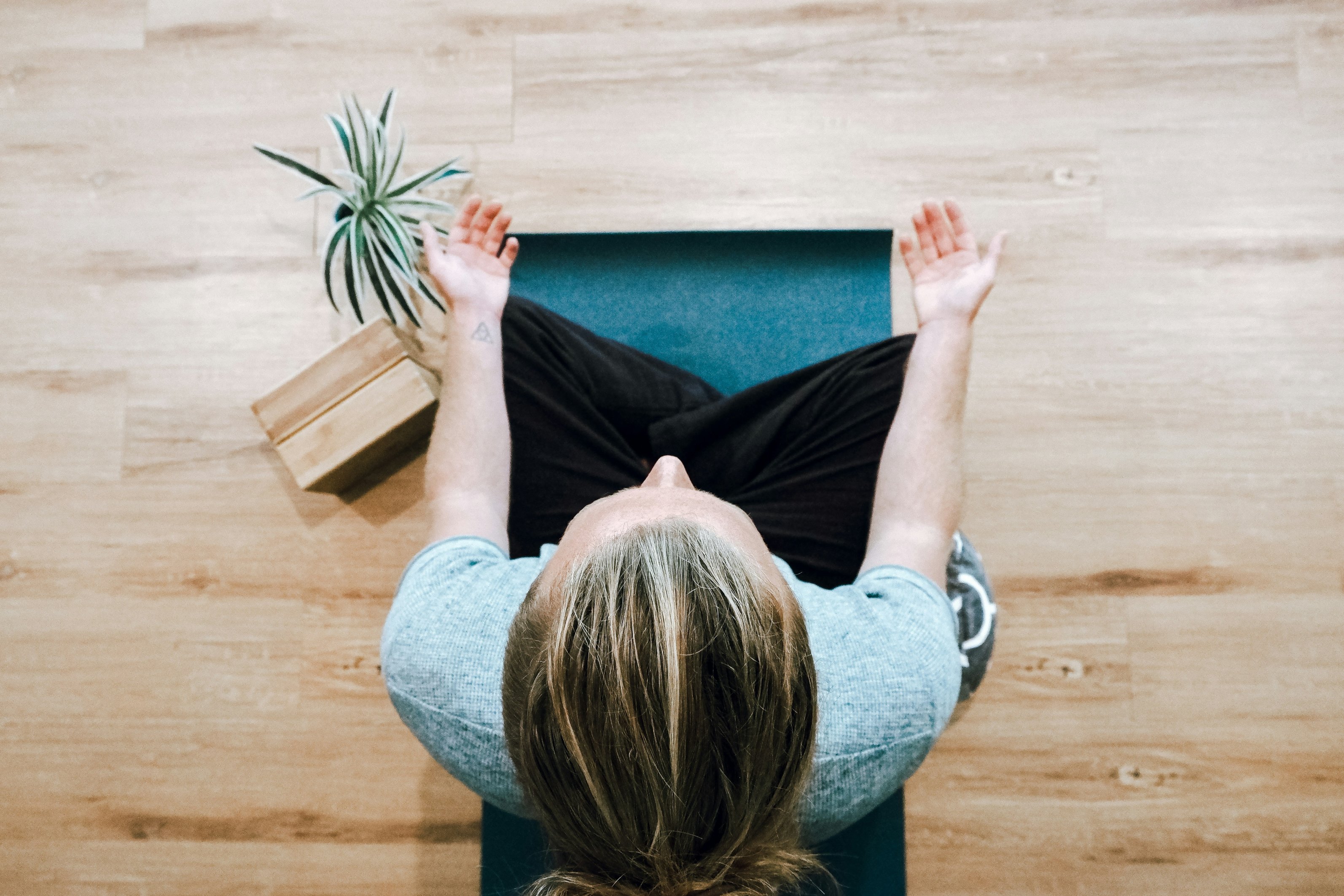
Mindfulness Exercises - Greater Inner Peace Through Mindfulness

In today’s fast-paced world, it’s often hard to find a moment of peace. Mindfulness exercises offer an effective way to reduce stress and improve concentration. With simple techniques like meditation and breathing exercises, you can learn to be more present in your daily life and achieve greater serenity.
The benefits of a regular mindfulness practice are numerous. It’s not only an effective method for relaxation and stress relief, but it also promotes awareness of your own body, mind, and spirit.
In this article, you’ll find a guide to various mindfulness exercises and learn more about their benefits for your well-being. You’ll learn everything you need to know about mindfulness. We’ll answer every question you have on the topic of mindfulness.
01. What does mindfulness mean?
Mindfulness is a state of conscious and attentive awareness of the present moment. It means being fully in the here and now, both physically and mentally. In the practice of mindfulness, you intentionally focus your attention on your current sensations, thoughts, and feelings without evaluating or judging them. Mindfulness involves the ability to accept the moment without distraction or judgment and to embrace it as it is.
It is an attitude of open and non-judgmental attention toward everything that is happening in a given moment. Mindfulness can be cultivated through various exercises and techniques, such as meditation, breathing exercises, and mindful body awareness. It is a proven method for reducing stress and promoting overall well-being.
02. What are mindfulness exercises?
Mindfulness exercises encompass various techniques aimed at sharpening self-awareness. Their goal is to develop an open attitude and to experience the present moment more consciously. In this context, mindfulness means the willingness to accept what is happening right now without judging or avoiding feelings and thoughts.
There are different approaches to mindfulness training. Classic examples of mindfulness exercises include meditation and breathing exercises.
03. Breathing Exercises for Mindfulness
Breathing is a very simple way to practice mindfulness. Consciously inhaling and exhaling helps reduce stress and calm the mind. You can do breathing exercises anywhere and at any time—whether at the office, in the car, or at home in a quiet space. They’re accessible to people of all experience levels and offer a wonderful opportunity to start practicing mindfulness or to deepen your practice.
Conscious breathing is one of the most fundamental exercises in mindfulness training. In our hectic daily lives, we often tend to take shallow breaths without even thinking about it. However, when we learn to consciously observe our breathing, we become increasingly aware of the significant role it plays in regulating relaxation and tension.
In stressful moments, we often breathe faster, which leads to an increase in heart rate and muscle tension. The opposite can also be observed: When we consciously breathe more slowly, we deactivate the sympathetic nervous system and activate the parasympathetic nervous system. This puts the body into relaxation mode.
Consciously focusing on our breathing allows us to actively counter rising tension in stressful situations and maintain our inner calm. To do this, we try to breathe very relaxed through our nose into our abdomen and observe this process objectively.
In this video, you can try conscious breathing:
04. Body Scan as a Mindfulness Exercise
The body scan is an effective mindfulness exercise in which you focus your full attention on your own body. This exercise involves consciously moving your awareness through your body, noticing all sensations and tensions without judging or changing them. The body scan can help reduce stress, improve body awareness, and foster mindfulness toward your own body. It’s a simple yet effective method for finding moments of calm and relaxation amid the hustle and bustle of everyday life. You can also easily do the body scan in bed at night before going to sleep.
Here’s how it works:
- Find a quiet place where you won’t be disturbed and get into a comfortable position—for example, lying on your back or sitting—and take a few conscious breaths.
- Focus your attention on your feet. Take a moment to notice all the sensations—warmth, cold, pressure, or perhaps nothing at all.
- Then slowly shift your attention upward and scan your body from your feet to your head.
It’s important to note that this exercise isn’t about achieving anything specific or evoking certain feelings. Rather, it’s about cultivating awareness of the present moment and of what you’re feeling right now.
Practicing body scan exercises regularly can offer a number of benefits. It can help you reduce stress, improve your concentration, and foster a general sense of calm and serenity. It’s a simple way to integrate mindfulness into your daily life and heighten your awareness of the little things in life.
In this video, you can try the body scan as a mindfulness exercise:
05. Mindfulness Through Meditation
Meditation is a powerful mindfulness practice in which you consciously take time to find peace, fully experience the moment, and enter a state of stillness. Through targeted breathing exercises or by focusing on a specific thought, object, or item, you can calm the mind and let go of distracting thoughts and worries. Meditation fosters mindfulness of the present moment, enhances well-being, and can lead to inner peace and serenity over the long term. It is a practical method for reducing stress and strengthening mental health.
There are various types of meditation, each with different techniques and focuses. Here are some of the most common types of meditation:
Mindfulness Meditation: In this widely practiced form of meditation, the focus is on the conscious, nonjudgmental awareness of the present moment. You can focus on your breath, bodily sensations, thoughts, or feelings.
Loving-Kindness Meditation (Metta Meditation): In this meditation, you practice compassion and love for yourself and others. You repeat positive phrases or affirmations to foster kindness and understanding.
Zen Meditation (Zazen): In the Zen tradition of Buddhism, one sits in a specific position and observes the breath or the mind without analysis or judgment. The goal is to free the mind from thoughts and experience the present moment.
Vipassana Meditation: Thisform of meditation focuses on examining bodily sensations and mental processes. You observe thoughts, feelings, and sensations to gain a deeper understanding of yourself.
Chakra Meditation: This meditation technique is based on the concept of energy centers in the body, known as chakras. Through visualization and concentration on these chakras, the goal is to harmonize energy and enhance well-being.
Breath-Based Meditation: Here, the focus is on observing the breath. You can deepen or slow your breathing, or use specific breathing techniques to promote relaxation and mindfulness.
Concentration Meditation: In this practice, you concentrate on a specific object, such as a candle, an image, or a sound. The goal is to focus the mind and find inner peace.
06. Mindfulness While Walking
Walking meditation is an enriching mindfulness practice in which you concentrate fully on your steps and the present moment while walking. With each step, you consciously feel the contact between your feet and the ground and are fully aware of your steps. This allows you to calm the mind, let go of the stress of everyday life, and feel a deep connection to your surroundings. Walking meditation can be practiced both in nature and in an urban setting and is an excellent way to cultivate mindfulness in daily life. It helps improve overall well-being and promotes inner peace.
07. Yoga as a Mindfulness Practice
Through a combination of physical asanas (exercises), breath control, and meditation , yoga promotes mindfulness on multiple levels. During practice, one directs their attention to physical sensations, the breath, and the present moment. This helps reduce stress and find inner peace. Yoga can have a transformative effect by strengthening self-awareness and establishing a deep connection to inner balance and serenity. It is a versatile and effective method for cultivating mindfulness in daily life and promoting a sense of well-being.
Why not give this yoga class a try to boost your mindfulness:
08. Visualization as Mindfulness
Visualization is a creative mindfulness exercise in which you mentally transport yourself to a calm and positive environment. Through conscious imagination, you can picture places, situations, or states that promote relaxation and inner peace. In doing so, you focus on the details, sounds, and sensations associated with this visualization. Visualization can help reduce stress and worries, boost self-confidence, and improve overall well-being. This mindfulness exercise allows you to consciously take a break and calm your mind, which ultimately leads to greater inner balance.
Visualization exercise to try on your own or read aloud:
Sit in a quiet place where you can be undisturbed for a few minutes. Close your eyes, relax your shoulders, and let your arms rest comfortably at your sides. Feel yourself becoming calmer and more relaxed with every breath.
Imagine that you’re in a beautiful forest on a warm, sunny day. You’re standing by a clear, calm lake. The sun shines through the leaves of the trees, casting soft, sparkling reflections on the water’s surface.
Focus your attention on the lake. Observe the mirror-smooth surface of the water and how it ripples slightly when a gentle breeze brushes across it . Concentrate on the colors of the lake—the clear blue of the water, the green reflections of the surrounding trees, and the blue sky above.
Now take in the sounds of nature. Can you hear the soft rustling of the leaves in the trees? The chirping of birds in the distance? Let these sounds wash over you, bringing a sense of calm and harmony.
Turn your attention to your body. Feel how firmly you’re standing on the ground and how the soothing warmth of the sun falls on your skin. Breathe deeply in and out, and feel your chest rise and fall calmly.
As you continue to visualize this scene, remember that you are fully present in this moment. You are one with nature and feel deeply relaxed and peaceful.
Take a few more moments to enjoy this visualization and deepen your mindfulness of the present moment. When you’re ready, slowly open your eyes and return to your surroundings with a sense of calm and serenity.
09. Mindful Eating
Mindful eating involves trying to enjoy your food with full focus. This means taking the time to notice the colors, aromas, consistency, textures, and flavors of your meals without letting yourself be distracted by things like the TV or your smartphone. Notice the aroma of the ingredients and savor the flavors of the food on your tongue.
Mindful eating not only promotes healthy eating but also helps build a conscious relationship with food. It allows you to better tune in to feelings of hunger and fullness and reduce emotionally driven eating. This practice helps increase the joy of eating and fosters a deeper connection to your food and your body.
10. Mindful Communication
Mindful communication is a valuable skill that helps improve the quality of our interpersonal relationships.
It involves listening attentively without interrupting and responding empathetically to what is said. One takes care to reflect on one’s own thoughts and emotions before responding and chooses words carefully to communicate clearly and respectfully. One pays attention to every word that comes out of one’s mouth.
Mindful communication fosters understanding, minimizes misunderstandings and conflicts, and creates an atmosphere of trust and openness with others. It enables us to form authentic and deep connections with others and contributes to positive interpersonal dynamics.
11. Integrating Mindfulness into Everyday Life
We don’t always have to sit down to meditate in order to practice mindfulness. Mindfulness can take place at any moment in our lives—whether we’re doing laundry, going for a walk, at work, or at home. Mindfulness is just as easy for a beginner to practice as it is for an experienced person.
It’s about focusing on the here and now in every moment of the day and directing your attention to what’s happening right now. This can be done through conscious breathing, taking short breaks to relax, or pausing to observe your surroundings. Mindfulness in everyday life helps reduce stress, improve concentration, and develop a deeper connection to life. By acting mindfully and appreciating the moment, you can cultivate a sense of gratitude and contentment, regardless of the challenges of daily life.
Here are some of the best tips for incorporating more mindfulness into your daily life:
Morning Ritual: Start your day with a short mindfulness ritual. This could be a breathing exercise, a brief meditation, or consciously savoring your morning coffee.
Mindful Breaks: Take short breaks throughout the day to focus on the present moment. Stand up, stretch, and take a deep breath to center yourself.
Mindful Walking: When you go for a walk, be fully present in the moment. Pay attention to your steps, your surroundings, and the nature around you. Avoid letting your mind wander. Perform each movement with full attention, and enjoy the fresh air, which has a therapeutic effect on your body.
Digital Detox: Plan regular periods during which you disconnect from digital devices and social media to consciously recharge and enjoy the moment without distractions.
Mindful Breathing: Use mindful breathing exercises to reduce stress and calm yourself. Pay attention to your breathing several times a day and do specific breathing exercises.
Mindfulness Apps: There are numerous apps that can help you integrate mindfulness into your daily life. They offer guided meditations, breathing exercises, and reminders for mindful moments.
Journaling: Keep a mindfulness journal where you record your thoughts, feelings, and mindful experiences each day. This type of self-reflection can help you track and reflect on your progress.
Mindful Listening: When talking with others, be present and listen actively. Let go of thoughts about the past or future and focus on the conversation in the moment. Ask questions that genuinely interest you.
Shared Mindfulness: You can also cultivate mindfulness in your social relationships. Share mindful moments with friends or family by meditating together or taking a mindful walk. Or perhaps simply hold the other person’s hand mindfully.
Self-Compassion: Be mindful and kind to yourself, and give yourself enough space. Avoid self-criticism and cultivate self-compassion when you make mistakes or feel stressed.
Mindful Cooking: We can also be fully present while preparing meals to cultivate our mindfulness. Try to immerse yourself completely in the cooking process. Read the recipes carefully, handle each item and all the ingredients with full focus, smell the wonderful aromas, and experience cooking with all your senses. Let yourself be fully absorbed in the moment.
Make mindfulness practice a regular part of your day. The more you practice, the more naturally mindfulness will become part of your daily life.
12. Progressive Muscle Relaxation
You may know progressive muscle relaxation as a method for reducing stress, but it can also be practiced as a mindfulness exercise.
This relaxation technique is not only about promoting physical relaxation but also about consciously perceiving your own sensations during the process. As you tense and then relax the various muscle groups in this exercise, you deliberately focus your attention on the sensations in your body. You feel the tension and relaxation in your muscles, notice any differences between the sides of your body, and observe how your physical sensations change as the exercise progresses.
This form of progressive muscle relaxation promotes mindfulness of your own body and helps deepen body awareness. It can be used both for stress management and to promote general well-being, and it contributes to inner peace and serenity .
In this video, you can try progressive muscle relaxation:
13. Observing nature as a mindfulness exercise:
When we take the time to appreciate the beauty of nature, we can establish a deep connection with our surroundings and find inner peace.
Whether on a walk in the woods, along the shore of a lake, or in your own garden, mindfully experiencing nature allows us to fully immerse ourselves in the present moment. We focus on the colors, sounds, smells, and textures of nature without being distracted. This promotes relaxation, reduces stress, and creates a deep connection to the world around us. Nature itself becomes a teacher of mindfulness and inner peace. The next time you’re outside, take a conscious look at your surroundings—feel free to pick up a few natural objects in your hands. You’ll be amazed at how many things you’re seeing for the first time.
14. Benefits of Mindfulness Exercises
The beauty of mindfulness exercises is that anyone can practice them. Mindfulness has been proven to have positive effects on many aspects of our lives.
The first scientific studies on mindfulness date back to the 1970s. Today, there are numerous studies and research projects that highlight the positive effects of mindfulness. These include:
• Improved cognitive abilities and positive effects on our brain
• Reduced stress, anxiety, and depression
• Prevention of burnout
• Increased well-being
• Support in managing pain (such as back pain)
• Improved quality of life for people with chronic illnesses
Through mindful experience, stress is reduced and a more intense and conscious approach to oneself is fostered. Mindfulness teaches us to listen more closely and to consciously pay attention to what is good for us, what we need, and what is harmful to us.
Mindfulness also leads to:
- Improved mental health
- Prevention of mental health conditions
- Greater focus at work
- Relief from physical symptoms
- Less rumination and a more relaxed response
- Increased stress resilience
- Improved concentration
- Greater inner peace and patience
- Improved mood
- Prevention of anxiety disorders
- Openness to new experiences
- Reduction of worries and the ability to unwind
- A more optimistic outlook
- Greater awareness of one’s own feelings
15. Conclusion
In a hectic world, mindfulness exercises offer a valuable path to inner peace. Through techniques such as meditation, breathing exercises, body scans, and visualization , we experience the present moment more consciously and relax. Mindfulness promotes relaxation, improves self-awareness, and has numerous benefits for our health.
Mindfulness means being present in the here and now without judgment. The variety of exercises, from meditation to breathing exercises, allows us to develop this ability. It leads to positive changes in our lives, from improved cognitive abilities to reduced stress and anxiety.
Integrating mindfulness into daily life through mindful moments while eating, walking, and speaking can help foster inner peace. The tips and exercises presented on various topics enable a regular practice. The world of mindfulness is open to everyone. Make it a part of your life to experience more inner peace and serenity .


