
Cycle-based nutrition can be the key to strengthening your natural hormonal rhythm —for more energy, better focus, and an improved quality of life. The drive to achieve more and more often leads us to countless optimization tricks. Instead of reinventing the wheel, let’s take a step back and support the different phases of the cycle with the right micronutrients and macronutrients that balance our hormones. The cycle-based nutrition approach is particularly valuable for female athletes, as it helps optimize energy balance to meet the varying demands of the different phases of the cycle . A hormone-aligned diet can not only boost performance but also alleviate symptoms such as menstrual cramps or PMS and lead to stable hormonal balance.

How Hormones and Menstrual Cycle Phases Affect Your Diet
The menstrual cycle has an enormous impact on our physical performance and mental health. Through a hormone-optimized diet, we can precisely support the effects of each individual phase of the cycle. Combined with targeted training tailored to the different phases of the menstrual cycle, a cycle-based, hormone-supporting diet can optimally enhance our physical and mental performance. The natural cycle remains in balance through targeted, natural food intake—without any expensive superfoods or supplements!
We’ll start with an overview and the basics of our menstrual cycle to understand how the right diet can support us. You can find a detailed description of the cycle phases and cycle-based training here. The menstrual cycle lasts an average of 28 days (+/- 7 days) and consists of two main phases: the follicular phase and the luteal phase. Each phase requires a targeted diet to support hormonal balance :
- Menstrual Phase (Days 1–5): Even shortly before your period begins, levels of the two hormones that primarily regulate the cycle—estrogen and progesterone—begin to drop. As soon as your period starts, your body is often in a state of lower energy. You may experience fatigue, discomfort, cramps, and reduced stamina.
- Follicular phase (days 1–14): The onset of menstruation marks the beginning not only of the menstrual phase but also of the follicular phase. After menstruation, the body begins to release more estrogen to allow a dominant follicle to mature and thus prepare for ovulation. During this phase, the body’s metabolism changes: insulin sensitivity increases and carbohydrate metabolism becomes more efficient, leading to better energy utilization. Many women therefore experience a surge in energy, feeling fitter, more creative, and generally more productive.
- Ovulation (Days 13–15): During ovulation, estrogen levels peak, followed by a surge in luteinizing hormone (LH), which ultimately triggers ovulation. During this phase, many women feel particularly energetic, sociable, and full of vitality.
- Luteal Phase (Days 15–28): After ovulation, progesterone levels rise to prepare the uterine lining for a potential pregnancy. If fertilization does not occur, progesterone and estrogen levels drop again toward the end of the cycle. Core body temperature rises during this phase, leading to increased energy requirements and explaining the often more pronounced feeling of hunger during this time.
Hormones and mood therefore fluctuate from phase to phase, triggering different reactions in the body. Our energy levels, mood, and performance can change over the course of the menstrual cycle. We’ll now take a detailed look at how we can best support these natural fluctuations with a targeted, healthy diet for each phase.


Nutrition During Your Period and the Follicular Phase: Tips for More Energy (Days 1–14)
Menstruation not only alters your hormonal balance but also your energy needs. Generally, your total energy requirements are lower during the first half of the cycle, as your body needs to expend fewer calories on hormonal processes such as ovulation or preparing for a potential pregnancy. At the start of the follicular phase, your body is busy shedding the uterine lining and restarting your cycle. Some women and female athletes often experience symptoms such as cramps or low energy during the early stages of their period. To best support your body during this phase, let’s take a closer look at the essential macronutrients as well as important vitamins, minerals, and phytonutrients.
The Right Macronutrients During the Follicular Phase: Healthy Fats and Proteins
During the follicular phase, consuming healthy fats is crucial for stabilizing hormone balance and supporting hormone production. These healthy fats are among the macronutrients that are essential for our health. This means that both monounsaturated and polyunsaturated fats should be a regular part of our diet—for example, through a delicious avocado on toast (monounsaturated fats) or a serving of salmon for dinner (polyunsaturated omega-3 fats). Incorporate healthy fats such as olive, flaxseed, walnut, and peanut oil, as well as almonds, walnuts, avocado, chia seeds, or a high-quality omega-3 supplement. Protein is also needed for the growth of the uterine lining, as well as the follicles and egg—it is essential for building body tissue. Good sources of protein include eggs, fish, oatmeal, quinoa, lentils, hemp seeds, almonds, chickpeas, and kidney beans.
These micronutrients support the first half of your cycle
Iron, magnesium, and calcium are essential micronutrients that should be specifically consumed during the menstrual phase to strengthen the body and optimize performance. During menstruation, a woman loses an average of about 30 to 80 milliliters of blood per cycle. This is roughly equivalent to 2 to 6 tablespoons and varies from woman to woman. Iron deficiency is a particularly common problem during menstruation. Targeted iron intake helps compensate for the loss of red blood cells, supports oxygen supply, and optimizes physical performance. You should consume at least 18 mg of iron daily to meet your increased needs and prevent iron deficiency:
- Beets: Approx. 1.5 mg of iron per 100 g
- Green leafy vegetables (e.g., spinach, Swiss chard): Approx. 3 mg of iron per 100 g (cooked)
- Legumes (e.g., lentils, beans): Approx. 3–5 mg of iron per 100 g
- Red meat (e.g., beef, lamb): About 2.5 mg of iron per 100 g
- Whole grains (e.g., oatmeal, quinoa): About 2–4 mg of iron per 100 g
- Nuts and seeds (e.g., pumpkin seeds, cashews): About 2–3 mg of iron per 30 g
- A high-quality iron supplement
Note: While coffee and black or green tea inhibit iron absorption, taking iron and vitamin C together improves its absorption.
The role of magnesium
Magnesium can be helpful in alleviating menstrual migraines and cramps. Particularly good sources include nuts and seeds such as cashews, almonds, and hazelnuts, as well as legumes, pumpkin seeds, sunflower seeds, and whole-grain products. To get off to the best possible start, you can begin focusing on magnesium-rich foods as early as the week before your period begins. Calcium can also help prevent muscle cramps and relieve menstrual symptoms, and it has a calming effect on the nervous system. Calcium from natural sources such as green leafy vegetables, dairy products, or fish helps stabilize hormone levels during the follicular phase and alleviate muscle cramps and menstrual symptoms.
Tip for the Fertility Phase
Fermented and sprouted foods help optimize the rise in estrogen and FSH, thereby also supporting egg maturation. They contain important lactic acid bacteria, have a probiotic effect, and support the gut in processing hormones and building a stable gut flora. Suitable foods include tempeh, kimchi, sauerkraut, miso paste, and pickled vegetables.
Nutrition Tips for the Second Half of the Cycle: Everything You Need to Know About the Luteal Phase
After ovulation, we enter the luteal phase, during which the body increases production of the hormone progesterone, which is secreted by the corpus luteum (the “yellow body”). This hormone causes the basal body temperature—the body’s temperature at rest—to rise by about 0.3 to 0.5 degrees. This rise in temperature also leads to increased energy needs and a faster metabolic rate. This means that during this phase, we burn an average of 100–200 calories per day—sometimes even up to 300 calories—more than usual, and any increased feelings of hunger are completely justified.
Do’s During the Luteal Phase: These Foods Strengthen Your Body
Female athletes and women should make sure to consume enough calories during the luteal phase, especially if you’re training a lot. Insufficient energy intake can lead to what’s known as RED-S ( Relative Energy Deficiency in Sport), a condition in which the body doesn’t receive enough energy to support its physiological functions and athletic performance. This can result in a loss of endurance and strength, as well as an increased risk of injury and depression.
It is crucial to focus specifically on a balanced intake of macronutrients during this phase of cycle-based nutrition. Complex carbohydrates are particularly important, as they regulate blood sugar levels, provide long-lasting energy, and help stabilize feelings of hunger. Suitable foods for the luteal phase include:
- Sweet potatoes
- Legumes (e.g., lentils, beans, peas)
- Whole-grain products (e.g., whole-grain rice, bread, pasta)
- Oatmeal
- Quinoa
- Brown rice
- Millet
- Amaranth
- Lentils
- Chickpeas
More interesting articles



A high-fiber diet and increased fluid intake can provide optimal support for the body, especially during the second half of the cycle, due to higher core body temperature and fluid loss. Water, unsweetened teas, and diluted fruit juices are ideal. If you’re training more during this phase or even competing in the heat, be sure to increase your fluid intake by about 200–300 ml per day. A total daily intake of 2.5–3.5 liters (during training and depending on sweat production) is important.
Tip: Foods like watermelon, pears, pineapple, lemons, asparagus, cucumbers, celery, fennel, lettuce, and tomatoes have a cooling effect!
Also, make sure to include enough calcium, vitamin B, and omega-3 fatty acids in your diet during the luteal phase. Vitamin B6 and vitamin B12, in particular, support your body during this phase and help combat bloating, food cravings, and water retention. Here’s an overview of how getting enough of these vitamins supports your hormonal balance in the second half of your cycle:
- Calcium: Plant-based sources include almond milk, green leafy vegetables like kale or broccoli, and tofu. Dairy products such as cow’s milk, cheeses like Gouda, and yogurt are also rich in calcium.
- Vitamin B: You’ll find it in whole grains, legumes, nuts, seeds, meat, fish, and eggs. Vitamin B6 is found in bananas, avocados, and sweet potatoes, while vitamin B12 is found in meat, fish, and eggs.
- Omega-3 fatty acids: flaxseeds, chia seeds, walnuts, and fatty fish such as salmon, mackerel, and sardines.

Recovery Blanket Summer
Available in multiple variants
Things to Avoid During the Luteal Phase: Foods You Should Steer Clear Of
If you notice symptoms of premenstrual syndrome (PMS) such as cramps, headaches, mood swings, or fatigue, it might be helpful to reduce or completely eliminate certain food groups as part of a cycle-based diet. Excessive consumption of protein, especially animal protein, can strain digestion and promote inflammatory reactions in the body. If you notice that your body reacts sensitively to a high protein intake—for example, with digestive issues or joint discomfort—it may be helpful to cut back on certain foods like red meat, processed meats, and high-fat dairy products. If you don’t notice any improvement, it could also be due to your alcohol or coffee consumption . Alcohol puts a strain on the liver and has a dehydrating effect, which can lead to a worsening of PMS symptoms. Coffee, especially if you drink more than 2–3 cups a day, can disrupt hormonal balance by raising cortisol levels. Consequences such as sleep disturbances or nervousness can be particularly unpleasant during the luteal phase. A high-salt diet—which often results from excessive consumption of snacks or processed foods—can intensify feelings of bloating and swelling and promote water retention. Reducing salt intake can help relieve strain on the body and stabilize hormonal fluctuations.
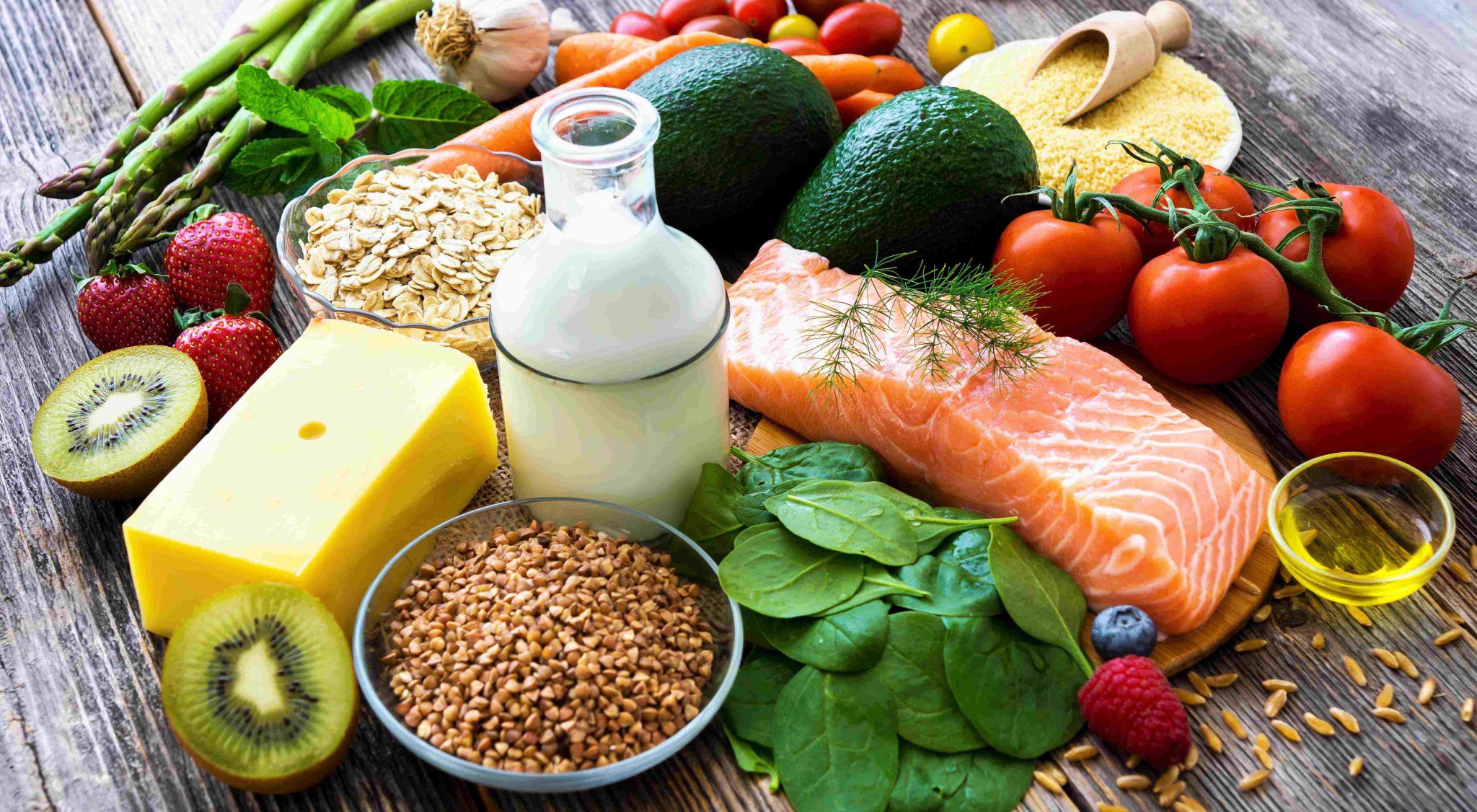
Overview of all menstrual cycle phases: How to adjust your diet
Menstruation
Nutritional Focus:
- Energy needs are slightly lower
- Relief from cramps and fatigue
Key nutrients:
- Iron: Beets, leafy green vegetables, legumes, red meat, whole grains, nuts, seeds
- Magnesium: Nuts, seeds, legumes
- Calcium: Dairy products, green leafy vegetables
Avoid:
- Too much sugar
- Processed foods
Caffeinated beverages
Follicular phase
Nutritional focus:
- Increasing insulin sensitivity
- Improving carbohydrate metabolism
- Adequate protein intake
Key nutrients:
- Healthy fats: avocado, olive oil, seeds, nuts
- Protein sources: legumes, nuts, seeds, tofu, animal protein sources
Luteal phase
Nutritional focus:
- Increased energy needs (up to 300 kcal/day)
- Focus on blood sugar regulation
Key nutrients:
- Complex carbohydrates
- Vitamins B6 & B12: bananas, avocados, legumes, meat, fish
- Increased fluid intake (2.5–3.5 liters)
Avoid:
- Alcohol
- Coffee
- Excessive protein intake
- High salt intake
- Processed foods


Conclusion: The Benefits of a Cycle-Specific Diet for Your Performance and Health
A healthy, nutrient-rich diet is essential for supporting your performance and well-being. A cycle-based nutritional approach can be the icing on the cake, offering a valuable way to eat in harmony with your cycle. By specifically supporting the different hormonal phases, you can not only stabilize your balance but also develop a better understanding of your own body and its needs. During menstruation, focus on an iron-rich diet, and during the follicular phase, ensure a balanced intake of healthy fats and proteins. During the luteal phase, it can be helpful to respond to your increased calorie needs and incorporate complex carbohydrates to feel stronger, more motivated, and full of energy.
Since not every cycle is the same, some tips may be a perfect fit for you, while others might be less suitable. Just give it a try! With a hormone-balanced diet, you can stabilize your hormonal balance, optimize your energy levels, and specifically support your recovery during every phase of your cycle. An effective approach for the holistic athlete who wants to maximize her physical and mental performance!
More interesting articles