Cycle-Based Training: How to Optimize Your Performance

Imagine following a training plan that’s tailored exclusively to your personal and hormonal fluctuations. You feel powerful, know exactly when your body can best handle intense workouts, and when you should focus on recovery and rest. You get to know your body inside and out and can respond to physiological and psychological changes with the right kind of training.
This is cycle-based training— a training method where you train with your body, not against it .
In this article, you’ll learn how cycle-based training can help you better understand your body and boost your performance. Discover how to use the different phases of your cycle to your advantage!


Introduction to Cycle-Based Training
Cycle-based training dynamically adapts to the natural hormonal fluctuations of the female menstrual cycle. Instead of following a rigid, one-size-fits-all training plan—which is largely based on recommendations for men—you tailor your training to your own physiological needs. Training intensity and type are adjusted according to the phase of your cycle to optimize your physical performance.
Most current training recommendations are based on guidelines for men and pay little attention to important differences such as muscle mass, bone structure, bone density, and—above all—hormonal fluctuations. The female menstrual cycle, in particular, can significantly influence your athletic performance and mental well-being.


Benefits of cycle-based training
The benefits of cycle-based training are highly individual and vary from woman to woman. The goal is to use your menstrual cycle to your advantage during training so that you exercise in harmony with your hormonal highs and lows. This means you continuously adjust the type and intensity of your workouts.
Through this targeted adjustment, you give your body the chance to train in harmony with its natural rhythms and get the most out of your workouts.
On the other hand, you also allow your body to recover more effectively, optimize regeneration, and create a sustainable and healthy training experience. This customized training option enables you to address your very personal needs.
The benefits at a glance:
- A customized, individual training plan in harmony with your hormones
- Opportunity to achieve further performance gains at a high level
- Targeted adaptation of your training to emotional and psychological fluctuations, which reduces stress, boosts your motivation, and—above all—improves your self-awareness
- Reduction of PMS (premenstrual syndrome) through phase-specific training
Are there any downsides to cycle-based training?
Hardly any—but you’ll need patience above all, since the long-term effects of cycle-based training only become apparent after a few months. Since no two cycles are exactly alike, it can be difficult—especially at first—to stick to your cycle-based training plan.
You’ll need to invest time and patience, track your cycle closely, and keep regular records so you can start to recognize certain patterns. Any training approach that’s this highly personalized takes time to pay off.
Your cycle. Your warmth. Your rhythm.

03 The Basics of the Female Cycle

The female cycle typically lasts between 21 and 35 days. Fluctuations in length are normal and can be influenced by external factors such as stress, exercise, or diet.
It begins with the first menstrual period (menarche) and ends after menopause. On average, menstruation lasts about 3 to 7 days and often varies from woman to woman, as well as from cycle to cycle. During this time, a woman loses an average of between 10 and 80 milliliters.
The cycle is primarily divided into two phases, each characterized by hormonal changes and physiological events. The main phases include the follicular phase, which begins with menstruation, and the luteal phase, which is initiated by ovulation.
04 Menstrual Cycle Phases and Hormones
The Follicular Phase—The Start of the First Half of Your Cycle
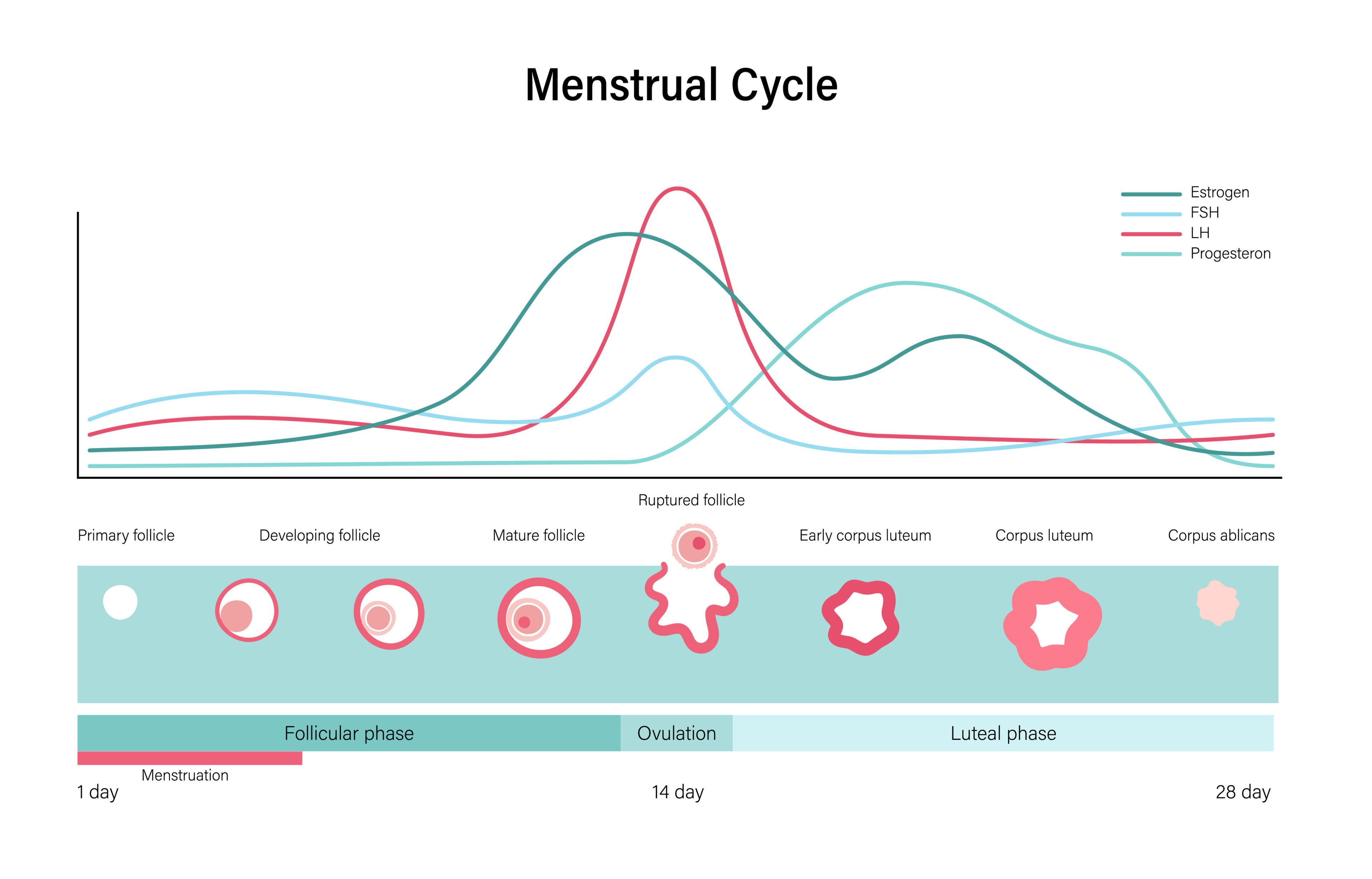
The so-called follicular phase marks the first half of the menstrual cycle and begins on the first day of your period, when the uterine lining is shed. On average, this phase lasts about 14 days, assuming a regular 28-day cycle.
At the start of this phase, the main hormones that regulate the cycle—estrogen, progesterone, FSH (follicle-stimulating hormone), and LH (luteinizing hormone)—are at relatively low levels. During this time, women are most similar to men in terms of hormone levels.
During the follicular phase, so-called follicles—small sacs containing the egg—develop in the ovaries. FSH dominates this phase, supporting the maturation of these follicles.
These follicles begin to produce estrogen. The increased estrogen level enables the follicles to continue maturing and growing so that a potentially fertilized egg can implant.
Shortly before ovulation, estrogen levels peak. High estrogen levels stimulate the pituitary gland, an endocrine gland in the brain that produces various hormones, including luteinizing hormone (LH).
This occurs through a mechanism called positive feedback, in which the increased estrogen signal stimulates the pituitary gland to produce more LH.
The Transition to the Luteal Phase: Ovulation
LH is crucial for ovulation. It stimulates the dominant follicle to release the mature egg. The sudden surge in LH triggers ovulation, which typically occurs about 24 to 36 hours after the LH peak, when the highest concentration of LH in the blood is reached.
Days 13 through 15 of your cycle are usually referred to as the ovulatory phase. Fertilization can occur within this time frame, although some women experience anovulatory cycles in which ovulation does not take place.
After ovulation: the luteal phase
In the subsequent luteal phase, beginning on day 15 or 16, the second half of the cycle begins, lasting until the onset of menstruation.
During this phase, the corpus luteum—a temporary gland—plays a central role in hormone production. The gland begins producing the hormone progesterone, which prepares the uterine lining for a potential pregnancy.
It causes the uterine lining to thicken and improves blood flow to it so that it can accommodate a fertilized egg. Estrogen levels remain constant during this phase and drop slightly later on.
If fertilization does not occur, progesterone levels also drop, which ultimately leads to the breakdown of the uterine lining and triggers menstruation.

Menstrual Cycle, Performance, and Well-Being
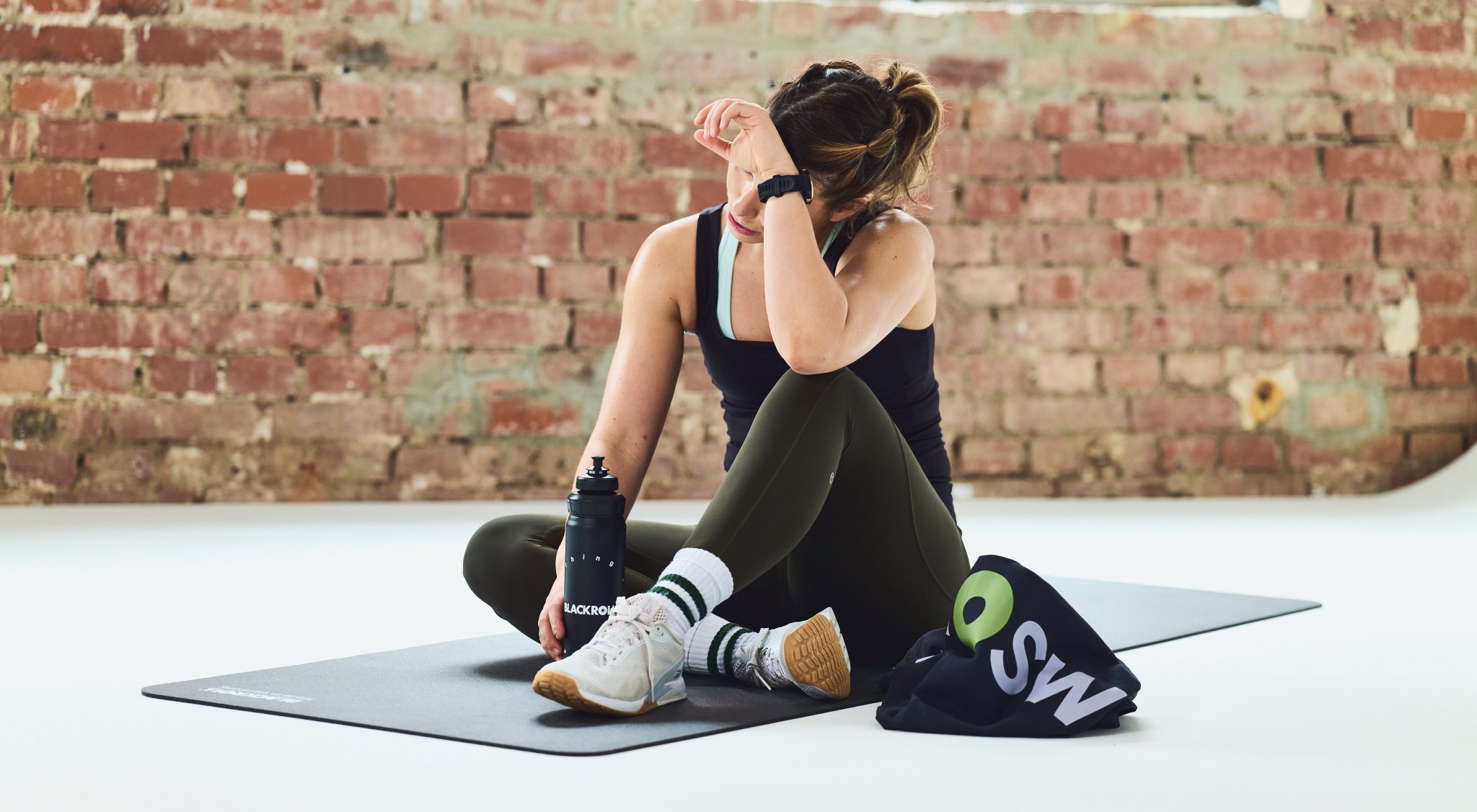
The primary function of female sex hormones is to support reproduction. However, studies show that fluctuating levels of estrogen and progesterone in the uterine lining can also affect other bodily systems. These include, among others, the cardiovascular system, respiration, metabolism, and the musculoskeletal system.
Due to the limited state of knowledge, the evidence is not yet conclusive regarding actual negative effects on athletic performance. According to various studies, it appears possible to achieve peak performance during any phase of the female cycle, as key performance parameters—such as maximum oxygen uptake and lactate threshold—remain constant throughout the entire cycle.
Nevertheless, depending on the phase, hormonal changes can also affect physical performance in other ways by influencing energy metabolism, temperature regulation, calorie expenditure, or mental state.
It is important to be aware of these aspects in order to respond to changes and adjust training and nutrition accordingly. This allows us to optimize performance and promote well-being during every phase.
Energy Metabolism and Temperature Regulation During the Luteal Phase
Some studies show (Sims, 2021; Hutchins & Dawes, 2020) that basal metabolic rate is significantly lower in the early follicular phase than in the late luteal phase. Metabolism thus appears to be elevated at rest during the second half of the cycle, resulting in a 5–10% increase in energy requirements before the onset of menstruation.
This means that the cravings often experienced in the latter half of the second half of the cycle are not merely a figment of the imagination or a lack of self-control, but stem from an actual increased energy requirement of 100–200 calories per day.
This is an important point, especially when it comes to calorie intake during longer endurance training sessions. Understanding metabolic behavior during this phase can help achieve optimal performance by compensating for the increased energy needs in a timely manner.
Basal body temperature can also vary throughout the cycle. It is typically measured immediately after waking up and before getting out of bed, and can vary from woman to woman. Basal body temperature is often used as a tracking method to determine fertile days before and around ovulation.
After ovulation, body temperature rises by about 0.2–0.5 degrees within the first 48 hours and remains elevated until the start of the next period. On the one hand, the elevated body temperature can help determine ovulation; on the other hand, it can also affect temperature regulation and heat perception during athletic activity.
This can lead to a perceived decrease in performance, especially during the summer months , as the body expends more energy to prevent potential overheating and to cool itself down.
Psychological Effects of the Menstrual Cycle on Athletic Performance
The female menstrual cycle can also affect athletic performance on a psychological level due to hormonal changes. Women often experience the onset of premenstrual syndrome (PMS) a few days before the start of their period, which signals that their period is approaching. Premenstrual symptoms can include mood swings, water retention, headaches, breast tenderness, irritability, and general negative emotional and physical symptoms.
All of these psychological symptoms can negatively affect motivation, concentration, and mental strength, which are crucial for optimal athletic performance. While women often feel energetic and confident during the follicular phase, the luteal phase is often characterized by increased fatigue and self-doubt. Feelings of fatigue, exhaustion, and doubt can make it harder to train at the same intensity as usual.
It is therefore important to recognize these psychological states and, if necessary, avoid scheduling key training sessions on these days. Instead, the focus should be on recovery, emphasizing regenerative practices such as breathing exercises, stretching, fascia training, massages, and restful sleep.


Training Planning Based on the Female Cycle
Designing a training program based on the female cycle requires a fundamental understanding of its various phases. A typical training cycle can follow a 28-day rhythm and thus be adapted to the female cycle for a similar duration.
From a training perspective, we can theoretically divide the various hormonal fluctuations into four phases: the early follicular phase, the late follicular phase and ovulation, the early luteal phase, and the premenstrual phase. To understand your cycle and divide it into these phases, you should first spend a few months tracking your cycle.
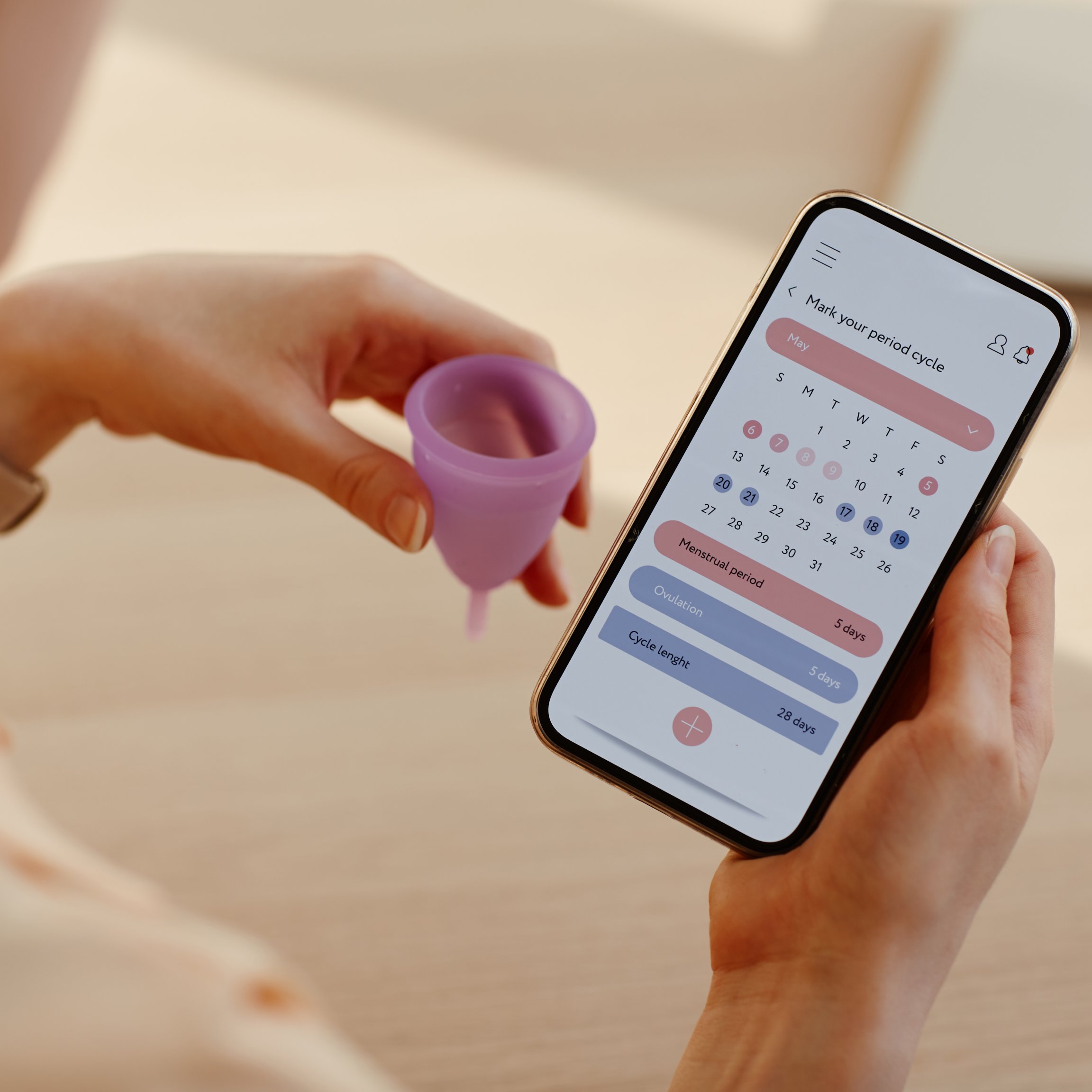
By identifying the cycle phases, cycle length, and ovulation, you can recognize precise patterns and better understand how your body reacts to different training loads. Using tracking apps, calendars, the consistency of your cervical mucus, or tests that detect ovulation (LH tests), you can document your cycle in detail, which forms the basis for your cycle-based training.
1. The early follicular phase: Time for intense and technically demanding workouts
The follicular phase, when estrogen and progesterone levels are low in women, offers the ideal opportunity to perform intense strength training sessions .
During this phase, the metabolism is in a muscle-building, or anabolic, phase, in which the muscle-building effect of estrogen helps to increase and maintain muscle mass. The hormonal conditions of the luteal phase, on the other hand, can hinder muscle growth due to the catabolic effect of progesterone. Several studies (Sung et al., 204; Thompson et al., 2020) concluded that women performed significantly better in maximal strength training during the first half of their cycle than during training in other phases of the cycle.
This suggests that the first half of the cycle is ideal for optimal strength gains. Rising estrogen levels, which have anti-inflammatory properties, can also reduce pain sensitivity, which may increase training load and recovery capacity.
2. Late Follicular Phase and Ovulation: Optimal Power for Your Workout
The closer we get to ovulation, the more energetic women may feel during this time. High-intensity interval training, maximum strength training, and technically demanding workouts still have their place here.
During the ovulation phase, we often experience a peak in our physical energy. This phase is particularly well-suited for planning core workouts and high-intensity training sessions.
In addition, coordination skills can be effectively trained during the follicular phase. It appears that during this phase, improved fine motor skills, faster reaction times, and manual dexterity can be observed.
This is particularly beneficial for technically demanding sports such as striking and ball sports.
3. Early Luteal Phase: The Second Half of the Cycle
After ovulation, progesterone levels rise and the hormonal balance gradually shifts. Many women still feel quite energetic during this early phase of the second half of the cycle.
The early luteal phase is therefore well-suited for moderate strength training, Pilates, power yoga, and endurance activities such as running, swimming, or cycling. As the second half progresses, training intensity can now be gradually reduced slightly.
4. Premenstrual Phase: Endurance Training and Recovery
The perceived exertion during physical activity appears to be highest during the premenstrual phase. Nevertheless, the research is not yet conclusive when it comes to actual negative effects on athletic performance.
Thus, it appears possible to achieve peak performance during any phase of the female cycle, as key performance parameters—such as maximum oxygen uptake and lactate threshold—remain constant throughout the entire cycle.
If you suffer from PMS and struggle with fatigue, low energy, and mood swings in the days leading up to your period, then gentler workouts are recommended.
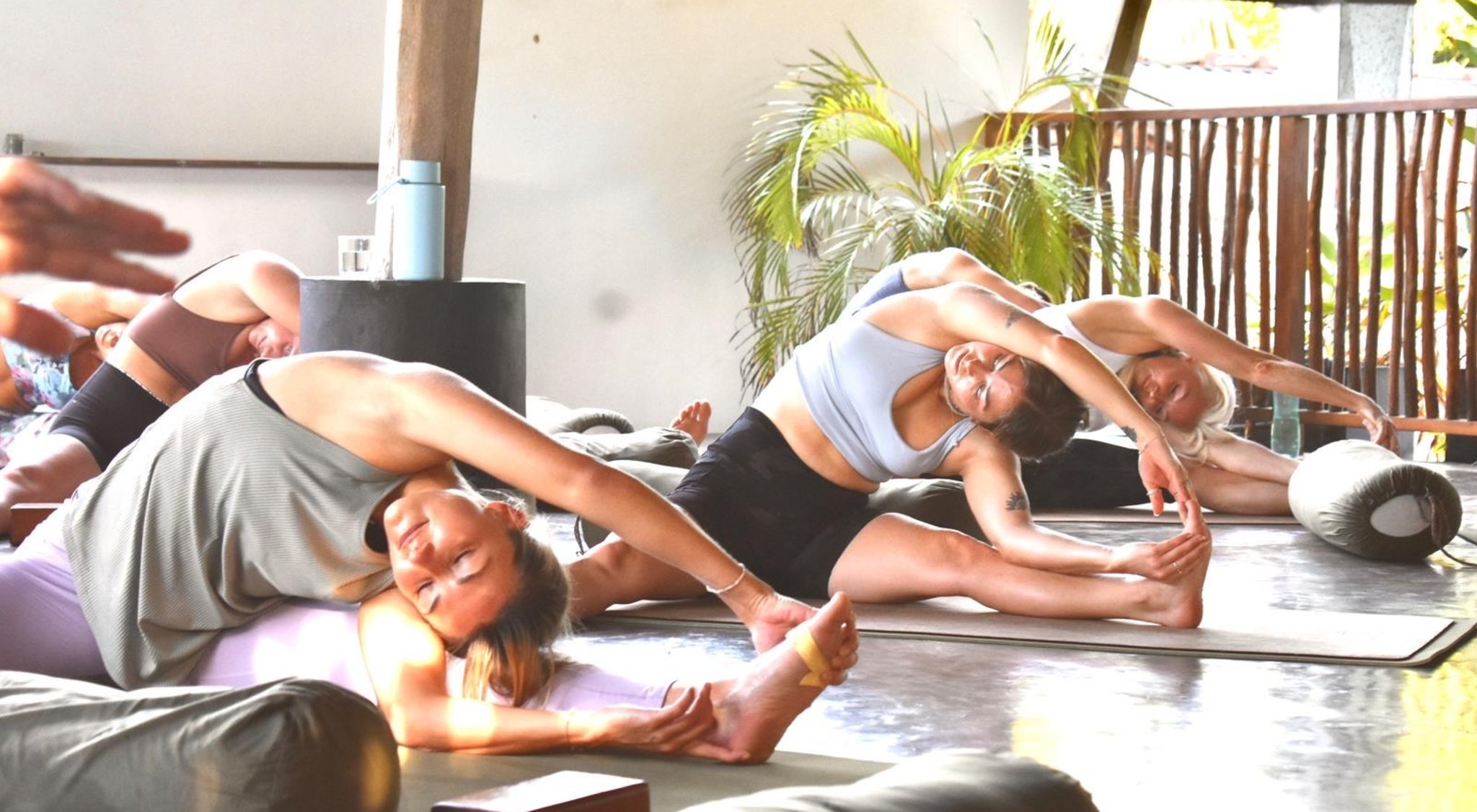
During this phase, you should focus on recovery and regeneration if your body calls for it. Moderate endurance workouts, active recovery, and improving flexibility and mobility can take center stage here. This means that activities such as yoga and stretching—as well as light cycling or running sessions—are particularly beneficial.
It’s important to understand that cycle-based training by no means implies that we have to limit ourselves. If your body feels good and craves an intense workout even during the premenstrual phase, then you can, of course, still go ahead and do it.
As described, there is not yet sufficient significant evidence that the menstrual cycle results in a measurable difference in performance across the various phases of the female cycle. For the most part, the cycle-related effects on athletic performance are linked to the subjective perceptions of female athletes.
Training During Your Menstrual Cycle (Period)
Your menstrual cycle can have a major impact on your athletic performance. Here are some tips on how to adjust your training during the different phases, especially during your period:
During your period, you should adjust your workout:
- Reduce intensity: Keep the intensity of your workout low.
- Avoid intense strength training: High-intensity workouts can disrupt your hormonal balance.
- Avoid abdominal exercises and inversions: These exercises can be uncomfortable.
- Focus on low-impact activities: Go for a jog, do yoga, or stretch.
- Swimming or cycling: These sports are gentle and enjoyable.
Listen to your body and tailor your workout to your individual needs. Moderate physical activity can even help relieve menstrual cramps.
General Tips
- Hydration: Make sure to drink enough fluids, especially during your period.
- Adjust your diet: Foods like kale, spinach, bananas, and salmon can help.
- Regular exercise: It can help regulate your menstrual cycle and reduce symptoms.
By adapting your workout to your cycle, you can optimize your athletic performance while supporting your overall well-being.
Recommended Forms of Exercise During Your Period
- Low-impact endurance exercises like swimming, cycling, or light jogging are a good choice.
- Yoga and stretching can help relieve tension and ease pain.
- Relaxing exercise sessions and walks are also recommended.
Activities to Avoid During Your Period


Cycle-Based Nutrition
There are not yet sufficient scientifically substantiated recommendations for cycle-based training specific to nutrition. However, given the different hormonal states and their varying effects on our metabolic rate, bone health, immunity, and mental health, we can attempt to formulate nutritional recommendations.
Before making any dietary changes, you should always consult a doctor or a professional nutritionist first. We will now focus primarily on micronutrients that are generally beneficial for female athletes.
Nutrition During the Follicular Phase: What You Should Know
Similar to training, cycle-based nutrition is also subject to the athlete’s individual hormonal fluctuations and preferences, which can change depending on the phase of the cycle. During this phase, it’s important to support the body with healthy nutrients, complex carbohydrates, and healthy fats:
- Healthy fats: Avocado, nuts, and seeds such as almonds, walnuts, or flaxseeds, which are rich in omega-3 fatty acids.
- Complex carbohydrates: Whole-grain products such as whole-grain bread or whole-grain pasta; legumes such as lentils, chickpeas, or beans, which are rich in fiber.
- Foods rich in iron: Dark leafy greens such as spinach or Swiss chard; legumes; and red meat such as beef or liver. Iron plays a crucial role in supporting blood formation in the body. Iron is essential, as a deficiency can impair hemoglobin production, which can lead to anemia. Many women, especially female athletes, have increased iron needs. Taking iron supplements can also be helpful in this case.
Nutrition During the Luteal Phase: Tips for a Balanced Diet
During this phase, increased progesterone levels may lead to higher energy needs. To meet these needs, it’s important to slightly increase your calorie intake accordingly. In this phase, you should continue to focus on consuming slow-digesting carbohydrates and increase your protein intake:
- Increased Protein Intake: Good sources of protein include lean meats such as chicken or turkey, fish, cottage cheese, low-fat quark, eggs, legumes, etc. Since you’re in a somewhat catabolic metabolic state during this phase, the additional protein intake should counteract this breakdown phase.
- Magnesium-rich foods such as nuts, seeds, sunflower seeds, pumpkin seeds, whole grains, and green leafy vegetables. Magnesium can help alleviate premenstrual symptoms such as cramps and tension even before your period begins.
- Vitamin B6: Poultry, fish such as tuna or salmon, potatoes and sweet potatoes, bananas, and legumes. Vitamin B6 is helpful because it supports the production of serotonin, a neurotransmitter that regulates mood. Taking vitamin B6 can help reduce mood swings, irritability, or anxiety.
With a cycle-based diet, the focus should generally be on complex carbohydrates, healthy fats, and an adequate protein intake during every phase of the cycle. Additional intake of vitamins or micronutrients such as iron, vitamin B6, or magnesium can help counteract symptoms such as fatigue, lack of motivation, or reduced endurance.
Overtraining and Hormonal Imbalances
Symptoms of overtraining can occur with any type of training plan. This can also lead to hormonal imbalances, particularly in connection with the menstrual cycle.
First and foremost, you should always pay attention to your body’s signals that indicate overtraining. These include prolonged fatigue, an unexplained drop in performance, sleep disturbances, increased susceptibility to infections, or a higher heart rate.
Periodizing your training can help you plan your training and recovery phases in a structured way. By planning different training cycles with varying intensity and workload phases, you can continuously improve your performance.
This allows you to improve your fitness without risking overtraining. It’s essential that you always give your body sufficient time to recover. This can be between training sessions, but you can also dedicate an entire week to recovery.
For example, if you train on a four-week cycle—gradually increasing your training intensity and volume over the first three weeks—the fourth week is ideal as a recovery week. By aligning your training with your menstrual cycle, you can also adjust your training to your hormonal state on this four-week cycle.
The phase just before your period, up through the first two days of your menstrual cycle, would be suitable as a recovery week. This type of training helps you train in harmony with your cycle—rather than against it—to avoid hormonal imbalances.
09 5 Tips for Successful Cycle-Based Training
01 Observe and track your cycle:
Take several months to get to know your cycle. With the help of various cycle apps or the calendar method, you can start tracking the different phases of your cycle.
Start by noting the length of your cycle, the duration and start date of your period, and your ovulation. You can track your ovulation using the basal body temperature method, ovulation tests from the pharmacy, by observing your cervical mucus, or by estimating the timing based on your menstrual calendar.
02 Keep a workout journal:
Once you’ve familiarized yourself with the phases of your cycle, also write down your psychological and physical changes and how they affect your workouts. After each workout, note how you feel and what other external factors—such as sleep, weather, or stress—might have influenced your workout. This will help you identify patterns and trends related to your cycle and your performance.

03 Adjust your training type and intensity:
You now have the tools to train in sync with your cycle. Try varying your training approach depending on the phase. Aim to do your high-intensity workouts in the first half of your cycle, and focus on moderate endurance training and recovery in the second half.

04 Focus on a healthy diet:
Try to eat in harmony with your cycle and make minor adjustments to your diet depending on the phase. This includes consuming complex carbohydrates, healthy fats, proteins, vitamins, and minerals that can support your energy levels and promote recovery.

05 Be flexible and reduce your stress:
Not every cycle is the same, and cycle-based training takes time and patience. Keep adjusting your workout routine to achieve lasting success. In general, try to reduce your stress and find balance in your life to support your natural menstrual cycle. That way, nothing will stand in the way of your cycle-based training!