
Vitamins for Fatigue: Which Ones Really Help?

Too many people suffer from chronic fatigue and lethargy in their daily lives. This can have various causes. Often, it’s due to a lack of important vitamins and micronutrients. In this article, we’ll show you which vitamins are particularly effective for combating fatigue. We’ll examine the value of dietary supplements and restorative formulas for alleviating exhaustion. Let’s dive right into the topic.


What are vitamins?
Vitamins are organic compounds that are essential for the body. They are not produced by the body itself and must therefore be obtained through food or dietary supplements. Vitamins are essential for the body’s health because they perform numerous functions in metabolism. They support cell formation, tissue growth and repair, and energy balance. Vitamins also help regulate the immune system, protect against free radicals, and can reduce inflammation. Vitamins are involved in all metabolic processes in the body.
Important: Your body operates on the principle of minimal requirements. This means that as soon as you have too little of a vitamin, it affects your energy levels and your overall well-being. You can think of your body as many small construction sites. Something is constantly being repaired. If even a single vitamin or other micronutrient is missing from one of these sites, the entire construction site comes to a standstill.
There are a total of 13 vitamins, which are divided into two groups: the fat-soluble vitamins A, D, E, and K, and the water-soluble vitamins B1, B2, B3, B5, B6, B7, B9 (folic acid), and B12, as well as vitamin C. However, individual vitamins—such as vitamin B12—are also collective terms for a group of similar vitamin compounds with similar effects. Fat-soluble vitamins are stored by the body in fat cells and could lead to poisoning at extremely high doses, while water-soluble vitamins are quickly excreted.


Which Vitamins Are Often Lacking When You’re Tired
All vitamins and micronutrients play an important role in health and energy. However, there are a few vitamins that are particularly common and can cause fatigue.
- The B vitamins—especially vitamins B6, B12, and folic acid—are crucial for energy metabolism and nervous system function. A deficiency in these vitamins can lead to nervousness, exhaustion, listlessness, and difficulty concentrating. Folic acid is especially important for women during pregnancy. Foods rich in B vitamins include whole grains, legumes, meat, fish, and dairy products.
- Vitamin C is not only a powerful antioxidant but also essential for collagen production and immune system function. Fatigue can be a sign of vitamin C deficiency. Good sources of vitamin C include citrus fruits, berries, kiwis, bell peppers, broccoli, and spinach.
- Vitamin D is important for bone health, the immune system, and mood. A vitamin D deficiency can lead to fatigue and depression. The best source of vitamin D is sunlight. Only a very small amount can be obtained from sources such as fatty fish and eggs.
- Vitamin E is a very powerful fat-soluble antioxidant, which is very important for the skin, blood vessels, liver, brain, and reproductive organs. A vitamin E deficiency can also lead to fatigue, muscle weakness, and impaired immune function. Good sources of vitamin E include nuts and seeds, green leafy vegetables, and wheat germ oil.
Other Important Micronutrients
Although the following micronutrients are not vitamins, they should still be mentioned in relation to fatigue.
- Iron is not a vitamin but an essential mineral responsible for transporting oxygen in the blood. An iron deficiency can lead to fatigue, weakness, and anemia. Typical symptoms may include a very pale complexion and cracks at the corners of the mouth. By the time these symptoms appear, the deficiency is already quite advanced. Good sources of iron include red meat, organ meats, legumes, leafy green vegetables, and whole grains.
- Magnesium is important for energy production, muscle and nerve function, and relaxation. A deficiency can lead to fatigue, muscle weakness, and sleep problems. Foods rich in magnesium include nuts, seeds, legumes, whole grains, and green leafy vegetables. Unfortunately, magnesium deficiencies are very common, especially among athletes who sweat a lot.
- Coenzyme Q10 is important for energy metabolism and can help with fatigue and exhaustion. Older adults, in particular, often have a deficiency in coenzyme Q10. Although the body can produce coenzyme Q10 on its own, it requires certain amino acids and nearly all B vitamins to do so. Coenzyme Q10 is found primarily in animal-based foods.
- Calcium plays an important role in maintaining bone and tooth structure as well as muscle and nerve function. A calcium deficiency can lead to fatigue, irritability, and muscle cramps. However, this is relatively rare. Good sources of calcium include dairy products, green leafy vegetables, nuts, and seeds.
- Omega-3 fatty acids are not vitamins, but they are essential fatty acids that the body cannot produce on its own and must be obtained through the diet. A deficiency can lead, among other things, to chronic inflammation, which drains the body of a great deal of energy. There are several types of omega-3 fatty acids, but the most important ones are alpha-linolenic acid (ALA), eicosapentaenoic acid (EPA), and docosahexaenoic acid (DHA).
Omega-3 fatty acids are found in various foods, including fatty fish such as salmon and trout, as well as walnuts, flaxseeds, and algae, which are also rich in omega-3 fatty acids
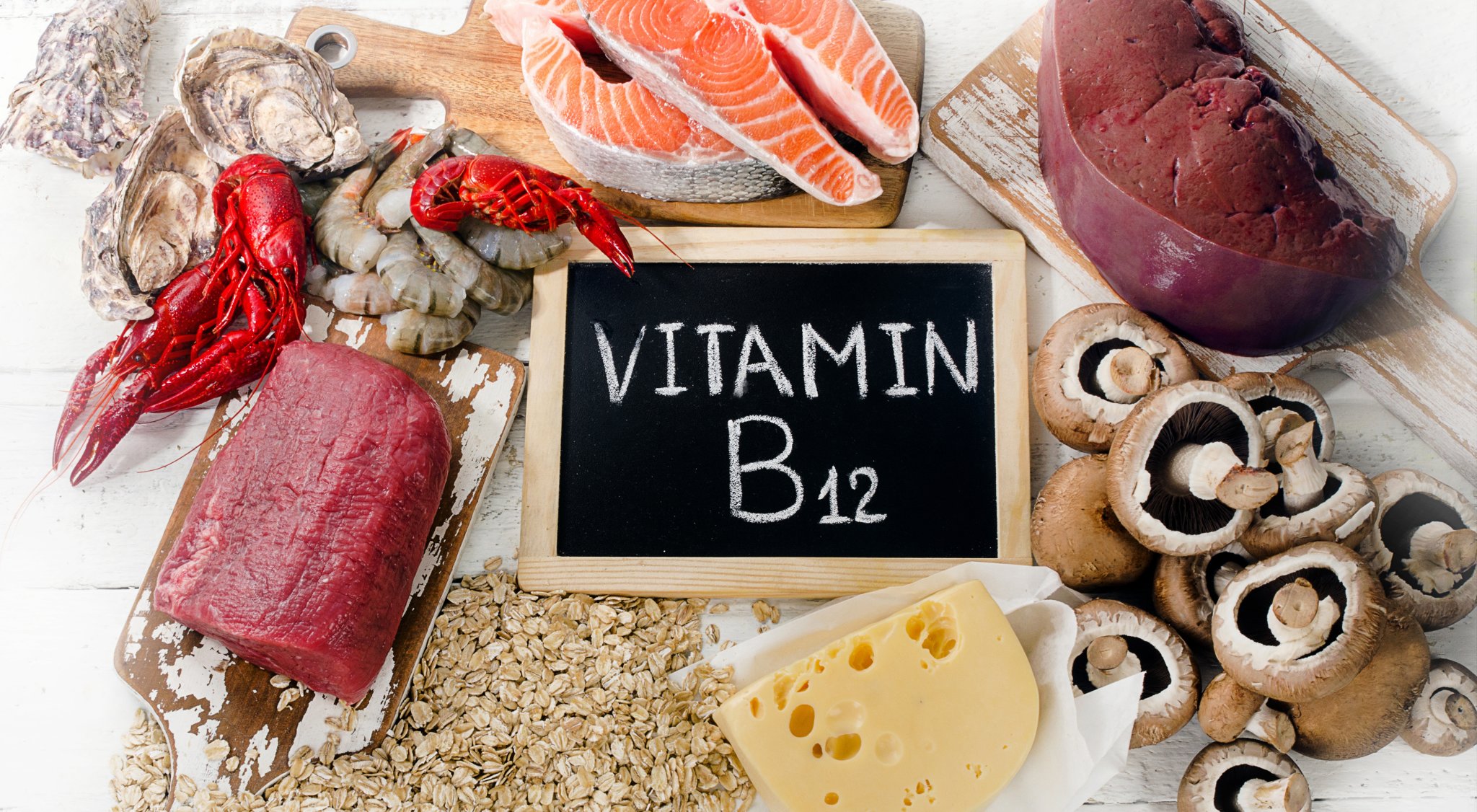

Vitamin B12 for Fatigue
A fairly common vitamin deficiency is vitamin B12 deficiency. Vitamin B12 is an important nutrient that is essential for the formation of red blood cells, nervous system function, and DNA synthesis. Vegetarians and vegans are particularly at risk for vitamin B12 deficiency, as it is found primarily in animal-based foods.
Causes of a vitamin B12 deficiency can include:
- insufficient dietary intake (especially in vegan diets)
- impaired absorption in the intestines (e.g., due to gastrointestinal diseases and disorders)
- increased demand (e.g., during pregnancy or with intense exercise)
- Stomach acid blockers can also inhibit vitamin B12 absorption
The symptoms of a vitamin B12 deficiency can develop gradually and are often nonspecific. These include fatigue, a pale complexion, cracks in the corners of the mouth, difficulty concentrating, tingling in the hands and feet, depressive moods, and anemia. A long-term vitamin B12 deficiency can lead to irreversible neurological damage.
You can correct a severe vitamin B12 deficiency by taking vitamin B12 supplements, either in tablet form or as injections. If absorption in the intestines is impaired, high-dose supplements can also be helpful, as some of the vitamin is still absorbed into the body. In cases of severe anemia or neurological symptoms, treatment with injections should be considered, as they have a faster and more effective effect.
People who wish to follow a vegan diet can rely on fortified foods or dietary supplements to meet their vitamin B12 needs


Vitamin D for Fatigue
The sun makes you feel awake and alive. It’s exactly the same with the “sunshine vitamin.” Vitamin D is essential for bone health, the immune system, and countless metabolic processes. It regulates the body’s calcium and phosphorus balance. Researchers suspect that vitamin D plays an important role in regulating the circadian rhythm. This rhythm regulates the body’s sleep-wake cycle. A vitamin D deficiency can therefore prevent the body from properly regulating the sleep-wake cycle, which explains sleep disturbances and fatigue.
Another possible mechanism that explains the link between vitamin D deficiency and fatigue is vitamin D’s role in regulating inflammation in the body. Chronic inflammation is associated with a range of health problems and consumes energy.
Including vitamin D-rich foods like fatty fish and eggs in your diet can only cover about 10% of your vitamin D needs. Dietary supplements can help here. The most important thing, however, is to spend time outdoors in the sun regularly. One hour of sunbathing in midsummer can produce up to 20,000 IU (international units) of vitamin D. But be careful not to get sunburned. It makes sense to ease into the sun gradually, drink plenty of fluids, and care for your skin afterward—for example, with a good aloe vera gel. The question of how beneficial regular use of sunscreen is remains hotly debated. While the prevailing view is that sunscreen is important for protecting your skin from skin cancer, others claim that various ingredients in sunscreen have carcinogenic properties. Two things are clear: Sunscreen inhibits the production of vitamin D. Second, the incidence of skin cancer has risen sharply since the introduction of sunscreen in the last century, rather than declining. Whether there is a connection here remains unclear.
If you think you might have a vitamin D deficiency, you can easily get tested. A blood test at the doctor’s office will provide clarity.


Vitamin C for Fatigue
Vitamin C, also known as ascorbic acid, is important for the immune system and collagen production in the body, among other things. Unfortunately, fruits and vegetables in Western industrialized nations no longer contain the same levels of vitamin C as they did just a few decades ago. Deficiencies have become quite common here as well. A 2009 study¹ shows that, out of 979 non-smoking participants, one in seven had a vitamin C deficiency. Only about half of the participants had sufficiently high vitamin C levels. Smokers, in particular, often have vitamin C levels that are too low.
A higher intake of vitamin C can help reduce oxidative stress and boost the body’s performance.
There are also some studies² suggesting that a higher vitamin C intake can lower cortisol levels in the body. Cortisol is a hormone produced by the body in response to stress and can lead to fatigue and exhaustion over the long term.
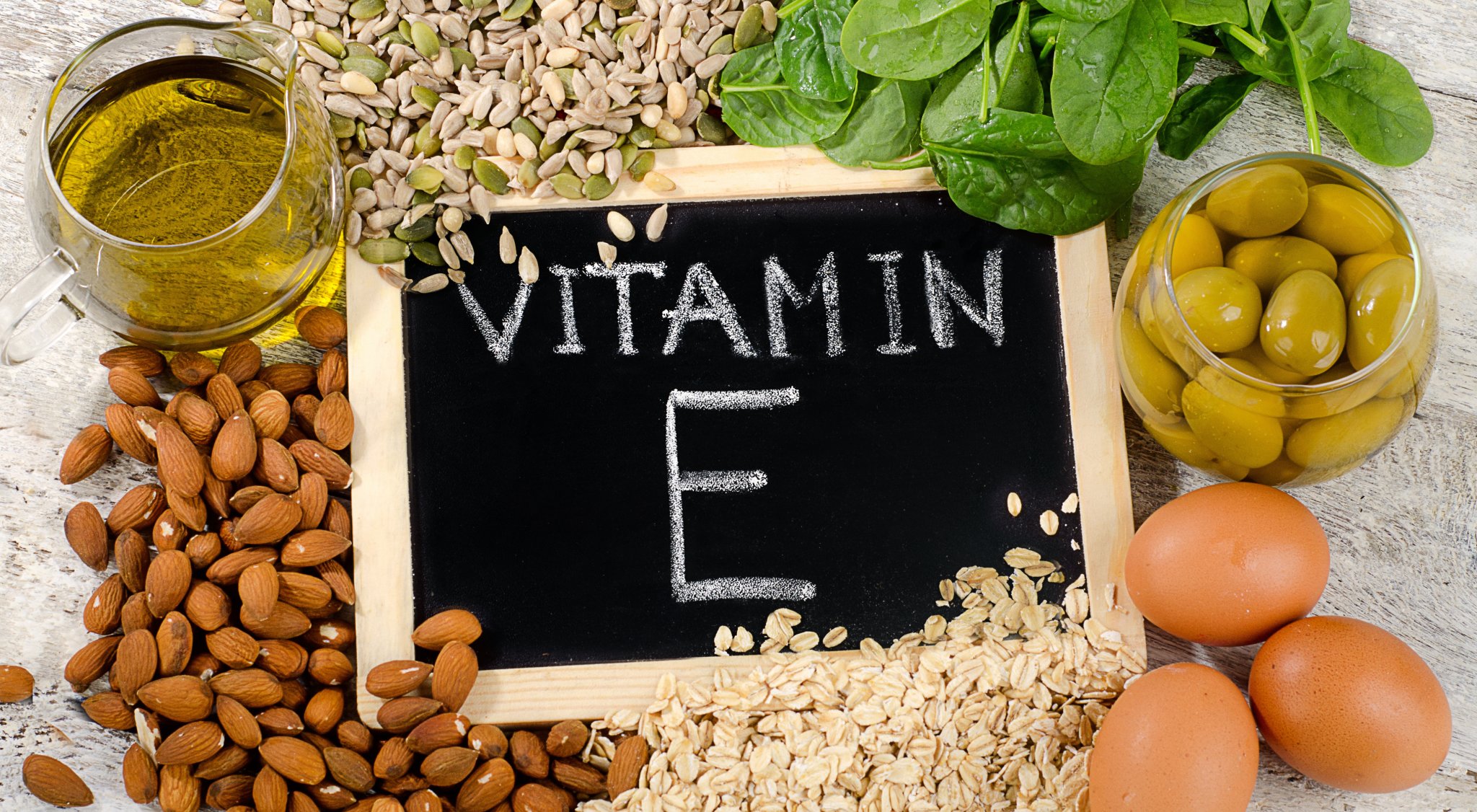

Vitamin E for Fatigue
Vitamin E is a very powerful antioxidant that protects the body from damage caused by free radicals, thereby reducing the risk of various diseases such as cancer, heart disease, and Alzheimer’s. In addition, vitamin E plays an important role in supporting the immune system and regulating inflammation in the body.
Vitamin E also supports skin and hair health by helping the body produce collagen. It also helps maintain blood circulation and the health of blood vessels.


Do you really need dietary supplements to combat fatigue?
In recent years, it has become apparent that the quality of fruits and vegetables is declining. A 2004 study³ by the University of Texas found that the vitamin C content in oranges dropped by 25% between 1950 and 1999. A similar trend has also been observed in other fruits and vegetables. Another study⁴ from 2009 shows that the mineral content of vegetables has dropped sharply in recent decades. The levels of iron, calcium, phosphorus, and magnesium in broccoli and spinach, for example, were many times higher in the 1950s than they are today.
There are many reasons for the decline in micronutrients in fruits and vegetables. For one thing, varieties are often bred today that grow faster and yield higher harvests but contain fewer nutrients. For another, the intensive use of pesticides and fertilizers in agriculture is known to reduce micronutrient levels in fruits and vegetables. High-quality dietary supplements can help compensate for these deficiencies.
Essentially, anyone with an increased need for nutrients—or who cannot obtain all the necessary nutrients from their diet—can benefit from dietary supplements. This includes athletes, pregnant women, people with digestive and intestinal issues, and those experiencing high levels of stress. In the modern world, we are also exposed to a great many environmental toxins, which further supports the need for increased vitamin and nutrient intake.
Of course, dietary supplements are not a panacea. A healthy diet and sufficient exercise are, of course, also part of a healthy lifestyle.


Diagnosing and Treating Vitamin Deficiencies
Severe vitamin deficiency diseases are rare today. Diseases such as scurvy, caused by a total vitamin C deficiency, or blindness resulting from a complete vitamin A deficiency no longer exist in countries where there is sufficient food. Most foods are available year-round in these countries. Vitamin deficiencies develop gradually over many years.
In the first phase of a vitamin deficiency, the body’s immune system no longer functions optimally, and susceptibility to infection increases slightly. In phase 2, reduced levels can be measured in the blood, and in phase 3, they are also detectable in blood plasma. It is not until phase 4 that nonspecific symptoms such as fatigue, lethargy, and difficulty concentrating begin to appear.
It is important to take action by this stage at the latest, as chronic diseases can develop in the subsequent phases. Vitamin deficiencies are very often a contributing factor in chronic diseases.


Which dietary supplements and tablets are recommended for fatigue?
It’s very difficult for the layperson to assess the quality of a dietary supplement. Each vitamin can exist in different chemical compounds and be derived from various substances. But we’d still like to give you a few general tips here to make your purchasing decision easier.
- Sufficiently high dosage
Overdosed dietary supplements are not allowed in the EU. All manufacturers are bound by maximum limits (some of which are very strict and low). As long as you follow the official dosage recommendations, overdoses are unlikely. However, vitamin supplements with too-low dosages are very common. Very few buyers know what amounts of vitamins are appropriate or approved in products. Many manufacturers take advantage of this and therefore underdose their products. This saves the manufacturer money and allows for a higher profit margin. - Choose multivitamins over single-ingredient supplements
Unless you know exactly which vitamin you’re lacking, it’s better to take a multivitamin rather than a single vitamin. Someone who suffers from fatigue and has a vitamin deficiency is usually lacking several vitamins, minerals, and often amino acids and trace elements as well. Of course, you can’t put all of that into a single capsule. Many manufacturers invest a lot of money and time in developing a good, comprehensive formula. Another advantage of a multivitamin is that it prevents imbalances in the body. This is because all vitamins and minerals have so-called “counterparts.” If you consume very high amounts of a single vitamin, it may lead to a reduction in the corresponding counterpart vitamin. It all comes down to the right balance. - Natural vitamins are better than synthetic ones
Vitamins can be produced from a wide variety of sources. Vitamin C (ascorbic acid), for example, can be derived from the “camu-camu” fruit, rose hips, or sugar produced by genetically modified microorganisms. Some scientists claim that the source makes no difference, since ascorbic acid is always chemically identical. Other scientists point out that these two molecules, which look the same, behave very differently in the body. - Purity
It makes sense to include a combination of vitamins and other natural substances in a dietary supplement. This can help achieve a more comprehensive effect in the body. These may include amino acids from, for example, rice protein, turmeric, OPC, or various immune-boosting mushrooms such as cordyceps. However, there are many additives in vitamins that offer no health benefits. These include, for example, artificial sweeteners, anti-caking agents like magnesium stearate, colorants, or chemicals that are often hidden under E numbers. It’s best to take a look at the label, and if there are many ingredients you don’t recognize, it’s better to ask the manufacturer.


Conclusion – Which Vitamins Help Combat Fatigue and Lethargy
All vitamins can be helpful in combating fatigue and lethargy. Other essential nutrients, such as minerals, trace elements, and amino acids, are also important. However, there are some vitamins that are particularly often deficient and lead to fatigue and lethargy. These include all B vitamins—especially vitamin B12 in vegans—as well as vitamins C, D, and E. You can have your vitamin status checked through a blood test at the doctor’s office; however, the reference ranges provided there represent only the “minimum levels” and not the optimal levels. If you’re deficient in one vitamin, you’re usually deficient in others as well. That’s why it makes sense to take a good multivitamin.
If you take a single vitamin in high doses for too long, you may end up displacing another one. When choosing a good dietary supplement, make sure it has a sufficiently high dosage and purity.
Sources:
Cahill L, Corey PN, El-Sohemy A. Vitamin C deficiency in a population of young Canadian adults. Am J Epidemiol. 2009 Aug 15;170(4):464-71. doi: 10.1093/aje/kwp156. Epub 2009 Jul 13. PMID: 19596710.
Brody S, Preut R, Schommer K, Schürmeyer TH. A randomized controlled trial of high-dose ascorbic acid for the reduction of blood pressure, cortisol, and subjective responses to psychological stress. Psychopharmacology (Berl). Jan 2002;159(3):319-24. PMID: 11862365.
Johnston CS, Barkyoumb GM, Schumacher SS. Vitamin C depletion is associated with alterations in blood histamine and plasma free carnitine in adults. J Am Coll Nutr. Dec 2005;24(6):406-14. PMID: 16373990.
Davis, D.R., Epp, M.D., & Riordan, H.D. (2009). Changes in USDA food composition data for 43 garden crops, 1950 to 1999. Journal of the American College of Nutrition, 23(6), 669-682.