A Banana Before Bed: Healthy or Harmful?

Does eating a banana in the evening help you fall asleep, or do the carbohydrates disrupt your sleep and digestion? There are reasons to eat a banana in the evening, but there are also reasons not to. In the following article, you’ll learn how bananas can help you sleep and what you need to keep in mind in your specific situation.
Bananas in the Evening – The Benefits
Bananas consist mostly of short-chain carbohydrates, which are absorbed into the bloodstream immediately. For example, if you work out later in the day, a banana can help you quickly restore your blood sugar levels.
They’re also a good source of potassium and magnesium—two minerals that can help improve sleep. Potassium plays an important role in regulating muscle and nerve functions, including muscle relaxation.
Magnesium can also help reduce cortisol and stress. The hormone serotonin is also important for good sleep, and this exotic fruit can help boost its levels.
The "Happy-Making" Banana – Do Bananas Contain Serotonin?
Although bananas contain serotonin, this serotonin cannot cross the blood-brain barrier and is broken down in the body¹. Therefore, it cannot act as a “happiness hormone” on the receptors in the brain.
However, the yellow fruit can indirectly influence serotonin and melatonin levels—namely, through tryptophan. Serotonin and melatonin are both important neurotransmitters that play a role in regulating the sleep-wake cycle.
Tryptophan—the amino acid in bananas that promotes good sleep.
Various studies have shown that bananas can help improve sleep due to their high tryptophan content. Tryptophan is an amino acid that is converted into serotonin and melatonin in the body.
Bananas contain up to 20 mg of tryptophan per 100 grams—and that’s with only 89 calories. That’s certainly impressive for a fruit. However, it’s important to put the tryptophan content into context. Buckwheat, for example, contains 80 mg of tryptophan and about 400 calories per 100 grams. Tuna boasts an impressive 300 mg of tryptophan with just 270 calories per 100 grams.
So, if we compare the tryptophan content to the calorie content, we get 1 mg of tryptophan per 4.5 calories for a banana. For buckwheat, it’s 1 mg of tryptophan per 5 calories, and for tuna, an impressive 1 mg of tryptophan per just 1 calorie.
Does this mean that bananas make you gain weight and you shouldn’t eat them? Not at all. Tryptophan alone cannot be the only sleep-promoting factor in bananas. We also need to consider blood sugar levels and minerals such as magnesium and potassium.
“Eating a banana in the evening can help balance blood sugar levels thanks to its short-chain carbohydrates and improve sleep thanks to its potassium and magnesium content. The tryptophan found in bananas can indirectly influence serotonin and melatonin, which regulate the sleep-wake cycle. Despite these positive effects, bananas should be enjoyed in moderation, as their high sugar content can be counterproductive to restful sleep, especially when eaten late at night or in large quantities.”
Andrea Meyer, alternative medicine expert

Bananas in the Evening – The Downsides
In addition to its positive effects on sleep, this tropical fruit can also have negative effects—especially if eaten too late in the evening or in large quantities.
Due to their high sugar content, bananas can put the body into a state of agitation, which is counterproductive to restful sleep.
For some people, fruit in the evening is also difficult to digest, which can then manifest as bloating, belching, heartburn, or stomach pain.
Should you avoid carbohydrates and bananas in the evening?
There’s a simple test you can do after every meal and every food you eat. If you feel calm, relaxed, and pleasantly full after eating, then your body has gotten what it needs.
But if you feel jittery, have digestive issues, and are hungry again after just an hour, your macronutrient ratio wasn’t optimal for you. Perhaps you’re lacking fat or protein. For more information on how to find your optimal macronutrient ratio, see the article“What to Eat in the Evening.”
If you fast during the day and only eat in the evening, you can probably tolerate more sugar and fruit in the evening. Stomach acid and enzymes have built up throughout the day, and your blood sugar level is very low. It’s important to pay attention to your body’s signals.
In addition to considering your pre-bedtime diet, optimizing your sleep environment can also help. The BLACKROLL® sleep products, for example, can support you in this.
Discover our sleep products:
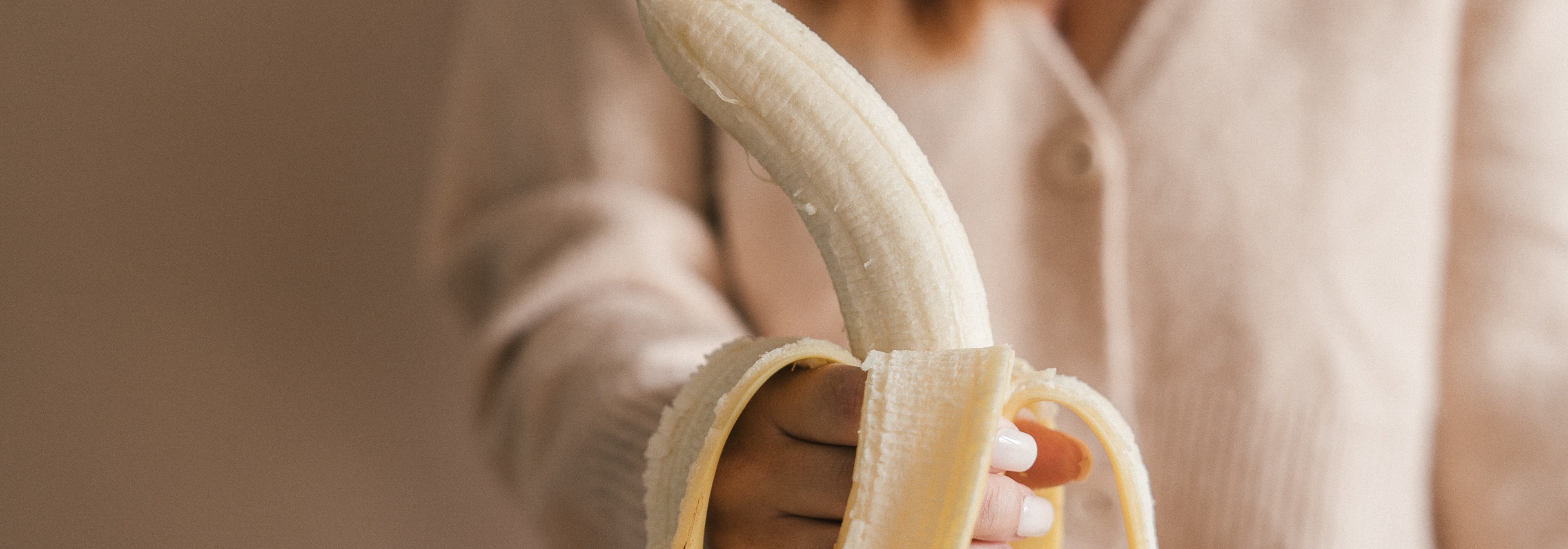
Is it okay to eat bananas right before going to bed?
If it’s just one banana and you tolerate it well, then you can eat it right before bed without any problems. Your body can break it down and digest it quickly. The fiber it contains helps slow down the release of sugar into your bloodstream—unlike with unhealthy sweets. However, if you’re really hungry, we wouldn’t recommend eating more than 2 bananas before bed. Otherwise, your insulin levels will spike sharply, which will make you feel jittery and keep you awake.
In addition, excess carbohydrates are converted into fat. The liver can also have trouble processing too much sugar late at night. The liver is an important store for sugar in the form of glycogen. However, too much of it can cause the liver to accumulate fat. Bananas are a “quick energy” source. If you want the blood sugar spike from a banana to happen more slowly, you can eat your banana with something fatty. You’ll find a few delicious recipes at the end of the article.
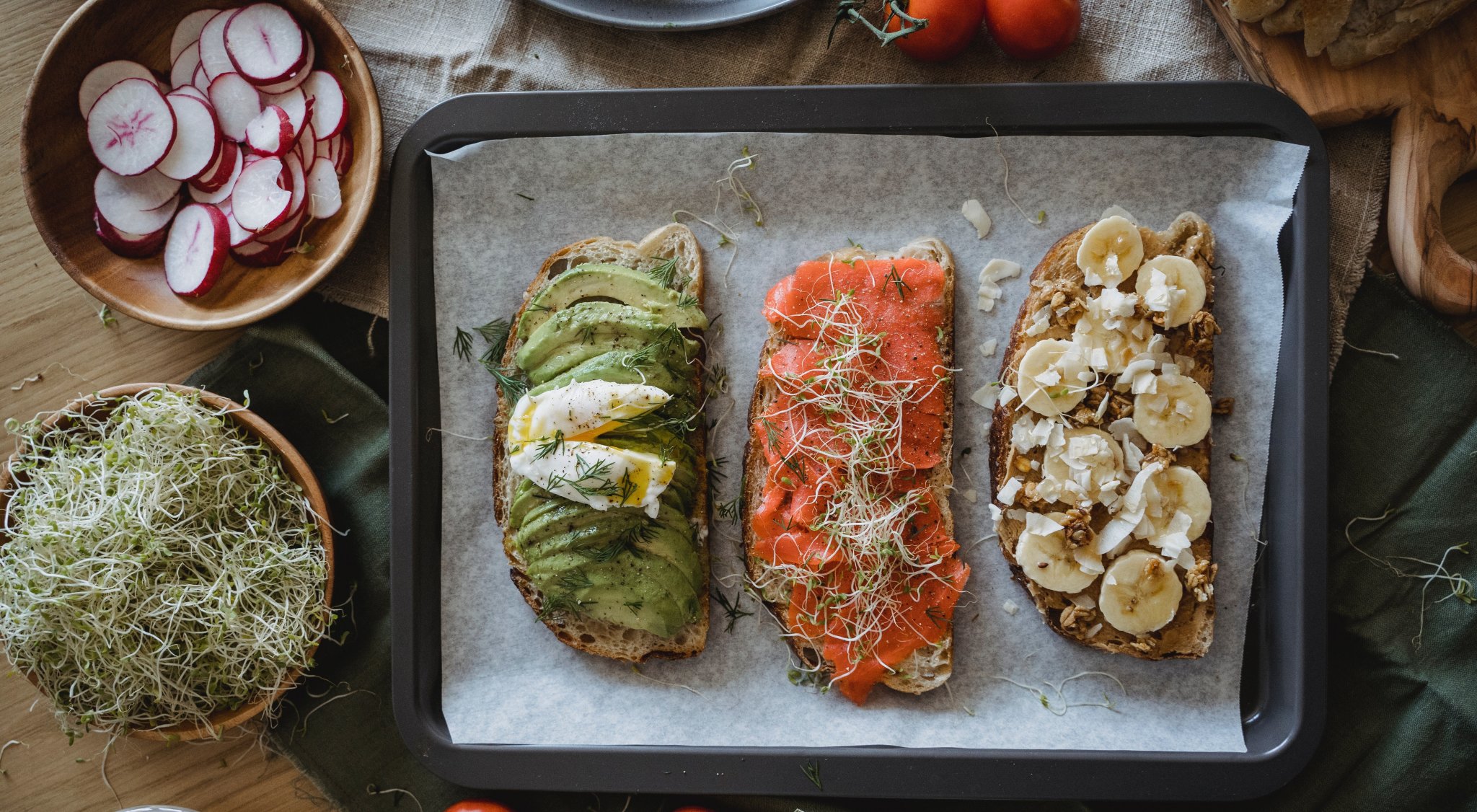
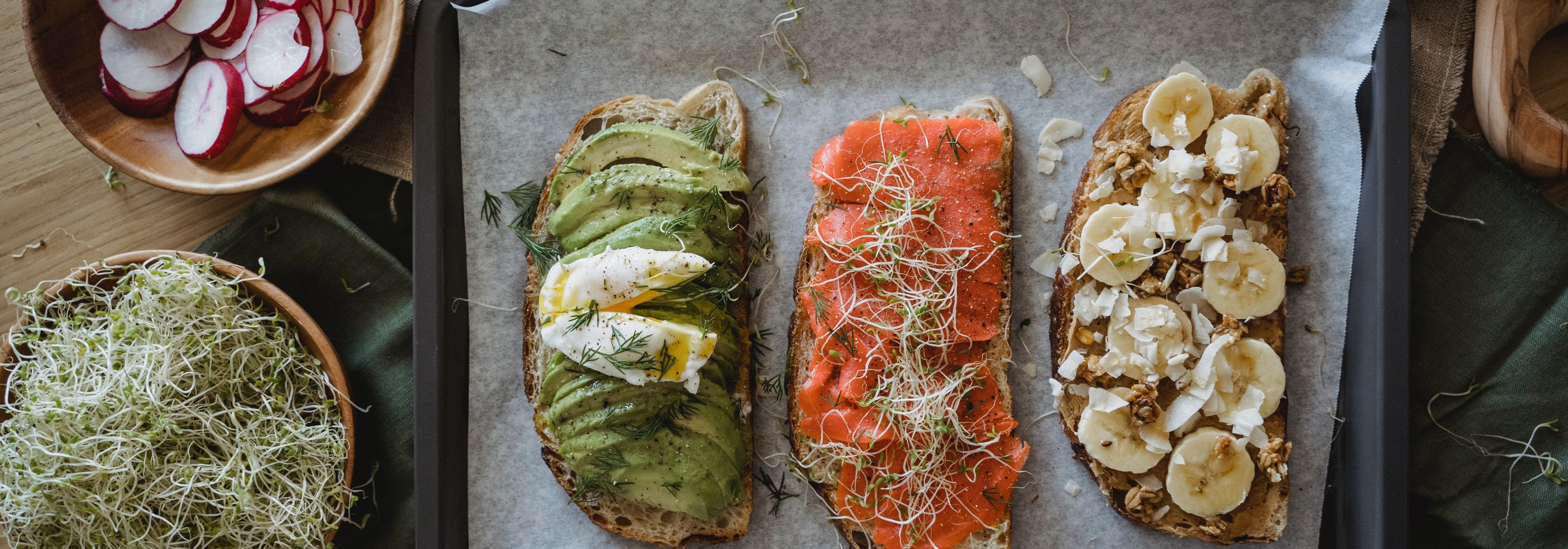
Bananas to Help You Sleep—Try These Delicious Recipes.
Here are a few recipe ideas for you.
Banana and Cinnamon Tea:
This tea is known worldwide as a sleep aid. This combination not only tastes delicious but also offers many health benefits. Cinnamon is known for its sweet, warm aroma and is often used in cooking. Cinnamon promotes healthy digestion and helps combat bloating and digestive issues.
The recipe:
With just one banana, one teaspoon of cinnamon, and 25 milliliters of water, you can make a delicious cup of tea.
- Cut off the ends of the banana without peeling it.
- Cut the banana into large pieces—still with the peel on.
- Place the banana pieces in a pan and sprinkle the cinnamon over them.
- Add the water and bring to a boil.
- Then reduce the heat to low and let the bananas simmer for 10 minutes.
- When the peel has come away from the banana, remove the pan from the heat.
- Strain the mixture through a sieve and drink the tea 20 minutes before bedtime.
Oatmeal with Banana:
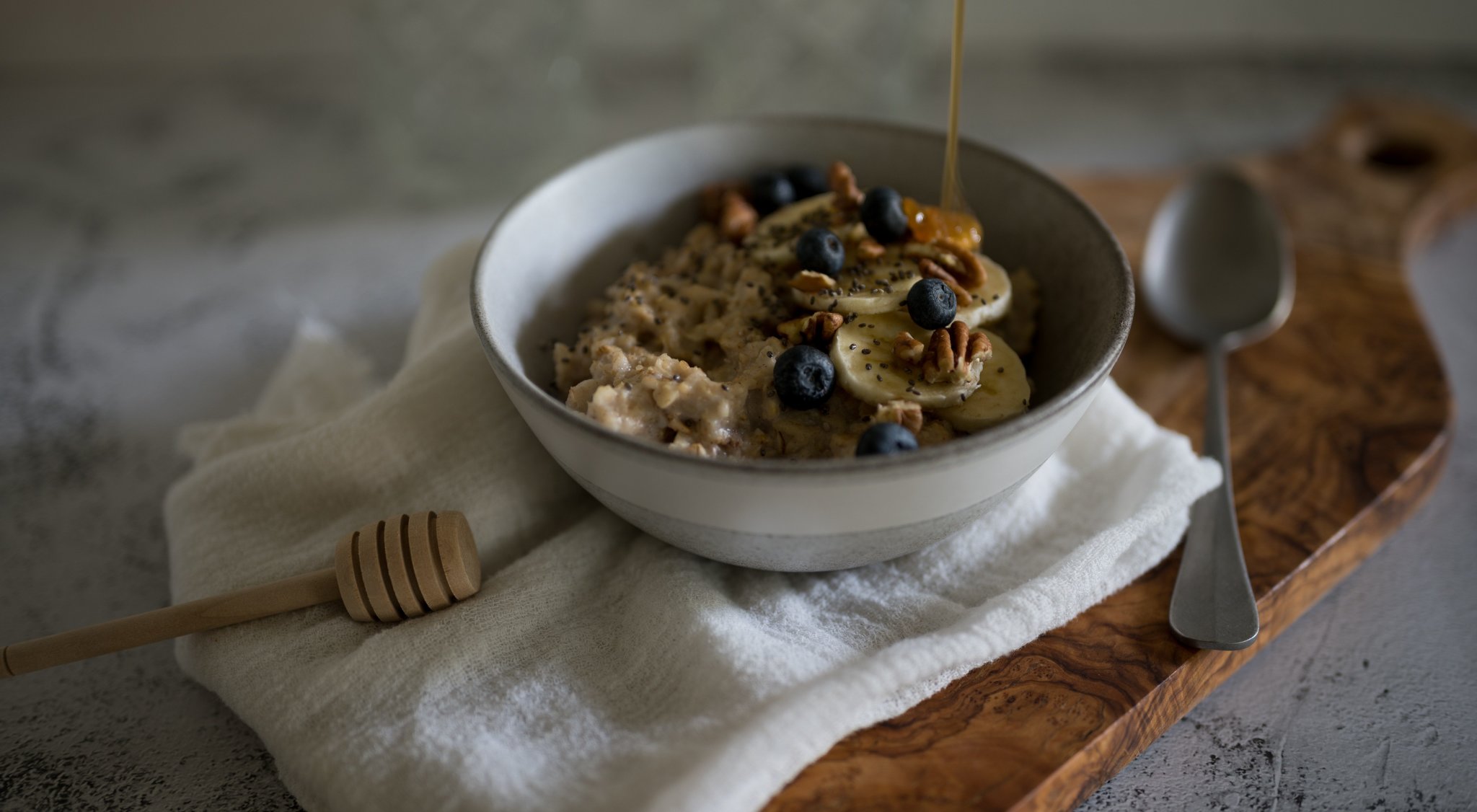
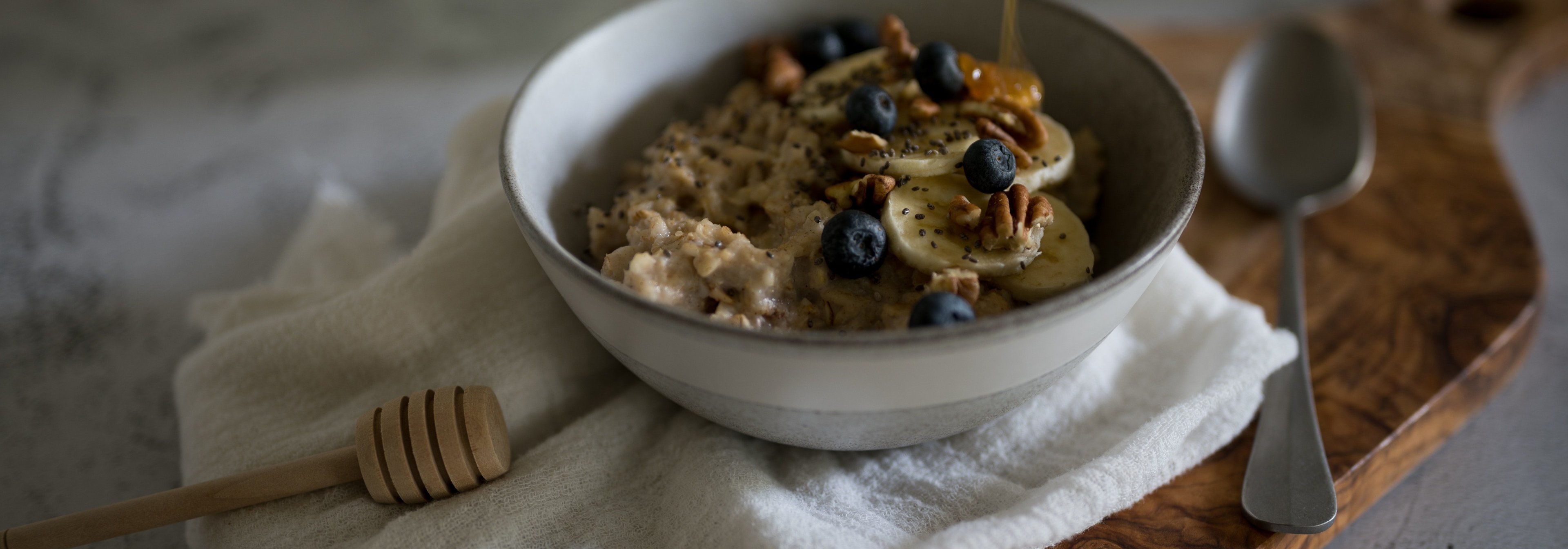
If you’re a little hungrier and want some more long-chain carbohydrates, you can make yourself a delicious oatmeal with banana. You’ll need one banana, one cup of milk, one cup of water, and one cup of rolled oats.
- Mash the banana in a bowl.
- Mix the rolled oats, milk, and water in a pot and bring to a boil briefly over high heat. Stir constantly so nothing burns.
- Let the mixture simmer briefly over low heat.
- Add the porridge to the mashed banana, mix in gently, and serve immediately.
Low-fat or full-fat banana quark
This recipe has more protein than the other two recipes. You’ll need one package of quark (250 grams), one cup of plain yogurt (200 grams), and two ripe bananas. Depending on whether you prefer more or less fat, you can use full-fat (40%), half-fat (20%), or low-fat quark.
- Mash the bananas in a bowl.
- Stir in the yogurt and quark.
- If the bananas aren’t ripe enough and the mixture isn’t sweet enough, sweeten it with a little honey or maple syrup.
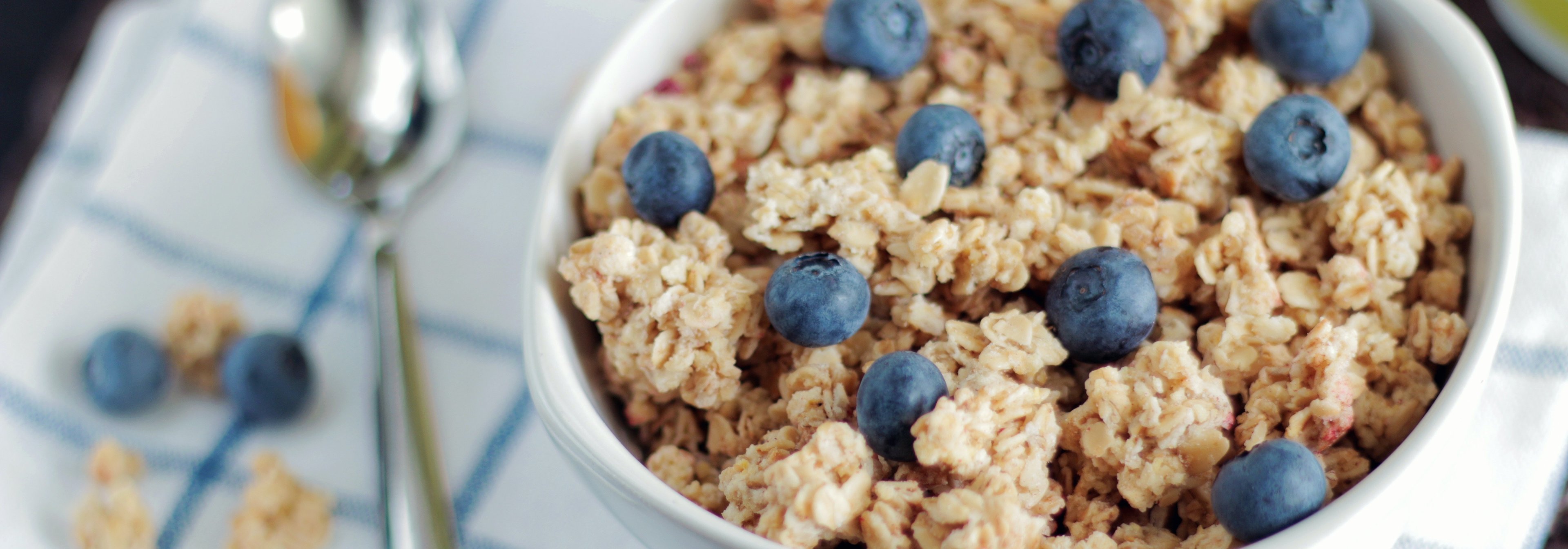
Alternatives to eating bananas before bed
Do you have trouble digesting bananas but still want a dose of tryptophan, magnesium, and potassium for a restful night’s sleep? Then we have good news for you.
You can just as easily replace bananas with other foods that contain magnesium or tryptophan.
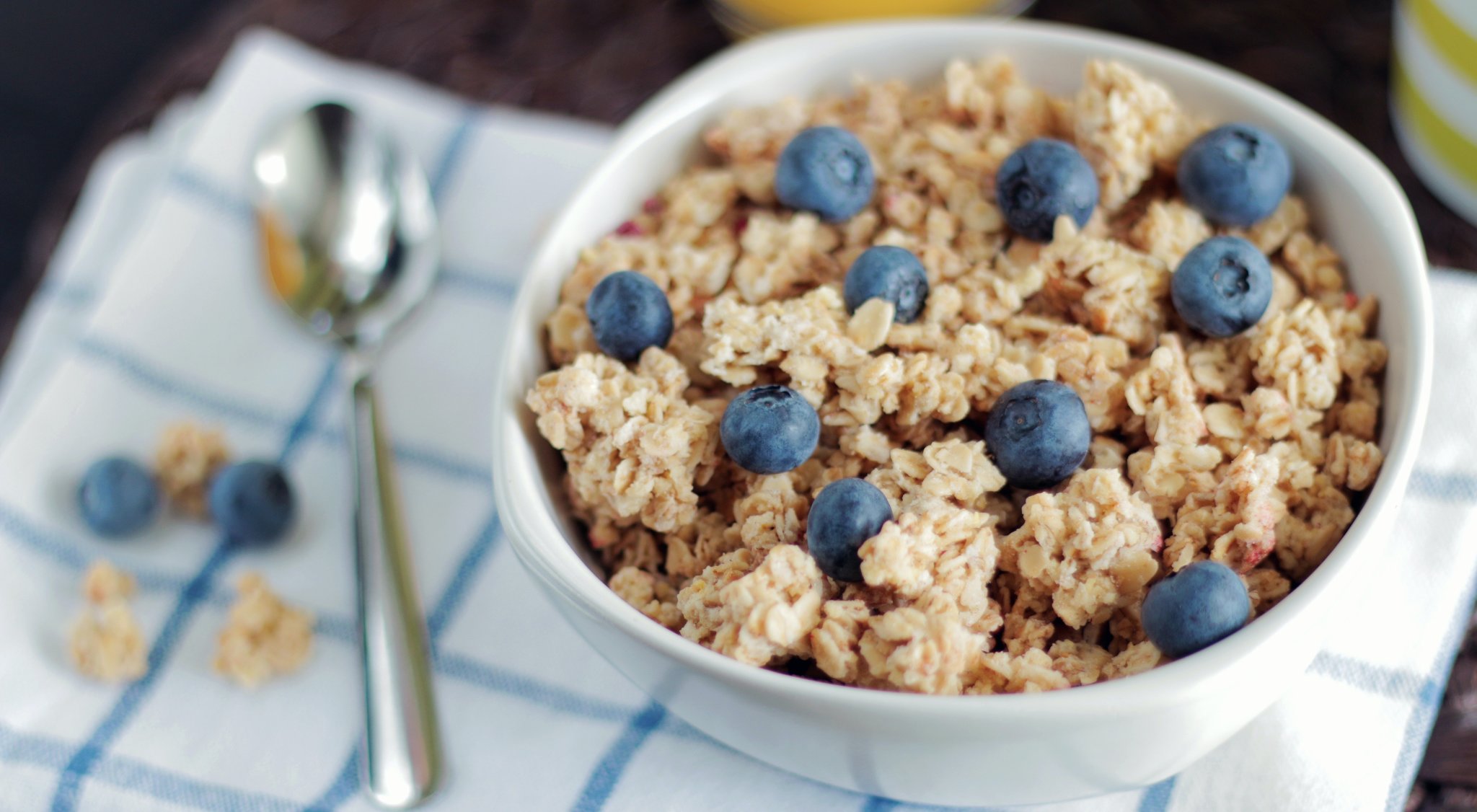
Grains like amaranth or oats are rich in tryptophan and magnesium. Just combine these foods according to your own taste.
Sources:
1. Andreassen, O. A., Dölen, M. F., Teigen, M. B., Aksdal, D. Å., Fløgstad, K.-A. W., Sylte, I., & Fuxe, K. (2015). Serotonin Cannot Reach the Brain via the Canonical Serotonin Pathway Because of Alkaline Hydrolysis in the Blood and Intestinal Wall. PLOS ONE.