Flexibility and Mobility: What’s the Difference?

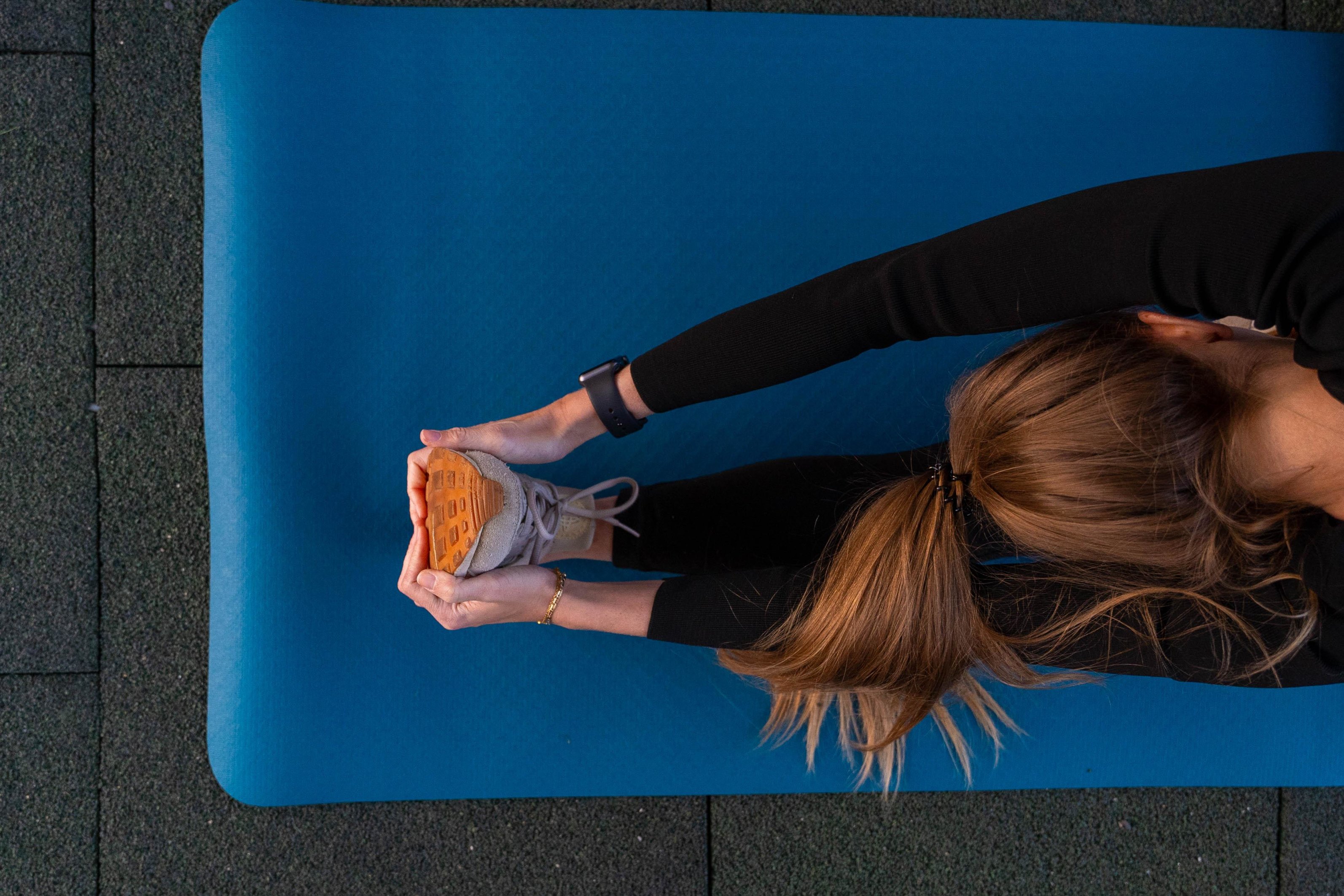
Everyone is familiar with flexibility training. Most people associate it with stretching exercises after a workout. Others go to a yoga studio to keep their bodies flexible. But did you know that flexibility can be divided into flexibility and mobility? In the fitness industry, the terms “mobility” and “flexibility” are often used interchangeably. While the two abilities are related, they do not mean the same thing. Both mobility and flexibility are important components of healthy movement.
In this article, you’ll learn what distinguishes mobility from flexibility and how to specifically train these two athletic abilities.

What does flexibility mean?
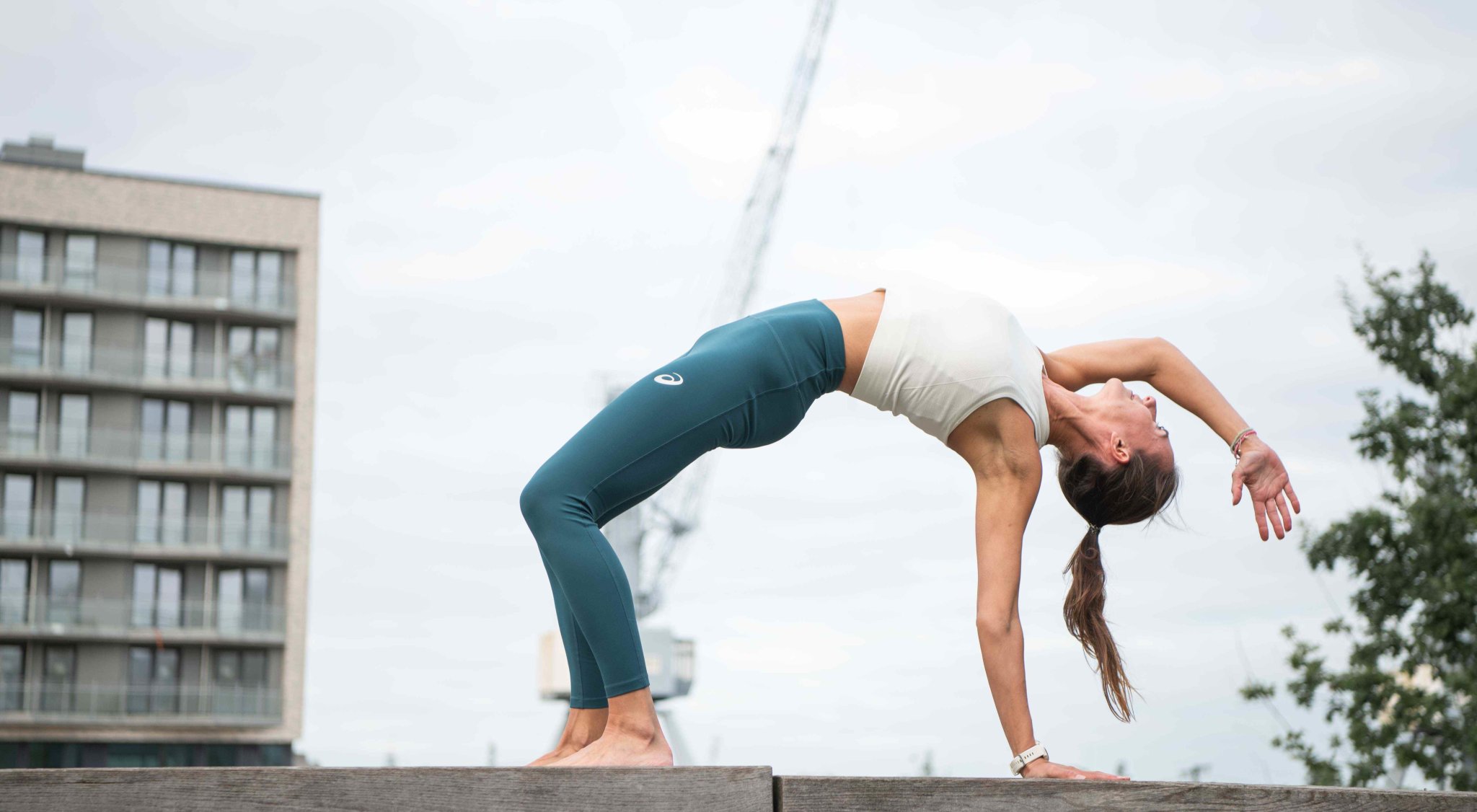
The word “flexibility” comes from Latin and means “bendability.” In a sports context, the word is best illustrated with an example. Imagine you’re learning to do the splits. If you want to be able to do the splits, you’ll probably think of stretching right away. And that’s exactly what flexibility is all about. Flexibility is the passive range of motion of your soft tissues (muscles, tendons, ligaments, fascia). If you want to learn a classic “women’s split,” you’ll need flexibility primarily in the back of your thighs and in your hip flexors.
Flexibility is passive. So when you’re doing flexibility training, you always rely on an external force to help you reach your final position. This external force can be gravity, another person, or an aid like a yoga strap. Your muscles passively allow the movement to happen.
Some people can twist themselves into a pretzel, while others can barely tie their shoelaces without help. How flexible you are depends on various factors.
Factors that influence flexibility:
- Joint structure: Your body has different types of joints. Some have a greater range of motion than others. The ball-and-socket joint in your shoulder has significantly more degrees of freedom than the hinge joint in your elbow.
- Age and gender: Flexibility decreaseswith age. Similarly, women are generally more flexible than men due to their body structure. Regardless of age and gender, targeted flexibility training can improve flexibility.
- Time of Day & Temperature: Have you ever noticed that your body feels stiffer in the morning? The reason for this is that you’ve barely moved for hours while sleeping. Temperature also affects our flexibility. You’ve probably noticed that you’re more flexible during the hot summer months than in winter.
- Connective Tissue: Fascia , tendons, ligaments, and joint capsules all affect flexibility. The ability of different body tissues to glide smoothly over one another influences our flexibility. Scar tissue generally restricts the range of motion.
- Muscle mass: Large muscles can limit freedom of movement. A bodybuilder is usually less flexible than a lean martial artist.
- Lifestyle & Activity Level: People who lead an active lifestyle are usually more flexible than couch potatoes or people who sit in an office chair all day.
Flexibility Training: How to Improve Your Flexibility
Your body is highly adaptable. It adjusts depending on the external conditions it’s exposed to. If you don’t move enough or your movements are too one-sided, you’ll become stiff. If a muscle can’t relax and stretch sufficiently, it limits your mobility. We’ve already discussed that flexibility training is part of mobility. You can improve your flexibility primarily through stretching. There are various types of stretching exercises and methods. In this section, we’ll take a closer look at the most important ways to improve your flexibility.
- Static Stretching
The best-known type of stretching is static stretching. To do this, you assume a position in which you feel a stretch in the muscle. You then hold this position for 20, 30, 60 seconds, or longer. Research shows that a static stretch must be held for at least 2 minutes to produce structural changes in the tissue. For example, when you stand and try to touch your toes with your fingers, you’re performing a static stretch on the backs of your legs. Static stretching before exercise is not recommended because it can reduce your strength and performance output, as one study shows. Static stretches are best done after a workout or in between sessions. You may feel slight discomfort during the stretch, but it should not be painful.
- Dynamic Stretching
Dynamic stretches are exercises in which the joints are moved through their full range of motion, thereby promoting blood flow to the muscles and connective tissue. For this reason, they are suitable for performing before a workout. A study published in the journal *Sports Medicine* suggests that dynamic stretching before a workout can improve performance. Classic dynamic stretching exercises include leg swings and arm circles.
Discover Related Exercises



What does mobility mean?
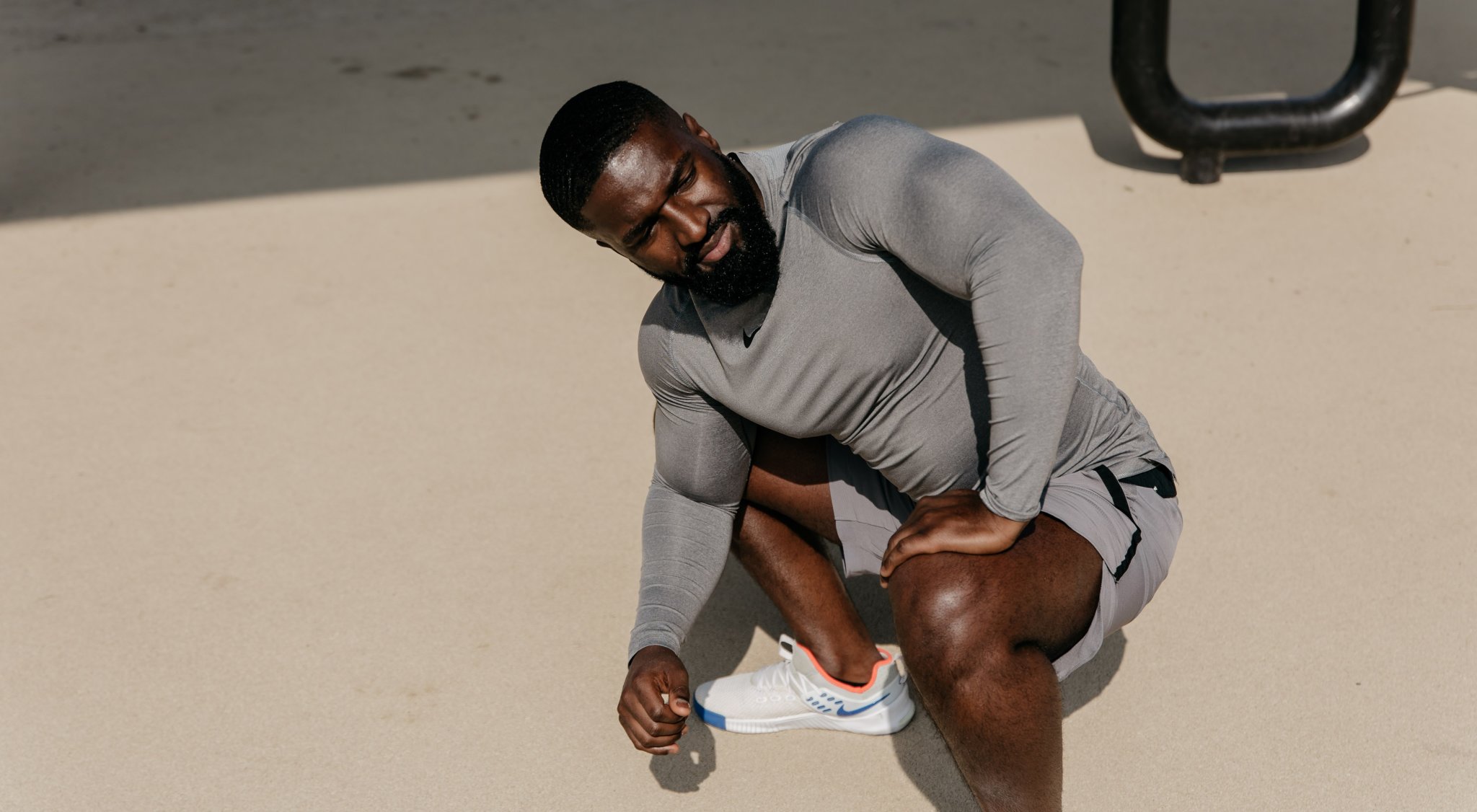
The term “mobility” in a sports context can be explained using the example of a squat. Imagine you have enough flexibility in your ankles and hips to perform a squat. Does that automatically mean you can perform a proper squat? No, because a well-executed deep squat requires more than just flexibility. The fact that you can perform a squat is thanks to your central nervous system (CNS). Information is received, processed, and translated into movement.
So what does mobility mean? Mobility is the ability to actively control a movement across a specific range of motion. It enables perfect coordination between muscles, joints, and the central nervous system.
You don’t really need a high level of mobility to do the splits because it’s a static hold. However, if you actively move a joint through a certain range of motion—as in a squat—you can’t do it without a certain degree of mobility. At least not in a way that allows you to perform the movement without compensating.
Mobility therefore includes flexibility, but the reverse is not true. The key to greater performance and better movement quality is mobility. Flexibility alone is not enough.
Factors That Influence Mobility
- The ability of soft tissue to stretch
- The ability of joint surfaces to glide smoothly against one another
- The nervous system’s ability to relax and allow movement
- The neuromuscular system, which is responsible for optimal muscle activation
Why is mobility training important?
Passive stretching alone does not increase the active range of motion. Regular stretching is therefore not enough to prevent injuries or compensate for a lack of mobility. A person with good mobility is able to perform functional movement patterns without restriction. Movement is efficient and free of compensation. The range of motion is sufficient, and neuromuscular control allows the movement to be performed in a controlled manner. Whether you’re an athlete or an everyday mover, you need mobility to move efficiently. This helps you prevent injuries and other musculoskeletal issues. It also boosts your performance.
Mobility Training: How to Train for Mobility
Stay flexible. Your health insurance covers it.
With our certified online prevention course, “Fascia Training for Greater Mobility,” you’ll train your entire body. You’ll learn everything about fascia and discover exercises and tips for everyday life to prevent pain in the long term. For a more flexible, body-conscious life.
Think of mobility as an athletic ability, just like strength, endurance, or speed. Just as with targeted strength training, there are specific techniques in mobility training that you can use to improve your mobility.
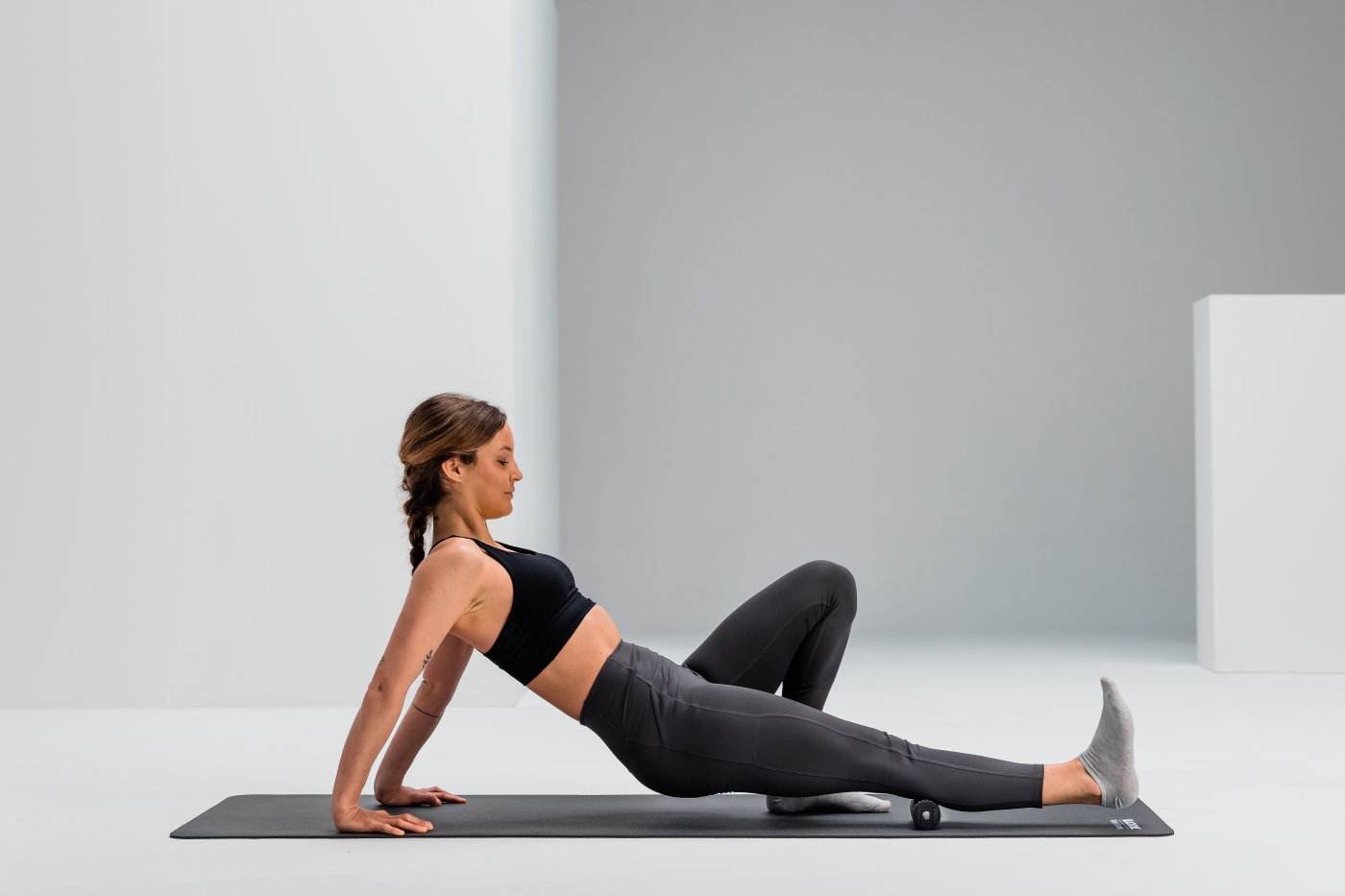
Myofascial Self-Massage
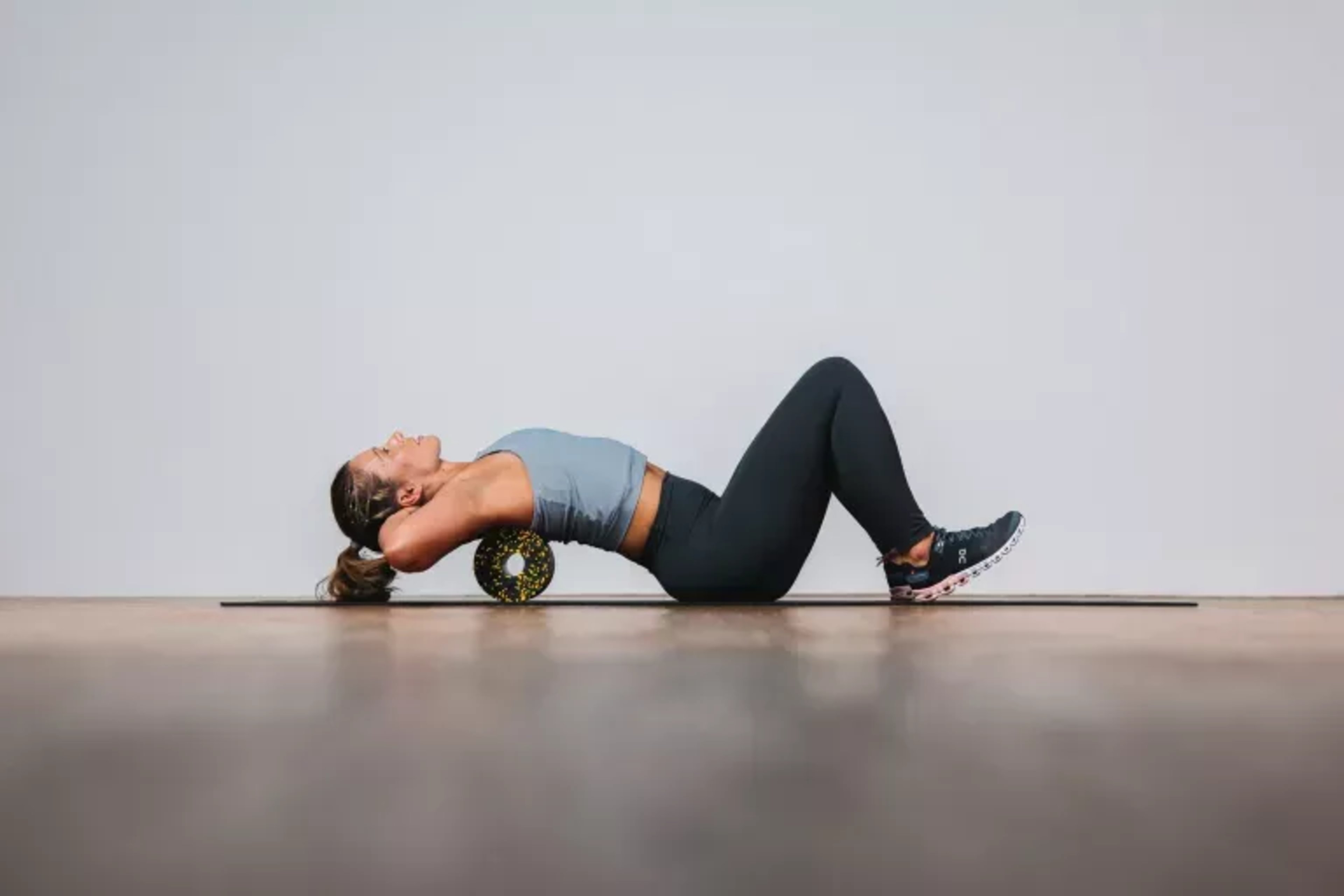
What sounds quite complicated at first is nothing more than self-massage using a foam roller or a massage ball. Whenever we press an object into our soft tissues to release tension, we can refer to it as myofascial self-massage. The goal of self-massage is to relieve tension in the muscles and improve the gliding ability between the tissues. Of course, this also includes manual techniques performed by a physical therapist or osteopath using their hands.
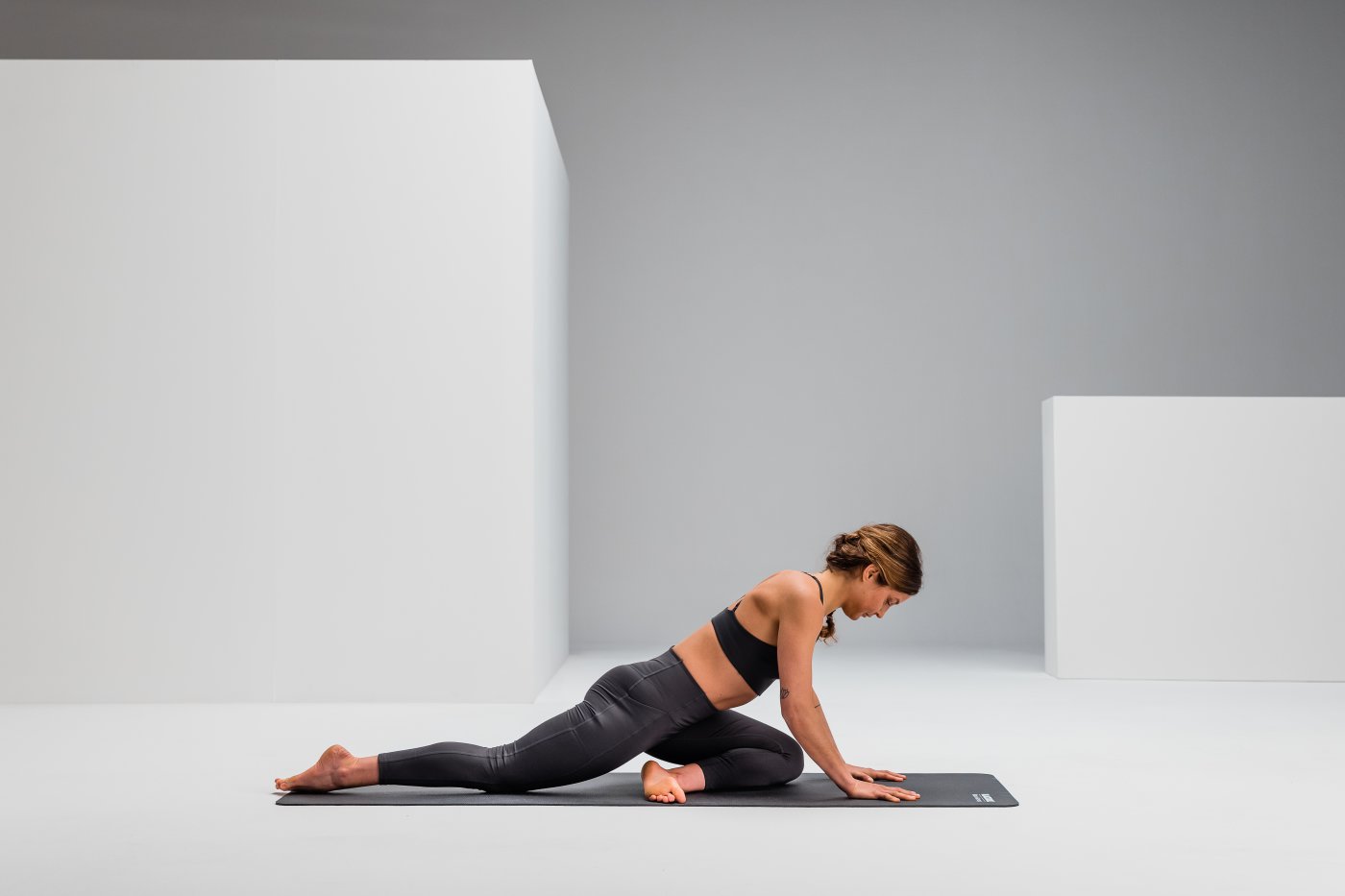
Stretching
Not all stretching is the same. What most people think of as stretching are static stretching exercises. This means holding the muscle being stretched in a lengthened position for an extended period, so that tension can be felt. Static stretching primarily helps improve passive range of motion. Good passive mobility can help you avoid injuries. For example, if your joint is forced into an abnormal position during a tackle on the soccer field. If you’re well-stretched, you’re more likely to emerge from a tackle unscathed.
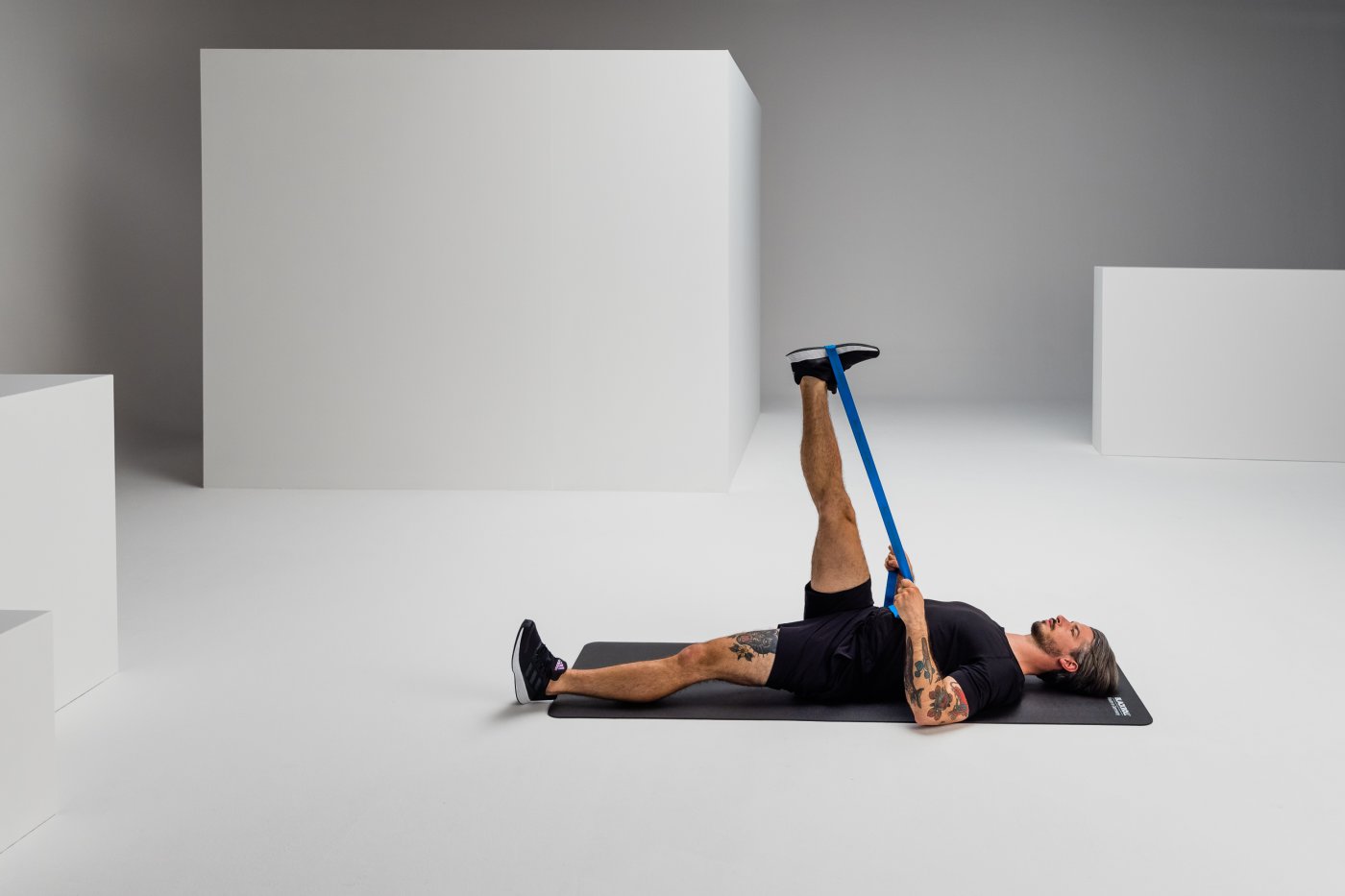
PNF
Proprioceptive neuromuscular facilitation is another well-known stretching method. Here, you assume a stretching position. Then, you isometrically contract the area to be stretched for about 5 seconds. When you release the contraction, you’ll be able to stretch deeper because the mechanoreceptors are “tricked.” You can repeat this cycle several times to achieve a greater range of motion. Other stretching methods include dynamic stretching, ballistic stretching, and resistance stretching. The goal is always to increase your range of motion.
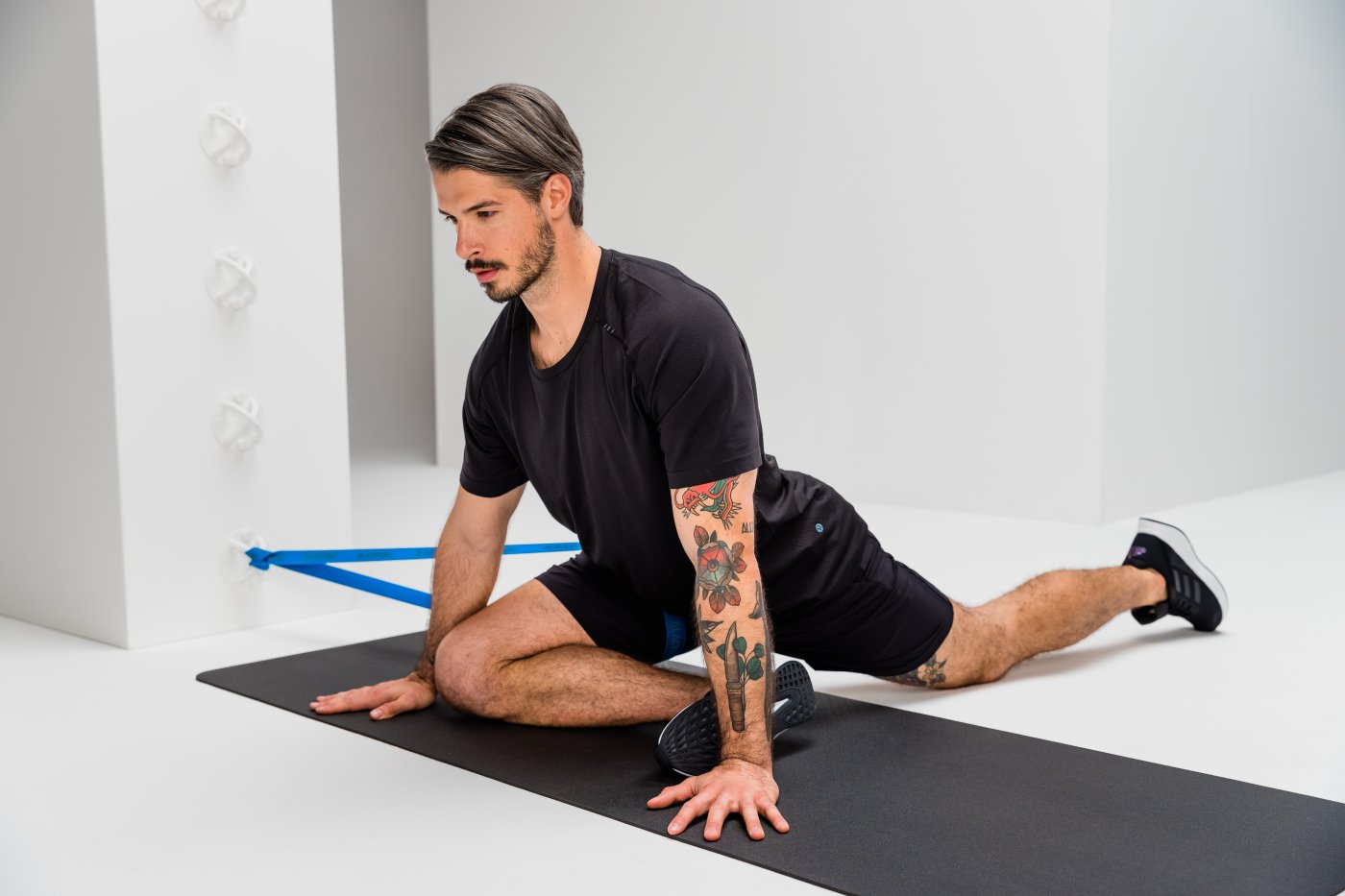
Joint Mobilization
Joint mobilization aims to improve the gliding ability and contact between the joint surfaces. Mechanical pressure is applied to the joint using a resistance band or the therapist’s strength to improve the elasticity of the joint capsule.
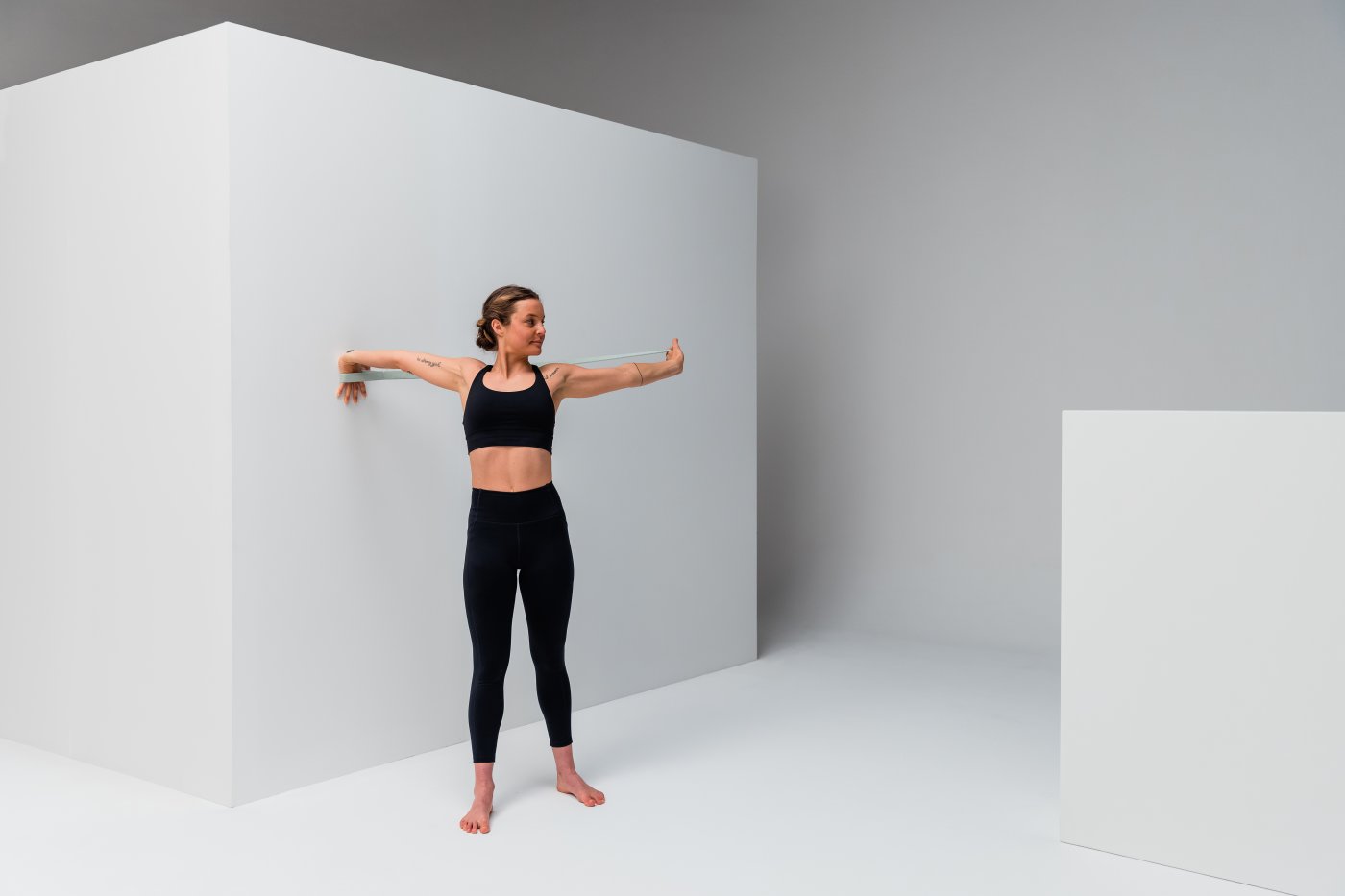
Active Range-of-Motion Exercises & Mobility Drills
In these exercises, the joints are actively moved through their full range of motion. A good example of active range-of-motion exercises is controlled articular rotations (CARs).
Mobility Training Exercises
Do you feel stiff? Targeted mobility training exercises will help restore flexibility to your joints. Mobility training can be done at any time—before your workout, in between sets, or as a cool-down. The key to progress is consistency. Just 5 to 15 minutes a day can make a big difference. If you’re new to mobility training, try these mobility exercises to improve your flexibility.
Discover Related Exercises


Mobilization in Sports
Whether you’re a competitive athlete or a recreational athlete, mobility is important for everyone—especially if you don’t move much in your daily life. If you exercise after doing targeted mobility training, it will have a positive effect on your performance and the quality of your movements. This can lead to fewer injuries, for example. Other benefits of good mobility and flexibility include better posture, improved movement quality, less muscle tension, and reduced joint wear and tear. No matter what your lifestyle is like, find a way to train your mobility. You’ll benefit in many ways.