Sports4 min read
Muscle Length Training: Greater Mobility, Less Pain

Claudio TrentoExpert in Muscle Length Training and Pain Coach
Muscle length training is also known among experts as biokinetics and is growing in popularity. No wonder. Participants can usually see improvements in active mobility after just a few sessions.
This holistic mobility training restores the natural balance of tension in your body. With muscle length training, you can say goodbye to pain originating in the muscle-fascia system.
01. Why muscle length training?
Our lifestyle has changed drastically over the past few centuries. While our ancestors had to gather and hunt to survive, we now spend most of our time engaged in sedentary activities.
We shape our bodies based on how we use them: If we sit in a certain position all day, our bodies adapt. Muscle groups shorten, and imbalances develop in the body. At the same time, our fascia becomes stiff and adhesions form.
This means that, unfortunately, we largely bring any kind of mobility restrictions and pain upon ourselves through our own habits. On the one hand, that may sound alarming. On the other hand, it also means that we’re in control. You can counteract this with muscle length training.
02. Anatomy of Muscle Loops: What’s Behind It?
Before you start muscle length training, it’s helpful to understand what it’s all about and what we aim to achieve with this specific form of flexibility training.
When we move, multiple muscle groups always work together in what’s called a muscle loop. Around a joint, there are usually several active muscle loops.
Let’s take the hip joint as an example. The hip-extending muscles are located on the back of the hip, and the hip-flexing muscles are on the front. These muscles therefore form a loop. For movement to be possible, the muscles in a loop must work together.
Using our hip as an example, this would look like this: When we bend our hip, our hip-flexing muscles contract. At the same time, our hip-extending muscles on the back of the body relax. If we want to move efficiently and pain-free, it’s essential that these muscle loops work together optimally.
Due to highly one-sided activities, such as sitting for hours on end, the coordination of our muscle loops suffers.
The result: We struggle with all kinds of ailments. Our goal must be to restore the body’s natural balance of tension.
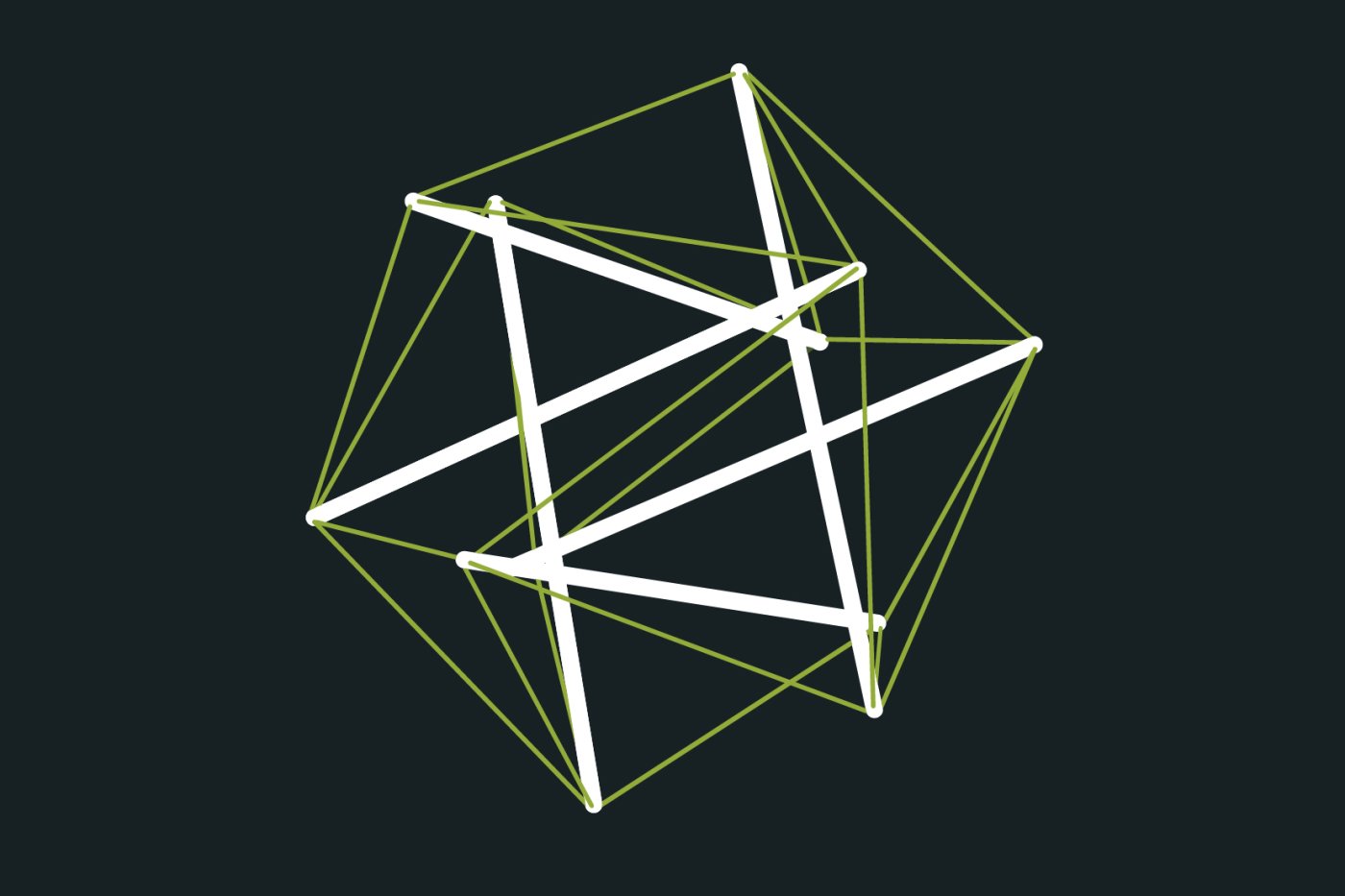
Let’s take a look at the “Tensegrity Model.” The body is a cohesive unit. The term “Tensegrity” originally comes from architecture. The word is a combination of the terms “tension” and “integrity.” In short: Tensions throughout the entire body are interdependent and influence one another.
This means that if a specific part of the body shortens, the entire balance of tension changes. For example, if our anterior fascial chain is tight, our body develops a compensatory pattern. Pain then often occurs on the back of the body (such as in the back or neck).
Muscle length training helps prevent imbalances and the associated pain.
03. What is muscle length training?
In muscle length training, rather than isolating individual muscles, entire muscle loops or muscle-fascia chains are brought into a final position held under tension. The training stimulus triggered by this process promotes muscle length growth. This is not the case with conventional stretching exercises.
Although some exercises may feel like stretching, they are actually a form of static strength training performed at the joint’s end range of motion. In addition to the muscles, muscle length training primarily engages the fascia that surrounds the muscles. As a result, your entire body becomes more supple.

Anterior Fascia Chain

Lateral Fascia Chain

Your Tool for Muscle Length Training
04. What Are the Benefits of Muscle Length Training?
- Muscle length training actively counteracts common complaints such as back and neck pain.
- Ifyou spend a lot of time sitting at a desk, muscle length training helps you develop balanced movement patterns. The result is fewer aches and pains and an overall improved sense of physical well-being.
- Quickly visible improvements in active range of motion—that is, you’ll learn to assume a joint position through active muscle contraction without using momentum
- An optimal balance of flexibility and strength
05. Who muscle length training is suitable for and what you should keep in mind
Everyone. Competitive athletes benefit just as much from this training as someone who spends 8 hours a day in an office. Proper form plays a crucial role.
Keep the following in mind:
01

Stay active
Make sure you’re always in control when performing the exercises. Gravity or your STRETCH BAND should never take control of your movement. This is important so that you can reprogram the movement patterns you’ve learned. This helps restore balance to the body’s strength. Furthermore, performing the exercises in a controlled manner reduces the risk of injury. When you’re active, all of your brain’s protective mechanisms are engaged. Your central nervous system won’t allow you to move into a position that could harm your body.
02
End-Range Joint Position
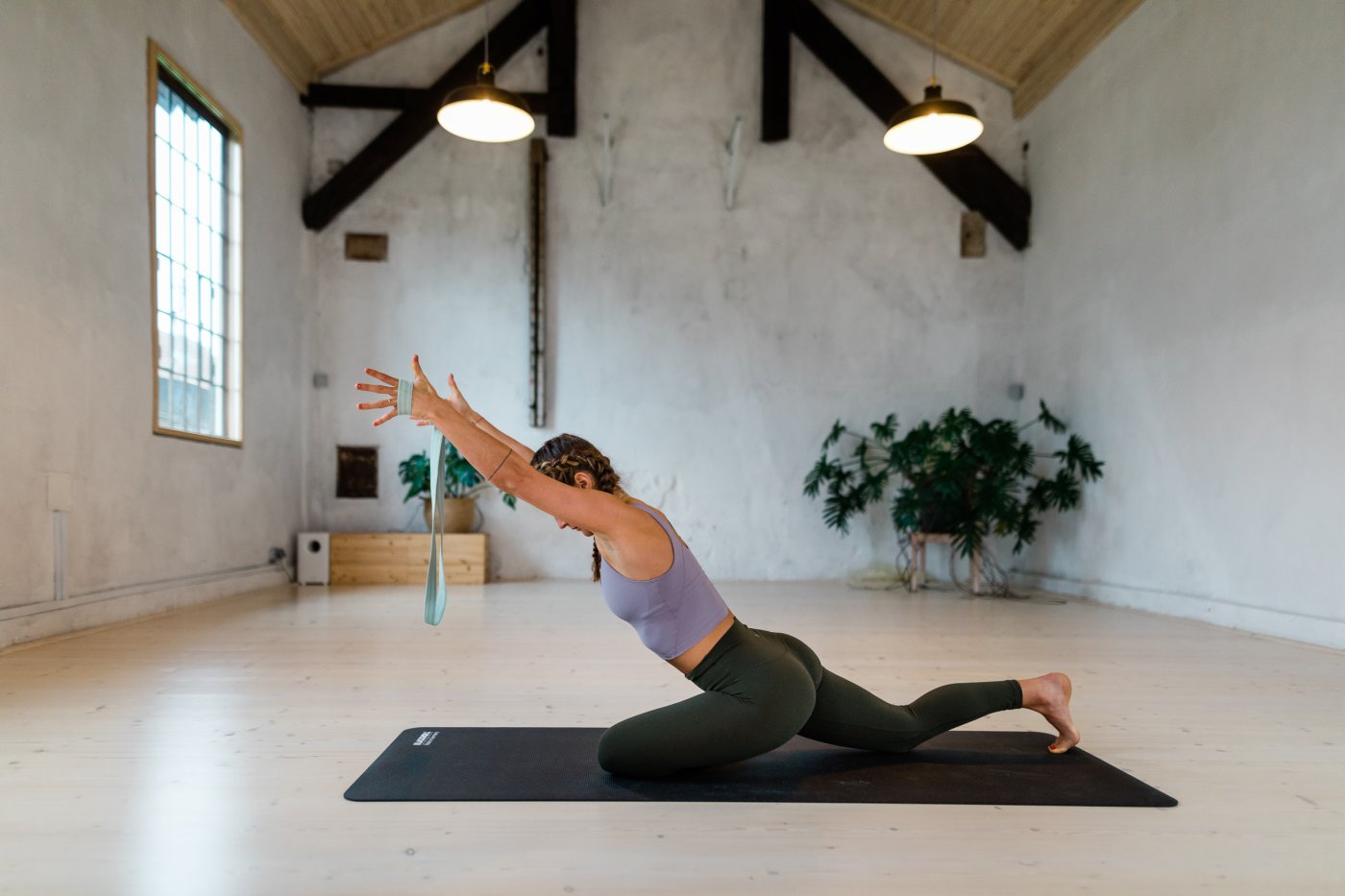
We are all unique and have different physical conditions. That’s why we must ensure that the effective training stimulus reaches the right spot. This is always where our system has built up the greatest tension. This is also where the greatest restriction lies. We must therefore always move all joints within a targeted muscle chain to their individual maximum range of motion. This deactivates the compensatory patterns we’ve learned in everyday life. Our brain then decides for itself where the training stimulus should occur—namely, exactly where we need it most.
Exercise Routines
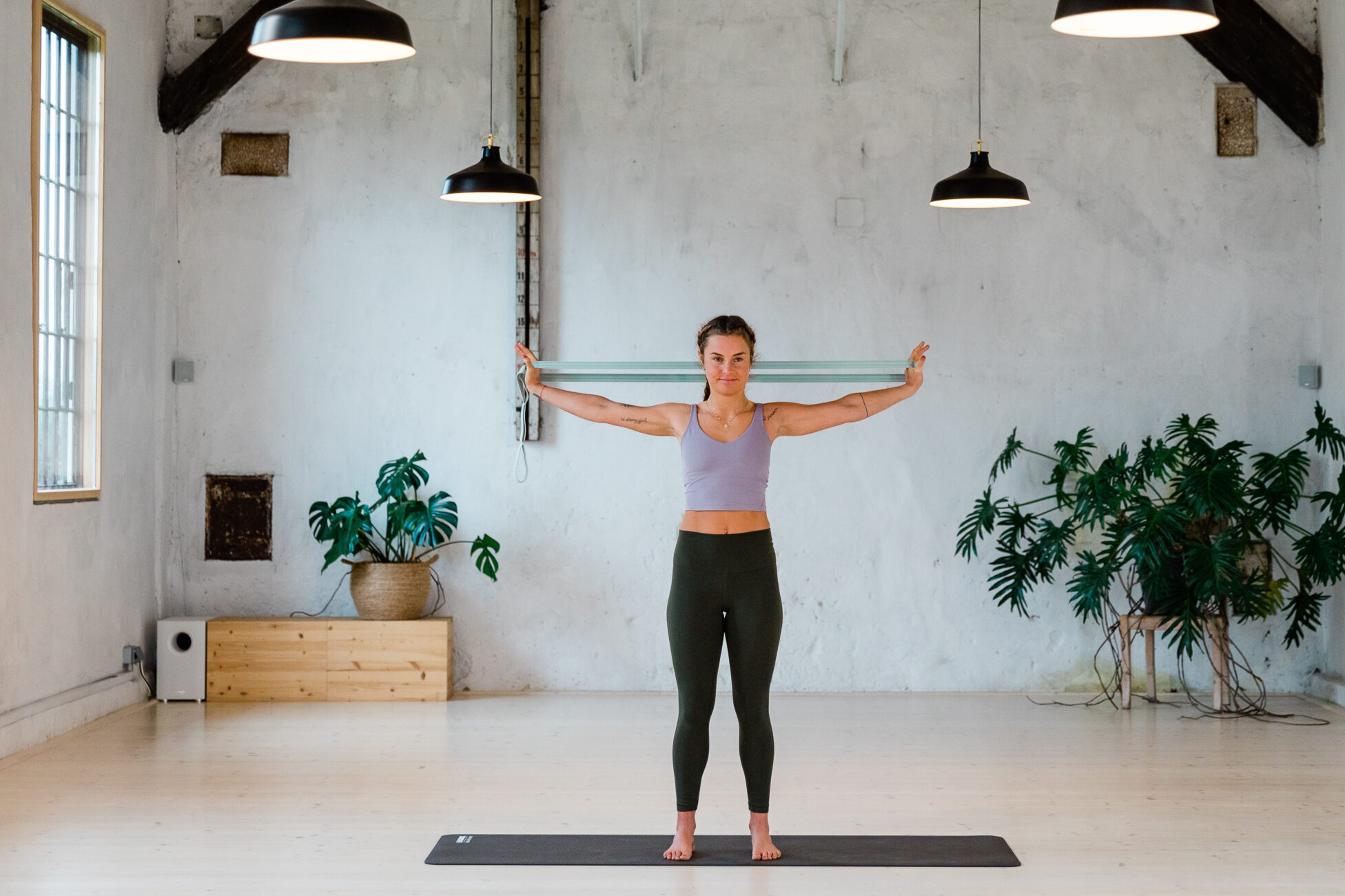
In our exercise videos, we explain how to perform the exercises in detail.