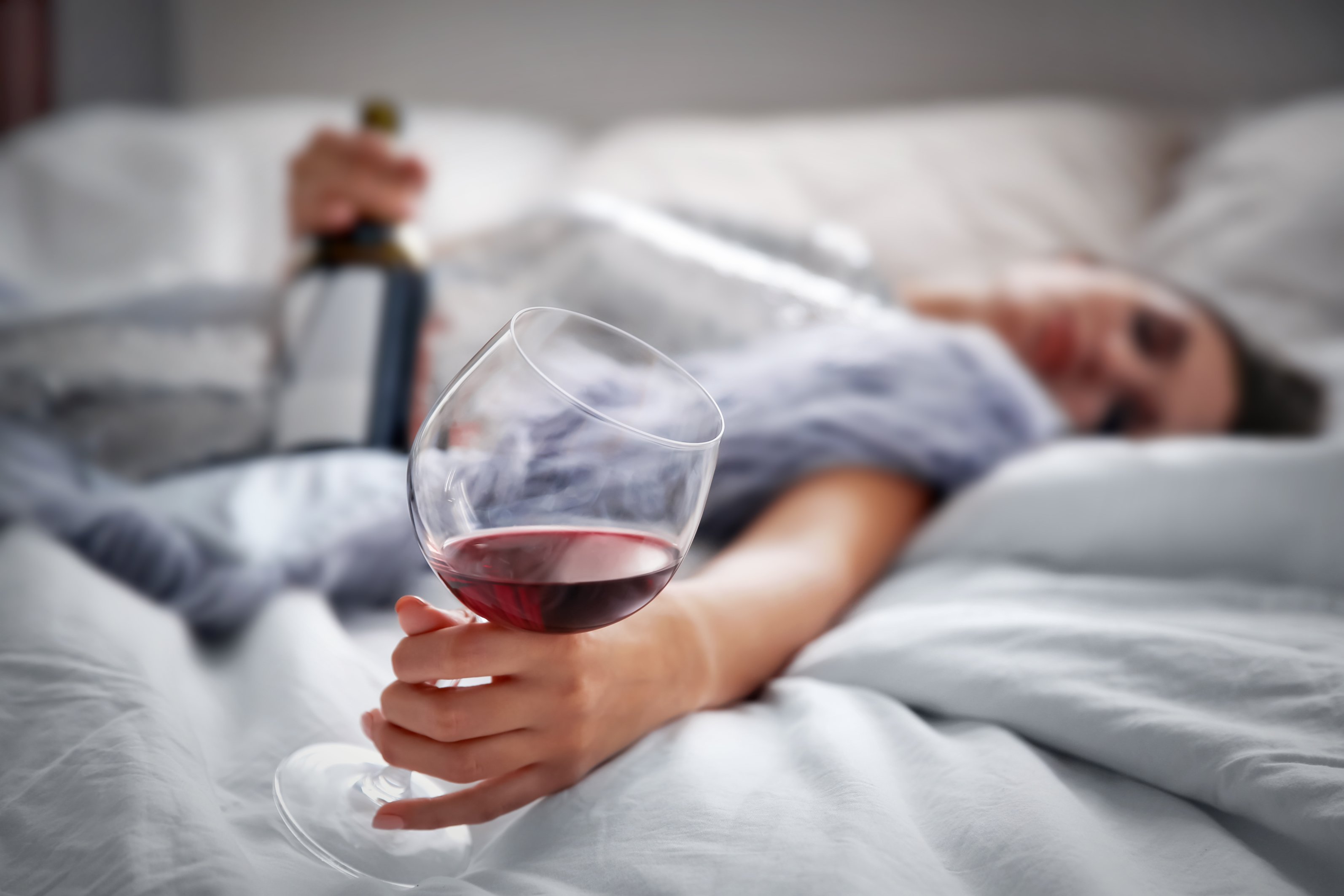
Alcohol and sleep: helpful or harmful?

Although alcohol can make it easier to nod off, it often disrupts your sleep cycle. Deep sleep and REM sleep may be disturbed whilst night-time waking and snoring can be exacerbated. This affects your recovery, concentration and performance the following day. A sensible approach to alcohol therefore also supports good sleep quality.
Key points at a glance
- It can help you nod off more quickly but it often reduces the quality of your sleep.
- Sleep phases such as deep sleep and REM sleep can be shortened or disrupted, which affects physical and mental recovery.
- Frequent waking, the urge to urinate, dehydration, snoring and breathing problems can further impair sleep.
- You'll probably feel the consequences the next day as tiredness, difficulty concentrating and reduced performance.
- Alcohol isn’t a suitable long-term solution for sleep problems and, if you drink it regularly, it can itself contributeto persistent sleep disturbances.


The effects of alcohol on sleep quality
Alcohol consumption can disrupt your normal sleep pattern. Whilst the sedative effect of alcohol may initially make it easier to fall asleep, it can impair overall sleep quality and cause you to wake up earlier than expected — and possibly even need to go to the toilet — as alcohol acts as a diuretic and promotes the release of bodily fluids.
After a glass of beer, for example, you may find yourself needing to urinate more frequently, which interrupts your sleep. Alcohol can affect sleep quality in various ways, and the negative effects clearly outweigh the positive ones.
Consider the following:
- Helping you fall asleep: alcohol can initially have a sedative effect and help you nod off more quickly because it depresses the central nervous system.
- Reduced deep sleep phases: Although alcohol can help you fall asleep more quickly, it leads to a reduction in deep sleep phases later in the night. Deep sleep is important for physical recovery and brain recovery.
- It canalso relax the muscles in your throat, partially blocking your airways and leading to sleep apnoea or heavy snoring.
- Increased night-time awakenings: you're more likely to wake up during the night and struggle to drop off again, disrupting your natural sleep cycle and leaving you restless.
- Disruption to REM sleep: alcohol also affects REM (Rapid Eye Movement) sleep, which is important for cognitive function and learning. REM sleep may be shortened or suppressed, which can affect memory formation and mood.
- Frequent urge to urinate: alcohol acts as a diuretic and can lead to having to go to the toilet more often at night. This interrupts sleep and impairs sleep quality.
Although alcohol may initially have a relaxing effect and help you fall asleep more quickly, the long-term effects on sleep quality are negative. Regular alcohol consumption can lead to chronic sleep disorders and impair the body’s ability to recover. To maintain good sleep quality, avoid alcohol before bedtime or consume it only in moderation.


The effect of alcohol on the sleep cycle
Alcohol’s effect on the sleep cycle is complex and can disrupt the various stages of sleep. The sleep cycle consists of several recurring stages that span the course of a night. Here’s an overview of how alcohol affects these stages:
- Fall asleep phase: Alcohol can have a sedative effect and help you nod off more quickly because it depresses the central nervous system and has a calming effect.
- Light sleep: Once you've fallen asleep, the light sleep phase follows. Alcohol may initially have no effect on this phase. At this stage, sleep is relatively shallow and the brain can respond more easily to external stimuli.
- Deep sleep: deep sleep is an important phase of the sleep cycle during which the body recovers and regenerates. However, alcohol has a negative effect on the deep sleep phases. It can reduce the duration and intensity of deep sleep, which can lead to impaired physical recovery.
- REM ( Rapid Eye Movement)sleep is a phase of sleep during which vivid dreams occur and the brain is active. Alcohol can disrupt REM sleep by shortening or suppressing it. This can lead to memory problems, reduced concentration and emotional instability.
- You'realso more likely to wake during the night because alcohol increases the urge to urinate and can affect breathing, disrupting the natural cycle and leaving you restless.
Although it may initially help you nod off, it reduces deep sleep, disrupts REM sleep and causes sleep interruptions. Regular alcohol consumption can lead to long-term sleep disorders and impair the body’s ability to recover. Limit alcohol before bed or, ideally, avoid it altogether.
‘Moderate alcohol consumption is crucial for sleep quality. Whilst alcohol may make it easier to fall asleep in the short term, in the long term it impairs deep sleep phases and REM sleep, which are essential for physical and mental recovery. So always try to go to bed sober.’
Dr Lutz Graumann, expert in recovery



Risk of cognitive and motor impairments caused by alcohol whilst sleeping
Drinking alcohol before bed can lead to cognitive and motor impairments while you sleep. In the following section, you’ll find out why this is the case and why you should avoid drinking alcohol as much as possible.
- Alcohol affectscognitive function by influencing the central nervous system. Various cognitive processes play a role during sleep, such as information processing, learning and memory formation. Alcohol can disrupt these processes and lead to impaired cognitive performance. This can manifest, for example, as reduced attention, difficulty concentrating and slowed information processing.
- Motor impairments: alcohol also affects motor skills. During sleep, motor activities may occur, such as turning over in bed, tilting the head or moving the limbs. Alcohol can impair the coordination and control of these motor activities, which can lead to restless sleep, disturbed movement patterns and possibly even involuntary movements.
- It can also triggerparasomnias such as sleepwalking by disrupting the normal sleep cycle.
Of course, there's no uniform pattern; some people may be more sensitive to alcohol's effects on sleep and cognitive and motor functions than others. Good sleep hygiene — which includes a regular sleep routine, a comfortable sleeping environment and avoiding stimulants — can help minimise the likelihood of cognitive and motor impairments during sleep.
04 Effects of drunkenness whilst sleeping
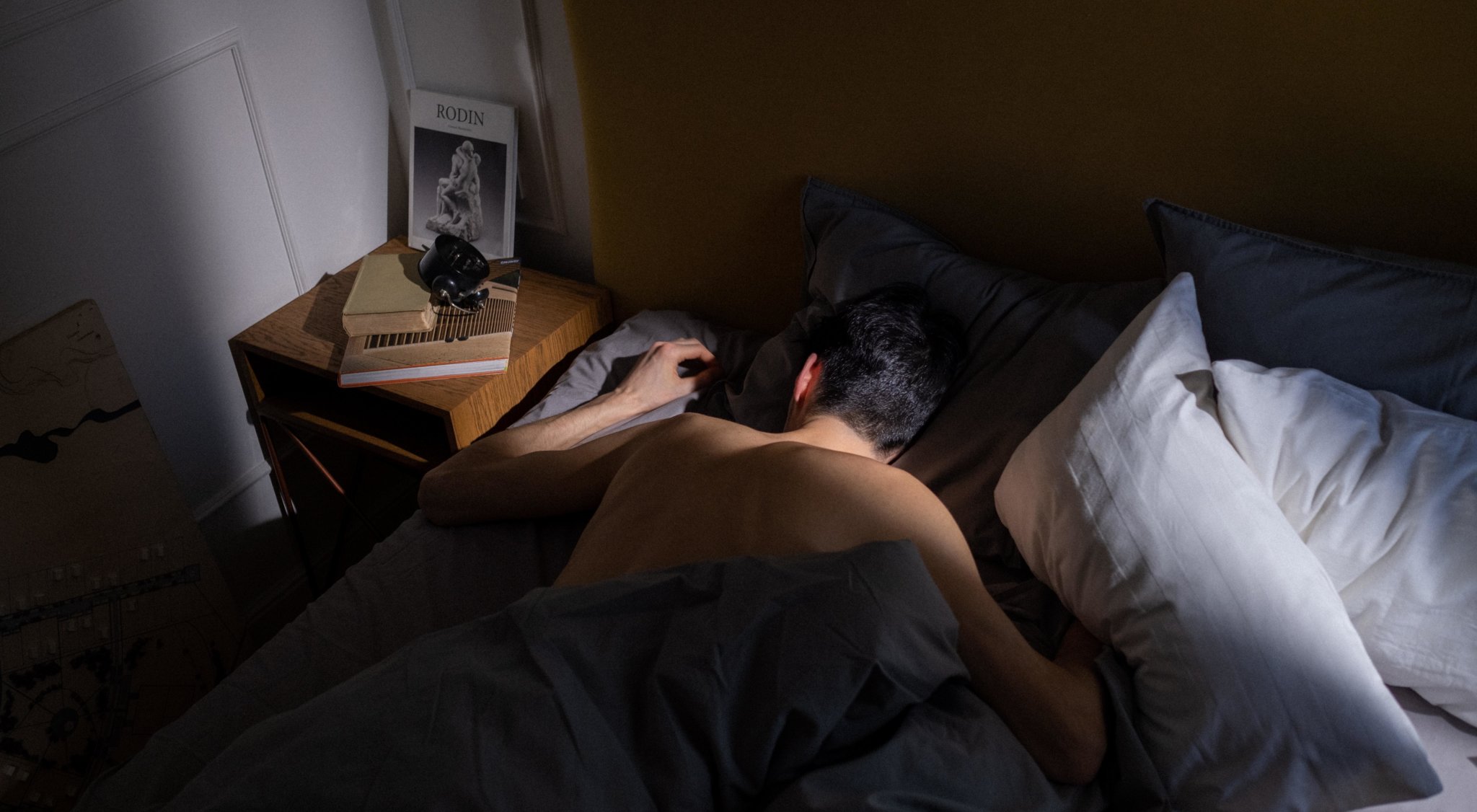
In the short term alcohol can disrupt sleep and raise the risk of unintentional actions or injuries, while over time it may impair hormone regulation and cut restful deep sleep.
Although alcohol can make it easier to drop off, it doesn’t reliably lead to better sleep. Studies show that alcohol consumed before bedtime can reduce oxygen saturation and exacerbate sleep-related breathing disorders, which is particularly problematic for people with asthma or certain heart conditions.
It's not a long-term solution for insomnia and regular use can make sleep problems worse while fostering dependence.


Metabolic effects of alcohol and sleep
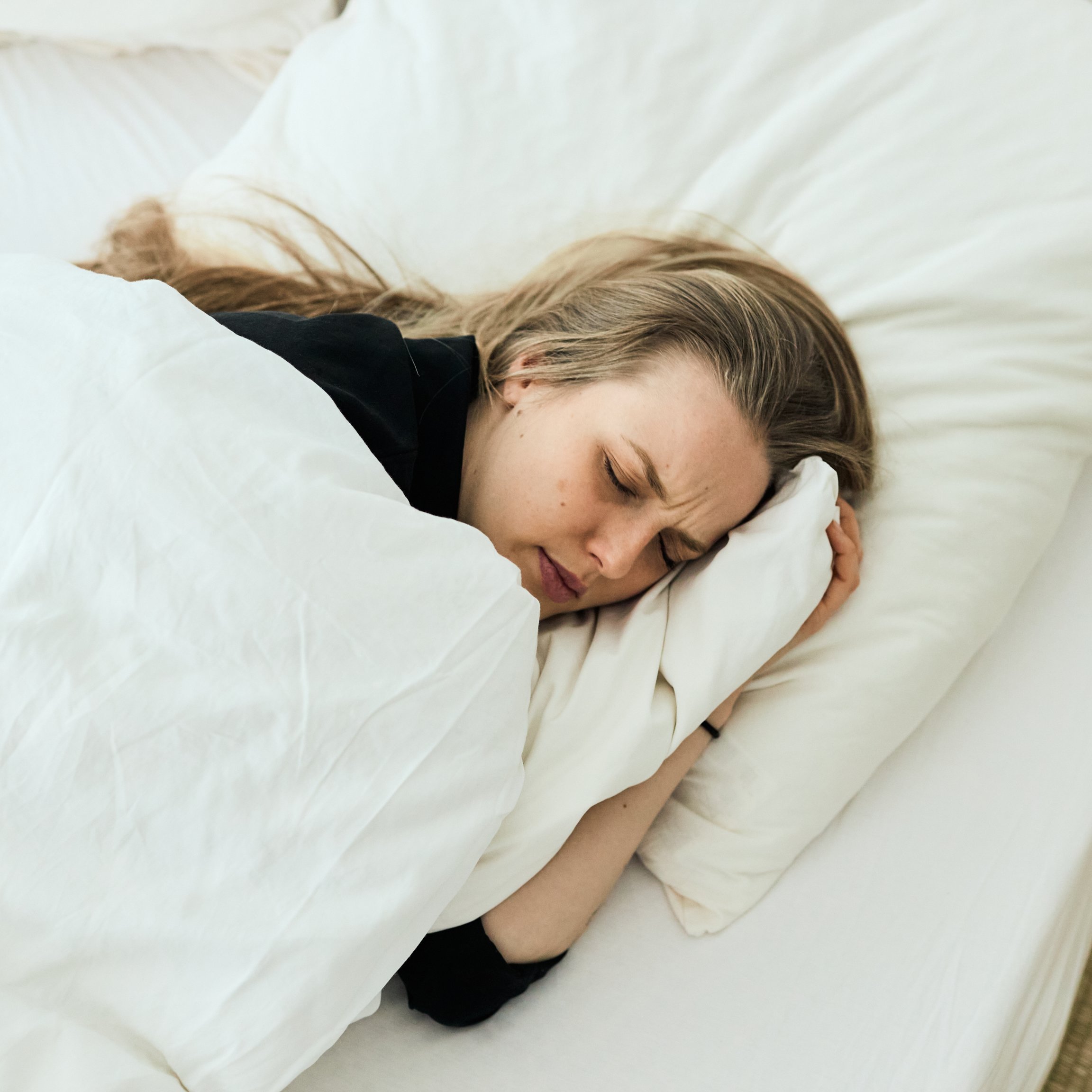
The metabolic effects of alcohol and sleep are important factors that can influence your wellbeing and health.
Alcohol is high in calories and, if you drink too much, it can increase your calorie intake and the risk of weight gain. As your body prioritises breaking down alcohol, other processes – such as fat burning – slow down.
Larger quantities of alcohol can also lower blood sugar levels and trigger dizziness, tiredness or food cravings.
Similarly, insufficient sleep can disrupt hormone balance, increase appetite and heighten cravings for high-calorie foods. We know alcohol is energy dense and, when you drink more than the recommended limits, it can raise your overall energy intake and the risk of weight gain. Because your body breaks down alcohol first, other processes such as fat burning slow down temporarily. Larger amounts of alcohol can also lower your blood glucose level and trigger dizziness, tiredness or hunger. Lack of sleep places additional strain on your metabolism. It affects hormone balance, increases appetite and can heighten cravings for high-calorie foods. A sensible approach to alcohol and sufficient sleep therefore supports your metabolism and general health.


Potential health risks of alcohol-related sleep disorders
Alcohol may initially make it easier to fall asleep but it disrupts important sleep cycles and can lead to fluid loss. Fatigue and a headache the following day are possible consequences.
Disrupted sleep phases
- It can shorten or disrupt deep sleep and REM sleep, so you may not recover physically or mentally even if you spend enough time in bed.
Consequences the next day
- Alcohol-related sleep disturbances can cause daytime tiredness, problems concentrating and reduced performance. This can also increase the risk of accidents, for example on the roads or whilst carrying out hazardous activities. Impaired sleep can also put a strain on the immune system and increase the risk of illness and infection.
Long-term risks
- Regular alcohol consumption can exacerbate sleep problems and contribute to chronic sleep disorders; in some cases these may persist even after alcohol intake has been reduced. Long-term sleep problems are associated, among other things, with an increased risk of cardiovascular disease, metabolic disorders such as diabetes, depression, anxiety and impaired cognitive performance.
Adopt a responsible approach to alcohol and prioritise restful sleep to reduce these risks.
Studies on alcohol consumption and fatigue
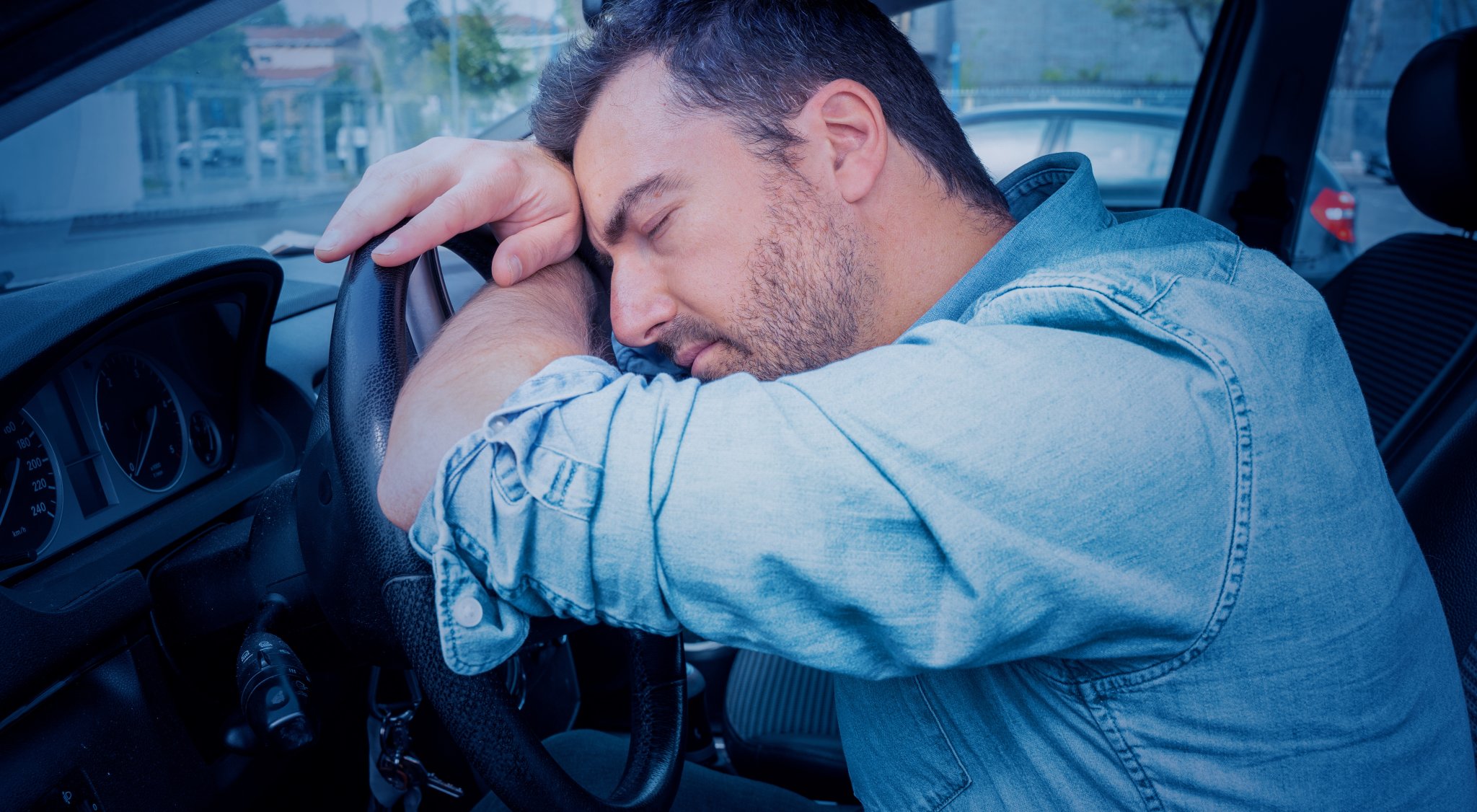
Researchers have been investigating how alcohol affects sleep for years. Studies show that alcohol can reduce oxygen saturation during sleep and exacerbate sleep-related breathing disorders. In some cases, no significant differences were found between different levels of consumption.
In the short term it can help you relax and feel sleepy, yet in the long term it can reduce sleep quality and disrupt your sleep pattern.
People who drink before bed are more likely to report less restful sleep, and in the sleep laboratory they woke up more quickly and more frequently. Regular or heavy alcohol consumption can also contribute to daytime tiredness and a lack of energy.


Conclusion
Over time, regular drinking is linked to higher blood pressure, dementia, depression and other chronic conditions.
Although alcohol may help you nod off, it often reduces sleep quality. Drinking large quantities shortly before bed can lead to fragmented sleep, interrupted REM and non-REM phases as well as changes in brain activity and hormone balance. Blackouts are also possible.
The extent to which alcohol affects sleep varies from person to person, so drink mindfully and in moderation; even small quantities can disrupt your sleep cycle and impair your physical and mental wellbeing.
FAQ
It’s not possible to generalise about the quantity of alcohol at which sleep is significantly disrupted. For some people, even a ‘nightcap’ can have undesirable effects on sleep. Factors influencing this include, for example, size, weight, gender, tolerance and also factors that vary from day to day – such as how much the person has eaten during the day. Stop drinking alcohol four hours before going to bed.
There’s no evidence that drinking alcohol before bed brings any benefits. On the contrary, it can disrupt your healthy sleep pattern and impair the quality of your recovery. Alcohol is a sedative, which means it has a relaxing effect that can make you feel as though you’re sleeping better.
Research shows that in the second half of the night, once the alcohol’s effects have worn off, REM sleep is disrupted and overall sleep quality declines. Long-term alcohol use to aid sleep also increases the risk of dependence and other negative health consequences.
Research shows that night-time drinking can raise cortisol levels, making it harder for your body to reach restful sleep and leaving parts of your brain unnecessarily active. That can translate into poor sleep quality, nightmares and even insomnia.
Elevated cortisol levels can also lead to increased stress during the day, which in turn impairs judgement, increases distractibility and affects brain function. Furthermore, drinking alcohol before bed can disrupt the circadian rhythm – the body’s internal clock – leading to restlessness at night and tiredness during the day.
In summary, excessive alcohol consumption before bedtime can lead to short-term disruption of the sleep cycle as well as long-term fatigue, stress and adverse effects on general health.
More energy in everyday life

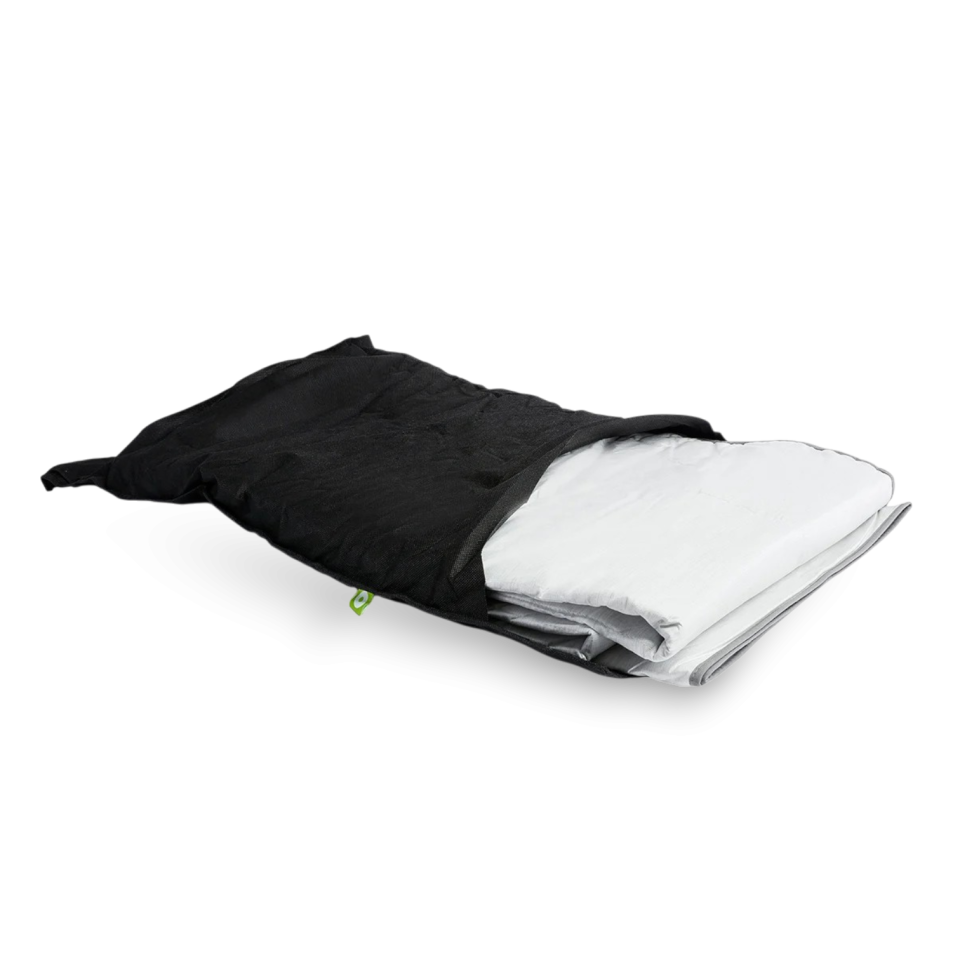
Recovery Blanket Summer
Available in multiple variants