Why Exercise Is the Key to Good Health

Exercise and health are inextricably linked. Without one, the other is lacking. If we don’t exercise regularly, we get sick. That’s because our entire body is designed for movement.
If it doesn’t get enough of it, our bone structure, muscles, cardiovascular system, metabolism, and brain function all suffer. But why is that, and how can I incorporate more activity into my daily routine? You’ll find out here.
How are exercise and health connected?
Our bodies need exercise to stay healthy and function properly. This isn’t a new discovery—it’s rooted in evolution. In the Stone Age, our ancestors led very active lives, going out every day to forage, hunt, and gather. In doing so, they covered about 25 kilometers daily. Added to this was the need to flee in dangerous situations. Anyone who remained sluggish and lazy in their cave had no chance of survival.
The human body hasn’t evolved much in the past 10,000 years or so, yet modern daily life is rapidly moving in exactly the opposite direction. Everything is becoming easier and more convenient. Physical challenges are rare in the Western world; instead, there’s an app for every task—one that even lets you turn the lights on and off from the sofa, making a trip to the supermarket unnecessary.
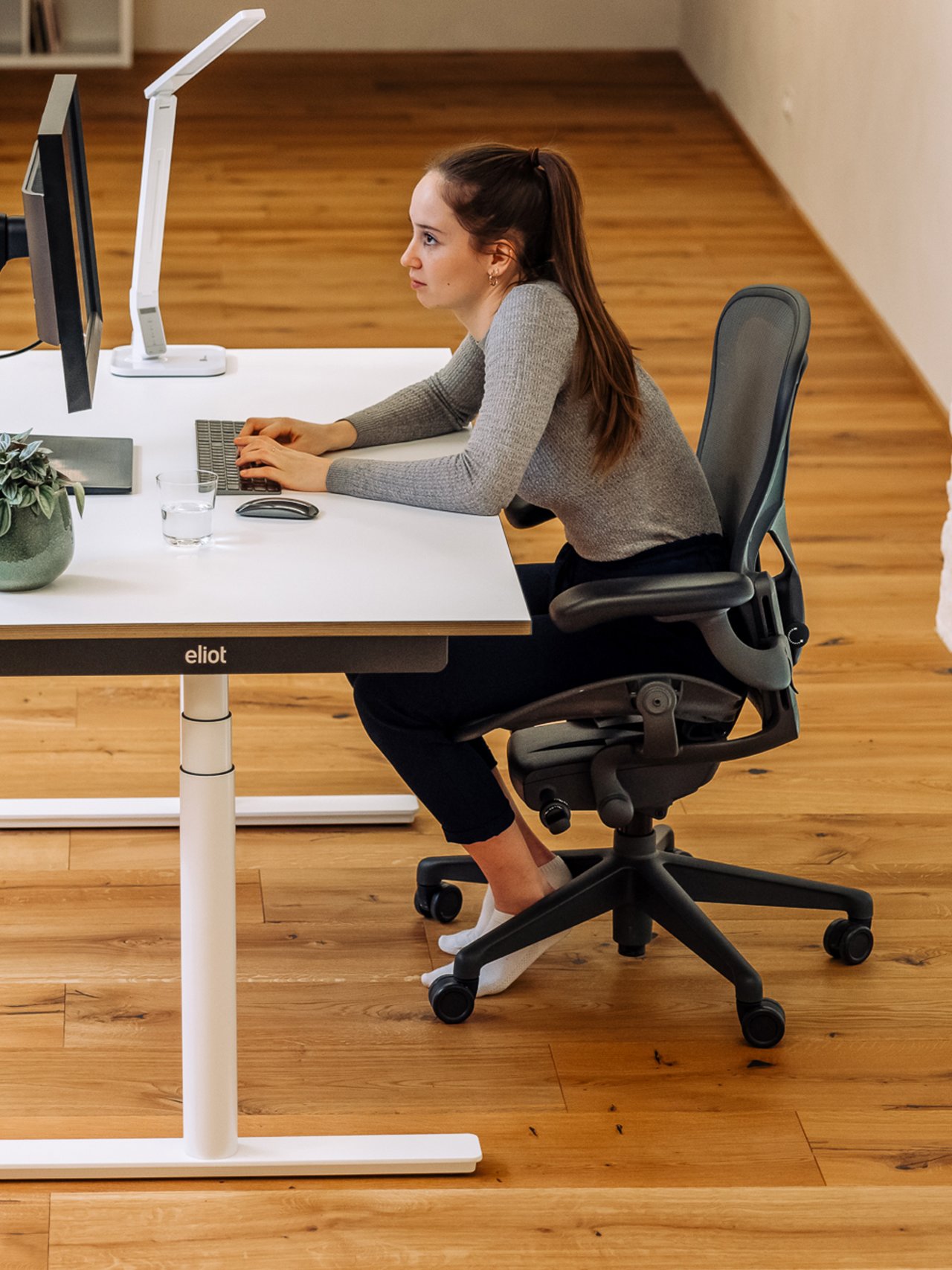
No wonder sitting is considered the new smoking: We sit all day at work, during our free time, and on the go—yet humans are actually built for movement and urgently need it to stay healthy. Our cardiovascular system, metabolism, immune system, musculoskeletal system, and mental health all depend on regular exercise.
Today, most people walk just 3.5 kilometers a day. The dramatic consequences for health are evident in doctors’ offices and hospitals, and have long prompted doctors to sound the alarm.
Physical inactivity is considered one of the biggest problems facing the healthcare system, as a whole range of diseases is exacerbated by a lack of exercise. If everyone in the developed world were to be more active, countless illnesses and even deaths could be prevented.


Why is physical activity so important?
The reason physical activity is so important can be summed up simply: Because exercise keeps us healthy. A closer look at the human body reveals just how many functions depend on physical activity:
- Muscles: Muscles must be regularly stimulated to remain strong and functional. Without exercise, muscle tissue breaks down. We become weak, lose our physical performance, and even our upright posture, since only strong muscles can provide stable support for the spine. Poor posture contributes to back pain, herniated discs, and muscle tension.
- Bones: Our bones remain stable only through movement. On the one hand, bone tissue becomes denser through stress and pressure; on the other hand, bone formation is stimulated by the pull of the muscles. Without this stimulus, bone tissue breaks down. The bones become brittle, and the risk of osteoporosis increases.
- Joints: Our joints also need regular exercise to remain stable. If we lie down or sit too much, we actually accelerate joint wear and tear. At the same time, the risk of injury increases, and even a single misstep while walking or climbing stairs can result in pain.
- Immune system: Moderate physical activity stimulates the production of more immune cells, which strengthen the immune system and prevent pathogens from taking hold. Excessive exercise and a lack of physical activity, on the other hand, weaken the immune system and increase susceptibility to infections. The key here is to find a healthy balance to stay well.
- Cardiovascular System: Our heart is a muscle that, although it pumps on its own, still needs to be exercised. An untrained heart muscle becomes overwhelmed even under light strain and increases the risk of a heart attack.
- Blood Vessels: Physical activity gets the circulation going. Blood is pumped more forcefully through the body, supplying all organs with oxygen and nutrients. This also strengthens the blood vessels. A lack of exercise, on the other hand, can lead to atherosclerosis, blood clots, and stroke.
- Brain: The brain receives better blood flow, making it more efficient. Exercise stimulates the production of neurotransmitters, which in turn transmit information to nerve cells via synapses. Our ability to concentrate improves; we become more receptive, think more quickly, and remain mentally alert.
- Metabolism: Exercise boosts metabolism and fat burning and increases basal metabolic rate. Digestion is stimulated because the organs receive better blood flow and are gently massaged. When sitting, however, they are tightly compressed and function only to a limited extent.
- Weight: Last but not least, regular exercise helps maintain a healthy weight. This is because being overweight is considered another risk factor for a wide range of diseases.
Both our musculoskeletal system and our entire body depend on physical activity. Without it, typical lifestyle-related diseases such as high blood pressure and type 2 diabetes mellitus develop. Physical activity is therefore not just a leisure activity, but above all an effective and simple way to promote health.
While exercise is one of the most important factors for a healthy life, a balanced diet rich in essential nutrients, a daily fluid intake of about two liters of water, sufficient sleep, and exposure to sunlight also have a positive impact on our health. In short: An active, healthy lifestyle is the best way to prevent health issues and stay fit and agile for a long time.
What does exercise actually mean?
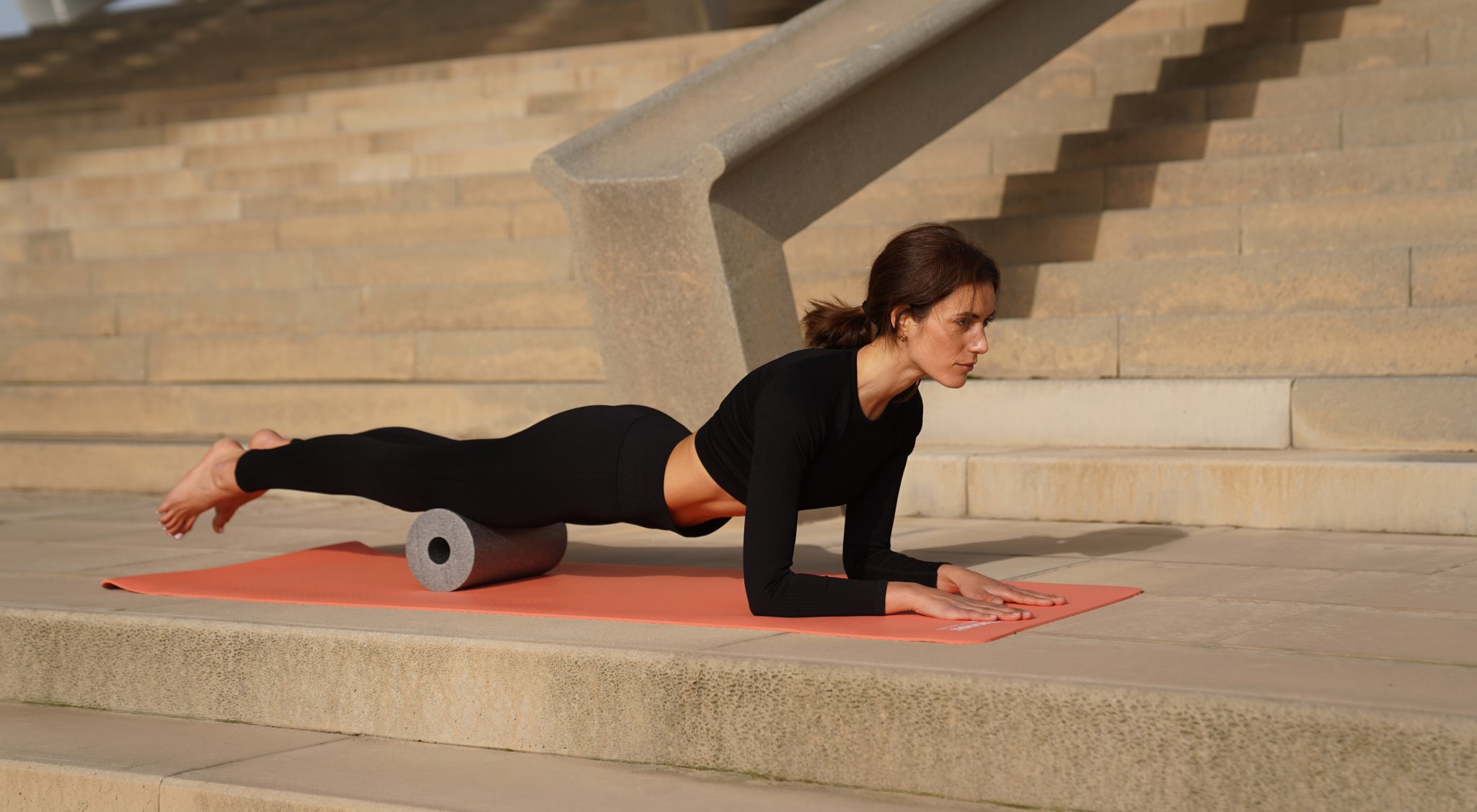
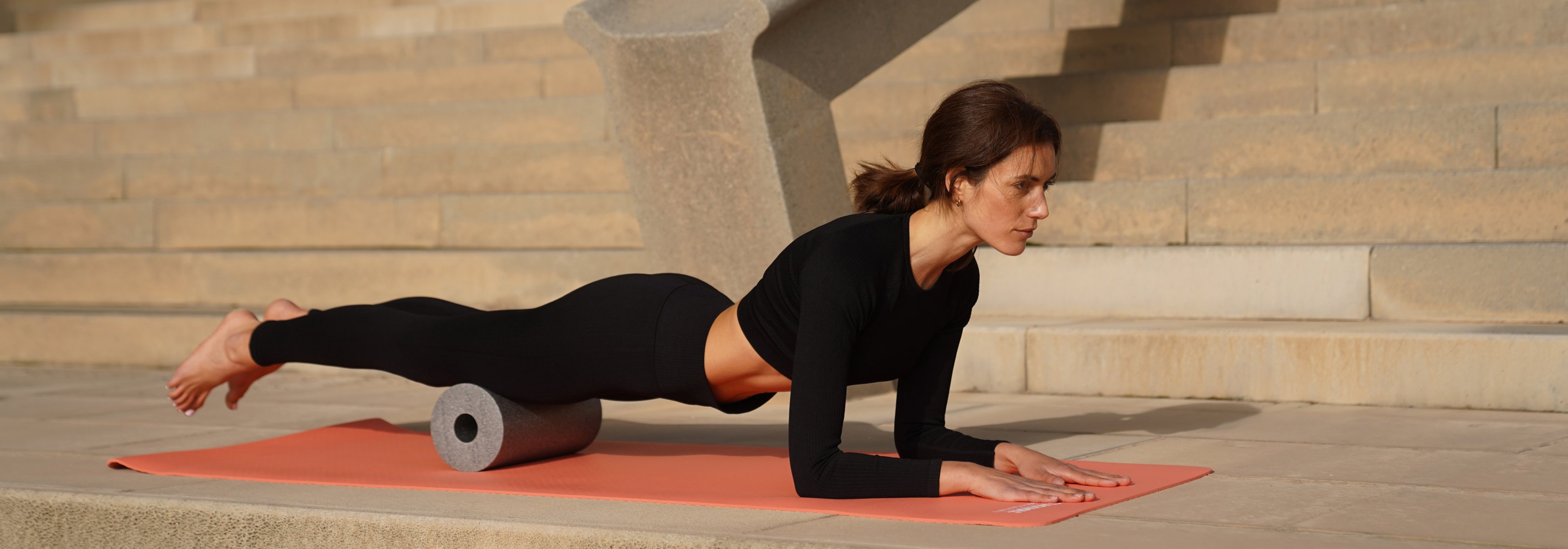
Exercise doesn’t necessarily mean you have to do intense sports, go jogging for an hour every day, or go to the gym several times a week. Exercise refers to any form of physical activity, for example:
- any contraction of the muscles
- bending a joint
- any stretching, reaching, squatting, or shaking out
- every step
- every time you sit down and stand up
So it’s really easy to earn points for your health account:
- Any movement against gravity is good—for example, standing up from a seated position, climbing stairs, jumping, or lifting your arms and legs.
- Even a single step has positive effects on your health. The more you do each day, the better. The general guideline is 10,000 steps a day, but that number discourages many people from even starting to count their steps. So don’t let that discourage you. Even a ten-minute walk every day is better than nothing.
- Exercise also includes stretching your muscles and moving in all directions. Stretching, relaxation exercises, and fascia training also promote flexibility and keep us healthy.
Many people lead active daily lives even without formal exercise—because their jobs are physically demanding, they do housework, run errands on foot or by bike, or their children keep them on their toes. It’s precisely this variety that our bodies particularly enjoy, since our ancestors led active lives without performing monotonous fitness routines.
If you’re one of those people who aren’t big on exercise: There might be an excuse not to do certain sports. But there’s no excuse for a chronic lack of physical activity. Everyone can make their daily routine a little more active and counterbalance hours of sitting. Especially as we get older, many of us give in to laziness, yet that’s precisely when it’s particularly important to prevent illness through exercise.

How much physical activity do I need to stay healthy?
The amount of physical activity that is healthy depends on your age and fitness level. Based on several studies, the World Health Organization (WHO) has established a guideline you can use as a reference:
Adults aged 18 to 64 should be active for at least 150 to 300 minutes each week. Moderate- to high-intensity physical activities are recommended. Alternatively, 75 to 150 minutes of high-intensity aerobic activity is also sufficient. In addition, on two or more days per week, all muscle groups should be worked through strength training. Older adults aged 65 and older should train their balance, coordination, and strength at least three days a week to maintain mobility and prevent falls.
The growing lack of physical activity among the population is alarming. According to recent studies, one in four adults and as many as four in five adolescents do not get enough exercise. According to the WHO, more than 5 million deaths worldwide could be prevented each year if people were more physically active.
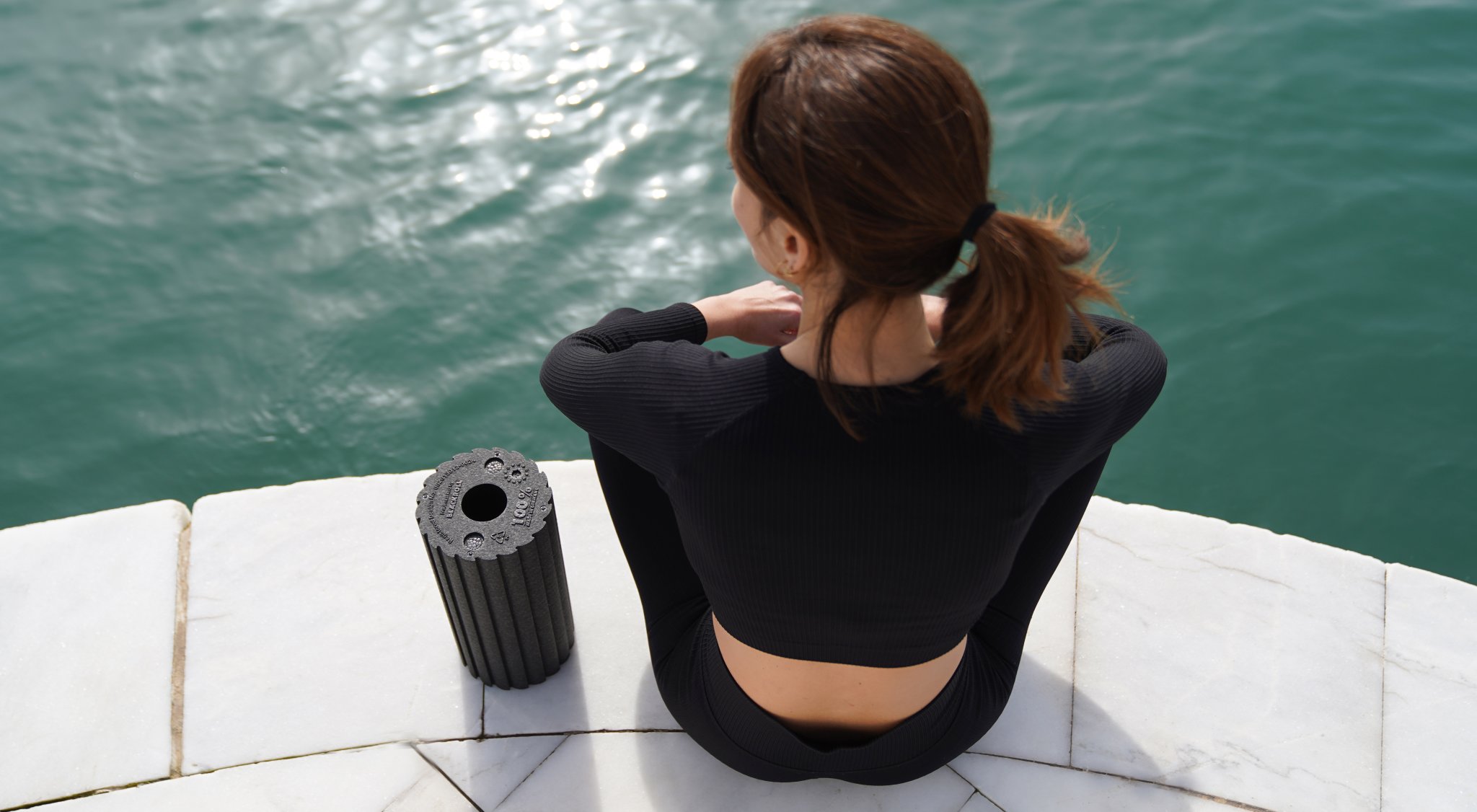

How does a lack of physical activity affect mental health?
A lack of physical activity not only has a negative impact on physical fitness but also on mental health. This is because exercise releases hormones and neurotransmitters that enhance our well-being and reduce stress and tension. A lack of physical activity, on the other hand, throws the body and mind out of balance. People who don’t get enough exercise therefore quickly become irritable, unbalanced, dissatisfied, and more prone to stress. A lack of exercise even increases the risk of anxiety, panic attacks, depression, and dementia.
Regular exercise can prevent all of this, as numerous studies have now shown. Exercise and physical activity trigger the release of the “happiness hormones” dopamine, serotonin, norepinephrine, and endorphins. At the same time, exercise reduces stress hormones like adrenaline and cortisol, helping us feel more balanced. The positive effect: Whether you’re walking, running, dancing, doing yoga, hiking, biking, or swimming, you can clear your head wonderfully, forget the worries of everyday life, feel less pain, and simply feel happy.
Physical activity therefore has a high wellness factor. People who exercise regularly and really push themselves during sports simply feel better and more comfortable in their own skin. This, in turn, leads to greater self-confidence and fosters trust in one’s own abilities. Sports help build healthy self-confidence starting in childhood. Children who let off steam in various sports, compete with others, and experience a sense of community develop stronger self-confidence and social skills. Children who, on the other hand, spend a lot of time at home in front of the TV or on the computer and hardly move at all have less confidence in themselves and are often dissatisfied with their lives even as adults.
Consequences of a Lack of Physical Activity
A lack of physical activity is widespread in today’s society and affects an increasing number of people in their daily lives. The causes of insufficient physical activity are varied: for many , life is often characterized by prolonged sitting, a lack of sports, and too little physical activity. The consequences of a lack of physical activity are serious and can affect various aspects of health.
People who remain inactive for extended periods expose their bodies to increased risks. Chronic inactivity, for example, can contribute to the development of diabetes or high blood pressure. Overall health also suffers: physical performance declines, while susceptibility to stress and other health issues increases. Studies show that the balance between physical activity and rest is essential for long-term health.
But it’s not just the physical consequences that should be considered: Mental well-being can also suffer from a lack of activity, as exercise has been proven to reducestress and enhance overall well-being. To prevent the negative effects of a lack of exercise, it’s recommended to regularly incorporate physical activity into daily life—even small activities and targeted exercise sessions can help support health and meet individual needs.
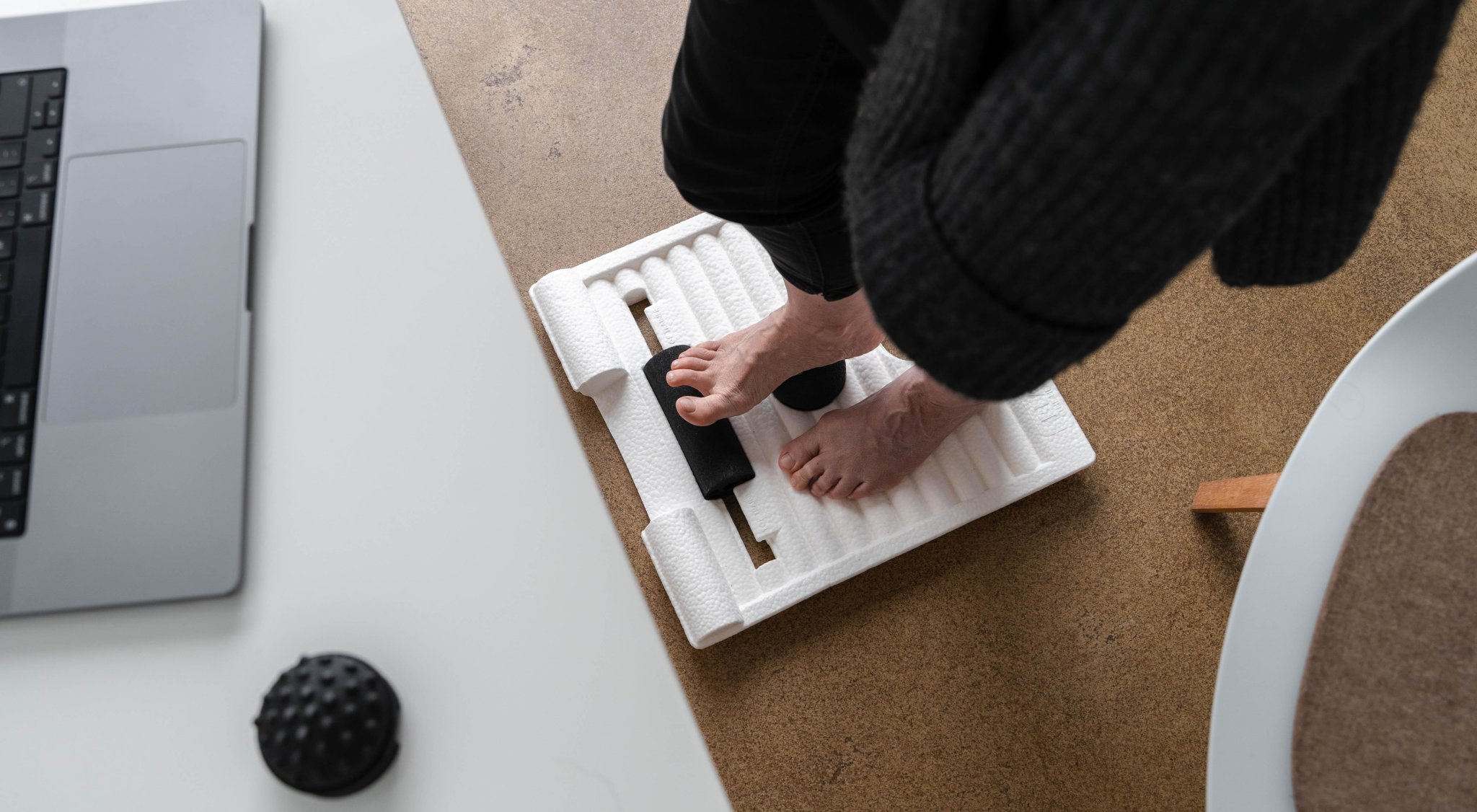
How can I incorporate regular exercise into my daily routine?
Every bit of extra movement in your daily life is a benefit to your health. That’s why you should replace as much sedentary behavior as possible with physical activity. Even just a half-hour walk every day lowers your risk of illness and keeps your body and mind healthy. Here are a few exercises and tips on how you can incorporate regular exercise without much effort:
- Take the stairs instead of the elevator or escalator.
- When taking the bus or train to work, get off one stop early and walk the rest of the way.
- For shorter distances, ride your bike instead of driving.
- Cleaning, vacuuming, tidying up: Housework provides a well-rounded physical workout.
- If you spend a lot of time sitting at your desk at the office, stand up for five minutes every hour, walk around the office, or do a few exercises like stretching, shaking out your limbs, or doing squats.
- Even in the evening while watching TV, use the commercial breaks to walk around the apartment or do a quick workout.
- Instead of meeting up with friends for coffee or a beer, go for a walk.
The good news for all those who aren’t big on exercise and those who have a hard time getting motivated: Several short bursts of activity spread throughout the day already have a huge impact on your health and are even more effective than just two intense workouts a week. So rethink your daily routine and try to incorporate a little more movement whenever you can—at home, at work, while running errands, and in your free time.
Have the many benefits of exercise sparked your motivation, and are you ready to start working out? Then check with your doctor first to see if there are any health risks. In most cases, there’s no reason not to be more active, so choose a sport that you enjoy and want to do regularly. The more varied your workout, the better it is for your health, so feel free to try out different activities that focus on endurance, strength, and flexibility.
Exercise Inspiration



Positive Effects of Exercise
Regular, moderate exercise has a whole range of positive effects on the body and improves quality of life. The list of benefits is long, because exercise
- builds the muscles that support our bodies.
- promotes bone formation and bone density.
- stabilizes the joints and prevents wear and tear.
- strengthens the immune system.
- strengthens the cardiovascular system.
- lowers high blood pressure.
- Boosts fat burning.
- Prevents back pain and muscle tension.
- Relieves headaches.
- Gives us energy.
- Reduces stress.
- Improves sleep.
- Puts you in a good mood.
- Increases well-being.
- Boosts self-confidence.
- lowers the risk of developing type 2 diabetes, obesity, osteoporosis, osteoarthritis, heart attack, blood clots, and stroke.
These are all good reasons to get up and get moving more often, put on your workout clothes, and train your strength and endurance. In short, moderate exercise has nothing but health benefits and helps prevent many chronic conditions and pain. For older adults, it reduces the risk of falls, which often lead to prolonged bone fractures.
Even for children, sports and physical activity are essential for development. In addition to motor skills, they also promote cognitive abilities, which is why the natural urge to move in children and adolescents should never be stifled. Running around, playing, climbing, biking, running, jumping, playing ball—this varied mix of activities turns children into healthy adults.


What diseases can be prevented through physical activity?
Exercise promotes blood circulation, strengthens muscles, boosts metabolism, and loosens stiff joints. Anyone who takes a brisk walk through nature after a day at a desk will immediately feel the invigorating effect. In addition to all kinds of physical ailments such as back pain, joint problems, tension-related headaches, and sleep disorders, exercise can actually prevent numerous diseases. These include:
- Type 2 diabetes
- High blood pressure
- Cardiovascular diseases
- Atherosclerosis
- Stroke
- Constipation
- Osteoporosis
- Muscle wasting
- Osteoarthritis
- Herniated disc
- Obesity
- Burnout
- Depression
- Dementia
- Cancer
Nowadays, exercise is also relied upon in the treatment and healing of illnesses and injuries. Whereas in the past, patients would stay in the hospital for one to two weeks after surgery and were advised to take it easy, today they are encouraged to become active as soon as possible. This gets the circulation going, and the musculoskeletal system needs to be challenged—which also stimulates the body’s natural healing process. Numerous studies and research have demonstrated the high effectiveness of exercise on recovery. For some illnesses, moderate exercise is even more effective than any medication.

Negative Effects of Exercise on the Body
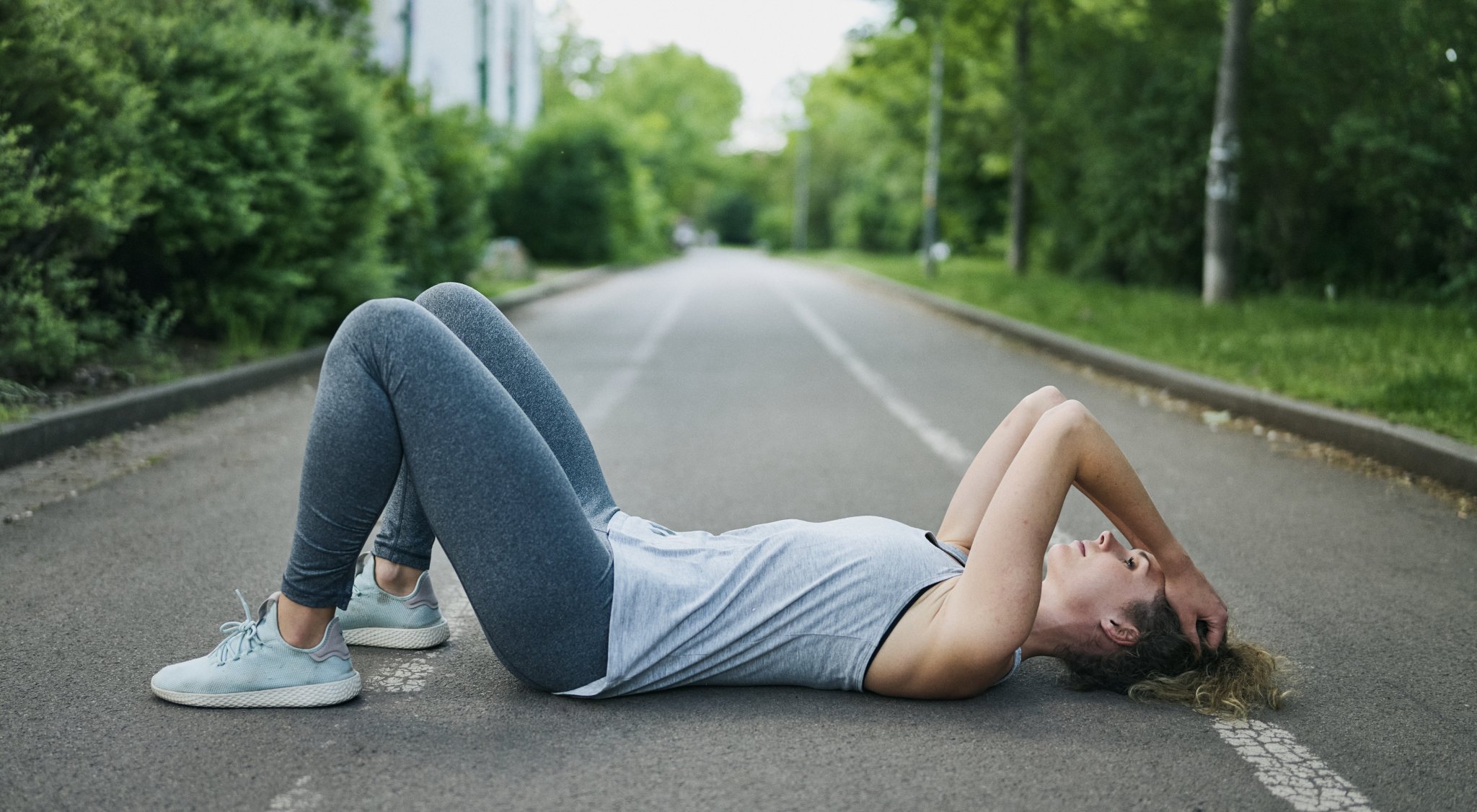
Despite all the health benefits of exercise, too much physical activity can also have negative effects. Competitive sports, in particular, place stress on the body and can lead to illnesses and injuries:
- Weakened immune system: Extreme physical exertion causes stress. Among other things, this has a negative effect on the immune system and weakens the body’s defenses. This makes it easier for pathogens to take hold, increasing susceptibility to infection. In such cases, taking a break is strongly recommended to allow the body to fully recover from the illness. Anyone who resumes training too soon risks prolonging the illness or developing myocarditis.
- Risk of injury: Intense exercise increases the risk of injury. If muscles are constantly strained without being given sufficient rest, strains or muscle fiber tears occur more frequently. Joints also need time to recover after exertion.
- Wear and tear: Fitness is not improved by constantly pushing yourself to the limit, but rather through moderate training alternated with recovery. Otherwise, overexertion quickly leads to wear and tear, which causes your fitness level to stagnate or even decline.
- Mental stress: Excessive exercise can have negative effects on mental health and lead to eating disorders, exercise addiction, and substance abuse. Excessive pressure in competitive situations can also trigger depression.
Nevertheless, doing no exercise at all is not the solution either. The key is to find a moderate training program with a good balance between endurance and strength training. In between workouts, relaxation should not be neglected, as the body needs breaks to recover. What many people overlook when doing intense strength training is that muscles only build up during recovery phases. Constantly pushing yourself to the limit achieves exactly the opposite of your actual training goal. By the way, those who train their flexibility through stretching and fascia training in addition to endurance and strength can help prevent injuries.
Smart Tools for More Fun with Exercise




Smoove Board
Available in multiple variants

Mat
Available in multiple variants