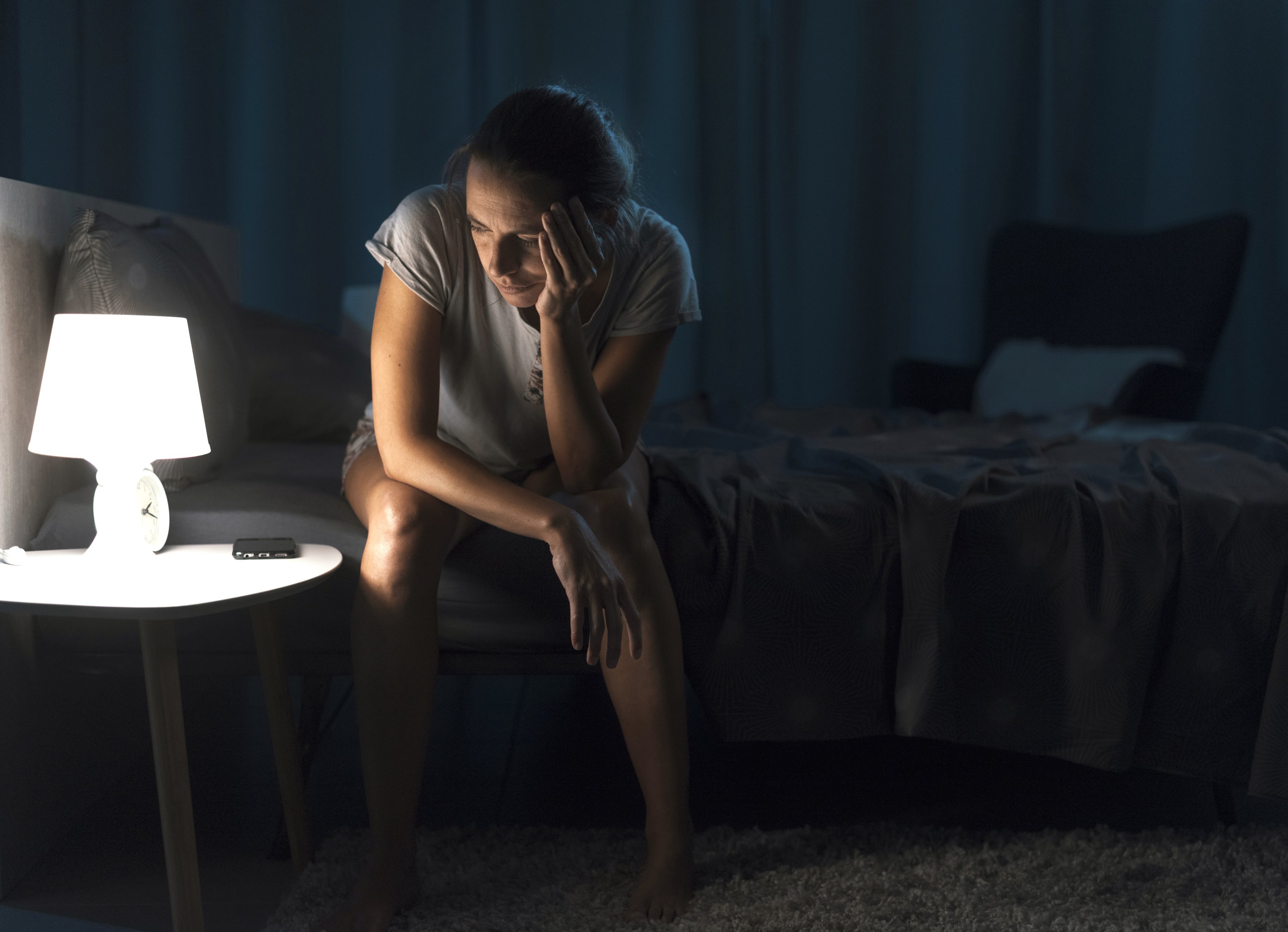
Polysomnography – sleep laboratory examination for the diagnosis of sleep disorders

Polysomnography is a comprehensive examination in a sleep laboratory, in which brain waves, eye movements, muscle activity, heart rate, breathing and oxygen saturation, among other things, are recorded during sleep. It is regarded as the reference method for diagnosing various sleep disorders. In this article, you will find out how the examination works, which measurements are included and how it differs from an examination with a mobile device at home.

What is a polysomnography?
We use it to record several bodily functions at once while you sleep so we can build a detailed sleep profile showing how restful your sleep is and whether there are any disturbances.
There’s an important difference compared with polygraphy, the so-called home test: it usually only measures breathing movements, oxygen saturation and heart rate — without an EEG and without a complete analysis of sleep architecture. Polysomnography is therefore the more accurate method and is used primarily when a comprehensive picture is required. For this reason, amongst others, it’s employed as the standard diagnostic procedure by professional societies such as the German Society for Sleep Research and Sleep Medicine (DGSM, 2017).

Sleep better, live healthier — with our sleep course. Up to 100% reimbursement.
Discover our online sleep course now

Why is this examination carried out?
We use it when a serious sleep disorder is suspected and simpler tests aren't sufficient. It's regarded as the gold standard in sleep medicine and is explicitly recommended in international guidelines (AASM, 2017). Typical reasons for an examination in a sleep laboratory include:
- Sleep apnoea: suspected breathing pauses, loud snoring or severe daytime sleepiness.
- Movement disorders: e.g. restless legs syndrome or periodic leg movements that interrupt your sleep.
- Insomnia: when it’s unclear why you don’t wake up feeling refreshed despite getting enough sleep.
- Parasomnias: unusual behaviours during sleep, such as sleepwalking, talking or night-time panic attacks.
- Unexplained daytime tiredness: when you feel exhausted during the day, even though you’ve supposedly had enough sleep.
Polysomnography provides a clear, objective picture and helps us determine the right treatment for you.


Procedure
We'll give you clear instructions on how to prepare. Attend a consultation (medical history), complete questionnaires about your sleeping patterns and, on the day of the examination, avoid alcohol, caffeine and naps so we can record your sleep accurately.
In the evening at the sleep laboratory we attach various sensors: electrodes on your head and eyes, sensors on your chest and legs, a microphone to record snoring sounds, a pulse oximeter to measure oxygen saturation and electrodes for the ECG.
The night in the sleep laboratory usually lasts around eight hours, but if you work shifts we can arrange the test during the day.
The following morning we remove the sensors and our specialists analyse the data to build a complete picture of your sleep, forming the basis for an accurate diagnosis and a personalised treatment plan.

Measurement data and findings
During polysomnography we record several bodily functions to build a clear picture of your sleep. These include:
EEG (electroencephalogram): measures brain activity and shows which sleep phase you're in.
- Breathing and oxygen saturation: monitor breathing pauses and the body’s oxygen supply.
- Eye and muscle movements help us accurately determine the stages of sleep (light sleep, deep sleep, REM sleep).
- Heart rate (ECG): records changes in heart rhythm at night.
This information builds your sleep profile (hypnogram), clearly showing how your sleep was distributed throughout the night, which stages are missing or insufficient and whether disturbances interrupted your rest.
Sleep efficiency—the ratio of time asleep to time in bed—is particularly revealing. If you take a long time to drop off, wake up often or lie awake for long periods, this figure will fall. Values above 85–90% are considered normal in sleep medicine; lower values, on the other hand, often indicate a disorder requiring treatment (Ohayon et al., 2017).

Benefits and use in diagnostics
Polysomnography has an established role in modern sleep medicine. It provides a comprehensive picture of all relevant processes during sleep — from breathing and brain activity to movements and heart rhythm.
It’s particularly helpful in complex or unclear cases, letting us distinguish between different disorders and pinpoint the causes of your sleep problems.
The results also guide treatment planning: whether respiratory therapy with CPAP is needed for sleep apnoea, behavioural therapy is recommended for insomnia or another approach is best — we can make that decision only after analysing your data.
According to the recommendations of the German Society for Sleep Research and Sleep Medicine (DGSM, 2017), polysomnography is the recognised standard procedure when a sleep disorder requiring treatment – such as sleep apnoea, insomnia or parasomnias – is suspected.
It’s therefore a crucial step if you want to understand why your sleep isn’t restorative and which treatment can help you in the long term.

Go to bed feeling more relaxed
Discover evening routines now
Preparation tips for patients
Are you wondering how best to prepare for your night in the sleep laboratory? Good preparation will help you feel more comfortable and ensure you get the most accurate results possible. So please bear in mind a few simple things:
- Stick to your usual sleep routine: go to bed at your usual time on the day of the test and avoid long naps.
- Avoid alcohol and large amounts of caffeine as they can affect your sleep and distort the results.
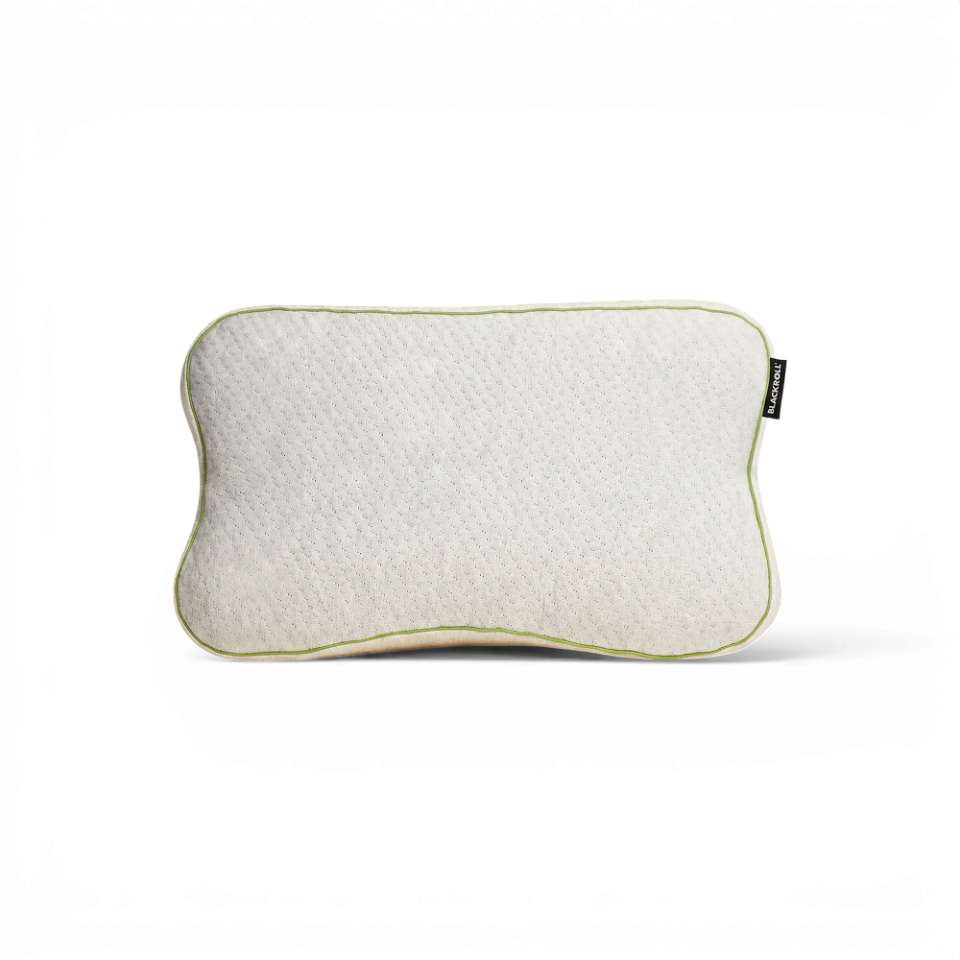
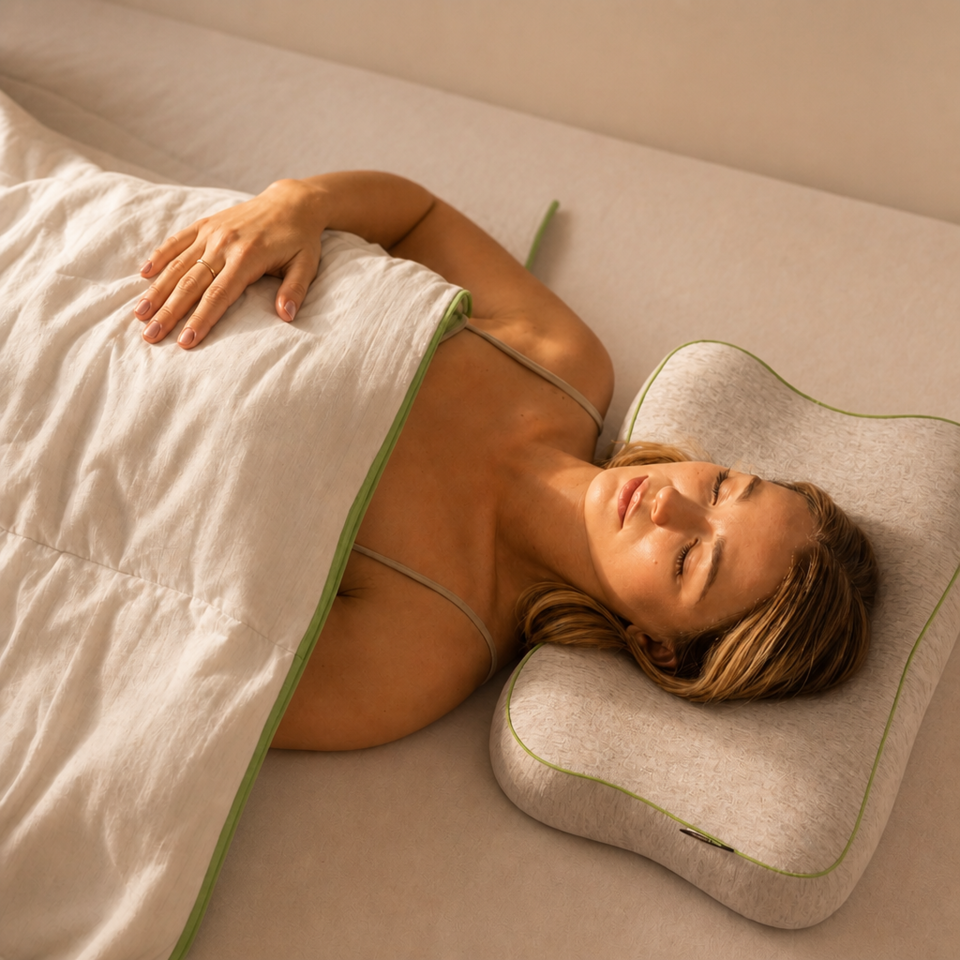
- Bring your own sleeping accessories: a familiar small pillow can help you relax more quickly.
By following these steps you’ll help us capture an accurate picture of your sleep.


FAQ – Polysomnography in a nutshell
It’s a comprehensive sleep-lab examination that records brain waves, breathing, heart rate and movement while you sleep so we can accurately identify any disorders.
You'll spend one night in our sleep laboratory. We'll attach electrodes and sensors to record your sleep. Our specialists will analyse the data and discuss the results with you.
We’ll carry out a polysomnography if we suspect a sleep disorder – for example, sleep apnoea, insomnia, nocturnal breathing disorders or noticeable daytime tiredness.
The test produces what’s known as a hypnogram. It shows how long you spend in the various sleep phases and whether there are any disturbances such as breathing pauses or frequent waking. This enables us to plan the appropriate treatment specifically.


Conclusion
Polysomnography is a reliable and scientifically recognised method for gaining a better understanding of sleep disorders. It monitors a wide range of bodily functions — from breathing patterns to brain waves — and shows you just how restorative your sleep really is. With this information we'll create a personalised treatment plan that addresses both your symptoms and their underlying causes.
For you, this means you no longer have to be in the dark about why you can’t get a good night’s sleep. A professional sleep laboratory assessment will provide clarity and the key to a treatment that can help you in the long term.
If you’ve been suffering from sleep problems for some time, speak to your doctor about the possibility of a sleep laboratory examination using polysomnography. It can be the first step towards reclaiming your nights – and finally waking up feeling refreshed again in the mornings.
Continue with more interesting articles on sleep




Sources and studies
German Society for Sleep Research and Sleep Medicine (DGSM). (2017). S3 guideline on non-restful sleep/sleep disorders – insomnia in adults (AWMF registration number 063-003).https://www.awmf.org/leitlinien/detail/ll/063-003.html
American Academy of Sleep Medicine (AASM). (2017). Clinical practice guideline for diagnostic testing for adult obstructive sleep apnoea. Journal of Clinical Sleep Medicine, 13(3), 479–504. https://doi.org/10.5664/jcsm.6506
Ohayon, M. M., Wickwire, E. M., Hirshkowitz, M., Albert, S. M., Avidan, A. Y., Daly, F. J., … & Vitiello, M. V. (2017). National Sleep Foundation’s sleep quality recommendations: first report. Sleep Health, 3(1), 6–19. https://doi.org/10.1016/j.sleh.2016.11.006