Sleep disorders in children: what they are and what you can do about them

Is your child unable to fall asleep at night, tossing and turning and waking up feeling exhausted? Sleep disorders in children aren’t uncommon — around one in four to five children sometimes struggle to drop off or stay asleep. Good sleep isn’t just recovery: it’s the foundation for healthy development, concentration and emotional wellbeing. Here you’ll find out how to recognise a sleep disorder in children, what might be causing it and how you can help your child sleep better.
Why is good sleep so important for children?
While your child is sleeping, their body is working hard. During sleep, growth hormone (somatropin) is released, the immune system is strengthened and what has been learnt is consolidated in the brain. Children therefore have a significantly greater need for sleep than adults: depending on their age, they need between nine and 14 h of sleep per 24 h (including during the day in the first few years of life). Newborns even need around 17 h. However, sleep requirements vary from child to child.
If your child has sleep problems, you'll notice specific consequences:
- Development and growth: during deep sleep the body releases growth hormone and chronic sleep deprivation can impair physical development.
- Concentration and learning ability: Children who’ve had a good night’s sleep are better able to concentrate, take in and process information. Symptoms of sleep deprivation in children often manifest as inattention or learning difficulties.
- Emotional regulation: Children learn to regulate their emotions over time, but overtired children often struggle to control their feelings and can become more irritable, sensitive or hyperactive.
- Theimmune system also regenerates during sleep, so children with sleep disorders are more susceptible to infections.




What types of sleep disorders do children have?
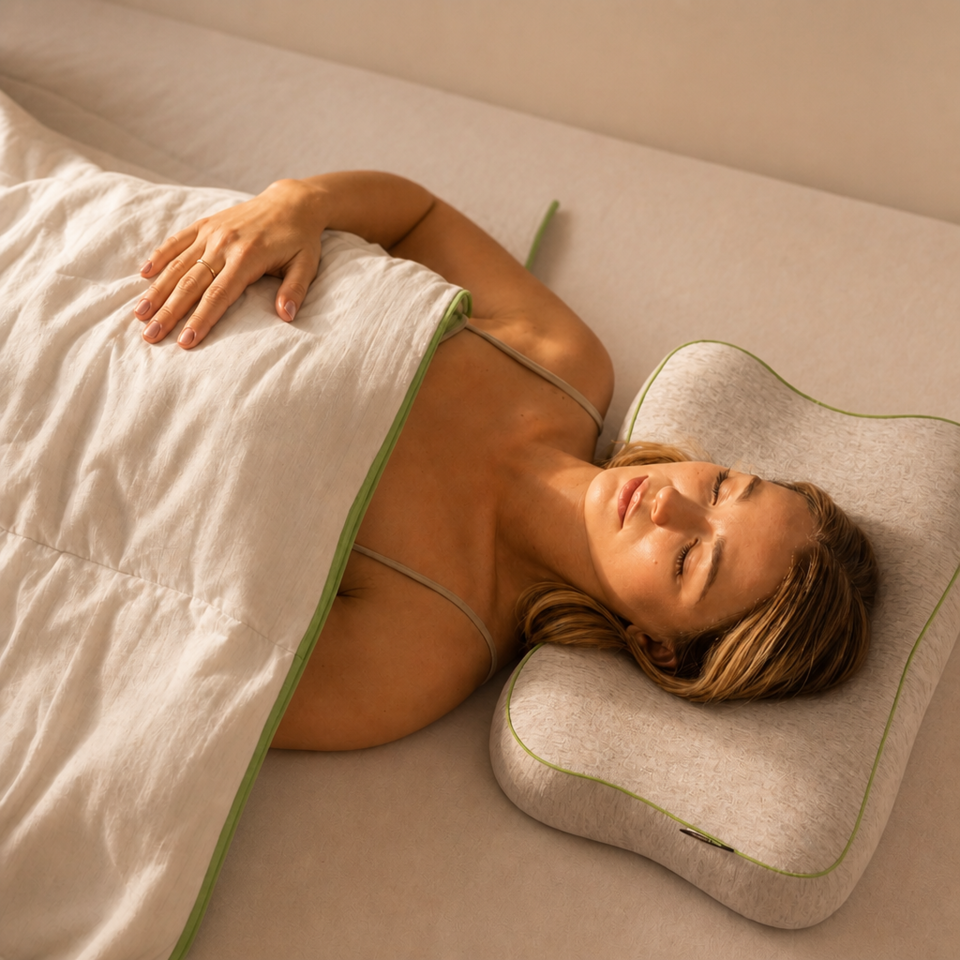
We've designed our Recovery Pillows to support healthy sleep patterns, helping you and your child get the rest you need. A sleep disorder in children is defined as persistent problems with the quantity, quality or timing of sleep. Medically, a distinction is made between two main groups:
- Organic sleep disorders, such as sleep apnoea or restless legs syndrome. Both disorders can appear in childhood and should be treated early.
- Non-organic sleep disorders include insomnia and parasomnias.
Insomnia refers to difficulty falling asleep and/or staying asleep, or waking up too early in the morning, accompanied by impairments to daytime behaviour. It occurs in infants, toddlers and older children alike. Sleep problems become a chronic sleep disorder if the problem occurs regularly on at least three nights a week over a prolonged period (at least one month).
Parasomnias are unusual behaviours during sleep, such as sleepwalking, night terrors (pavor nocturnus) or nightmares. They're common in children, with a prevalence ranging from three to 34% depending on the type and age.
However, not every instance of a child waking up at night constitutes a sleep disorder requiring treatment. Developmental sleep problems are normal and temporary. Experts usually only consider it a genuine disorder if the following conditions are met:
- Your child regularly takes more than 30 min to fall asleep.
- Your child wakes up more than three times at night, each time for a prolonged period.
- Your child stays awake for more than 30 min when they wake up at night.
- You, your child and your family are significantly affected by the situation.
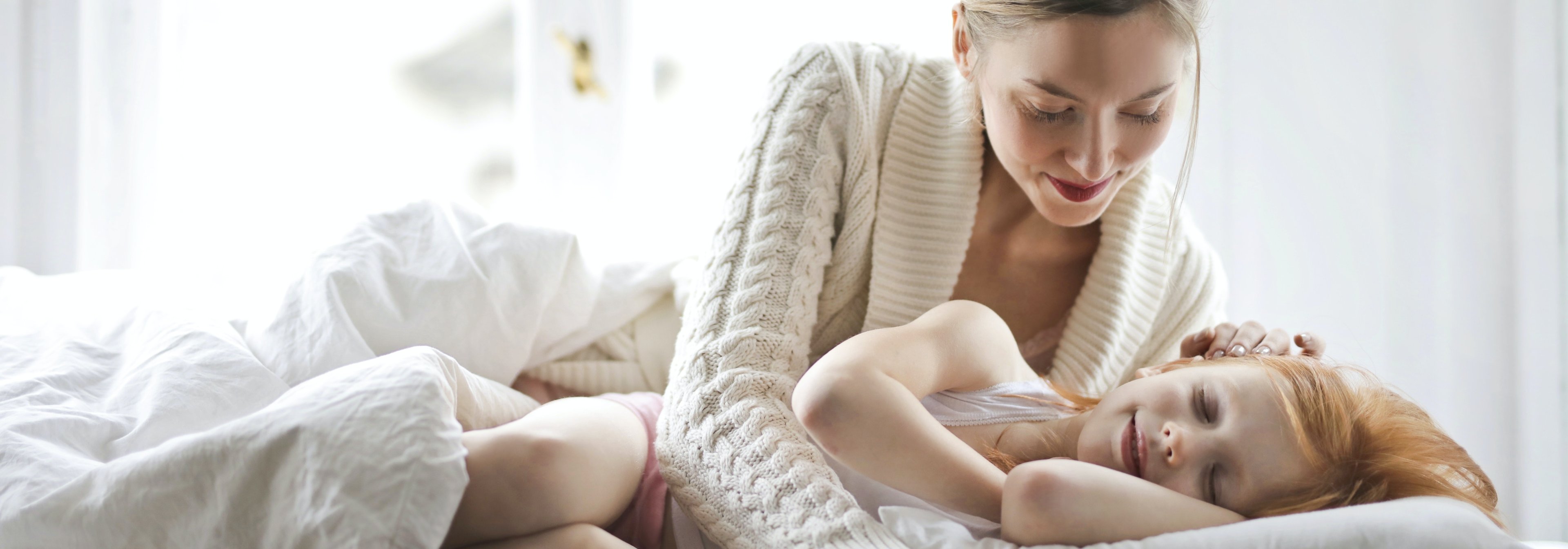
Sleep disorders in children: recognising the symptoms
The symptoms of sleep disorders in toddlers and children are varied and also differ depending on age.
In young children, difficulty falling asleep often manifests as: |
|
In children aged 4 and over, difficulty falling asleep may manifest as: |
|
Typical signs of difficulty staying asleep include: |
|
Symptoms of sleep deprivation in children are particularly noticeable during the day: |
|

Restful nights for the whole family
Jetzt Kinder-Schlafkurs starten
Causes: why does your child suffer from sleep problems?
To help your child sleep better, investigate the causes of their sleep problems. The reasons why children don’t want to or can’t sleep are varied and often age-related. Generally speaking, however, similar patterns can often be identified:
For babies and young children |
|
For nursery and primary school children |
|
In young people |
|
Other possible causes across all age groups |
|
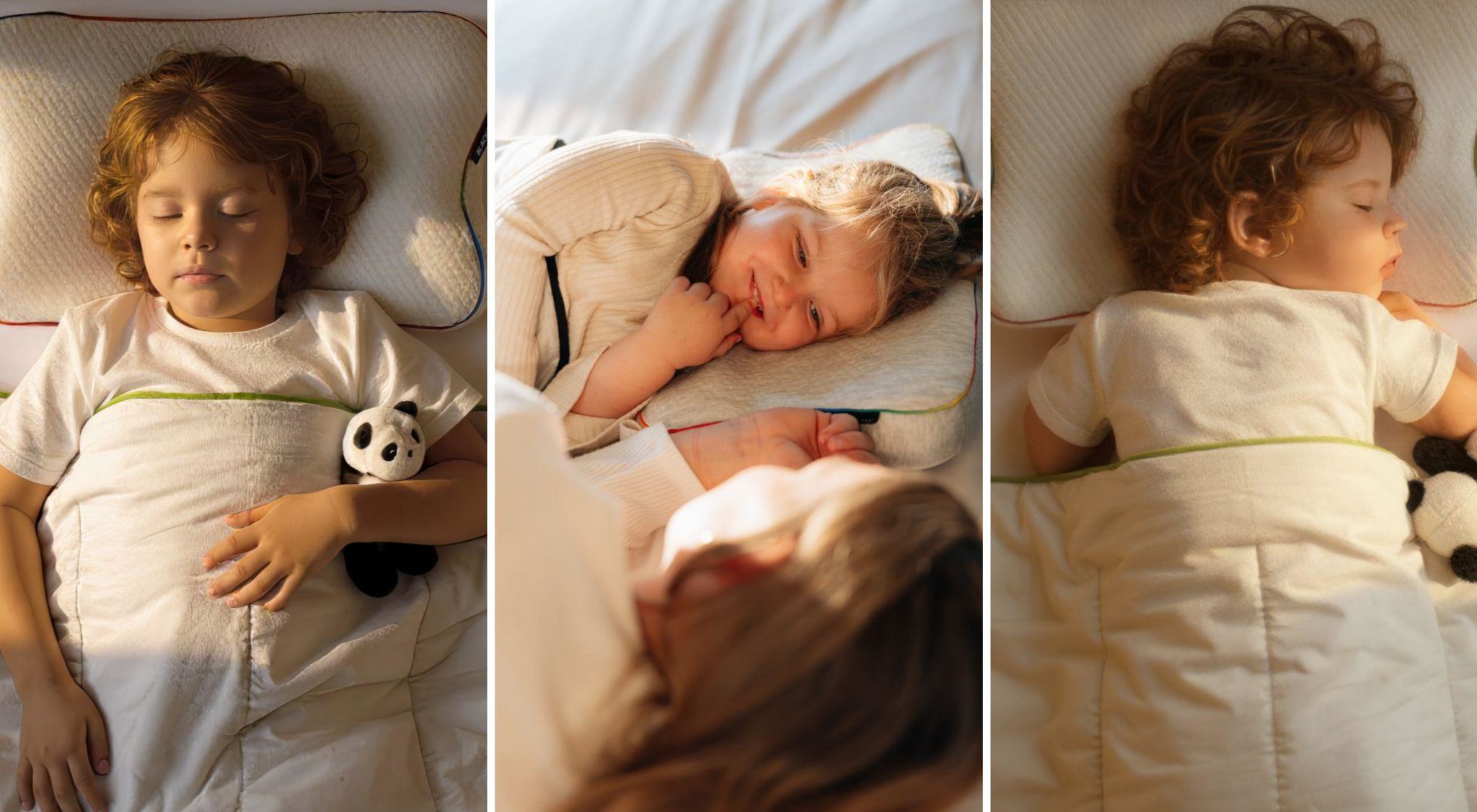
Sleep problems in children by age: what's typical?
Children go through many stages of development before they reach adulthood, and as they do so, your child’s sleep phases also change . Sleep problems in children therefore often occur in a way that’s typical for their age.
Age-specific sleep problems
Sleep disturbances in toddlers affect around 20 to 25% of children in the one- to three-year-old age group. Typical examples include:
- Separation anxiety
- Resistance to going to bed
- Frequent night-time waking
- Sleep disturbances caused by changes to the daily routine (e.g. a new sibling, a new job for the parents)
These patterns from the toddler years often persist and in children aged three and over the following are frequently added:
- more vivid dreams and the first nightmares
- Night terrors (pavor nocturnus)
- Refusal to take an afternoon nap despite still needing sleep
What’s typical if your child, aged five or six, can’t fall asleep? At pre-school age, fears often arise — for example, of the dark, monsters or being alone — and many children also try to put off going to bed. If your child is around six years old and can’t fall asleep, the imminent start of school may also be a factor.
If your child aged seven or eight can't fall asleep, this is often linked to:
- stress at school and pressure to perform
- social conflicts with classmates
- screen time too late in the evening
Sleep problems in children around the age of eight are also often caused by increased demands.
If your nine- or ten-year-old is struggling to drop off or experiencing other sleep problems, here's what might be happening:
Increasing independence: conflicts over bedtimes
- Peer pressure: the desire to fit in with friends (wanting to stay up later)
- The onset of hormonal changes
From around the age of eleven to twelve, there are further reasons why your child may struggle to fall asleep or experience other sleep disturbances:
a significant shift in the sleep–wake cycle
- the pull of smartphones and social media
- hormonal emotional rollercoaster rides
How can you prevent or reduce sleep problems in children?
If your child has trouble falling asleep or experiences other sleep problems, there’s good news: in most cases, these issues can be significantly improved by making consistent changes to their habits and sleep environment.
Create the ideal sleeping environment
A child-friendly sleeping environment is the basis for restful sleep:
- Room climate: a room temperature of 18°C and regular ventilation
- Darkness: blackout curtains and, where possible, no electronic devices in the child’s bedroom
- Keepit quiet: remove sources of disturbance such as ticking clocks
- We suggest an age-appropriate mattress with medium to slightly soft firmness (H2–H3) that offers pressure relief and adequate support. Mattresses with high point elasticity, such as cold foam, latex or memory foam, work well, and an adjustable slatted base makes getting up easier while promoting a comfortable sleeping position.
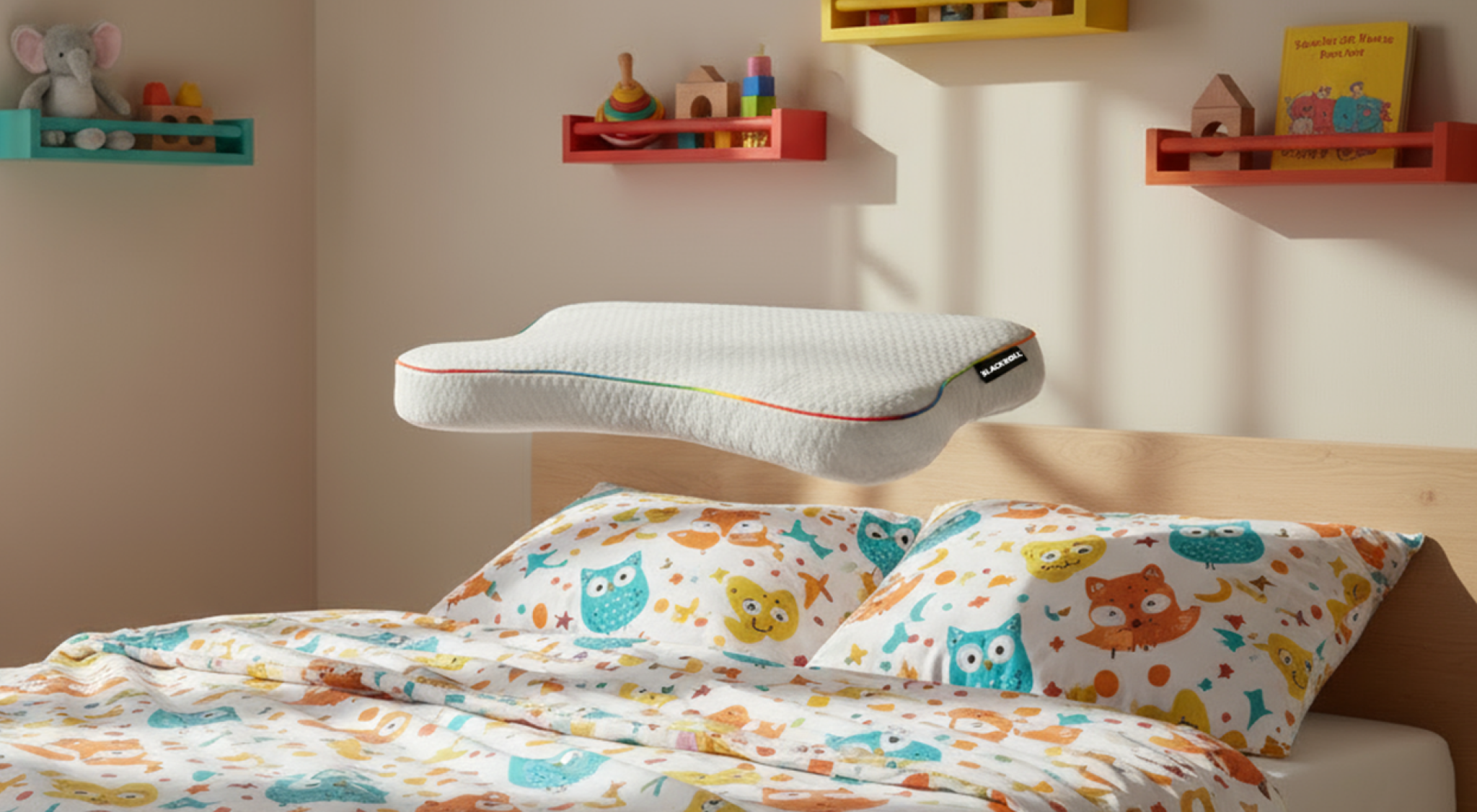
- Duvets and pillows: choose temperature-regulating, moisture-regulating duvets in the correct size that also cater for the needs of those with sensitive skin or allergies. From the age of four, use an ergonomic children’s pillow.
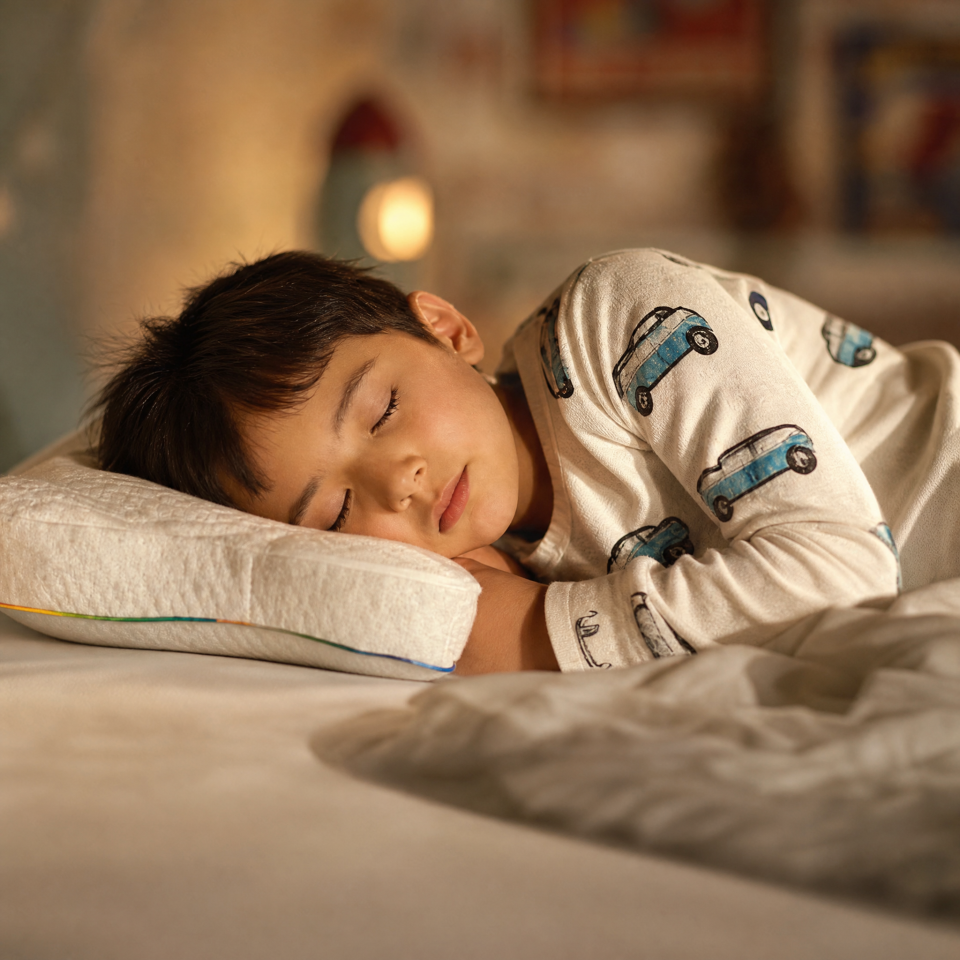
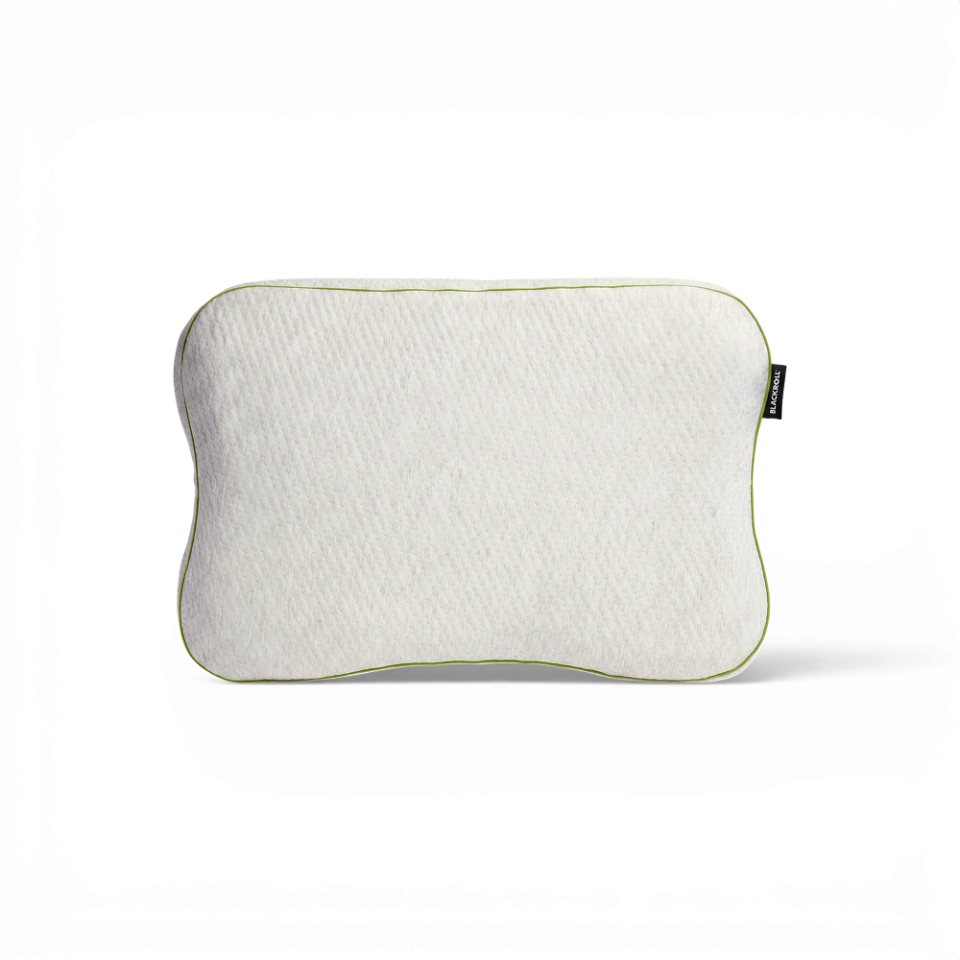
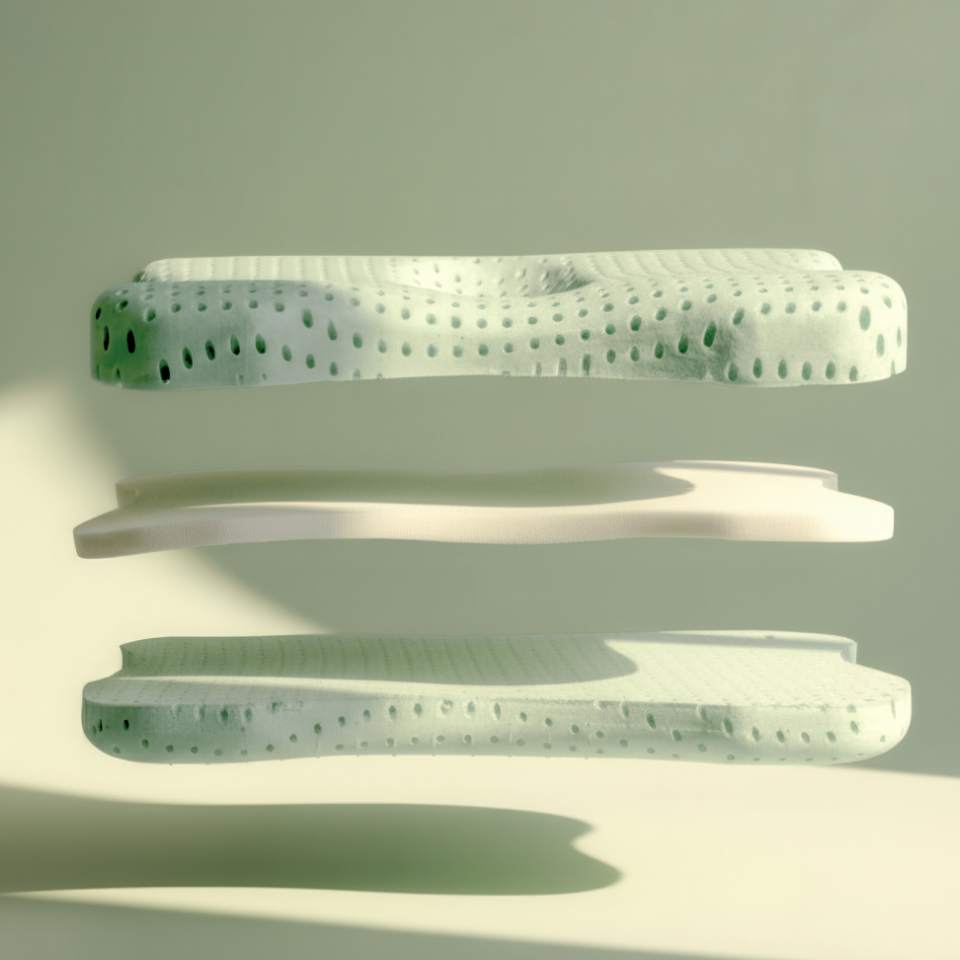
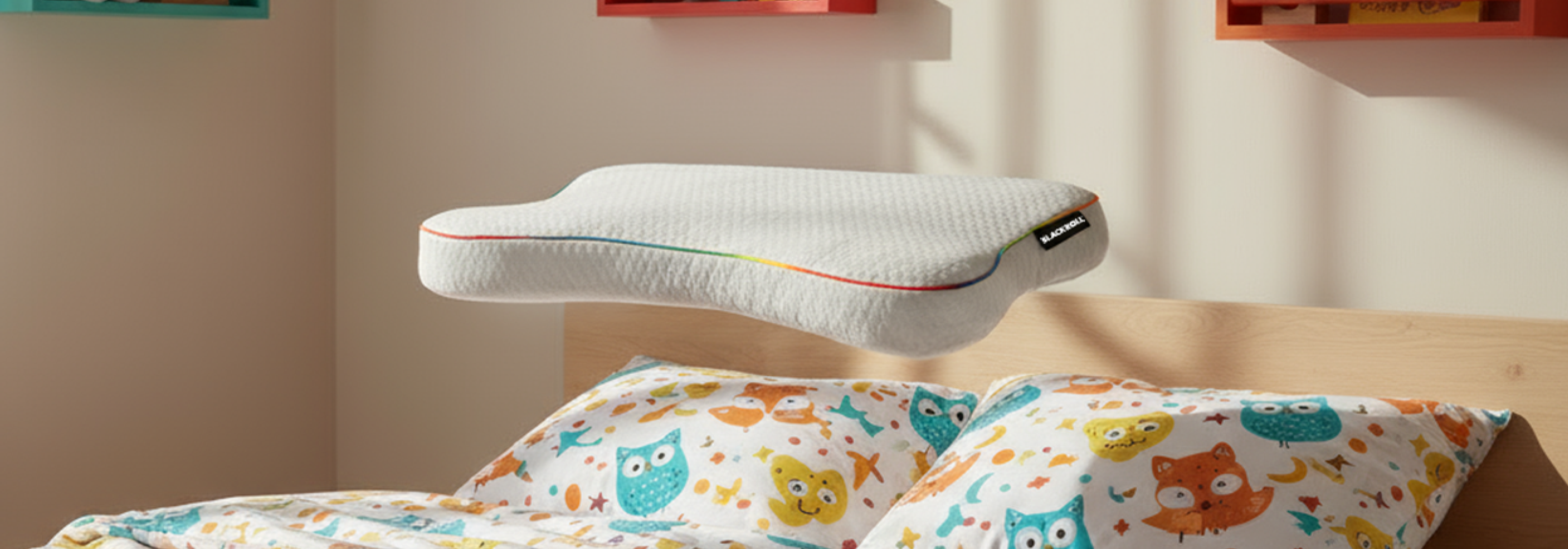
The RECOVERY PILLOW KIDS supports the natural S-shape of the spine and is tailored to the anatomical needs of children.
Sleep hygiene: habits relating to sleep
Sleep hygiene refers to all behaviours that promote healthy sleep. It's particularly important for young children or older children with sleep problems:
- Use the bed for sleeping only; avoid playing or doing homework in it.
- Beconsistent even on difficult days.
- Patience: New habits take time – often two to three weeks.
- Sleeping aids and medical help: Even if the thought crosses your mind, sleeping aids for children aren't a long-term solution. Most sleep problems in children have behavioural causes, not medical ones. Never give your child sleeping aids — not even herbal preparations — without consulting a doctor. Seek medical advice if your child’s sleep problems persist for more than 4 wk despite consistent measures, if your child snores loudly or has breathing pauses or if extreme daytime tiredness severely affects their everyday life. Suitable people to contact are paediatricians or sleep medicine clinics.
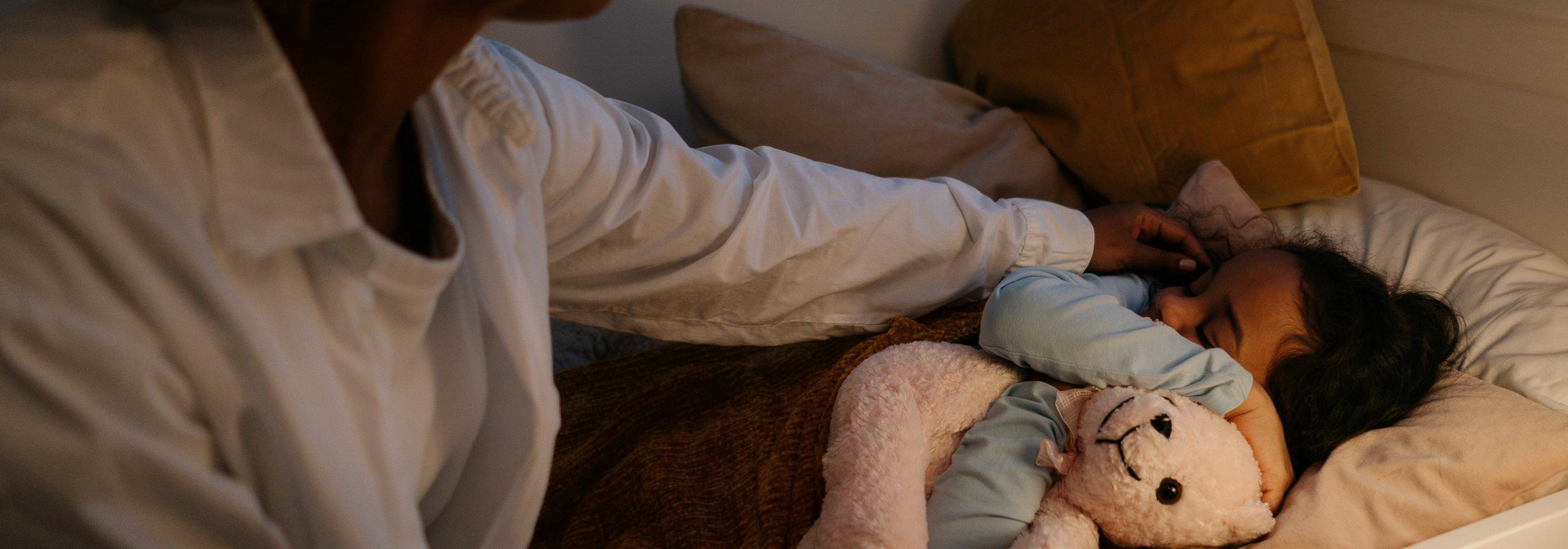
The seven most important tips for tackling sleep problems
- Fixed bedtimes: Consistency is key. Put your child to bed at the same time every evening — even at the weekend.
- Create a soothing evening routine: a predictable ritual signals: ‘It’s bedtime now.’ Make the last 30 to 60 min calm – brush their teeth, read a story, talk about the day.
- Reduce screen time: Blue light suppresses melatonin production. Media use is an increasingly significant factor in children’s difficulty falling asleep and staying asleep. Switch off all screens at least one hour before bedtime.
- Physical activity during the day: Ensure your child gets at least 1 h of moderate to vigorous exercise each day — the final bout of vigorous activity should finish at least 3 h before bedtime.
- Eat the last main meal at least 1–2 h before bed and avoid sugary drinks.
- Relaxation exercises such as simple breathing techniques, child-friendly progressive muscle relaxation or guided imagery can help if your child is struggling to drop off or is still mentally active.
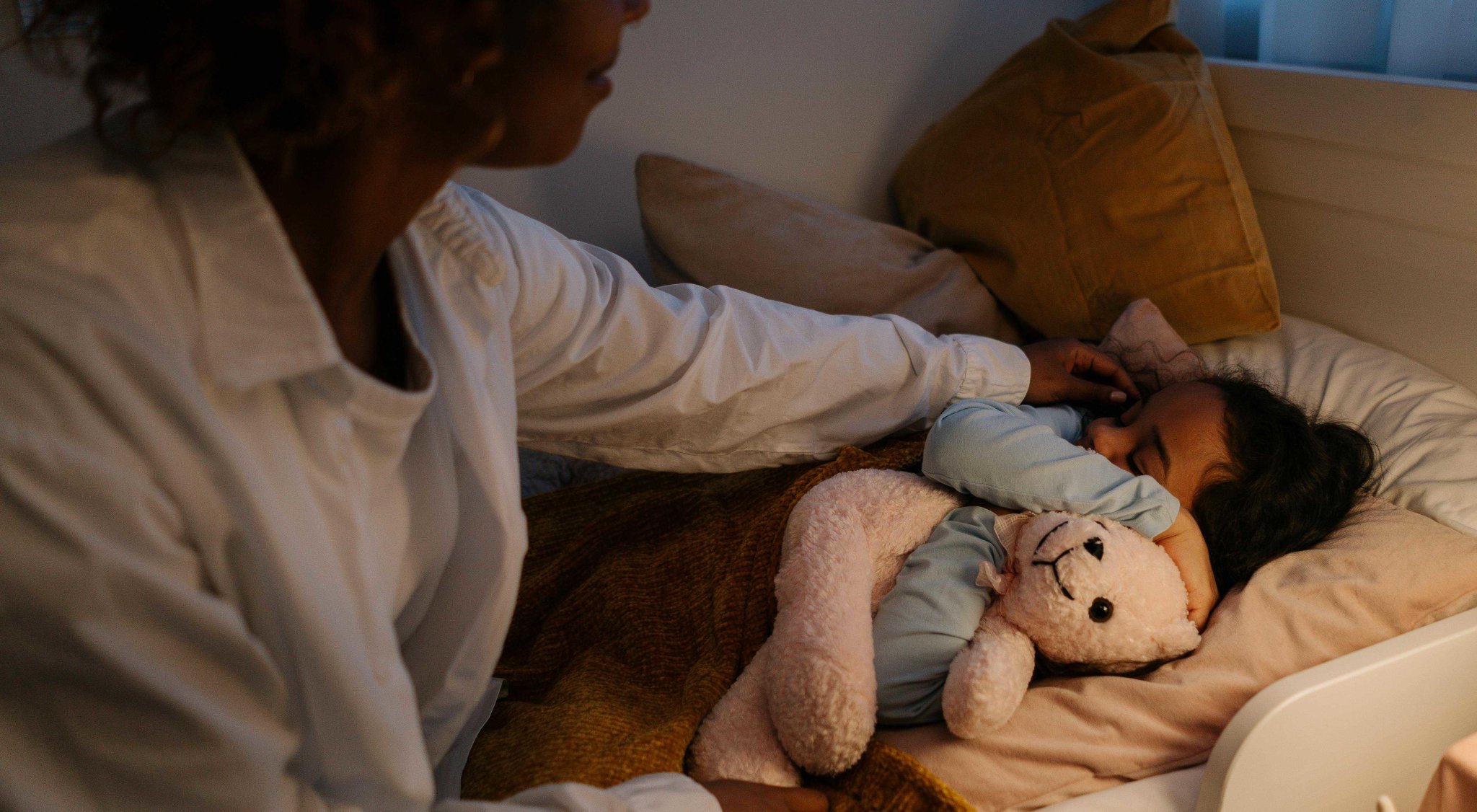
- Take fears seriously: If your child feels anxious, create a sense of security — talk it through together, be emotionally available and offer a night light or a cuddly toy as a ‘protector’.


Frequently asked questions about sleep disorders in children
We consider a sleep disorder present when your child regularly struggles to drop off or stay asleep (at least 3 nights a week) for a month or more, and this strain affects both of you. Typical signs include taking more than 30 min to fall asleep, frequent night-time waking and daytime tiredness or inattentive/hyperactive behaviour. Developmental sleep problems in babies and toddlers, on the other hand, are normal and usually temporary.
Sleep requirements vary depending on age: toddlers need an average of around 13 to 13.5 h, pre-schoolers around 11.5 to 12.5 h, primary school children around 9 to 11 h and teenagers around 8 to 10 h of sleep per day. However, individual variation is also important: for two-year-olds, for example, the requirement varies between approximately 11 and 16 h. The key factor is whether your child is alert and well-balanced during the day.
If your child can’t fall asleep, consistency is key: establish fixed bedtimes and a calming evening routine. Avoid screen time for at least an hour before bedtime and ensure they get plenty of exercise during the day. Optimise the sleeping environment (temperature 18°C, darkened room) and take any fears seriously.
Use sleeping pills for children only in exceptional cases and on medical prescription. Most sleep disorders in children have behavioural causes that cannot be resolved with medication. Instead, behavioural changes, improved sleep hygiene and relaxation techniques are the better choice. Don’t administer herbal remedies on your own — always speak to a healthcare professional first.
Seek medical advice if your child’s sleep problems persist for more than 4 wk despite consistent measures, if your child snores loudly or experiences breathing pauses, if they display unusual night-time symptoms such as muscle spasms or if daytime tiredness severely affects their everyday life or their school performance deteriorates significantly. Professional help is also advisable in the event of behavioural issues such as aggression or social withdrawal. Contact paediatricians or sleep medicine clinics.
Studies and sources
German Society for Sleep Research and Sleep Medicine. (2022). Sleep disorders in infants, toddlers, children and adolescents: DGSM patient guide. German Society for Sleep Research and Sleep Medicine. https://www.dgsm.de/fileadmin/patienteninformationen/ratgeber_schlafstoerungen/10_DGSM-Schlafstoerungen-bei-Kindern_barrierefrei.pdf
Mindell, J. A. and Owens, J. A. (2015). A clinical guide to paediatric sleep: Diagnosis and management of sleep problems (2nd ed.). Philadelphia, PA: Wolters Kluwer.
Mindell, J. A., Kuhn, B., Lewin, D. S., Meltzer, L. J., Sadeh, A. and American Academy of Sleep Medicine (2006). Behavioural treatment of bedtime problems and night-time awakenings in infants and young children. Sleep, 29(10), 1263–1276.
Schlarb, A. A., Liddle, C. C. J. and Hautzinger, M. (2011). Sleep problems in German children and adolescents: A self-report survey. Child Psychiatry and Human Development, 42(5), 593–605.