
Thoracic spine syndrome: identifying the causes, relieving pain

Thoracic spine syndrome describes pain and restricted movement in the thoracic spine, often between the shoulder blades. Common causes include poor posture, lack of movement, overload or muscle tension. Manage your symptoms withexercise, specific thoracic spine stretches and good ergonomic posture. If the pain is severe, worsening or triggered by physical exertion, seek medical advice.
Key facts at a glance
- Thoracic spine syndrome is a term for pain and functional disorders in the thoracic spine.
- Typical symptoms include dull or stabbing pain between the shoulder blades, restricted movement when turning the upper body and occasionally radiating pain in the chest or shoulders.
- The most common causes of thoracic spine pain are poor body posture, lack of movement, muscle tension and thoracic spine stiffness caused by prolonged sitting.
- Targeted exercise, fascia training and strengthening exercises can actively alleviate these symptoms.
- Seek medical advice if you experience shortness of breath, numbness or pain after a fall.
Please note: medical note
This information is for general guidance and isn't a substitute for a medical diagnosis. If your pain persists, consult your GP as the first point of contact. For a more detailed assessment of the thoracic spine, you may wish to consult a specialist orthopaedic practice.
Call 999 or go to A&E immediately if you experience:
• shortness of breath, fear of dying or a severe feeling of tightness in the chest
• Pain radiating into the left arm, jaw or upper abdomen
• sudden numbness, tingling or paralysis
• pain resulting from a fall or accident


What is thoracic spine syndrome?
Thoracic spine syndrome is a term for various types of pain and functional disorders, so it's not a single condition but a set of symptoms with different causes.
The thoracic spine consists of twelve vertebrae, sits between the cervical and lumbar spine and extends from shoulder height down to the vertebra where the last rib attaches. Because it's connected to the ribs and sternum, it's more stable than the other sections of the spine. However, it's precisely this stability that also makes it prone to tension and blockages: the so-called costovertebral joints connect each rib to the thoracic vertebrae and enable the chest to move during breathing. If the mobility of these joints is restricted, this can lead to pain, stiffness and even breathing difficulties.
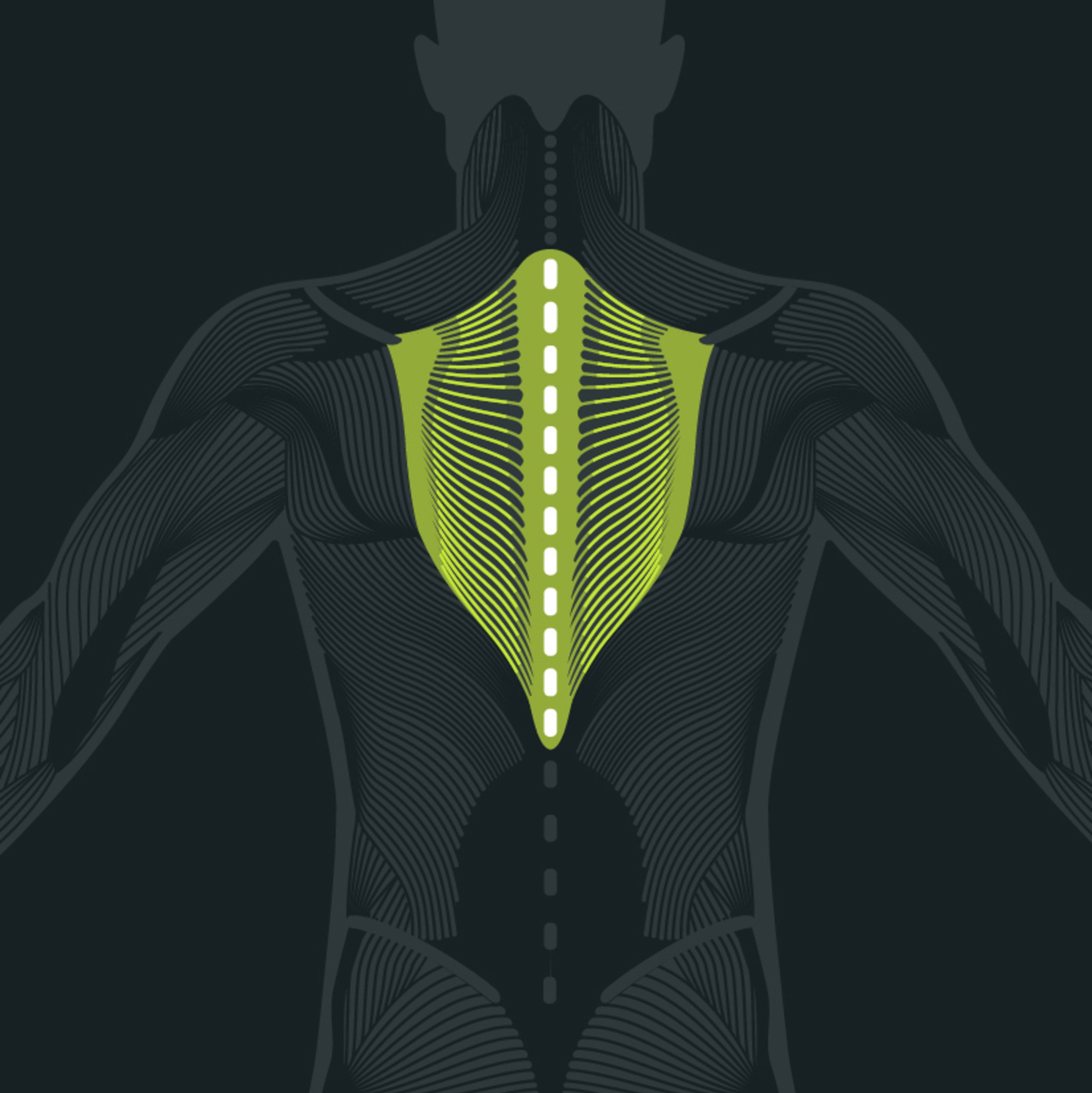
Although it's less common than neck or lower back pain, thoracic spine syndrome is still one of the most frequent back complaints: a systematic review by Briggs et al. (2009) shows that between 15 and 27.5% of the general population experience pain in the thoracic spine region within a year.


Recognising thoracic spine syndrome: these symptoms are typical
The main symptom is a dull, pressing or stabbing pain between the shoulder blades that may worsen with movement.
Other symptoms associated with thoracic spine syndrome include:
• Pain in the middle and upper back
• Pain radiating from the thoracic spine towards the chest, ribs or shoulders
• restricted mobility when turning or bending the upper body
• morning stiffness
• Tingling or numbness in the rib area (if nerves are affected)
• Breathing difficulties or a feeling of pressure in the chest
• headaches or neck pain as a concomitant symptom
Thoracic spine pain or heart problems?
Radiating pain in the chest area can be worrying as it can also occur in connection with a heart attack or angina pectoris. With thoracic spine syndrome the pain mainly occurs during certain movements such as twisting, bending over or stretching. It's therefore movement-dependent and can also be triggered by pressing on the spine.
During a heart attack the pain tends to strike during exertion and may be accompanied by cold sweats and nausea. If you're unsure, consult a doctor to clarify your symptoms.


Why does thoracic spine syndrome occur?
The thoracic spine syndrome is usually caused by a combination of poor body posture, lack of movement and muscular imbalance.
Poor posture and lack of movement
If you sit at a desk for several hours a day, you may find yourself letting your shoulders slump forwards and developing a hunched back. This stooped body posture puts strain on the small vertebral joints (facet joints) and intervertebral discs of the thoracic spine and, in the long term, leads to tension, thoracic spine blockages and pain.
An observational study by Heneghan et al. (2018) involving young adults showed that prolonged sitting measurably restricts the mobility of the thoracic spine — a risk factor for the development of thoracic spine syndrome.

Tension in the thoracic spine and muscular imbalance
Shortened chest muscles and weakened back muscles pull the shoulders forward while the back sags, increasing tension in the thoracic spine and reducing vertebral joint mobility.
Tight muscles around the thoracic spine can also pinch a nerve, restricting its conductivity and causing pain, tingling or numbness along the affected nerve. Symptoms typically radiate in a belt-like pattern along the ribs and, rarely, weakness in the arms may also occur.
Stress is also a factor: psychological tension increases muscle tension throughout the back and can exacerbate thoracic spine pain.

Thoracic spine blockage
It can strike suddenly after a jerky movement or develop gradually through poor posture. The facet joints or costovertebral joints lose their normal mobility, triggering localised pain that worsens when you breathe or turn.
Other possible triggers of thoracic spine syndrome
In addition to muscular causes, structural changes can also trigger thoracic spine syndrome:
- Herniated discs in the thoracic spine (although less common than in the lumbar or cervical spine)
- degenerative changes such as osteoarthritis
- Spine deformities (e.g. scoliosis or Scheuermann’s disease — a pathological increase in the natural backward curvature of the thoracic spine (hyperkyphosis), which leads to a pronounced hunched back and occurs primarily in adolescents)
- Vertebral fractures due to bone loss (osteoporosis)
- inflammatory conditions such as ankylosing spondylitis
- Overload caused by heavy lifting or repetitive physical strain
Shallow breathing then becomes both consequence and aggravating factor.
Breathing is an often underestimated factor in thoracic spine syndrome. The diaphragm — your most important breathing muscle — attaches directly to the lower ribcage and is closely connected to the thoracic spine via the costovertebral joints. If the thoracic spine is restricted or the surrounding muscles are in tension, the diaphragm can't exercise its full mobility. The result is shallow breathing, which in turn exacerbates tension in the chest – a vicious circle.
Practiseconscious breathing exercises: breathe deeply into your abdomen and the sides of your ribs to break this cycle.


How is thoracic spine syndrome diagnosed?
If you visit your GP with thoracic spine pain, the first step is a detailed medical history:
• Where exactly does the pain occur?
• When do the symptoms occur?
• Are there any movements that trigger the pain?
We'll then move on to a physical examination, checking your posture, mobility, reflexes and pressure points along the spine.
An MRI (magnetic resonance imaging) scan may be useful for accurate imaging — particularly if nerve involvement or structural changes are suspected. An X-ray only shows bony structures and is therefore of limited value in cases of functional upper back symptoms.

Treating thoracic spine syndrome: what you can actively do
In most cases, thoracic spine syndrome can be treated conservatively — that is, without surgery. The key lies in keeping active and strengthening the surrounding muscle groups. If you take it too easy and avoid exercise, you risk your symptoms getting worse — because the muscles around the thoracic spine need targeted stimulation to achieve recovery and strengthening.
- During the acute phase or in the event of active inflammation, apply acold pack for up to 15 min to reduce pain. If the symptoms are muscle-related, use heat: a hot water bottle or a heat patch relieves tension in the muscles surrounding the thoracic spine and boosts blood flow. Heat therapy also helps to make the fascia in this area more supple.
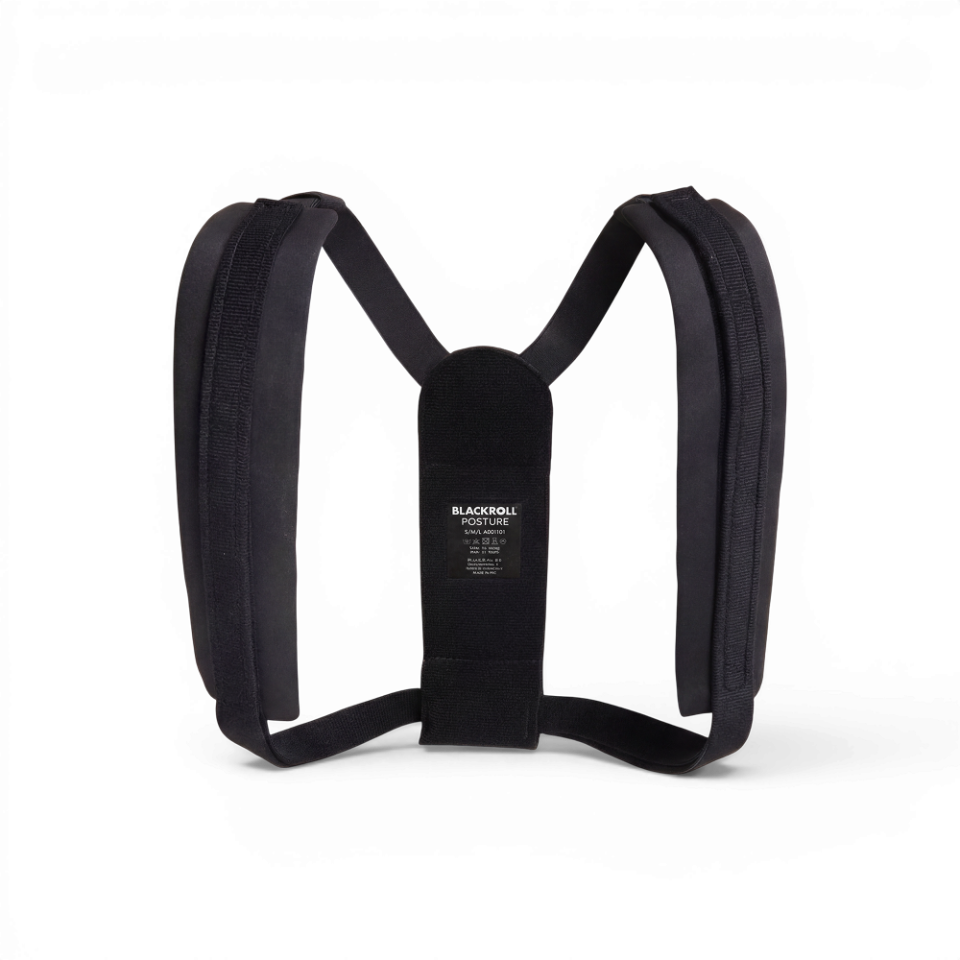
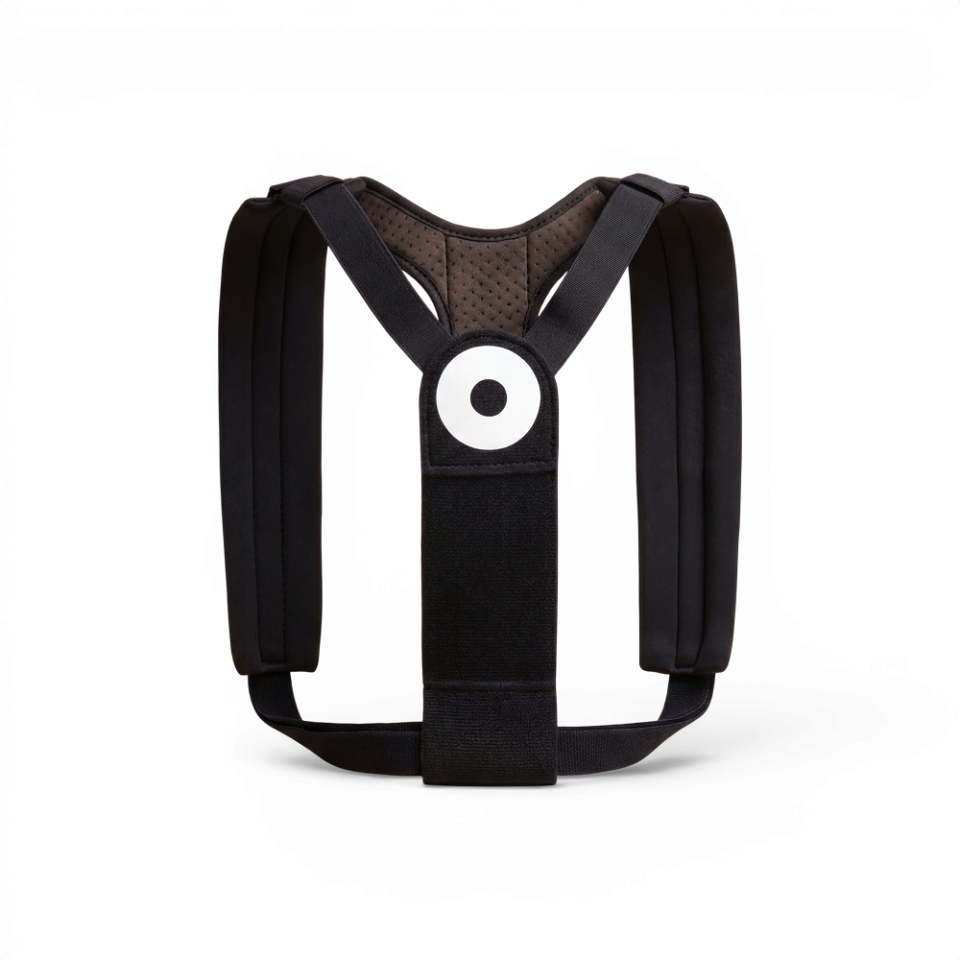
- Ergonomics and everyday life: Stand up every 20–30 min when you're sitting and move briefly. Adjust your screen, keyboard and chair so you sit upright and your shoulders don't slump forward. Lift objects by bending your knees, keep the load close to your body and engage your core muscles to stabilise your spine. The BLACKROLL® POSTURE can help you maintain an upright posture while sitting and standing.
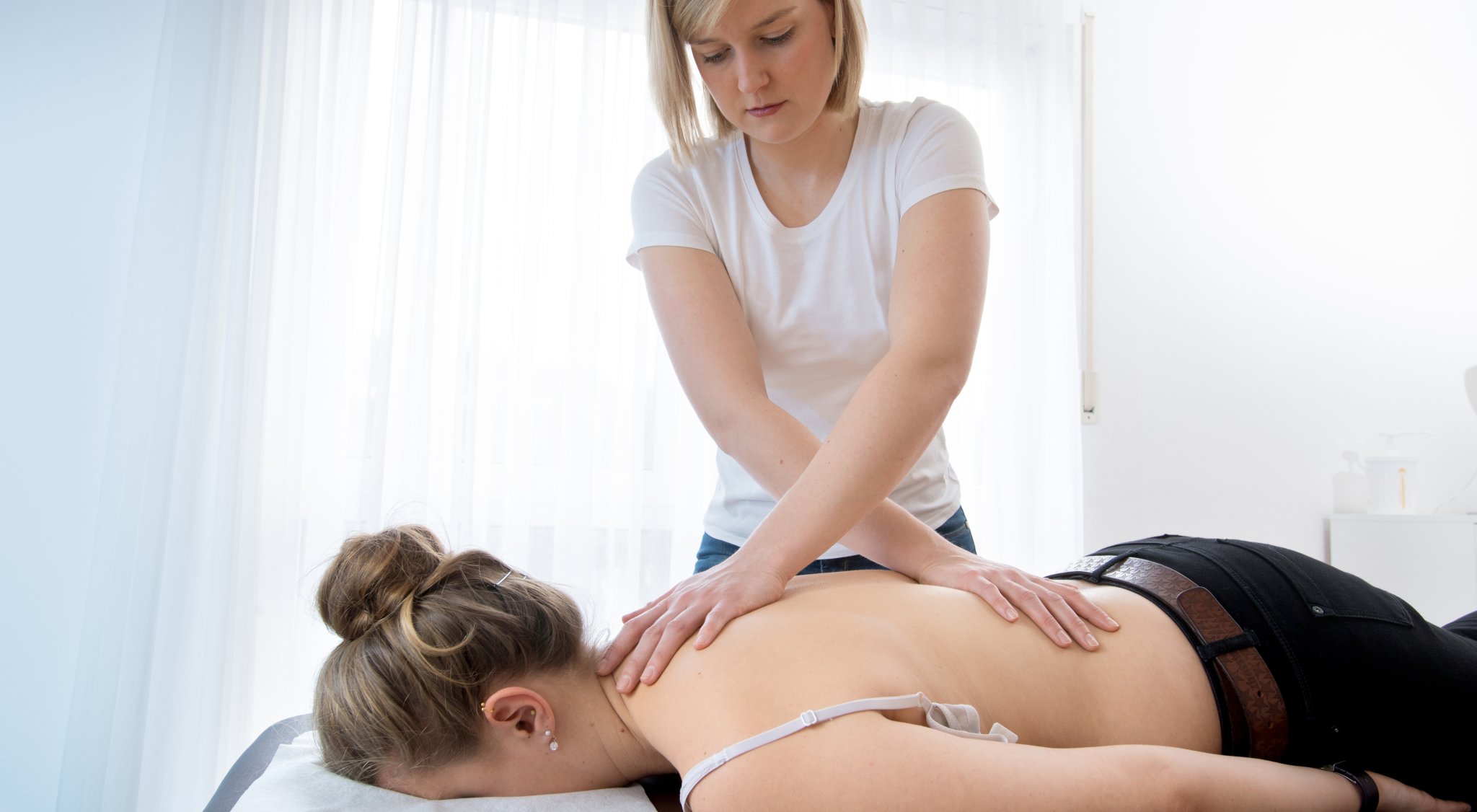
- Physiotherapy, manual therapy and relaxation techniques: Physiotherapy plays an important role in the treatment of thoracic spine syndrome. The focus is on mobilisation of restricted vertebral joints and strengthening of the core and back muscles. Manual therapy can release blockages in the thoracic spine. Osteopathy or acupuncture can complement the treatment — particularly in cases of chronic thoracic spine complaints. Relaxation techniques such as progressive muscle relaxation can also help to alleviate symptoms.
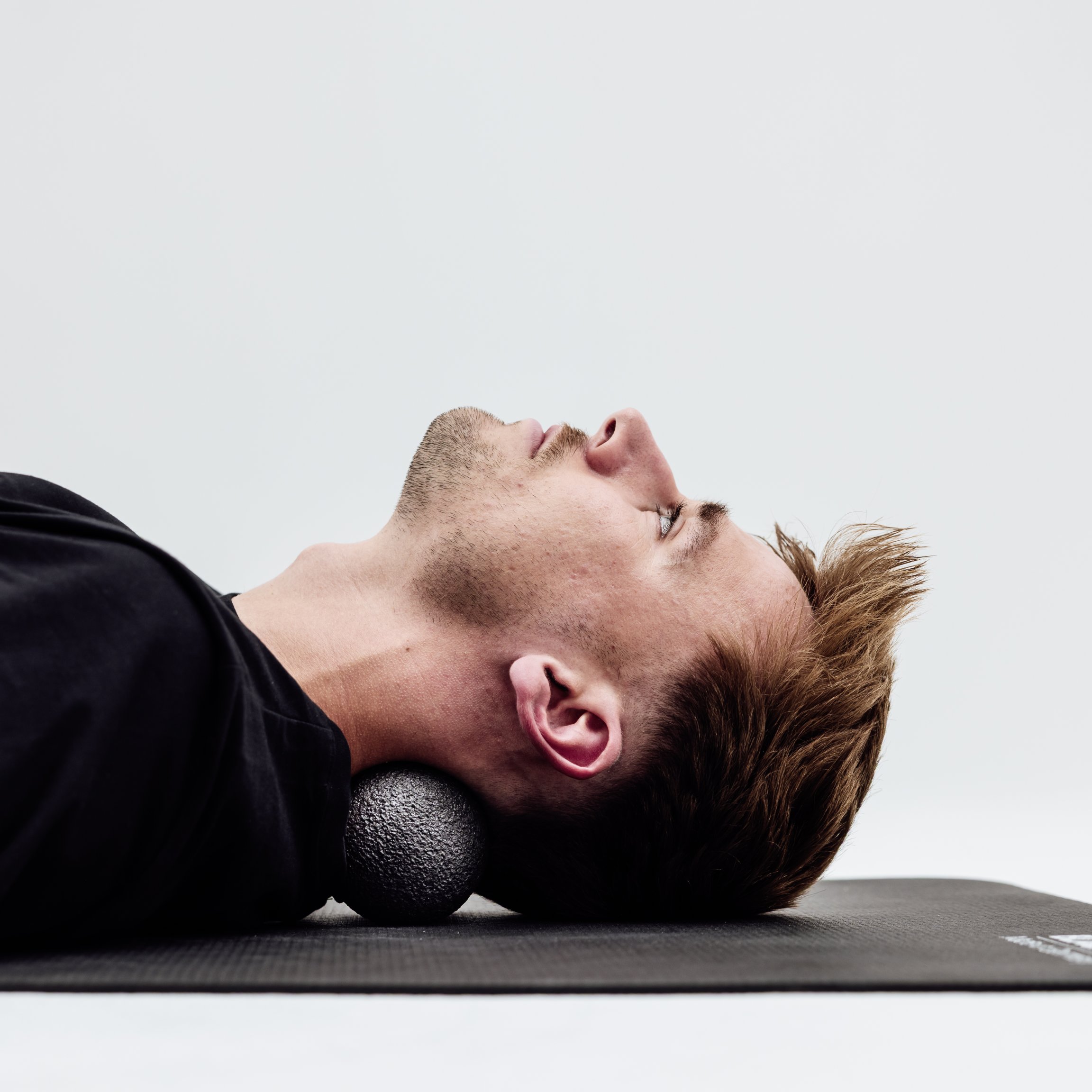
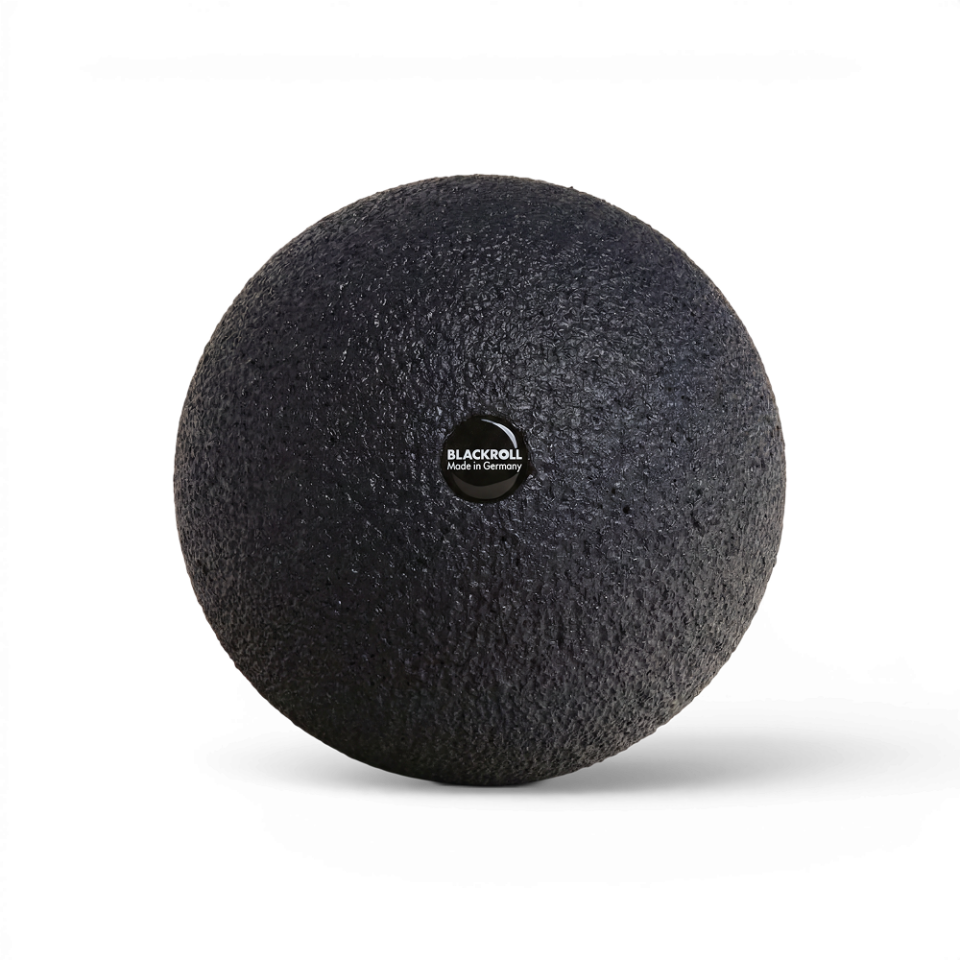
- Fascia training and self-massage: Hardened fascia around the thoracic spine and shoulder blades can contribute to restricted movement and pain. A meta-analysis by Konrad et al. (2022) showed that regular foam rolling can significantly improve mobility – particularly with long-term application. It releases adhesions, improves blood flow to the tissues and supports recovery. Targeted use of the BLACKROLL® Ball 12 can also relieve localised tension in the thoracic spine area.
How to roll your thoracic spine correctly
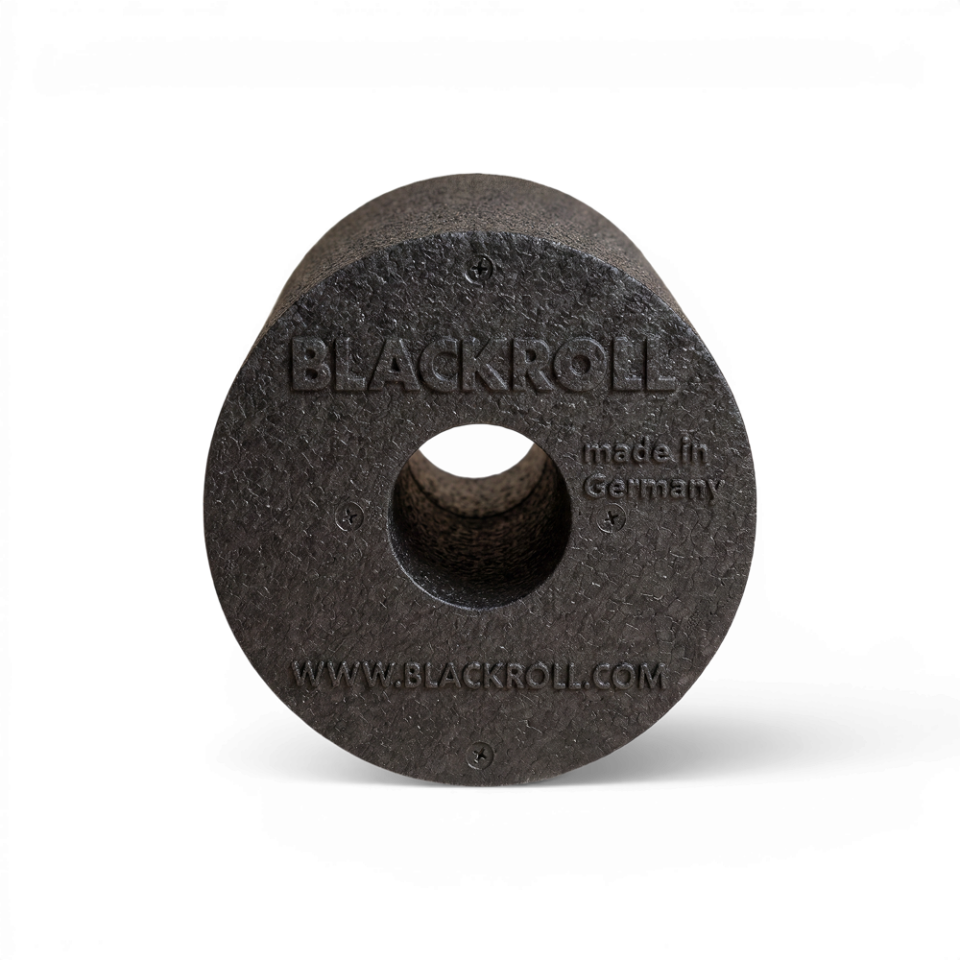
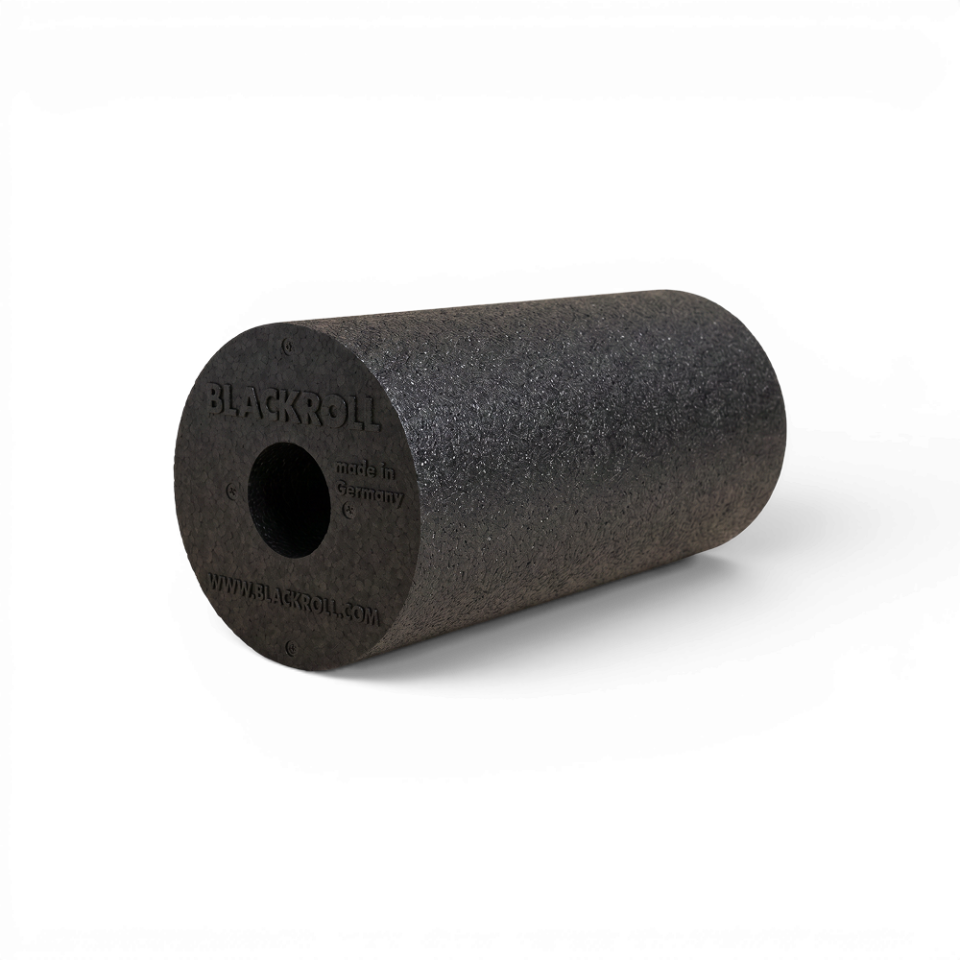
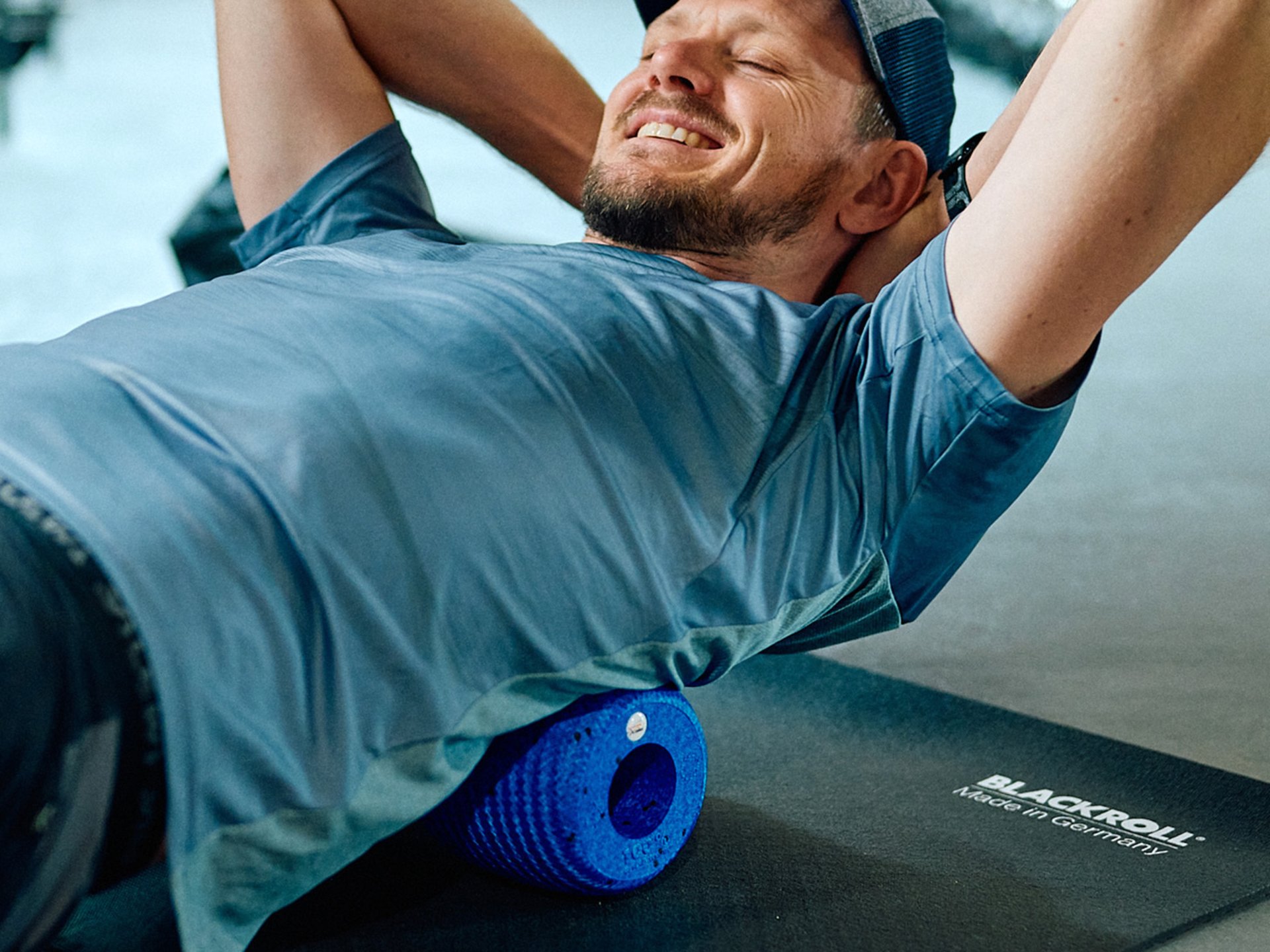
Mobilise your middle and upper back across the roller and work through your thoracic spine segment by segment: start at the lower end of the thoracic spine and roll slowly upwards to shoulder height. Heat makes the tissue even more supple so use the MED, for example, in cases of acute pain, or the BLACKROLL® STANDARD.
Your tools for thoracic spine exercises:





Preventing thoracic spine syndrome: how to protect your thoracic spine in the long term
Build strong back and core muscles and stay active every day.
Your daily routine for a healthy thoracic spine:
- Get at least 150 min of moderate exercise per week — as recommended by the World Health Organisation (WHO, 2020). Walking, swimming, cycling or yoga are ideal.
- Incorporate stretching exercises for your chest and shoulder muscles into your everyday life.
- Regularlyroll out your mid-back and shoulder blades with a foam roller.
- Strengthen your back extensors and core muscles; they stabilise the spine and relieve pressure on the thoracic spine.
- Vary your activities: alternate between sitting, standing and walking even during a typical day at the office.
- Ensure you get enough recovery, relaxation and stress relief because mental tension directly affects your back muscles.
- Ensure you have a back-friendly sleeping environment: an ergonomic pillow such as the BLACKROLL® Recovery Pillow relieves pressure on the cervical spine and the adjacent thoracic spine.
Take action now for a strong thoracic spine
View exercises for thoracic spine painYou might also be interested in


Frequently asked questions about thoracic spine syndrome
You'll typically feel a dull or stabbing pain in the middle and upper back, often between the shoulder blades. You may also notice restricted movement when turning the upper body, morning stiffness and pain radiating into the chest or shoulders. Some people report a tingling sensation along the ribs or a feeling of pressure when breathing.
It's often triggered by poor or static posture, a lack of movement and muscular tension. It can develop gradually through frequent sitting with slumped shoulders or strike suddenly, for instance after a jerky movement. Stress and psychological tension can also contribute.
Yes, breathing difficulties can be a symptom of thoracic spine syndrome. The thoracic spine is directly connected to the rib cage via the costovertebral joints. If the thoracic spine is blocked or the surrounding muscles are in a state of tension, the rib cage can't expand fully when you breathe in. This leads to a feeling of tightness or shallow breathing. Try targeted mobilisation exercises and conscious breathing to relieve the symptoms.
That depends on the cause and the treatment. Upper thoracic spine pain caused by tension or short-term incorrect strain usually improves within a few days to weeks — provided you stay active and support your body through exercise, stretching and fascia training. Chronic upper thoracic spine symptoms require consistent, long-term therapy.
Yes. Complete rest is counterproductive for upper back pain. Moderate exercise such as swimming, cycling, yoga or strength training aids recovery and strengthens the supporting muscles. However, reduce high-intensity activities or sports involving rotational movements during the acute phase of upper back syndrome, particularly if the back pain occurs after exercise.
Both are umbrella terms for pain in a specific section of the spine. Lumbar spine syndrome affects the lower back whilst thoracic spine syndrome is limited to the middle back. It radiates into the chest and can also cause breathing difficulties. Both syndromes can influence one another as the spine forms a functional unit.
For self-massage of the thoracic spine, use the STANDARD or the softer MED — depending on how sensitive you are to pressure. Target the deep muscles to the right and left of the spine with the DUOBALL 08 without rolling directly over the spinous processes. Target localised tension around the shoulder blades with the BALL 12. For long-term postural correction, use the BLACKROLL® POSTURE to consciously straighten your thoracic spine in everyday life.
Sources
Briggs, A. M., Smith, A. J., Straker, L. M., & Bragge, P. (2009). Thoracic spine pain in the general population: Prevalence, incidence and associated factors in children, adolescents and adults: A systematic review. BMC Musculoskeletal Disorders, 10, Artikel 77. https://doi.org/10.1186/1471-2474-10-77
Bundesärztekammer, Kassenärztliche Bundesvereinigung, & Arbeitsgemeinschaft der Wissenschaftlichen Medizinischen Fachgesellschaften. (2017). Nationale VersorgungsLeitlinie nicht-spezifischer Kreuzschmerz: Langfassung (2. Auflage, Version 1). https://doi.org/10.6101/AZQ/000353
Heneghan, N. R., Baker, G., Thomas, K., Falla, D., & Rushton, A. (2018). What is the effect of prolonged sitting and physical activity on thoracic spine mobility? An observational study of young adults in a UK university setting. BMJ Open, 8(5), Artikel e019371. https://doi.org/10.1136/bmjopen-2017-019371
Konrad, A., Nakamura, M., Tilp, M., Donti, O., & Behm, D. G. (2022). Foam rolling training effects on range of motion: A systematic review and meta-analysis. Sports Medicine, 52(10), 2523–2535. https://doi.org/10.1007/s40279-022-01699-8
Schildt-Rudloff, K. (2006). Thoraxschmerz aus Funktionsstörungen des Bewegungssystems. Manuelle Medizin, 44(6), 520–523. https://doi.org/10.1007/s00337-006-0474-9
World Health Organization. (2020). WHO guidelines on physical activity and sedentary behaviour. https://www.who.int/publications/i/item/9789240015128