Mobilise your ankle with six simple exercises
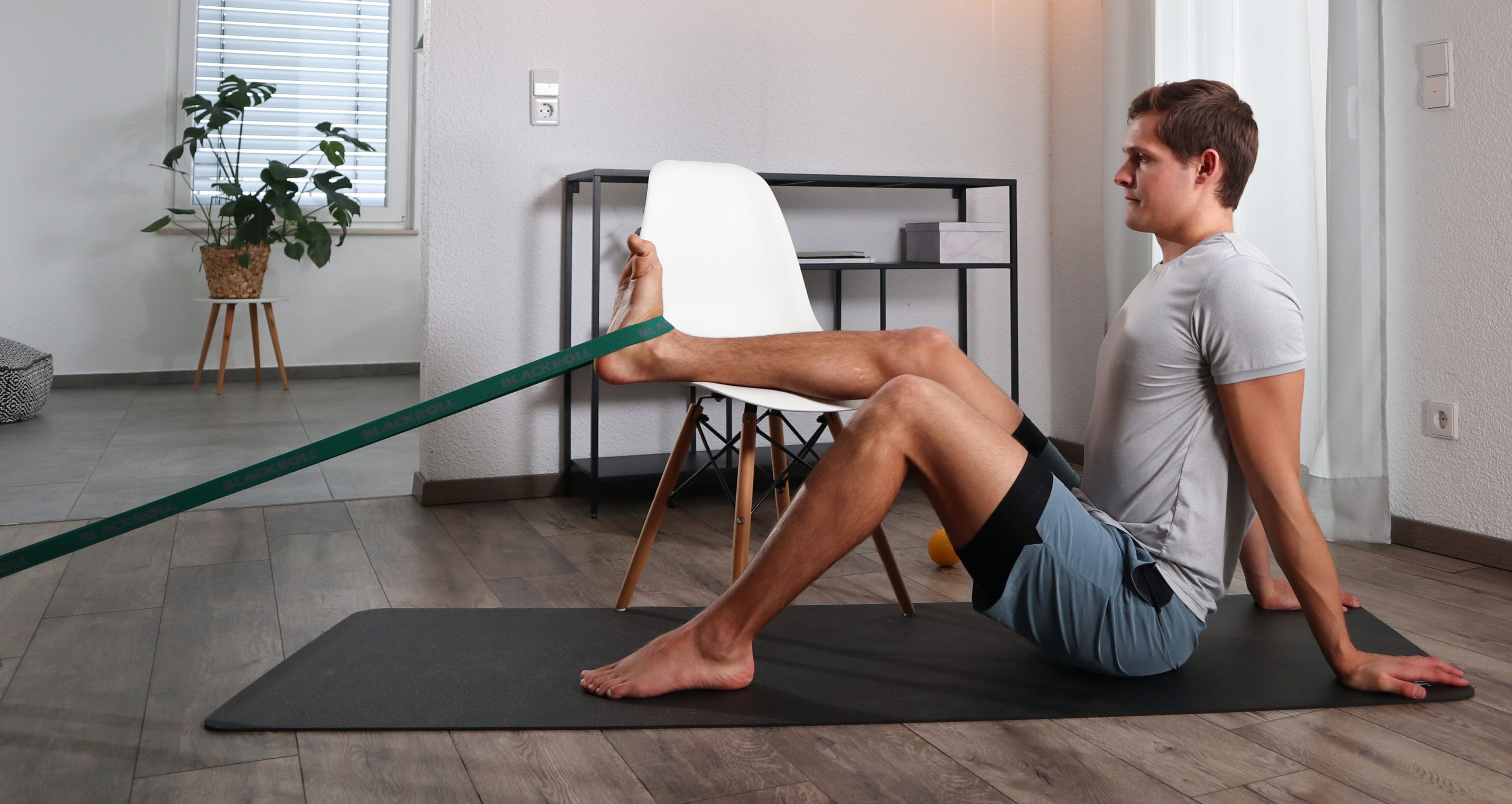
Mobilise your ankle with targeted exercises and discover how its mobility can affect the strain on your knees and hips.
Focus areas
- Knie
- Sprunggelenk
- Fuss
- Hüfte
Time
- 20 minutes
- 6 exercises
You need a flexible ankle for walking, running, jumping and deep squats. If your ankle mobility is restricted, your knees and hips may have to compensate for some of the movement. With these 6 exercises, you can improve your ankle mobility in around 20 min. You’ll find the right mobility aids listed below the Routine.
Key points at a glance
- A flexible ankle joint is important for walking, running, jumping and deep squats.
- If mobility's restricted, your knees and hips can compensate.
- The routine contains six exercises and takes around 20 min.
- Self-test: use the ‘knee-to-wall’ test to check your mobility in 1 min.
- If you’ve twisted your ankle or are in pain, consult a doctor before you begin.
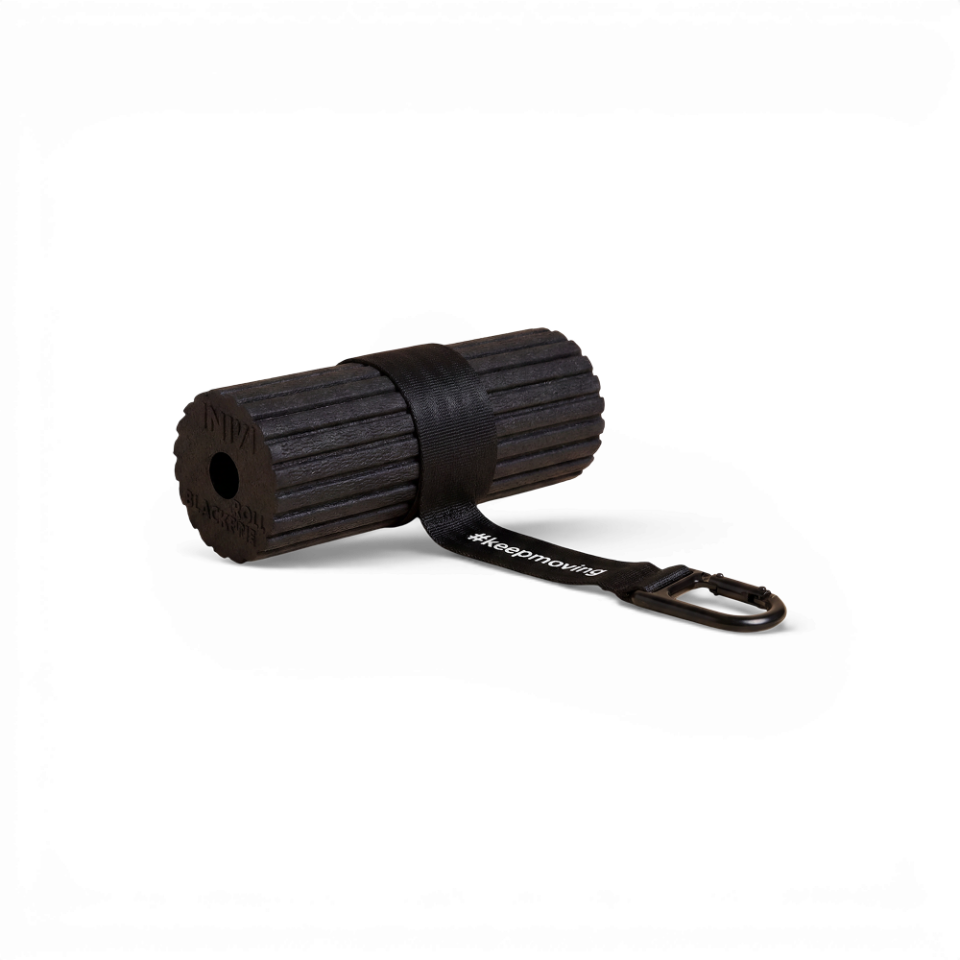
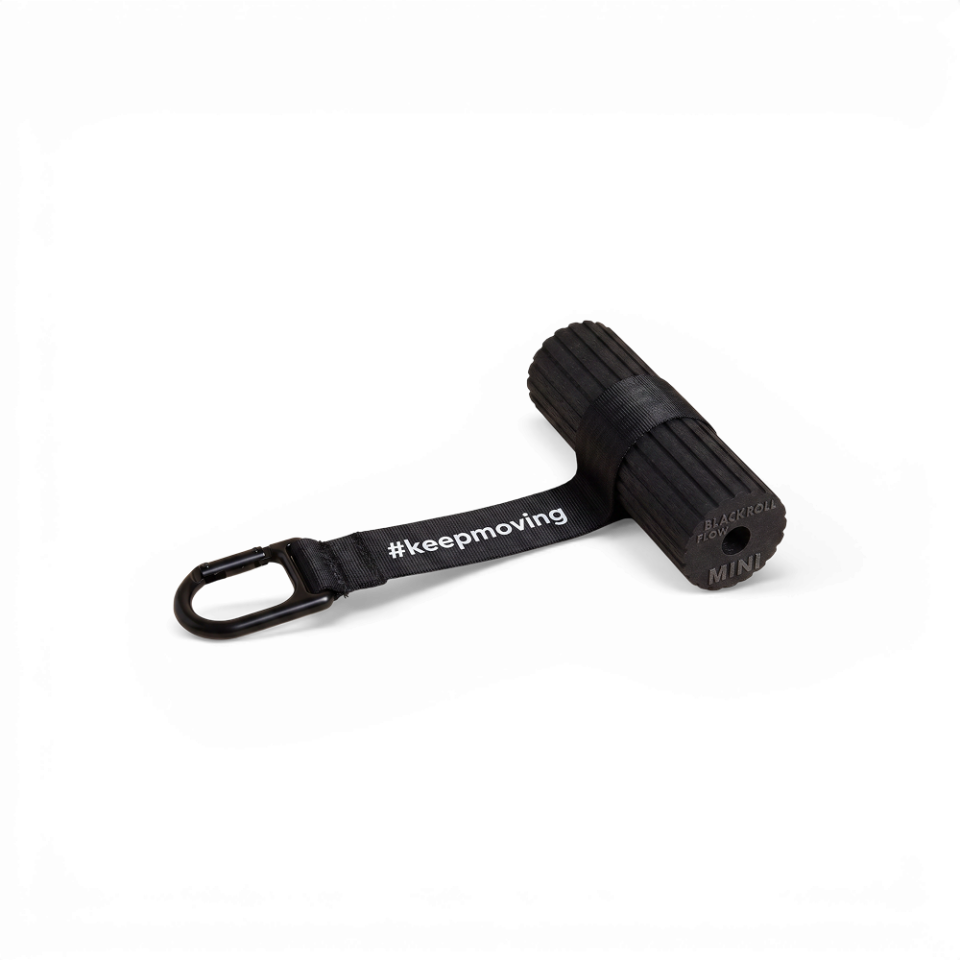
Our products help you mobilise, stretch and train your ankle.


Ball 08
Available in multiple variants


Super Band
Available in multiple variants
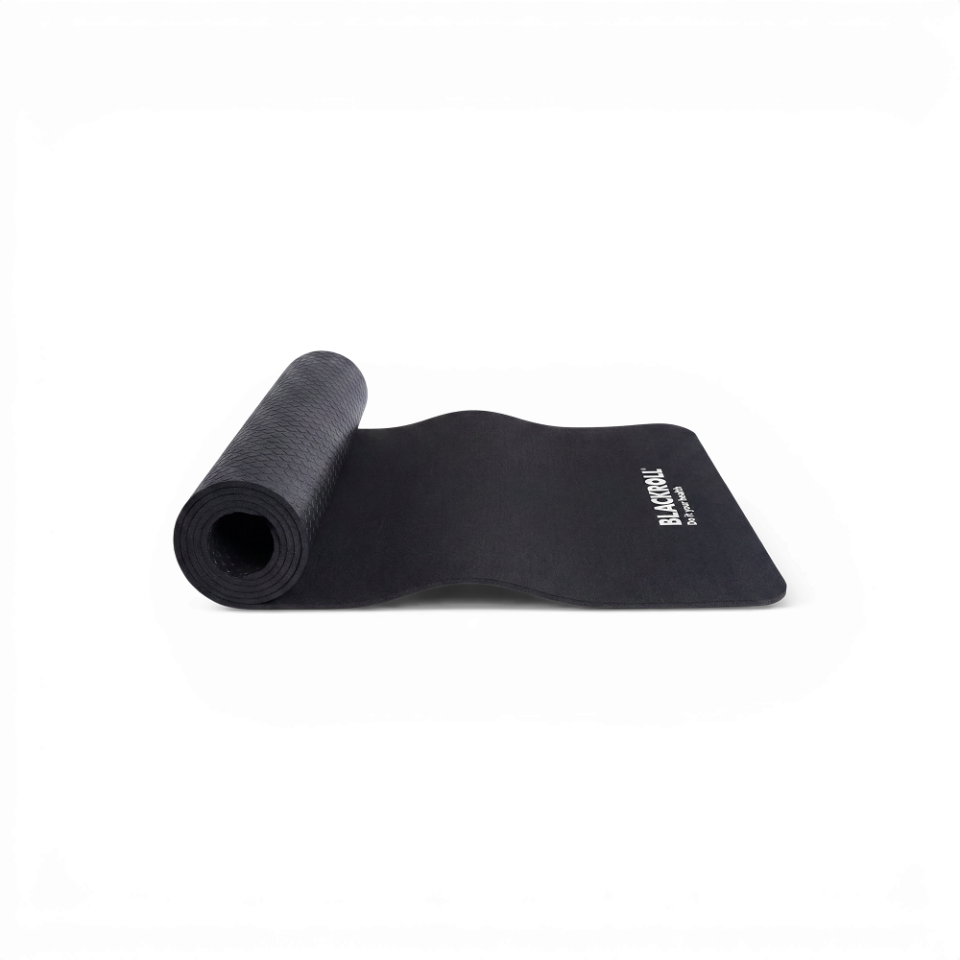
Mat
Available in multiple variants
Knee-to-wall test: check your ankle
Stand barefoot in front of a wall with one foot about a hand’s width away.
Push your knee towards the wall without lifting your heel.
If your knee touches the wall, move your foot further away bit by bit.
The further away your foot can be, the more mobile your ankle is. Compare both sides.
How does ankle flexibility affect the knees and hips?
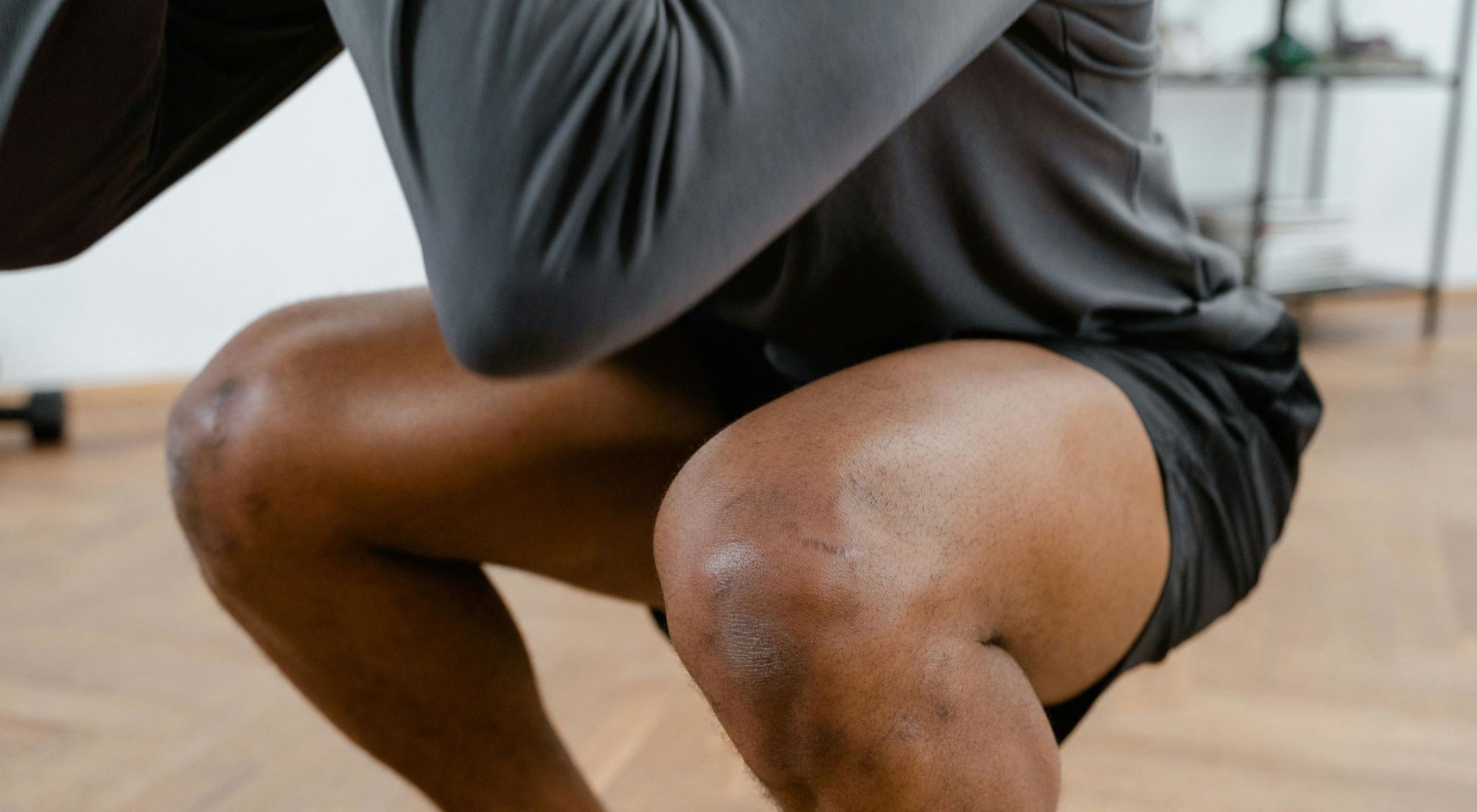
The ankle, knee and hip work together as a chain during every movement. If there’s a lack of mobility in the ankle – particularly when pulling the foot towards the shin – the movement may be compensated for by the knee or hip. The ‘knee-to-wall’ test will show you whether this is the case for you. If you experience pain in your knee or hip, seek medical advice to determine the cause. You can find suitable exercises here.


FAQ
It absorbs your body weight with every step and transfers movement upwards. If it's flexible, you can walk, run and jump properly and squat deeply. If it's stiff, your knees and hips may have to compensate for the lack of movement.
A typical sign is that, when doing a deep squat, your heels lift off the ground or your knees cave inwards. Try the ‘knee-to-wall’ test — compare both sides.
When you stretch, hold a position, for example for the calf. When you mobilise, actively move the joint through its full range of motion. There are routines that promote flexibility and mobility .
For the routine, use a mat. For some exercises, grab a fascia ball and a Super Band; secure the Super Band with a Door anchor.
To start with, 2–3 sessions a week are sufficient. You can also use individual exercises as a warm-up before running or strength training.
After twisting your ankle, see a doctor to check whether any ligaments have been injured. Begin mobilisation only once you’ve been given the all-clear and are pain-free.