Hunchback: how it develops – and what you can do about it

A hunchback describes an exaggerated curve in the thoracic spine that can stem from restricted mobility and muscular imbalances. Mobilisation exercises for the thoracic spine and strengthening the back and core can help you maintain an upright posture.
Key facts at a glance
- A hunched back (hyperkyphosis) is an excessive backward curvature of the thoracic spine — measurable from a so-called Cobb angle of around 40 to 45°.
- Causes include a lack of movement, poor posture, muscular imbalances and conditions such as Scheuermann’s disease or osteoporosis.
- The colloquial term ‘widow’s hump’ refers to pronounced hyperkyphosis, which is caused primarily by bone loss in old age.
- Posture-related rounded backs can often be visibly improved within 3 to 6 months through targeted strengthening, stretching and mobilisation exercises.
- If pain, numbness or breathing difficulties persist, seek medical advice.
Please note: Medical note
This item is for general information purposes only and isn't a substitute for individual medical advice. If you experience initial symptoms, consult your GP as the first point of contact. If your symptoms persist, worsen or are accompanied by pain, numbness or breathing difficulties, consult an orthopaedic practice.


What is a hunched back?
A rounded back (hyperkyphosis) is an excessive curvature of the thoracic spine that exceeds the normal range of 20 to 40°. Your spine isn't perfectly straight — it has a double S-shape. In the thoracic spine (T-spine), it naturally curves slightly backwards — clinicians refer to this as physiological kyphosis. As long as this curve stays within about 20° to 40°, you're fine.
However, if the back is permanently bent beyond approximately 40 to 45°, hyperkyphosis develops, commonly known as a ‘hunchback’ or ‘bump’. Hyperkyphosis usually affects the middle back. However, this altered posture also causes the cervical and lumbar vertebrae to become misaligned.
When viewed from the side, a hunched back is recognisable as a distinct curvature of the upper back. The shoulders slump forwards and the head shifts in front of the body’s centre line. In comparison with a healthy spine, the upright line between the ear, shoulder and hip is missing. The altered posture associated with a hunched back is particularly noticeable in side-view photographs.
Hunchback, widow’s hump, hump on the back – what’s the difference?
Although these terms are often used interchangeably, strictly speaking they refer to different manifestations of the same problem:
- Rundrücken: is the umbrella term for excessive curvature of the thoracic spine. It can develop at any age, for example in teenagers who spend many hours on their smartphones or in adults with sedentary jobs. It's often caused by a muscular imbalance: the chest muscles shorten whilst the back extensors weaken – resulting in an increasingly stooped body posture.
- Widow’s hump refers to hyperkyphosis in old age. That’s why the colloquial term ‘widow’s hump’ is most commonly associated with older people when their upper back curves forwards. The head also protrudes noticeably far forward. This pronounced rounded back is caused by decades of poor posture and/or bone loss, in which individual vertebrae collapse slightly and the spine sags.
- A hump on the back usually refers to a curvature of the upper back that's immediately visible through clothing; the term simply describes what the eye perceives and isn't a medical diagnosis, so only a doctor can determine the factors causing the curvature.


Causes of a rounded back
It’s usually caused by lack of movement, poor posture and muscular imbalances – less commonly by conditions such as Scheuermann’s disease or osteoporosis. It’s generally the result of various factors that have affected your posture over the years.
‘To maintain an upright posture, the body not only needs strong muscles but must also be able to sense where it is in space. Studies such as that by Keshavarzi et al. (2022) show that people with hyperkyphosis may exhibit not only reduced strength and endurance in their back extensors but also deficits in their perception of their trunk position. This is an important reason why, when dealing with a rounded back, we should consider not only the muscles but also body awareness and motor control.”
Dr rer nat Torsten Pfitzer, holistic pain expert and back specialist

Poor posture and too little movement
Sitting at a desk for hours on end or constantly looking at your smartphone takes its toll. You unconsciously stretch your head towards the screen. The chest muscles and the entire anterior myofascial chain shorten due to the constant flexion and the fascia can become stiff.
At the same time the muscles that are actually meant to keep you upright — the back extensors, the rhomboids and the deep core muscles — become overstretched and slack. This imbalance pulls the upper body forwards. What begins as an everyday posture can, over time, become a hunched back.
Prolonged sitting also causes the hip flexors to shorten. While this primarily affects the lumbar spine, in the long term it alters the total biomechanics of the spine.
Mental strain and stress can also contribute to a stooped posture: anyone who feels constantly stressed or downcast unconsciously adopts a slumped body posture — the shoulders slump forwards and the chest closes in.
Scheuermann’s disease
Scheuermann’s disease is a growth disorder of the spine that occurs primarily during puberty. The vertebral bodies develop unevenly and take on a wedge-like shape. This causes permanent curvature of the thoracic spine. This rounded back is structurally caused and therefore becomes apparent even at this young age. In a review article, Palazzo et al. (2014) emphasise that early diagnosis and treatment are crucial — usually managed conservatively through physiotherapy and, if necessary, a brace. Surgery is only required in cases of extreme curvature or neurological complications.
Bone loss (osteoporosis)
Over the course of a person’s life, the vertebral bodies lose stability, particularly in people after the menopause. Even tiny hairline fractures or a slight weakening of the bones alter the shape of the vertebrae. The spine becomes unstable and tilts forwards. A long-term study by Kado et al. (2004) shows that pronounced hyperkyphosis in older people is associated with an increased risk of mortality — please note how significantly this deformity can affect overall health.
Other causes of a hunched back
Inflammatory conditions such as ankylosing spondylitis, degenerative disc disease, vertebral fractures following accidents or muscular disorders can also lead to a hunched back. Have the causes investigated by a doctor.
The link between a hunched back and thoracic spine syndrome
The persistent poor posture associated with a hunched back puts strain on the vertebral joints of the thoracic spine, leads to blockages between the vertebral and rib joints and can trigger the typical feeling of pressure between the shoulder blades . The pain can even radiate into the chest — a typical sign of what’s known as thoracic spine syndrome. So, if you take active steps to correct your hunched back, you’ll also be protecting yourself from pain in the thoracic spine.


Symptoms: how can you tell if you have a hunched back?
The most common signs of a hunched back include visible changes in posture, tension in the muscles and restricted movement in the upper back.
In detail:
- a rounded posture that becomes especially obvious in side-view photographs
- shoulders sloping forwards that are difficult to straighten
- a feeling of pressure or pulling in the middle of the back
- Tension in the neck and shoulder muscles as a result of poor posture
- You may also feel stiffness and back pain after sleeping or sitting for long periods.
In severe hyperkyphosis further symptoms may appear:
- breathing difficulties as the chest is constricted, rib mobility is restricted and the lungs can no longer expand fully
- Digestive problems as the slumped posture compresses the abdominal cavity and restricts organ mobility
- a compensatory swayback as the pelvis tilts forwards to compensate for the altered posture
- psychological distress caused by the visible deformity — a cross-sectional study by Soylu et al. (2023) involving 142 older adults shows that hyperkyphosis is significantly associated with depressive symptoms and a reduced quality of life.
‘A hunched back isn’t just a matter of appearance. A systematic review with meta-analysis by Roghani et al. (2024) shows that more severe hyperkyphosis is linked to poorer physical functioning – including limitations in strength, balance and mobility. An upright and resilient spine therefore becomes increasingly important as we age.’
Dr rer nat Torsten Pfitzer, holistic pain expert and back specialist

How is a hunched back diagnosed?
Recognising and diagnosing a hunched back
You can spot the first signs of a hunched back with simple self-tests – but only a doctor can provide a reliable diagnosis.
Self-test for at home: the wall test
Stand with your back against a wall.
Do the back of your head, shoulder blades, glutes and heels all touch the wall at the same time?
If your head doesn't reach the wall without effort or if you have to overextend your neck, you may have a rounded back. Let your arms hang loosely; if the backs of your hands turn forwards, this may also indicate poor posture and restricted movement.
Medical diagnosis
In the surgery, the clinician will first assess your posture while you’re standing and when you bend forward. If you can actively straighten your back, this suggests postural functional kyphosis; if the rounded back persists, there may be a structural change.
To determine this precisely, a lateral X-ray is often taken, on which the so-called Cobb angle is measured — from around 40 to 45°, the curvature is considered hyperkyphosis. If osteoporosis or Scheuermann’s disease is suspected, a bone density scan or an MRI may also be carried out.


Can you get rid of a hunched back?
A postural, functional rounded back can be significantly improved or even completely corrected with targeted training.
A systematic review by Fernández et al. (2025) concludes that therapeutic exercise programmes can significantly reduce the kyphosis angle in adolescents and young adults.
In older adults, the SHEAF study by Katzman et al. (2017) shows that a targeted strengthening programme measurably reduced hyperkyphosis. Visible changes usually require 3–6 months of consistent training, ideally at least 2–3 times a week.
In cases of structural changes such as Scheuermann’s disease or osteoporosis, however, complete correction isn’t realistic. Exercises can, however, alleviate symptoms and help to prevent further progression.


What helps with a hunched back?
A hunched back caused by poor posture is best corrected through a combination of strengthening the back extensors, stretching the chest muscles and making ergonomic adjustments to your daily routine.
- If you have a sedentary job, stand up every 45–60 min, stretch, lean backwards and move your back around briefly.
- When sitting, pull your shoulders slightly back and down without tensing up.
- Particularly when working at a computer, straighten your sternum (‘chest out’) and push the top of your head towards the sky. This straightens the cervical and thoracic spine, which almost automatically guides your shoulders into a better position.
- Adjust the height of your screen and chair so your head isn’t tilted forward.
- Choose activities that strengthen the back extensors, such as swimming, climbing or rowing.
- Plan targeted strengthening and stretching exercises for your upper body two to three times a week.
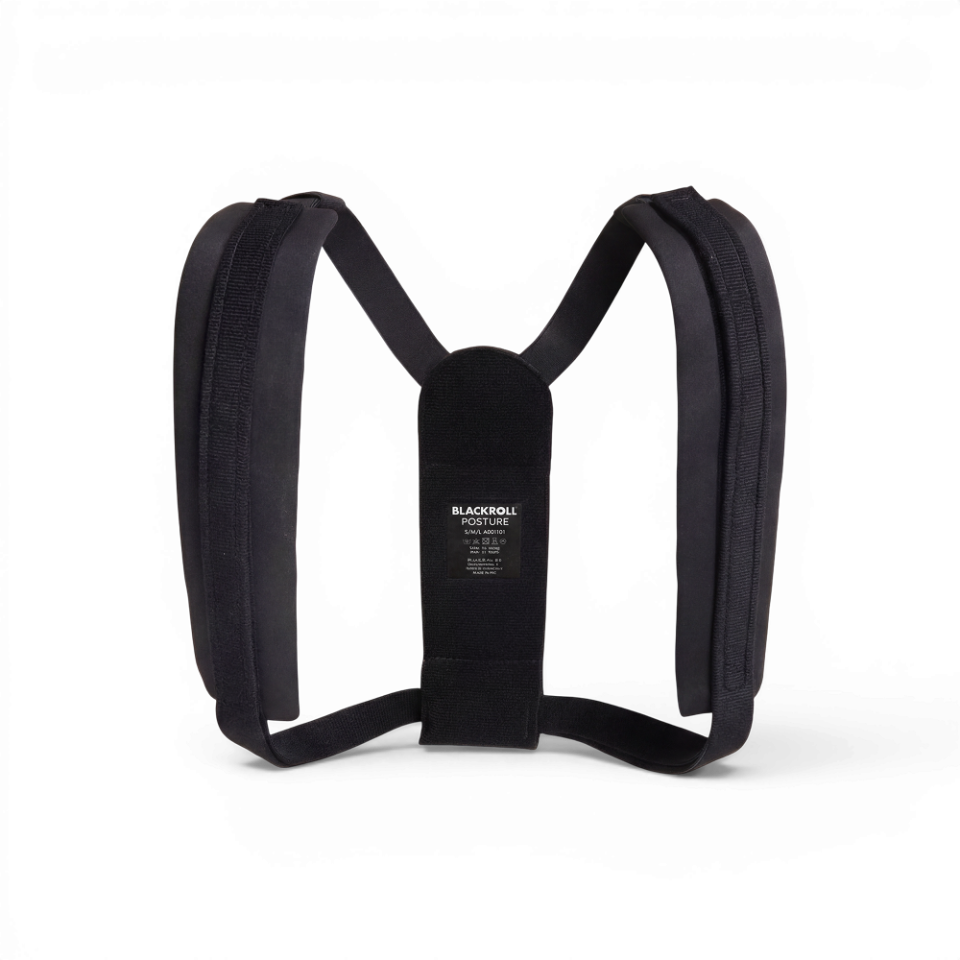
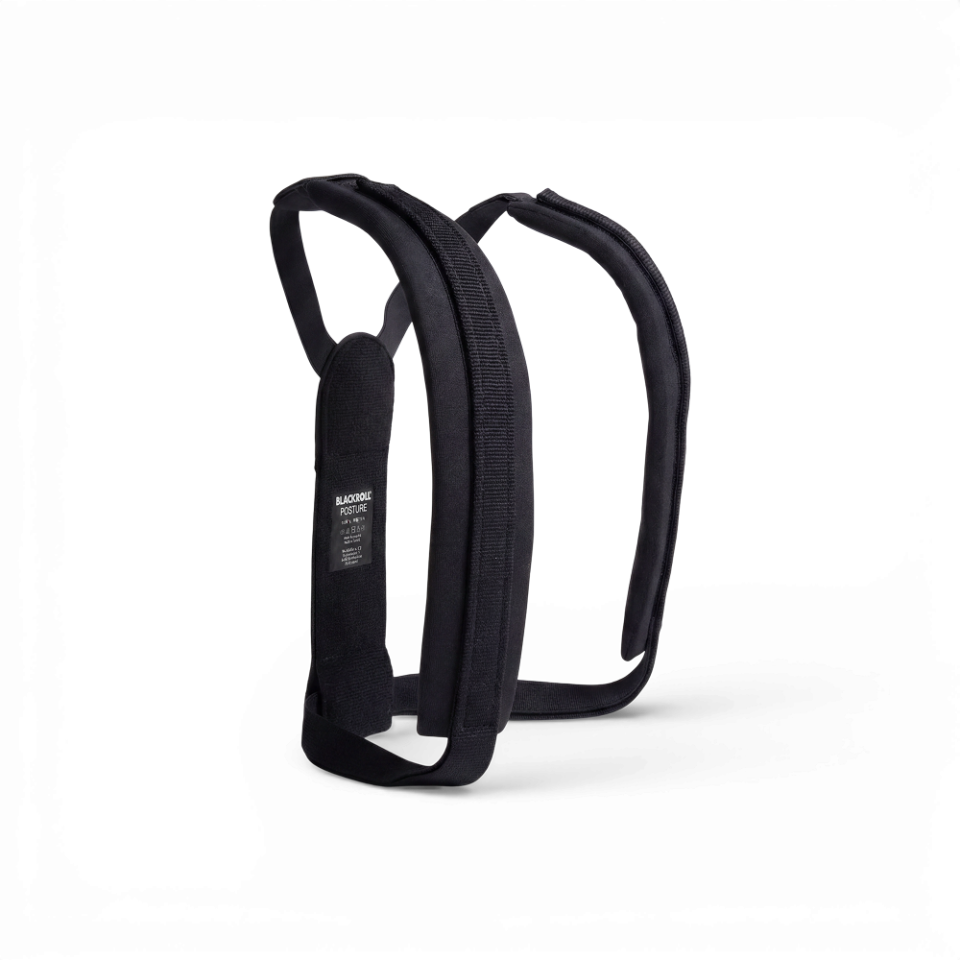
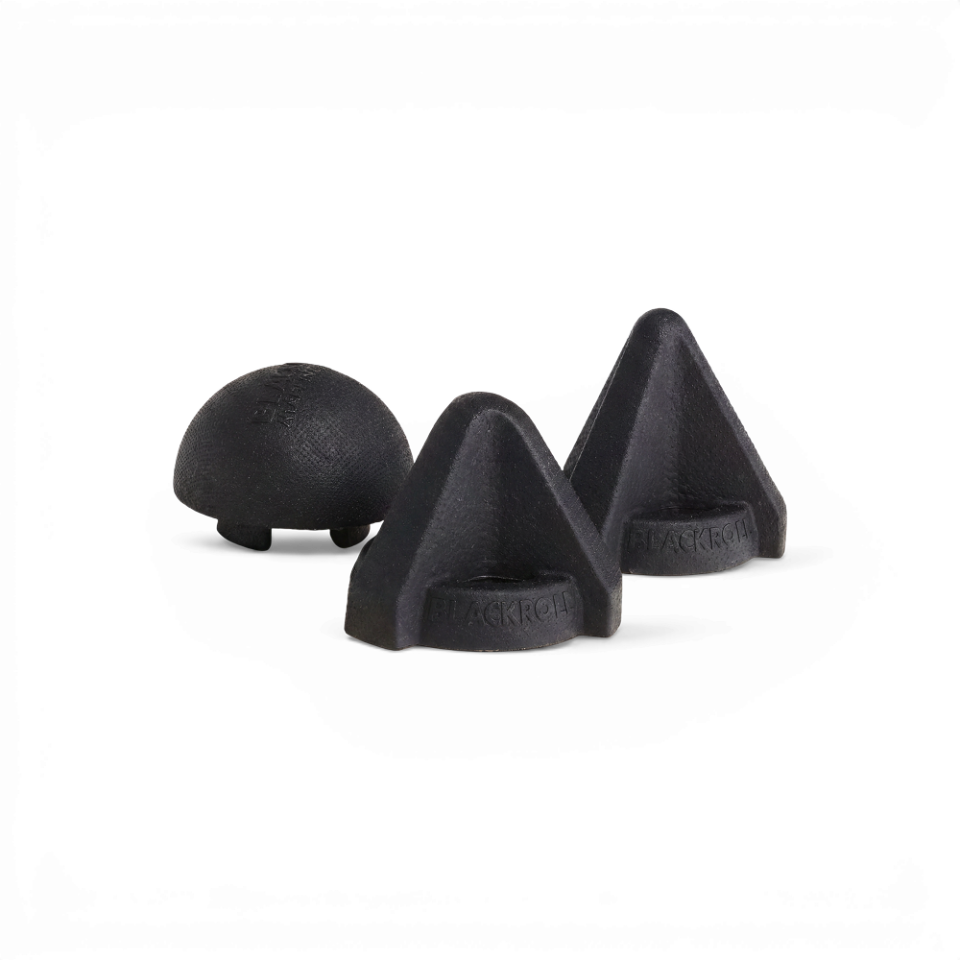
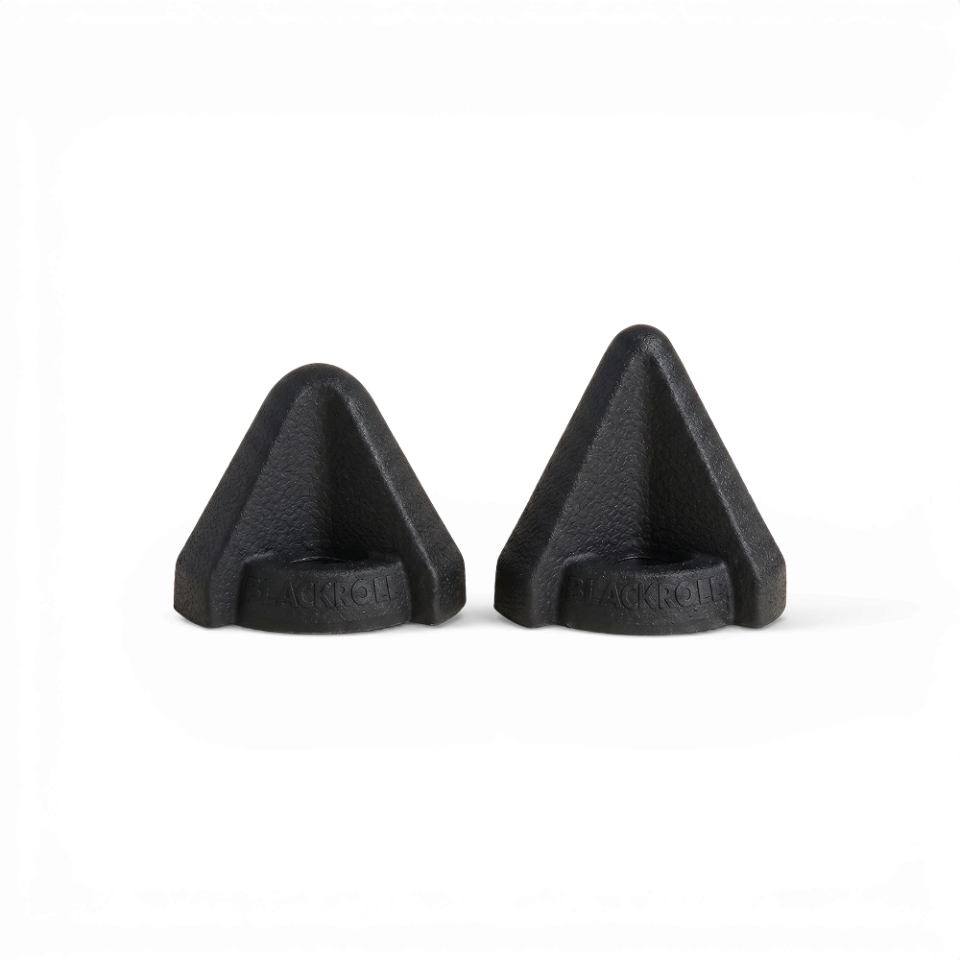
In addition, the BLACKROLL® POSTURE can remind you to maintain an upright body posture in everyday life — particularly when sitting at a desk.
Simple everyday exercise without equipment
Stand in a doorframe, place your forearms on either side of the frame (elbows at shoulder height) and gently lean your upper body forwards. Hold the stretch for 30 s. This exercise opens up the chest muscles and you can do it several times a day.
Get active with these exercises for a rounded back
Combine stretching, mobilisation and strengthening — we’ll guide you through each exercise so you can achieve the results you want.
Frequently asked questions about a hunched back
You can get an initial indication by doing the wall test: stand with your back against a wall — your shoulder blades, glutes and heels should be touching it. Can you also touch the back of your head to the wall without straining? If not, or if you have to stretch your neck significantly to do so, this suggests a hunched back. However, only a medical examination can provide a reliable diagnosis.
If it's a postural, functional kyphosis that you can actively correct, targeted training is usually enough. Seek treatment when the round back is structurally caused, if pain, tingling or numbness occur or if the curvature worsens rapidly.
There's no one-size-fits-all answer to this question. Visible changes often require 3–6 months of targeted and continuous training — ideally at least twice a week. Pay attention to your posture in everyday life.
No. Sleeping on your back in a neutral spinal position can relieve pressure on the thoracic spine and prevent poor posture whilst you sleep. Use a suitable pillow that gently supports the neck without pushing the head too far forwards. Avoid sleeping on your stomach, as this puts strain on the cervical and thoracic spine.
Sports that place heavy strain on the chest muscles and neglect the back extensors can lead to myofascial imbalance. The solution, however, isn't to stop training but to follow a programme incorporating chest-opening, pulling and rowing exercises to counterbalance the compressive movements.
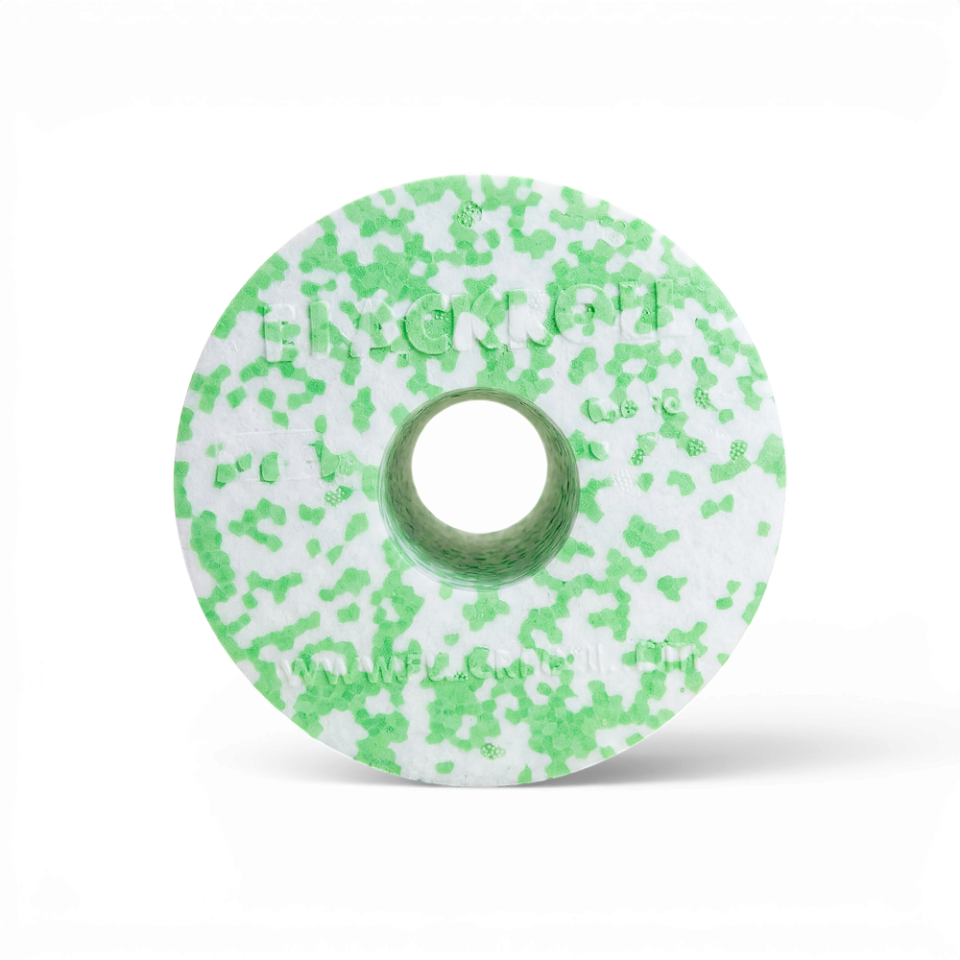
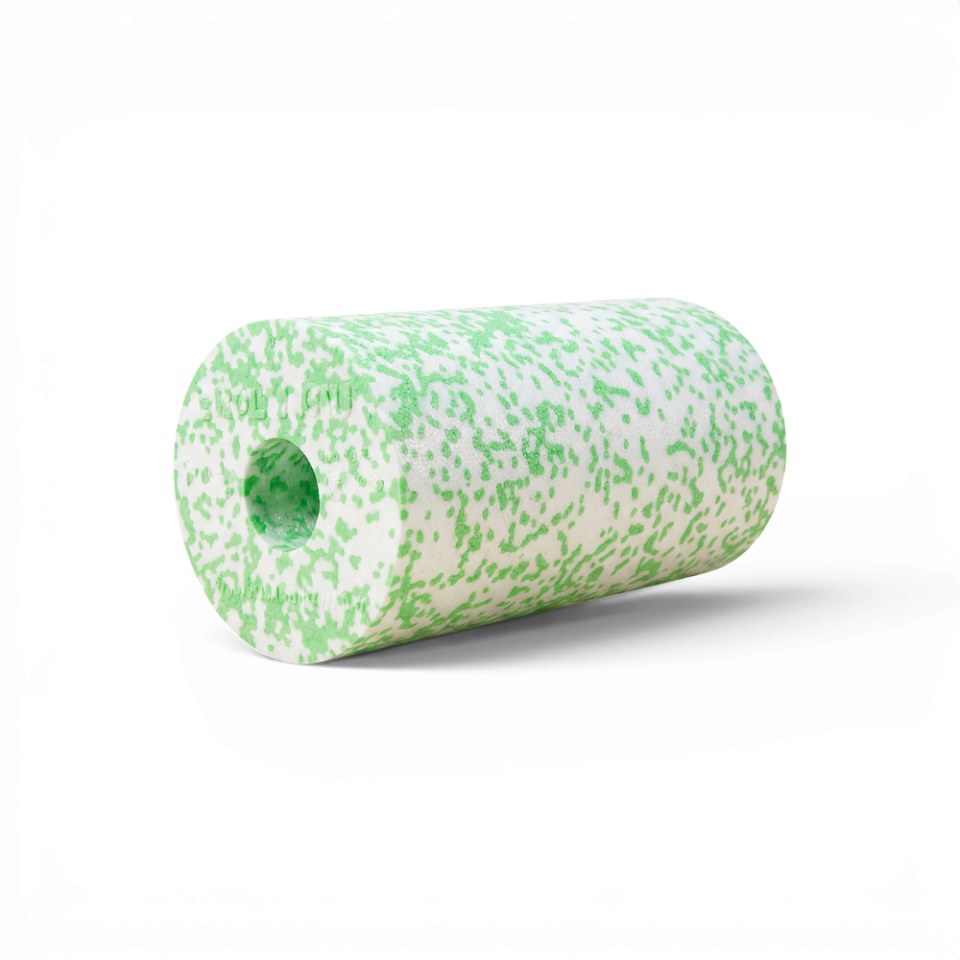
The POSTURE supports you in your everyday life as a posture trainer. A foam roller such as the STANDARD or the MED , which is 20% softer, is ideal for self-massage and for relieving tension. The Ball 08 or the TRIGGER BOX are suitable for targeted treatment of pain points in the upper back.
Posture
Available in multiple variants
Sources and studies
Fernández, L. F., Rodríguez-Gude, C. and de Oliveira, I. M. (2025). Effect of therapeutic exercise on the management of hyperkyphosis in adolescence and young adulthood: A systematic review. Physiotherapy Research International, 30, e70078. https://doi.org/10.1002/pri.70078
Kado, D. M., Huang, M.-H., Karlamangla, A. S., Barrett-Connor, E. and Greendale, G. A. (2004). Hyperkyphotic posture predicts mortality in older community-dwelling adults: A prospective study. Journal of the American Geriatrics Society, 52(10), 1662–1667. https://doi.org/10.1111/j.1532-5415.2004.52458.x
Katzman, W. B., Vittinghoff, E., Lin, F., Schafer, A., Long, R. K., Wong, S., Gladin, A., Fan, B., Allaire, B., Kado, D. M. and Lane, N. E. (2017). Targeted spine strengthening exercise and posture training programme to reduce hyperkyphosis in older adults: Results from the Study of Hyperkyphosis, Exercise, and Function (SHEAF) randomised controlled trial. Osteoporosis International, 28(10), 2831–2841. https://doi.org/10.1007/s00198-017-4109-x
Keshavarzi, F., Azadinia, F., Talebian, S. and Rasouli, O. (2022). Impairments in trunk muscle performance and proprioception in older adults with hyperkyphosis. Journal of Manual & Manipulative Therapy, 30(4), 249–257. https://doi.org/10.1080/10669817.2022.2034403
Palazzo, C., Sailhan, F. and Revel, M. (2014). Scheuermann’s disease: An update. Joint Bone Spine, 81(3), 209–214. https://doi.org/10.1016/j.jbspin.2013.11.012
Roghani, T., Allen, D. D., Gladin, A., Rahimi, A., Mehrabi, M., Rezaeian, Z. S., Farajzadegan, Z. and Katzman, W. B. (2024). The association between physical function and hyperkyphosis in older adults: A systematic review and meta-analysis. Journal of Geriatric Physical Therapy, 47(2), 85–96. https://doi.org/10.1519/JPT.0000000000000371
Soylu, G., Cakmak, G., Yalvac, Y. and Öztürk, Z. A. (2023). Effect of age-related hyperkyphosis on depression and quality of life. Caspian Journal of Internal Medicine, 14(1), 31–36. https://doi.org/10.22088/cjim.14.1.31