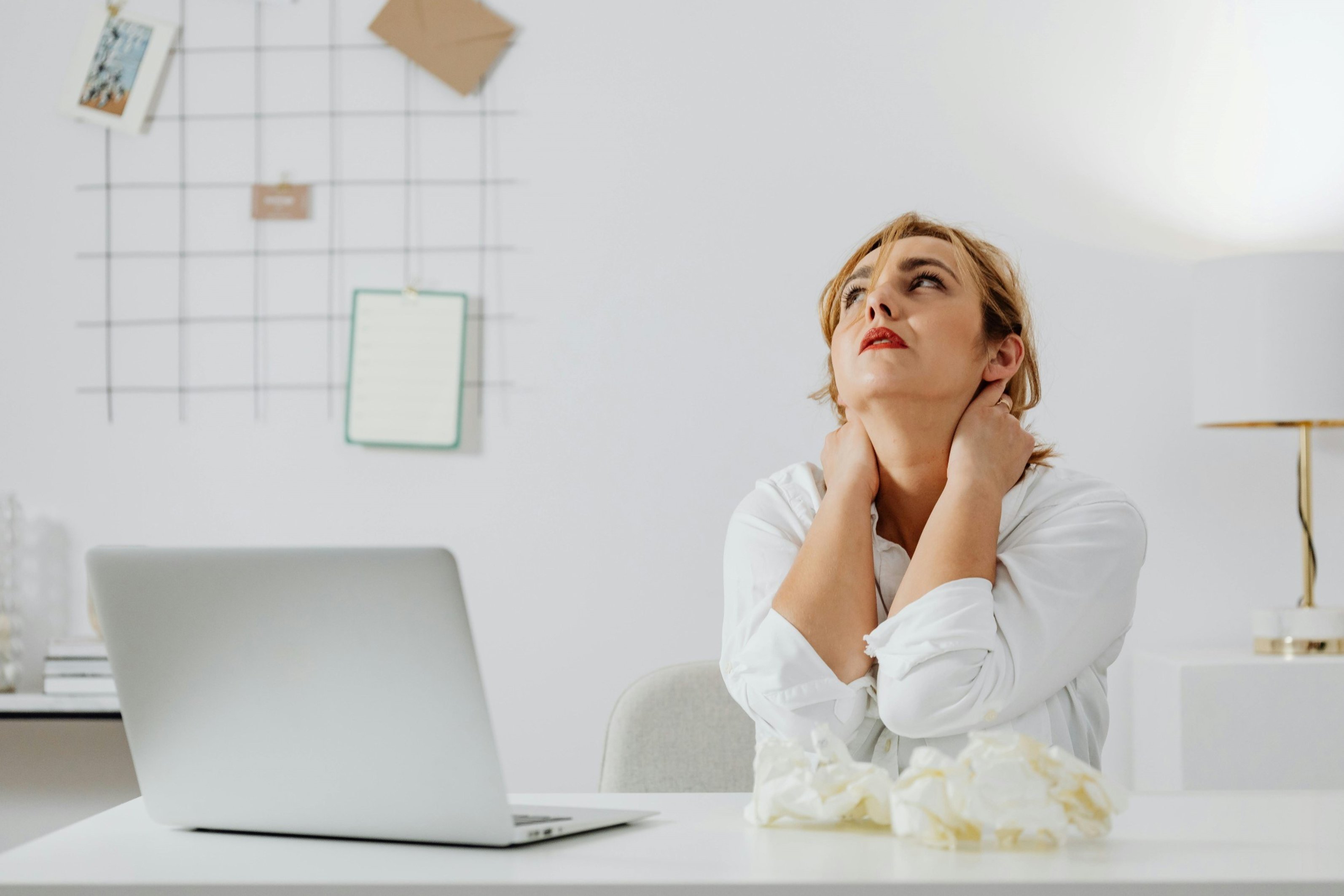
Back Pain Caused by Stress: Why Your Back Suffers When You’re Stressed

The key points at a glance
- Stress-related back pain develops when ongoing psychological strain keeps your muscles tense over a long period.
- Pulling or pressing pain in the lower back or shoulders often occurs during acute periods of stress or after a specific stressful event. It is a sign from your body that something is not right.
- Typical accompanying symptoms are inner restlessness, sleep problems, nervousness and anxiety, which make the back pain worse.
- Stress creates a cycle of persistent or recurring pain, which can become chronic.
- In around 90 per cent of cases, back pain clears up within a few weeks with no lasting effects, provided you become aware of your psychological strain and actively take steps to counter it.
- Regular exercise, a healthy diet, emotional balance and, if needed, health psychology counselling are both the most important form of prevention and the most important treatment.
How stress triggers back pain – psychological strain as an underestimated factor
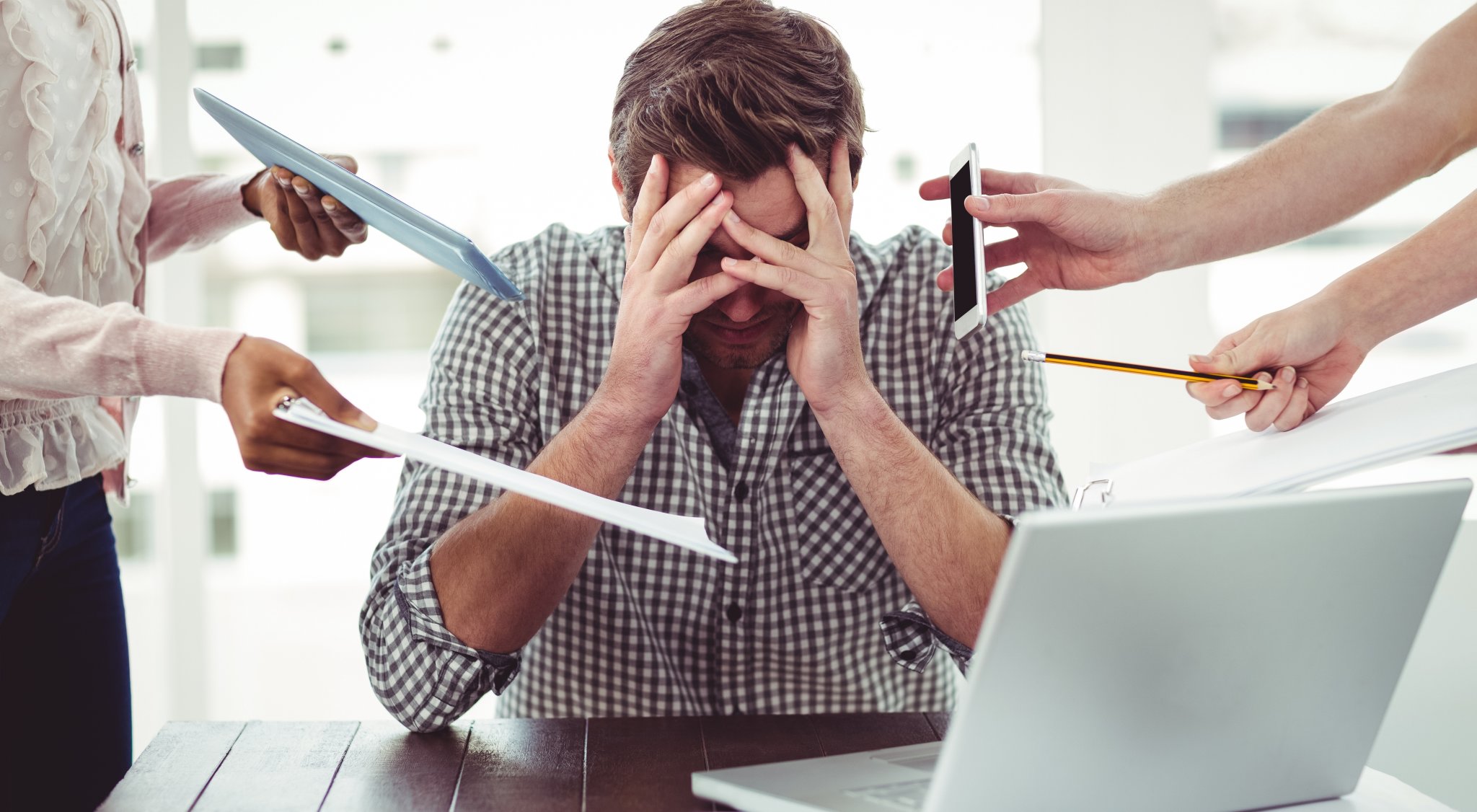
Does this sound familiar? Sometimes it all just hits you at once: Your job is stressing you out, there’s trouble at home, and moments to catch your breath are few and far between—and then your back starts acting up, too. It’s no coincidence! Stress and back pain are closely linked.
When you’re under pressure, your body reacts with tension, especially in your muscles. If this tension persists, you’ll eventually feel it as uncomfortable pain in your back—especially if you don’t actively counteract it, whether through exercise or conscious relaxation.
But it works the other way around, too: Chronic back pain can take a toll on your mental well-being and intensify feelings of stress and being overwhelmed. Find out here how stress affects your back and what you can do about it—both in the short term and as a preventive measure.
Medical notice
This article is for general information only and does not replace a medical diagnosis or individual treatment. If you have serious or long-lasting symptoms, or suspect further damage, your GP (general practitioner) is the right first point of contact. They can investigate the cause and, if necessary, refer you to a specialist practice. For chronic, non-specific back pain, multimodal pain therapy is recommended. A psychotherapy or pain therapy practice can also be helpful if psychological strain plays a central role.
Honestly, how can stress cause back pain?
When your back hurts, psychological strain is often not far away. For around 90 per cent of people, the causes of back pain are not clear-cut. Medicine then speaks of "non-specific low back pain". This arises from a combination of different factors that simply overload your system. It is important not to overlook psychological factors and stress.
However, not all stress is bad for your back. Short-term, positive stress (eustress), for example before a competition or a presentation, can even make you perform better.
It becomes a problem when stress persists and your body no longer gets a chance to recover. This chronic distress is what keeps your muscles under constant tension and can cause back pain. Because stress also makes you more sensitive to pain stimuli, you perceive tension more intensely. Back pain is, in essence, simply an early warning system of your body.
It becomes critical when the back pain triggers further stress, so that the two reinforce each other. To stop this cycle from taking on a life of its own and your pain becoming chronic, you need to actively break it.

Did you know?
According to the German National Disease Management Guideline on Non-specific Low Back Pain, psychological factors and the patient's personal environment play an important role in both the diagnosis and the success of treatment for back pain. It recommends including psychosocial and work-related risk factors in the course of treatment from the very start.
So take stress seriously as a factor in your low back pain!

Back Pain Caused by Stress? The Connection
Stress is a part of life—but not all stress is the same. While so-called eustress ( positive stress) motivates you and boosts your performance, distress (negative stress) can take a toll on your body over the long term. Your back, in particular, suffers from chronic stress because it’s directly connected to your nervous system and muscles. But why is that? And what happens in your body when you’re under stress?
Stress and Your Nervous System: Sympathetic vs. Parasympathetic
Your autonomic nervous system unconsciously controls numerous bodily functions—including your muscle tension. It consists of two opposing systems:
- The sympathetic nervous system becomes active in stressful situations. It releases hormones such as adrenaline and cortisol, increases your heart rate, and puts your muscles into a tense “fight-or-flight” state. In the short term, this is useful for responding to challenges.
- The parasympathetic nervous system, on the other hand, is responsible for relaxation and recovery . It lowers muscle tension, regulates your heart rate, and promotes rest.
If you’re under constant distress, your sympathetic nervous system remains overactive, while the parasympathetic nervous system is neglected. The result? Your muscles—especially in your neck, shoulders, and back—remain tense. This chronic muscle tension leads to pain, restricted movement, and increased sensitivity to pain.
Calming the Nervous System


How stress affects your fascia
From Tension to Pain: How Stress Affects the Fascia
- Increased muscle tension and reduced glide: Under stress, muscle tone increases, and the fascia lose elasticity. This impairs the glide between tissue layers and can lead to tension, restricted mobility, and pain throughout the body.
- Impaired fascial hydration: Fascia consists largely of water, which enables smooth movement over muscles and other structures. Stress reduces the fascia’s ability to store water in the extracellular matrix. As a result, the fascia becomes less elastic and loses its suppleness, causing a feeling of stiffness and discomfort.
- Changes in Posture and Movement Patterns: Stress affects fascial tension and neuromuscular control, which in turn impacts posture and movement patterns. Increased tension in the fascia of the neck and shoulders can lead to headaches and upper back pain. If these patterns persist, they can result in muscular imbalances and chronic pain over time.
- Increased sensitivity to pain: Fascia contain a variety of sensory receptors (nociceptors, mechanoreceptors, proprioceptors). When the fascia harden or become restricted due to stress, sensitivity to pain increases. This can trigger a cycle of tension, pain, and further stress responses.
Be aware! These signs may point to other causes
- A sudden, stabbing pain in the lower back indicates lumbago
- Pain or tingling radiating down into the leg is a possible sign of a herniated disc
- Pain straight after lifting, twisting or incorrect loading of the back may have mechanical causes.


Back Pain Caused by Tension: How to Counteract It
When you’re under stress, your body automatically tenses up—especially in your neck, shoulders, and lower back. This unconscious protective response is helpful in the short term, but if the tension isn’t released, muscle stiffness and pain can develop. Chronic tension limits your mobility and increases your sensitivity to pain, causing stress and back pain to reinforce each other. But you’re not at the mercy of this cycle! There are specific steps you can take to help release existing tension and relieve acute discomfort.
Exercise: The Natural Antidote to Tension
One of the most effective ways to reduce stress-related back pain is exercise. Through targeted activity, you improve blood flow to your muscles, release tension, and reduce the release of stress hormones. The following are particularly helpful:
- Gentle mobility exercises: Circular shoulder movements, slow forward and backward bends, or spinal rotations help loosen stiff muscles.
How does stress lead to back problems? – Causes and risk factors
- Stretching exercises: Sitting for long periods or maintaining a tense posture can shorten the back muscles. Regular stretching—working all fascia chains holistically to maintain balance—promotes flexibility and prevents muscle cramps.
How are work, stress and back pain connected?
You spend a lot of time at your workplace. If that time is marked by deadline pressure, high expectations or a lack of appreciation, the resulting constant stress can show up as back pain, because your muscles are permanently under tension. A lack of recovery time or emotionally demanding situations (for example, in nursing or social care) also cause stress.
If a lack of movement at work is added to the psychological strain, the risk of stress-related back pain increases significantly. You can find out how to protect your back despite an office routine in our guide to posture and your back.
The opposite is also true, by the way: being out of work is a considerable psychological strain, which can show up as recurring back pain. This is especially the case if you do not take any preventive measures.
How is stress-related back pain diagnosed?
For unexplained back pain, a medical examination is primarily intended to rule out clearly identifiable physiological or organic causes. To do this, your doctor will ask you targeted questions: When does the back pain occur? How do you deal with stress, exercise and recovery? How do you structure your daily life?
Imaging techniques such as MRI, on the other hand, usually do not provide a reliable diagnosis for non-specific back pain and are therefore not routinely recommended.
Tip: A pain diary can improve the diagnosis and, with it, the chances of successful treatment. It also helps you to better understand the connection between stress and back pain.
Treating stress-related back pain in everyday life
If you feel that the pain has a hold on you and your daily life, start with your attitude. Your physical posture is only one side of the coin. Your mental attitude plays an often underestimated role in connection with back pain.
Does the pain stress you out even more? Do you let it lead you, or do you lead your pain? This basic attitude can be the decisive lever for managing your pain in the long term. A few practical, everyday measures will help you get started today.
Measure | Effect |
|---|---|
Identify and reduce stress triggers | Reduces muscle tension and brings relief. Ask yourself: What exactly is stressing me – and what of that can I change? |
Deliberate breaks and recovery rituals | Breaks the cycle of constant tension. Regular meals, fixed bedtimes and short breathing exercises help. |
Regular exercise as a stress outlet | Breaks down stress hormones, loosens the muscles and promotes circulation. Even a 20-minute walk every day can help. |
Learn relaxation techniques | Progressive muscle relaxation, yoga or autogenic training help to reduce tension in a targeted way. |
Keep a pain diary | Helps you to recognise the connection between stress and back pain and supports the medical diagnosis. |
Seek professional support | For pain lasting more than 6 weeks, cognitive behavioural therapy or multimodal pain therapy can break the stress–pain cycle. |
Strength and posture training for the whole body | Promotes a healthy back structure that can withstand more load in the long term. |
The 4-7-8 breathing technique for stress and back pain
This simple breathing exercise activates your parasympathetic nervous system and can noticeably reduce tension in your back:
- Breathe in through your nose and count to 4.
- Hold your breath and count to 7.
- Breathe out slowly through your mouth and count to 8.
- Repeat this cycle 3–4 times.
This technique is particularly effective before going to sleep or in acute moments of stress at work.
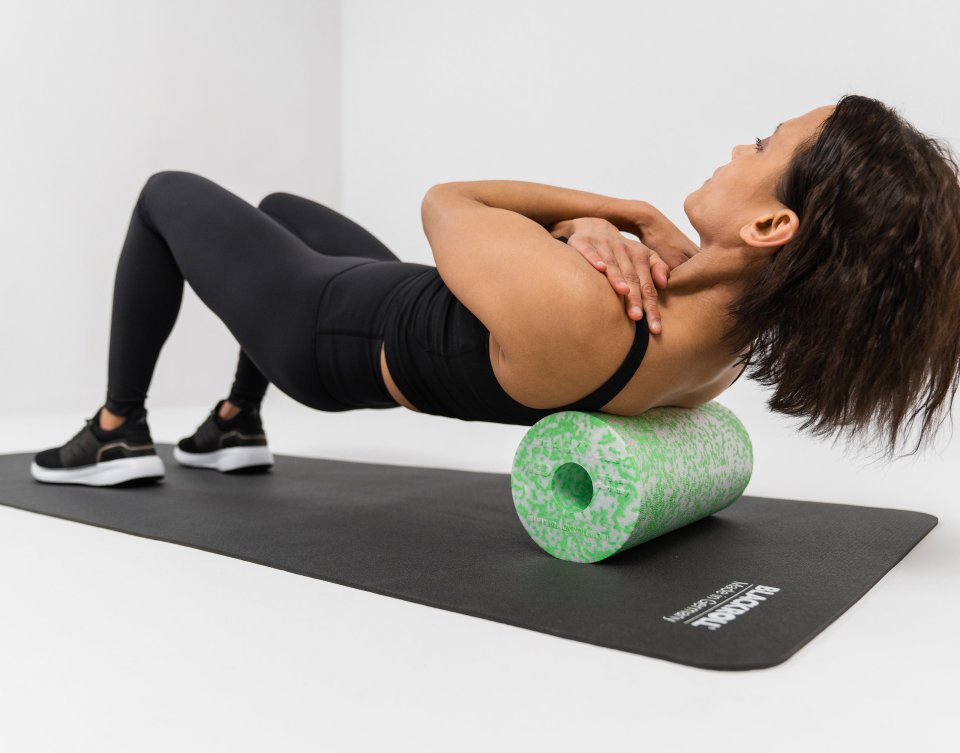
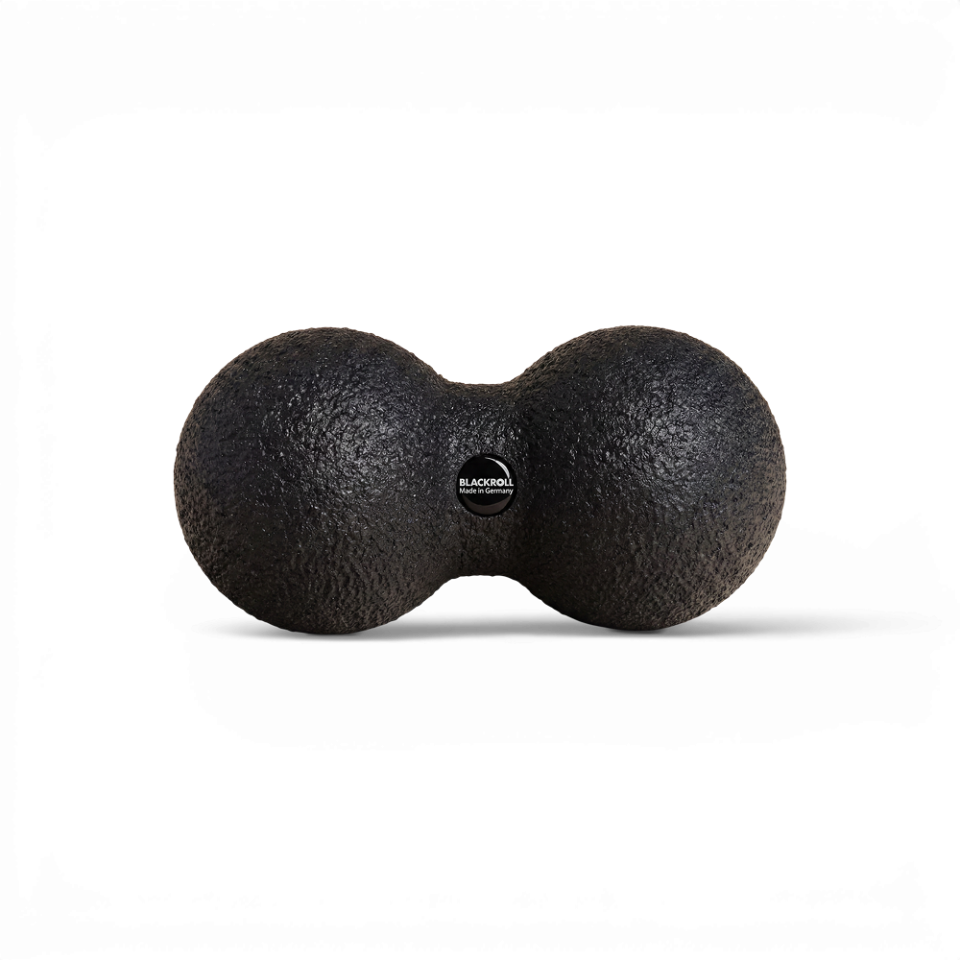
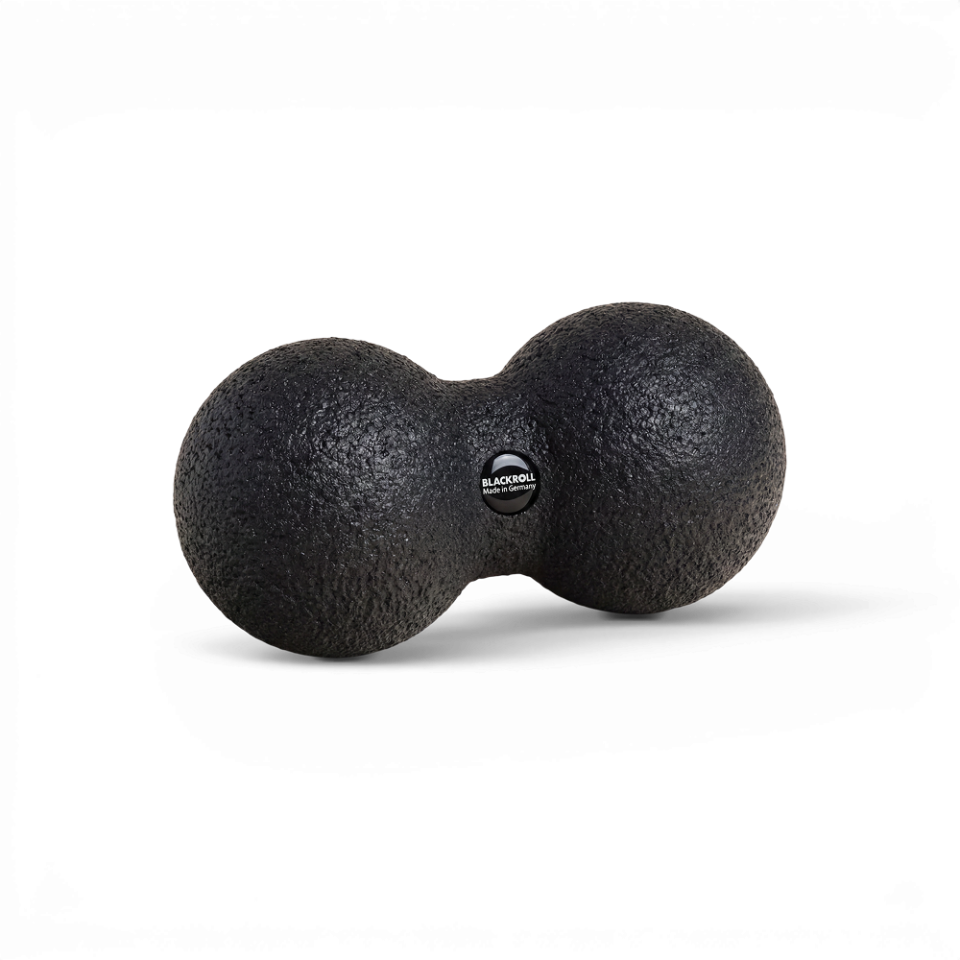
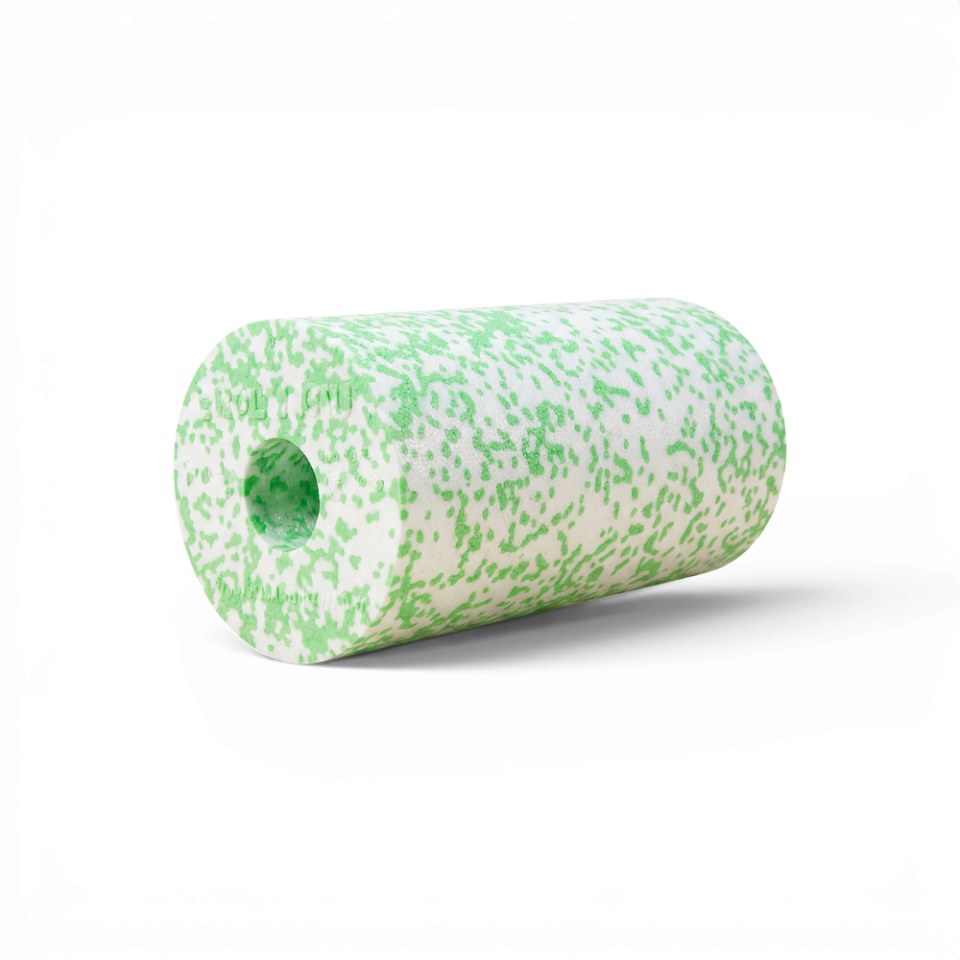
- Fascia Training: Using a fascia roller or massage ball, you can specifically release tense areas and improve blood circulation, helping your muscles relax more quickly.
Back pain caused by stress: what you can do in the long term
- Light exercise: Walks, yoga, or gentle strength training not only help your back but also activate the parasympathetic nervous system, which promotes relaxation.
Take action now: exercises for stress-related back pain
Conscious Relaxation: Bringing Your Nervous System into Balance
In addition to exercise, conscious relaxation plays a crucial role in reducing stress-related back pain. If you’re constantly tense, your nervous system remains in a state of alert. To break this cycle, you can use specific methods that activate your parasympathetic nervous system:
- Deep Breathing: Breathing techniques such as the 4-7-8 method (inhale for 4 seconds, hold for 7 seconds, exhale for 8 seconds) help release muscle tension and calm your nervous system.
Reduce stress, strengthen your back – with the right exercises
Targeted relaxation and mobility exercises help you to release tension and break the stress–pain cycle.

Frequently asked questions about stress-related back pain
Typical signs are pain with no identifiable physical trigger that gets worse during stressful periods and is often accompanied by inner restlessness or sleep problems. If the symptoms ease during calmer times, this is a further indication.
Most cases improve on their own if you stay active and reduce stress. If the pain lasts longer than six weeks, multimodal therapy is advisable, combining exercise, psychotherapy and medical care.
Acute stress-related back pain usually subsides within a few days to a few weeks. If it becomes chronic, meaning it lasts longer than six weeks, treatment takes correspondingly longer and should take a multimodal approach.
Yes. Exercise is one of the most important measures against stress-related back pain. Bed rest tends to prolong the symptoms, while gentle, regular exercise relaxes the muscles and breaks the stress–pain cycle. Choose activities that focus on relaxation, rather than putting yourself under extra stress with high sporting expectations.
Do not ignore the stress. If you carry on as before, there is a risk that your back pain will become chronic. You should also avoid prolonged bed rest or complete rest, as this weakens your muscles further. In addition, do not take painkillers on a long-term basis without addressing the cause – they mask the problem but do not solve it.
If back pain occurs straight after a specific movement, a fall or incorrect loading, it usually has a physical cause. Back pain caused by stress, on the other hand, develops gradually, without a clear trigger, and is closely linked to your psychological strain.
The BLACKROLL STANDARD is ideal for self-massage after a stressful day – your back, neck and shoulders in particular benefit from it. For relaxation exercises at home, the BLACKROLL MAT offers a comfortable surface. Both tools help you actively break the stress–pain cycle.
More interesting articles






Sources and studies
Bernal-Utrera, C., Gonzalez-Gerez, J. J., Anarte-Lazo, E., Rodriguez-Blanco, C., & Saavedra-Hernandez, M. (2022). Biopsychosocial factors for chronicity in individuals with non-specific low back pain: An umbrella review. International Journal of Environmental Research and Public Health, 19(16), 10085. https://doi.org/10.3390/ijerph191610085
Buruck, G., Tomaschek, A., Wendsche, J., Ochsmann, E., & Dörfel, D. (2019). Psychosocial areas of worklife and chronic low back pain: A systematic review and meta-analysis. BMC Musculoskeletal Disorders, 20, 480. https://doi.org/10.1186/s12891-019-2826-3
Kerautret, Y., Di Rienzo, F., Eyssautier, C., & Guillot, A. (2021). Foam rolling elicits neuronal relaxation patterns distinct from manual massage: A randomized controlled trial. Brain Sciences, 11(6), 782. https://doi.org/10.3390/brainsci11060782
Linton, S. J. (2000). A review of psychological risk factors in back and neck pain. Spine, 25(9), 1148–1156. https://doi.org/10.1097/00007632-200005010-00017
Bundesärztekammer, Kassenärztliche Bundesvereinigung & Arbeitsgemeinschaft der Wissenschaftlichen Medizinischen Fachgesellschaften. (2017). Nationale VersorgungsLeitlinie Nicht-spezifischer Kreuzschmerz: Langfassung (2. Aufl.). https://www.leitlinien.de/themen/kreuzschmerz
Robert Koch-Institut. (2021). Prävalenz von Rücken- und Nackenschmerzen in Deutschland: Ergebnisse der Krankheitslast-Studie BURDEN 2020. Journal of Health Monitoring, 6(S3). https://www.rki.de/DE/Aktuelles/Publikationen/Journal-of-Health-Monitoring/GBEDownloadsJ/JoHM_S3_2021_Rueckenschmerz_Nackenschmerz.html