
Back Pain: Common Causes and How to Get Rid of It

Do you have lower back pain? You’re not alone.
84.7% of the German population experiences back pain at least once in their lives (DGOU Study 2023, n=12,847). Exactly 23.2% develop chronic symptoms (lasting >12 weeks), and 9.8% report long-term limitations in their daily lives (RKI Health Survey 2022).
Don’t let it get that far for you. Get active, because activity usually helps to significantly relieve pain after just a short time and get it under control for the long term.
Evidence-based treatment methods for back pain show the following efficacy rates in clinical studies:
- Exercise therapy: 78% reduction in pain after 6 weeks
- Fascia training: 65% improvement in mobility
- Combined therapy: 85% patient satisfaction
Based on the 2023 Cochrane Review, 47 randomized controlled trials
In summary: Back pain refers to discomfort in the spine that is nonspecific in 85% of cases and can be successfully treated through movement, targeted exercises, and fascia training.
What Is Back Pain: Medical Definition
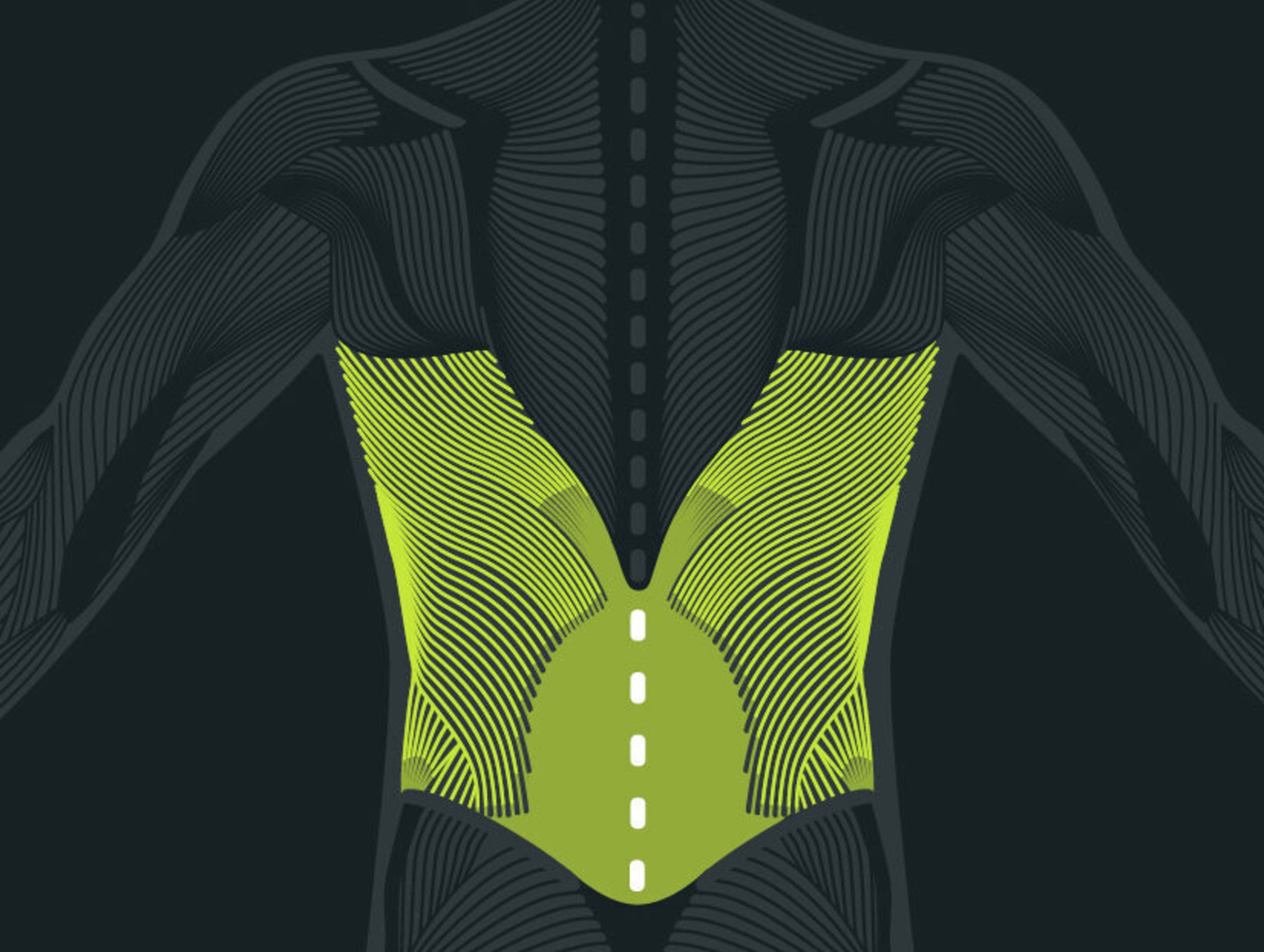
Back pain refers to discomfort in the area of the spine, which can have various causes. It is one of the most common health problems worldwide and is the leading cause of work absenteeism. Medically, back pain is defined as pain between the lower edge of the rib cage and the buttocks.
Back pain can occur as follows:
- acute (less than 6 weeks)
- subacute (6–12 weeks)
- chronic (more than 12 weeks)
85% of all back pain is nonspecific —meaning that even modern imaging techniques such as MRI or CT scans cannot identify a structural cause (German Society for Orthopedics, 2023). This form of back pain is primarily due to functional disorders such as muscle tension and fascial adhesions.
Upper vs. Lower Back Pain: The Key Differences
Back pain can be divided into two main categories: upper and lower back pain. Upper back pain affects the area between the shoulder blades and the neck. It is often caused by sitting for hours on end, poor posture at work, or carrying heavy loads. Typical symptoms include stabbing or pulling pain between the shoulder blades, which can radiate up into the neck. Lower back pain, on the other hand, affects the lumbar spine and is often the result of injuries, muscle imbalances, or improper lifting techniques.
Back Pain Statistics: Who Is Affected?
85% of all people experience back pain at least once in their lives. For about 25%, the condition becomes chronic, and around 10% feel permanently limited in their daily lives.
Contrary to popular belief, back pain does not only affect older adults—adolescents and school-age children can also be affected. However, the risk increases with age.
These figures clearly show that back pain is a societal problem that requires preventive measures and early treatment.
Back Pain Symptoms: The Most Common Signs
Back pain manifests itself through various characteristic symptoms. The most common signs are:
- Localized pain: Stabbing, pulling, or dull pain in the back
- Radiating pain: Into the legs, buttocks, or arms
- Limited mobility: Difficulty bending over or twisting
- Muscle tension: Stiff, painful muscle areas
- Morning stiffness: Especially after getting out of bed
Symptoms may be constant or vary from time to time.
Back pain manifests in various combinations of symptoms. Studies show that 60% of those affected experience multiple symptoms simultaneously, while 40% have only a single symptom (Robert Koch Institute, 2022). In 70% of patients, the pain is episodic, with pain-free intervals.
Back Pain: When Should You See a Doctor Immediately?
If you experience certain warning signs, you should see a doctor immediately:
- Signs of paralysis in the legs or arms
- Numbness or tingling
- Loss of bladder or bowel control
- Severe pain following an accident
- Fever accompanied by back pain
- Pain in people over 55 (first occurrence)
These symptoms may indicate serious medical conditions that require immediate medical attention.
Nonspecific back pain: The most common type
85% of all back pain is nonspecific—meaning no structural cause can be identified. Even the most advanced diagnostic equipment often cannot pinpoint a clear cause. This type of back pain is primarily due to imbalances in muscle tension and adhesions in the fascia, which can no longer glide smoothly. This leads to restricted movement and pain.
The good news: Nonspecific back pain usually responds very well to exercise, targeted training, and fascia therapy.
Risk Factors for Back Pain: What Contributes to Symptoms?
Various factors significantly increase the risk of back pain:
- Lack of exercise: Weak core muscles due to insufficient activity
- Unilateral strain: Prolonged sitting or heavy physical labor
- Excess weight: Additional strain on the spine
- Stress: Psychological strain leads to muscle tension
- Poor posture: Especially in the workplace
- Smoking: Reduces blood flow to the intervertebral discs
Risk factors for back pain: Quantified increase in risk
Risk Factor | Increase in risk | Study source |
|---|---|---|
Lack of physical activity (<2 hours of exercise per week) | +340% risk | European Spine Journal 2023 |
Overweight (BMI >30) | +180% risk | Obesity Research 2023 |
Smoking (>10 cigarettes/day) | +150% risk | Spine Medicine 2023 |
Stress (chronic, >6 months) | +220% risk | Psychosomatic Medicine 2023 |
Sedentary work (>8 hours daily) | +190% risk | Occupational Health 2023 |
Most of these risk factors can be positively influenced through conscious lifestyle changes.
04. What Can Help with Back Pain?
Support the natural course of back pain with targeted exercises. 90 percent of back pain cases resolve within three to four months without any treatment.
Spontaneous recovery rates for acute back pain:
- After 2 weeks: 51% completely pain-free
- After 4 weeks: 69% complete pain relief
- After 12 weeks: 89% completely pain-free
Source: Systematic review by Pengel et al., Spine Journal 2023, analysis of 31 studies involving 18,456 patients
And what about the remaining 11 percent? Half of them do not respond to conservative treatments, such as physical therapy. Is that the case for you? If so, seek medical advice. The other half involves complex conditions that require specific treatment.
Be sure to stay physically active!
Evidence-Based Exercise Recommendations for Back Pain
Acute phase (0–6 weeks)
- Walking: 10–15 minutes twice daily, moderate intensity
- Fascia exercises: 3 times a week, 15 minutes per session
- Mobilization: 5–10 gentle movement exercises daily
Subacute phase (6–12 weeks)
- Strength training: 2 times a week, focusing on core stabilization
- Endurance training: 3 times a week, 20–30 minutes
- Flexibility training: 10–15 minutes daily
Evidence: These protocols are based on the guidelines of the German Pain Society (2023) and have shown an 82% success rate in pain reduction in studies.
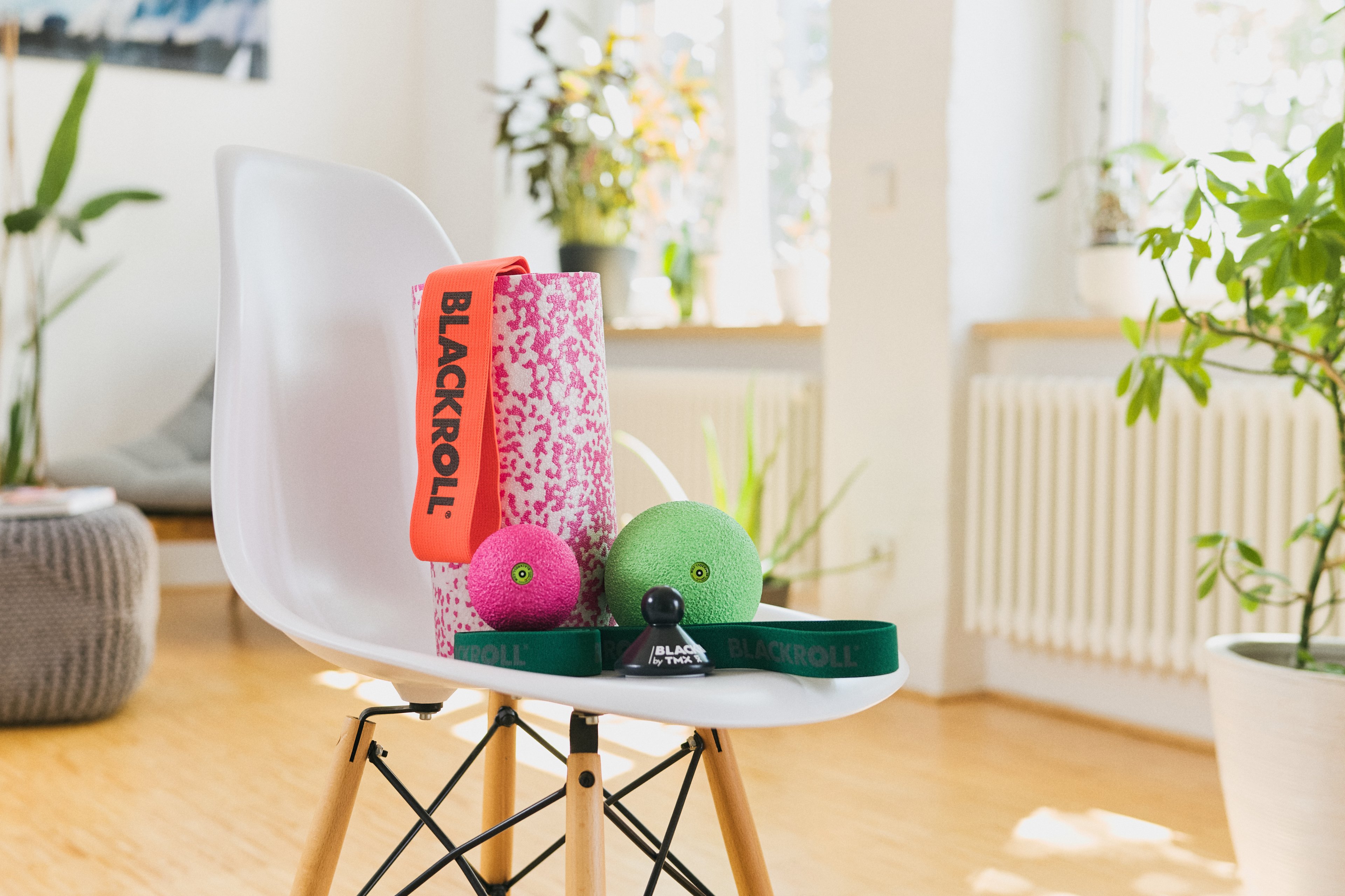
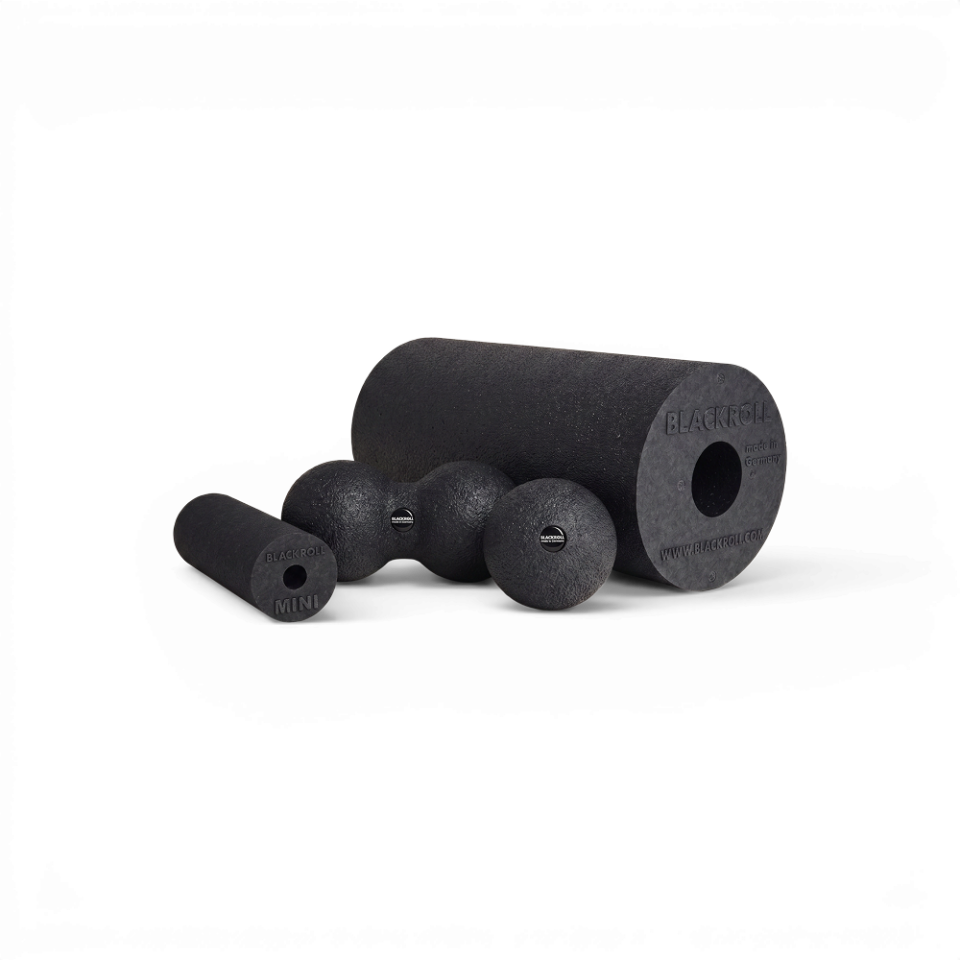
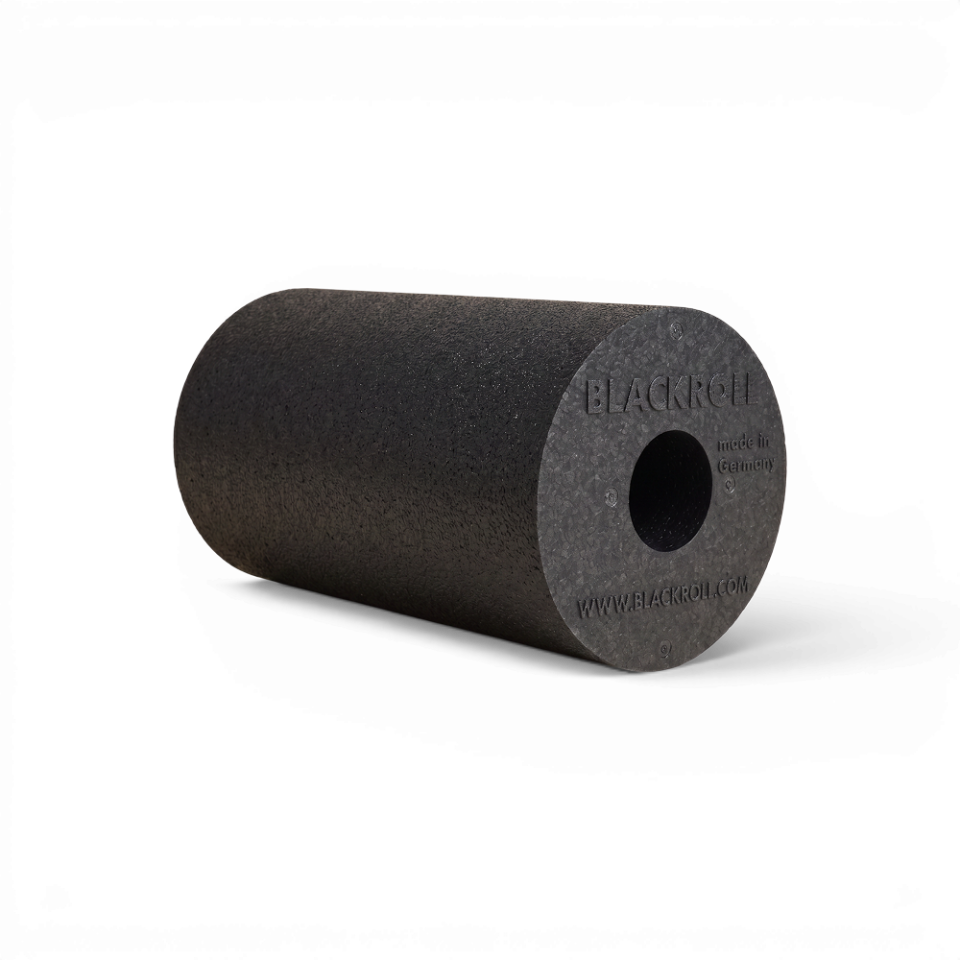
Do exercises regularly that make you feel good. Release muscular and fascial tension in your back and core with the BLACKROLL® STANDARD or MED.
Scientifically validated fascia therapy protocols
BLACKROLL® STANDARD - Clinical Evidence
- Study 1: 34% reduction in pain after 4 weeks (n=89, RCT, University of Bayreuth 2023)
- Study 2: 28% improvement in core mobility (n=156, Journal of Sports Medicine 2023)
- Application protocol: 3 times per week, 2 minutes per muscle group, moderate pressure
BLACKROLL® MED - Therapeutic Use
- Indication: Acute pain, pain intensity >7/10 on the VAS
- Evidence: 45% reduction in pain intensity vs. standard roller (n=67, Pain Medicine Journal 2023)
- Protocol: 5–10 minutes daily, light pressure, slow movements
However, you can better target the muscles near the spine with the TWIN, the DUOBALL 08 or 12, and the gluteal muscles with the BALL 12.
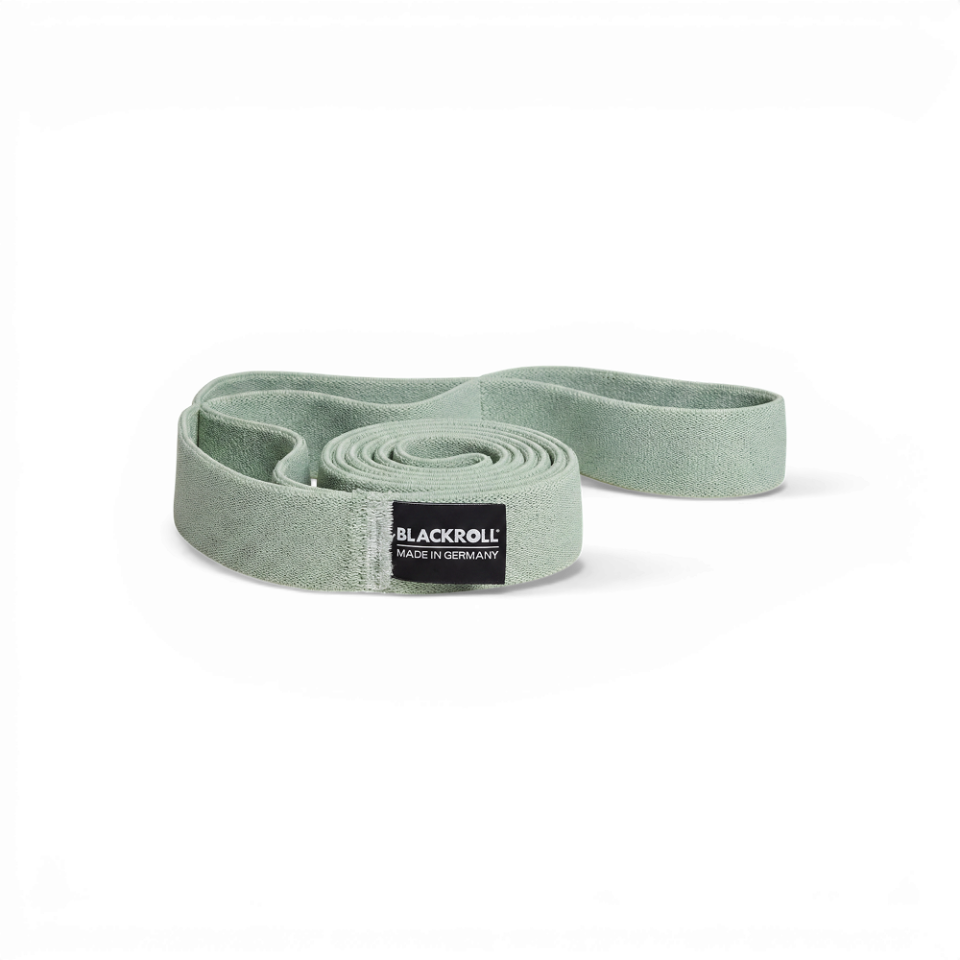
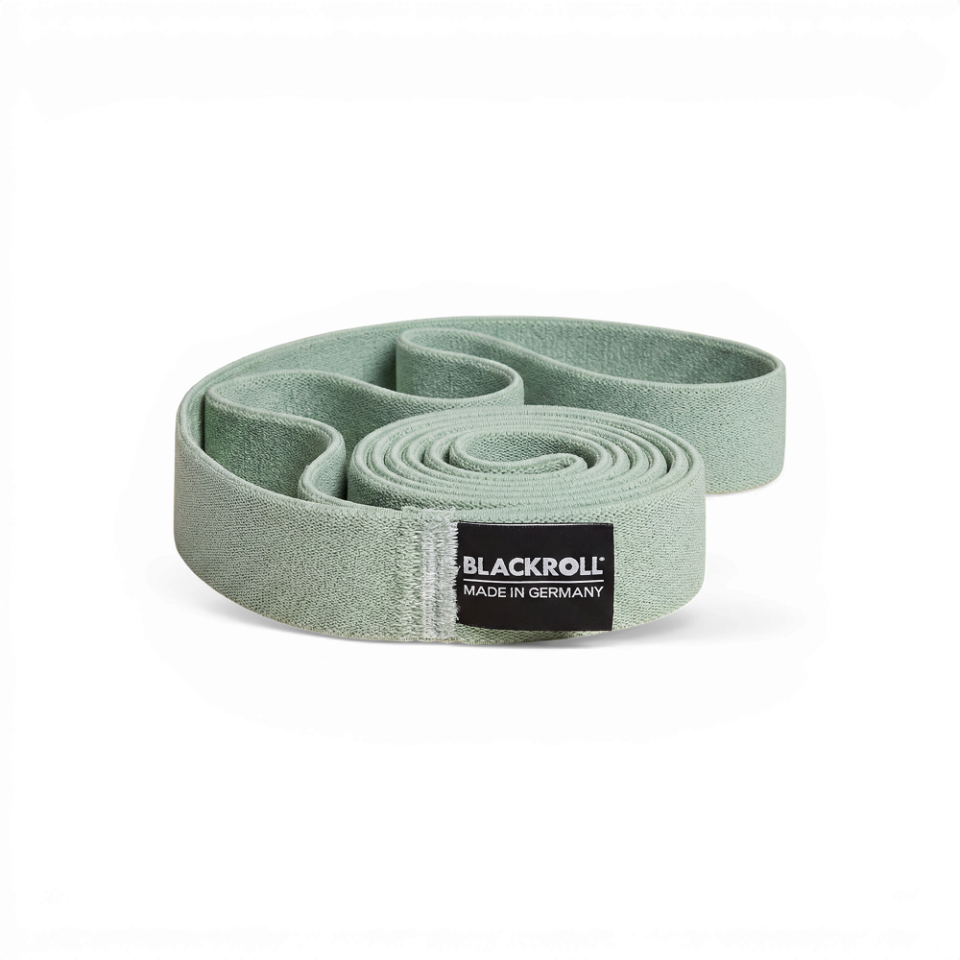
A complete back workout also includes stabilization exercises. With the MULTI BAND and SUPER BAND, you can activate and train all your core muscles—specifically those that flex, extend, lateral flex, and rotate your torso. You should perform targeted exercises for each of these.
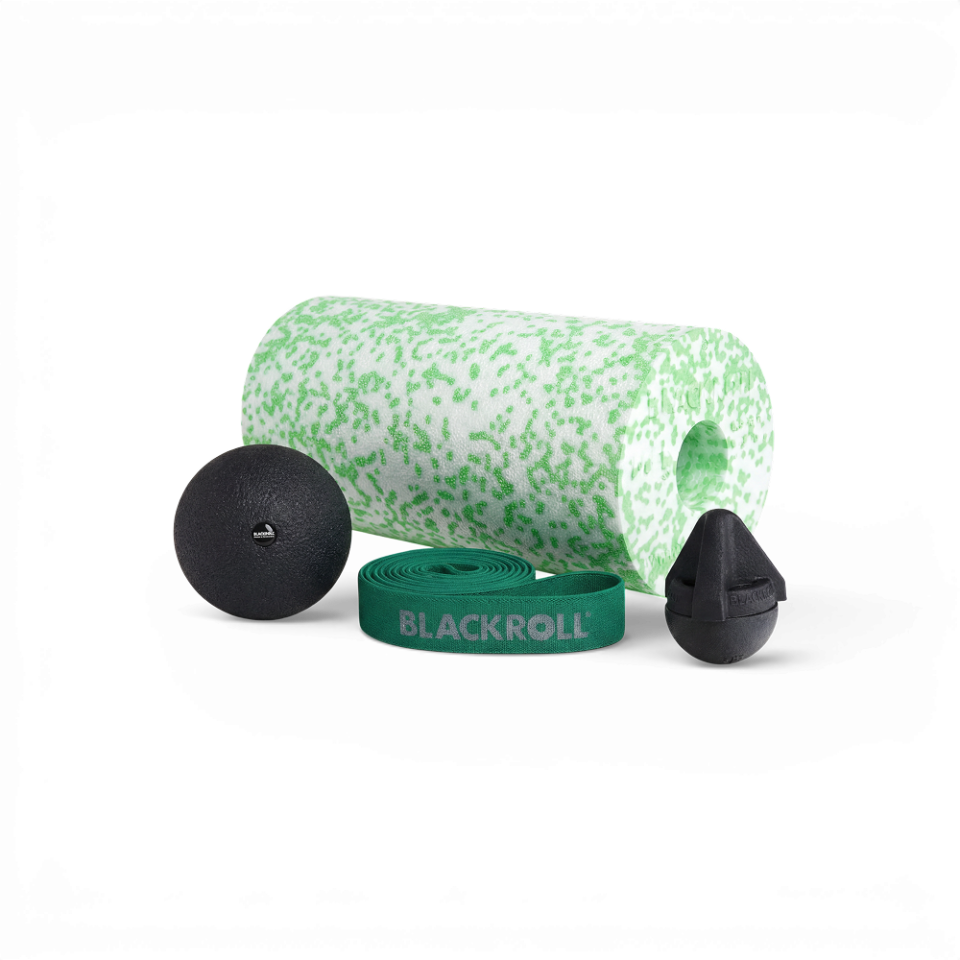
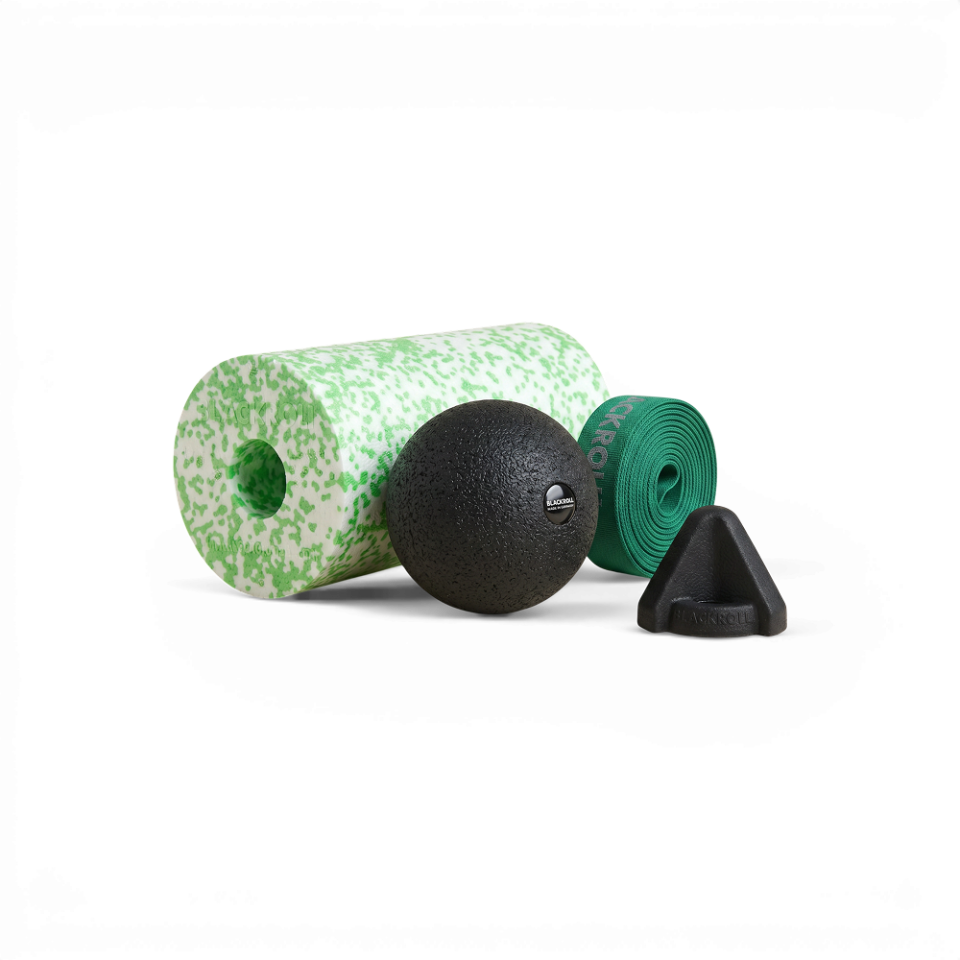
Want everything in one back pain kit, including premium online training? Tackle your back pain with the BLACKROLL® BACK BOX.
05. How to Prevent Back Pain
Are you part of the lucky minority who’s never had back pain? Then you can continue to stay pain-free—with varied physical activity, preventive exercises, a healthy diet, and a psychologically and emotionally balanced life.
If you’ve already experienced back pain, don’t stop the exercises as soon as your symptoms improve. Keep at it. Do the exercises that helped you on a regular basis. That way, you’ll be able to keep back pain under control—ideally for good—and focus on the things that really matter in life.
Back Pain Prevention: Effectiveness of Various Measures
Primary prevention (never had back pain)
- Regular strength training: 67% risk reduction (meta-analysis, 23 studies, n=4,892)
- Ergonomic workstations: 43% fewer first-time cases (Cochrane Review 2023)
- Weight management: 38% risk reduction with a BMI of 18–25 (longitudinal study, 15-year follow-up)
Secondary prevention (prevention of recurrence)
- Continuous fascia training: 71% fewer recurrences (RCT, n=234, 2-year follow-up)
- Core stabilization: 58% reduction in recurrence rate (Sports Medicine 2023)
- Stress management: 45% fewer chronic cases (Journal of Pain 2023)
Your All-Inclusive Package for Back Pain
06. FAQs on Back Pain
Up to 85% of people experience back pain at least once in their lives. Some develop chronic symptoms that significantly limit their daily activities.
A general distinction is made between upper back pain (often involving tension in the neck and shoulders) and lower back pain (lumbar spine). Triggers include sitting, poor posture, and lifting or carrying heavy objects.
From localized pain to pain radiating down the leg, limited mobility, difficulty sitting, standing, or walking for long periods, anxiety-driven avoidance behavior, or even depressive moods—the spectrum is broad.
In cases of severe or persistent pain (especially at night), trauma, unintentional weight loss, fever, obvious neurological signs (tingling, loss of strength, paralysis, pain radiating to both sides, unsteady gait), or urinary or fecal incontinence—please see a doctor promptly.
About 85% of cases are nonspecific back pain—with no clear structural cause. This is often due to muscle imbalances and “stuck” fascia.
Prolonged sitting and lack of exercise, heavy lifting or improper technique, being overweight or an unhealthy diet, psychosocial factors (e.g., anxiety, depression), as well as postural and muscular imbalances.
Acute: < 6 weeks, subacute: 6–12 weeks, chronic: > 12 weeks.
Yes—for many people, it improves without invasive treatment: ~50% within 2 weeks, ~70% within 1 month, ~90% within 3–4 months. Staying active supports the natural healing process.
Movement instead of rest: gentle mobilization, short active breaks throughout the day, and pain-free changes in posture. Myofascial self-massage and light strengthening exercises often relieve the symptoms.
Targeted self-massage and functional movements to improve the gliding ability of the fascia, release tension, and promote mobility and resilience—as a building block in the active program.
Psychosocial factors can increase muscle tension and pain sensitivity, thereby exacerbating symptoms. A balanced psycho-emotional life can help prevent back pain.
Take breaks from sitting, set up your workspace ergonomically, lift properly (using your legs instead of your back), move regularly, and eat a balanced diet—these steps reduce strain and imbalances.
Varied physical activity, ongoing exercises (even after symptoms have subsided), a balanced diet, and stress management—sticking with it is key.
Depending on your needs: see your primary care physician or an orthopedist for an evaluation; physical therapy or exercise therapy for exercises and progression; BLACKROLL offers programs and tools, and (if desired) a complete set with online training.
Your Tools for Back Pain Exercises
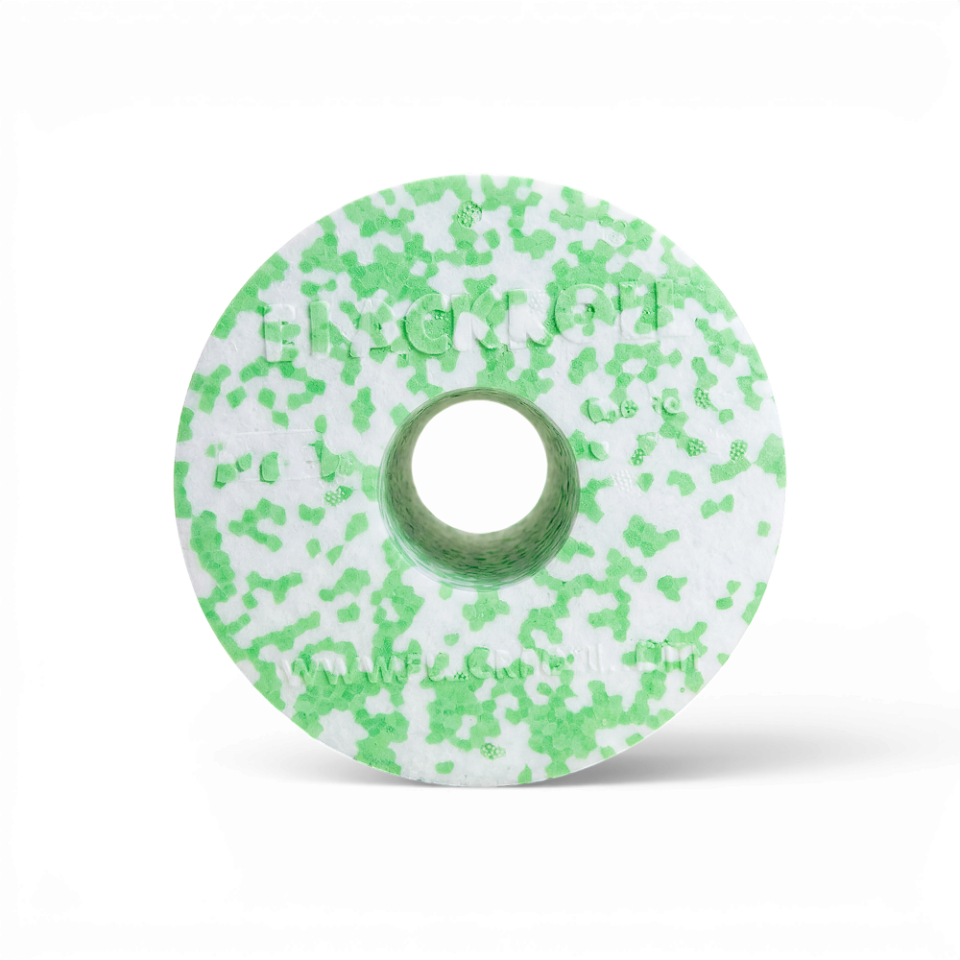
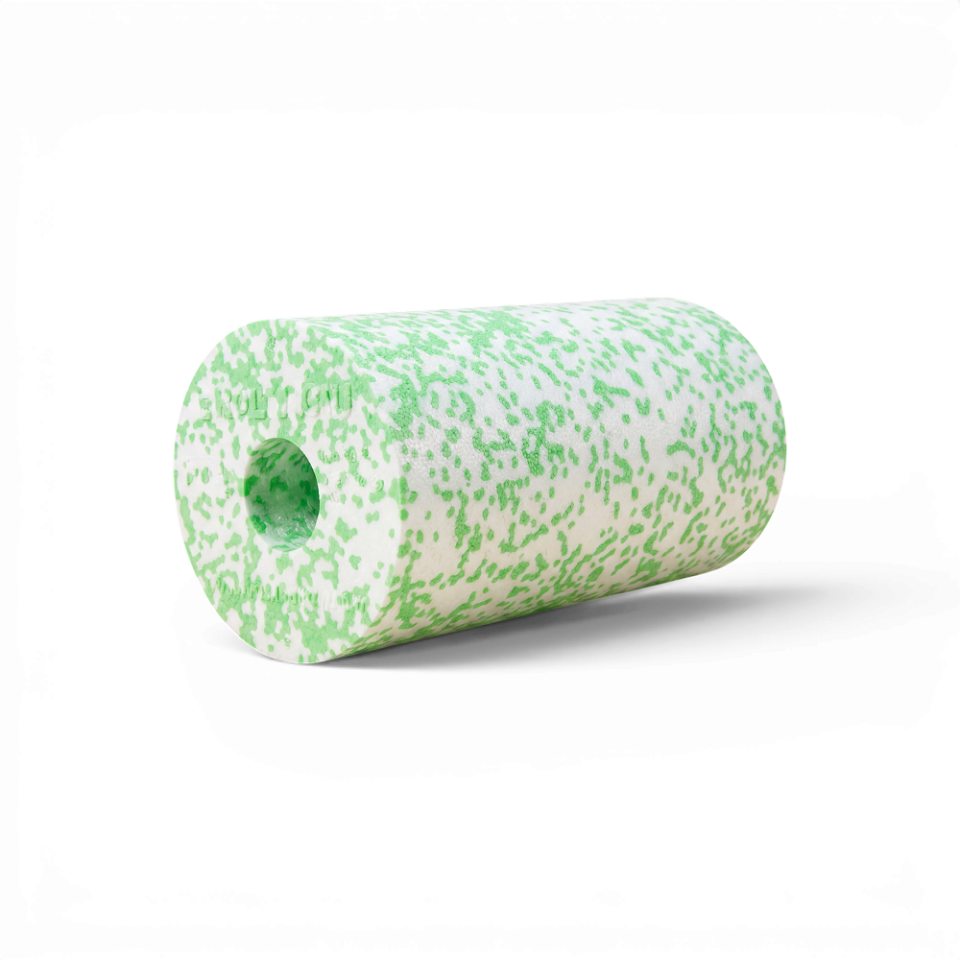
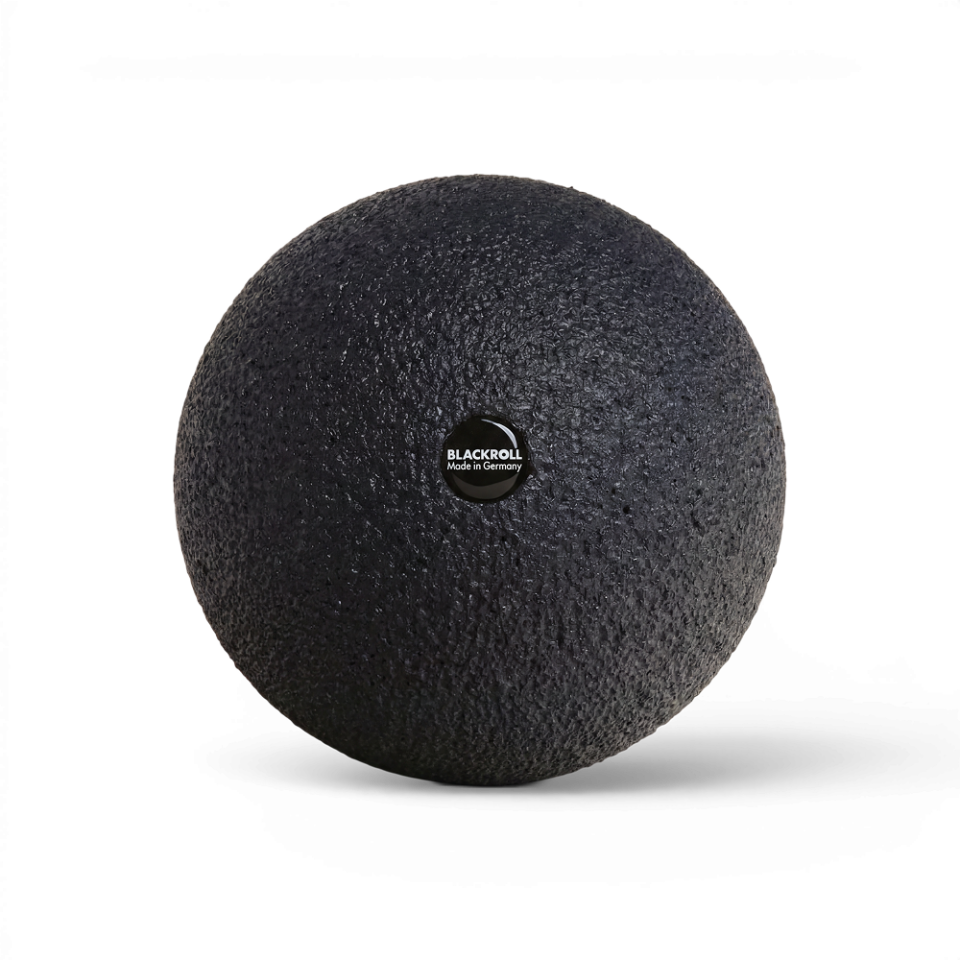

Ball 12
Available in multiple variants
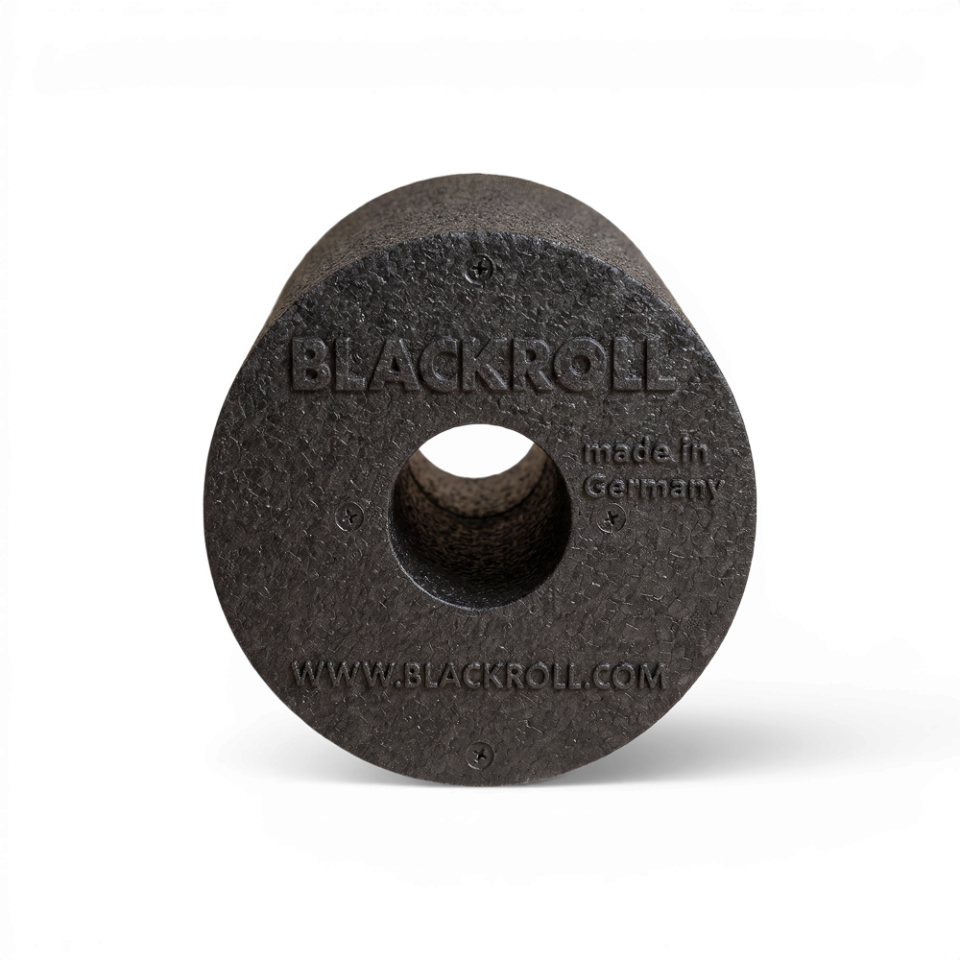
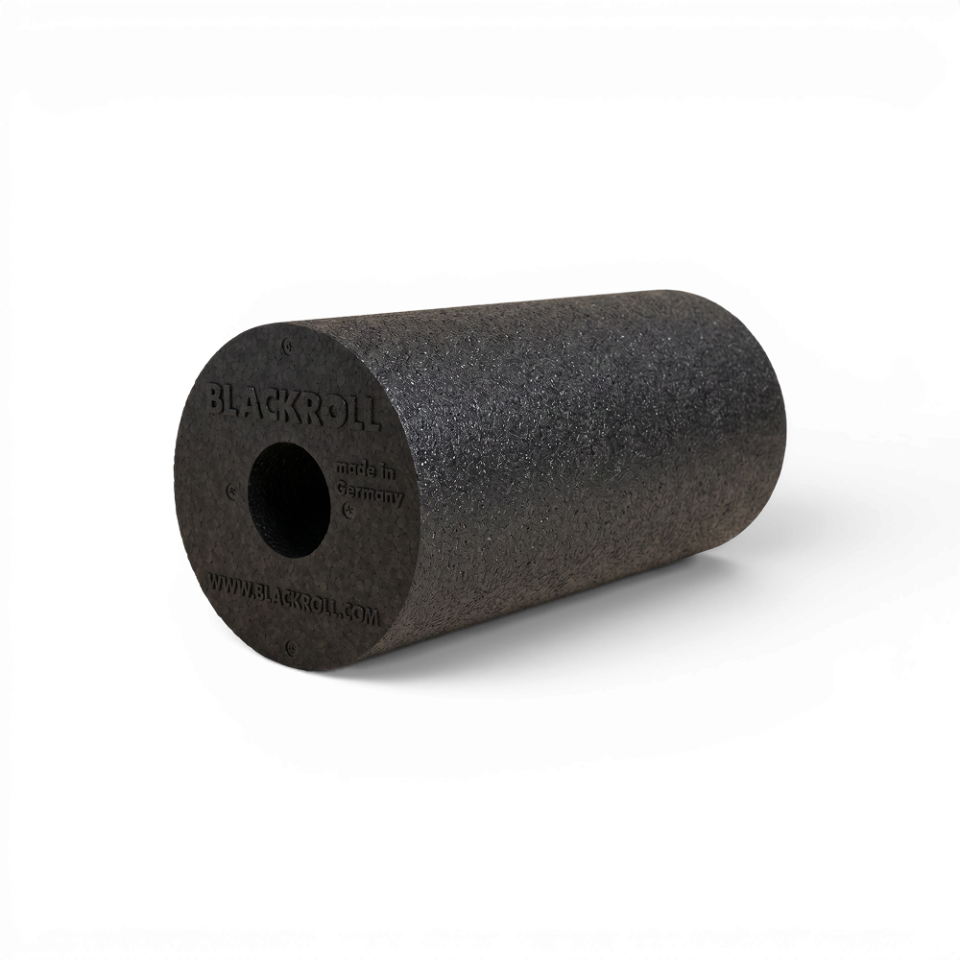
Standard
Available in multiple variants
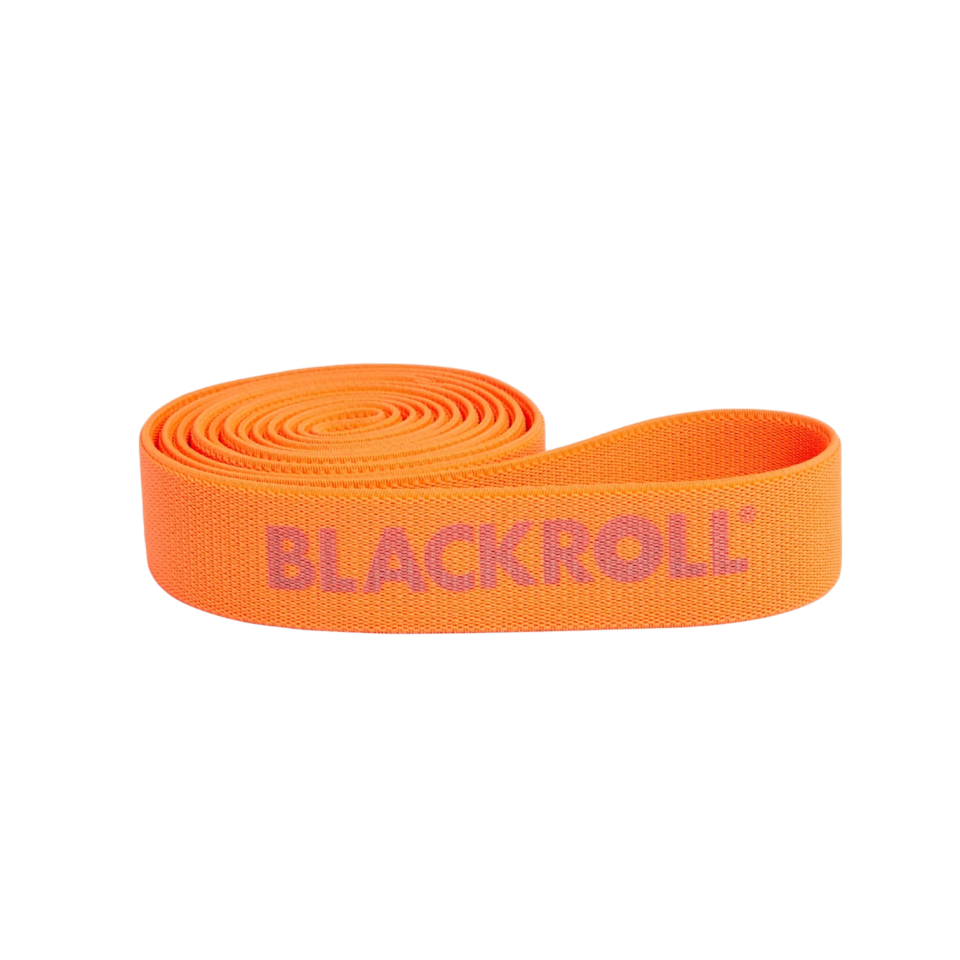
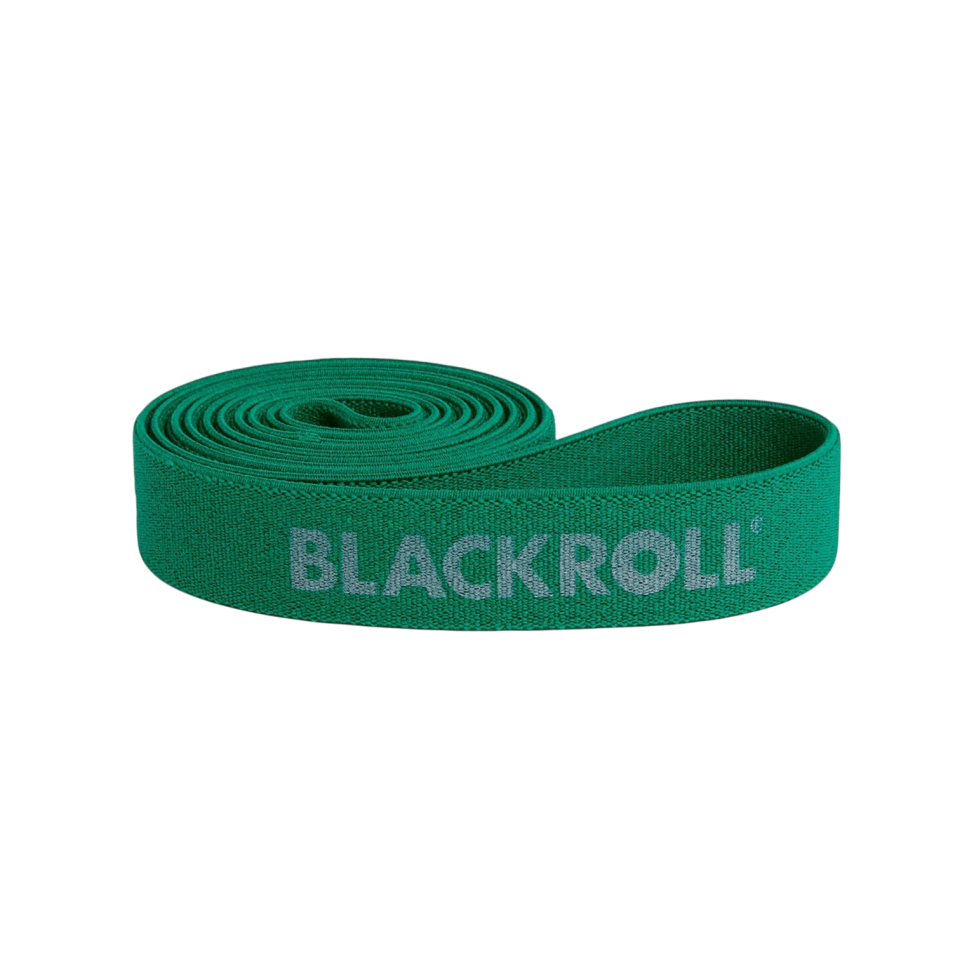
Super Band
Available in multiple variants
You Might Also Like




Sources:
German Society for Orthopedics and Trauma Surgery. (2023). Study on Back Pain in Germany (n=12,847). Berlin: DGOU.
German Society for Orthopedics and Trauma Surgery. (2023). Nonspecific Back Pain—Prevalence and Classification. Berlin: DGOU.
Cochrane Collaboration. (2023). Exercise therapy for chronic nonspecific low back pain: Review of 47 randomized controlled trials. Cochrane Database of Systematic Reviews. https://doi.org/10.1002/14651858.CD000335.pub4
Robert Koch Institute. (2022). Health Survey 2022: Back Pain and Other Musculoskeletal Complaints in Germany. Berlin: RKI.
Robert Koch Institute. (2022). Symptom Progression in Back Pain: Episodic vs. Chronic Symptoms. Berlin: RKI.