
Lumbago – Practical Tips and Advice for Everyday Life

Key Points at a Glance
- Lumbago is caused by strained muscles, fascia, and ligaments, which lead to a sudden dysfunction in the lumbar spine.
- Sudden movements, lifting heavy objects, or psychological stress can trigger lumbago.
- Typical symptoms include sharp pain in the lower back, muscle tension, and significant restriction of movement.
- The symptoms usually subside noticeably after a few days to a week. Medical treatment is generally not necessary.
- Warning signs that require immediate medical evaluation include numbness or tingling in the leg, complete loss of sensation, bladder or bowel problems, fever, and severe pain following an accident.
- Preventive measures include targeted back exercises, ergonomic workstations, regular exercise, and proper lifting techniques.
Lumbago – When Your Back Seizes Up
One moment everything was fine—and suddenly, nothing works anymore. Everyday tasks—carrying groceries into the house, picking things up off the floor, rocking the baby to sleep—become torture from one moment to the next. That’s when lumbago seizes up your back. By now, at the very latest, you know just how much your back does for you every day. Without your back’s support, you feel vulnerable.
But don’t worry: even if it feels different during the acute phase, lumbago usually doesn’t cause any long-term damage. And you can actively get rid of it just as easily as you can prevent it. To do that, it helps to first understand exactly what’s actually happening in your back when you have lumbago.
Medical Note
This article is for general information purposes only and is not a substitute for a medical diagnosis or individualized treatment.
If you’re unsure whether your pain is actually lumbago, it’s a good idea to consult your primary care physician. They can determine what treatment is necessary and refer you to a specialist if needed.
If you have persistent back pain or pain that radiates into your leg or other parts of your body, it’s also recommended that you see an orthopedic or neurological specialist.
What exactly is lumbago?
Lumbago is characterized by sudden, stabbing pain in the lower back caused by an acute functional disorder of the lumbar spine. You may have heard the terms “acute lumbalgia” or “lumbago” before. These are the technical terms for lumbago. It is usually a nonspecific lower back pain. This means that there is no underlying serious structural cause, such as a herniated disc or a vertebral fracture. Lumbago, therefore, cannot be attributed to any single, clear cause.
“In most cases, it is not the intervertebral discs that are the root cause of lumbago, but rather muscle and fascia stiffness.”
Instead, many factors contribute to the development of lumbago, such as functional limitations like muscle tension, joint restrictions, and irritated fascia, as well as a lack of exercise, uneven strain, or psychological stress.
So how does lumbago actually occur? Often, it’s triggered by a seemingly trivial movement—for example, when you bend over, stretch, or pick up an object—causing your back muscles to suddenly tense up and the small vertebral joints (facet joints) to lock. The immediate pain associated with lumbago serves as a warning to the body to reduce excessive or improper strain on the spine. The surrounding fascia—the connective tissue around the muscles—can also become tense, intensifying the pain. The body reacts reflexively by adopting a protective posture, which is helpful in the short term but exacerbates the problem in the long run.
The term “lumbago” dates back to the Middle Ages. People believed that witches shot invisible arrows into the backs of those affected. This is where the notion of sudden, inexplicable pain comes from. With today’s medical knowledge, you’re much better equipped to know what to do if you experience lumbago.
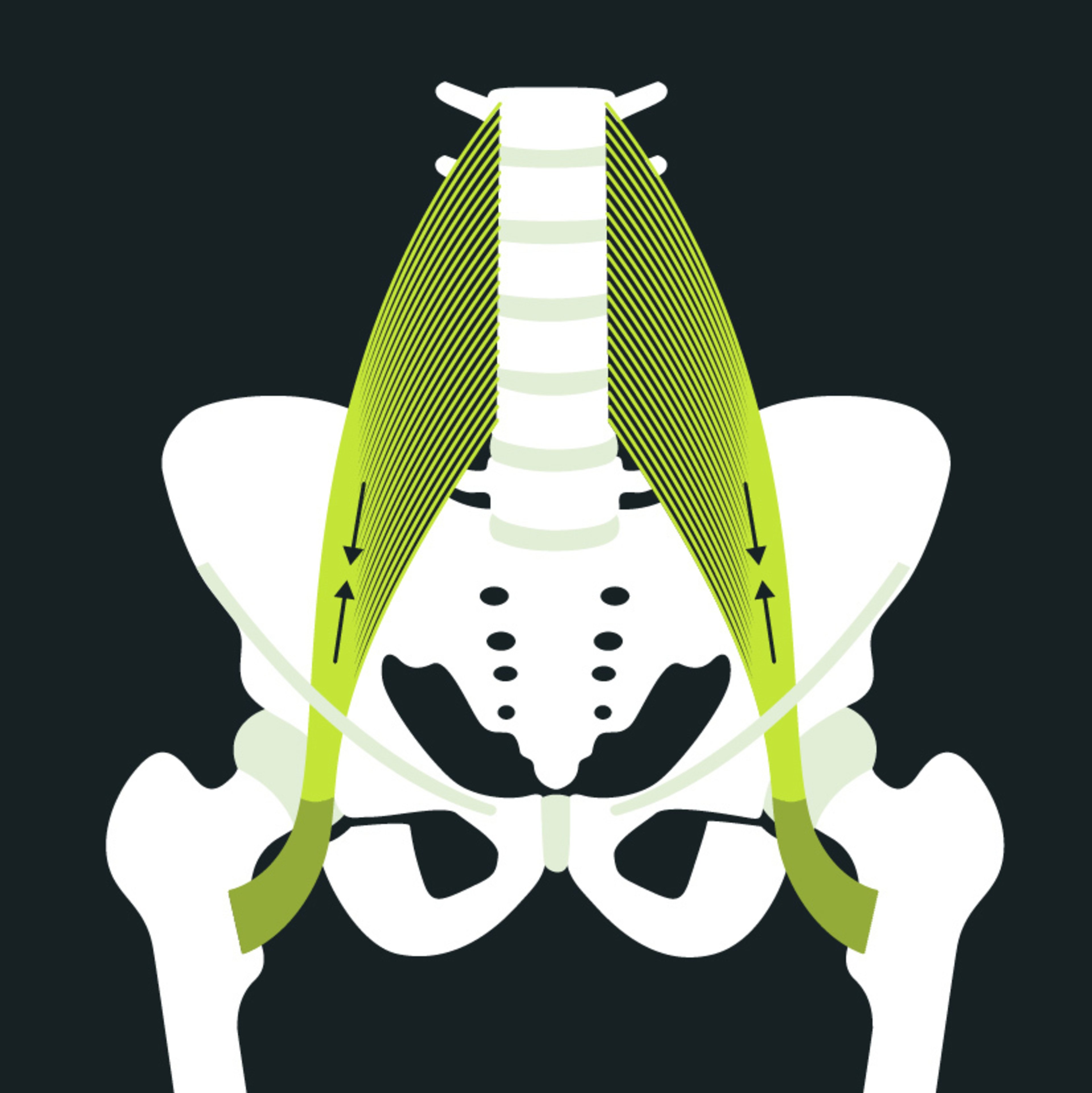
Where does lumbago most commonly occur?
Lumbago almost always affects the lower back —specifically, the lumbar spine with its five lumbar vertebrae. The pain is often felt on both sides of the lower back, but it can also occur on one side. It may radiate into the buttocks, but this is rare. Pain that radiates distinctly down the leg, however, is a warning sign and indicates nerve irritation or a herniated disc.
“Contrary to popular belief, in the vast majority of cases, it is not the intervertebral discs that are the root cause of lumbago, but rather painful muscle-fascia tightness. In these cases, specific exercises performed at home help loosen the tissue. This restores myofascial balance, and very good results can be achieved.” Dr. Torsten Pfitzer, holistic pain therapist and health coach
Dr. Torsten Pfitzer, holistic pain therapist and health coach

These symptoms indicate lumbago
Lumbago usually strikes without warning. It hits you in the middle of an everyday movement—specifically, when you briefly overexert your spine. From one moment to the next, a sharp pain shoots through you and your back loses all mobility. Still, there’s no need to worry: precisely because the pain is almost unbearable, it’s easy to identify.
Typical symptoms of lumbago:
- sudden, shooting, stabbing pain in the lower back
- severe muscle tension and stiffness in the lower back
- significant restriction of movement: standing up straight, bending over, or twisting is barely possible
- A protective posture (leaning slightly forward, possibly tilted to one side)
- Pain that worsens with movement but subsides when lying down
Localized pain in the lower back, with very occasional radiation into the buttocks (without numbness or tingling)
When should you see a healthcare professional?
- Pain radiating into the leg accompanied by numbness, tingling, or weakness—a possible sign of nerve compression
- Bladder or bowel problems (urinary retention, incontinence) or numbness in the genital and perineal area—possible cauda equina syndrome (medical emergency)
- Severe back pain following an accident or fall—may indicate a fracture
- Fever, chills, or unexplained weight loss accompanied by back pain
- Known cancer or severe osteoporosis with new, severe back pain
- No improvement despite appropriate measures over several days to a few weeks
What Causes Lumbago? Causes and Risk Factors
Even though lumbago may seem to occur suddenly, it is usually caused by a combination of pre-existing physical conditions and a triggering event. The lumbar spine is already unstable, and even a harmless movement can be enough to set off the condition.
The most common causes and risk factors:
- sudden everyday movements: bending over, lifting, stretching, twisting—even during sports
- Untrained core muscles: when the abdominal and back muscles do not sufficiently stabilize the spine
- Lack of exercise and prolonged sitting: leads to tight hip flexors and weak back muscles
- Excess weight: increases the chronic strain on the lumbar spine
- Psychosocial factors: increased muscle tension due to stress and lack of sleep
- Vibration and forced postures: long drives, one-sided postures, or similar activities
- Drafts and cold: can further irritate muscles that are already tense
What do fascia have to do with lumbago?
Fascia —the connective tissue that envelops and connects muscles, bones, and organs—plays an often-underestimated role in lumbago. Hardened or adhered fascia around the lumbar spine can restrict mobility and intensify pain. Regular fascia training, for example using fascia rollers or targeted stretches, can help maintain the suppleness of the tissue over the long term and prevent relapses.
How is lumbago diagnosed?
In most cases, a clinical examination by a doctor is sufficient. A medical history—that is, questions about the progression of the pain—a physical examination, and a range-of-motion test provide enough information to identify uncomplicated lumbago.
During this process, the doctor will determine, for example, whether the pain is chronic or whether psychological factors might be playing a role. The physical examination also serves to rule out structural causes such as a herniated disc.
Here’s what you should know: Imaging tests such as X-rays, CT scans, or MRIs are generally not necessary for a typical case of lumbago. They can even be counterproductive because they shift the focus to organic causes that are most likely not present. Therefore, imaging tests should only be used if another condition is suspected.

Deep heat for your back
Learn more about the Thermo PadTreatment for Lumbago: Effective Immediate Measures
The pain caused by lumbago often subsides within a few days with simple measures. This is because it is primarily caused by poor posture, overexertion, lack of exercise, and sudden movements. The majority of those affected no longer experience any pain after 4 to 6 weeks at the latest.
Early self-care is particularly important for the best possible outcome. This means, above all, staying active—of course, always to the extent that your current condition allows. Be sure to avoid bed rest or restrictive postures, as these tend to worsen the instability of the lumbar spine. Heat can provide relief because it helps improve blood flow to your muscles, thereby relaxing them.
Measure | Effect |
|---|---|
Elevated leg position (legs raised to 90°) | Immediate relief for the lumbar spine; muscle relaxation during the acute phase |
Heat (hot water bottle, warm bath) | Relieves muscle tension; promotes blood circulation; alleviates pain |
Early mobilization (short walks, changing positions) | Prevents stiffness; reduces fear of movement; accelerates healing |
Targeted exercises (cat-cow pose, pelvic tilts, small weight lifts) | Mobilizes the lumbar spine; relaxes fascia and muscles |
Short-term pain relievers (e.g., ibuprofen) | Enables movement despite severe pain; should be used for a limited time |
Physical therapy (as needed) | Personalized guidance; corrects movement patterns; prevents relapses |
By the way: If you have uncomplicated lumbago, you don’t need to worry about surgery. Because it involves nonspecific lower back pain, surgery is usually not necessary. Surgery may be considered only if a medical examination identifies specific, structural causes—such as a severe herniated disc with persistent neurological deficits—or if all conservative treatments have failed over an extended period. In this case, seek medical advice regarding the causes, effects, and alternatives.
What You Can Do in the Long Term to Avoid Lumbago: Prevention in Everyday Life
Once you’ve experienced lumbago, it can come back. But it doesn’t have to—you can take active steps to prevent it. And the best part is: the most effective preventive measures can be easily integrated into your daily routine.
- Regular exercise: walking , cycling, swimming—ideally every day, for at least 30 minutes
- Targeted core training: Strengthen your abdominal and back muscles, as well as your glutes and hips, to provide long-term relief for your spine
- Maintain mobility: Regular stretching and fascia training keep the tissues supple
- Ergonomic workstation: Adjust seat height, monitor distance, and change positions frequently
- Stress reduction and adequate sleep: Both have been proven to reduce muscle tension and sensitivity to pain
- Weight management: Maintaining a body weight within the average range reduces chronic strain on the lumbar spine
- Actively avoid protective postures: Return to normal movement patterns as soon as possible after the acute phase
Take action now: the right exercises for lumbago
Movement is the most important remedy for lumbago, not only for treatment but also for prevention. Here you’ll find exercises that you can easily incorporate into your daily routine to help the acute phase subside. Long-term practice will help you maintain your mobility over the long term.

Go to the Lumbago Exercises
View exercises for lumbago now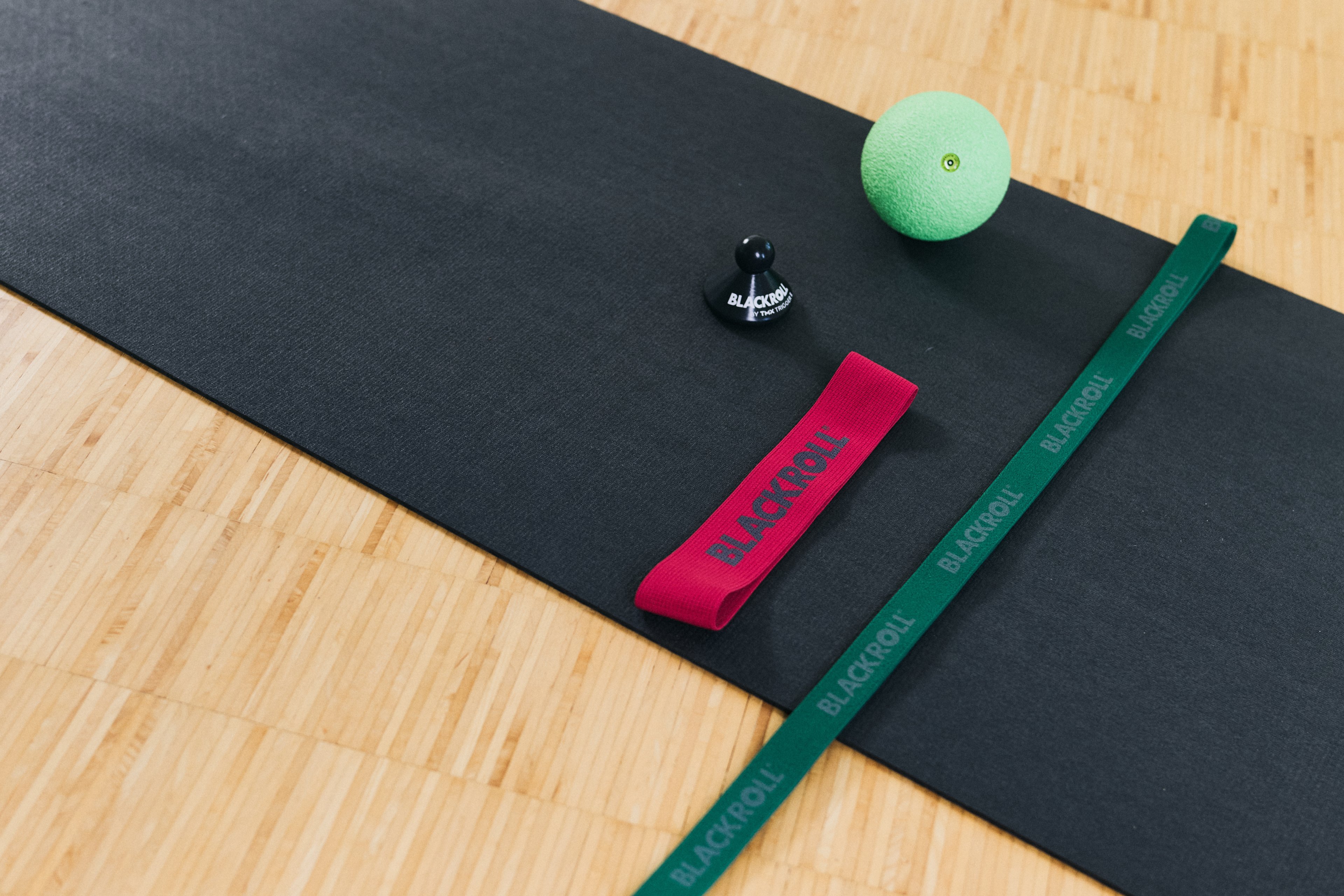
Frequently Asked Questions About Lumbago
Lumbago typically causes localized pain in the lower back without persistent radiating pain down the leg. A herniated disc is often accompanied by pain that radiates down the leg and can cause numbness, tingling, or weakness in the leg. If in doubt, always consult a doctor.
The duration of lumbago depends on individual factors. For most people affected, the pain improves significantly after just a few days. After one week, about half feel noticeably better; after two weeks, around 65 percent—and after four to six weeks, approximately 90 percent of those affected are largely symptom-free. The key to a quick recovery: stay active and avoid bed rest.
Your tools for lumbago exercises:
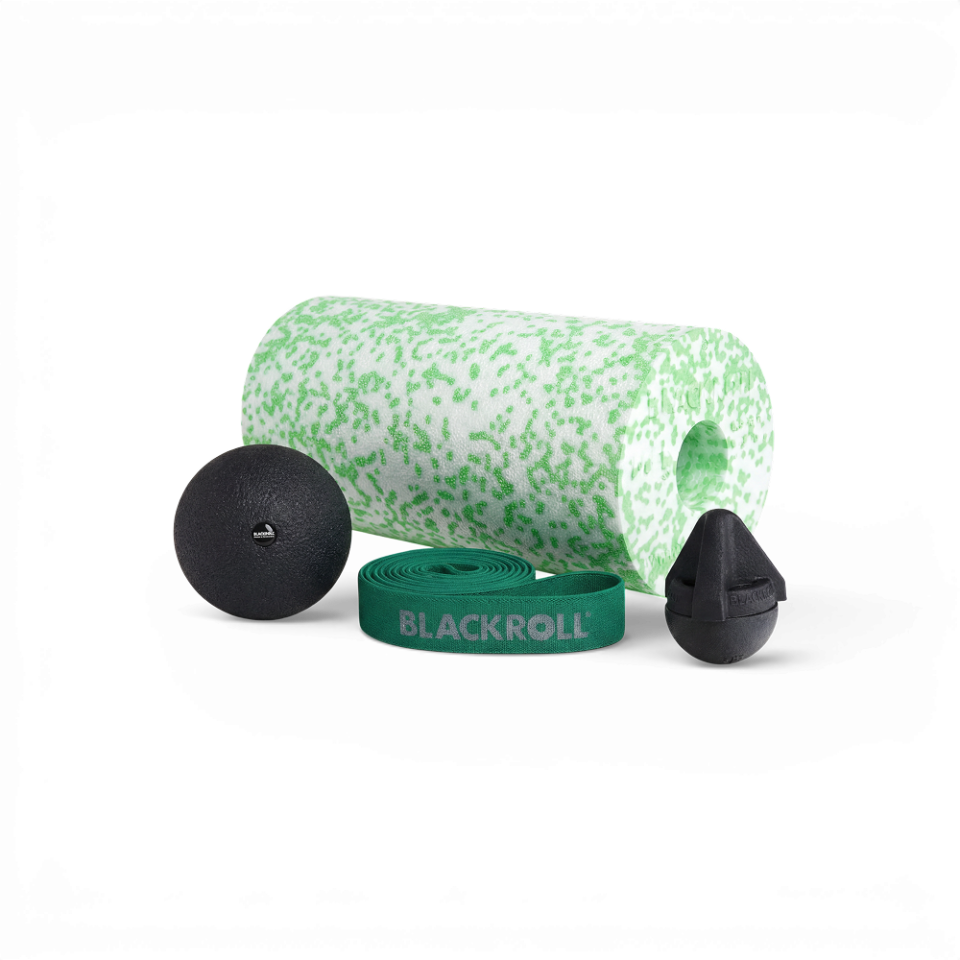
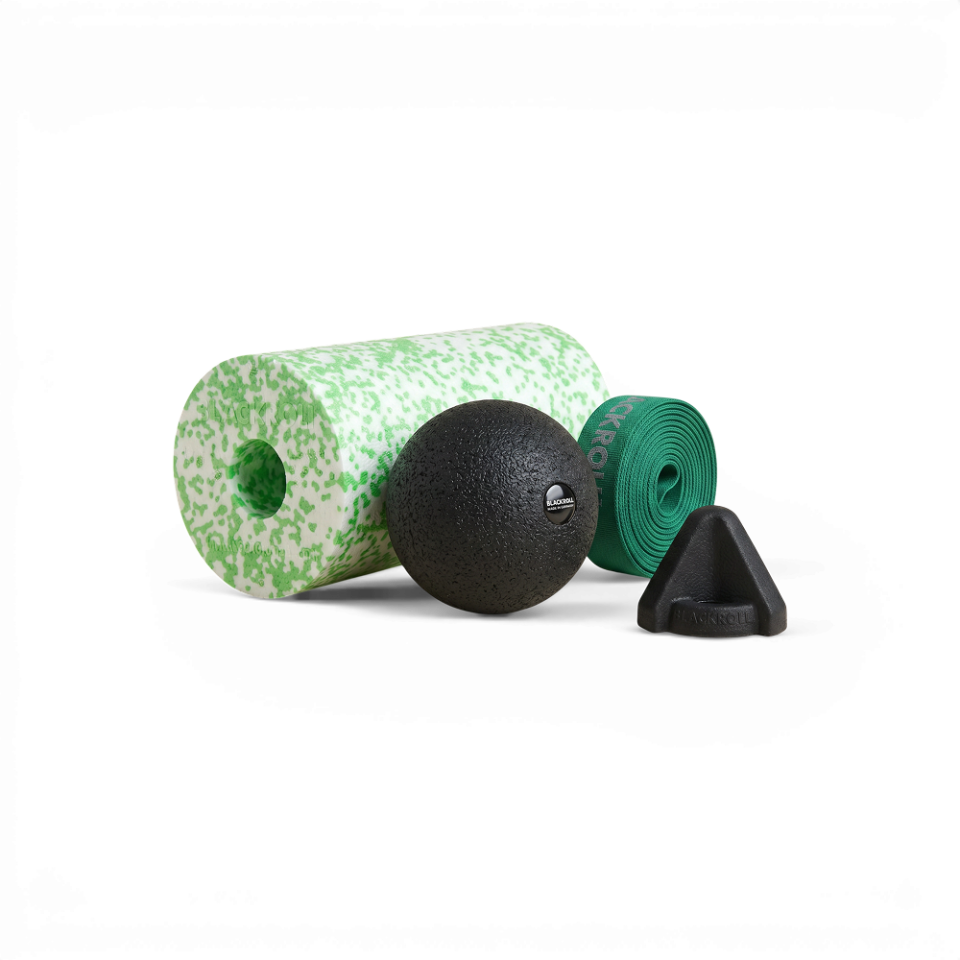


Ball 12
Available in multiple variants
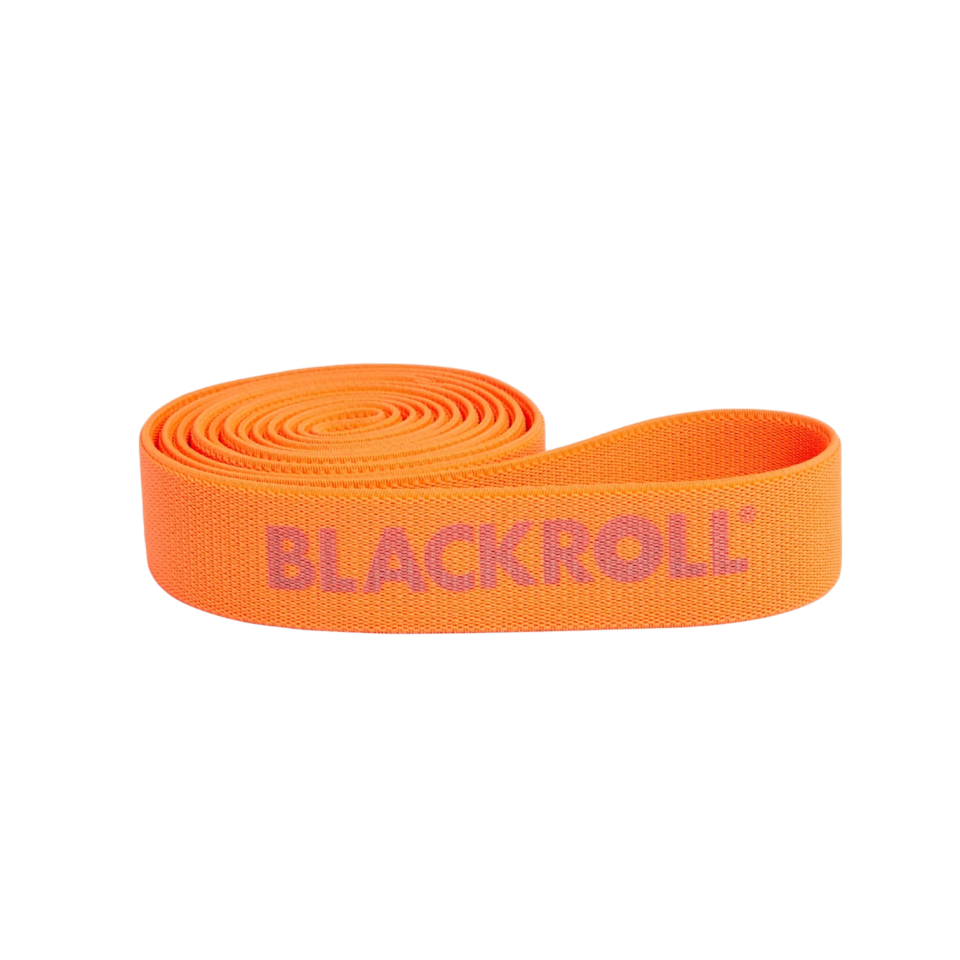
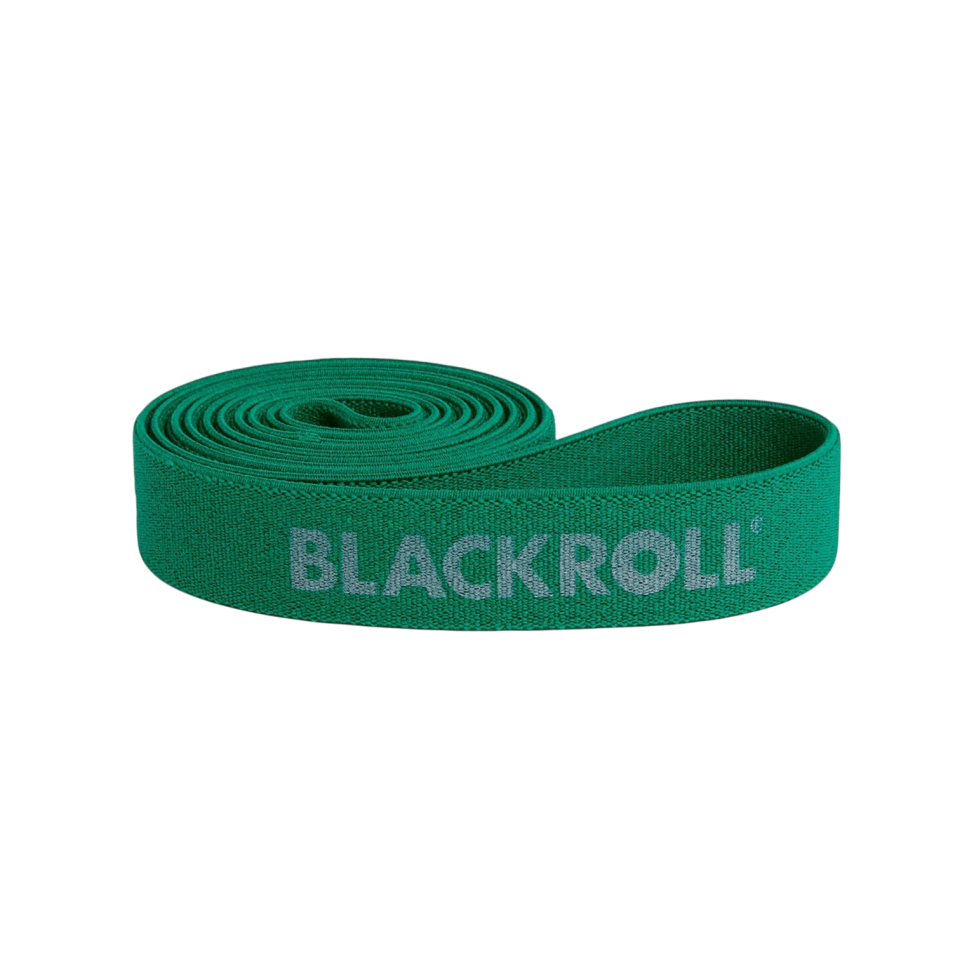
Super Band
Available in multiple variants

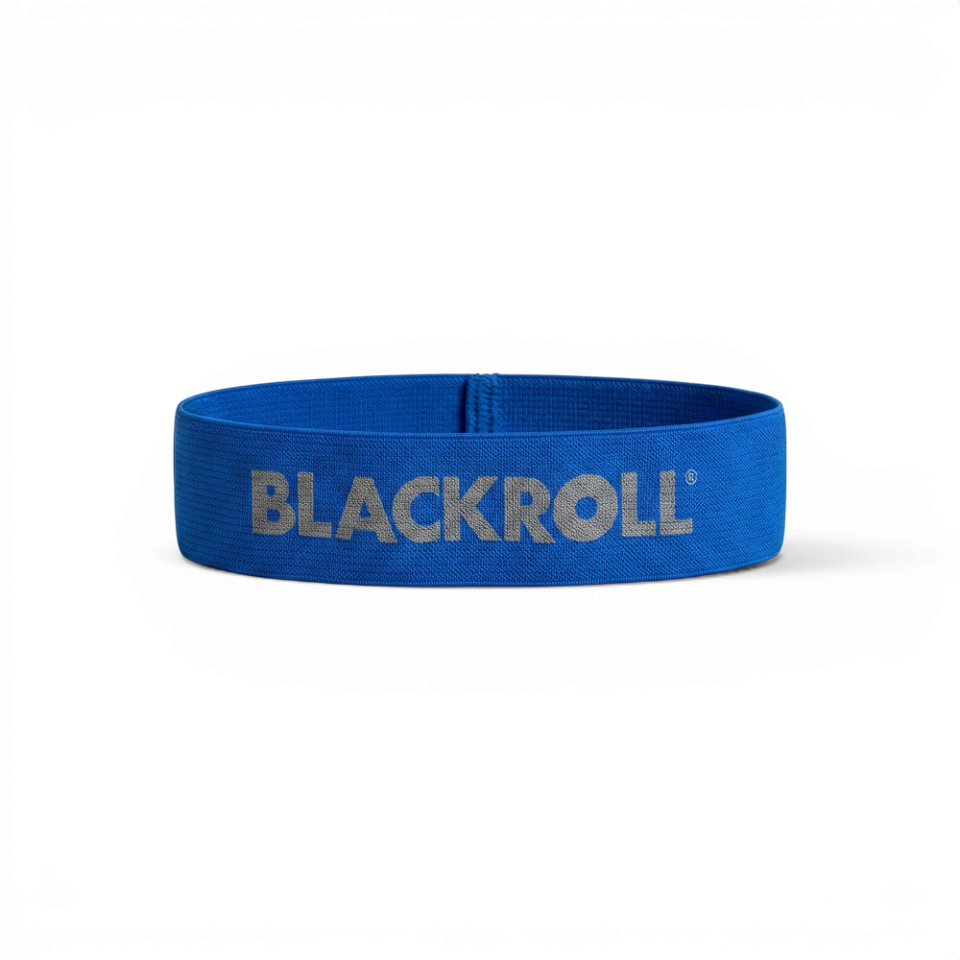
Loop Band
Available in multiple variants
Sources and Studies
- “Prevalence of Back and Neck Pain in Germany. Results of the BURDEN 2020 Disease Burden Study.” Journal of Health Monitoring. Robert Koch Institute. Berlin: 2021. Retrieved from: https://www.rki.de/DE/Aktuelles/Publikationen/Journal-of-Health-Monitoring/GBEDownloadsJ/JoHM_S3_2021_Rueckenschmerz_Nackenschmerz.html
- DGS Clinical Guidelines for the Treatment of Acute Lower Back/Back Pain. Edited by the German Society for Pain Medicine (DGS) e.V. Berlin: 2021. Retrieved from: https://www.dgschmerzmedizin.de/fileadmin/dgs/Dokumente/PDF_oeffentlich/DGS-PraxisLeitfaden_zur_Behandlung_akuter_Kreuz-_und_Rueckenschmerzen_v1.pdf
- Dr. Katrin Schüssel, Henriette Weirauch et al. German Health Atlas: Back Pain—Prevalence in the German Population, Causes, Consequences, and Prevention Strategies. Scientific Institute of the AOK (WIdO). Berlin: 2023. Retrieved from: https://www.gesundheitsatlas-deutschland.de/data/Atlanten/ATLAS_RUECKENSCHMERZEN_Deutschland.pdf


