
Lower Back Pain: Causes and Treatment

Lower Back Pain – Causes & What Helps
- Lower back pain is one of the most common health issues and ranges from mild stiffness to herniated discs.
- Common triggers include a lack of exercise, poor posture (e.g., swayback), being overweight, stress, or an unsuitable sleeping environment.
- Back pain is classified as specific (e.g., herniated disc) or nonspecific (e.g., muscle tension)—the latter accounts for approximately 85% of cases.
- Prevention through exercise, targeted training, relaxation, and a back-friendly sleeping position is particularly effective.
Recommendation: The BLACKROLL® RECOVERY PILLOW —an ergonomically shaped pillow that supports the neck and back and stabilizes the spine in its natural alignment.
Lower back pain is considered one of the most widespread common ailments. A stabbing pain, a pulling sensation in the lumbar region, a tingling in the legs—lower back pain manifests itself through various symptoms.
The causes are just as varied, as the list ranges from harmless muscle tension to a vertebral fracture. Here you’ll learn where your back problems come from and what you can do about them.
Medizinischer Hinweis: Dieser Artikel dient der allgemeinen Information und ersetzt keine ärztliche Diagnose oder individuelle Behandlung. Bei ersten Beschwerden ist deine Hausärztin oder dein Allgemeinmediziner die richtige Anlaufstelle. Bei anhaltenden, ausstrahlenden oder sich verschlimmernden Schmerzen empfiehlt sich zusätzlich eine orthopädische oder neurologische Fachpraxis.
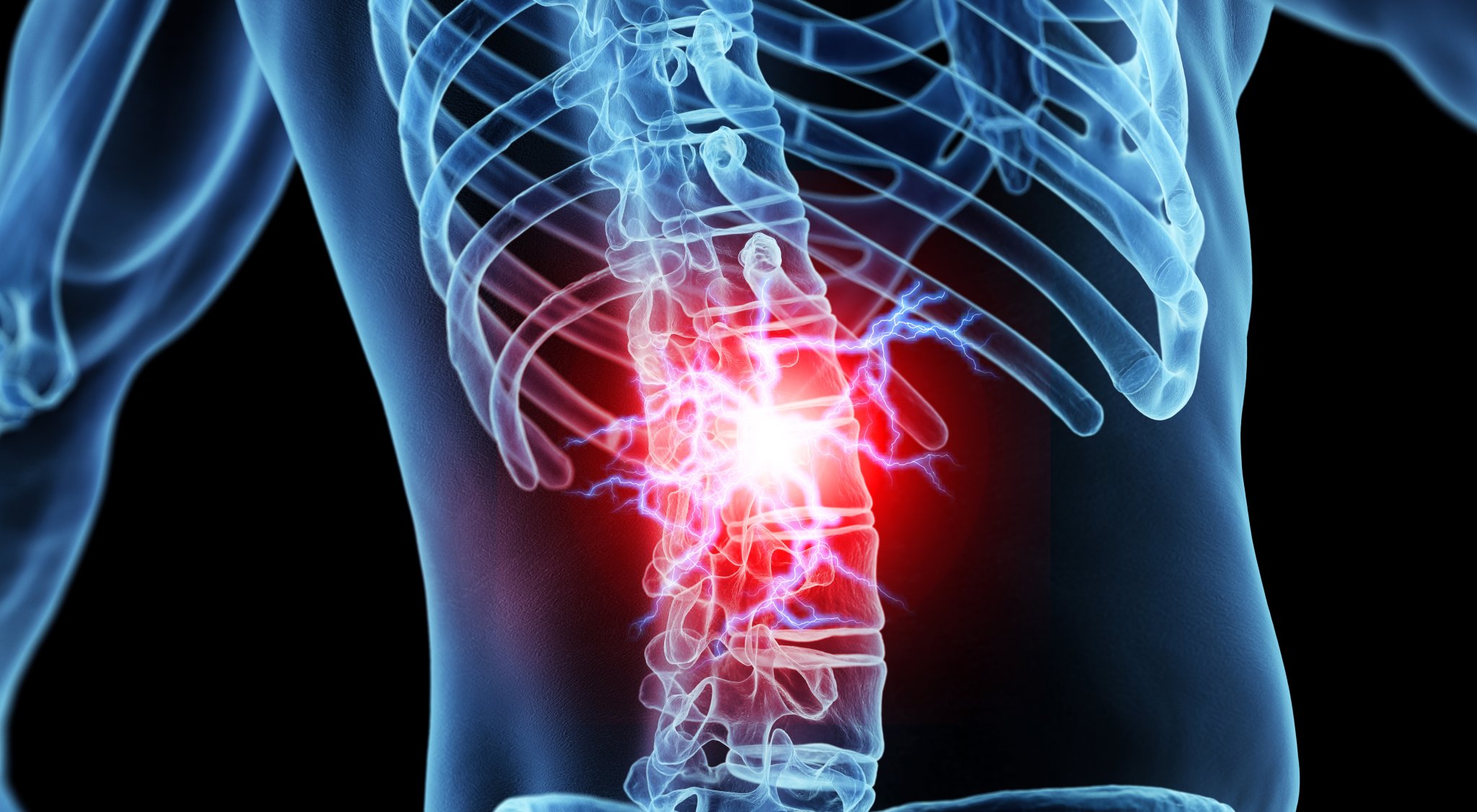
What causes lower back pain?
Lower back pain refers to symptoms ranging from mild to severe in the lumbar spine (LS), which are usually accompanied by limited mobility.
It is commonly referred to as lower back pain. The condition affects the five vertebrae in the lower part of the spine, the intervertebral discs between them, or the back muscles.
The pain is often caused by muscle tension and stiffness, which in many cases develop as a result of poor posture.
Wann steckt mehr dahinter?
In rund 85 Prozent aller Fälle sind Schmerzen im unteren Rücken unspezifisch – es lässt sich also keine eindeutige strukturelle Ursache feststellen (Nationale VersorgungsLeitlinie, 2023). In seltenen Fällen können auch Organerkrankungen (Niere, Blase, Darm, Geschlechtsorgane) oder systemische Erkrankungen Schmerzen in den unteren Rücken ausstrahlen.
Remedies for lower back pain
Mat
Available in multiple variants
Selbsttest: Ist es eine Muskelverspannung?
Lower back pain can be classified as specific or nonspecific.
With specific lower back pain, the cause is clearly identifiable, such as a herniated disc or a vertebral fracture.
In cases of nonspecific back pain, the doctor cannot identify a specific underlying condition. This occurs in about 85 percent of those affected.

Symptome: So äußern sich Verspannungen im unteren Rücken
Frequent sitting, lack of exercise, uneven strain, and strenuous physical activity are the usual suspects when it comes to lower back pain. They are among the most common causes. However, organic or psychological conditions can also affect the back. Possible causes include:
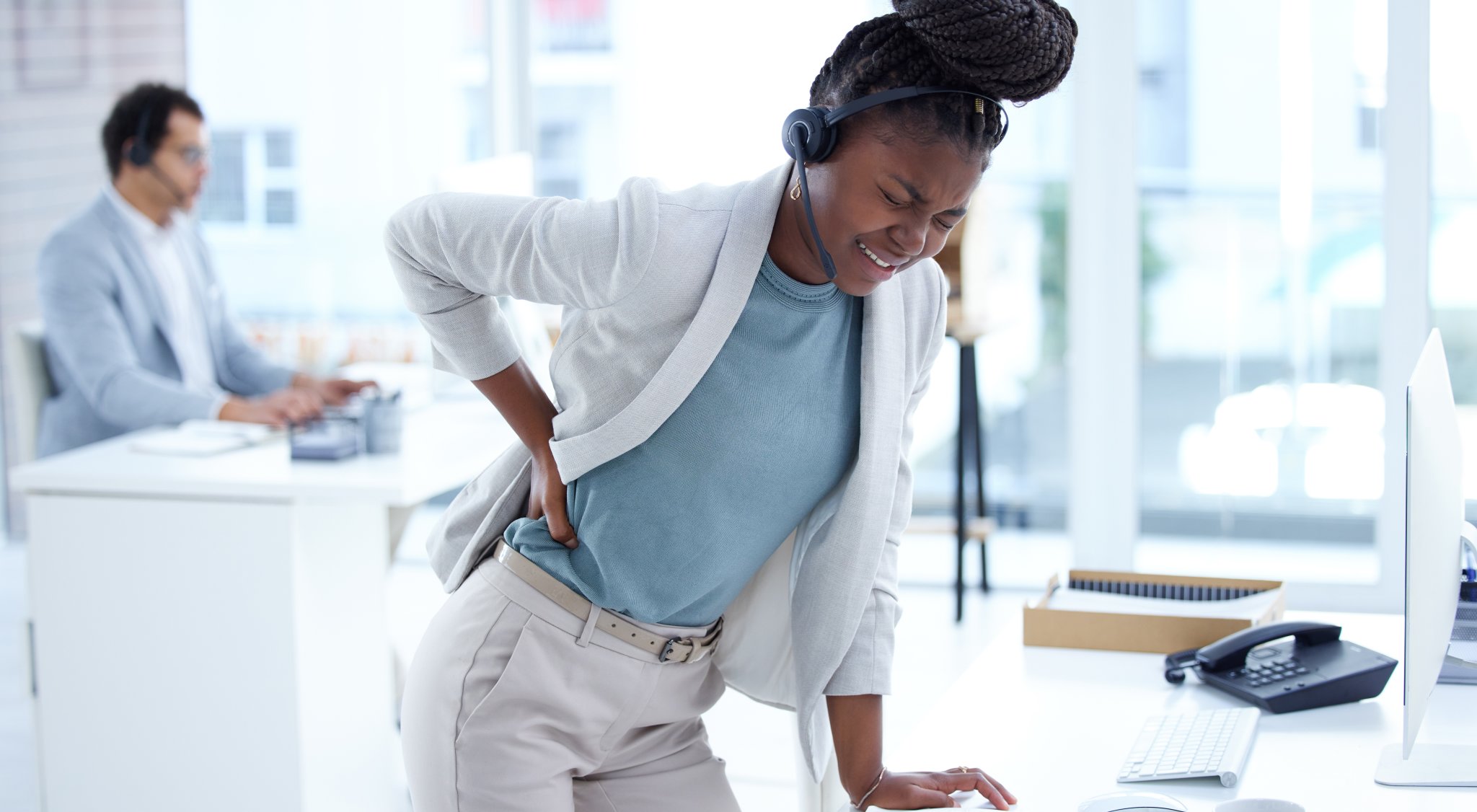
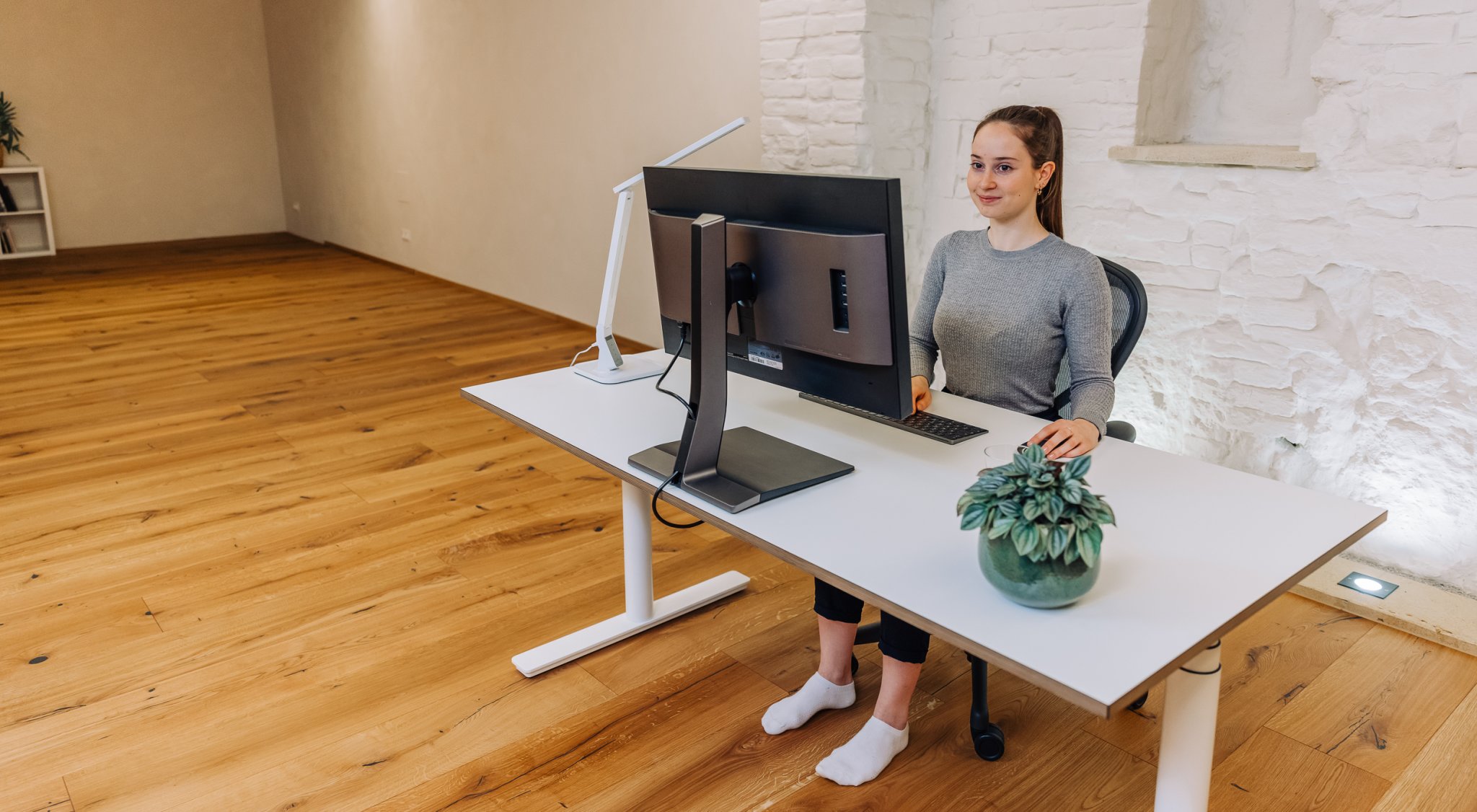
- Muscle Tension: Muscle tension is widespread among the general population and is often the cause of aching and stabbing pain in the lower back. The causes include one-sided and repetitive movement patterns, as well as habitual postures such as sitting at a desk all day.
- Poor Posture: People with a swayback often suffer from lower back pain. The muscle tension and shortening caused by this poor posture are what trigger the pain.
Red Flags: Diese Symptome unbedingt ärztlich abklären
- Schmerzen, die nach drei Wochen nicht besser werden oder sich verschlimmern.
- Schmerzen, die in ein oder beide Beine ausstrahlen, mit Kribbeln oder Taubheit.
- Schmerzen, die nach einem Sturz, Unfall oder Trauma auftreten.
- Schmerzen, die nachts schlimmer werden oder dich um den Schlaf bringen.
- Fieber oder Schüttelfrost kommt begleitend zu den Rückenschmerzen hinzu.
- Blasen- oder Darmprobleme treten auf. → Sofort in die Notaufnahme.
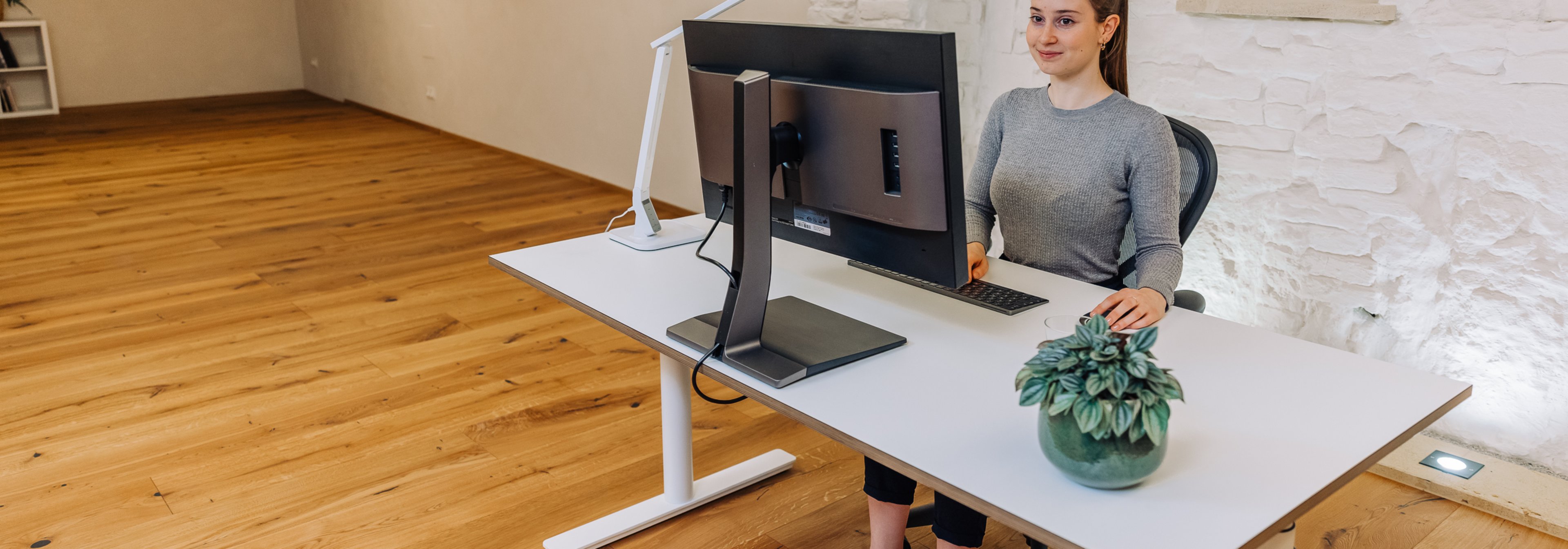
Schmerzen im unteren Rücken je nach Situation: Was steckt dahinter?
- Excess weight: Being severely overweight places an enormous strain on the spine. Combined with a chronic lack of exercise, posture suffers under the pressure of the weight.
- Stress: Sometimes lower back pain is a sign of emotional strain. Stress at work or in your personal life, in particular, often manifests as nonspecific back pain.
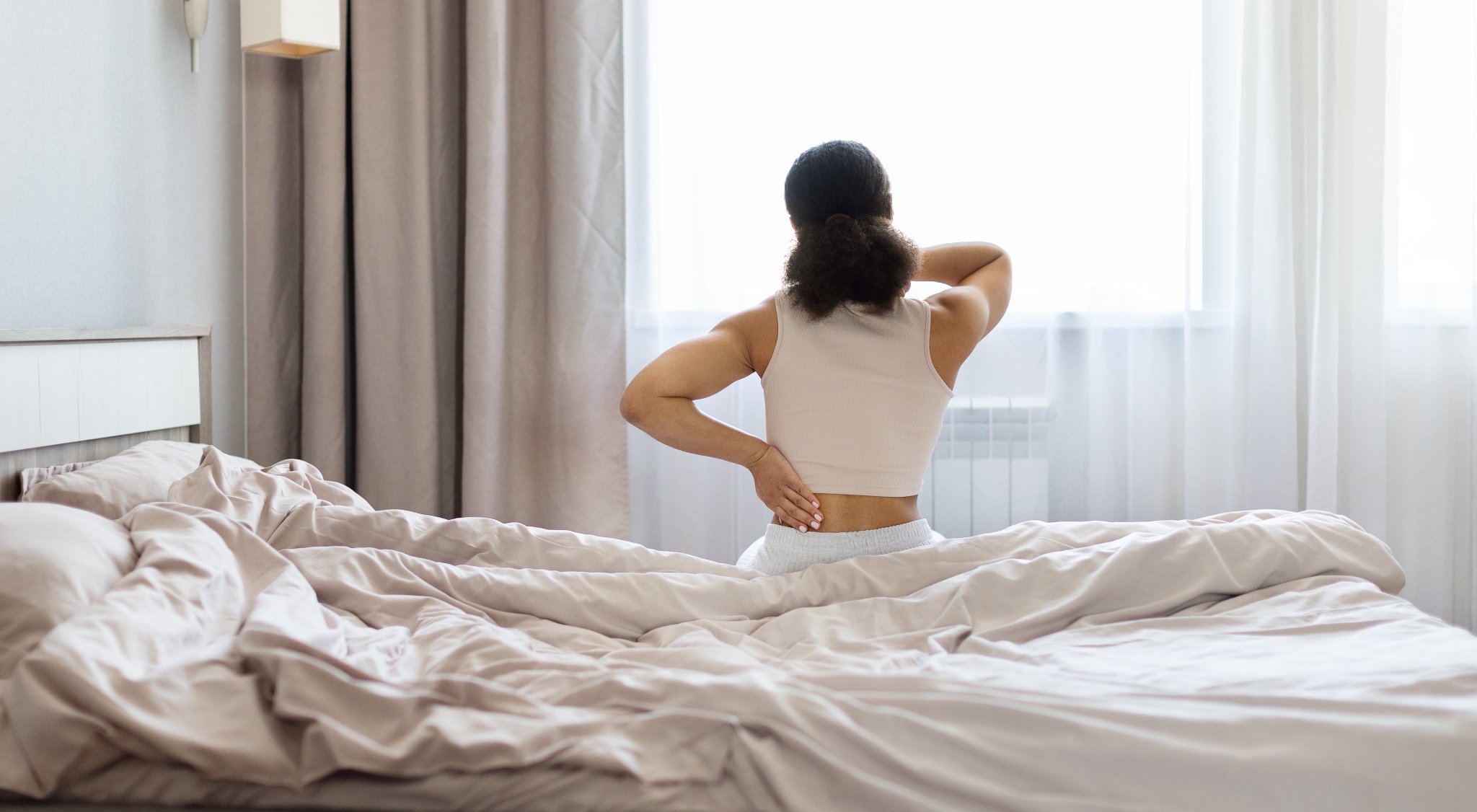
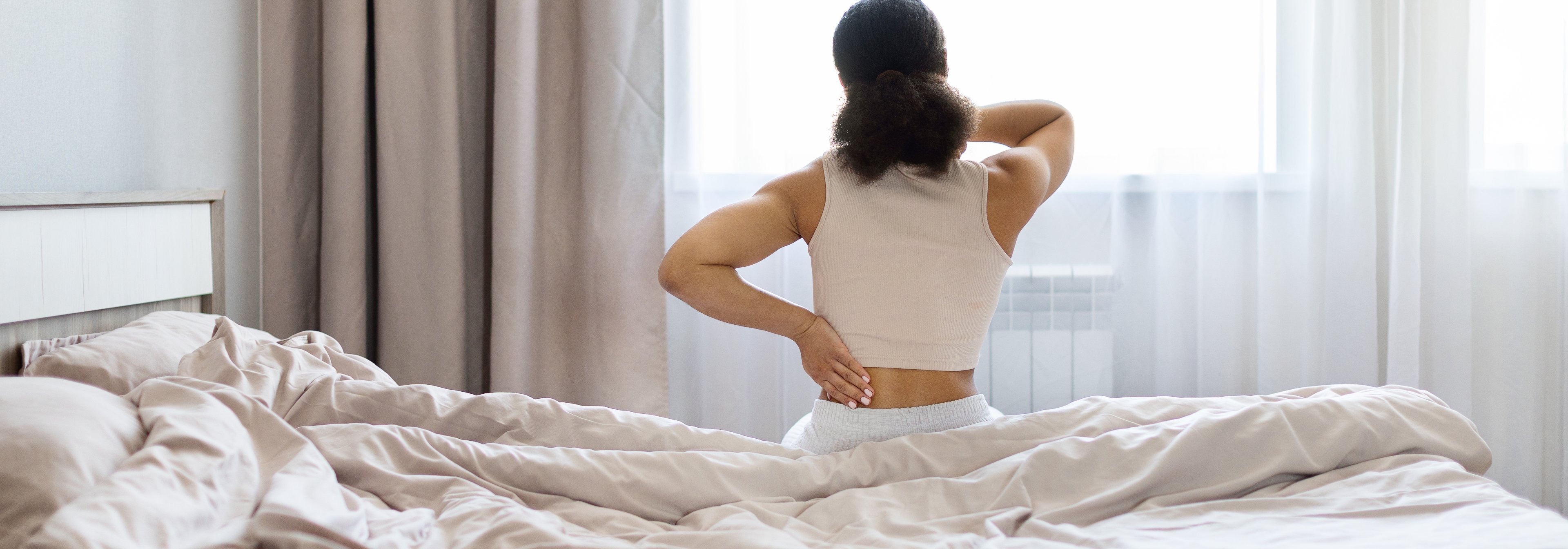
- Sleeping Conditions: In many cases, the wrong mattress leads to lower back pain in the morning. Instead of waking up feeling refreshed, you struggle out of bed with a pulling and stabbing sensation in your lower back.
- Pinched nerve: One sudden, jerky movement—lifting a water jug from left to right—and suddenly a nerve in your lower back is pinched. This also often happens from lying in an awkward position for too long. However, an imbalance in muscle tension is usually already present beforehand. A trained, well-balanced back can compensate for such strains.
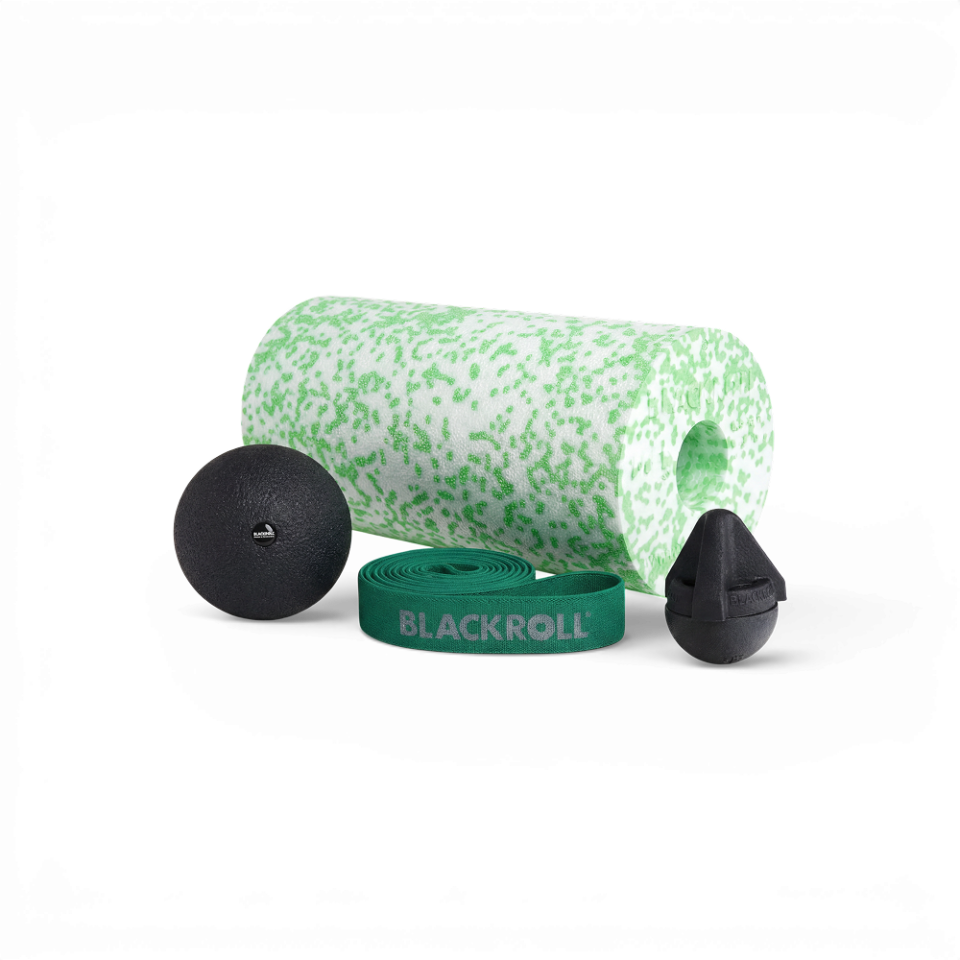
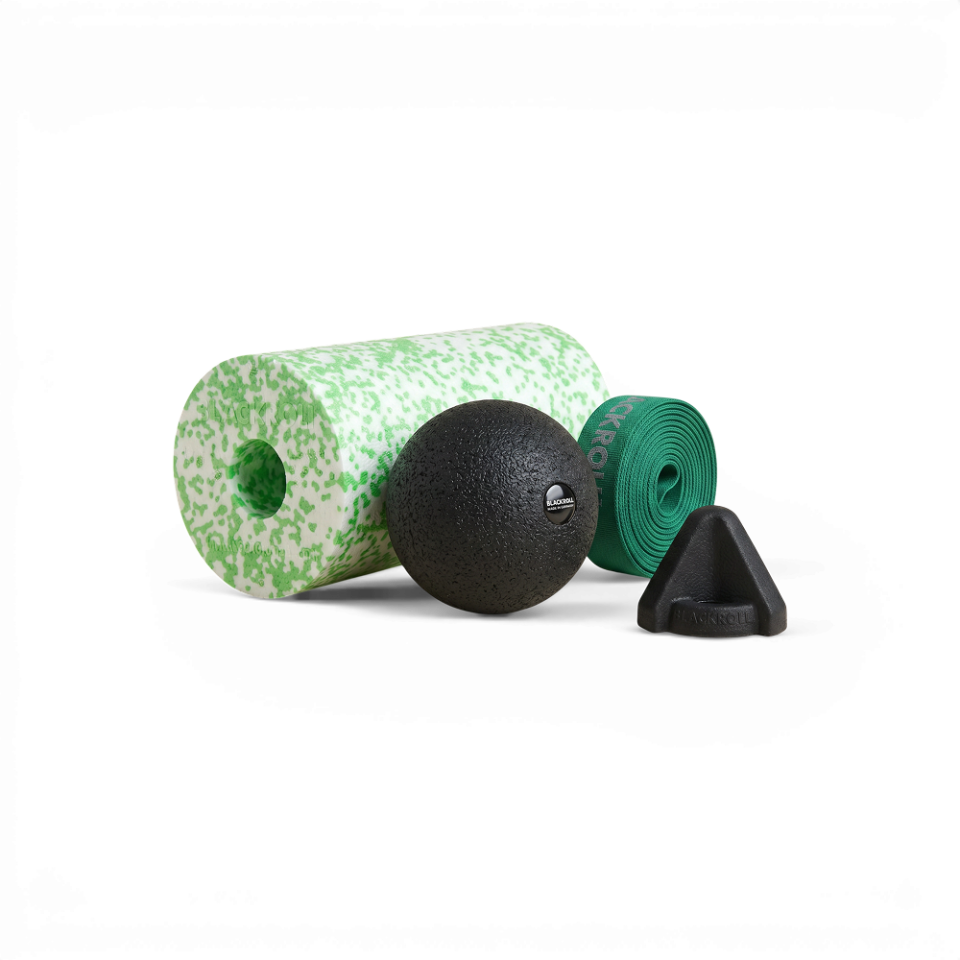
Your All-Inclusive Package for Back Pain
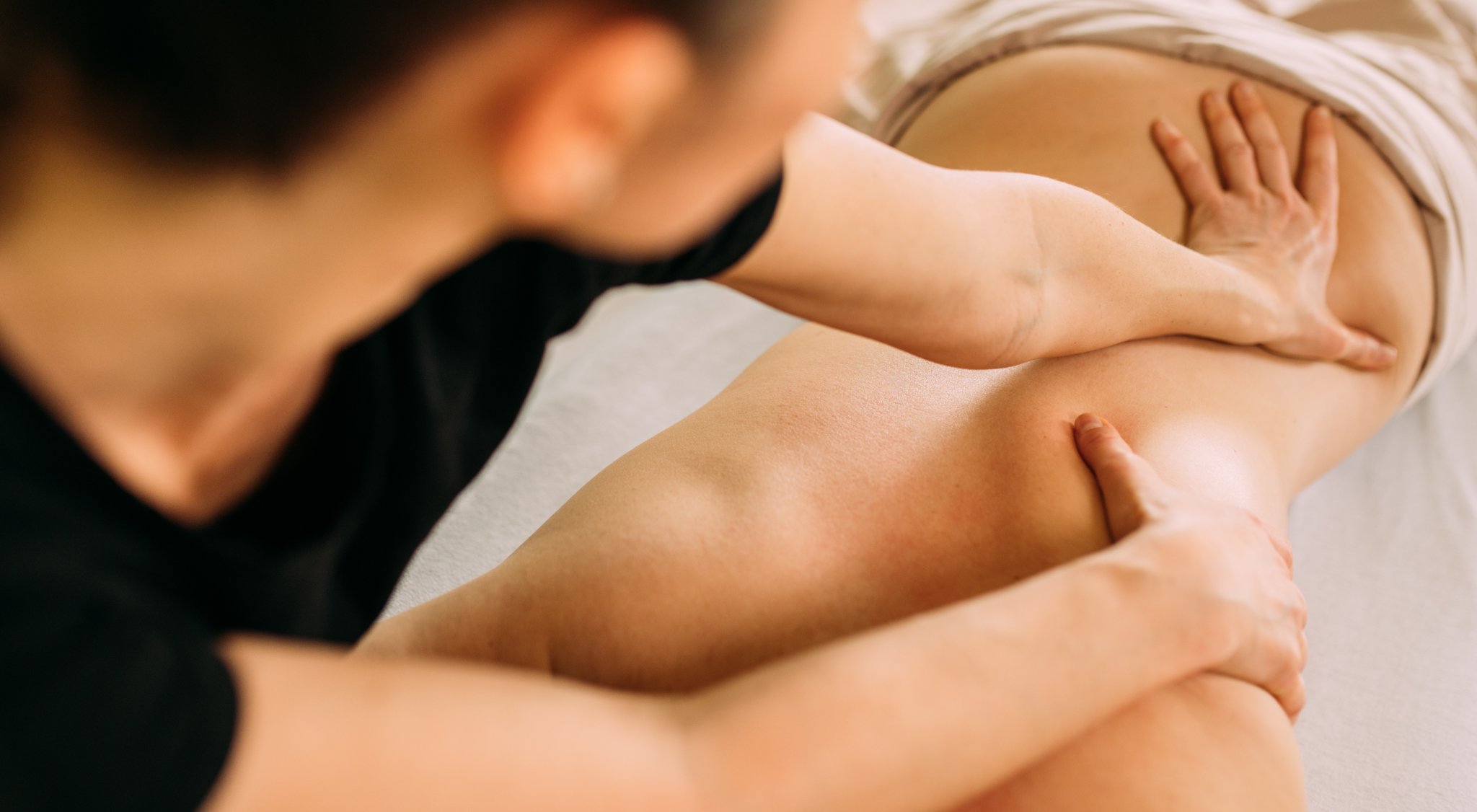
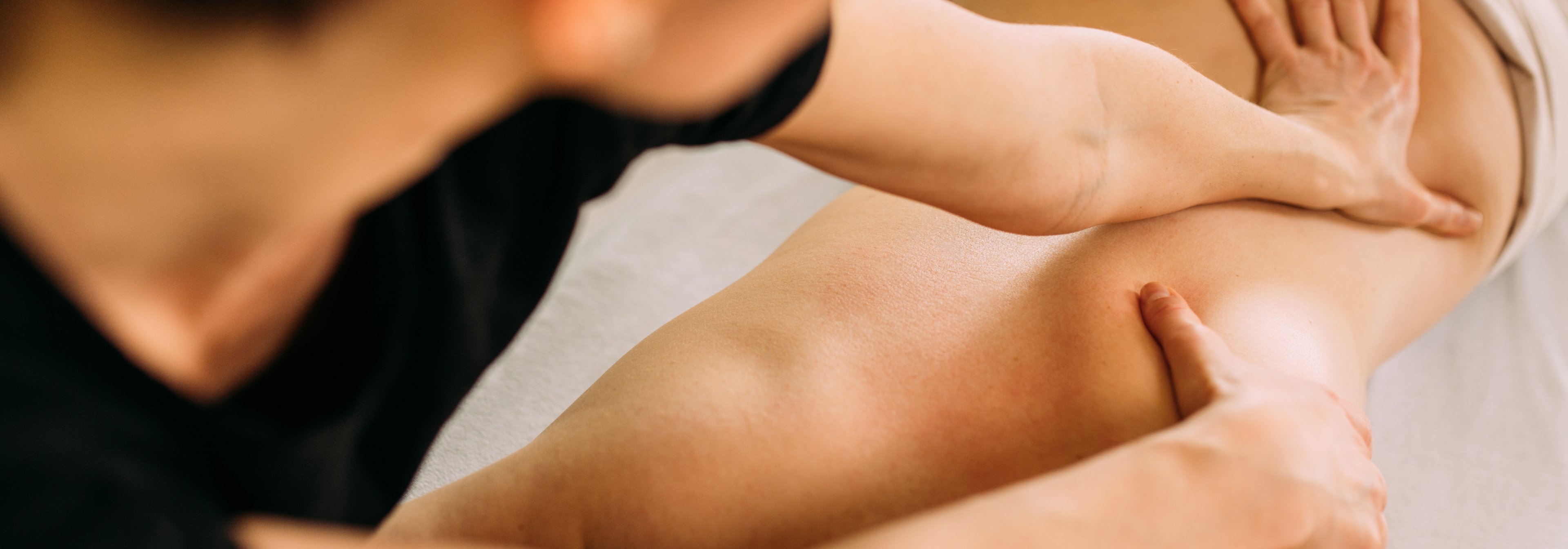
Behandlung: Was hilft bei Verspannungen im unteren Rücken?
- Sciatica: A classic cause of lower back pain is sciatica. In this condition, the sciatic nerve is compressed by abnormal muscle tension in the gluteal-lumbar region (piriformis syndrome). This causes severe pain that radiates from the lumbar region through the buttocks and down into the leg.
- Injuries: Accidents or falls can cause injuries to the lumbar vertebrae, such as avulsions or fractures. The ligaments can also be affected.
- Lumbago: Lumbago—also known as acute lumbalgia or acute lumbar spine syndrome—is a well-known and dreaded condition. The pain suddenly shoots through the back like a stab and restricts mobility. It is caused by muscle stiffness resulting from a sudden, jerky movement when standing up or lifting something.
- Vertebral Blockages: The lumbar spine is in constant motion throughout the day. It bends forward and straightens up, rotates from right to left, and bends from side to side. A careless, jerky movement can lead to a painful blockage if a myofascial imbalance is already present.
- Osteoporosis: Osteoporosis causes bone tissue to become brittle. The strain on the spine can therefore lead to spondylolysis and vertebral fractures.
- Other Conditions: Back pain is not necessarily caused by a problem in the spine. Often, other conditions such as heart failure, heart attack, stroke, depression, shingles, pyelonephritis, pneumonia, or inflammatory joint diseases lead to back pain. It is always considered a medical emergency if shortness of breath, signs of paralysis, or a feeling of tightness in the chest are present.
- Pregnancy: The natural weight gain and physical changes during pregnancy also affect the spine. As pregnancy progresses, the pelvic region changes, and many women develop a swayback due to the weight of their abdomen.
Older adults often complain of lower back pain. In these individuals, the muscle-fascia tissue is less flexible—for example, due to a lack of water and nutrients. They have also spent many more years in poor posture and move even less, which leads to significantly more muscle tension. However, due to a predominantly sedentary lifestyle and increasing comfort, many younger people are now also affected by back pain.
Du möchtest deinen unteren Rücken aktiv entlasten?
Gezielte Übungen sind der wirksamste Weg, Verspannungen zu lösen und langfristig vorzubeugen. Wir haben eine Schritt-für-Schritt-Routine zusammengestellt – von Selbstmassage über Dehnen bis Kräftigen.
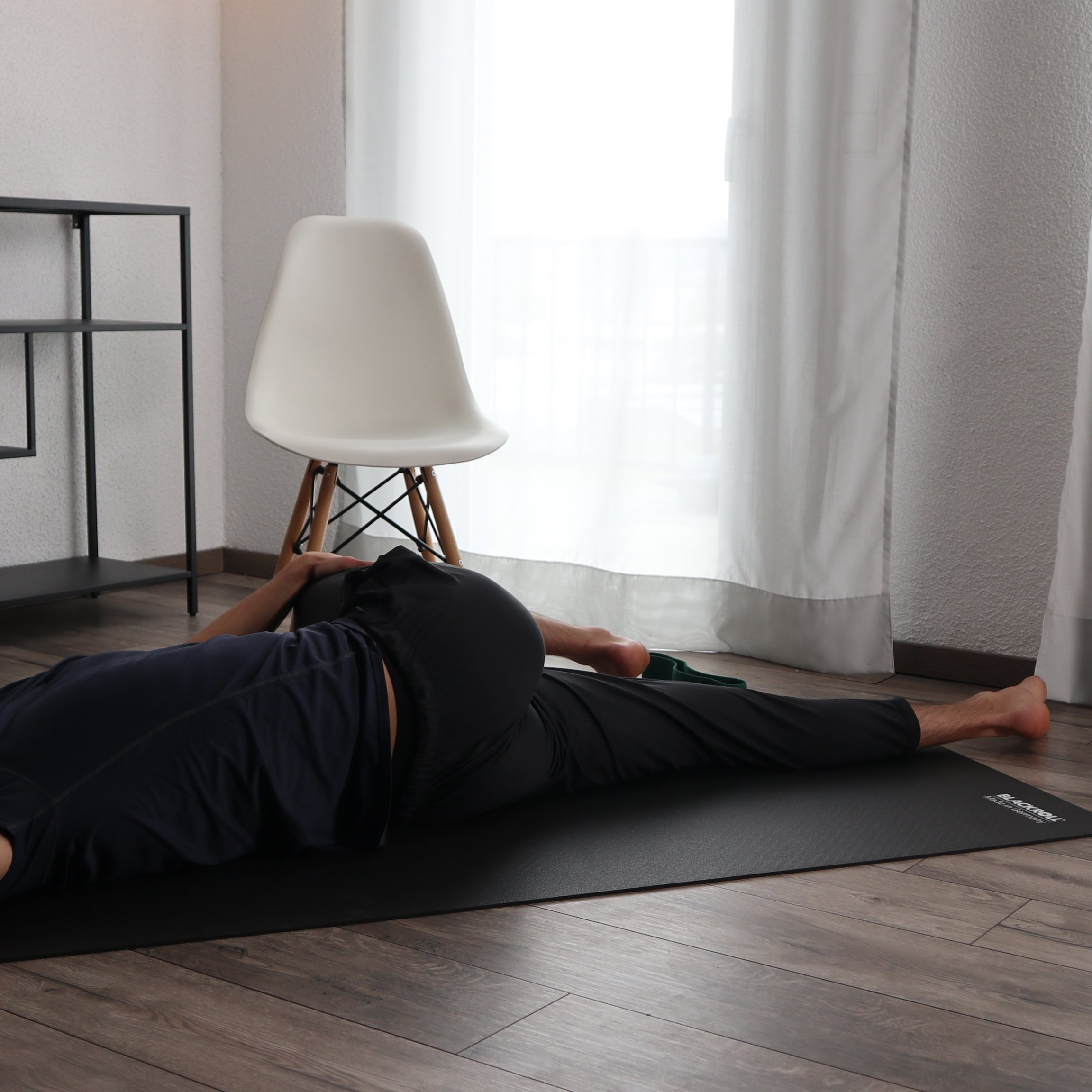
More Tools for Back Pain Exercises
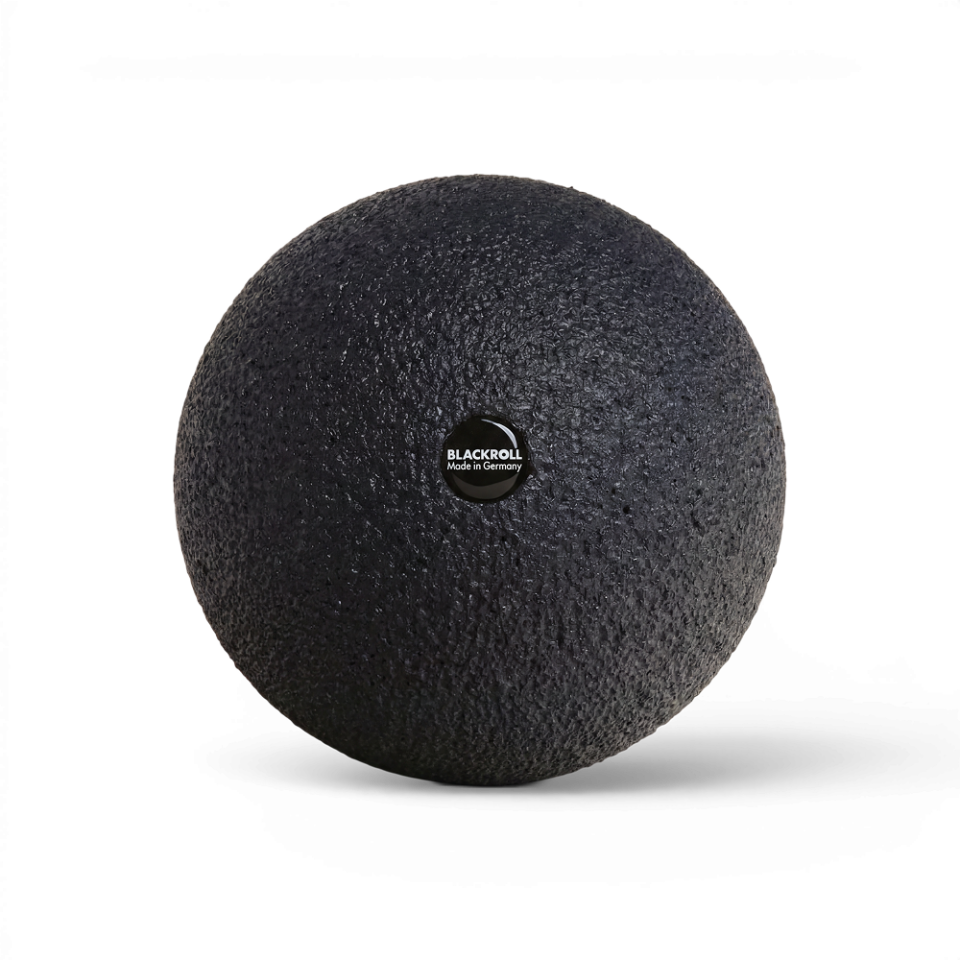
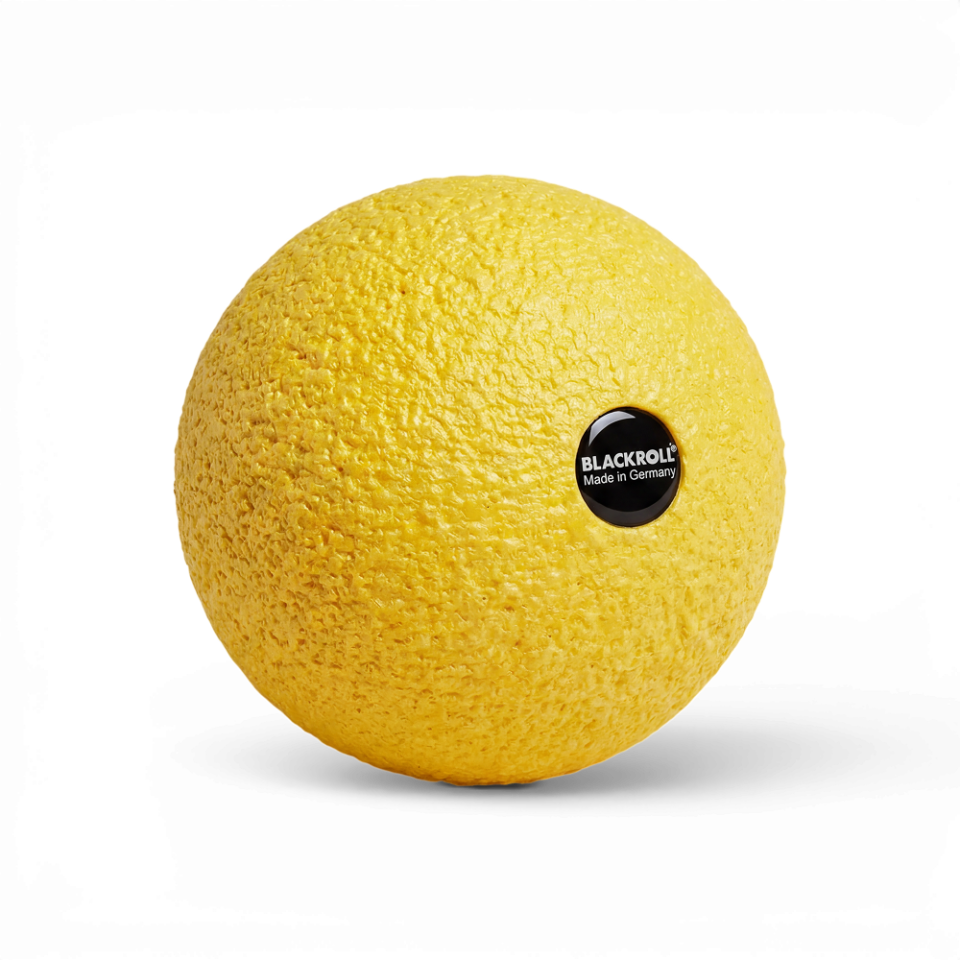
Ball 12
Available in multiple variants
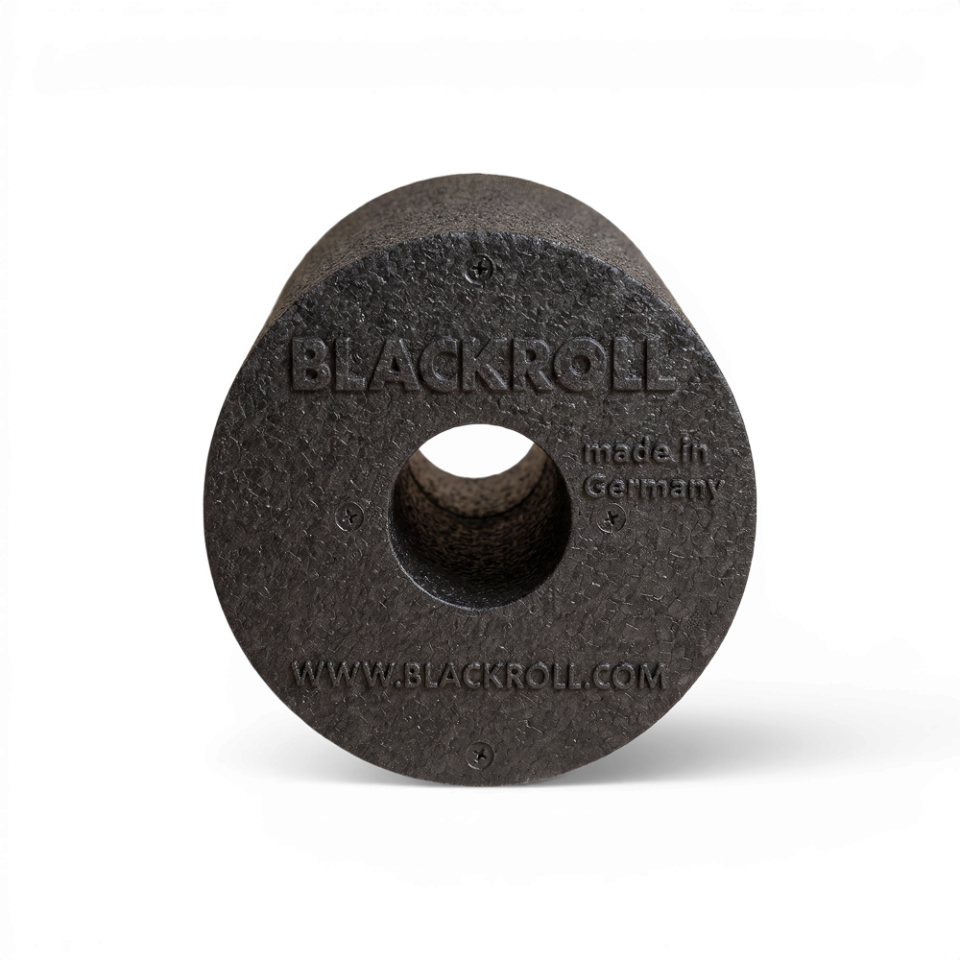
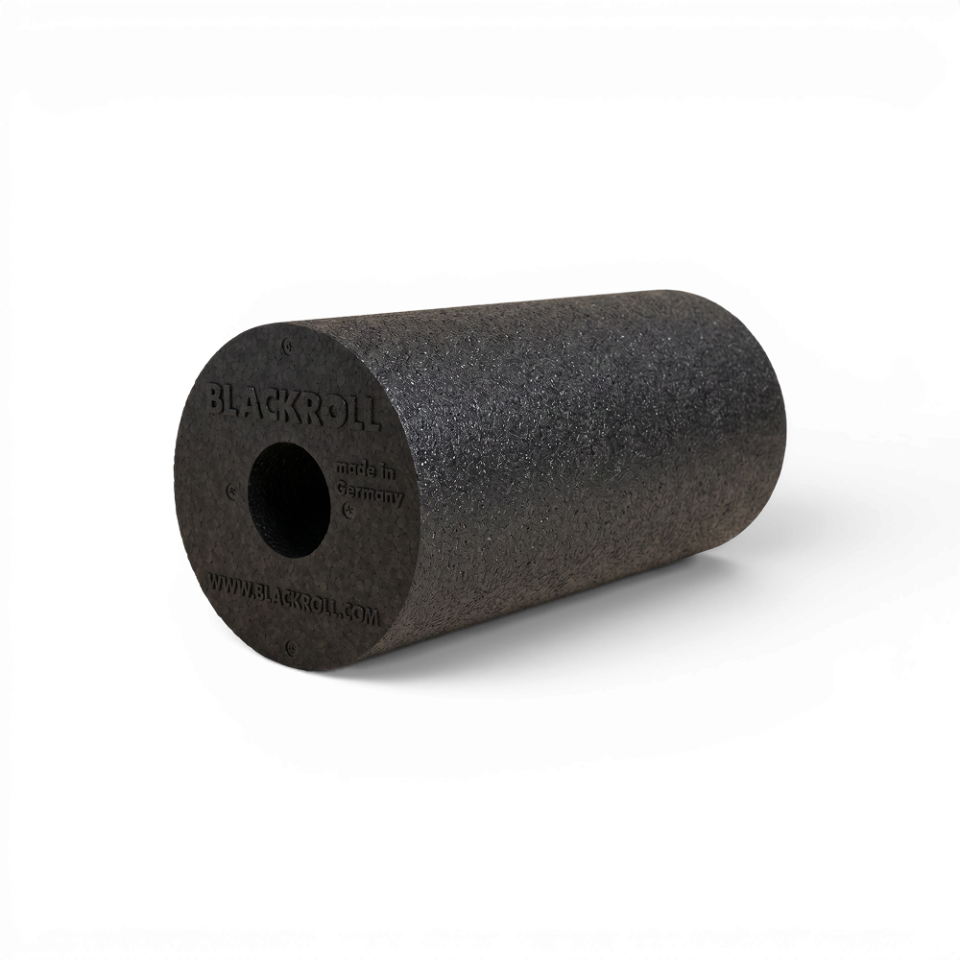
Standard
Available in multiple variants
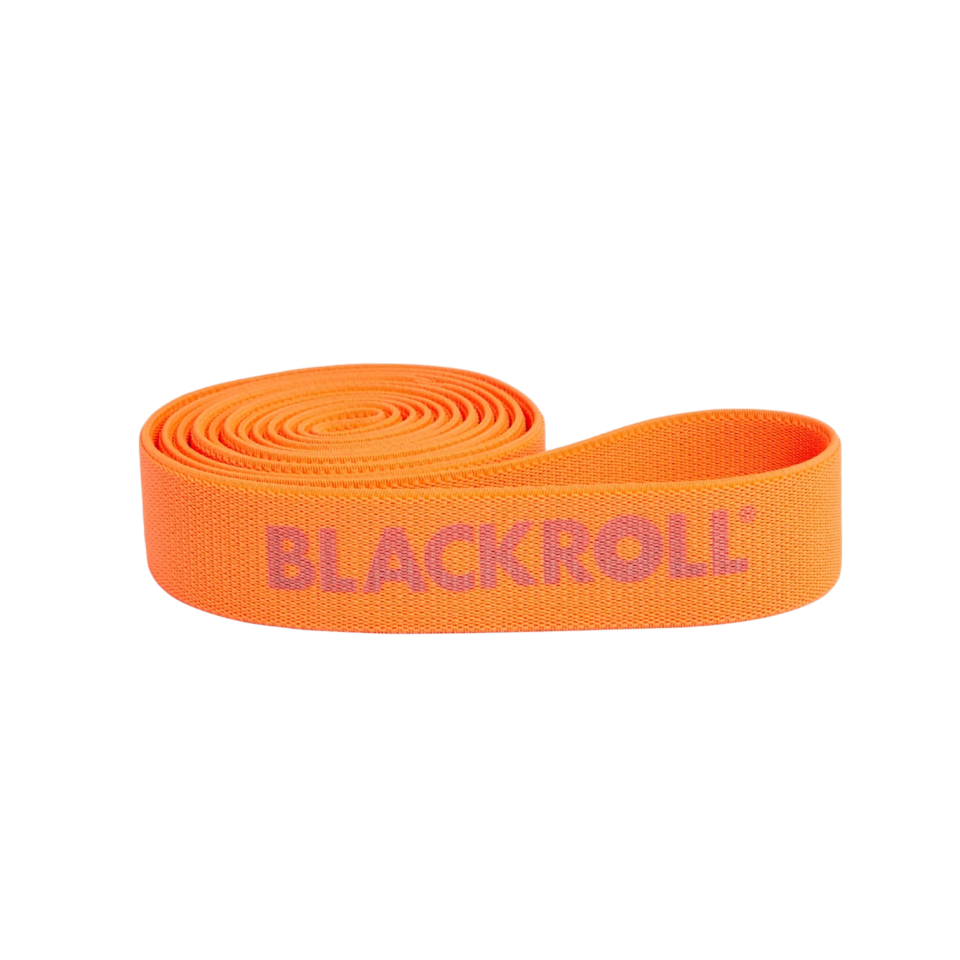
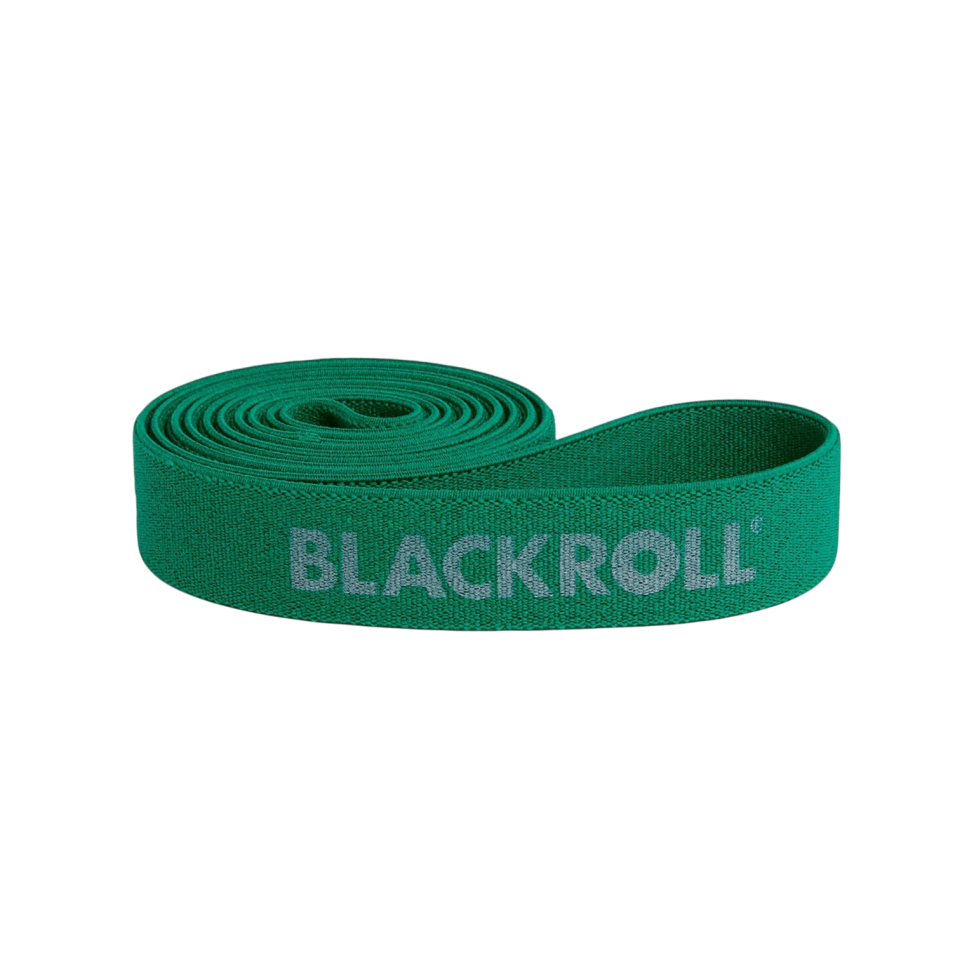
Super Band
Available in multiple variants


03. Tension in the lower back
One of the main causes of lower back pain is muscle tension.
No wonder: Sitting at a desk in the office for long periods, lifting improperly, and not getting enough exercise cause the muscle tissue to stiffen.
The back pain may affect only one side, extend across the entire back, or shift from one side to the other—depending on which muscles are tense.
As painful as it may be, muscle tension is a condition that can be treated with therapy and exercise.
Other Pain Patterns Associated with Lower Back Pain
If you feel pain directly at a lumbar vertebra, it could be due to a fracture, degenerative changes, or a herniated disc.
If the pain occurs after a fall or accident, you should definitely see a doctor.
However, those affected often suffer from lumbar spine syndrome (LWS syndrome), which is typically caused by sitting for too long and a lack of physical activity.
A sudden, stabbing pain in the lower back could be lumbago, especially if you’ve just made an unusual, jerky movement or lifted something heavy.
If the pain radiates into the legs, piriformis syndrome or a herniated disc is very likely.
Spondylolisthesis, also known as vertebral slippage, can also cause sudden pain. In this condition, part of the vertebra becomes unstable due to general wear and tear, leading to a displacement.
If you experience lower back pain while lying down, it could be a sign of a pinched nerve.
We’ve all been there: You’re lounging comfortably on the sofa, not paying attention to your posture, and suddenly you feel a twinge above your pelvis. Irritation of the sciatic nerve often makes itself felt when lying down.
Especially if the discomfort gets worse at night and after waking up, your mattress is likely the culprit.
A suitable mattress supports the spine while you sleep and ensures it stays straight. If pressure isn’t evenly distributed across the pelvis and shoulders, the spine curves and becomes tense.
Back pain can also worsen when lying down if you have a swayback. In this case, adjusting your sleeping habits to your body’s individual needs can also help.
Does your back pain get worse when you’re sitting?
This can have various causes. It may be due to a herniated disc.
It could also be sacroiliac joint (SI) syndrome or an SI joint blockage, which can easily result from improper weight distribution.
The sacroiliac joint (SI joint) is located at the back of the pelvis, to the right and left of the spine, and connects the sacrum to the ilium.
Pain in the lower back when bending over is typical of lumbago. Just as you’re about to straighten up again, a sharp pain shoots through your lower back.
If you feel the pain on only one side, a pinched nerve may be the cause. A herniated disc could also be a possible cause.
If you experience lower back pain when breathing in, it could be a harmless side effect of a cold or the flu.
However, lung conditions should not be ruled out, nor should a vertebral fracture or a herniated disc.
Inhaling increases pressure on the chest and ribs, which also affects the back.
You should always take back pain when breathing in seriously and have it checked out.
Quellen & Studien
Airaksinen O et al. (2006): European guidelines for the management of chronic nonspecific low back pain. European Spine Journal, 15(Suppl 2), S192–S300. https://doi.org/10.1007/s00586-006-1072-1
Hartvigsen J et al. (2018): What low back pain is and why we need to pay attention. The Lancet, 391(10137), 2356–2367. https://doi.org/10.1016/S0140-6736(18)30480-X
Maher C, Underwood M, Buchbinder R (2017): Non-specific low back pain. The Lancet, 389(10070), 736–747. https://doi.org/10.1016/S0140-6736(16)30970-9
Nachemson AL (1966): The load on lumbar disks in different positions of the body. Clinical Orthopaedics and Related Research, 45, 107–122.
Nationale VersorgungsLeitlinie Nicht-spezifischer Kreuzschmerz, 3. Auflage 2023. Bundesärztekammer, Kassenärztliche Bundesvereinigung, AWMF. https://www.leitlinien.de/nvl/html/kreuzschmerz
Robert Koch-Institut (2021): Prävalenz von Rücken- und Nackenschmerzen in Deutschland. Ergebnisse der Krankheitslast-Studie BURDEN 2020 - Journal of Health Monitoring S3/2021. https://www.rki.de/DE/Aktuelles/Publikationen/Journal-of-Health-Monitoring/GBEDownloadsJ/JoHM_S3_2021_Rueckenschmerz_Nackenschmerz.html
Searle A et al. (2015): Exercise interventions for the treatment of chronic low back pain. Clinical Rehabilitation, 29(12), 1155–1167. https://doi.org/10.1177/0269215515570379