
Thoracic Spine Syndrome: Causes, Symptoms, and Treatment

Does this sound familiar? Your job requires you to sit at a desk a lot. You feel fine in the morning, but as the day goes on, the muscle tension and back pain in your thoracic spine get worse. Sometimes you don’t even know how you’re going to make it through the rest of the workday because the pulling sensation between your shoulder blades becomes unbearable.
Every now and then, this might even give you neck and headaches. On the weekends or on vacation, however, you feel much better because you’re changing your posture and getting significantly more exercise.
Does this problem sound familiar? We’ll tell you the best ways to relieve your pain in the thoracic spine area.
01. What is thoracic spine syndrome?
The thoracic spine consists of twelve vertebrae and is located between the cervical and lumbar spines. It begins approximately at shoulder level and extends to the lower end of the rib cage, up to the vertebra where the last rib attaches. Thoracic spine syndrome is a collective term for various causes of pain located precisely in this area.
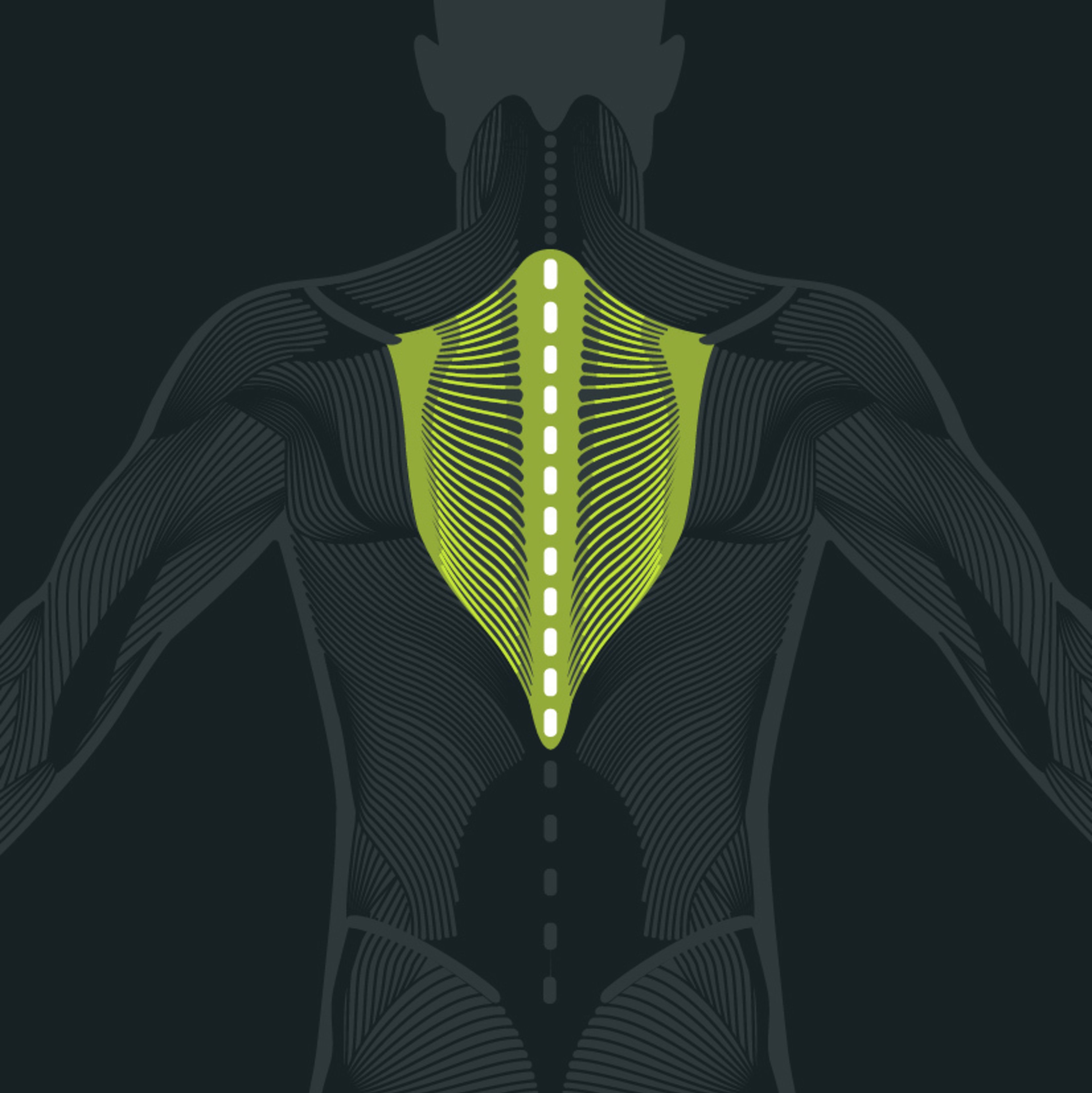
Compared to cervical and lumbar spine syndromes, thoracic spine syndrome is significantly less common. It is usually functional in nature and harmless. Nevertheless, serious conditions are much more frequently associated with thoracic spine syndrome and pain in the middle back than with syndromes affecting the cervical and lumbar spine. But don’t worry—we’ll let you know when you should see a doctor for a more thorough evaluation.
Remedies for Thoracic Spine Syndrome



02. What are the symptoms of thoracic spine syndrome?
The symptoms of thoracic spine syndrome depend heavily on the underlying cause. You’ll usually recognize it by a dull, pressing pain in one shoulder blade or between the shoulder blades, which worsens with movement of the thoracic spine. In addition, mobility is often restricted during upper body movements. You may also have a hunched posture and/or neck pain.
Sometimes, thoracic spine syndrome can also cause radiating pain along the ribs, extending to the chest. This pain is exacerbated by deep breathing and can lead to difficulty breathing. As a result, many people fear they are suffering from a heart attack or angina pectoris (chest pain). However, both of these conditions are significantly less common than thoracic spine syndrome. So don’t worry too much at first, and use this distinction as a guide:
If your pain mainly increases with upper-body movements, you most likely have harmless thoracic spine syndrome. If your pain worsens especially during physical exertion, such as climbing stairs, heart disease is a more likely cause. In this case, you should see a doctor immediately.
Other important reasons to see a doctor:
- Torso pain occurring for the first time before the age of 20 or after the age of 50
- Pain that is constant, regardless of body position or movement
- Pain that is steadily getting worse
- Pain that has not significantly subsided after two to four weeks
- A recent accident (car accident, a fall, etc.)
- Severe malaise, possibly accompanied by fever and chills
- Unintentional weight loss
- A history of cancer
- Osteoporosis
03. What are the causes of thoracic spine syndrome?
The causes of thoracic spine syndrome can be varied. Among the most common are poor posture and a lack of physical activity. Both are often caused by sitting at a desk for long periods with a rounded back, especially when the arms are stretched forward, as is common when working at a computer. However, lifting heavy loads or carrying heavy backpacks when not accustomed to doing so can also contribute to thoracic spine syndrome. This usually results in muscle tension, which causes the pain.
The most common causes of thoracic spine syndrome:
- poor posture
- Lack of exercise
- Overuse
- Blockages in the vertebral and/or costal joints
- degenerative changes (intervertebral discs, vertebral/rib joints, ligaments)
- Thoracic vertebral fracture due to trauma
- Osteoporosis associated with a vertebral compression fracture
- Spinal deformities, such as those caused by Scheuermann’s disease or scoliosis
- Inflammatory or infectious diseases
- Oncological diseases
- Problems with internal organs
- Significantly rarer causes may include:
- Blockages in the vertebral and/or costal joints
- Degenerative changes (intervertebral discs, vertebral/rib joints, ligaments)
- Thoracic vertebral fracture due to trauma
- Osteoporosis associated with a vertebral compression fracture
- Spinal deformities, such as those caused by Scheuermann’s disease or scoliosis
- Inflammatory or infectious diseases
- Oncological diseases
- Problems with internal organs
04. What can you do about a thoracic vertebral block?
In most cases, the pain associated with a thoracic vertebral block resolves on its own within a few days to weeks. However, you can help influence its duration and progression.
Above all, pay attention to maintaining good posture—whether standing, sitting, or lying down. Use the BLACKROLL® POSTURE POSTURE TRAINER to help with this. It allows you to maintain proper posture consistently while standing and sitting. The BLACKROLL® neck support pillow, on the other hand, supports your posture while you sleep.
If you’ve had poor posture for a long time and this has limited the mobility of your thoracic spine, address this with targeted stretching and mobilization exercises to improve myofascial balance. This will also have a positive effect on your posture and body mechanics.
05. Pinched Nerve in a Thoracic Vertebra
When a nerve is pinched in a thoracic vertebra, various symptoms may occur. The most common include pain or a sensation of numbness or tingling that can spread along the affected nerve. These symptoms typically manifest in the chest area, but they can also radiate into the arm, shoulder blade, or even the upper back.
The pain can be dull and pressing, or it can be sharp or burning. Sometimes, a pinched nerve can also lead to muscle tension or limited mobility in the chest area. In addition, symptoms of nerve compression, such as weakness in the arms or hands, may occur.
06. Pain Relief Techniques
Pain relief techniques play an essential role in managing acute and chronic pain associated with thoracic spine syndrome.
One effective method for pain management is breathing techniques, in which deep, controlled breaths help relax the body and alleviate pain.
Progressive muscle relaxation—a technique in which individual muscle groups are alternately tensed and then consciously relaxed—can also help reduce pain.
In addition, the use of heat or cold therapy has proven effective in reducing pain and inflammation.
Visualization or guided imagery exercises, in which the patient imagines themselves in a calm and pain-free state, offer another way to positively influence the perception of pain.
Physical activities and light exercises—tailored to individual capabilities—should not be overlooked, as they can promote blood circulation and relieve muscle tension. Each of these techniques can be used alone or in combination to achieve personalized pain relief.
07. Alternative Therapy Methods
Alternative therapy methods offer promising approaches to alleviating symptoms of thoracic spine syndrome (TSS). In addition to conventional medicine, treatments such as osteopathy and acupuncture are gaining increasing importance alongside physical therapy. Osteopathy aims to release blockages and tension in the thoracic spine using manual techniques, which can lead to improved mobility and pain relief.
Acupuncture, a method of traditional Chinese medicine, is used to harmonize the flow of energy in the body and can thus significantly reduce pain associated with thoracic spine syndrome. Also worth mentioning is the use of specific exercise therapies such as Pilates or yoga, which help relieve pressure on the thoracic spine by strengthening the core muscles and improving posture.
These methods can be supplemented by relaxation techniques, such as Jacobson’s progressive muscle relaxation, which can reduce stress and thereby indirectly alleviate pain. Integrating these alternative therapeutic approaches into a comprehensive treatment plan enables many patients to significantly improve their quality of life.
08. Tips for Preventing Thoracic Spine Syndrome
To further minimize the risk of thoracic spine syndrome, it is important to pay attention to workplace ergonomics in addition to maintaining a dynamic work style.
Make sure your monitor, keyboard, and mouse are positioned correctly to promote a natural posture and avoid strain on the thoracic spine. Ensure that the screen is at eye level and that your arms form an angle of about 90 degrees while typing. Additionally, using ergonomic office chairs that provide good back support can be helpful.
Another important aspect of preventing thoracic spine syndrome is strengthening the back muscles through targeted exercise. Exercises that strengthen the back while promoting flexibility—such as swimming, backstroke, or specialized back exercises—are particularly recommended. These activities not only help strengthen the muscles but also improve posture and reduce strain on the spine.
In addition, it is beneficial to take regular breaks to do light stretching exercises or go for short walks. Such breaks can relieve tension and stimulate blood circulation. It is also helpful to become more aware of your own posture and to respond appropriately at the first signs of tension or pain.
Combining these measures can significantly reduce the risk of developing thoracic spine syndrome and improve overall well-being.
09. Are thoracic spine syndrome and a herniated disc the same thing?
Although thoracic spine syndrome and herniated discs in the thoracic spine are related, they are distinct back conditions that require specific treatment approaches.
While thoracic spine syndrome is characterized by pain and stiffness in the thoracic spine, often caused by poor posture, muscular imbalances, or psychological stress, a herniated disc refers to the displacement of disc material that can press on nerves, leading to pain, numbness, or weakness in the affected areas.
Despite their differences, preventive measures and some treatment strategies may be similar, such as strengthening the back muscles, improving posture, and promoting an active lifestyle. However, a herniated disc often requires more specific therapeutic measures aimed at relieving pressure on the affected nerves and reducing pressure on the intervertebral discs. These may include physical therapy, manual therapy, or, in more severe cases, even surgical intervention.
The diagnosis and treatment of both thoracic spine syndrome and a herniated disc require a thorough examination by medical professionals in order to initiate appropriate therapy.
While thoracic spine syndrome can often be successfully treated through lifestyle adjustments and physical therapy, a herniated disc may require a more comprehensive approach to prevent long-term damage and improve the quality of life for those affected.
Both conditions underscore the importance of good back health and the need to take back problems seriously and seek medical advice early on.
10. Lifestyle Changes to Support Healing
Lifestyle changes play a crucial role in supporting healing and can both speed up recovery and help prevent illness.
Make sure to maintain a balanced diet in your daily life, rich in vitamins, minerals, and antioxidants. This strengthens the immune system and promotes physical regeneration. Reducing your intake of processed foods and sugar, and increasing your consumption of fresh fruits and vegetables, helps the body reduce inflammation and optimize healing processes.
Regular physical activity and exercise are also essential for promoting blood circulation, maintaining muscle strength, and improving mental well-being.
In addition, getting enough sleep is fundamental to the body’s recovery, as important regeneration and repair processes take place during rest periods. Stress management through techniques such as meditation, yoga, or mindfulness-based stress reduction can help reduce chronic stress, which can negatively impact healing.
Avoiding harmful habits such as smoking or excessive alcohol consumption is also beneficial, as these can put a strain on the body and impair healing.
By implementing these lifestyle changes, you can improve your overall health and have a positive impact on your healing processes.

Are you largely pain-free? Then train your upper body to prevent overexertion. The back muscles are especially important, particularly those in your mid-back around the shoulder blade area. This often helps relieve accompanying neck tension as well.
Have your thoracic spine symptoms improved as a result of the exercises? Great—keep it up! Supplement your training program with additional exercises to maintain your progress. Download the BLACKROLL® app for more ideas.

Go to the Thoracic Spine Syndrome Exercises
Thoracic Spine Syndrome: Exercises for the Thoracic Spine11. Tips for Preventing Thoracic Spine Syndrome
Change your position and move around as often as possible in your daily life and at work. For example, use a height-adjustable desk and alternate between active sitting and standing while working. The exercises linked here also help prevent the condition. Therefore, incorporate them regularly into your exercise routine to prevent thoracic spine syndrome from developing in the first place.
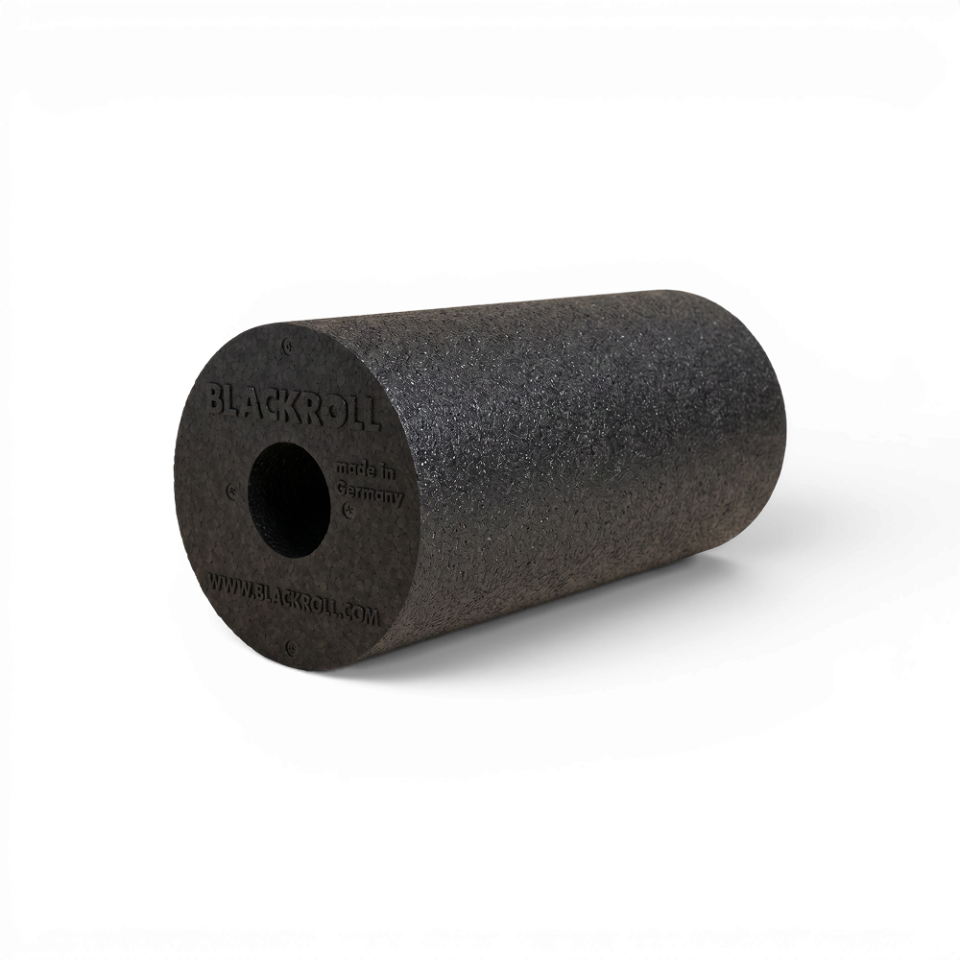
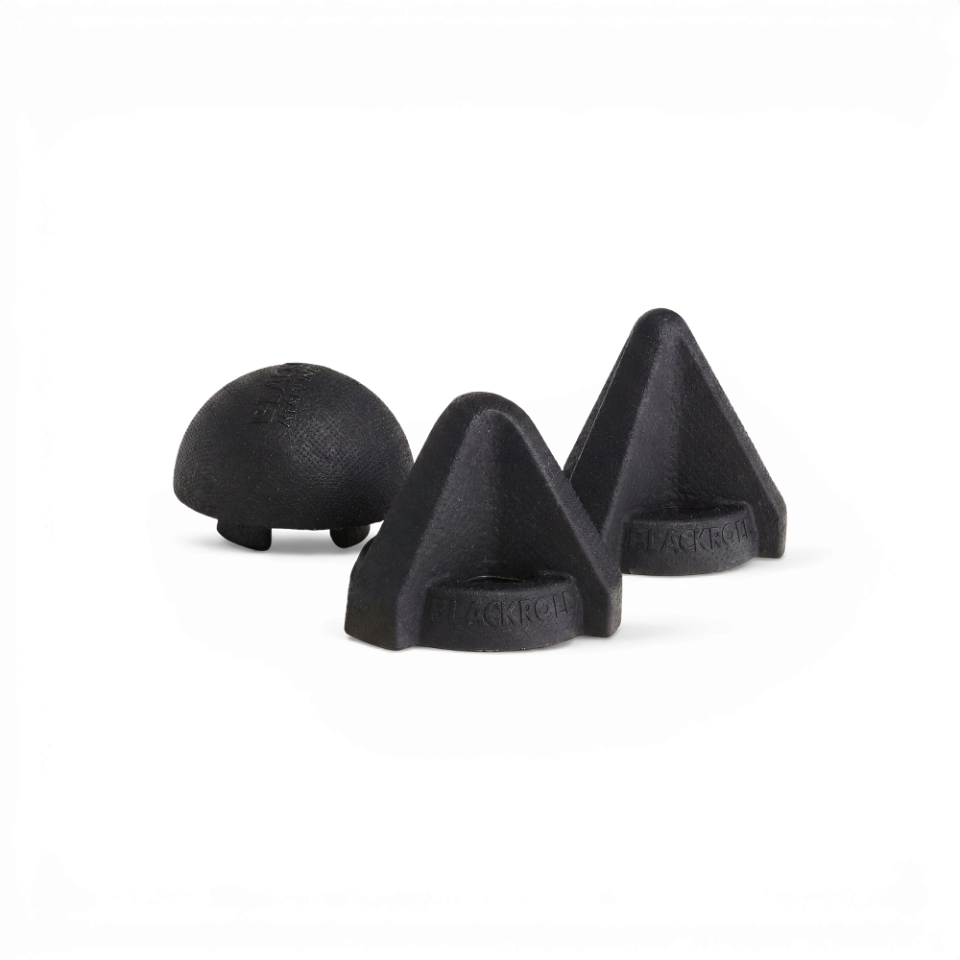
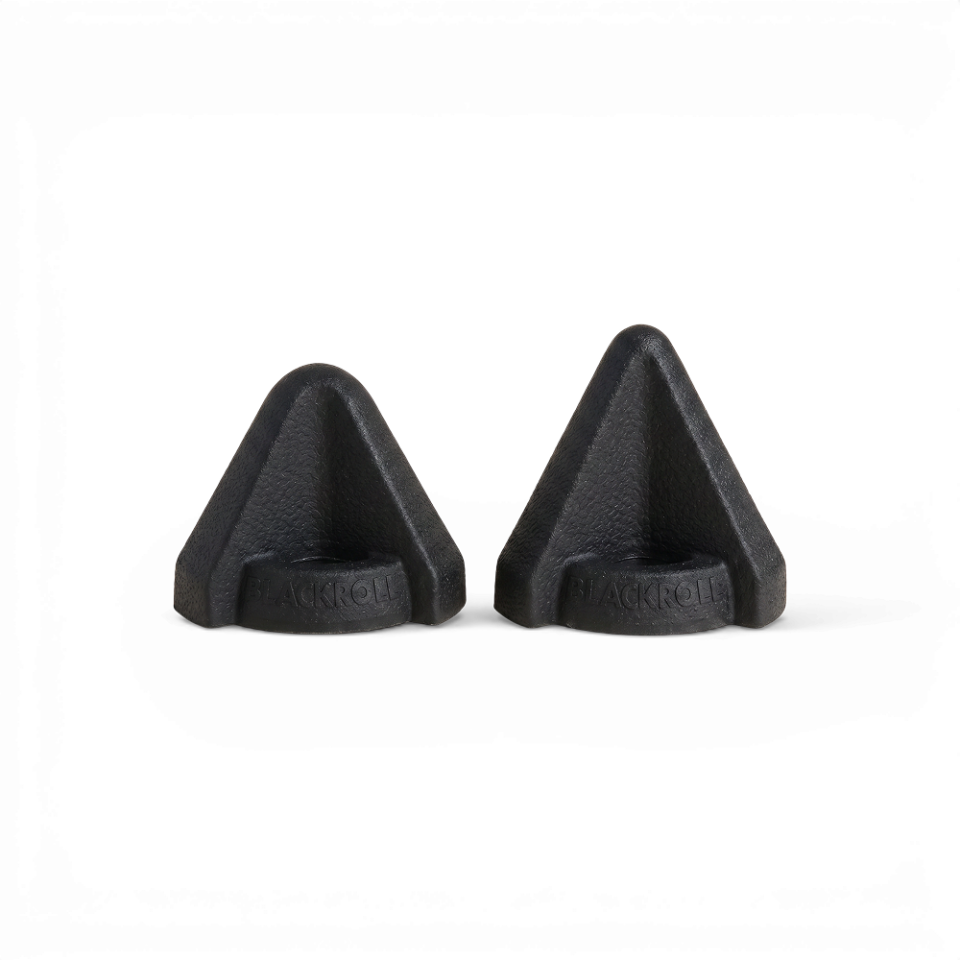
Your Tools for Thoracic Spine Exercises:




Ball 12
Available in multiple variants