
A Healthy Spine – Practical Tips for Better Back Health

Your spine is a sophisticated system of bones, muscles, and ligaments that supports and moves you every day. However, we often don’t pay attention to our backs until they start causing problems. About one-third of all adults report occasional or frequent back pain. Yet this is easy to prevent. With the right daily habits and simple exercises, you can actively maintain a healthy spine and strengthen it over the long term.
You don’t need expensive equipment or hours-long workouts to do this. Even small changes in your daily routine can make a big difference. Because, as with so many things, the same principle applies here: Do it for your health— you know your body best and can take active steps to support the health of your spine and back.
In this article:
- Why Back Health Is Important
- What are the benefits of a strong back besides being pain-free?
- How Your Spine and Back Work
- Quick Fixes: 8 quick tips for a healthy spine
- Effective Exercises: How Can I Strengthen My Spine?
- Common Conditions Associated with an Unhealthy Spine
- When should you seek medical help for your back?
- 8. FAQ – Frequently Asked Questions About Back Health


Why Back Health Is Important
Your spine is your most important support and movement system. It connects your lower body to your upper body, from the pelvis all the way up to your head; it serves as the anchor point for distributing force and enables all your movements—from getting up in the morning to relaxing on the sofa in the evening. At the same time, it protects your spinal cord, the central nerve pathway between your brain and your body.
The problem: Prolonged sitting, one-sided strain, and a lack of movement—such as from frequent office work and screen time—lead to muscle tension and can disrupt the spine’s natural balance. You often feel the consequences as stiffness, pain, or limited mobility.
To prevent this from happening, prevention is key. Prevention is much easier than treatment later on. If you start taking care of your spine today, you’re investing in pain-free years, staying mobile for a long time, and optimizing your well-being and quality of life.


What are the benefits of a strong back besides freedom from pain?
A healthy back can do much more than just prevent pain. When your spine is stable, flexible, and well-cared-for, it has a positive impact on many other areas of your life:
- Better sleep: Tense back muscles or stiff joints can lead to waking up at night, restless sleep, or morning stiffness. A relaxed back noticeably improves your sleep quality—you sleep more deeply, wake up feeling more refreshed, and start the day with more energy.
- greater performance in everyday life: A stable yet flexible spine reduces the overall strain on your body. Movements feel easier, and you tire more slowly—even during prolonged sitting, standing, or carrying. Your concentration also benefits when your body isn’t constantly preoccupied with unconscious pain or tension.
- More power in sports: Almost every movement in sports—from squats to sprints—requires active core stabilization. A strong back improves your power transfer, movement quality, and coordination. At the same time, it protects you from injuries caused by poor posture or compensatory movements.
If you take care of your back regularly, you’re not only investing in freedom from pain, but also in better sleep, more energy in your daily life, and greater endurance during sports.
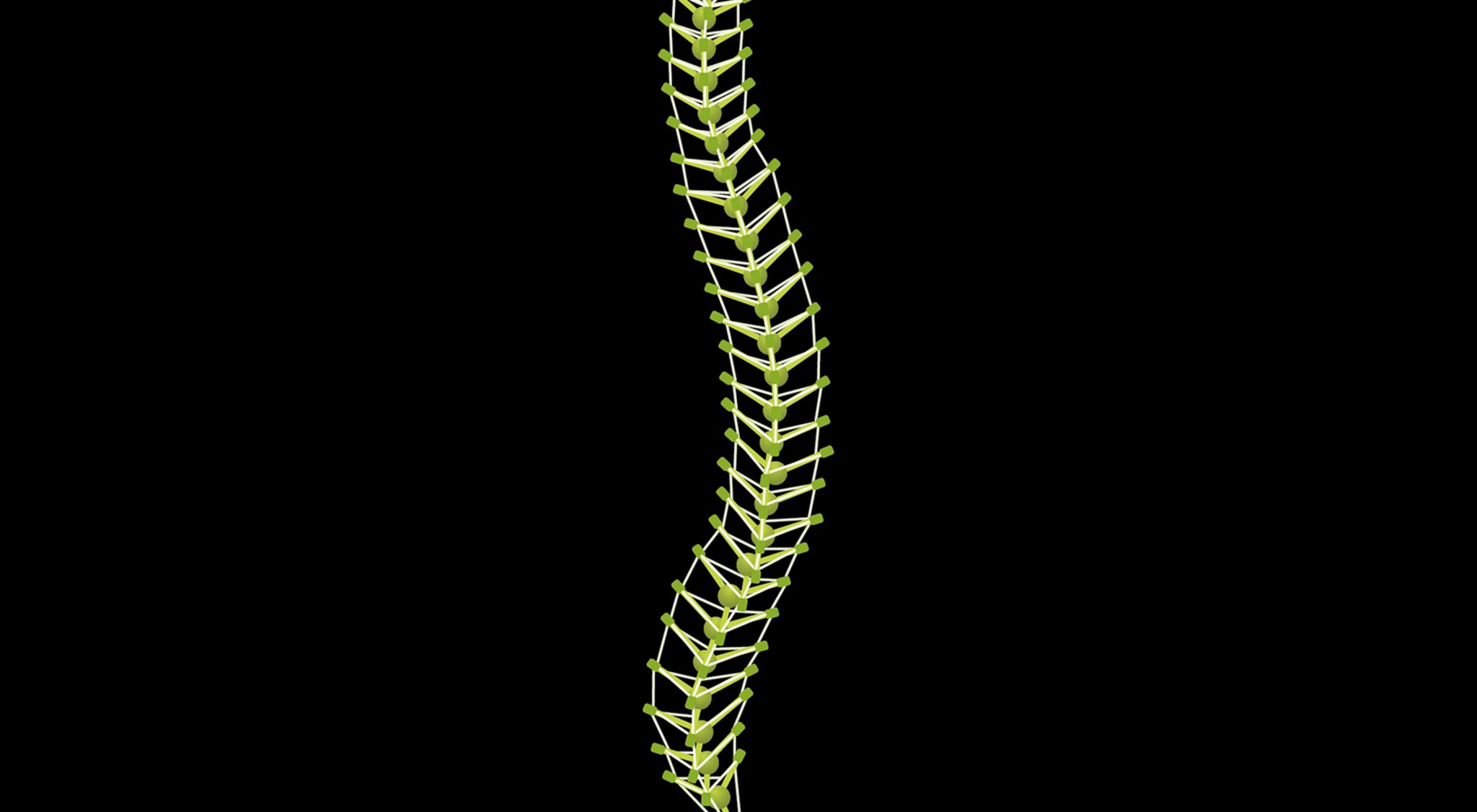

How Your Spine and Back Work
Your spine isn’t straight like a stick; it has a natural double-S shape. This shape ensures that compressive and tensile forces are distributed evenly—just like a spring. It absorbs shocks, keeps you upright, and allows for mobility at the same time.
The spine consists of 24 movable vertebrae, the sacrum, and the coccyx. Between them are intervertebral discs, which act like small shock absorbers and cushions for movement. They consist of a soft gel-like core and a firm fibrous ring and enable mobility as well as even pressure distribution.
The spine is divided into several main sections:
- Cervical spine (C-spine): Supports your head and is highly mobile in all directions
- Thoracic spine (T-spine): Protects the organs via the ribs attached to it and enables trunk rotation in particular
- Lumbar spine (LWS): Bears the greatest load and has its greatest range of motion in flexion and extension.
- Sacrum and coccyx: Connect the upper body to the pelvis and distribute forces to the lower body
Another central component is the spinal cord, which runs well-protected within the spinal canal. It is the main conduit between the brain and the body (in both directions) and plays a key role in pain perception, movement, and coordination.
Your back and abdominal muscles together form a muscular corset. These muscles support, relieve pressure on, and guide your spine with every movement. If any part of this system is too weak or tense, the entire system can become unbalanced—affecting your posture, pain perception, sleep, and athletic performance.

Back Stretches
The Best Exercises for HomeQuick Fixes: 8 Quick Tips for a Healthy Spine
Your monitor should be at eye level so you don’t have to tilt your neck up or down. Position the keyboard so that your forearms rest comfortably on it with your shoulders relaxed.
Get up and move around every 30 minutes if possible. Use phone calls as an opportunity to walk around the office, take the stairs instead of the elevator, and hold meetings while walking. Just 21 minutes of daily movement can noticeably improve your health.
Squat down instead of bending over. Keep heavy objects close to your body and avoid lifting and twisting at the same time. When unloading the dishwasher or picking up objects, remember: bend your knees and keep your back straight.
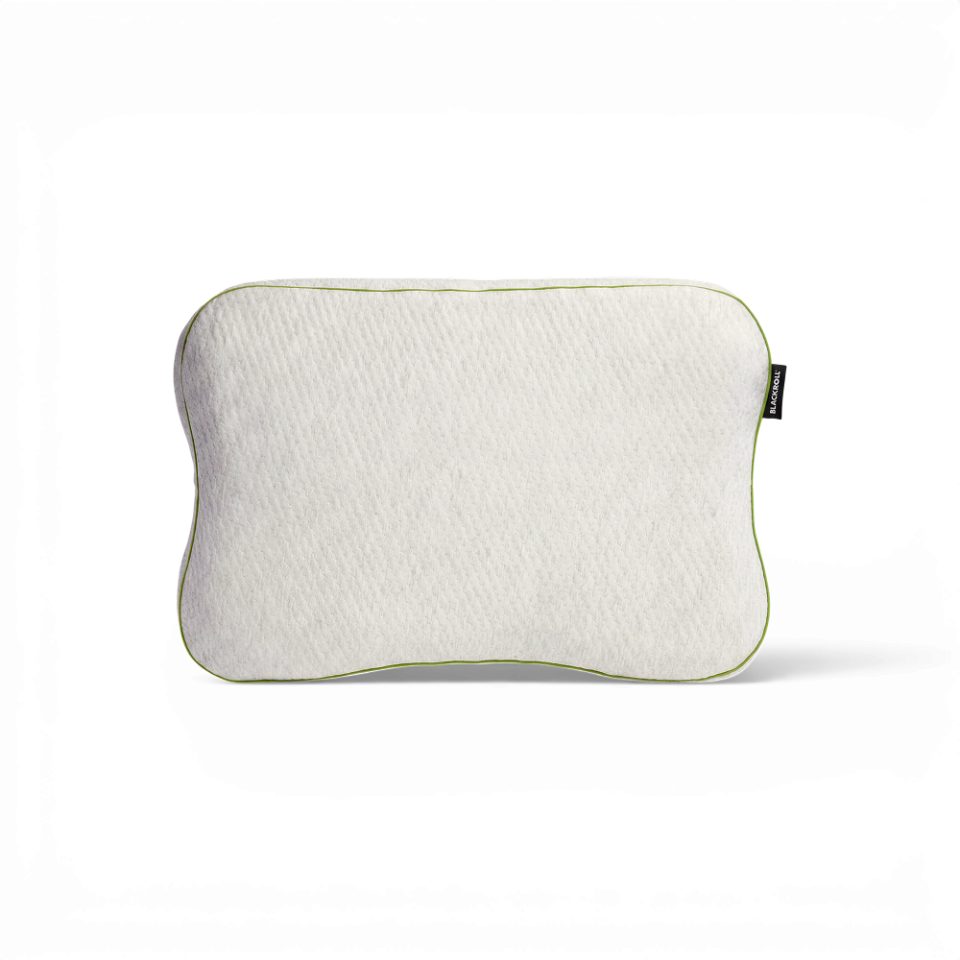
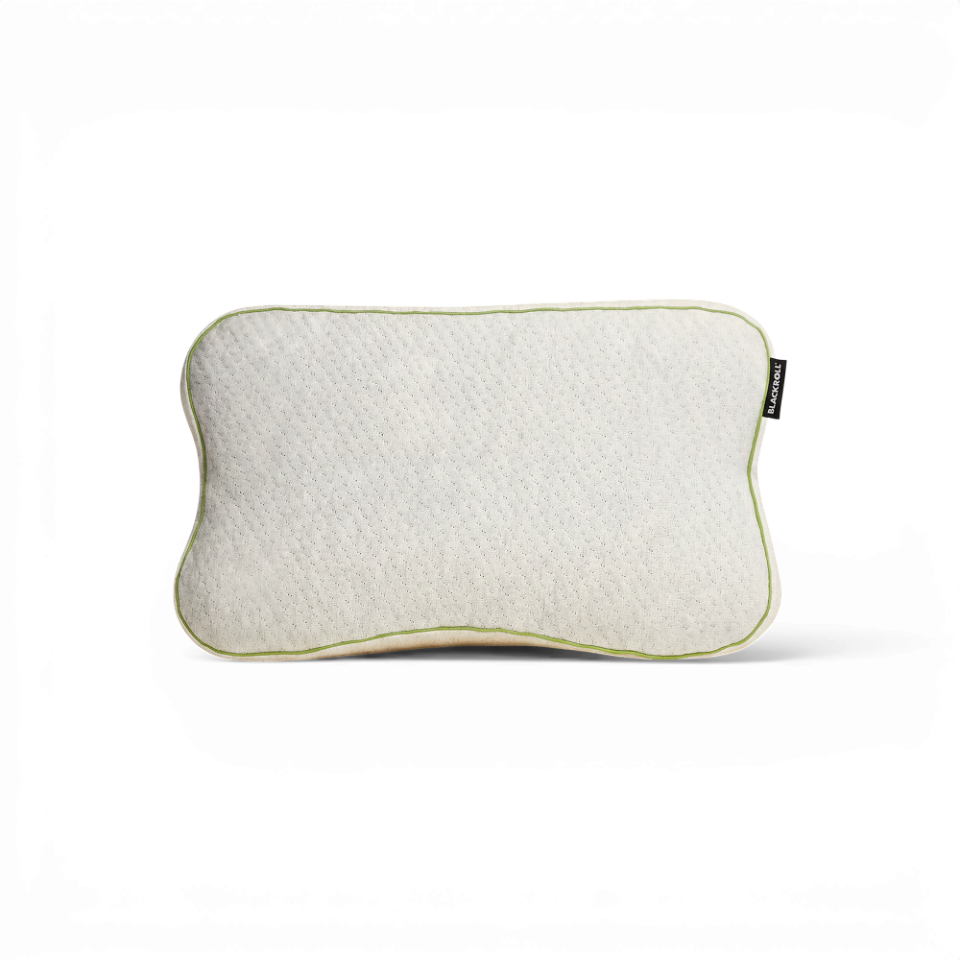
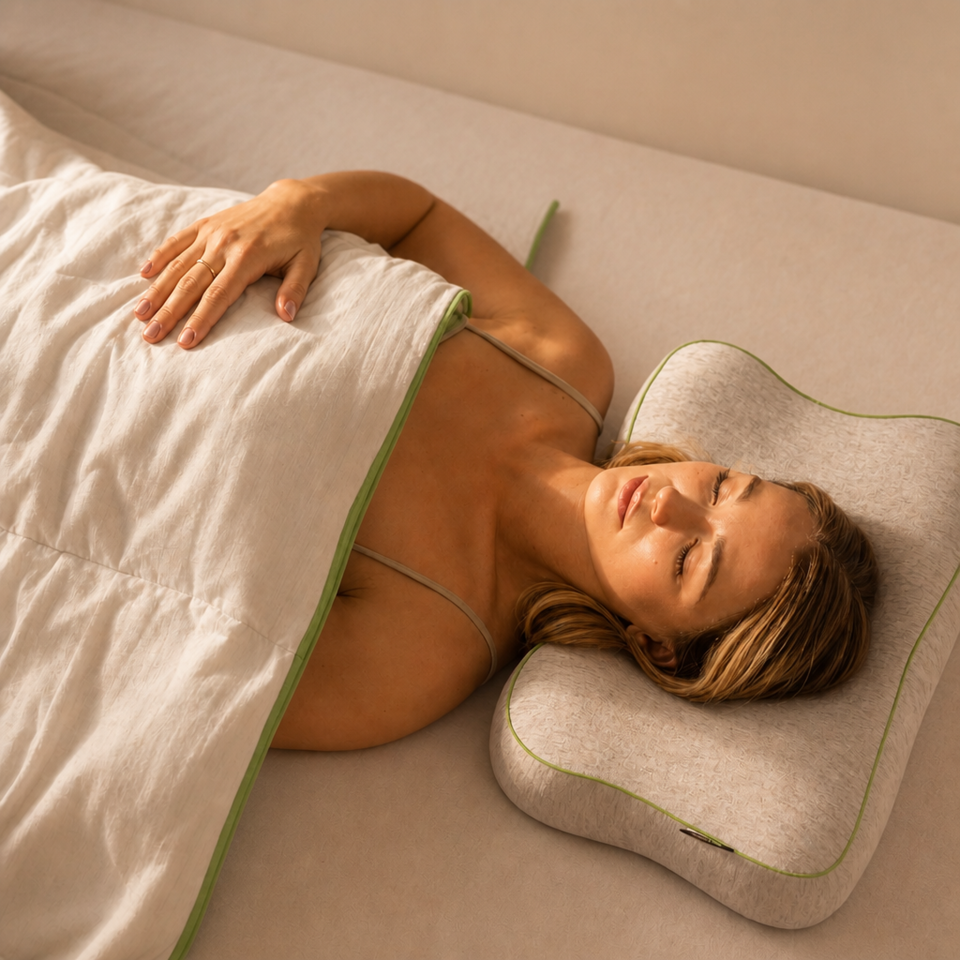
Your mattress should support your spine’s natural curvature. If you sleep on your back, choose a flat pillow; if you sleep on your side, choose a higher one so your head is aligned with your spine. A point-elastic mattress adapts to your body without giving in too much.
Hold your phone at eye level instead of constantly tilting your head downward. This “text neck” posture puts enormous strain on the cervical spine and can lead to chronic tension.
Mental tension directly affects your muscles. Consciously build relaxation breaks into your day—whether through deep breathing exercises, a short walk, or targeted stretches.
Every extra kilogram puts additional strain on your intervertebral discs. A balanced diet with sufficient nutrients also supports the regeneration of your spinal structures.
Exercise is the best protection against back problems. Even just 10 to 15 minutes a day can make a significant difference. Consistency is key, not intensity.



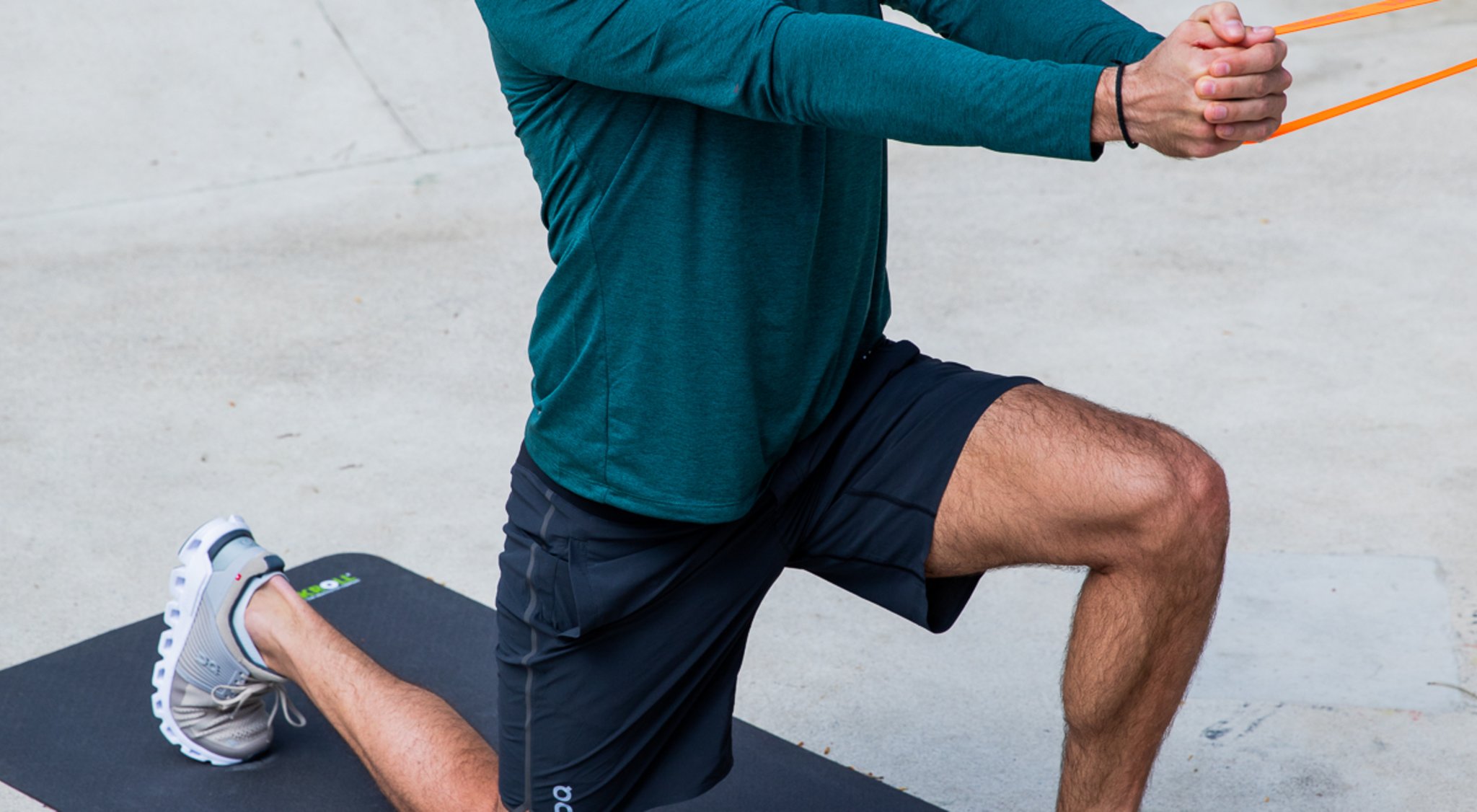

Effective exercises: How can I strengthen my spine?
You can easily do these simple exercises at home to improve your back health:
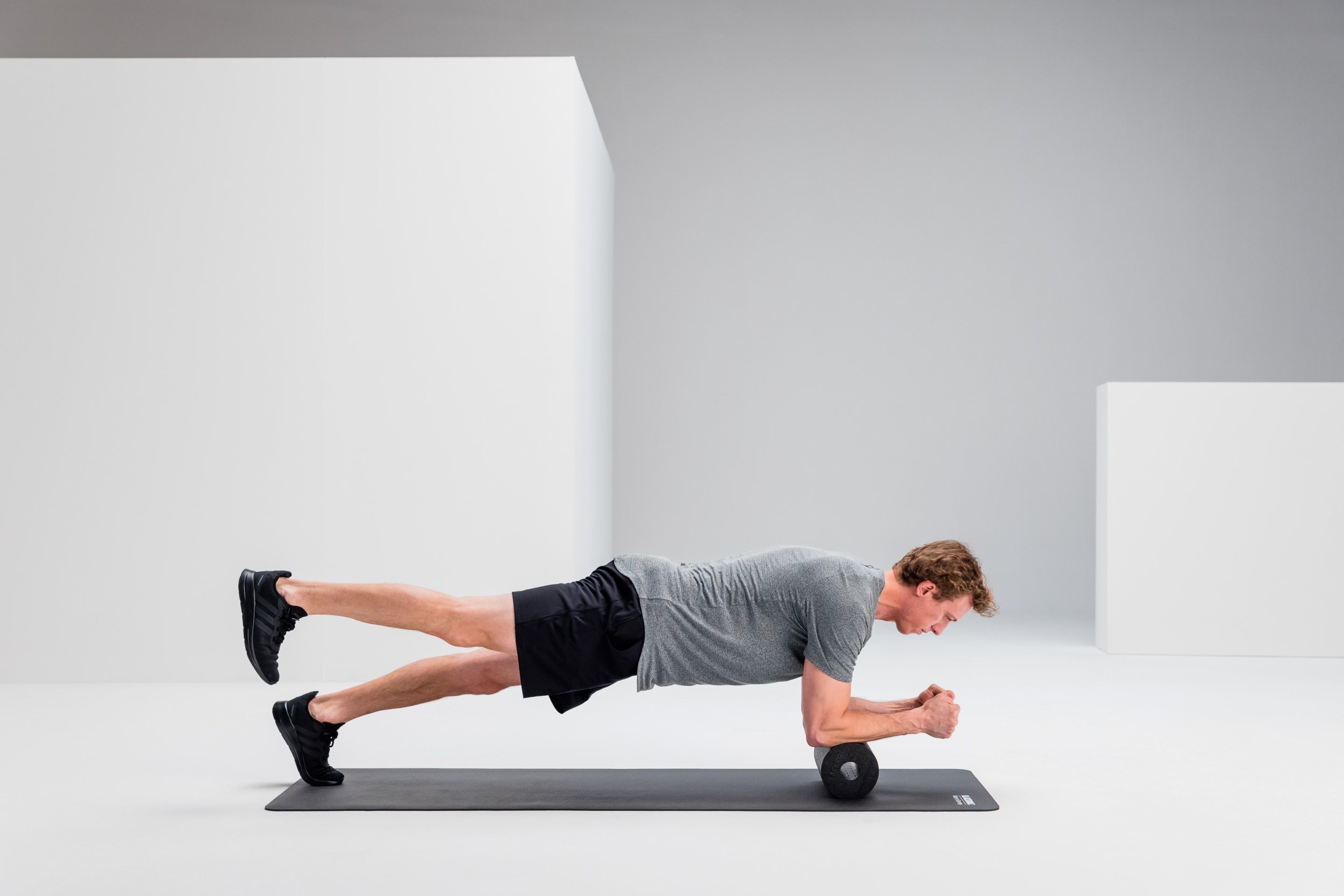
Core Stabilization with the Plank
Support yourself on your forearms and the tips of your toes, keeping your body straight like a board. Start with 20 seconds and gradually increase the duration. This exercise strengthens your abdominal, back, and shoulder muscles simultaneously. Optionally, you can support yourself with your arms on a foam roller.
Effect: A strong core stabilizes your spine with every movement—whether in daily life, when lifting, or during sports. At the same time, it protects against common postural problems that can lead to back pain at night.
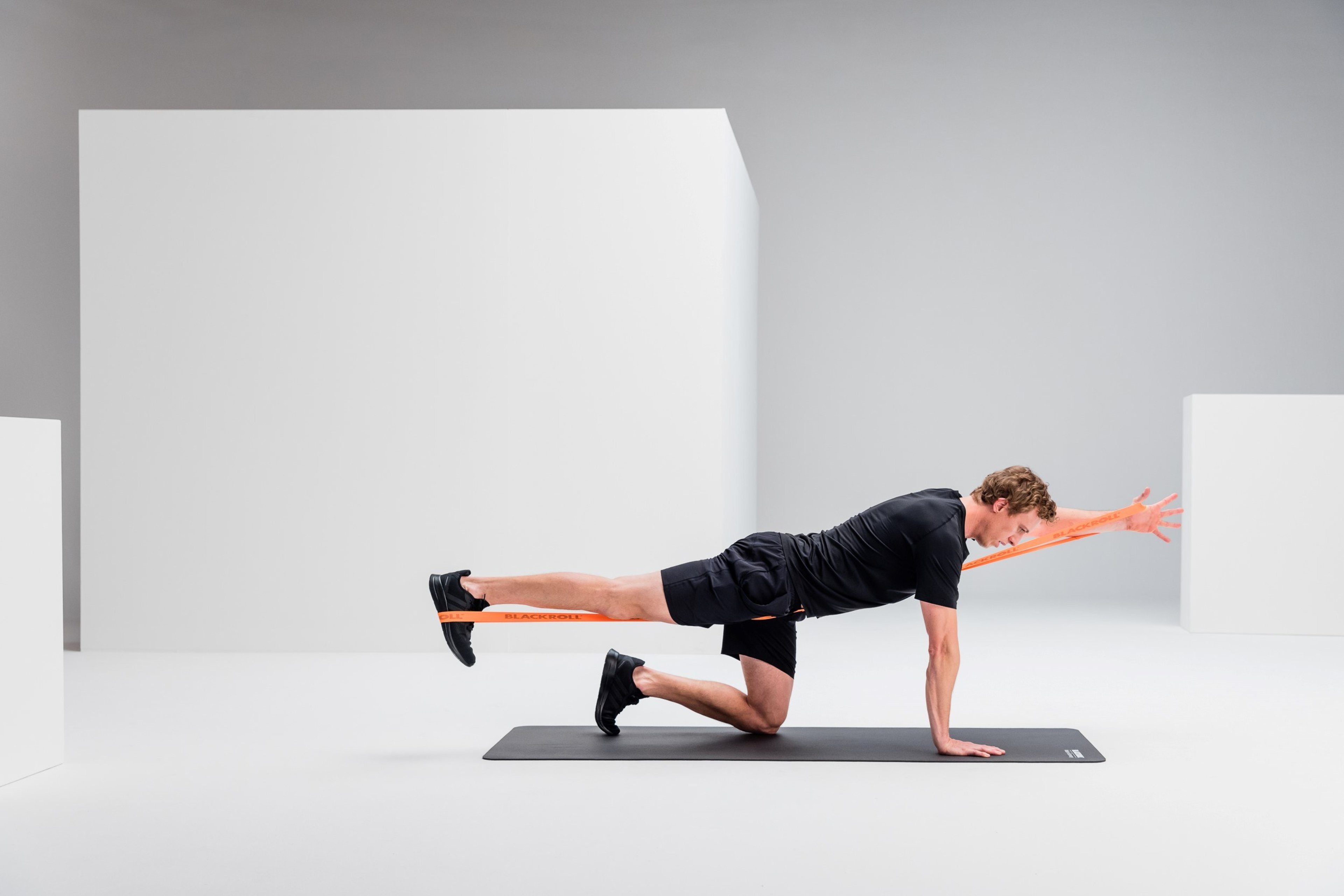
All-Fours with Arm-Leg Extension
Get on all fours and simultaneously extend your right arm and left leg. Hold the position for ten seconds, then switch sides. This exercises your deep core muscles and improves coordination.
Effect: Ideal for improving body tension in everyday life and during athletic movements. At the same time, the exercise relieves pressure on the lower back—a common factor that interferes with restful sleep.
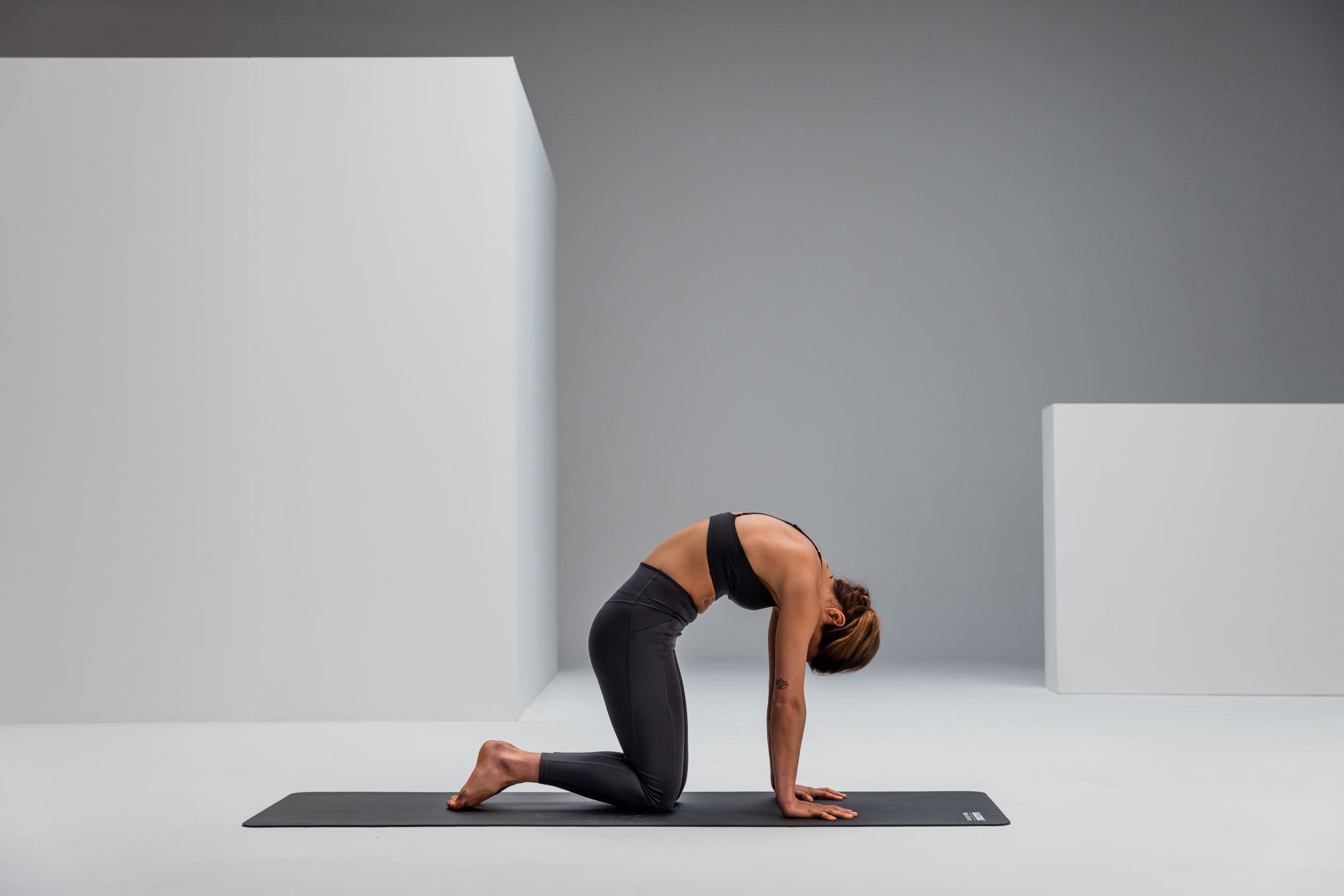
Mobilization with the Cat-Cow Pose
On all fours, alternate between arching your back (inhaling) and rounding your back (exhaling). This gentle movement loosens tense muscles and keeps your spine flexible.
Effect: Especially helpful for back pain in the morning or before bedtime. This mobilization helps release tension and relax the spine for the night.
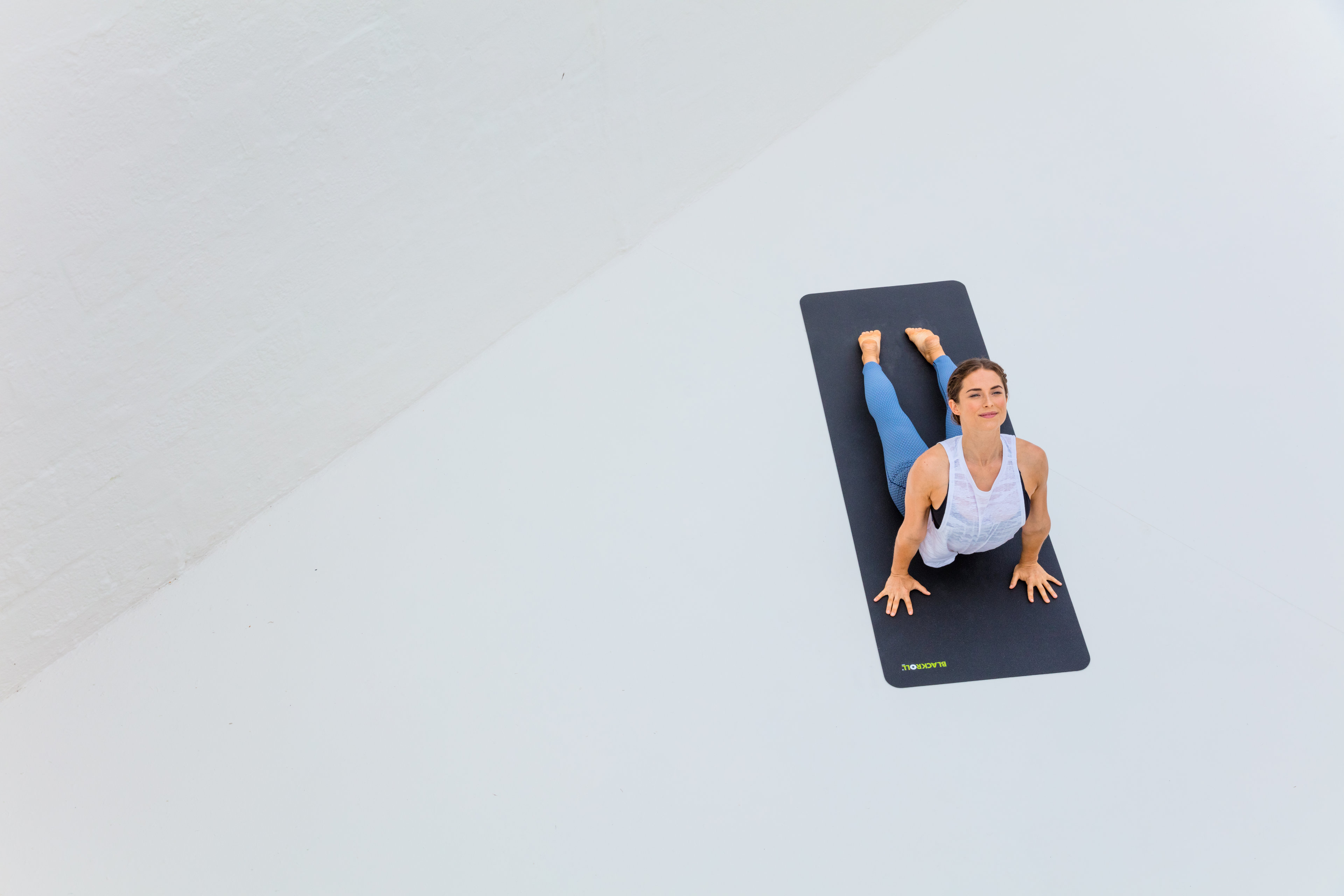
The Cobra for a Strong Upper Back
Lie on your stomach and place your hands under your shoulders. Slowly lift your head and chest, supporting yourself on your forearms. Keep your gaze forward; your shoulders and lower body should remain relaxed. This yoga exercise mobilizes the thoracic spine and strengthens the upper back muscles.
Effect: Ideal for correcting poor posture caused by desk work—and thus reducing tension that can negatively affect your sleep or athletic performance.
Recommended Sports for Your Back Health
- Swimming: Reduces strain through buoyancy and strengthens the entire core (backstroke is especially recommended)
- Nordic walking: Engages 90% of the muscles and is particularly gentle on the back
- Yoga: Ideally combines strengthening, stretching, and relaxation
- Cycling: Strengthens and exercises the leg and hip muscles and relieves pressure on the spine

Discover Fascia Yoga
Exercises for Back Pain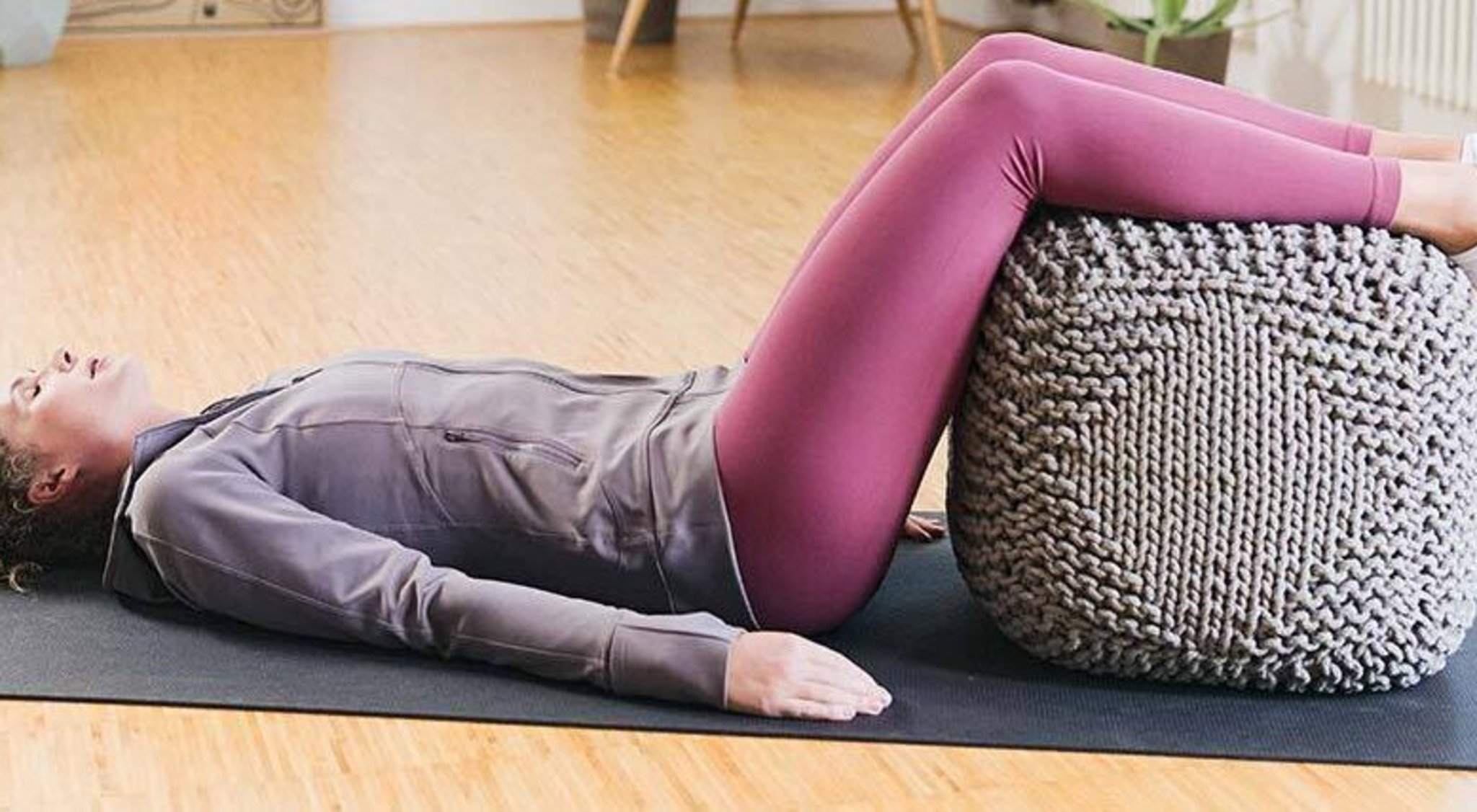
Common Conditions Associated with an Unhealthy Spine
When the spine is subjected to prolonged strain, injury, or degeneration, various conditions can develop. These often manifest as pain, limited mobility, or neurological symptoms. Below you will find the most important conditions—with a focus on causes, mechanisms, and typical symptoms.
Herniated Disc
A herniated disc is usually caused by a combination of age-related wear and tear and mechanical overload due to uneven distribution of forces. This causes the fibrous ring of the disc to partially tear, and the soft gel-like nucleus bulges outward. If this material presses on surrounding nerve roots, it can cause pain, numbness, or muscle weakness. The lumbar spine is particularly affected, as it bears the most weight. [2]
Typical symptoms:
- localized back pain, often deep in the lower back
- Radiating pain into the buttocks, leg, or arm (depending on the location)
- Tingling, numbness, or weakness
- Increased pain when coughing, sneezing, or sitting
Spinal Canal Stenosis
Spinal canal stenosis occurs when the space for the spinal cord or nerve roots narrows—usually due to degenerative changes such as disc atrophy, bone spurs, or thickened ligaments. These narrowings lead to reduced blood flow and nerve compression, especially when walking or maintaining an upright posture for extended periods. [3]
Typical symptoms:
- Lower back pain with symptoms radiating down the legs when walking
- Numbness or a “pins-and-needles” sensation in the legs
- Unsteady gait, requiring frequent breaks
- Improvement when in a bent position (e.g., leaning forward, sitting)
Sacroiliac joint (SI) dysfunction
The sacroiliac joint connects the sacrum to the pelvis. It has very little mobility but is essential for force transmission and stability. It can become locked due to muscular imbalances, unfamiliar movements, or prolonged sitting. The symptoms often resemble those of a herniated disc but are usually unilateral and can be triggered by mechanical stress. People with sedentary jobs or weak core muscles are particularly prone to this condition.
Typical symptoms:
- unilateral pain in the lower back or buttocks
- pulling pain extending into the groin or the back of the thigh
- Discomfort when standing up, turning in bed, or sitting for long periods
- Tenderness over the posterior edge of the pelvis


When should you see a doctor for spinal symptoms?
Most back problems are harmless and go away on their own. You can treat them initially with heat and gentle exercise.
You should see a doctor for back pain if:
- The pain lasts longer than a week
- The pain radiates into your arms, hands, legs, or feet
- You experience numbness or weakness
If you have neurological symptoms or very severe pain, a targeted examination is important—preferably at a specialized spinal center.
A few minutes a day for your back health
Investing a little time each day in your spinal health is one of the smartest decisions you can make for your body. With ergonomic habits, regular exercise, and targeted exercises, you can actively maintain your back health and prevent pain. Most of these measures can be easily integrated into your daily routine and don’t cost much time or money.


FAQ – Frequently Asked Questions About a Healthy Spine
Heat relaxes the muscles—use a heating pad, a heat patch, or take a warm bath. Light exercise such as walking or gentle stretching can relieve tension. Avoid complete rest, as this often makes the symptoms worse. A gentle massage or foam rolling can also help relieve acute tension. For severe pain, pain relievers can provide short-term relief to help you get moving again.
Combine strengthening and stretching exercises for your entire core. Planks, all-fours, and bridges are particularly effective for a healthy spine. The cobra pose mobilizes the thoracic spine, while the cat-cow pose releases tension. Consistency is more important than specific exercises—it’s better to do ten minutes a day than one hour once a week. This is how you stabilize your spine for the long term.
You should stand up and move around every 30 minutes. Just two to three minutes of walking or stretching is enough to relieve pressure on your spine. Use a timer or apps to remind you. These regular breaks are essential for back health, as prolonged sitting puts strain on the intervertebral discs and promotes muscle tension. Your back will thank you for it.
Yes, foam rollers can relieve tension in the back and promote blood circulation. Roll slowly and in a controlled manner, lingering on particularly tense areas. Start with softer rollers and gradually work your way up. Myofascial self-massage can reduce tension, release adhesions, and improve mobility. Combine rolling with targeted stretching exercises for optimal results.
If you experience pain lasting more than a week, pain radiating into your arms or legs, numbness, or loss of strength, you should seek professional help. You should also contact a doctor immediately if you experience problems with continence. If you’re unsure whether your symptoms are normal—it’s better to ask once too often than to overlook important warning signs regarding your spine. Early treatment often prevents chronic problems.
More Articles


Sources & Studies
Stubbs, B., Koyanagi, A., Thompson, T., Veronese, N., Carvalho, A. F., Solomi, M., ... & Vancampfort, D. (2016). The epidemiology of back pain and its relationship with depression, psychosis, anxiety, sleep disturbances, and stress sensitivity: Data from 43 low- and middle-income countries. General Hospital Psychiatry, 43, 37–45. https://doi.org/10.1016/j.genhosppsych.2016.11.002
Saleem, S., Aslam, H., Rehmani, M., Raees, A., Alvi, A., & Ashraf, J. (2013). Lumbar Disc Degenerative Disease: Disc Degeneration Symptoms and Magnetic Resonance Imaging Findings. Asian Spine Journal, 7(4), 322–334. https://doi.org/10.4184/asj.2013.7.4.322
Byvaltsev, V., Kalinin, A., Hernandez, P. A., Shepelev, V., Pestryakov, Y., Aliyev, M., & Giers, M. (2022). Molecular and Genetic Mechanisms of Spinal Stenosis Formation: Systematic Review. International Journal of Molecular Sciences, 23(21), 13479. https://doi.org/10.3390/ijms232113479
Traeger, A., Buchbinder, R., Elshaug, A. G., Croft, P. R., & Maher, C. G. (2019). Care for low back pain: can health systems deliver? Bulletin of the World Health Organization, 97(6), 423-433. https://doi.org/10.2471/BLT.18.226050