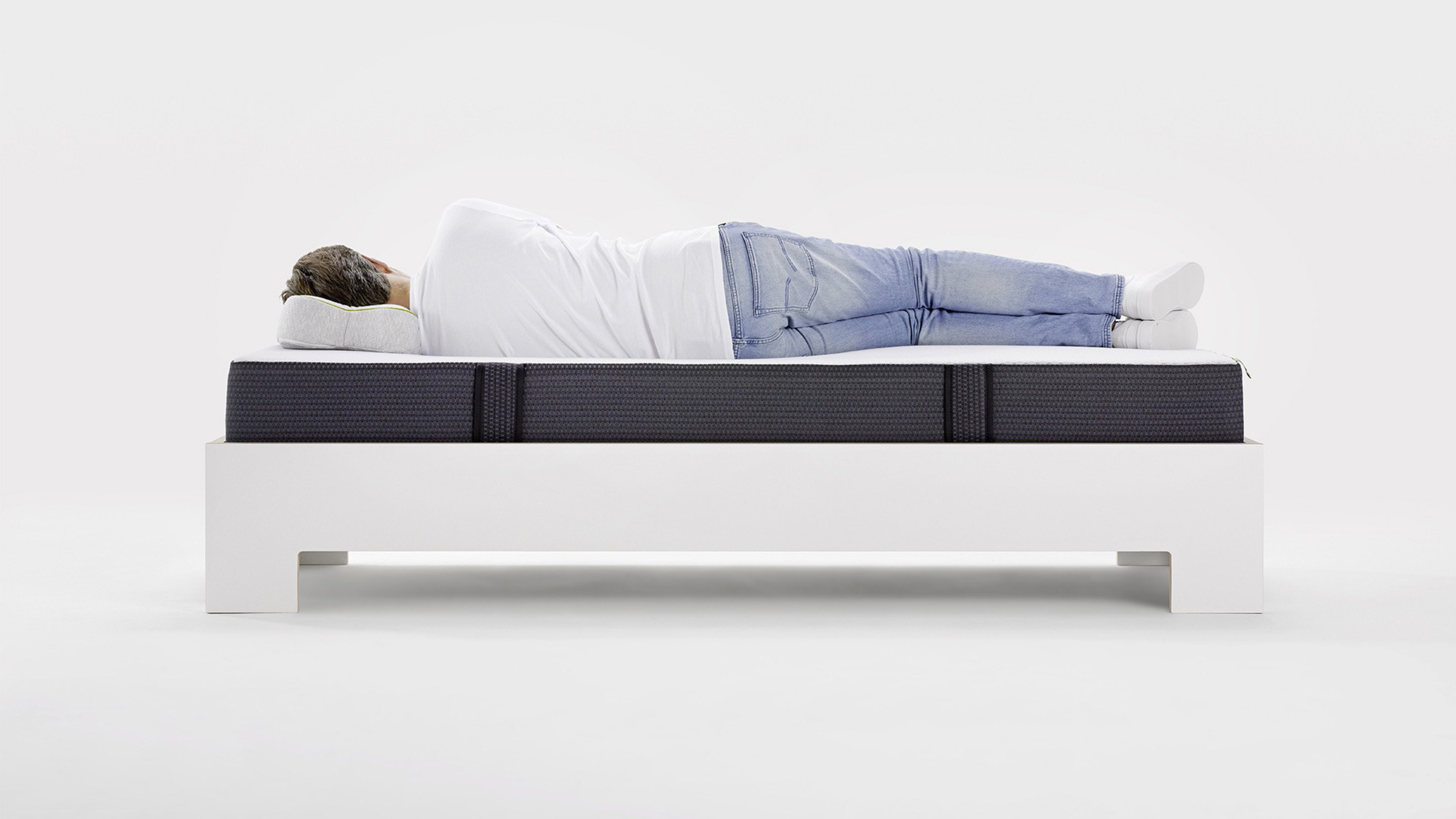
Is your mattress worn out?

Do you sleep poorly and wake up in the morning with back pain or stiffness? Then it’s worth taking a closer look at your mattress—because it’s often the cause of these problems. More specifically: a sagging mattress. Over time, it loses its support and shape retention, which means your body is no longer properly supported while you sleep. This can not only severely impair the quality of your sleep but also lead to physical problems in the long run—especially in the back, shoulder, and neck areas.
Especially with cold-foam mattresses, many people wonder: How long do they actually last, and how can I tell when it’s time for a new one? In this article, you’ll learn how to recognize a sagging mattress, what might be causing it, and what specific steps you can take to address the issue. Because one thing is certain: Good sleep isn’t a luxury—it’s the foundation of health, energy, and well-being—and it all starts with the right mattress.
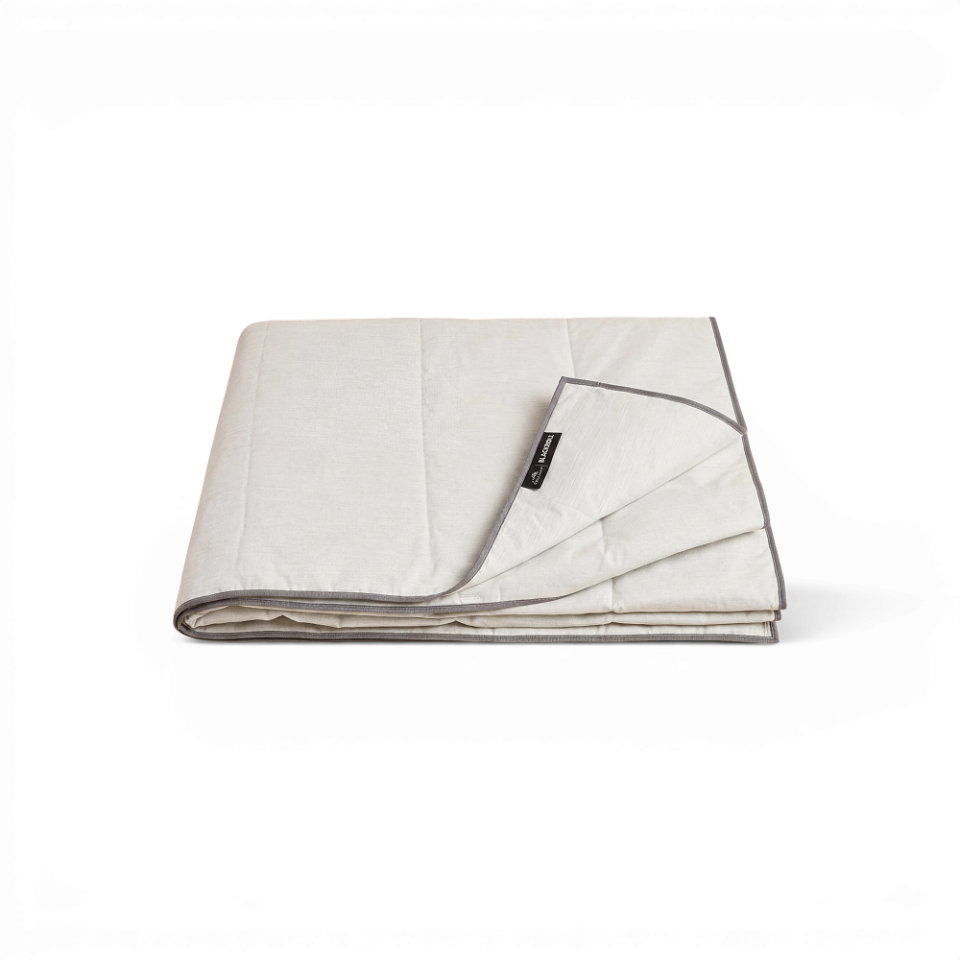
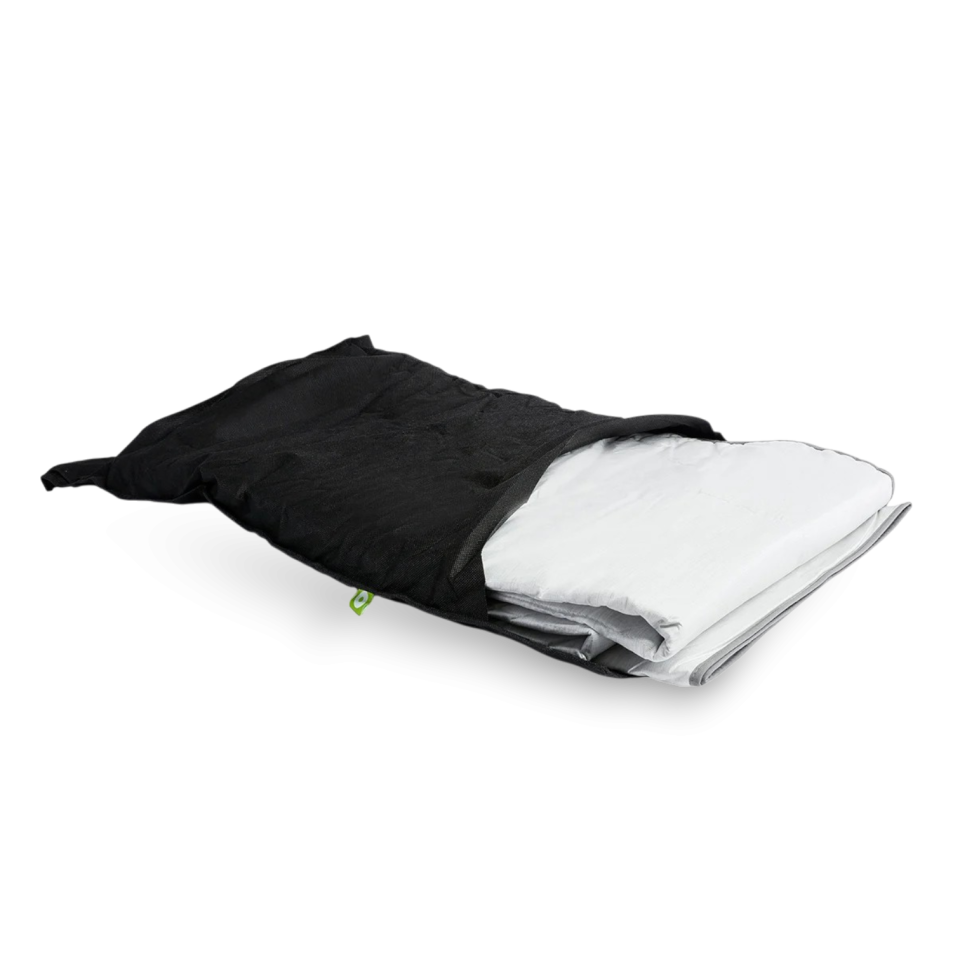
Recovery Blanket Summer
Available in multiple variants
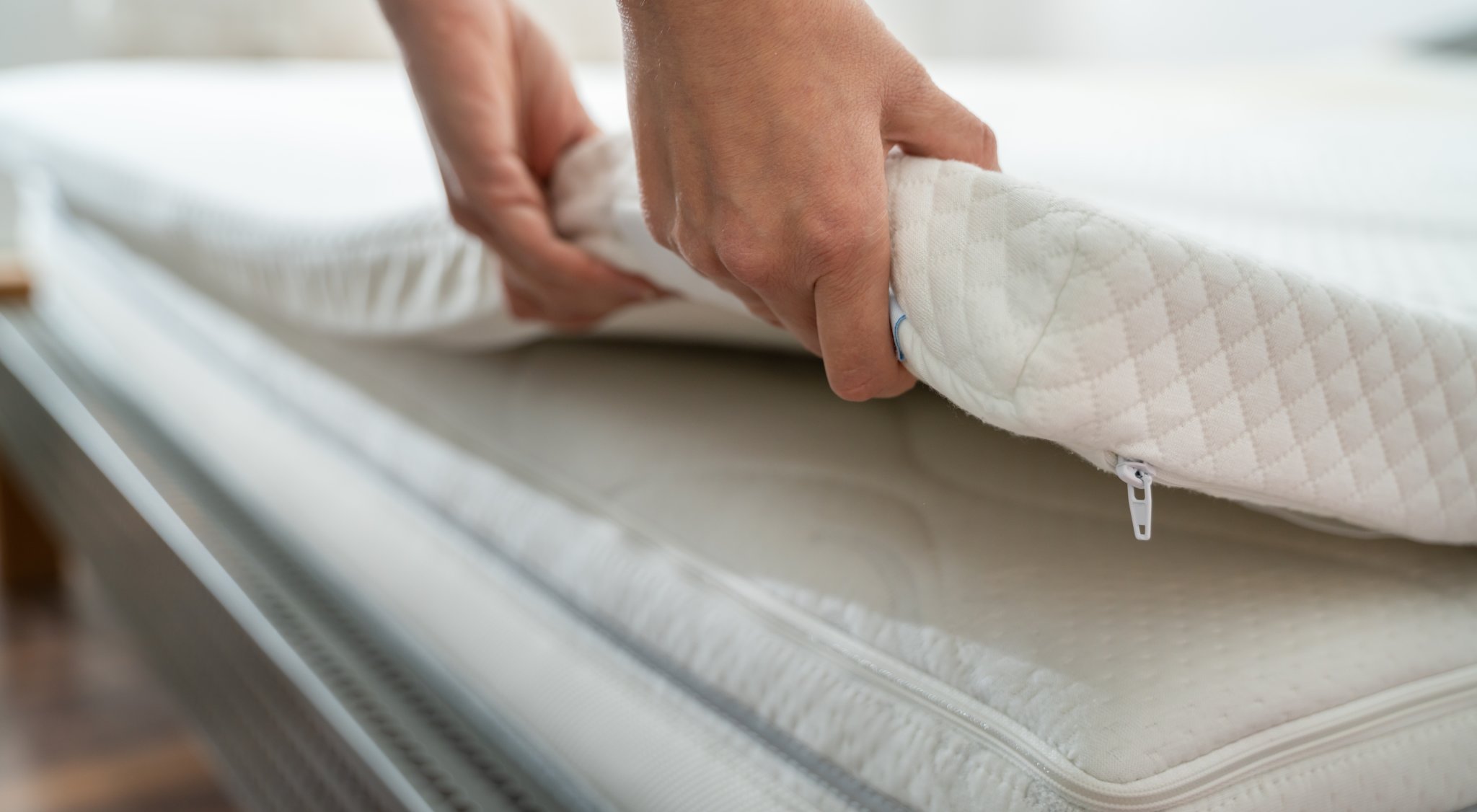
How can I tell if a mattress is sagging?
1. Dents and visible deformations
A clear sign of a sagging mattress is deep indentations or hollows, especially in the areas where you regularly lie—such as around your shoulders, pelvis, or back. These uneven areas prevent your spine from being supported ergonomically. With cold-foam mattresses in particular, permanent deformation indicates a loss of resilience.
2. Morning pain and stiffness
If you frequently wake up in the morning with back pain, neck tension, or a feeling of stiffness, this may not be due to your movement patterns, but rather to your mattress. A sagging mattress can no longer evenly cushion pressure points—as a result, your body lies in an unbalanced position and is subjected to improper pressure overnight.
3. Noises When Turning Over
Especially with innerspring or hybrid mattresses, unusual noises such as squeaking, creaking, or cracking when moving in bed can indicate a sagging structure or broken springs. These acoustic signals are a warning sign of declining material quality and a sagging mattress
4. Changes in comfort
Does your mattress suddenly feel harder, softer, or generally less comfortable than it used to? This, too, can be a sign that the mattress’s structure has changed. If you often toss and turn at night or can no longer find a comfortable sleeping position, the cause may be a sagging sleeping surface.
Difference from normal wear and tear
Every mattress shows certain signs of wear after several years of use—that’s completely normal. Slight indentations or a gentle conforming to your body shape are no cause for concern.
The key difference is this:
- Normal wear and tear does not significantly affect sleeping comfort.
- A sagging mattress, on the other hand, permanently loses its supportive properties—and that directly affects your sleep and well-being.
If you notice several of the signs mentioned above, you should consider whether it’s time to replace your mattress—especially if your mattress is already several years old.
GOOD TO KNOW:
In a study, participants replaced their old mattresses—which were 9.5 years old on average—with new ones. The study’s results showed that new bedding systems improved sleep quality and reduced back pain.
Discover more articles


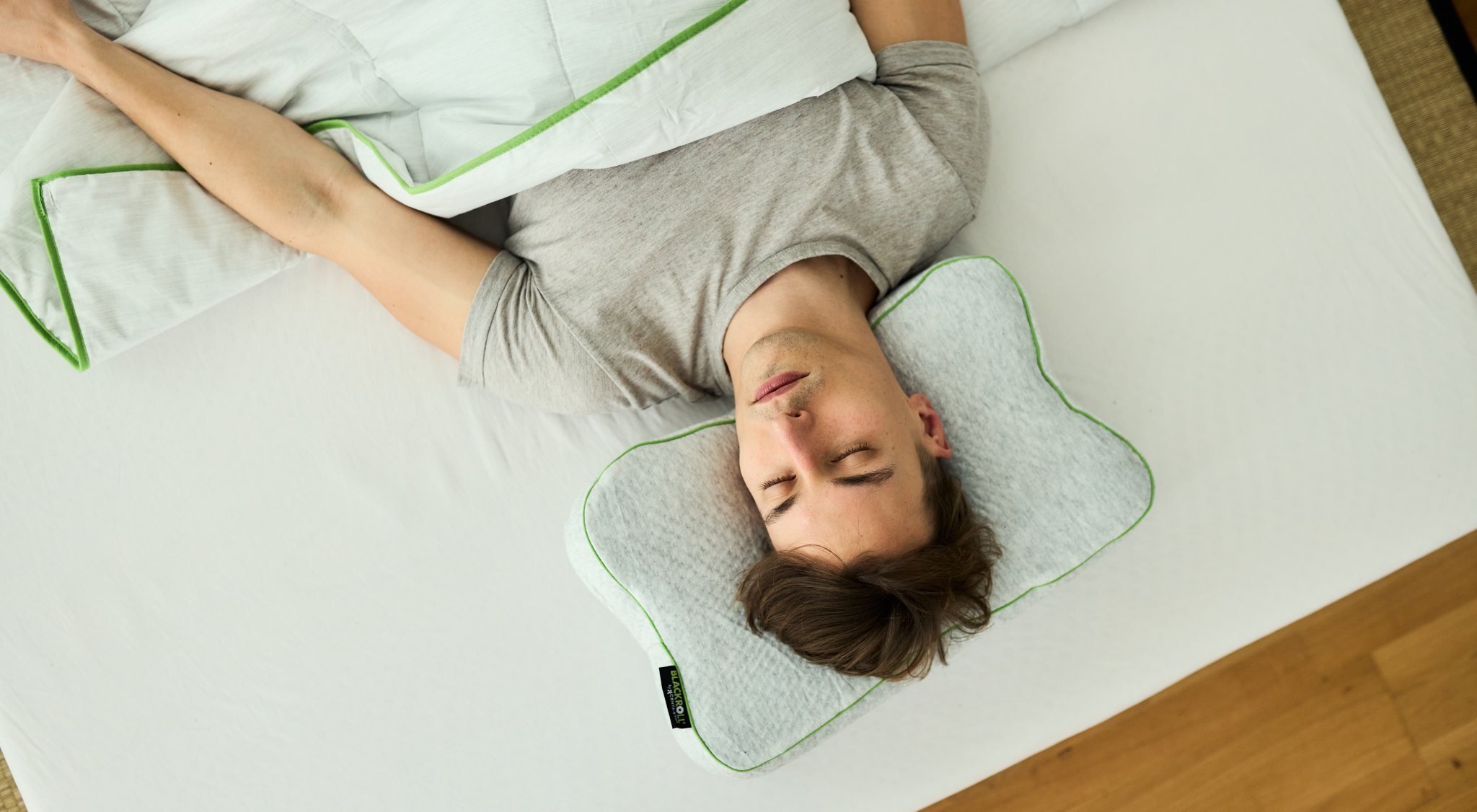

What happens if I sleep on a sagging mattress?
Many people underestimate the impact a sagging mattress has on the body and sleep. What initially feels like just “slightly uncomfortable” sleeping conditions can lead to serious problems over time—both physically and mentally.
Effects on Your Sleep
A mattress that has lost its support means your body is no longer positioned ergonomically. This can have the following consequences:
- Restless sleep: You toss and turn more often because you can’t find a comfortable sleeping position. This interrupts your deep sleep phases—you may sleep for many hours, but your sleep is not restful.
- Sleep deprivation due to micro-awakenings: Your body registers every slight misalignment—even subconsciously. The result: You wake up more often without realizing it and feel tired in the morning.
- Reduced recovery: During sleep, your muscles, joints, and nervous system recover. A sagging mattress disrupts this process—affecting your performance during the day.
Risks to the Back, Shoulders, and Neck
Your sleeping posture is particularly affected. The lack of support leads to improper strain, which manifests in various areas:
- Back pain: The spine sags instead of remaining straight—especially in the lumbar region. This leads to tension, pain, and, in the long term, even postural problems.
- Neck pain: An unstable mattress alters the position of the head and neck. Especially when combined with an unsuitable pillow, this can lead to painful stiffness.
- Shoulder pain: Side sleepers, in particular, often feel uncomfortable pressure in their shoulders—a sign that the mattress is no longer providing adequate support for the body.
A sagging mattress is far more than just a comfort issue. It affects your entire sleep cycle, impairs nighttime recovery, and can lead to chronic discomfort—especially in the back, shoulders, and neck. If you want to enjoy healthy, restful sleep in the long term, you should take these warning signs seriously and act promptly.
Recovery Blanket Summer
Available in multiple variants
Causes of a Sagging Mattress
A sagging mattress is usually the result of several factors. Often, it’s not just the age of the mattress that plays a role, but also external factors such as the box spring, care, or body weight. The following causes are particularly common:
1. Mattress Material Quality
Not all mattresses are created equal. Inexpensive models tend to lose their shape more quickly because they’re often made of low-quality foams or spring systems. High-quality mattresses—especially those with certified cold foam or point-elastic pocket springs—retain their shape significantly longer.
2. Incorrect or unsuitable slatted frame
The slatted frame also affects the lifespan of your mattress. If it’s too old, broken, or not suited to the type of mattress, it won’t provide the necessary support from below. An elastic and stable slatted frame is especially important for cold-foam mattresses—otherwise, pressure points will form and the mattress will sag more quickly.
3. Uneven pressure distribution
If the mattress is used on one side only over the years—for example, if you always lie in the same spot or sleep alone in a double bed—this can lead to premature sagging. A high body weight, frequently sitting on the same edge of the bed, or localized pressure (e.g., from children or pets) also accelerate sagging in certain areas.
4. Use Beyond the Recommended Lifespan
Every mattress has a limited lifespan—even high-quality models. Cold-foam mattresses last an average of about 8 to 10 years, depending on quality and care. If used beyond this period, the support diminishes, even if there is no visible damage. Frequent flipping and proper care can extend the lifespan—but they cannot reverse the natural aging process.


How long does a cold-foam mattress last?
Cold foam mattresses are considered particularly durable and comfortable—but even they have a shelf life. Their lifespan depends on several factors and varies from person to person. Nevertheless, there are general guidelines you can use as a reference.
1. Average Lifespan
On average, a high-quality cold foam mattress lasts about 8 to 10 years. Inexpensive models may start to lose their shape after just 4–5 years, while premium mattresses with a high density and good craftsmanship can last up to 12 years—provided they’re well maintained.
2. Factors Affecting Durability
Several factors determine how long your cold foam mattress will retain its supportive properties:
- Body weight: The heavier the sleeper, the more strain is placed on the mattress—especially on the shoulders, pelvis, and hips.
- Load: Constant, one-sided pressure on the mattress in the same spot leads to the formation of indentations more quickly.
- Care and use: Regular flipping (lengthwise and crosswise), adequate ventilation, and a mattress protector help prevent moisture, sweat, and material fatigue.
- Slatted frame: A properly fitted slatted frame distributes pressure evenly—an improper base can shorten the mattress’s lifespan.
3. When Replacement Is Really Necessary
You should replace your cold-foam mattress at the latest when:
- significant indentations or deformations are visible or noticeable,
- you regularly wake up in the morning with pain or stiffness,
- the comfort level has noticeably deteriorated, or
- the mattress is more than 8–10 years old—even if there is no obvious damage.
Even though cold-foam mattresses are known for their durability, you shouldn’t base your decision solely on the calendar. Pay attention to your body and the condition of your mattress—because good sleep isn’t a matter of age, but of the right support.
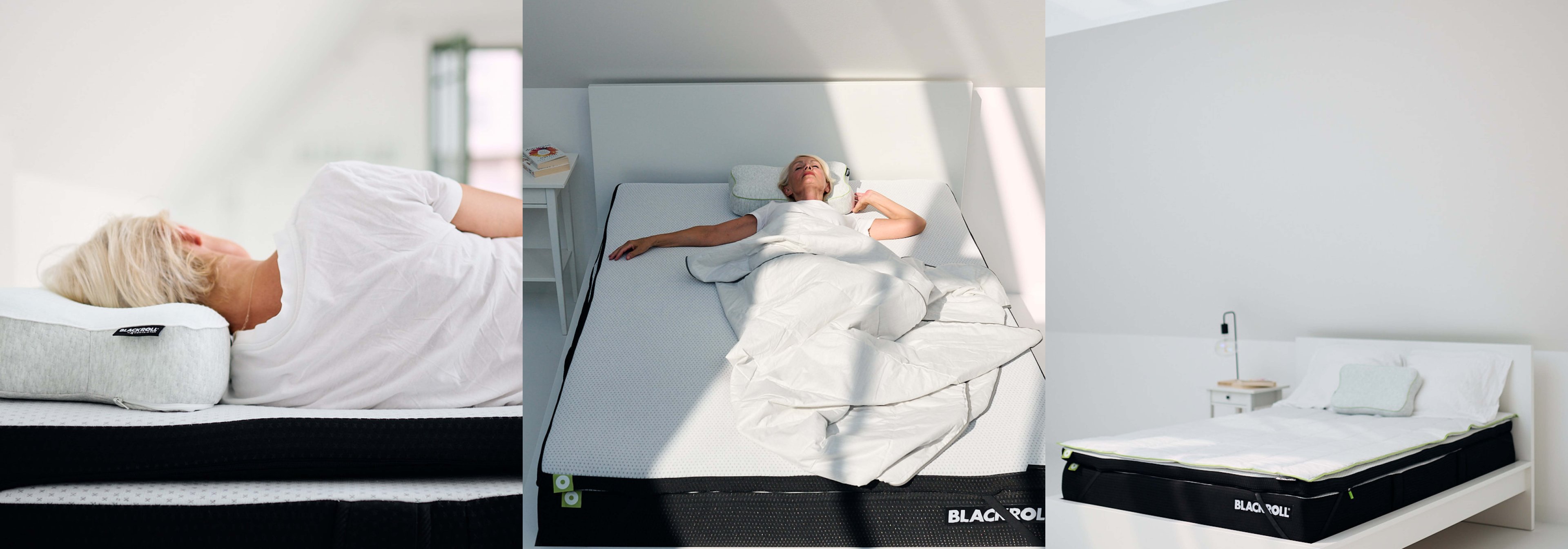
What to do if your mattress is sagging?
A sagging mattress doesn’t have to end up in the trash right away—at least not if you’re still looking for temporary solutions. But: For restful sleep in the long run, a new, well-fitting mattress is the best solution. Here’s what you can do now—both in the short term and for the long haul:
1. Temporary Solutions: Immediate Relief for Greater Comfort
If replacing your mattress isn’t possible right now, these steps can help improve your sleeping comfort in the short term:
- Add a topper: A mattress topper made of cold foam, memory foam, or latex can noticeably even out existing indentations. It creates a new, more even sleeping surface—especially helpful if you have back pain.
- Flip or rotate the mattress: Many cold foam mattresses can be used on both sides. By regularly flipping (swapping the top and bottom) and rotating (switching the head and foot ends), you can slow down the formation of indentations and distribute the weight more evenly.
- Targeted padding: If only one area has sagged (e.g., in the pelvic region), you can place a rolled-up towel or a folded blanket under the mattress at that spot. This temporarilystabilizes the area.
Tip: These measures only help for a short time. They are not a permanent solution, but they can improve your sleep comfort until you buy a new mattress.
2. Long-Term Solution: Replacing the Mattress
In the long run, there’s no way around it: You should replace a sagging mattress. When buying a new one, pay special attention to:
- Material quality: Choose a mattress with a high density (e.g., density ≥ 40 for cold foam) for longerdurability.
- Ergonomic support: The mattress should provide optimal support for your spine in every sleeping position—depending on your body weight, sleeping position, and preferences.
- Compatibility with a slatted frame: A high-quality slatted frame extends the lifespan of your new mattress. Ideally, it should be adjustable and feature flexible slats.
- Take advantage of trial periods: Many manufacturers offer 30–100-day trial periods—ideal for testing the mattress in everyday use before you make your decision.
A sagging mattress can noticeably impair your sleep and well-being. Temporary solutions like a topper or targeted padding can help in the short term, but they are no substitute for a mattress in good condition in the long run. If the comfort level declines permanently, it makes sense to replace it. When doing so, pay attention to quality, suitable materials, and good ergonomic support. With regular care and a suitable slatted frame, you can also significantly extend the lifespan of your new mattress.
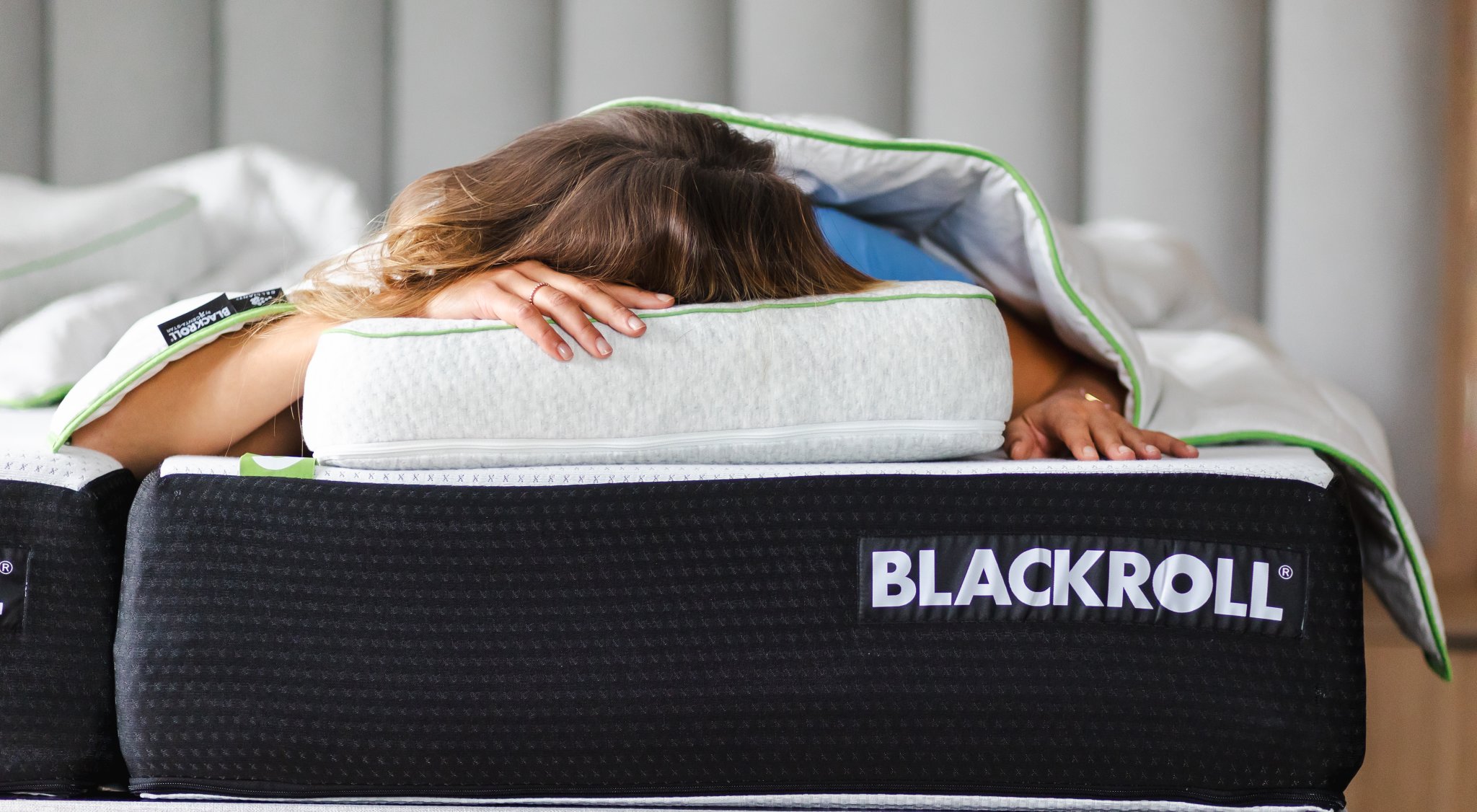

Tips for Extending the Life of Your Mattress
With a few simple steps, you can ensure that your mattress retains its shape and stays hygienic for longer. Here are three tips that have proven effective in practice:
1. Rotate and air out your mattress regularly
Rotate and flip your mattress every 2–3 months, if the model is suitable for this. This prevents uneven wear and helps avoid the formation of indentations. Air out the mattress regularly by pulling back the comforter in the morning—this allows trapped moisture to escape and helps prevent mold.
2. Choose the right slatted frame
A suitable slatted frame provides even support for the mattress and prevents it from sagging. Flexible slats or zone frames are ideal, especially for cold-foam mattresses. Outdated or broken slatted frames can significantly shorten the lifespan of your mattress.
3. Use a mattress protector and maintain good hygiene
A breathable mattress protector shields against sweat, dust, and skin particles—and is easy to wash. Regularly vacuuming the mattress and occasionally airing it out outdoors further contribute to hygiene and longevity.


Conclusion
A sagging mattress is more than just a comfort issue—it can significantly impair your sleep quality and, over time, cause physical ailments such as back pain, muscle tension, or neck problems. You should therefore not ignore typical warning signs such as indentations, restless sleep, or morning discomfort.
With simple care measures such as regular airing, a mattress protector, and a suitable slatted frame, you can further extend the life of your mattress.
So take action right away if you notice the first signs of a sagging mattress. This way, you’ll ensure restful sleep, prevent discomfort, and invest in your daily well-being.