
Back pain after sleeping? A morning routine for immediate relief and prevention

Does this sound familiar? You wake up in the morning—and instead of feeling refreshed and rested, you start the day with an uncomfortable ache in your back. Back pain after sleeping is no small problem: It limits your mobility, disrupts your start to the day, and can sabotage your entire daily routine.
The good news: You’re not helplessly at its mercy. Right after waking up, you can take action—with a targeted morning routine for immediate relief. With the proven tools from BLACKROLL®, we’ll guide you through simple yet effective mobilization and stretching exercises that release tension, actively stabilize your spine, and help you start your day pain-free and full of energy.
BLACKROLL® Exercises: 6 Simple Moves for Your Back (approx. 23 min)
Note: Have a BLACKROLL® ready, along with a blanket or mat. Our trainer Stefan will guide you through a targeted mobilization and stretching routine that’s especially designed to relieve back tension in the morning and actively get your spine moving.
- 00:30 – Cat-Cow: Starting on all fours, first move your pelvis forward ⇄ and back in isolation, then add chest and head movements. Goal: Mobilize the pelvis and spine.
- 03:23 – Preacher Stretch: Support yourself with your forearms on the roll, hands palms up, knees behind you. Roll along your forearms → opening up the chest and shoulders.
- 05:57 – Lunge Sequence: One leg forward, the back knee on the mat, the roll behind you. Rotate your torso to the side, engage your glutes—focus on the hip flexors and the connection to the spine.
- 12:31 – Spinal Sequence: Seated with the roll for support. Rotation and lateral bending improve spinal mobility—use a blanket under the hips if needed.
- 18:22 – Curl: Side-lying or seated variation: Place a roll or blanket under the knee; move the upper body with a focus on length and control—goal: lateral mobility and relief.
- 19:44 – Spinal Twist: One leg extended, the other leg drawn toward the chest and placed over the roll. Stabilize the knee, hand on the roll, gaze to the side → deep mobilization of the spine.
Why does this work?
Fascia training and mobilization with a roller like the BLACKROLL® release adhesions and tension in the connective tissue, promote blood circulation, and support mobility. This targeted morning routine activates your back muscles and relieves pressure on the spine—ideal if you wake up with a pulling sensation or stiffness in the morning.
Medical disclaimer
This article is for general information only and does not replace a doctor's diagnosis or individual treatment. If you have back pain first thing in the morning, your GP is the right first port of call – they can help identify the cause and refer you to a specialist if needed. If your back pain doesn't just appear on waking but also occurs at night or doesn't ease during the day, you should have it checked by an orthopaedic specialist.


Causes of Back Pain After Sleeping
Causes of Back Pain After Sleeping
If your back feels stiff or achy in the morning, it’s rarely due to a single factor. Rather, it’s a combination of sleep habits, your mattress, and muscular or orthopedic factors. Being aware of these causes helps you take targeted action—and thus reduce the resulting morning pain.
Sleeping Position & Spinal Alignment
The position in which you sleep—whether on your back, side, or stomach—significantly influences the alignment of your spine. An improper position can create pressure peaks and lead to tension or misalignment. It is said that an incorrect sleeping position puts strain on the spine and contributes to back pain.
When should you seek medical help:
- if the pain keeps recurring at night and doesn't ease even after several days or weeks
- if your back pain isn't limited to the morning after getting up, but also persists and doesn't ease during the day
- if the pain radiates over a wide area – for example from the lower back into the thighs, or from the neck into the middle back
- if additional symptoms occur, such as fever, chills or numbness
The causes: why does back pain occur on waking
There are many reasons for back pain on waking. In 90% of cases, morning back pain is non-specific – meaning no clear structural cause such as a slipped disc can be found. Instead, several factors work together: lack of exercise, poor posture, stress and the sleep environment.
As we get older, degenerative changes in the discs and facet joints increase. This doesn't mean morning back pain is unavoidable – but it explains why it becomes more common from age 50 onwards, and why regular exercise matters particularly at this age.
Various factors, such as the height and firmness of your pillow or the condition of your mattress, can worsen or ease back pain on waking. But neither a particular pillow nor the perfect mattress is solely responsible for your back pain after sleeping. The same goes for the 'right' sleep position – there isn't one. More importantly, you have little control over it anyway. Even if you change the position you fall asleep in, your body usually turns back into its usual sleeping position during the night on its own.
What matters more for healthy sleep is:
- a relaxed environment when falling asleep
- reducing noise and sources of stress
- less screen time, especially right before bed
- calming routines in the evening and morning
- regular exercise during the day
- a cool room temperature (16–20 °C) – rooms that are too warm can reduce sleep quality and encourage night-time tension
Which sleep position is best for back pain?
There's no single perfect sleep position – what matters is that you can move at night and that your spine is well supported. Even so, the common sleep positions each carry different pros and cons for your back:
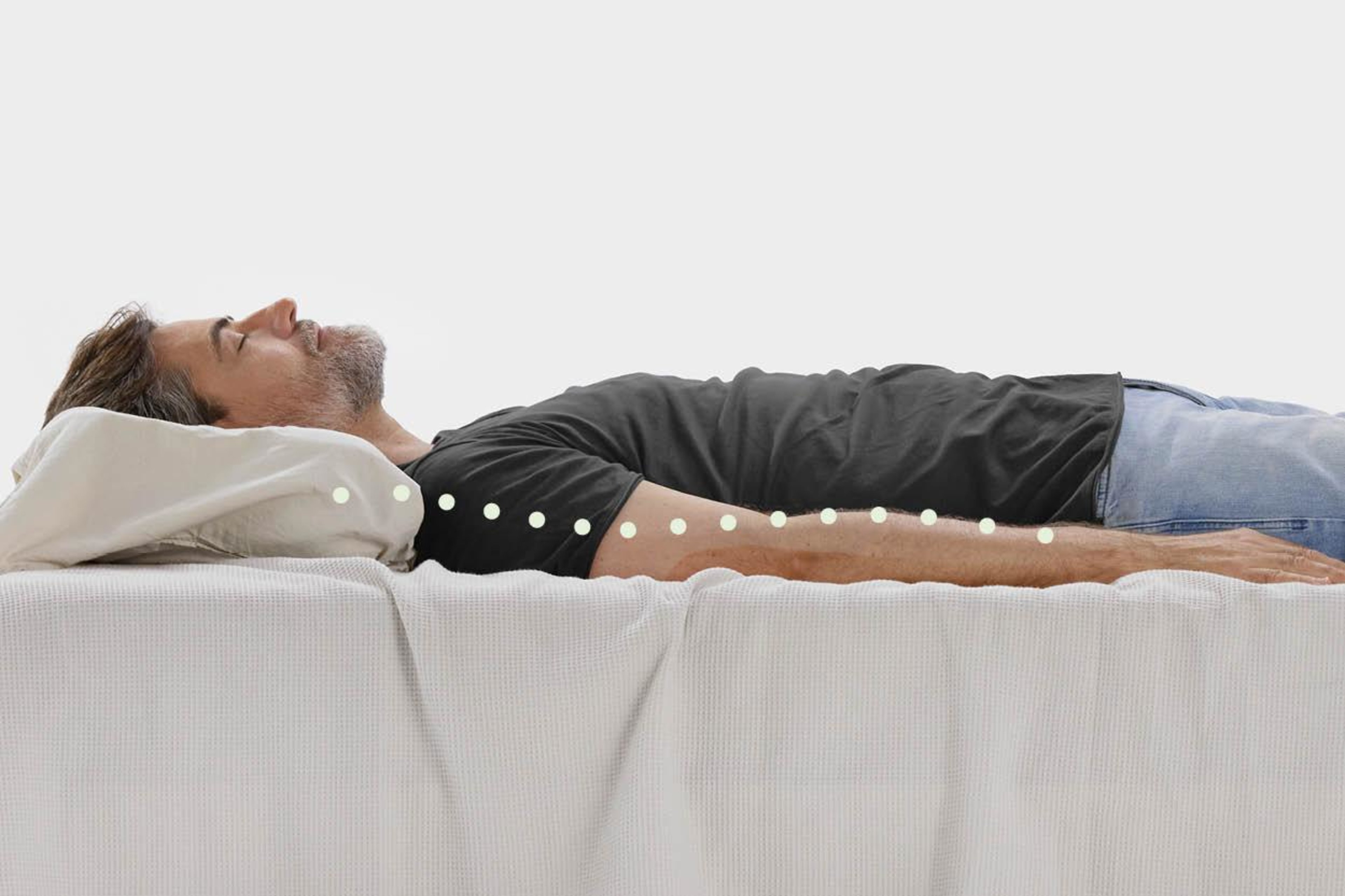
- Back sleeping: considered the most back-friendly sleep position, as your body weight is evenly distributed. However, your mattress and pillow need to fit properly. If the lumbar spine sags or overextends, tension can build up. A flat pillow under the knees can relieve the lumbar spine further. Back sleeping can also encourage breathing issues such as snoring or sleep apnoea, as the tongue and soft tissue in the throat can sink backwards and block the airway.
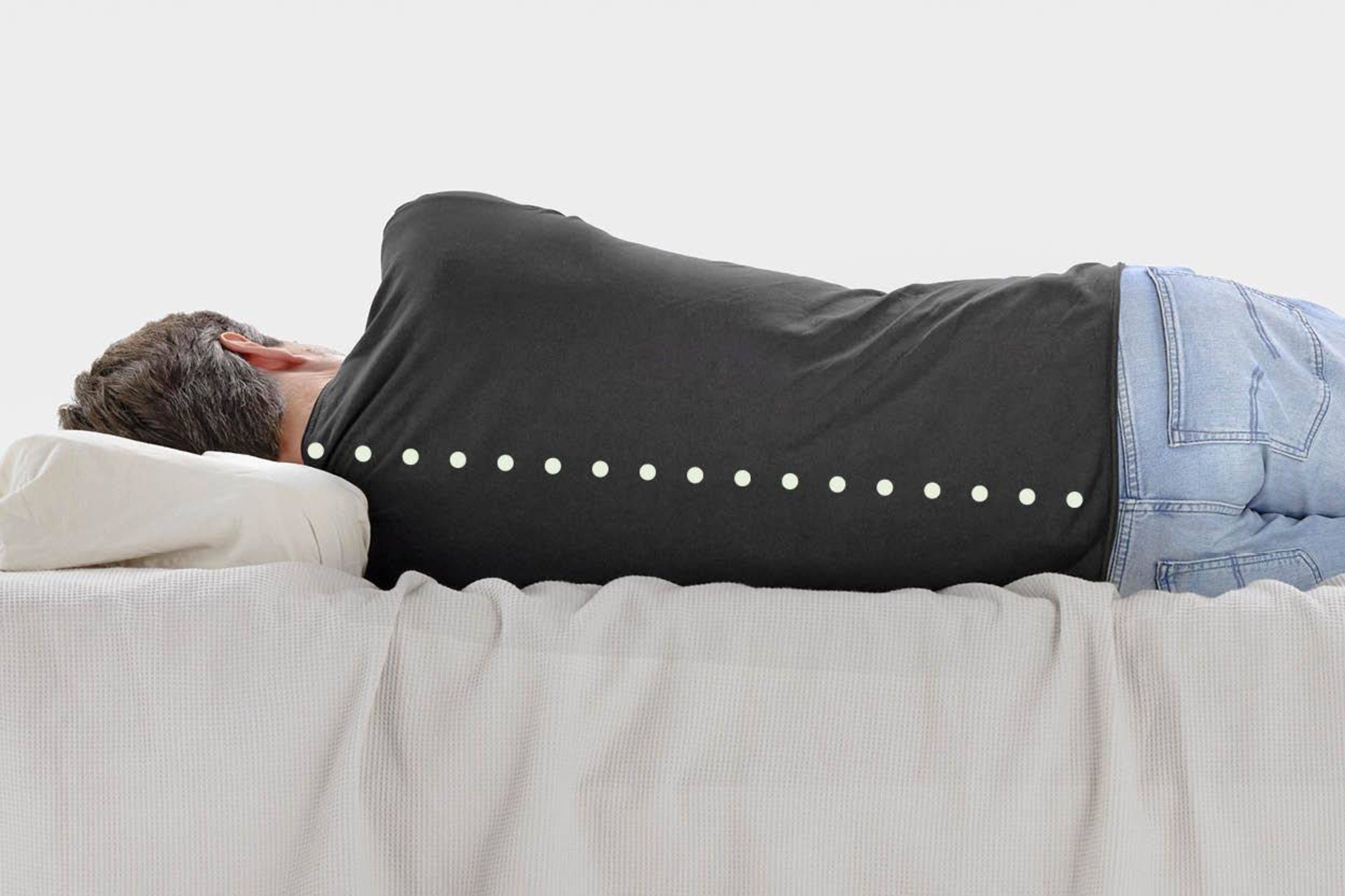
- Side sleeping: can be back-friendly if the head and spine are properly aligned. A pillow that's too high or too flat can overstretch or bend the neck, causing tension and pain. It's best to place a pillow between your knees – this keeps your pelvis in a neutral position and stabilises the spine. If you sleep with your legs strongly bent, your hip flexor can shorten overnight – this can contribute to morning lower back pain.
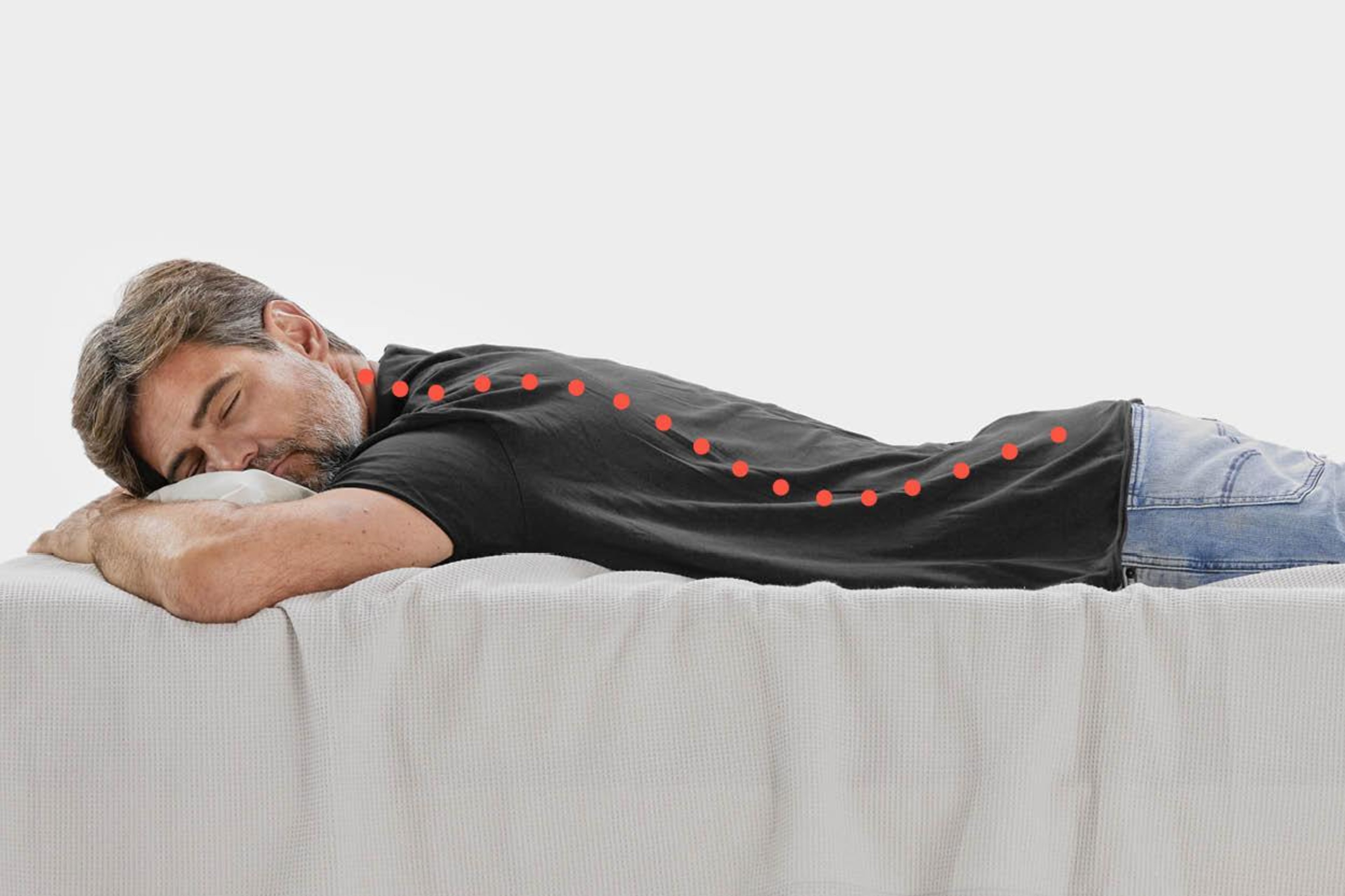
- Front sleeping: can strain the neck and lumbar spine, as the head is turned to one side and the arch of the lower back increases. If you still prefer sleeping on your front: a flat pillow – or no pillow at all – plus a thin pillow under the pelvis can help reduce poor loading patterns.
Sleeping on your side: Can be back-friendly if the head and spine are properly aligned. A pillow that's too high or too flat can overstretch or bend the neck, causing tension and pain. It's best to place a pillow between your knees – this keeps your pelvis in a neutral position and stabilises the spine. If you sleep with your legs strongly bent, your hip flexor can shorten overnight – this can contribute to morning lower back pain.
Prone position: Can strain the neck and lumbar spine, as the head is turned to one side and the arch of the lower back increases. If you still prefer sleeping on your front: a flat pillow – or no pillow at all – plus a thin pillow under the pelvis can help reduce poor loading patterns.
Tip: don't force a sleep position
Don't try to train yourself into a particular sleep position. This disrupts your sleep more than it helps. What matters more is that you can move freely at night, and that your mattress and pillow suit your preferred position.
Mattress and pillow: how your sleep environment affects your back
Support: Mattress & Pillow
If the mattress or pillow isn’t optimal—for example, if it’s too soft, too hard, or sagging—the spine won’t have the necessary support overnight. The result: The spine can shift out of its neutral alignment, muscles have to compensate, and this can lead to back pain in the morning.
When is there more to it? Medical causes of morning back pain
In most cases, morning back pain is harmless and eases with movement. In rare cases, however, medical causes can be behind it:
- Disc degeneration: as we get older, the discs lose fluid and elasticity. When they reabsorb fluid overnight through osmosis, the increased pressure can cause pain in the morning (Zhou et al., 2023).
- Facet joint osteoarthritis: wear-related changes to the small joints of the spine can cause stiffness and pain after long periods of rest, which then eases with movement.
- Inflammatory conditions (e.g. ankylosing spondylitis): if your back pain is worst in the morning, improves with movement but worsens at rest, and lasts longer than three months, you should have an inflammatory cause ruled out by a doctor.
- Pregnancy: hormonal changes loosen the ligaments in the pelvic area, which can cause back pain, particularly at night and in the morning.
How is back pain after sleep diagnosed?
Does your back pain mainly occur after sleeping and then ease off again? Your doctor will ask you specifically about your sleep habits: which position do you wake up in? How firm is your mattress? Are there any changes to your daily routine that are putting pressure on you before bedtime? Psychological stress can also play a role, as it increases muscle tension and reduces sleep quality, which in turn contributes to back pain on waking.
A physical examination helps rule out specific causes and functional issues. Imaging is rarely necessary for back pain after sleep without a specific suspicion. There's no need to worry about surgery either – it's only considered once a clear cause has been identified and conservative measures have failed.
What can you do yourself about back pain after sleep?
In most cases, you can get rid of morning back pain yourself by actively taking countermeasures. A holistic approach that takes in both physical and psychological factors tends to work best. It can help to seek professional support early on, so you can correct strained postures and improve your body awareness in the long term.
Measure | Effect |
Optimise your sleep environment: mattress and pillow | A mattress with the right firmness supports your body while lying down. Depending on your sleep position, your pillow should differ in height and firmness. Together, they help distribute pressure evenly. |
Evening routine with relaxation and stretching | Yoga exercises or slow rolling with the STANDARD before bed relax the muscles and mind and reduce night-time tension. |
Morning routine: get up gently | Start the day with gentle movements in bed, stretch, and get up via your side – this avoids sudden strain. |
Regular exercise during the day | Short bouts of movement and walks keep your back supple and help prevent night-time stiffness. |
Physiotherapy for persistent symptoms | Targeted guidance helps correct poor posture and carry out the right exercises long term. |
Relaxation techniques before falling asleep | Autogenic training and progressive muscle relaxation reduce tension so it doesn't build up further overnight. |
How fascia training supports restful sleep and reduces back pain
Targeted fascia exercises can help keep hardened connective tissue supple and noticeably reduce morning back pain. Your fascia – the connective tissue that wraps around muscles, organs and joints – is sensitive to a lack of movement and to stress. Overnight, hardened or stuck fascia can contribute to you waking up with a stiff back.
Slow rolling exercises with a fascia roller such as the STANDARD in the evening are well suited to this – especially for the back and hips. This actively prepares your body for sleep.
Heat or cold for morning back pain?
For morning stiffness, heat works best: a warm shower, a cherry stone pillow or a hot water bottle on the lower back straight after getting up can boost circulation and ease tension more quickly. Cold is better suited to acute inflammation, injuries such as bruises or strains, or after overexertion – so it's less useful for typical morning back pain.
Small exercise, big effect: mindful falling asleep for less back pain in the morning
Want to finally wake up pain-free? Then bedtime is the best place to start. We often carry stress and tension with us into sleep, which means we stay tense even while lying down. So take some time as you fall asleep to feel where tension sits in your body and let it go. This helps you sleep more restfully at night and increases your chances of waking up without back pain. Here's how:
- Lie down in your preferred sleep position.
- Let your breath flow calmly and evenly through your whole body.
- Notice where your body presses against the mattress and pillow.
- Now mentally work through each pressure point and consciously let yourself sink deeply into the mattress there, without pushing.
- Breathe the day's stress out through these points, releasing the tension from your body.
- Also check whether you're clenching your teeth as you fall asleep – this can trigger tension in the shoulders.
Make this bedtime ritual part of your routine to become more aware of your muscle tension. A tool such as the BLACKROLL BALL 12 can help you release specific pressure points in your back before you fall asleep.
Prevent it actively: how to counter back pain on waking long term
Back pain after sleep can, in many cases, be prevented well. You can build the most important measures into your daily routine without much effort.
- Stay active throughout the day: short bouts of movement, walks and stretches keep your back supple.
- Create a good sleep environment: your mattress, pillow and room temperature need to suit your individual needs. There's no single perfect choice – try out what supports your back best and reduces pain on getting up.
- Target stress reduction: autogenic training, breathing exercises or simply taking more frequent breaks all help release tension before bed too.
- Strengthen your core muscles: they stabilise the spine and protect your back long term.
- Use fascia rollers before falling asleep: regularly rolling with the STANDARD loosens the connective tissue in the back, glutes and hips.
- Check your sitting habits: prolonged sitting puts strain on your back. Find out how to protect your back despite office life in our guide to posture and back health.
Waking up without a stiff back: first steps for your daily routine
You can support your back from the moment you get up: avoid sudden movements and take your time.
- Start the day with a few exercises in bed – consciously and slowly bend and straighten your legs, and gently tilt your pelvis forward and back.
- Then change position carefully: turn onto your side first and gently push yourself up into a sitting position with your arm. Pause for a moment, lean forward, and only then stand up.
- Afterwards, stretch and let your hips circle.
This routine also helps prevent morning stiffness long term and gets you ready for the day. You'll find a full morning routine with four targeted mobility exercises for the back in our video with master trainer Stefan:
Get active now: the right exercises against back pain on waking
Movement is the best protection against morning back pain. With the right exercises, you can strengthen and mobilise your back in a targeted way and keep it pain-free long term.
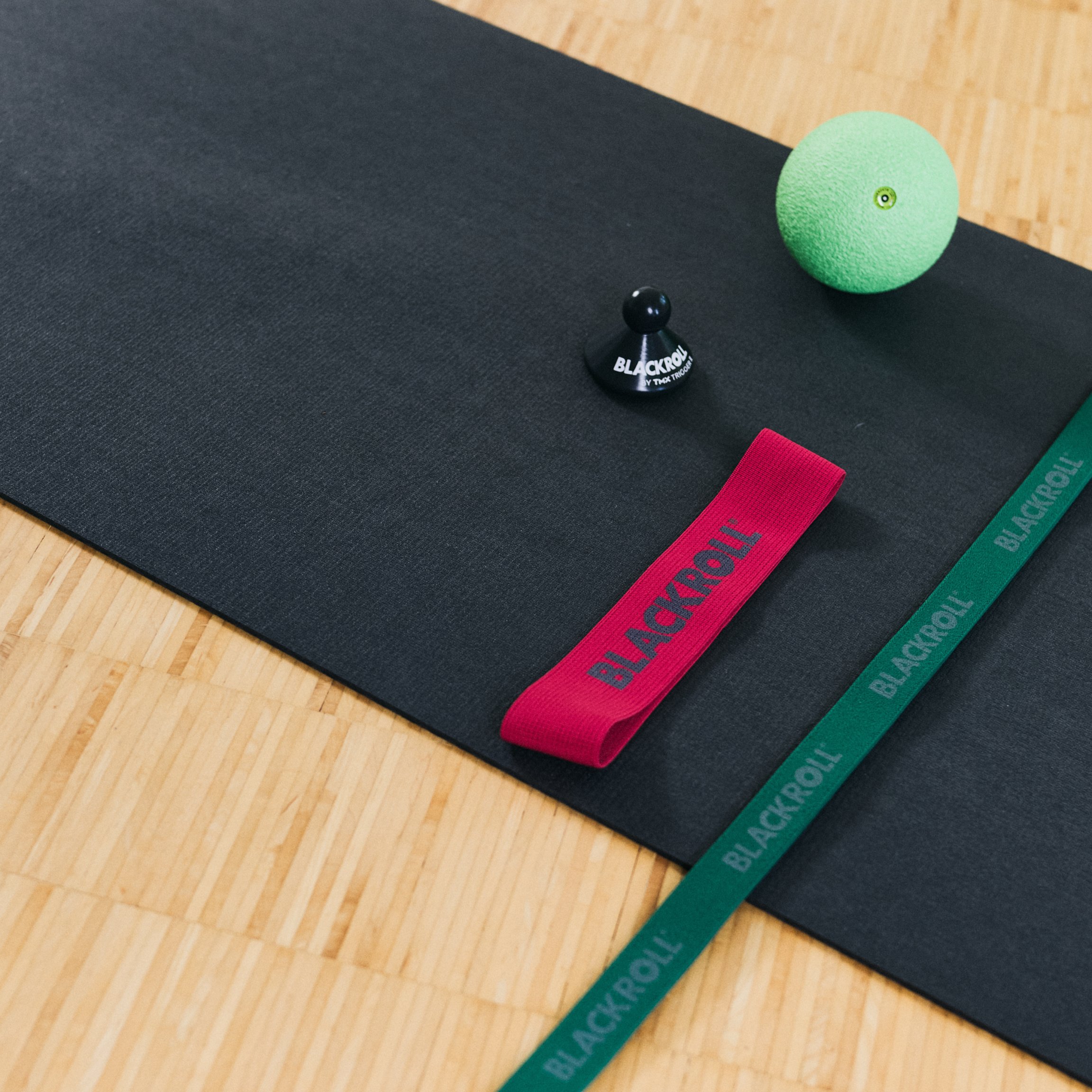
Move better, recover faster.
Discover exercises that improve your mobility and flexibility and support your recovery after exercise.
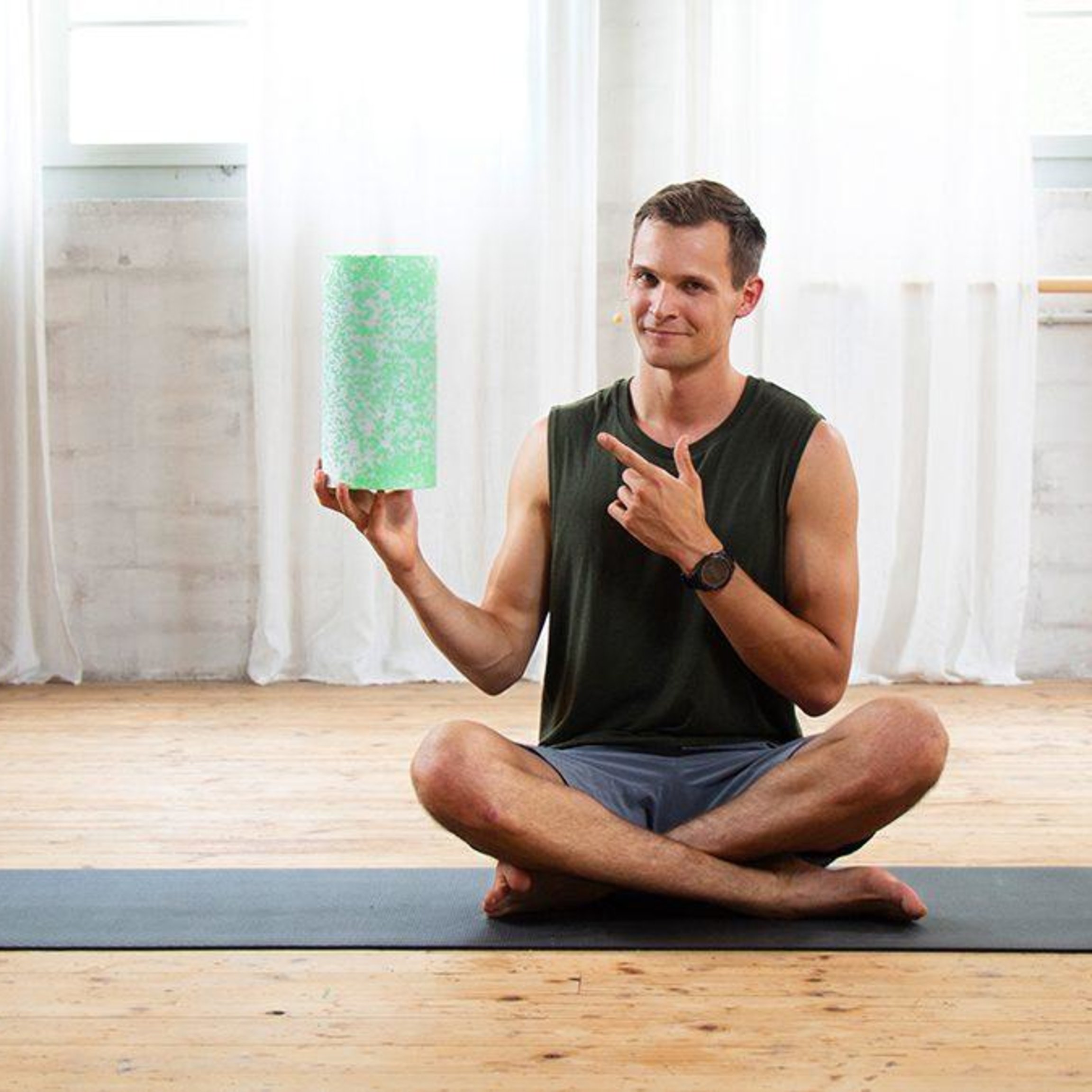
Discover products for your back
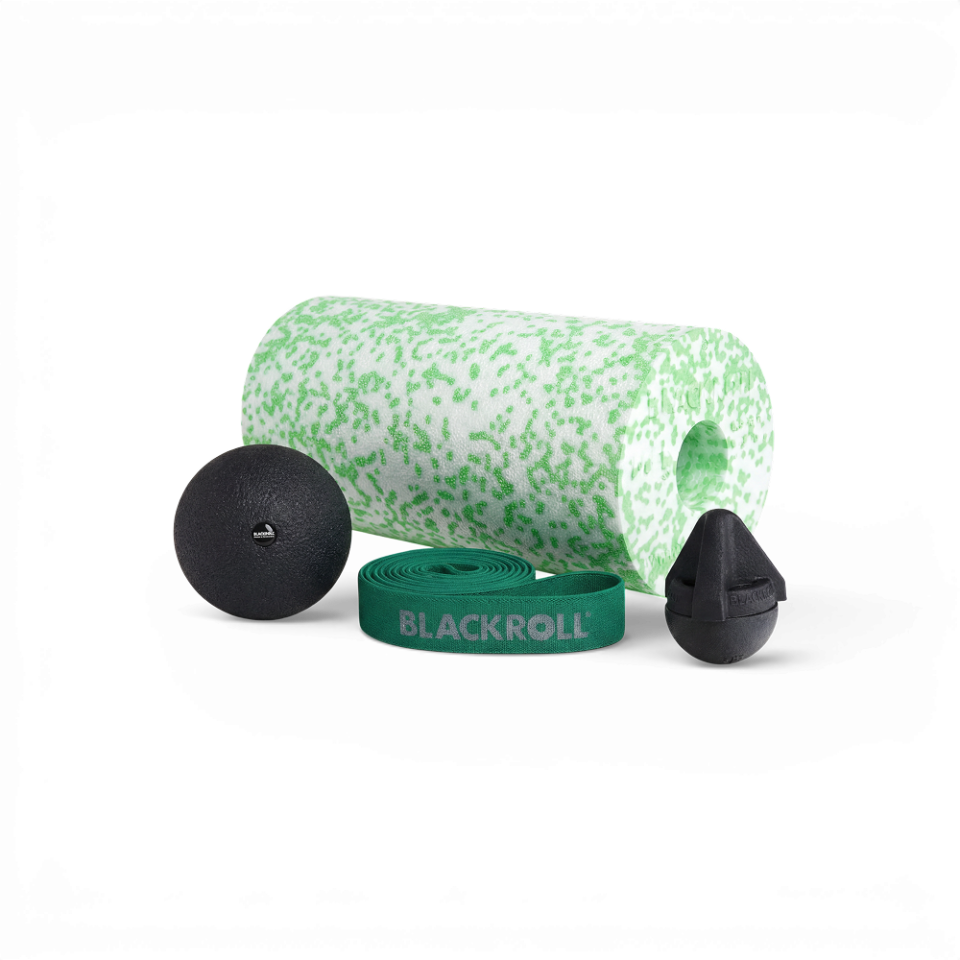
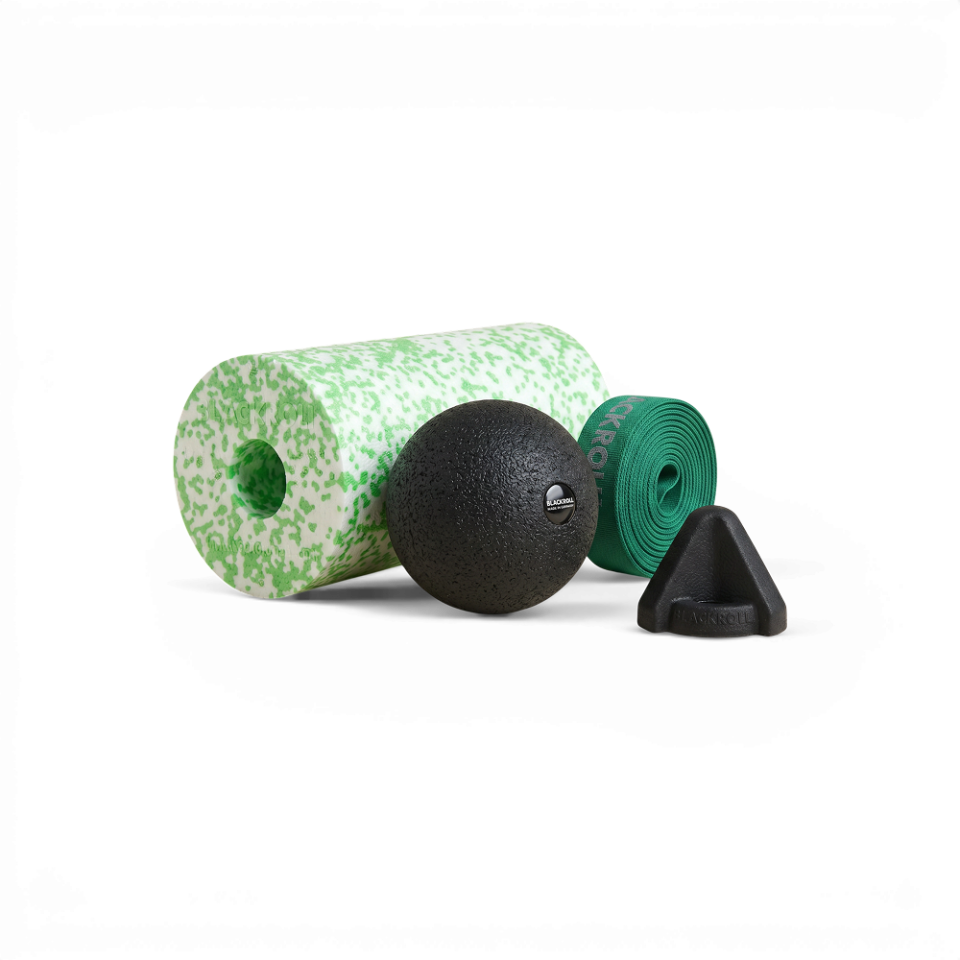
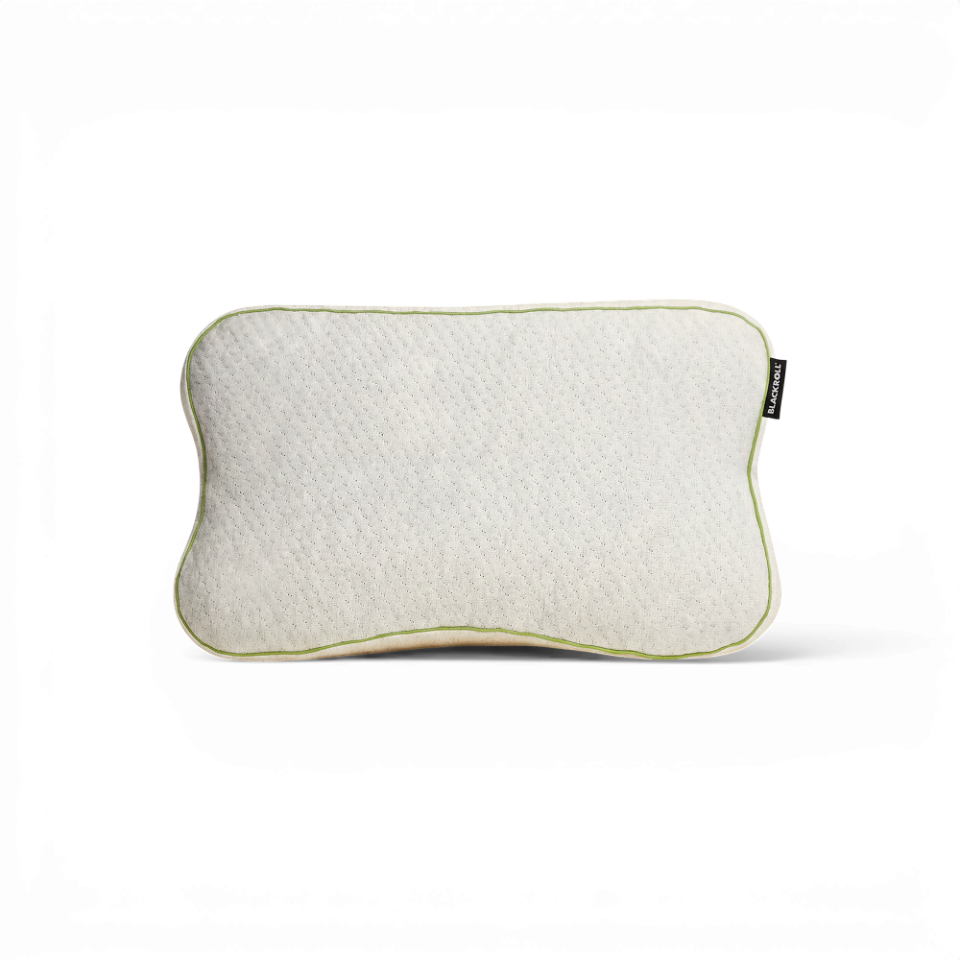
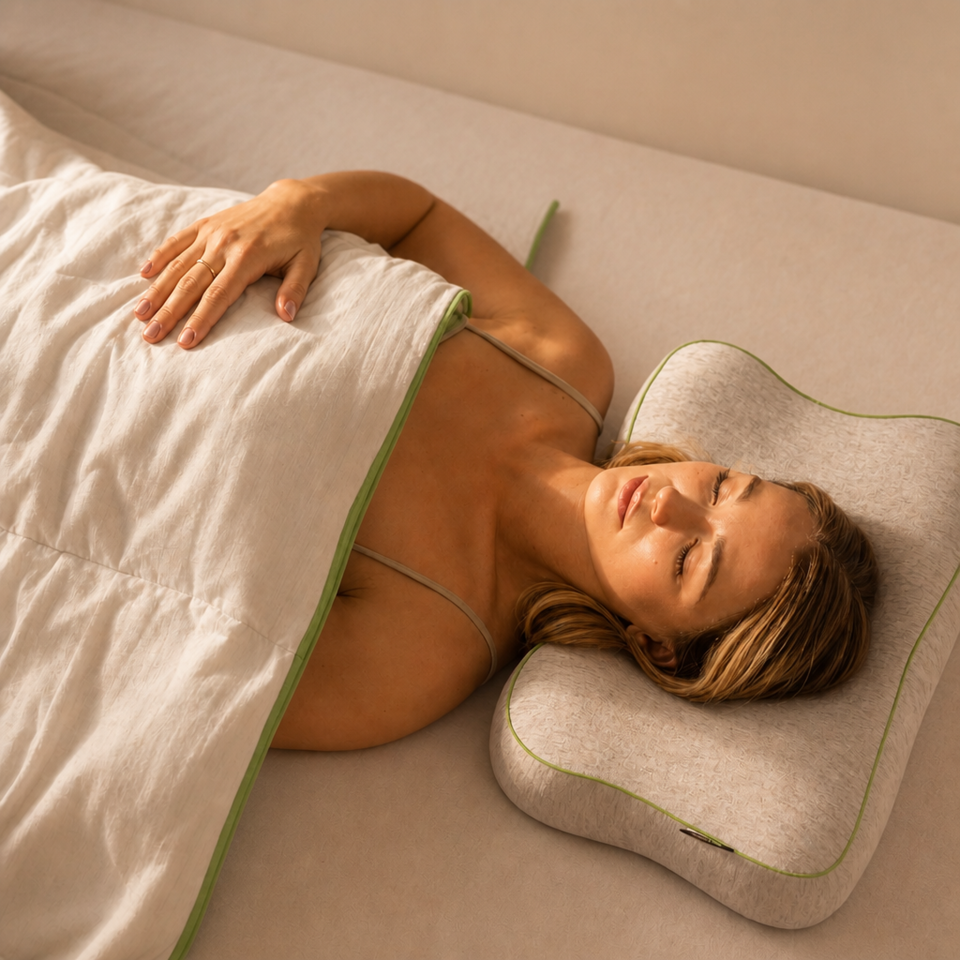
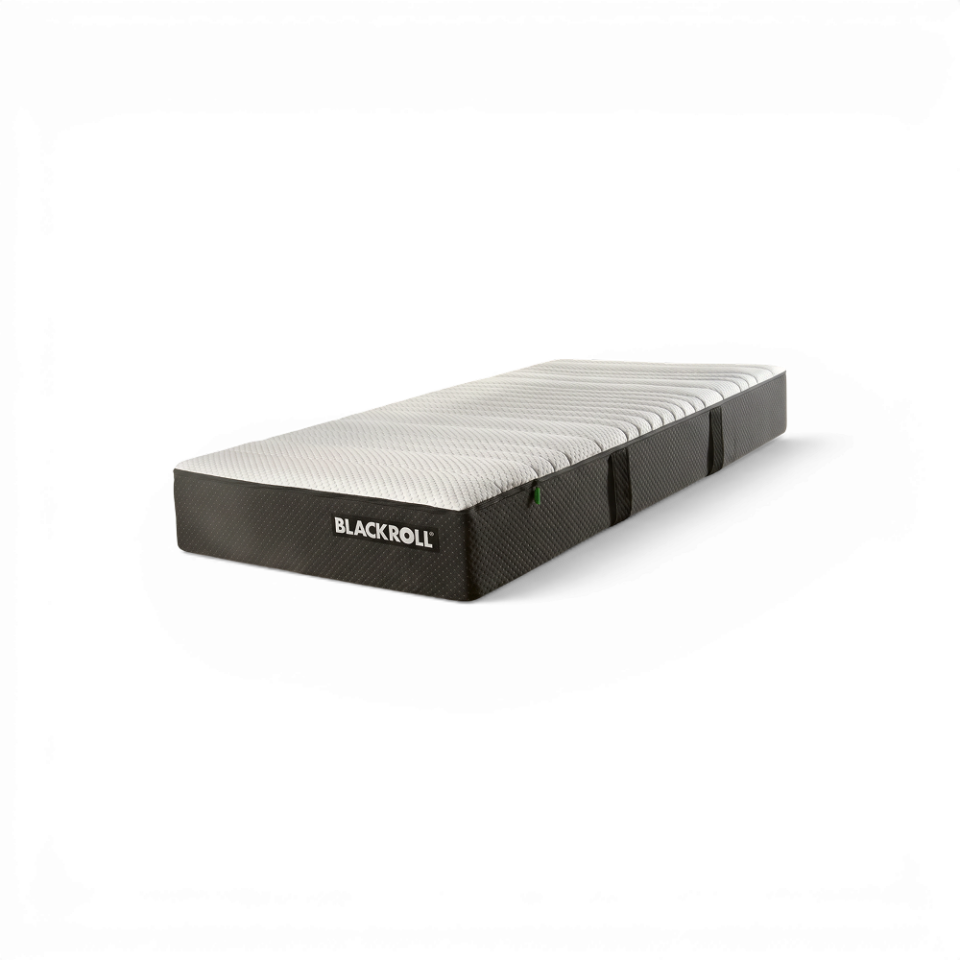

Recovery Base 2.0
Available in multiple variants
FAQ: Back Pain After Sleeping
Back pain after sleeping is usually caused by an unfavorable sleeping position, tense muscles, or a mattress that doesn’t provide optimal support. Muscles and fascia regenerate during sleep—if your posture or mattress isn’t right, the tension can actually increase overnight. A lack of exercise and stress also increase the risk of morning pain.
Make sure to sleep in a position that’s gentle on your back, get enough exercise during the day, and have a relaxing evening routine. Regular stretching exercises, fascia training with the BLACKROLL®, and short mobility exercises right after getting out of bed are particularly helpful. This keeps the spine flexible and ensures good blood flow to the muscles.
Studies show that medium-firm mattresses provide the best support for the spine and significantly reduce back pain. It’s important that the mattress conforms to your body without sagging. You can learn more about this in the article “Mattress Firmness.”
Yes. An unfavorable sleeping position—such as lying on your stomach with your head twisted—can put strain on your spine overnight. Sleeping on your side with your legs slightly bent and a supportive pillow between your knees is particularly recommended to keep your spine in a neutral position.
If the pain lasts longer than two to three weeks, radiates into your legs or arms, or is accompanied by numbness, tingling, or limited mobility, you should see an orthopedist. An early diagnosis helps identify structural or inflammatory causes and treat them effectively.
Gentle mobility and stretching exercises such as the cat-cow pose, the preacher stretch, or spinal rotations help activate the muscles and relieve tension. A 10-minute morning routine with the BLACKROLL® has been proven to improve mobility and blood circulation.
Yes. An ergonomic pillow keeps the cervical spine in a neutral position and relieves pressure on the shoulders and neck. Make sure your head is neither too high nor too low. You can find tips in the article “Pillows for Back Pain.”
More interesting articles


Sources & Studies
- Caggiari, G., et al. (2021). Sleep quality and low back pain: Medium-firm mattresses reduce pain and disability in chronic nonspecific low back pain patients. Journal of Orthopaedics and Traumatology, 22(1), 1–7. https://doi.org/10.1186/s10195-021-00616-5
- Kelly, G. A., Blake, C., Power, C. K., O’Keeffe, D., & Fullen, B. M. (2020). The association between chronic low back pain and sleep: A systematic review and meta-analysis. Musculoskeletal Science and Practice, 48, 102152. https://pubmed.ncbi.nlm.nih.gov/32166629/
- Yang, H. Y., et al. (2024). Sleeping <6.55 h per day was associated with a higher risk of low back pain in adults aged over 50 years. Frontiers in Public Health, 12, 1429495. https://doi.org/10.3389/fpubh.2024.1429495
- Jiang, M., et al. (2023). Sleep quality as a prognostic factor in low back pain: Systematic review and meta-analysis. Sleep, 47(5), zsae023. https://academic.oup.com/sleep/article/47/5/zsae023/7595882
- Støve, M. P., Thomsen, J. L., Magnusson, S. P., & Riis, A. (2024). The effect of six weeks of regular stretching exercises on regional and distant pain sensitivity: An experimental longitudinal study in healthy adults. BMC Sports Science, Medicine and Rehabilitation, 16(1), 88. https://doi.org/10.1186/s13102-024-00995-2
- Gou, Y., Lei, H., Chen, X., & Wang, X. (2024). The effects of hamstring stretching exercises on pain intensity and function in patients with low back pain: A systematic review and meta-analysis. SAGE Open Medicine, 12, 20503121241252251. https://doi.org/10.1177/20503121241252251
- Schleip, R., & Müller, D. G. (2023). Fascial training for musculoskeletal pain and performance: Mechanisms and practical applications. Frontiers in Sports and Active Living, 5, 1287123. https://doi.org/10.3389/fspor.2023.1287123
- Mizrahi, S., et al. (2021). Thermal therapy for musculoskeletal pain: Comparison between heat and cold modalities. Pain Management, 11(4), 331–340. https://doi.org/10.2217/pmt-2020-0050
- Zhou, Y., et al. (2023). A study on the correlation between lumbar intervertebral disc degeneration and morning pain and stiffness. Journal of Orthopaedic Research, 41(10), 2433–2442. https://doi.org/10.1002/jor.25678
- Hermann, K., et al. (2022). Axial spondyloarthritis: Current diagnostic and therapeutic strategies. Nature Reviews Rheumatology, 18(5), 285–297. https://doi.org/10.1038/s41584-022-00763-0