
Identify the causes and prevent recurrence.

Back pain after sport can be caused by incorrect technique, insufficient core stability, overload or muscle soreness. A dull pain that sets in later is more likely to be due to muscle soreness, whilst stabbing, radiating or persistent pain should be investigated by a doctor.
Key points at a glance
- Back pain after sport is usually caused by unfamiliar movements, overload or incorrect technique, which place excessive strain on your muscles.
- Typical symptoms include pain that worsens with certain movements or occurs whilst resting.
- People returning to exercise, weekend sports enthusiasts and athletes with one-sided movement patterns are particularly at risk.
- With the right treatment, back pain after sport usually subsides within a few days to a few weeks.
- Muscle soreness is harmless and subsides after 3–5 d. Stabbing, radiating or persistent pain requires medical assessment.
- An adapted training programme, technical corrections and adequate recovery periods serve both as prevention and treatment.
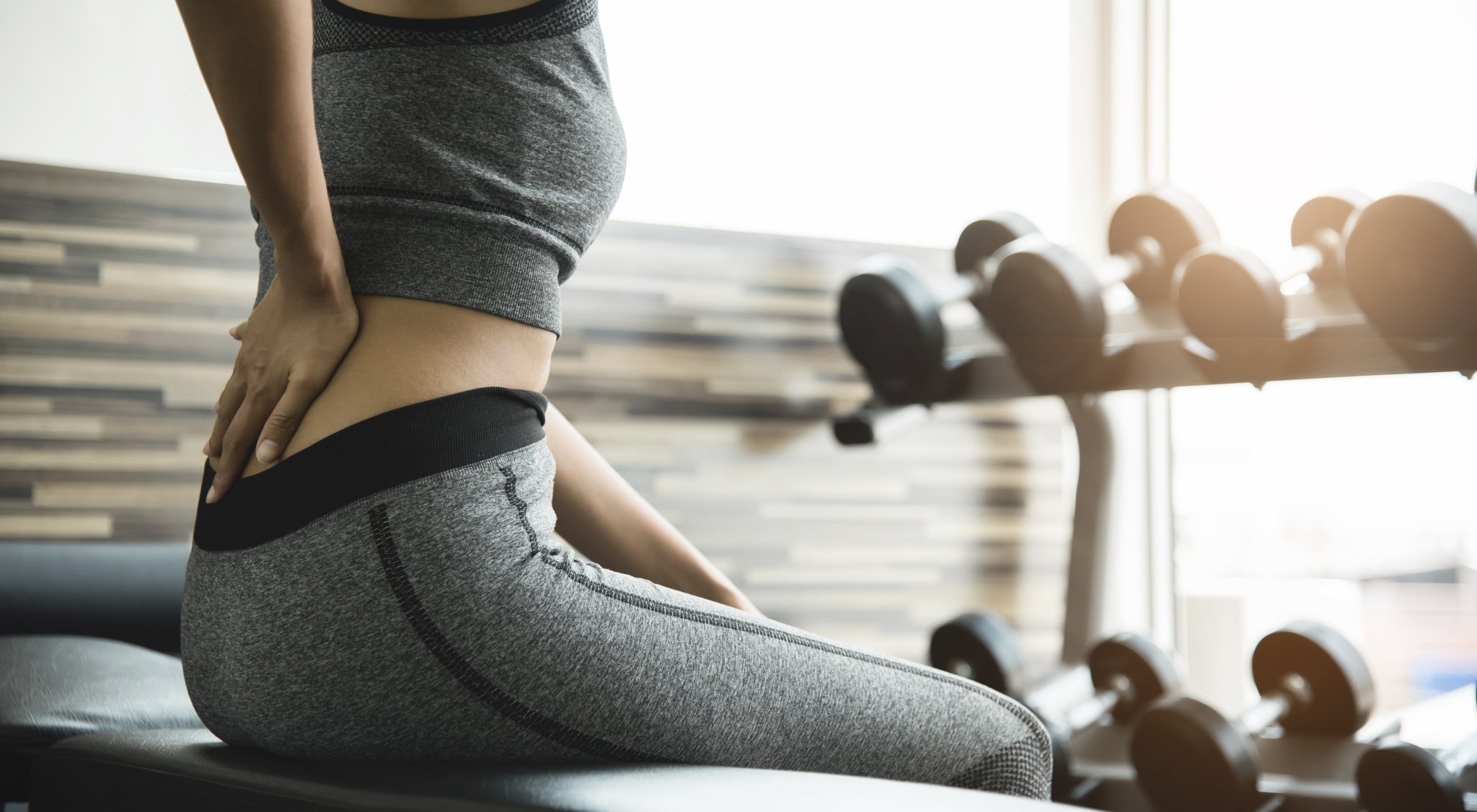
Back pain after training? When exertion turns into overload.
Sport is one of the best ways to maintain a healthy back — as long as there's a balance between exertion and recovery. Back pain after exercise almost always occurs when this balance is disrupted: due to unfamiliar movements, overload or poor technique. This is why back pain is one of the most common complaints among recreational and amateur athletes. Fortunately, in most cases there's no serious injury involved. Simple muscle soreness is harmless, but complex muscular tension, localised injuries or even stress fractures require further investigation.
If you feel pain in your back after exercising, treat it as a signal from your body.
Please note: medical note
This article is for general information purposes only and isn't a substitute for a medical diagnosis or individual treatment of back pain. If you experience recurring symptoms after sport or when performing certain movements, your GP is the right first point of contact to determine the cause. If necessary, you'll be referred to a specialist practice. In the event of persistent back pain or pain radiating down the leg, consult an orthopaedic or sports-medicine specialist.


Why does back pain occur after sport?
Back pain after sport is rarely caused by a single factor: it's usually the result of several factors acting together . Frequently repeated, one-sided strain leads to muscular imbalances (an imbalance between muscle groups that are too strong and those that are too weak). If this is compounded by poor technique when lifting, running or doing strength training, the risk increases. When jogging, for example, this can take the form of a ‘hollow back’ posture, in which the pelvis tilts forwards, placing the lumbar muscles under constant strain.
Those particularly at risk are people returning to exercise who try to do too much too quickly after a long break and recreational athletes who push themselves to their limits without sports medicine supervision. This leads to micro-injuries in the tissue. The best-known example of this is muscle soreness: tiny tears in the muscle fibres caused by unfamiliar or overly intense exertion.
Insufficient recovery periods or poor management of exercise intensity are also problematic. For example, if you train during a phase when your body actually needs rest, your muscles lack the time to recover. The result: chronic overload.
Inadequate warming up and increasing intensity too quickly are also harmful. This puts excessive strain on your muscles, tendons and intervertebral discs. If you spend most of the week sitting down and only train intensively at the weekend, your body isn't prepared for this sudden strain and the injury risk increases.
Back pain after exercise is usually a sign that there's an imbalance between exertion and recovery. Strengthen your core regularly, use correct technique and give your body time to recover to avoid sport-related back pain in most cases.
Dr rer nat Torsten Pfitzer – Holistic pain specialist and health coach

The most common triggers include:
- uneven muscular strain
- weak core muscles
- incorrect technique
- insufficient recovery
- increasing training volume too quickly
- Falls and accidents during training
- Warm up adequately before training.
Lower back pain after a workout
Back pain is particularly common after sport. Niederer and Banzer (2017) describe in the German Journal of Sports Medicine that the lumbar spine bears the greatest load during training – especially during exercises involving axial loading such as squats, deadlifts or jogging. If your core muscles aren't sufficiently trained, the LWS compensates for the lack of stability, which can lead to tension or strain reactions.
One frequently overlooked risk factor is a shortened hip flexor (musculus iliopsoas). If you spend a lot of time sitting during the day, this muscle shortens. During sport — particularly when running, jumping or deadlifting — the shortened hip flexor pulls the lumbar spine into an exaggerated hollow back. This increases the pressure on the facet joints and intervertebral discs and can trigger back pain after training.
Myofascial dysfunction: when fascia and muscles remain tense
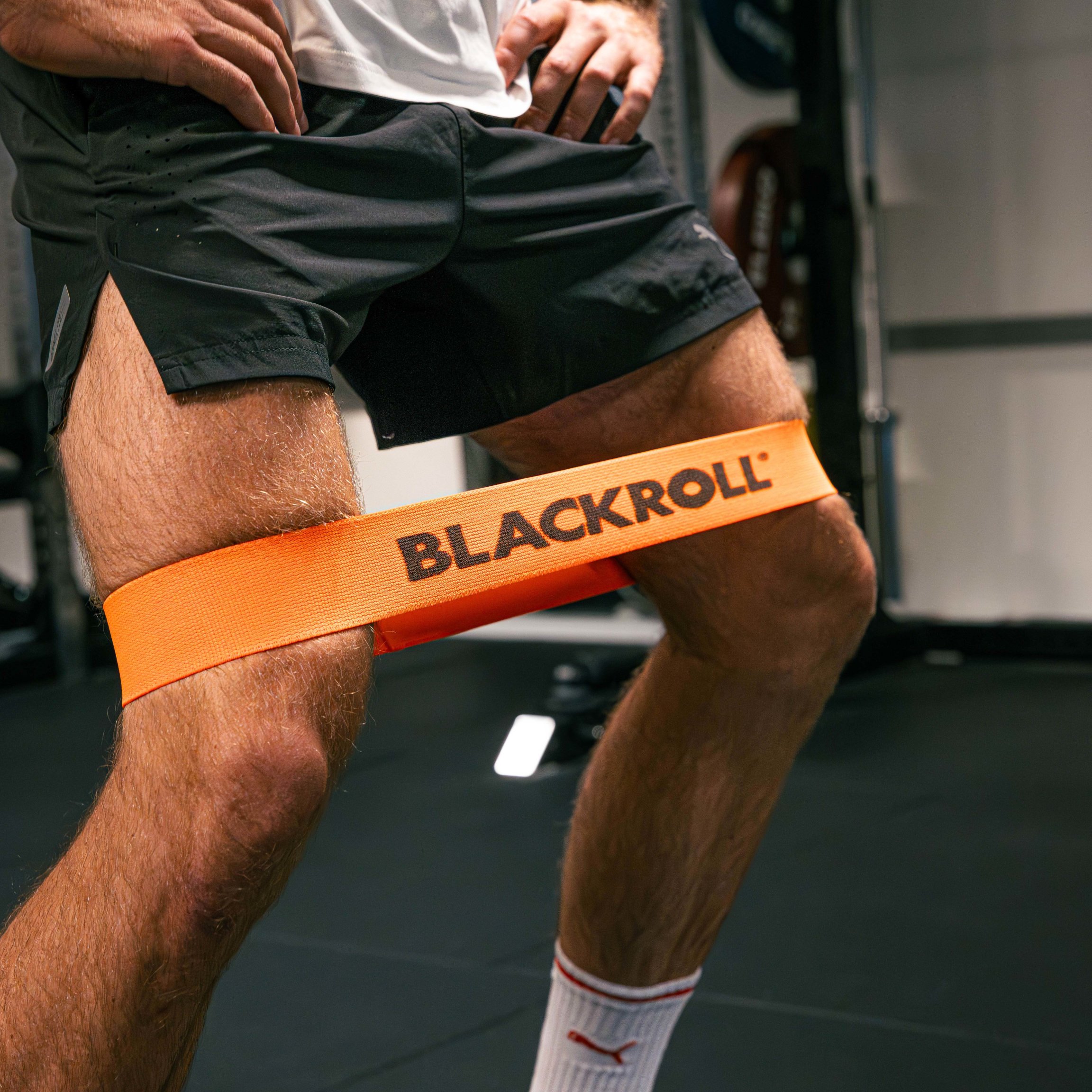
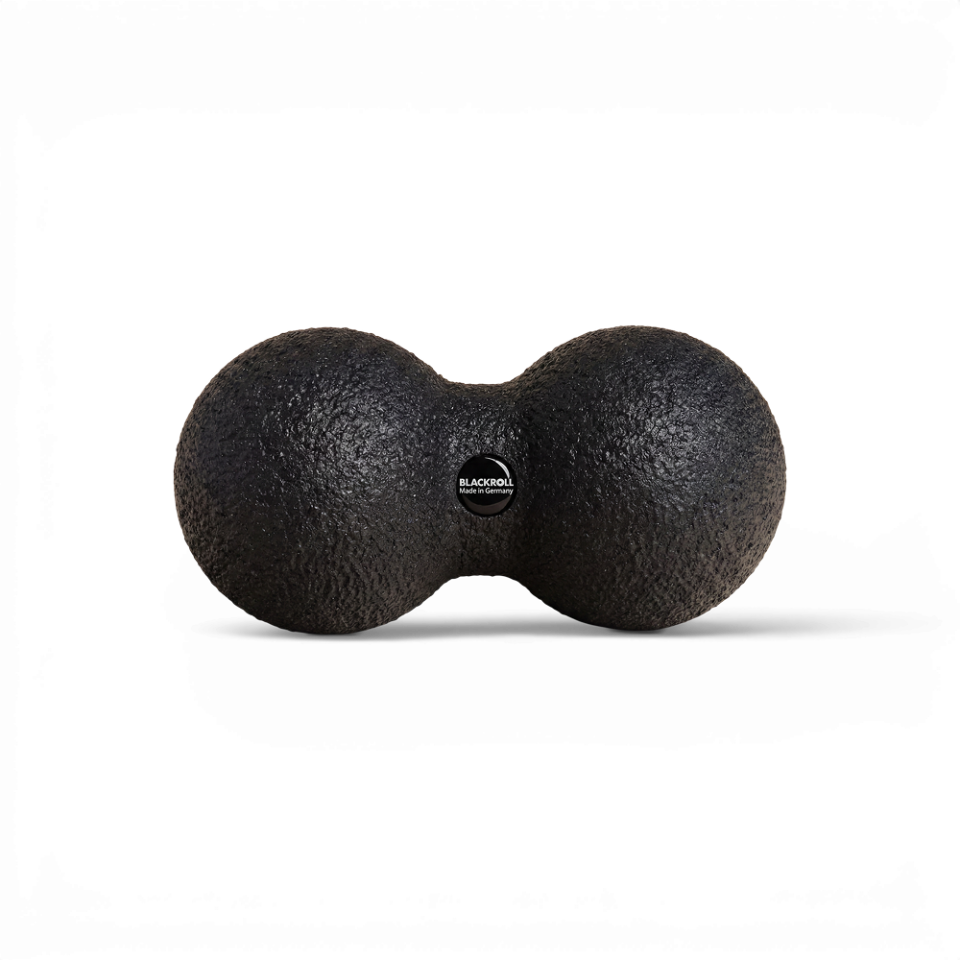
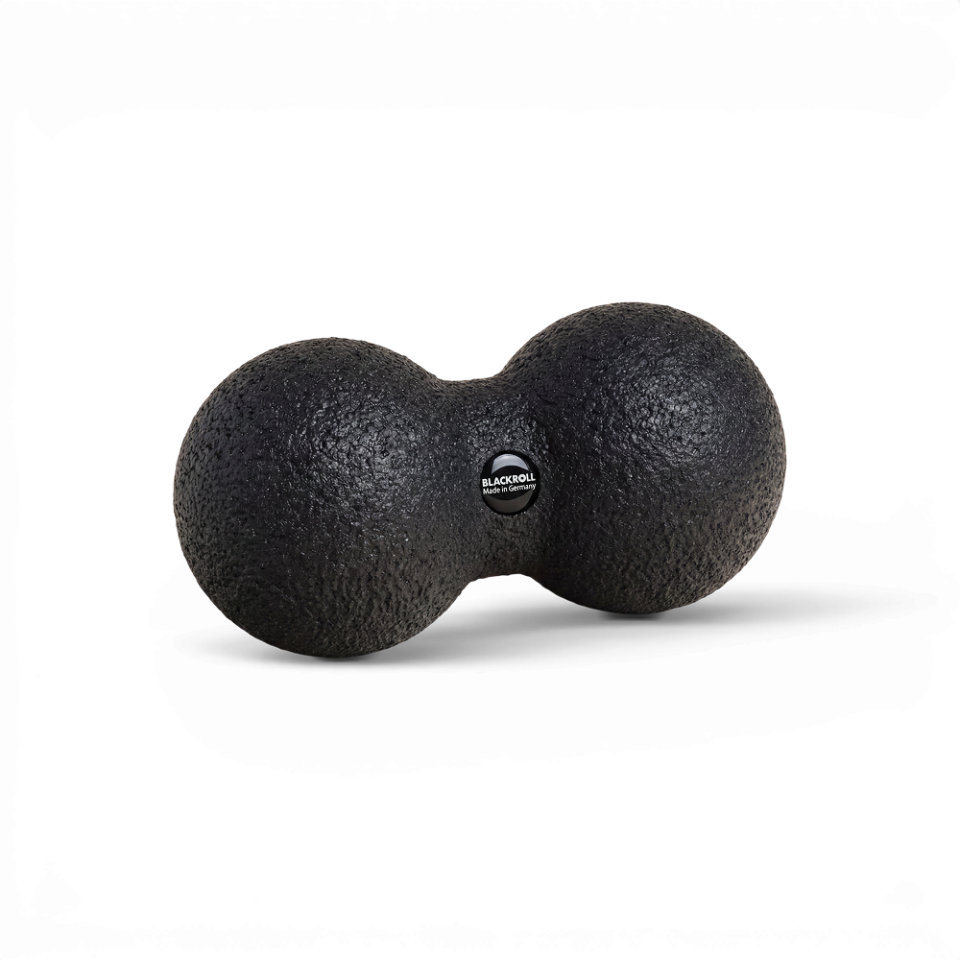
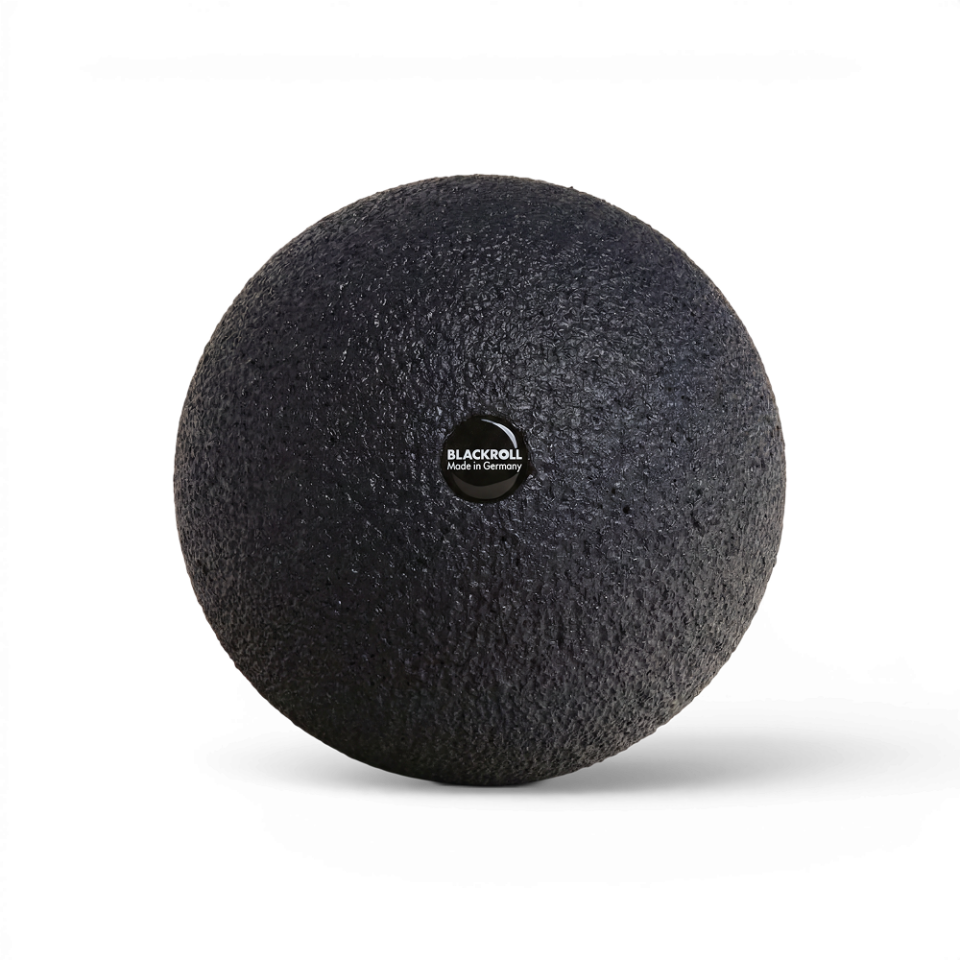
If you're experiencing back pain after exercise, it may indicate myofascial dysfunction, where individual muscles or fascia (the connective tissue that surrounds muscles and organs) stay tense and respond with pain. Regular self-massage with the BALL 8 or DUOBALL can help release myofascial trigger points and restore mobility. You can learn more about the link between fascia and back pain in our guide.
Stress fracture: minor fractures, lack of recovery
If your back pain persists for more than two weeks after each workout and doesn't respond to conservative measures, seek medical advice to determine the cause. This will help you rule out a stress fracture. A stress fracture is a fatigue fracture caused not by an acute injury but by repeated mechanical overload. If training intensity remains consistently high, tiny micro-cracks form in the bone which the body can no longer repair through natural remodelling processes due to a lack of recovery periods.
In the spine this damage usually begins with oedema in the bone and gradually develops into a structural fracture of the vertebral arch. Early diagnosis is essential to avoid long-term symptoms and to enable a full recovery.

Which sports put strain on the back — and which are gentle on it?
Not every sport puts the same amount of strain on the back. Asymmetrical movement patterns, jumps or sudden changes of direction place significant strain on the back, neck and shoulder muscles. This can lead to back pain after training.
There's no single sport that's ideal for everyone; the strain you can tolerate depends on your body type, fitness level and movement history.
Sports that place a high strain on the back
Sport | Explanation |
|---|---|
Fencing and rowing | High mechanical stress and extreme joint angles |
Handball and basketball | Intense strain on the back caused by jumps and sudden changes of direction |
Tennis, squash or volleyball | Significant one-sided strain on the arm and shoulder muscles, which can lead to shoulder and neck pain after sport |
Canoeing and wrestling | are the main causes of back injuries in children and young people. |
Gymnastics, vaulting, football and judo | Sudden movements and heavy strain on the back and neck muscles |
Running on tarmac in particular causes severe impact on the back. | |
Weightlifting | jerky, heavy strain on the back and joints |
Sports with a low injury risk:
Sport | Explanation |
|---|---|
This multi-discipline event is gentler on your back than jogging alone, thanks to its varied and symmetrical movements. Swimming and cycling balance out the strain of running. | |
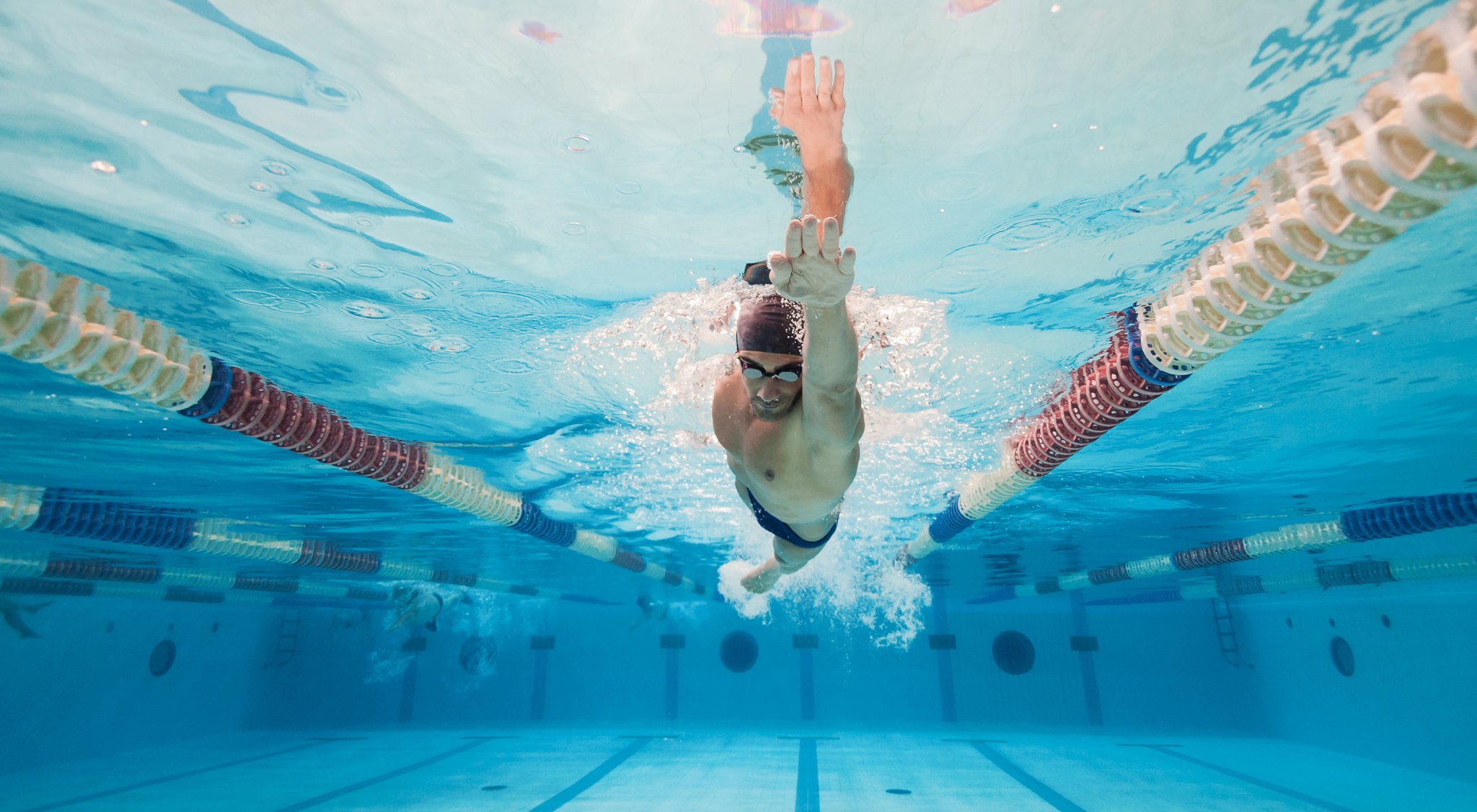
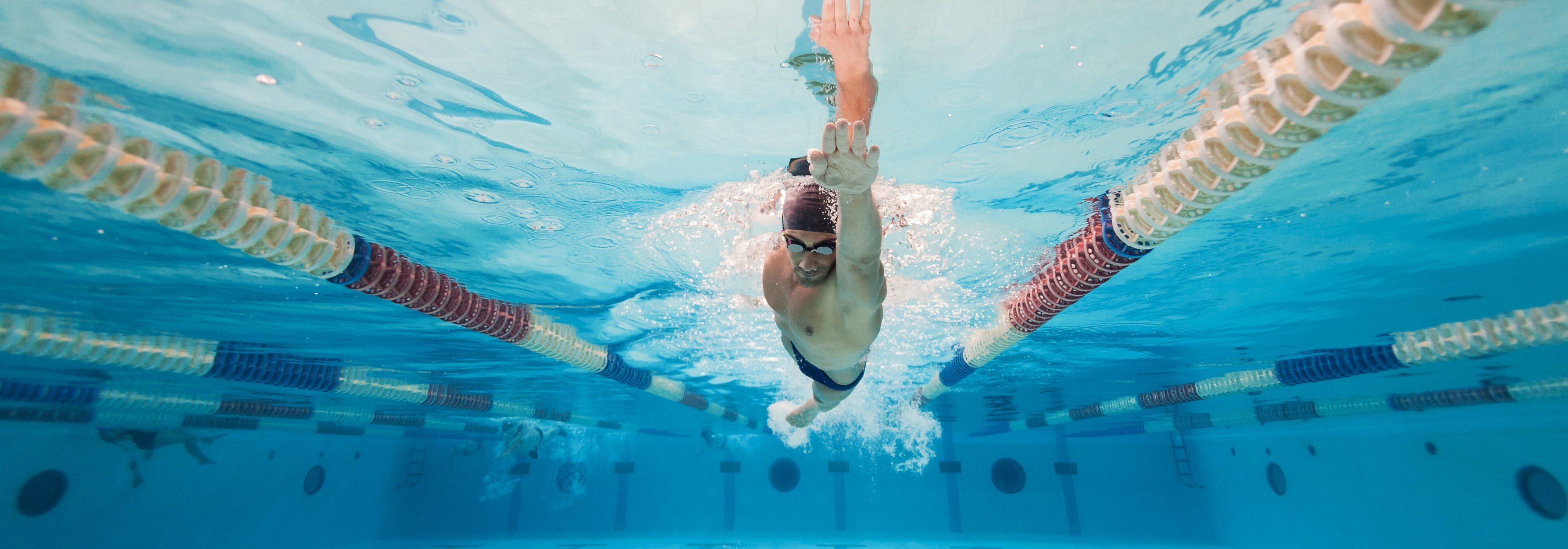
The position in the water and the smooth, rhythmic arm movements reduce strain on your back. However, abrupt jerking of the arms, e.g. when front-crawling, can still lead to shoulder and neck pain. | |
Thanks to the steady motion and the active engagement of the legs and core, cycling puts less strain on the back. However, the prolonged seated position can cause pain in the tailbone. |
Explore our exercise routines for athletes across many sports.

You can find suitable exercise routines for many different sports
Learn more about your exercise routine
What are the symptoms of back pain after training?
Not all back pain after a workout is the same, so it’s important to distinguish between normal muscle soreness and a more serious problem.
Typical signs of exercise-related back pain include:
• a pulling or pressing pain in the lower back that worsens with movement and eases with warmth or rest
• back pain that sets in particularly after training, as soon as the muscles come to rest
• dull persistent or acute stabbing pain that restricts movement
• pain in the lower back due to an imbalance in the area of the sacroiliac joint (SIJ)
Muscle soreness or serious back pain? Here’s how to tell the difference
Muscle soreness is a normal reaction to unfamiliar physical exertion. The following table will help you distinguish between harmless muscle soreness and more serious back pain:
Muscle soreness | Serious back pain |
|---|---|
occurs 12–48 h after training | occurs immediately during or straight after exercise |
feels dull and widespread | stabbing, sharp or radiating |
improves within 3–5 d | it may persist for more than a week |
improves with light exercise | It worsens with movement. |
It affects the strained muscles symmetrically | on one side or radiating down the leg |
If your pain matches the description in the right-hand column, stop training and seek medical advice to determine the cause.
When should you seek medical advice?
These symptoms may indicate more serious causes, so seek advice at an early stage.
- Severe, radiating pain down into the leg may indicate a herni ated disc.
- If you notice tingling, numbness or signs of paralysis, seek medical help at once; these are neurological warning signs you must not ignore.
- If you feel pain directly on the bone with tenderness at a specific point, suspect a stress fracture.
- Persistent pain that disrupts sleep or is accompanied by tiredness may indicate inflammatory or systemic processes that require medical investigation.


What does the diagnosis involve?
If you repeatedly experience back pain during or after training, seek medical advice. The following questions are key in this regard.
- When exactly did the back pain first occur?
- During which sport or movement is the pain at its worst?
- Are there any accompanying symptoms, such as tingling or pain radiating down the leg?
A physical examination with functional tests will follow. Imaging techniques such as X-rays, MRI or CT scans are only used if there are specific warning signs or if a stress fracture is suspected.
Surgery is only necessary in rare, exceptional cases of back pain following sport. For this to be the case, there must be a clear functional impairment that does not heal with conservative treatment. In all other cases, technique correction, exercise therapy, strengthening and physiotherapy are the more effective approaches.


How do you treat back pain that occurs after sport?
The good news is that most backpain settles on its own when you allow sufficient recovery after training and correct any incorrect strain. The S2k guideline on ‘Specific Lower Back Pain’ from the German Society for Orthopaedics and Trauma Surgery [DGOU] (2024) recommends stopping the activity that triggers the pain in cases of acute back pain. Avoid bed rest – moderate exercise promotes healing.
Start by regaining your basic range of motion with heat and elevated positioning; afterwards, the following measures will help:
Measure | Effect |
|---|---|
Active recovery (walking instead of running, gentle mobilisation, stretching) | maintains blood flow and supports healing without causing further overload |
Heat (hot water bottle, warm shower) | relax tense muscles and relieve muscle soreness |
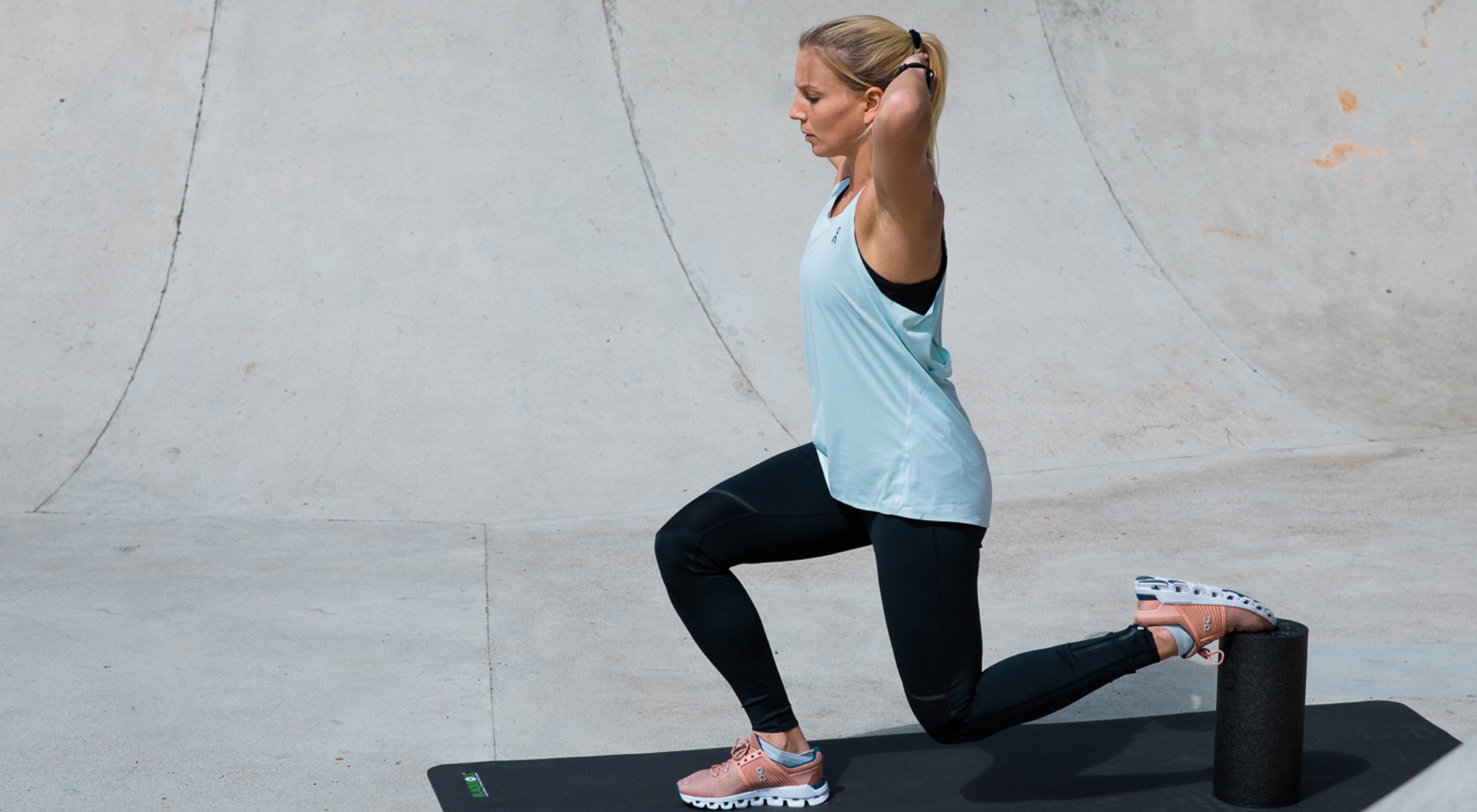
Self-massage with a foam roller | release myofascial tension, improve mobility and support recovery |
Strengthen your core muscles | Stabilise your spine and help prevent back pain from recurring after sport. |
Technique assessment and training adjustment | correct sources of error and reduce the risk of injury |
Physiotherapy or medical training therapy | A targeted rehabilitation programme for a structured return to sport |
Follow a gradual return to sport (50% intensity, +10–15% per week). | This schedule gives your muscles time to adapt and helps prevent re-overload. |
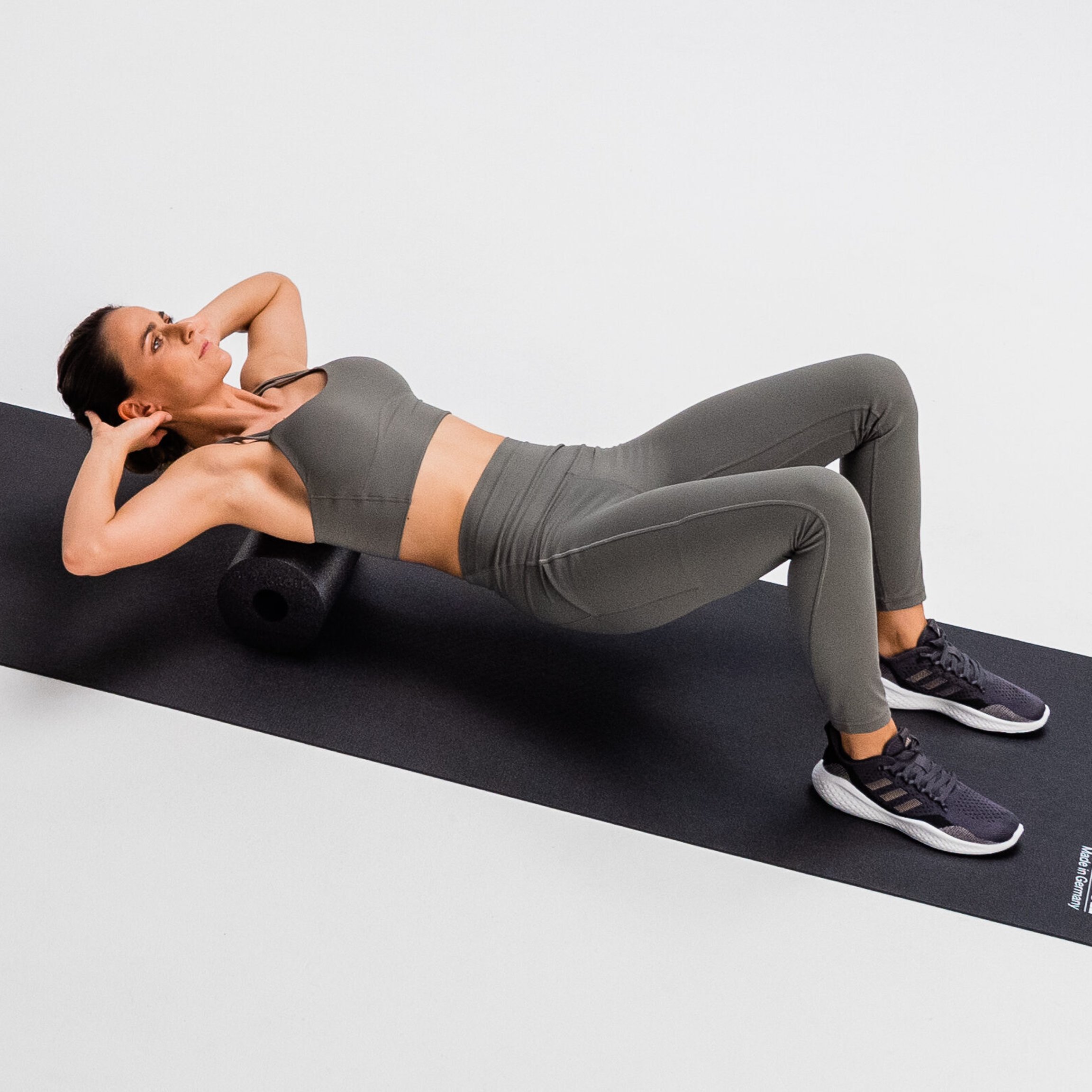
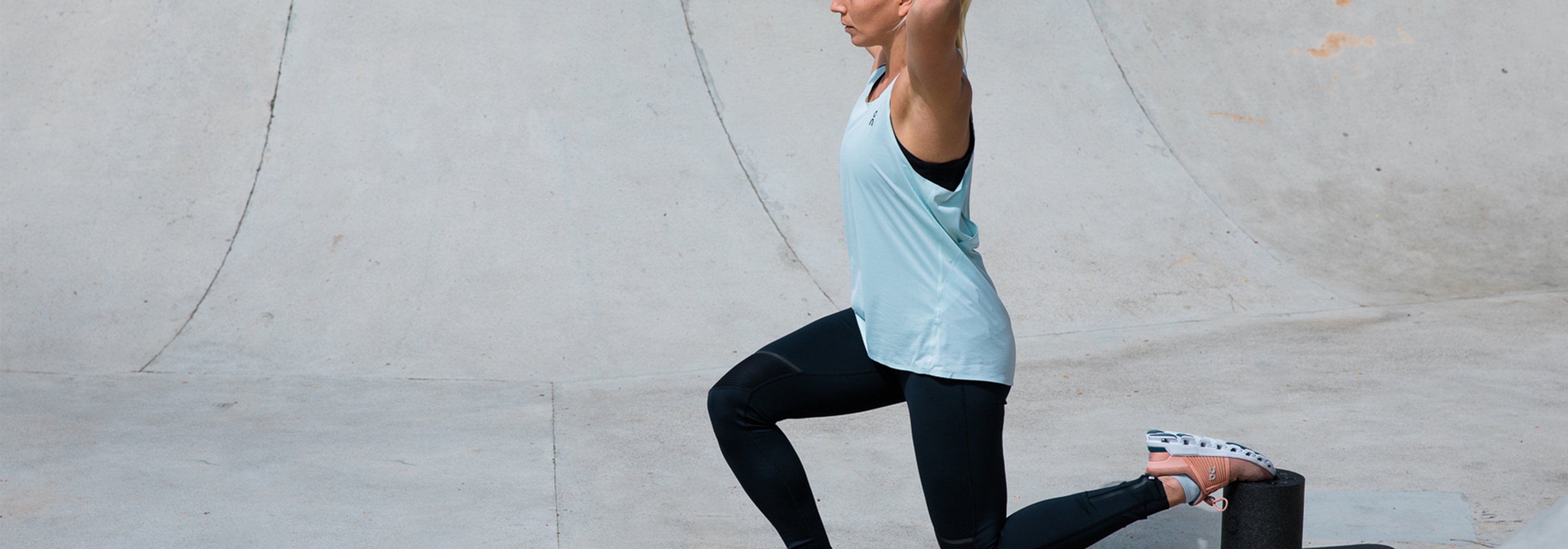
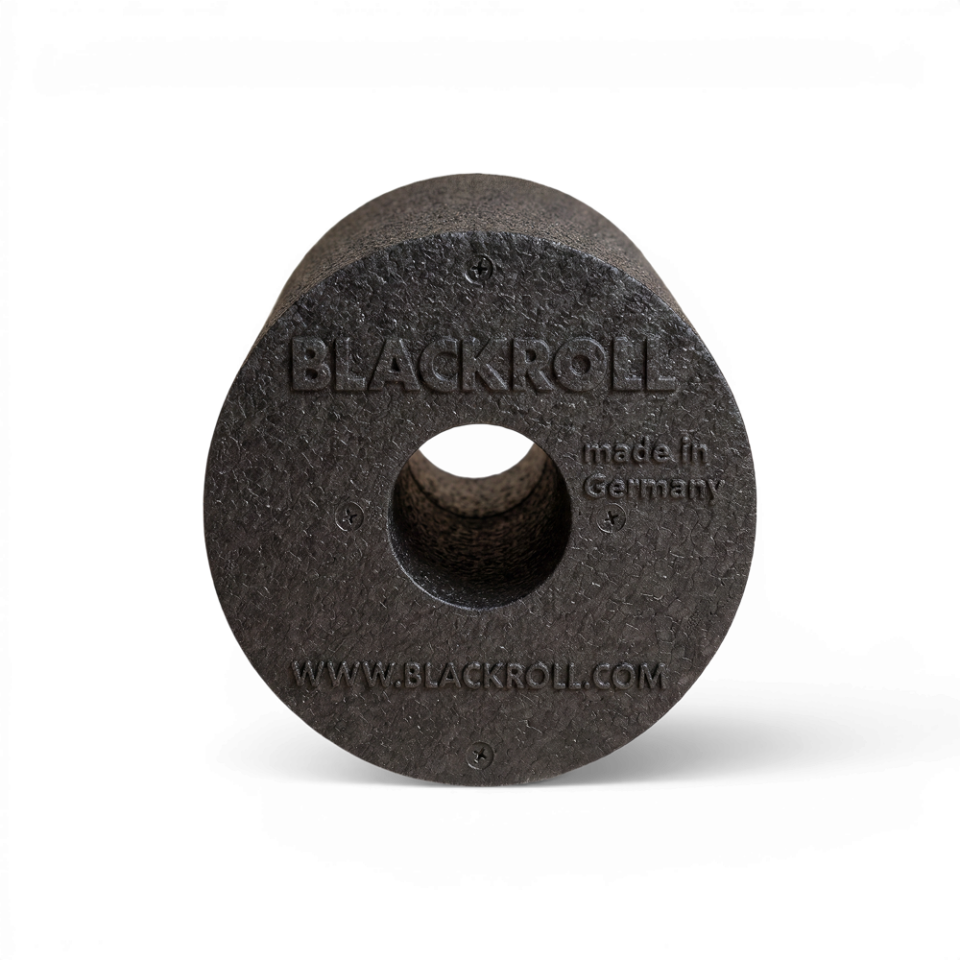
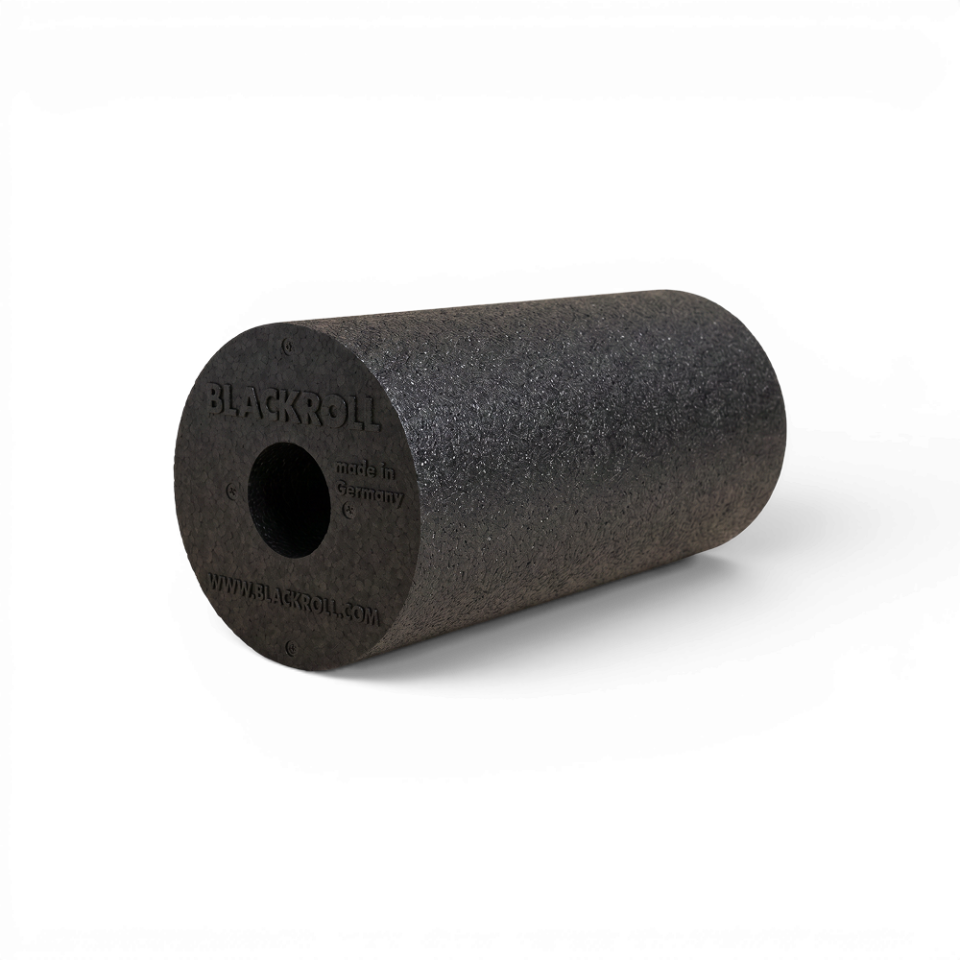
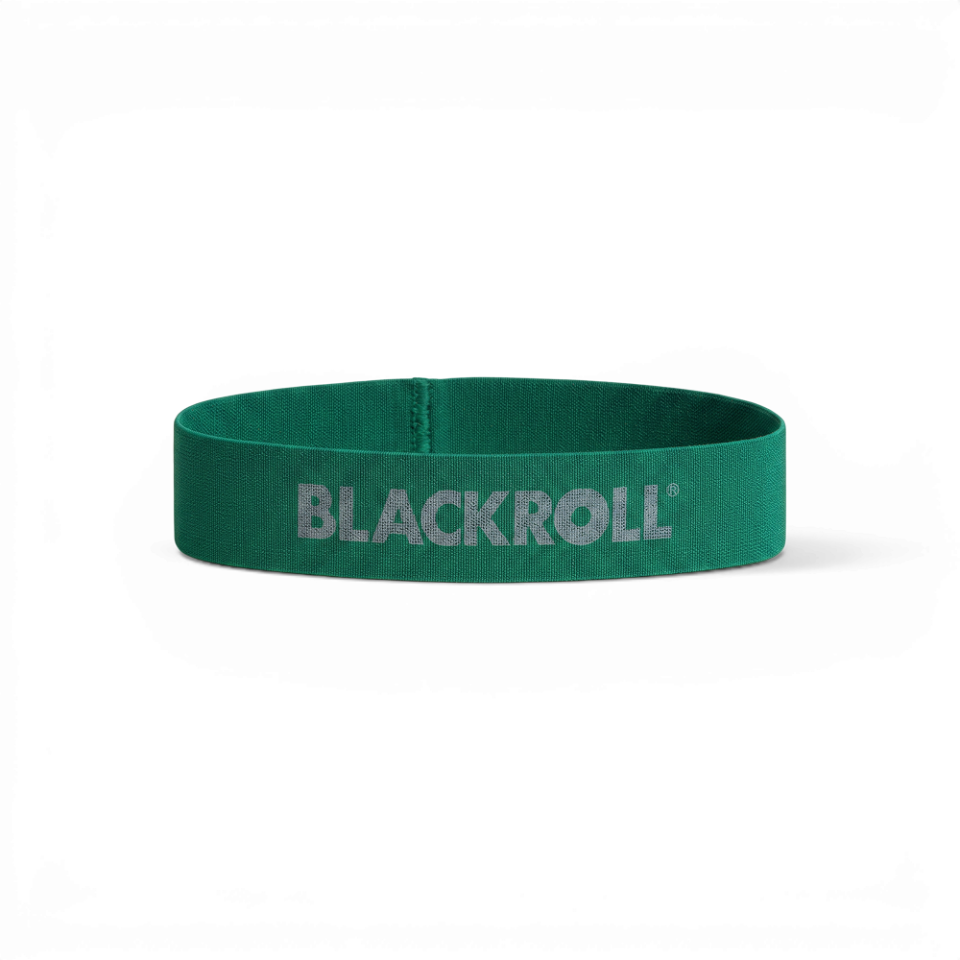
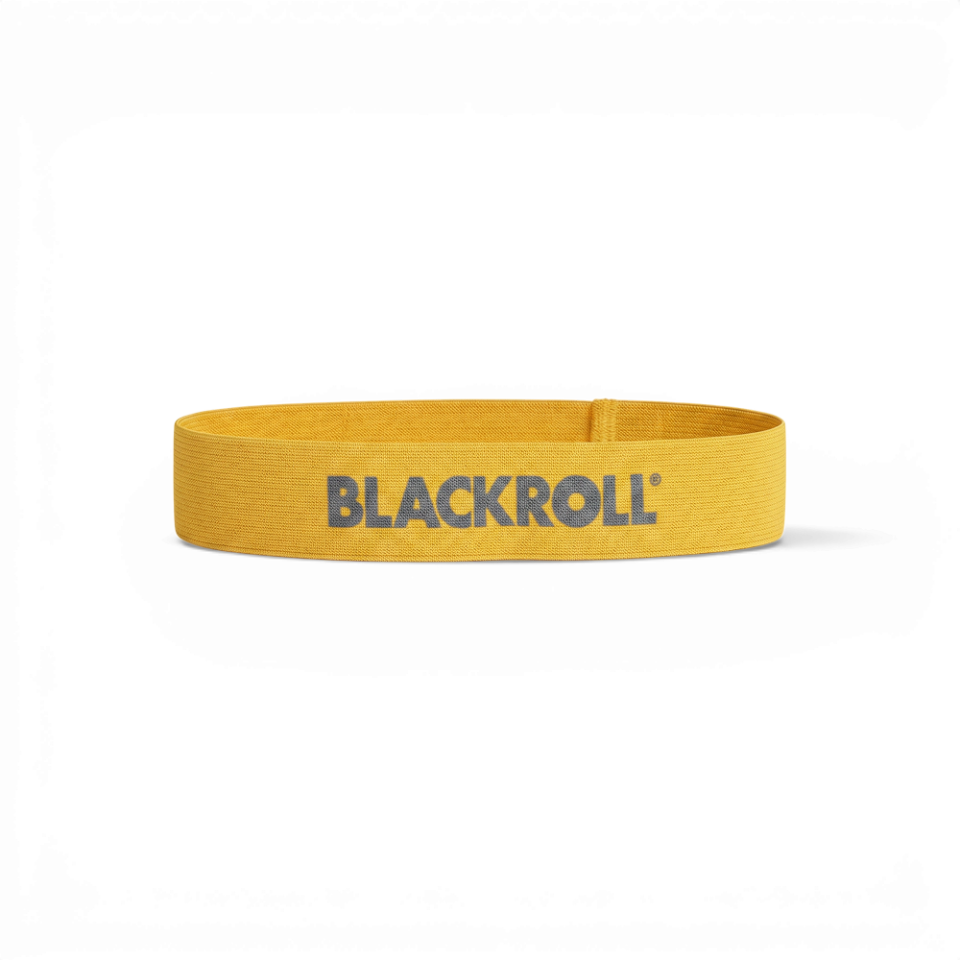
Use the STANDARD for self-massage after training, the DUOBALL to target the deep back muscles either side of your spine and the SUPER BAND to intensify core exercises such as Bird Dog or planks.
Help prevent back pain after sport in the long term.
To ensure that back pain doesn’t develop in the first place after a workout, a balanced training programme is the best form of prevention: a combination of strength, endurance and mobility. A Cochrane review by Hayden et al. (2021) analysed 249 studies involving more than 24,000 participants. The review found that exercise therapy provides clinically significant improvement in pain and functional limitations associated with chronic back pain – particularly programmes that combine strength and endurance training. We can therefore conclude that regular, endurance-focused training is not only a form of therapy but also the most effective way to prevent exercise-related back pain.
Focus on correct technique rather than extra volume. Warm up, recover and learn proper form.
If your back pain affects deeper muscle groups after training, foam rollers and other aids can help release tension and relieve pressure.
Follow these steps to stabilise your back over time:
- Strengthen your core regularly.
- Gradually increase the intensity and volume of your training.
- Use correct technique and ask a trainer for feedback.
- Stretch and roll out your fascia after every session, not just when it hurts.
- Allow for sufficient recovery periods — recovery isn’t a luxury, it’s part of your training.
- Make sure your training is varied: a mix of endurance, strength and mobility protects your back better than one-sided training. You can find suitable routines on our exercise pages for various sports.
Hides et al. (2001) demonstrated in a controlled study that targeted stabilisation exercises for the deep core muscles significantly reduced the risk of back pain recurrence over a three-year period.



Warming up and cooling down: your most important form of protection
Inadequate warming up is one of the most common causes of exercise-related back pain. Without warming up, muscles, tendons and intervertebral discs aren't prepared for the strain.
Before training (10–15 min):
- Dynamic warm-up: arm circles, hip circles, high knees
- Core activation: Forearm plank for 30 s, cat-cow mobilisation
- Sport-specific preparation: a lighter version of the planned exercises
After training (5–10 min):
- Hold each stretch for 20–30 seconds.
- Self-massage with the STANDARD for the back and glutes
- Breathe consciously to activate the parasympathetic nervous system.

Your online course for a healthy back
Frequently asked questions about back pain after sport
Harmless back pain after exercise usually feels like a dull ache or muscle soreness and settles within one or two days. If the pain lasts for more than two weeks, radiates down the leg, is accompanied by tingling or worsens despite conservative treatment, see a doctor.
Light exercise such as walking, swimming or gentle cycling is generally beneficial and aids recovery. Take a break from intensive strength training or sports that put a lot of strain on your back until the pain has subsided. Afterwards, start again at 50% of your usual intensity and increase this by a maximum of 10–15% per week.
Typical back pain caused by sports-related injuries usually heals within three to seven days. If it persists for longer than two weeks or occurs regularly, it's worth having a more thorough examination.
Apply heat, practise gentle exercise and use a foam roller for self-massage to find rapid relief. Stretch your back and hip muscles immediately after training to reduce muscle soreness and tension.
Avoid prolonged bed rest as it usually prolongs discomfort. Don't train as usual or repeat movements that cause pain. Wait for the pain to subside completely and correct any poor posture before resuming your full training regime.
Swimming, walking and cycling (on a well-adjusted bike) put little strain on the back and are well suited. Avoid sports involving sudden twisting movements, strong impacts on the back or heavy lifting while you’re in pain.
Yes, inadequate warming up is one of the most common triggers for exercise-related back pain. Without warming up, the muscles, tendons and intervertebral discs aren’t prepared for the strain. Allow 10–15 min for a dynamic warm-up and core activation before every training session.
You’ll enjoy effective self-massage and targeted core work with our STANDARD, DUOBALL and SUPER BAND. The STANDARD suits self-massage of your back, glutes and thighs after training. The DUOBALL reaches the deep back muscles either side of your spine. The SUPER BAND helps you strengthen and mobilise your core.
Other interesting items




Sources
Deutsche Gesellschaft für Orthopädie und Unfallchirurgie e.V. [DGOU]. (2024, 12. März). S2k-Leitlinie Spezifischer Kreuzschmerz: Version 2.0. AWMF-Register Nr. 187-059. https://register.awmf.org/de/leitlinien/detail/187-059
Gesellschaft für Orthopädisch-Traumatologische Sportmedizin [GOTS]. (2023, Juli). Rückenschmerz durch Überlastung – was tun? https://gots.org/rueckenschmerz-durch-ueberlastung-was-tun-pm-juli-2023/
Gesellschaft für Orthopädisch-Traumatologische Sportmedizin [GOTS]. (2025, Juli). Rückenschmerz beim kindlichen und jugendlichen Sportler. https://gots.org/rueckenschmerz-beim-kindlichen-und-jugendlichen-sportler-wie-schnell-ist-eine-diagnostik-wichtig-pm-juli-2025/
Hayden, J. A., Ellis, J., Ogilvie, R., Malmivaara, A., & van Tulder, M. W. (2021). Exercise therapy for chronic low back pain. Cochrane Database of Systematic Reviews, 9, CD009790. https://doi.org/10.1002/14651858.CD009790.pub2
Hides, J. A., Jull, G. A., & Richardson, C. A. (2001). Long-term effects of specific stabilizing exercises for first-episode low back pain. Spine, 26(11), E243–E248. https://doi.org/10.1097/00007632-200106010-00004
Niederer, D., & Banzer, W. (2017). Rückenschmerz durch Überlastung im Sport – Risikofaktoren und Prävention. Deutsche Zeitschrift für Sportmedizin, 68(1), 5–12. https://doi.org/10.5960/dzsm.2016.262
Robert Koch-Institut [RKI]. (2021). Prävalenz von Rücken- und Nackenschmerzen in Deutschland: Ergebnisse der Krankheitslast-Studie BURDEN 2020. Journal of Health Monitoring, 6(S3). https://www.rki.de/DE/Aktuelles/Publikationen/Journal-of-Health-Monitoring/GBEDownloadsJ/JoHM_S3_2021_Rueckenschmerz_Nackenschmerz.html
Searle, A., Spink, M., Ho, A., & Chuter, V. (2015). Exercise interventions for the treatment of chronic low back pain: A systematic review and meta-analysis of randomised controlled trials. Clinical Rehabilitation, 29(12), 1155–1167. https://doi.org/10.1177/0269215515570379
Wilke, J., & Banzer, W. (2018). Myofasziale Dysfunktion in der S2k-Leitlinie Spezifischer Kreuzschmerz. Manuelle Medizin, 56(3), 215–221. https://doi.org/10.1007/s00337-018-0412-7