SI Joint Block: Everything You Need to Know About Causes, Symptoms, and Effective Treatment

The sacroiliac joints connect the upper body to the legs and play a central role in every movement we make. Blockages can limit the function of these joints. In this article, we explain the functions of the sacroiliac joint, clarify the reasons for pain, and discuss the possible causes of sacroiliac joint blockage.

You’ll build a strong back. Your health insurance covers it.
01 Sacroiliac Joint: Here Are the Causes of SIJ Pain
The two sacroiliac joints (commonly referred to as the SI joints) are located in the pelvic region between the hip bones, called the ilium, and the sacrum.
They form the connection between the pelvic ring and the lower spine. There, the SI joints are firmly held together by ligaments and muscles to cushion the weight between the torso and the legs while walking and to transfer the resulting pressure to the legs when lifting and carrying objects.
If a blockage occurs in the SIJ, the articular surfaces of the sacrum and ilium shift out of alignment. Since the cartilaginous surfaces of the bones and joints now rub unprotected against each other with every movement, this results in pain and significant limitations in movement, which can greatly affect the quality of life of those affected. Experts refer to this type of condition as SIJ syndrome.
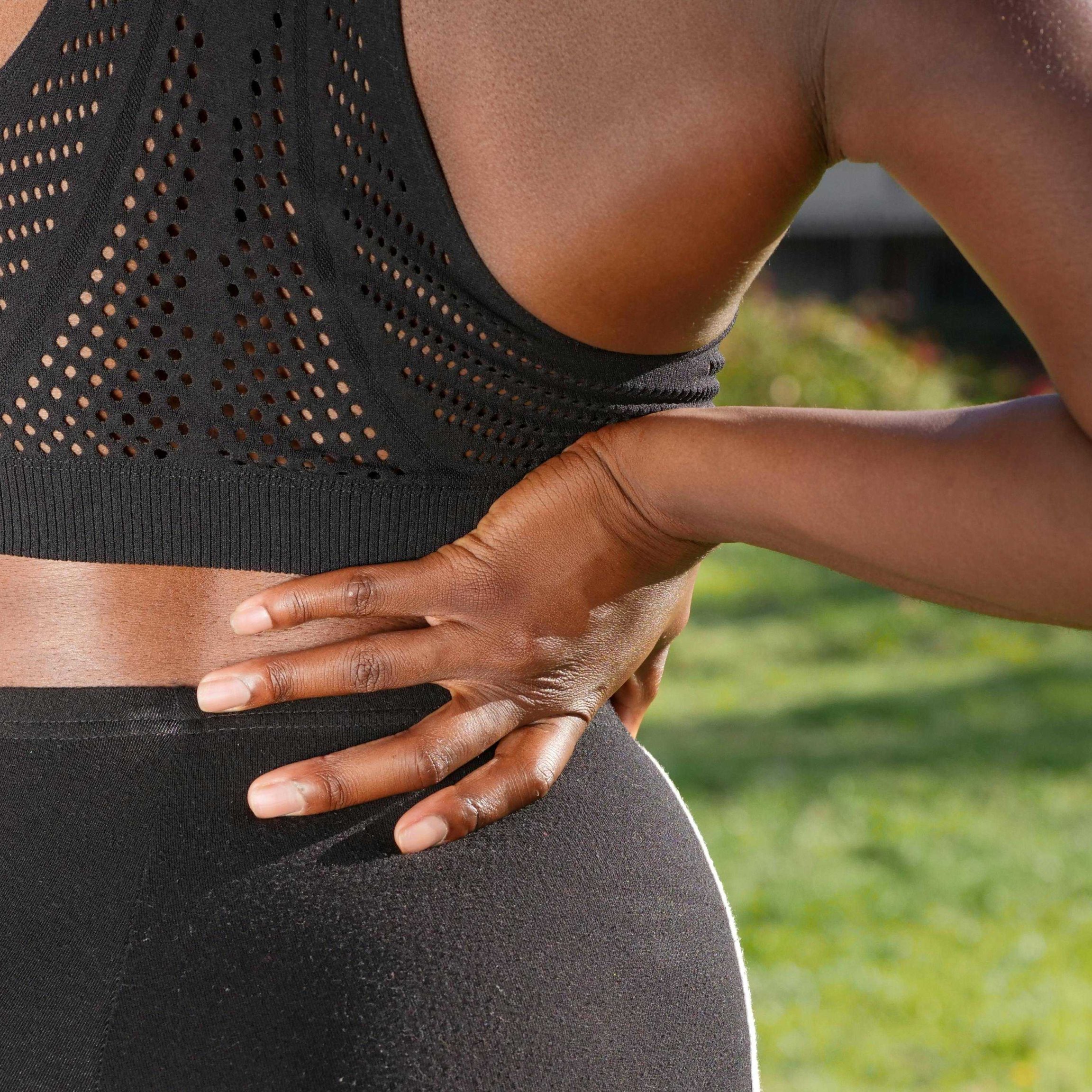
Typical symptoms include stabbing or pressing pain in the lower back, just above the gluteal muscles, which can radiate into the groin or buttocks.
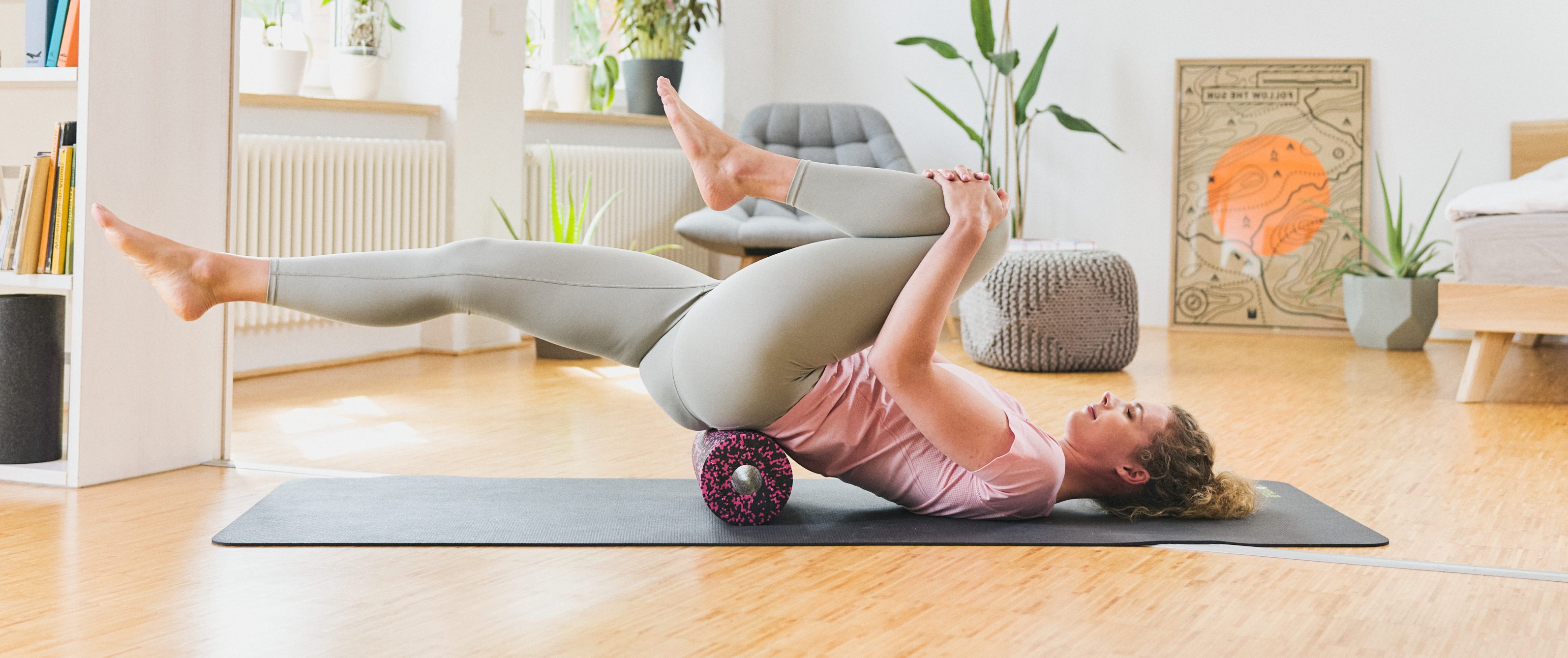
Remedies for an SI Joint Blockage


02 SI Joint Lock: Causes
The causes of SI joint blockages are varied. Here are some of the possible causes:
Falls or Traumas
Sports injuries, falls, or accidents can lead to trauma in the sacroiliac joint, thereby triggering dysfunction and blockages. However, even seemingly minor everyday incidents—such as your foot slipping off the bicycle pedals while pedaling and the resulting misstep—can cause the sacroiliac joint to become blocked.

Muscle Imbalance
If muscular imbalances occur in the pelvic or hip region, the balance of the sacroiliac joint can also be disrupted. This is often the case when the thigh or gluteal muscles are either too weak or too strong. Bringing these muscles into balance through individually tailored training can also resolve and prevent sacroiliac joint blockages.

Degenerative Changes
Signs of wear and tear in the joint or osteoarthritis can also cause the typical SI joint pain. Osteoarthritis leads to inflammation and stiffness in the joint.
Inflammatory Diseases
Pain and joint locking in the SIJ are often caused by inflammation. Typical examples include rheumatic diseases such as ankylosing spondylitis, Reiter’s disease, or psoriatic arthritis.
Poor Posture
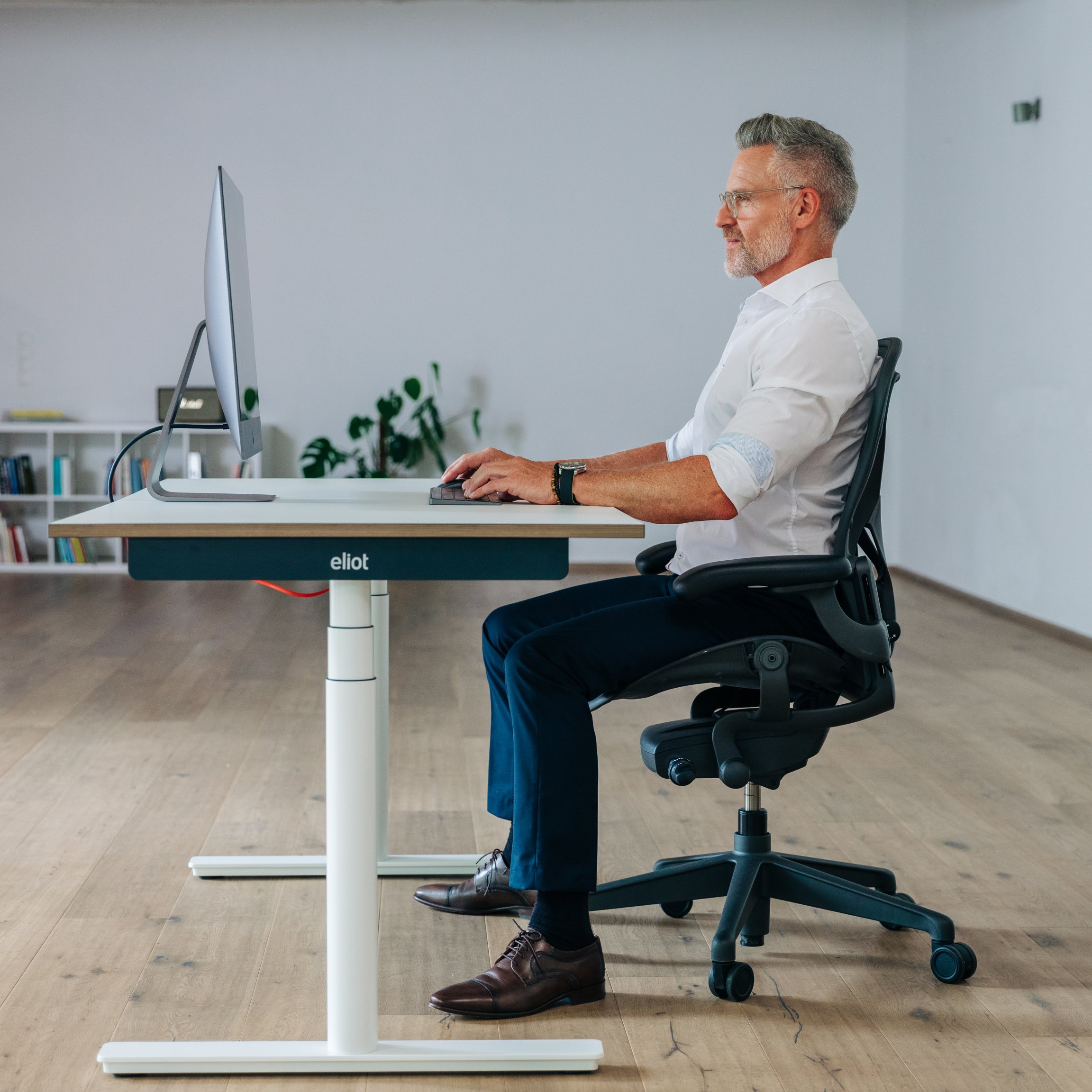
Dysfunction in the SIJ can also occur when people spend a lot of time sitting at a desk and consequently struggle with postural problems.
Frequent Improper Loading
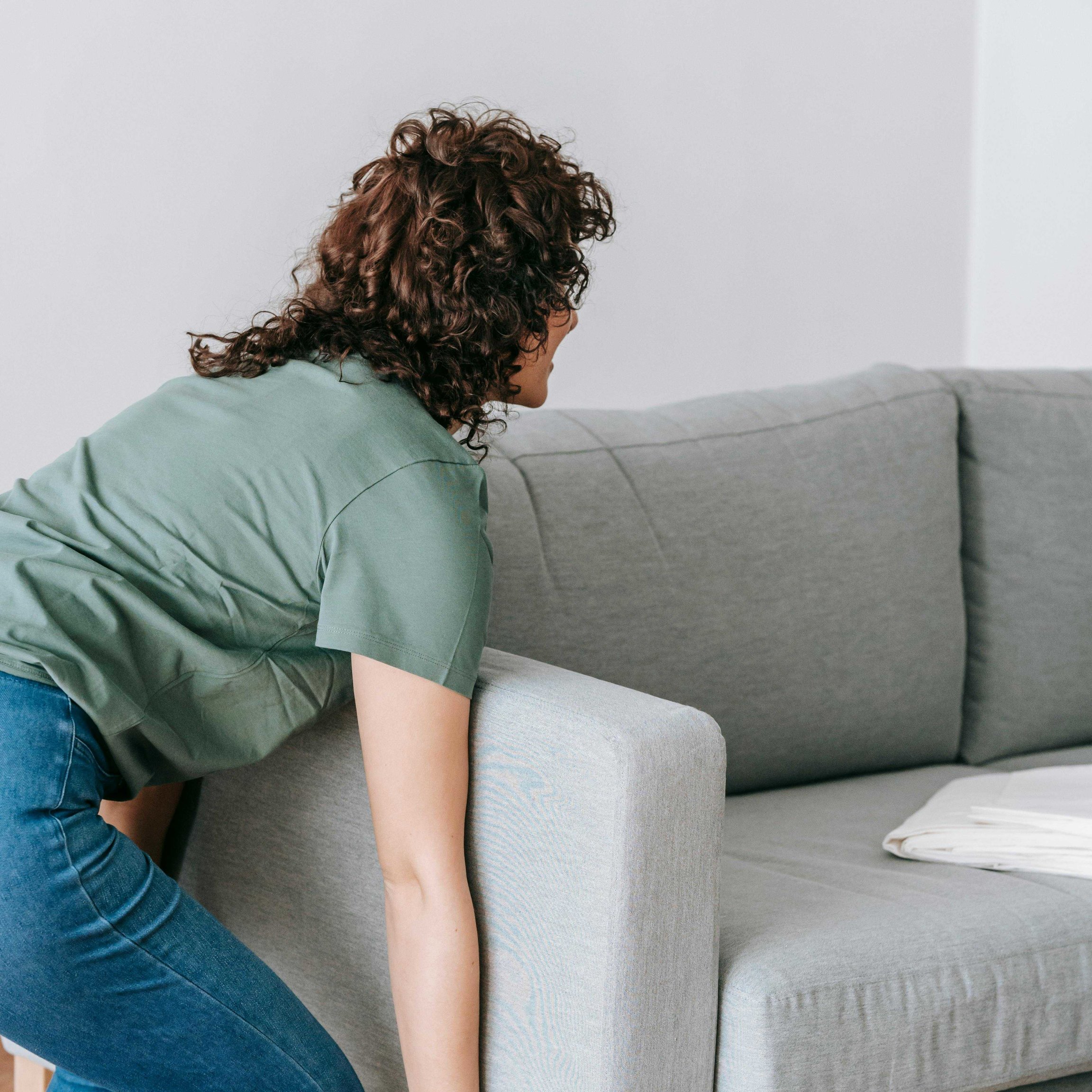
Whether during sports or in everyday life: Constant improper strain caused by one-sided training or learned incorrect movement patterns can also lead to problems in the sacroiliac joint
Pregnancy
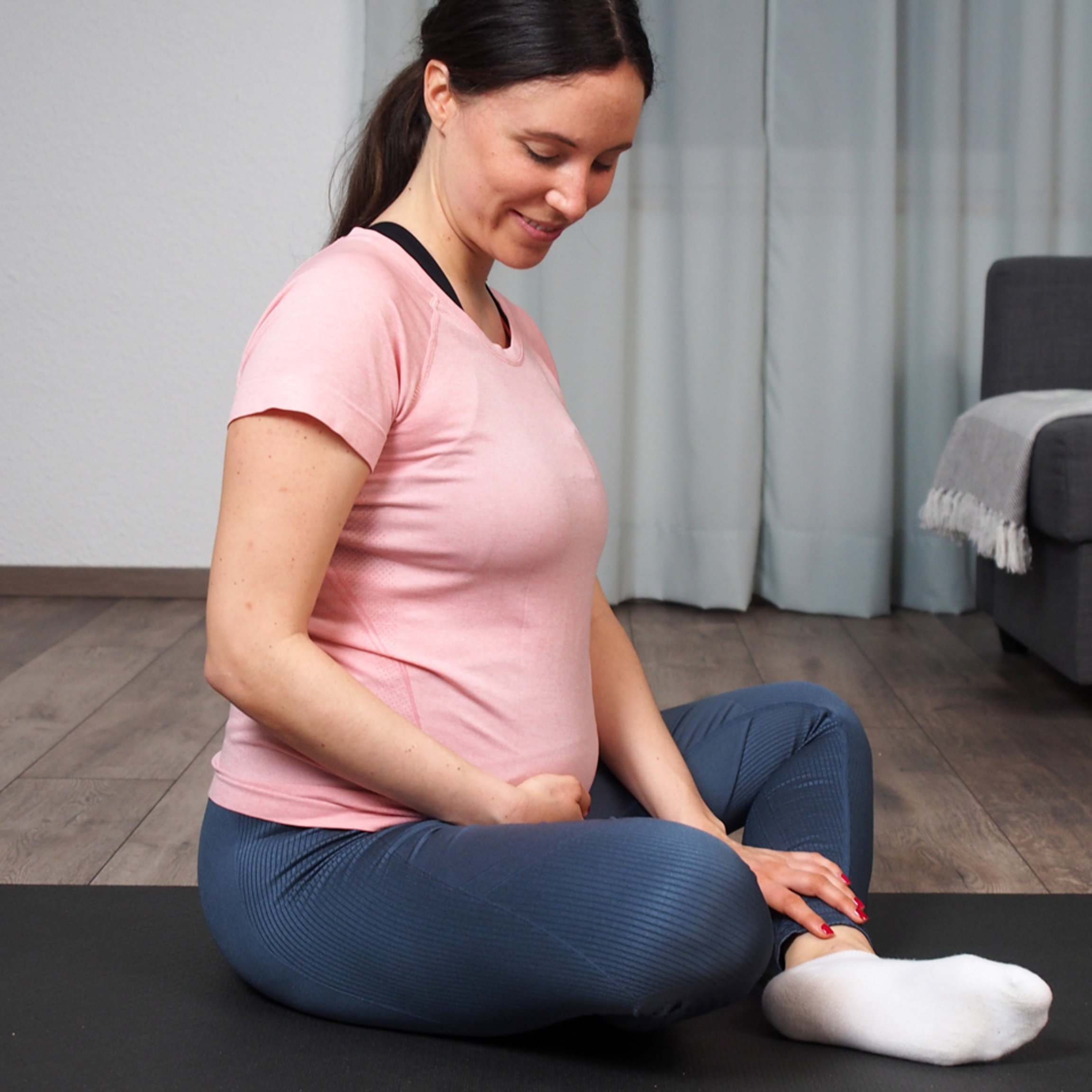
Even though the sacroiliac joints generally have only minimal mobility, during pregnancy the ligamentous structures of the pelvis gradually lose their elasticity due to hormonal changes and the growth of the fetus. Although this increases the risk of an SI joint blockage, there are good reasons for this process. During childbirth, it ensures that the pubic symphysis of the mother stretches and the pelvis widens. This is the only way to create enough space for the baby’s head during the birthing process. This movement is made possible solely by the hormones mentioned above, which cause the ligaments in the pelvis to soften.
03 SI Joint Lock: Here Are the Symptoms
An SI joint block occurs when the mobility of the sacroiliac joint is restricted or blocked. The main symptoms include pain, which can occur in various areas of the body, as well as limited mobility or abnormal sensations:
- Lower back pain: The pain is often felt above the buttocks and can occur on one side or both sides.
- Buttock pain: The pain can radiate to the buttocks, hips, and legs, causing a deep, pressing ache. Depending on changes in posture, the pain can even radiate down to the knees.
- Pain when sitting or standing: The pain often worsens in people who remain in the same sitting or standing position for extended periods of time.
- Pain when walking: The pain may increase, especially when walking or stepping over obstacles.
- Limited mobility: Symptoms of an SI joint lock also include restricted movement, particularly during movements that put strain on the hip joint or the sacroiliac joint.
- Stiffness: The sacroiliac joint may feel stiff, especially in the morning after waking up or after prolonged inactivity.
- Radiating pain: The pain can radiate into the groin area and the thighs, but it can also travel down the leg.
- Numbness or tingling: In rare cases, numbness or tingling may occur in the thighs or legs.
- Pain when bending over or lifting: Bending over or lifting heavy objects can worsen the pain.
If there is already chronic instability in one or both sacroiliac joints, a cracking sound may sometimes be heard when standing up. Those affected often also feel as though something is caught in their hip or that their leg is giving way.
The symptoms listed above are often not immediately attributable to the sacroiliac joint. Disc problems, muscle tension, lumbago, sciatica, or hip problems can also be the cause. However, in the case of a sacroiliac joint blockage, nerves or nerve roots are generally not affected, so sensory disturbances do not usually occur.
Those affected should always consult a specialist if they experience persistent or severe pain. To determine whether the SIJ is the cause of the symptoms, the specialist will not only assess body posture during the physical examination but will also perform various tests. The joint space between the sacrum and the ilium is easily palpable, and the position and range of motion of the SIJ can be clearly observed during various movements (for example, when bending forward, lying on the stomach, and/or lying on the back).
X-rays of the pelvis, hip, and lumbar spine, as well as MRIs and CT scans, can confirm the diagnosis and rule out other possible conditions such as osteoarthritis, vertebral fractures, or a herniated disc. Rheumatic diseases are diagnosed through a blood test.
04 Relieving SI Joint Blockage
As a rule, an SI joint blockage responds well to treatment. If pain and symptoms persist, affected individuals should therefore consult a specialist promptly to begin appropriate therapy.
A wide variety of approaches can be used to relieve an SI joint lock. To restore the joint’s function, a combination of several approaches is often necessary.
Common methods that can relieve an SI joint blockage include:
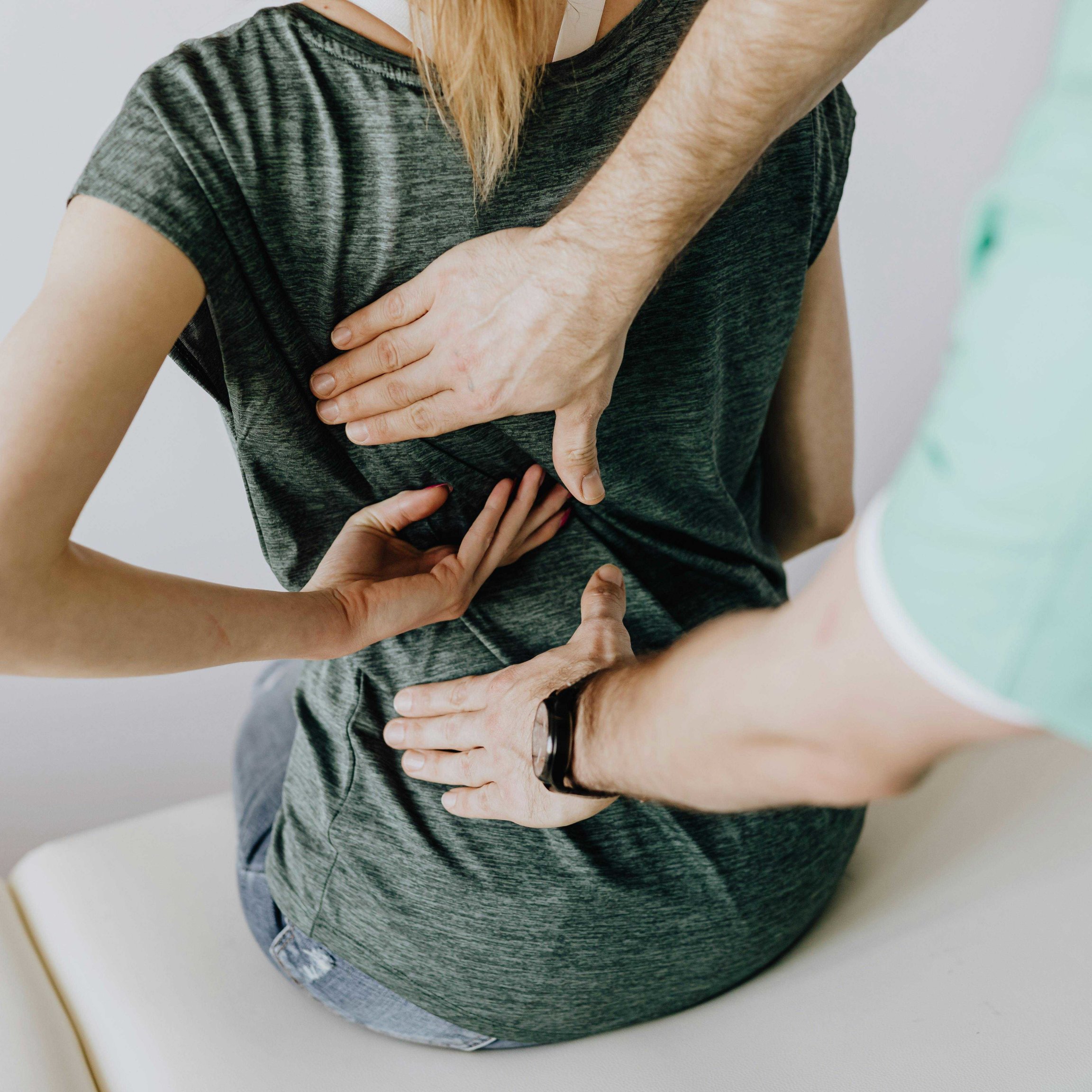
Manual therapy
Physical therapists or chiropractors can use special manual techniques to apply short, firm impulses to the SI joint, causing it to realign. This method is particularly effective when symptoms have only recently developed and the blockage has occurred for the first time. However, it’s important to note that while this therapy resolves the problem in the short term, it does not address the underlying cause. If the blockage was caused by muscular imbalances in the body, patients should supplement manual therapy with targeted strengthening exercises to train their muscles.
Physical Therapy
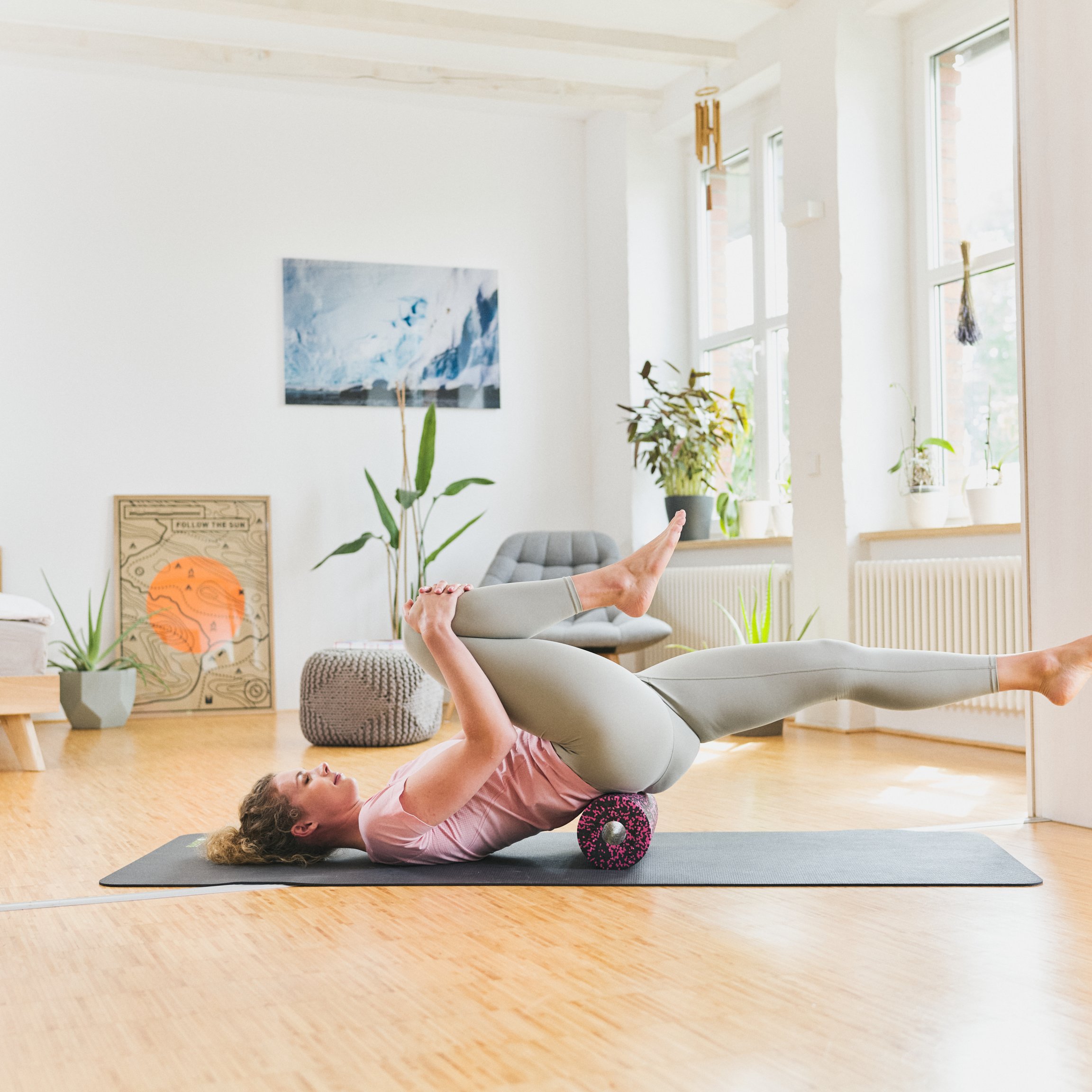
In addition to manual therapy, strengthening and stretching exercises as part of a physical therapy program can also strengthen the muscles surrounding the sacroiliac joint. The focus should primarily be on the core and pelvic stabilizing muscles in the back, buttocks, abdomen, and hips to prevent another sacroiliac joint blockage.
Heat Therapy
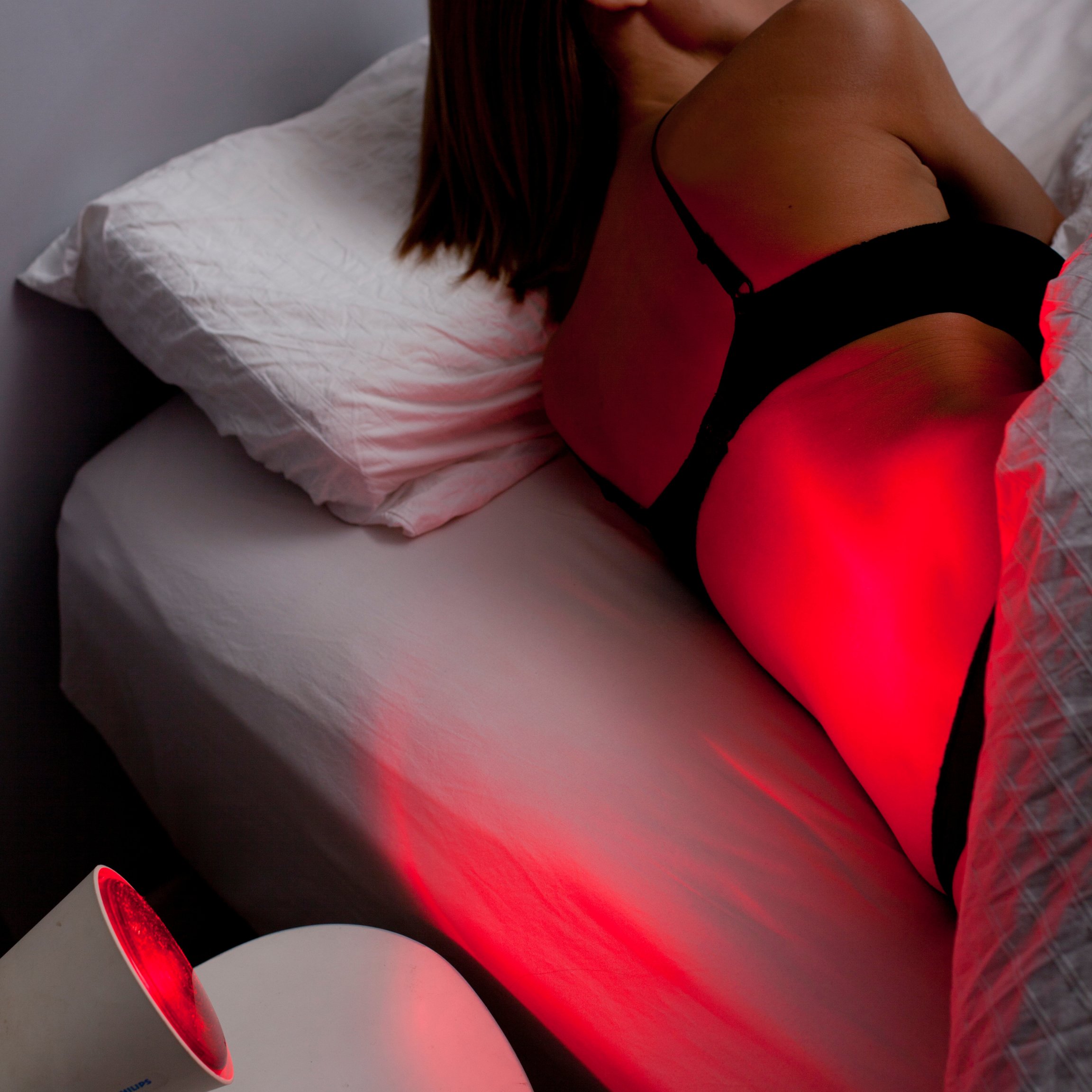
Applying heat to the area around the sacroiliac joint can help relax the muscles. Heat is generally perceived as soothing.
Posture Training
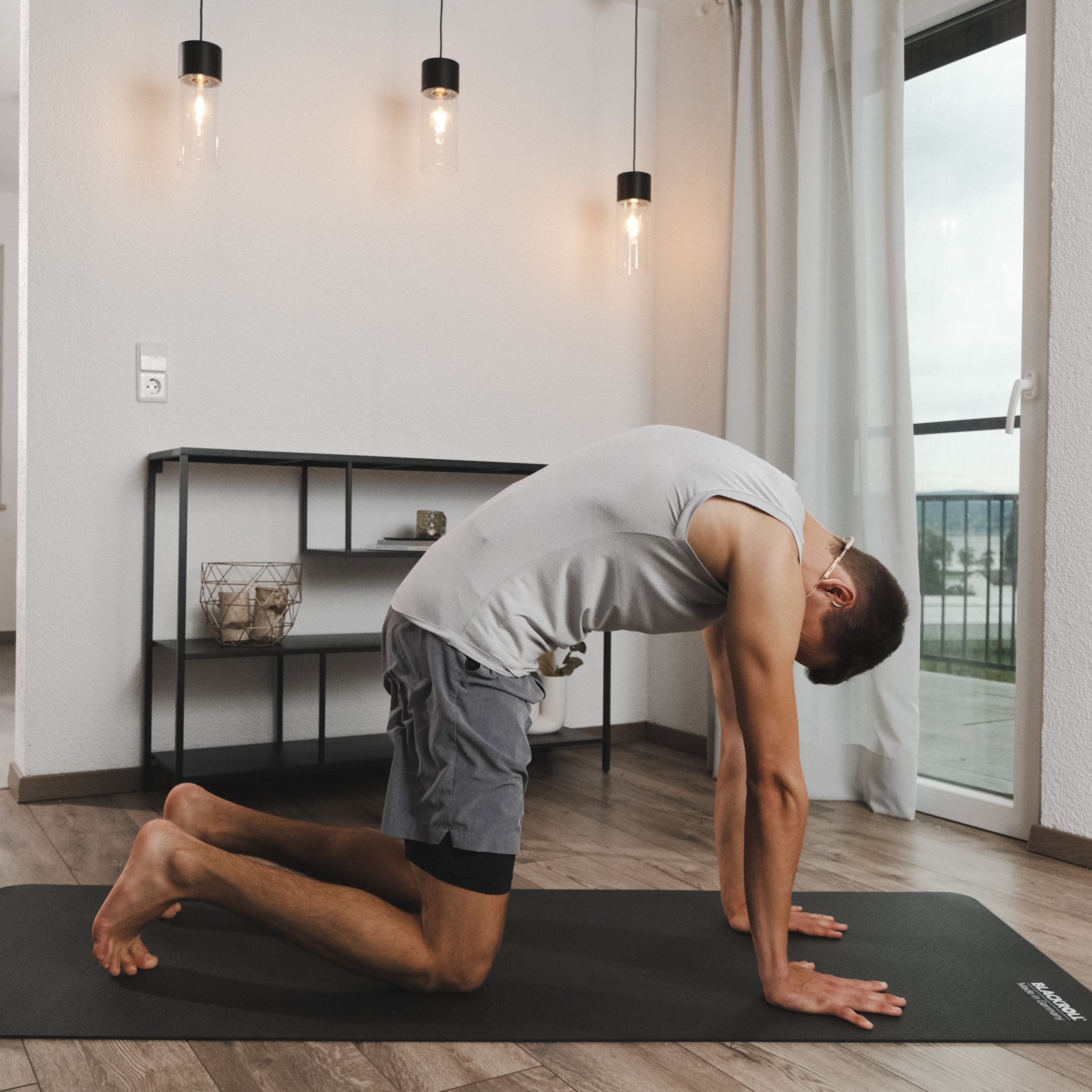
Often, poor posture while walking, sitting, or standing is a trigger for discomfort in the sacroiliac joint. In these cases, it is important for those affected to receive posture training with practical guidance on how to relieve strain on their back in everyday life.

Exercise
Bed rest is not recommended for sacroiliac joint (SIJ) dysfunction; in fact, it is generally discouraged. If the pain is too severe, those affected can initially treat it with medication. Ideally, they should mobilize the sacroiliac joint through light movement and gentle stretching exercises to loosen the muscles and promote blood circulation. It’s best to get tips and information from your doctor or physical therapist.
Appropriate Pain Management
Pain relievers or anti-inflammatory medications can alleviate acute symptoms and prevent those affected from tensing up even more due to the pain and adopting a protective posture.

05 Duration of an SI joint block
The duration of an SI joint block and how long a person is on sick leave as a result depends on several factors. These include, among other things, the cause and severity of the block. If there are structural changes in the body, treatment and recovery take longer than if the block were caused solely by muscle tension.
The type of treatment can also influence the duration of the block. Depending on the treatment methods used, these can take varying amounts of time. This also includes ensuring that treatment is ongoing to shorten the duration of the block. Every body reacts differently to treatment. Therefore, even among people treated with the same method, the speed at which they see results can vary.
Factors such as lifestyle, stress levels, overall health, and adherence to recommendations from doctors, physical therapists, and others also play a role in the duration of the SI joint blockage.
If the SI joint blockage is only mild, it can usually be resolved within a few weeks. In more complex cases, it may take a few months before patients are pain-free again and have regained their full range of motion.
06 Which is more effective for an SI joint block: exercise or rest?
Even though many patients fear that movement might actually make the pain worse, experts recommend exactly that. This is because (prolonged) inactivity can weaken the muscles and worsen stiffness in the joint. In the worst-case scenario, this can lead to chronic SI joint impingement. Light exercise can therefore be helpful in loosening the muscles, promoting blood flow, and improving the mobility of the sacroiliac joint. Gentle stretches and targeted exercises help relax the muscles around the joint and relieve any existing stiffness. In many cases, exercise can even help return the sacroiliac joint to its normal position.
During acute phases and when the pain is very severe, pain management with anti-inflammatory medications can provide initial relief.
If you have an SI joint blockage, maintaining the correct position while lying down or sleeping is also important. This is because an incorrect lying or sleeping position can put even more strain on the affected joint and thus worsen the symptoms. Experts recommend lying on your back with a flat pillow as the ideal position for an SI joint blockage. Unlike when lying on your side, this prevents one-sided strain on the joint.
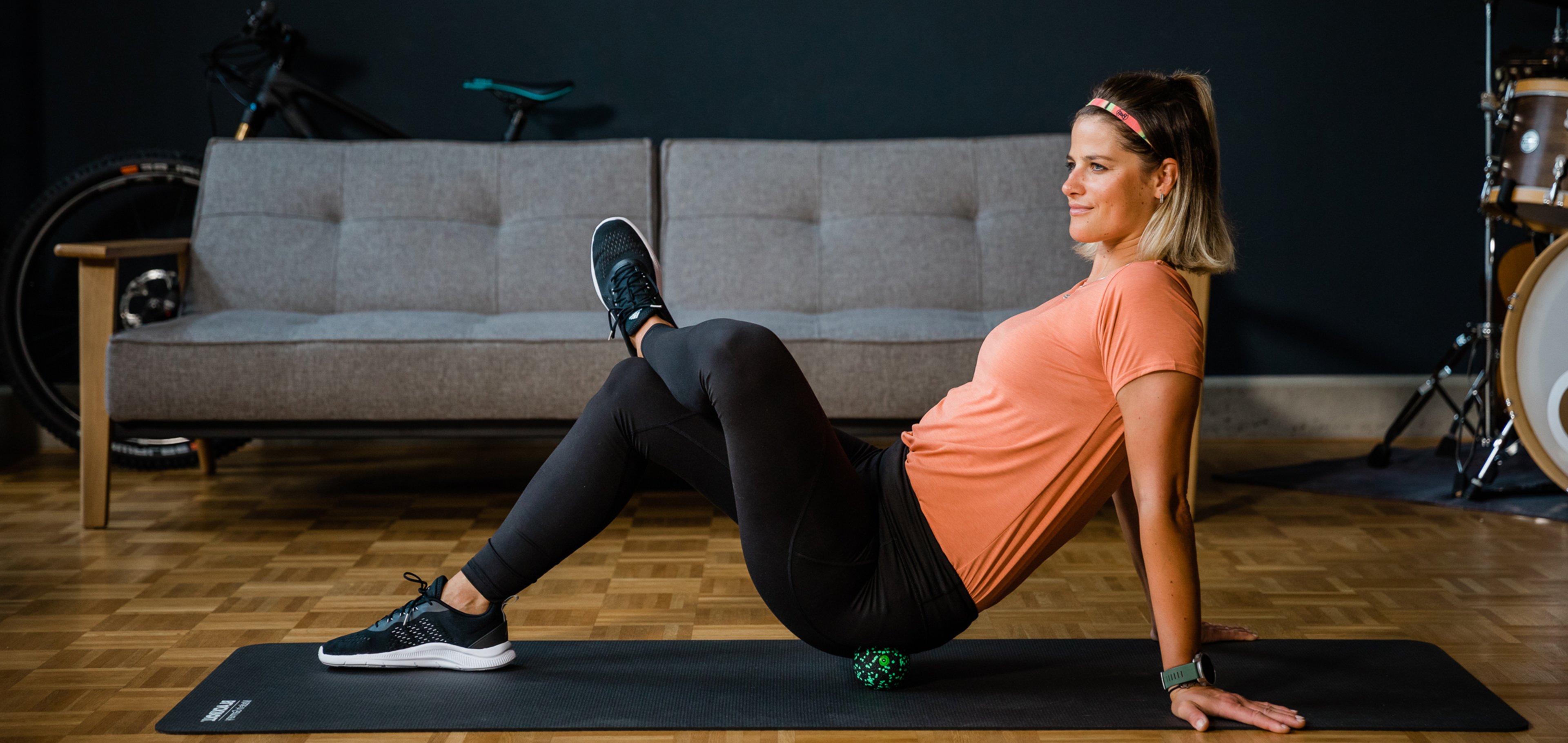
Relieving an SI Joint Lockup
10 Effective Exercises
07 Does an SI joint blockage affect digestion?
An SI joint block itself generally has no direct effect on digestion. This is because the sacroiliac joint is located in the lower back and pelvic region and is primarily responsible for the stability and mobility of the spine. There is no direct connection to the digestive system.
However, it is more important in this context to consider the indirect effects that an SI joint blockage can have on the body. If it leads to muscle tension, pain, and limited mobility, the result may be that those affected are less active. This, in turn, can affect some people’s overall health, well-being, and possibly also their digestion
Important: Digestive problems are generally influenced by many other factors that have nothing to do with an SI joint blockage. These include, for example, dietary habits, stress, and an individual’s overall health. Therefore, these factors should always be evaluated in addition to the SI joint blockage.
08 Is there a connection between an SI joint blockage and bladder problems?
In some patients, an SI joint block can lead to bladder problems such as an increased urge to urinate or difficulty urinating.
This can be attributed to tension in the muscles surrounding the pelvis and pelvic floor caused by the blockage. This, in turn, can impair the normal function of these muscles, as the pelvic floor plays a crucial role in controlling bladder and bowel functions.
However, an SI joint block does not always lead to bladder problems, as other factors may also play a role. These include, for example, individual anatomy, overall muscle condition, or a history of injuries and illnesses.
09 Can an SI joint blockage have psychological causes?
Psychological stress, such as anxiety or stress, can increase the risk of developing back pain. This is because constant internal tension causes many people to unconsciously tense their muscles as well, which in turn impairs blood flow in the affected areas. Over time, this can lead to pain whose cause is often unknown.
However, it has not yet been definitively established that an SI joint block, in particular, can be attributed to psychological causes. Nevertheless, if there is significant muscle tension around the sacroiliac joint, this can at least contribute to the development of a block and should be taken into account during treatment.
Learning stress management strategies and dealing with emotional stress appropriately can also help reduce muscle tension.
10 Conclusion
Although an SI joint blockage can be very painful and severely limit a person’s mobility, it generally has a positive prognosis with the right treatment. The process becomes more protracted if the SI joint blockage has already become chronic. An SI joint lock should therefore ideally be diagnosed and treated quickly. In acute cases, pain relievers can support treatment in the early stages to prevent compensatory postures caused by pain and to improve patients’ quality of life. However, the goal should be to avoid prolonged bed rest and to resume (gentle) movement as soon as possible—for example, through moderate mobilization and stretching exercises. Strengthening exercises for the muscles that stabilize the trunk and pelvis help prevent a recurrence of SI joint impingement. If the underlying causes are known, patients should ideally take steps to prevent a recurrence. This can be achieved, for example, through regular trunk-strengthening exercises, stretching, or correcting learned poor posture while sitting or walking.