
Pain in the lower back: causes, symptoms and management of lumbar spine syndrome

Key facts at a glance
- Lumbar spine syndrome is a collective term for pain in the lumbar spine – the lowest and most heavily stressed section of the spine.
- Around 85 per cent of all lower back pain is non-specific: no clear structural cause can be identified (National Care Guideline, 2023).
- Specific causes such as a herniated disc, facet joint syndrome or spondylolisthesis require targeted diagnosis.
- Exercise is an effective treatment: targeted exercises for Mobilisation and Strengthening alleviate LWS pain and prevent relapses. Bed rest tends to be counterproductive.
- Seek immediate medical attention if: pain radiates into the legs accompanied by numbness, signs of paralysis or bladder/bowel dysfunction (suspected cauda equina syndrome – a medical emergency).
Do you feel a stabbing pain in your lower back that makes it almost impossible to get out of bed in the morning? Or does a dull, aching pain in your lower back persist all day long? You’re not alone: pain in the lower back is one of the most common back problems. Fortunately, in most cases there is no serious underlying condition – and there’s a lot you can do about it yourself.
Medical note: This item is for general information purposes only and is not a substitute for a medical diagnosis or individual treatment. If you experience initial symptoms, your GP is the right person to contact. If the pain is persistent, radiating or getting worse, it is also advisable to consult an orthopaedic or neurological specialist.
What is lumbar spine syndrome?
Lumbar spine syndrome is a collective term for symptoms and pain in the lumbar spine region. It is the lowest mobile section of the spine and the one subjected to the greatest strain.
In everyday life, the lumbar spine bears more of a load than any other section of the spine. It connects the ribcage to the pelvis and enables movements such as bending, stretching and twisting. It is precisely this combination of load and Mobility that makes it prone to problems.
Medically, a distinction is made between two forms:
- Specific lower back pain: A clear cause can be identified, such as a herniated disc, a vertebral fracture or an inflammatory condition.
- Non-specific lower back pain: No clear structural cause is known. This type accounts for around 85 per cent of all cases. It is often caused by muscle tension, myofascial imbalances and poor posture. Such non-specific pain in the lower back responds very well to movement, Fascia training and targeted exercises.
Did you know?
The term ‘lower back pain’ is widely used in everyday language and means the same as lumbar spine pain – namely, discomfort in the area of the sacrum and the lower lumbar spine.

What is the structure of the lumbar spine?
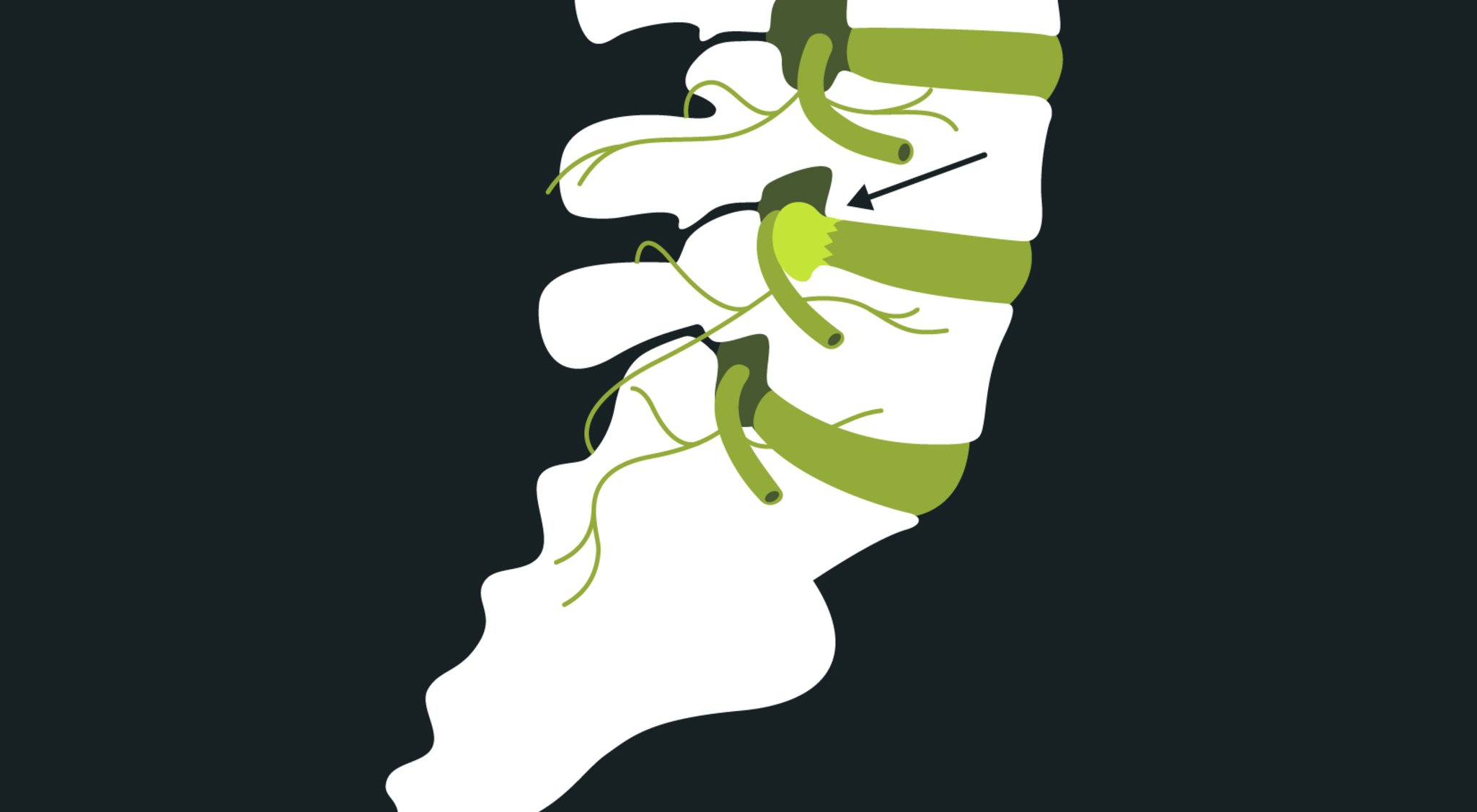
The lumbar spine consists of five vertebrae (L1–L5), between which intervertebral discs act as natural shock absorbers. Their outer fibrous ring provides stability, whilst their inner gel-like core – which consists largely of water – cushions compressive stresses.
For the intervertebral discs to fulfil their function, they rely on movement: only the alternation between loading and unloading supplies them with nutrients and removes metabolic waste products. Anyone who does not move enough is literally depriving their intervertebral discs of the means to survive. In the long term, this can lead to wear and tear and structural damage.
Nerve roots also run between the vertebral bodies of the lumbar spine ; these emerge from the spinal cord and supply the legs. If these nerve roots are under pressure – for example, due to a bulging intervertebral disc or misalignments – this can cause radiating pain, tingling or numbness in the legs. The lumbar spine is also connected to the pelvis via the sacroiliac joint (SIJ). Misalignments there have a direct effect on the lower back.
Why movement is so important for the intervertebral discs: Intervertebral discs have no own blood circulation. They are nourished exclusively by the changes in pressure that occur during movement: when under load, fluid is squeezed out; when the load is relieved, they absorb fresh nutrients – just like a sponge. Sitting for long periods without moving interrupts this cycle and accelerates wear and tear.

Causes: Why does the lumbar spine hurt?
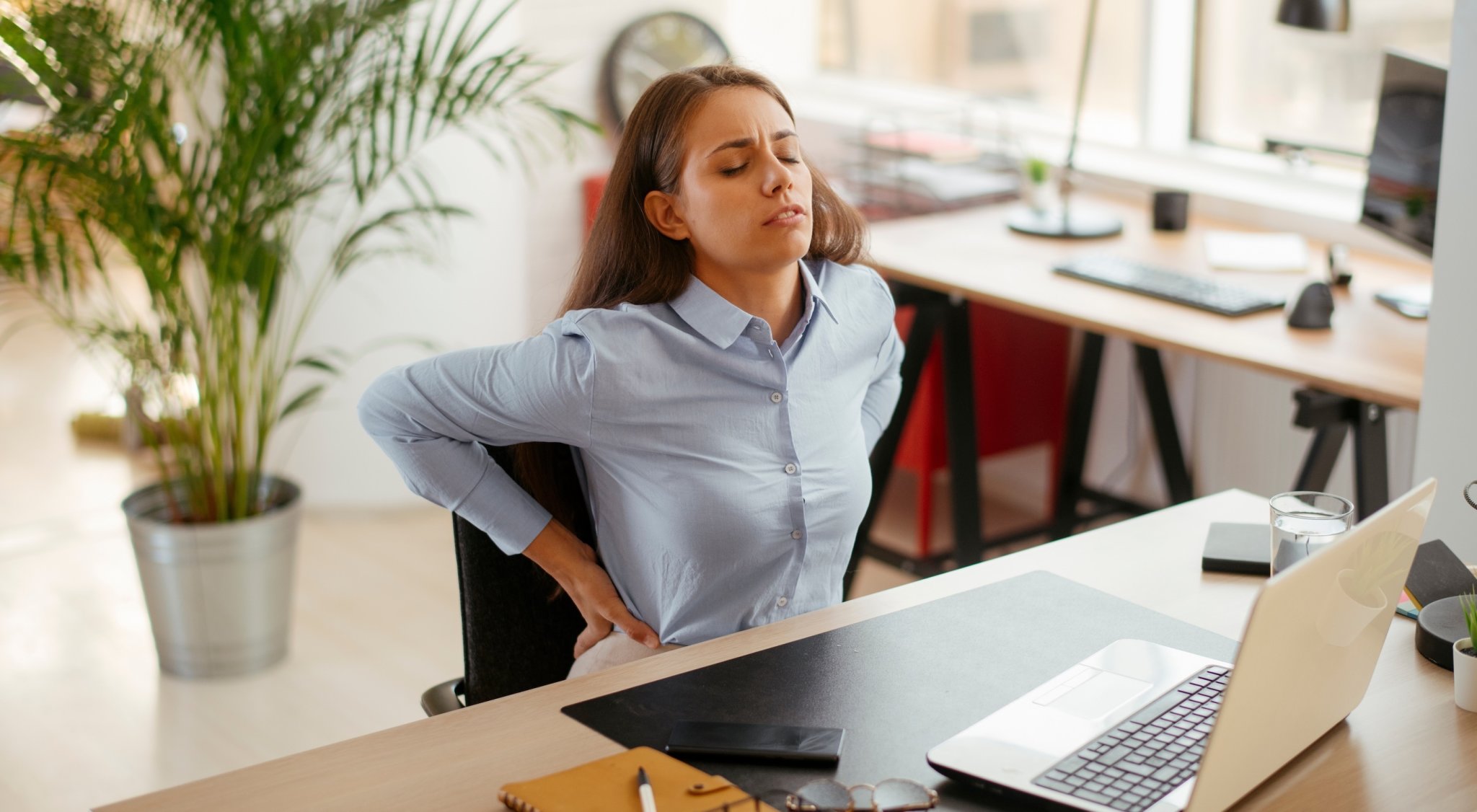
The most common cause of lower back pain is a combination of a lack of movement, poor posture and muscular imbalances. Often, there is no serious underlying cause for the symptoms.
Our modern everyday life contributes to lower back pain: sitting for long periods at a Desk or whilst driving, a lack of exercise, and uneven strain – all of this causes certain muscles to shorten and stiffen, whilst others atrophy or weaken. This places uneven strain on the lower back, leading to tension, and eventually pain sets in. You can learn more about these muscular causes and practical everyday remedies in our guide to lower back tension.
In addition, there are specific causes that require targeted diagnosis and treatment:
- Lumbago: A sudden, jerky movement leads to acute muscle stiffness – the pain shoots through your back like a bolt of lightning and can be so severe that you can barely move.
- Vertebral block: A careless, jerky movement, combined with a pre-existing myofascial imbalance, restricts the mobility of a vertebra. The pain occurs suddenly and feels as though your back has ‘locked up’. Unlike with lumbago, where the muscles cramp up, here it is the joint’s mobility itself that is restricted. Targeted Mobilisation – for example, through Physiotherapy or gentle self-exercises – can often relieve the blockage.
- Nerve root irritation or a pinched nerve: A sudden movement or an awkward posture – for example, when lifting a heavy box or after lying in an awkward position for a long time – can irritate a nerve root in the lumbar spine. In most cases, there is already an underlying muscular imbalance that makes the spine vulnerable.
- Sciatica: The sciatic nerve – the longest nerve in your body – is compressed or irritated by abnormal muscle tension in the gluteal-lumbar region. A sharp pain radiates from the lower back, through the glutes and down the leg, sometimes even reaching the foot.
- Herniated disc: Following incorrect strain or degenerative changes, the gel-like centre of an intervertebral disc may protrude and compress surrounding nerves.
- Facet joint syndrome (spondylarthrosis): Wear and tear of the small vertebral joints (facet joints) occurs particularly from middle age onwards due to one-sided strain and a lack of movement. It causes deep-seated, strain-related pain, which intensifies when the spine is arched backwards.
- Spondylolisthesis: One vertebral body slips forward relative to the one below it. This is often exacerbated by excessive muscle tension and incorrect strain on the lower Back. Many sufferers experience a feeling of instability in the lower Back. Mild cases can be treated conservatively with targeted core strength training.
- Sacroiliac joint (SIJ)dysfunction: The sacroiliac joint (SIJ) connects the lumbar spine to the pelvis. Misalignments or blockages in the SIJ can cause pain that feels similar to lower back pain – often on one side in the area of the sacrum. Targeted mobilisation exercises can help.
- Spinal canal stenosis: The spinal canal narrows – usually due to age-related changes such as bone spurs or thickened ligaments. Typical symptoms include exertion-related pain in the legs, which worsens when walking and improves when bending forward or sitting down (spinal claudication). An MRI scan confirms the diagnosis.
- Osteoporosis: In osteoporosis, bone density decreases and the vertebral bodies become porous and brittle. Even stresses from everyday life can then lead to microfractures or vertebral fractures (compression fractures), which cause severe pain in the lumbar spine. Post-menopausal women and people over the age of 60 are particularly affected.
Stress as an underestimated cause: Chronic stress increases muscle tension and can exacerbate or trigger lower back pain – even in the absence of a structural cause. The National Care Guideline expressly recommends taking psychosocial factors into account in cases of chronic lower back pain (NVL Lower Back Pain, 2023).
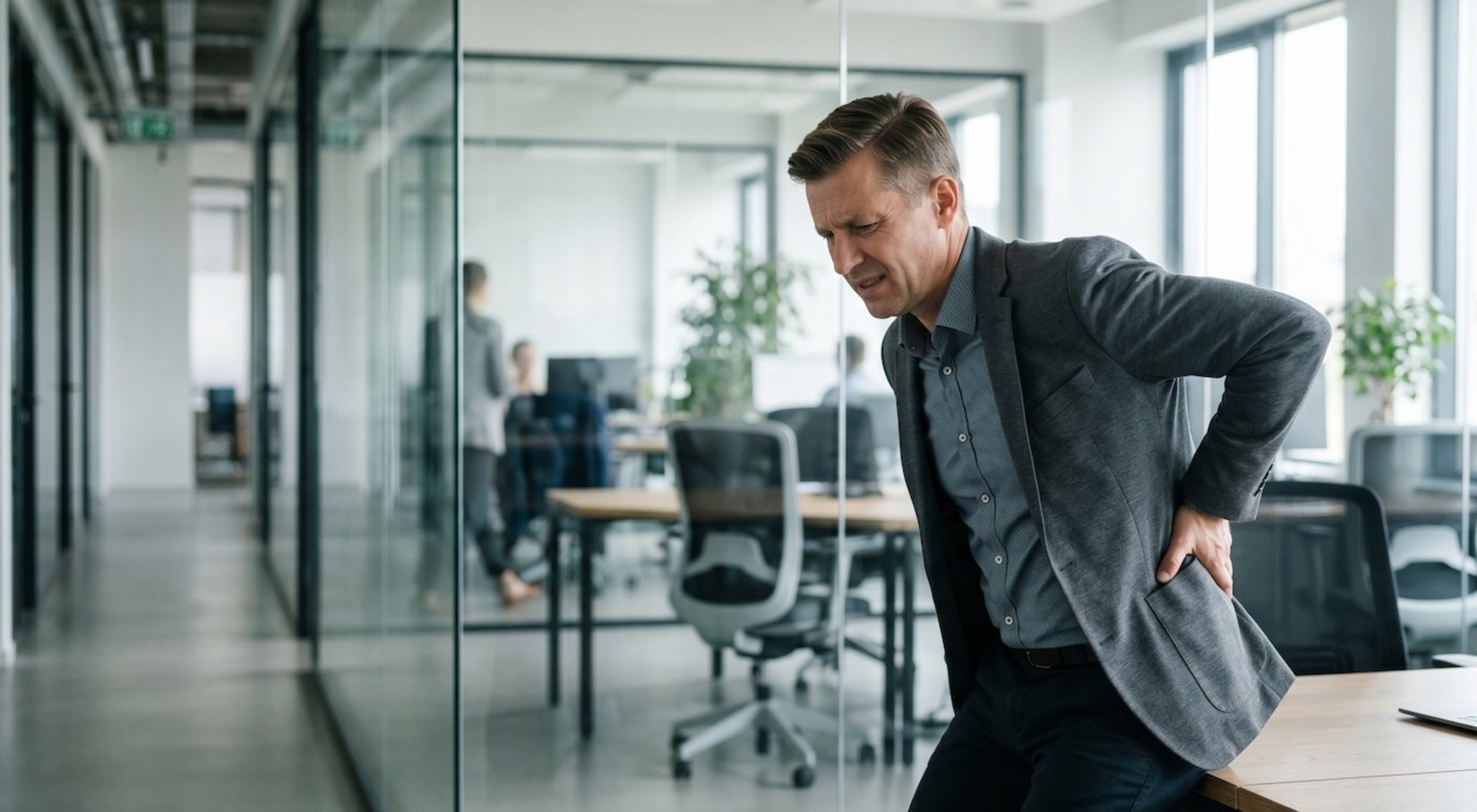

Symptoms: How lumbar spine syndrome presents itself
Lower back pain can present in a wide variety of ways – ranging from a dull, persistent ache to acute, wandering back pain in the lumbar region, right through to sudden, stabbing lumbago.
The most common symptoms are:
- sharp, burning, dull, pressing or throbbing pain in the lower back
- restricted mobility when bending over, standing up or turning
- Pain radiating into the Glutes or legs (a possible indication of sciatica or a herniated disc)
- numbness or tingling in the legs
- Pain that worsens when sitting
- Morning stiffness (which improves after getting up)
- acute pain when sneezing or coughing
Take lower back pain seriously: when should you definitely see a doctor?
- Pain that does not improve after three weeks or gets worse.
- Pain that radiates into one or both legs, accompanied by tingling or numbness.
- Pain that has started following a fall, accident or injury.
- Pain that gets worse at night and prevents you from sleeping.
- Pain accompanied by a fever or chills (a possible sign of an infection).
- Pain that intensifies significantly when sneezing or coughing (particularly if you have a history of osteoporosis).
- The spine becomes increasingly stiff over a period of weeks.
Warning: If you experience symptoms of paralysis, numbness in the genital area, or uncontrolled loss of urine or stools, you should go to A&E immediately. These symptoms may indicate cauda equina syndrome – a medical emergency.


How long does lower back pain last?
Most acute lower back pain resolves on its own within four to six weeks – provided you keep moving.
Duration | Duration |
up to 6 weeks | Acute lumbar spine syndrome |
6 weeks to 3 months | Subacute lumbar spine syndrome |
Over 3 months | Chronic lower back pain |
Bed rest is not the answer. Studies show that moderate exercise speeds up recovery and reduces the risk of developing Chronic pain (Maher et al., 2017). Those who take it easy and do not exercise risk the pain persisting for longer.


Diagnosis: How is lumbar spine syndrome diagnosed?
In most cases, your doctor can diagnose lumbar spine syndrome simply through a detailed discussion (medical history) and a physical examination. Imaging techniques such as X-rays or MRI scans are necessary only in the presence of certain warning signs (so-called ‘red flags’) or if symptoms persist for longer than six weeks.
The typical diagnostic process:
- Medical history: Where exactly is the pain? How long has it been present? Does it radiate? Are there any pre-existing conditions?
- Physical examination: Mobility of the lumbar spine, reflexes, sensation and strength in the legs, tenderness over the Spine
- Imaging (only if necessary): MRI if a herniated disc or spinal canal stenosis is suspected; X-ray if a fracture or spondylolisthesis is suspected
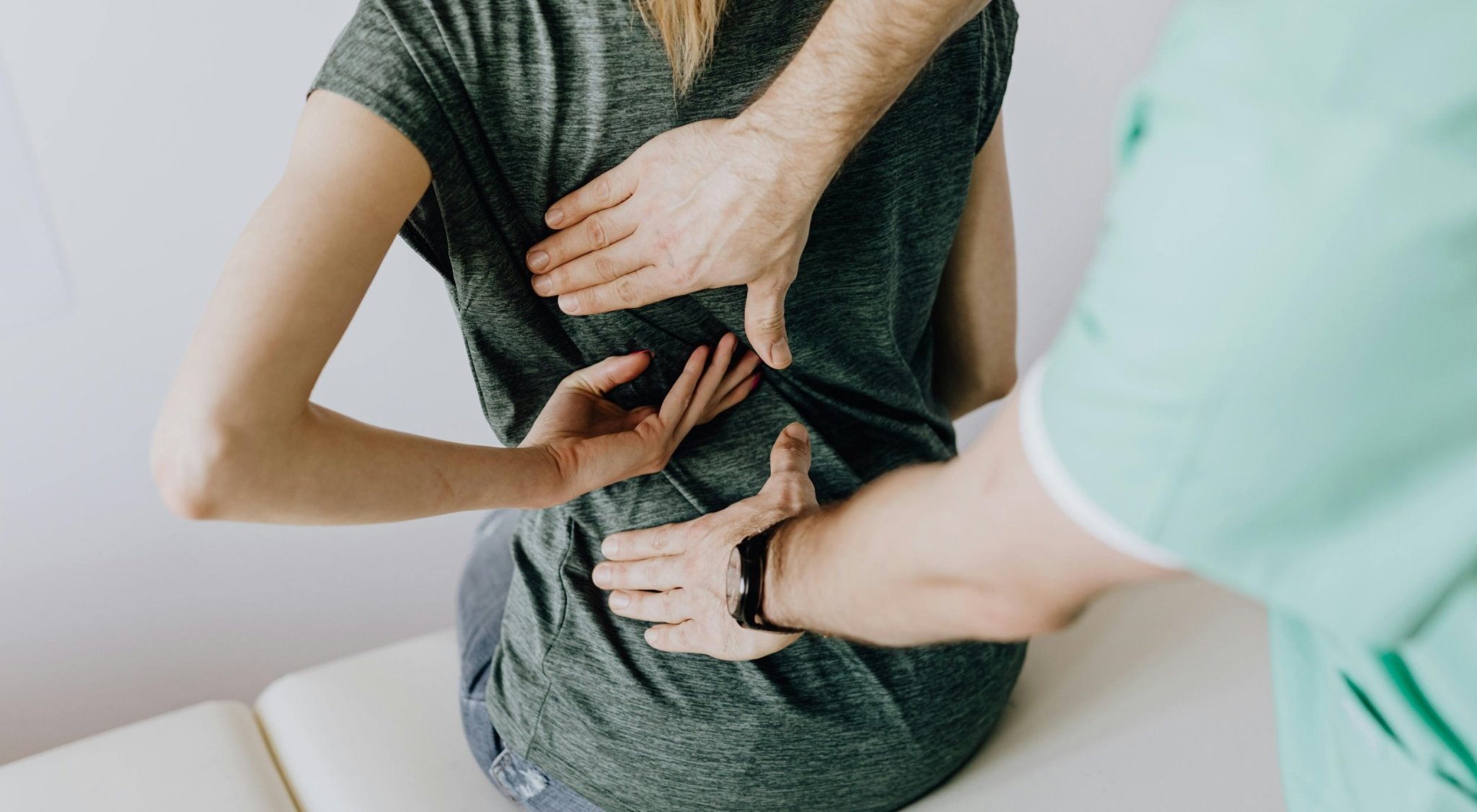

Treatment: What helps with lower back pain?
In many cases, lumbar spine syndrome can be treated without medication and usually without surgery – using exercise, targeted Training and myofascial Self-treatment.
Immediate relief for acute back pain in the lumbar region:
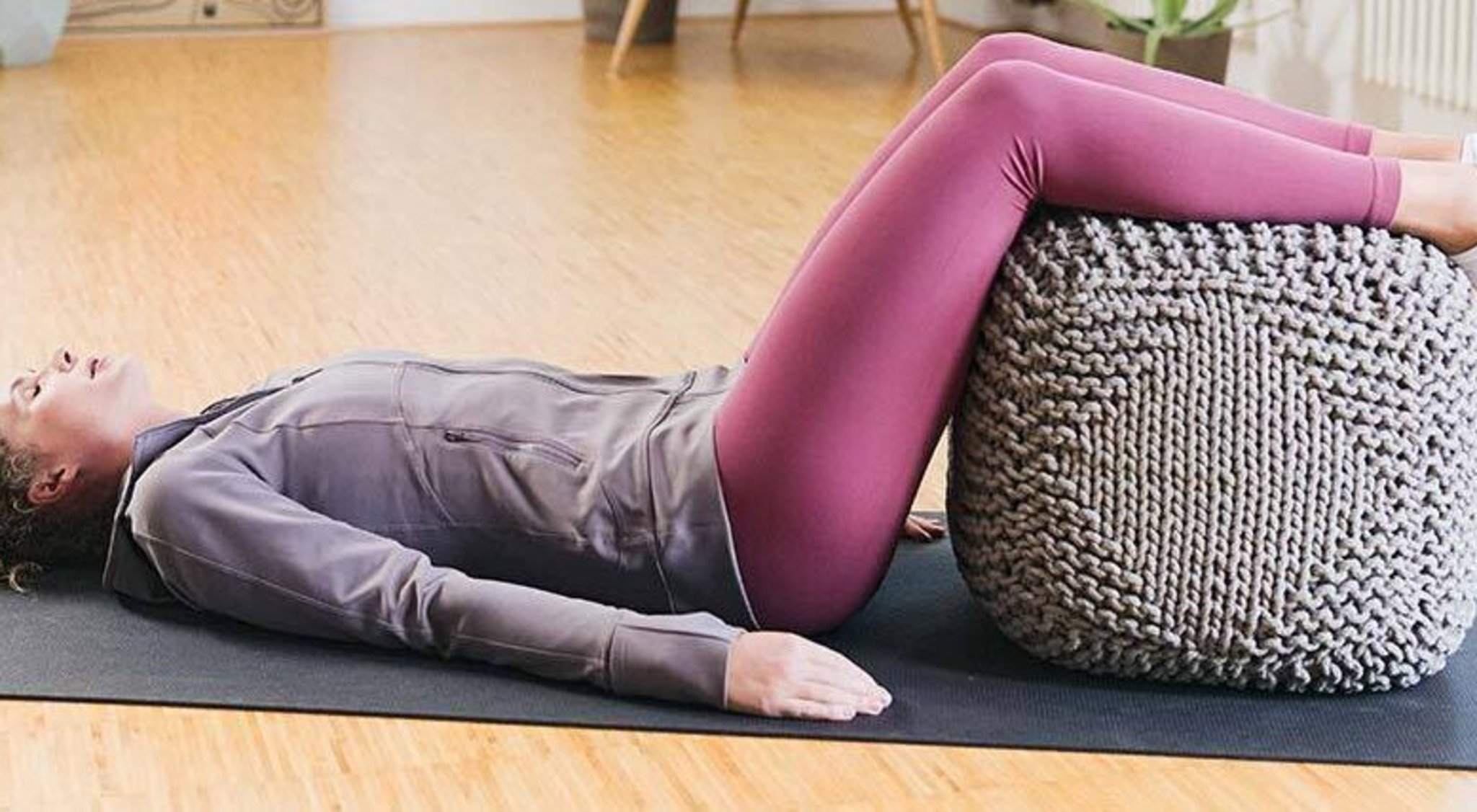
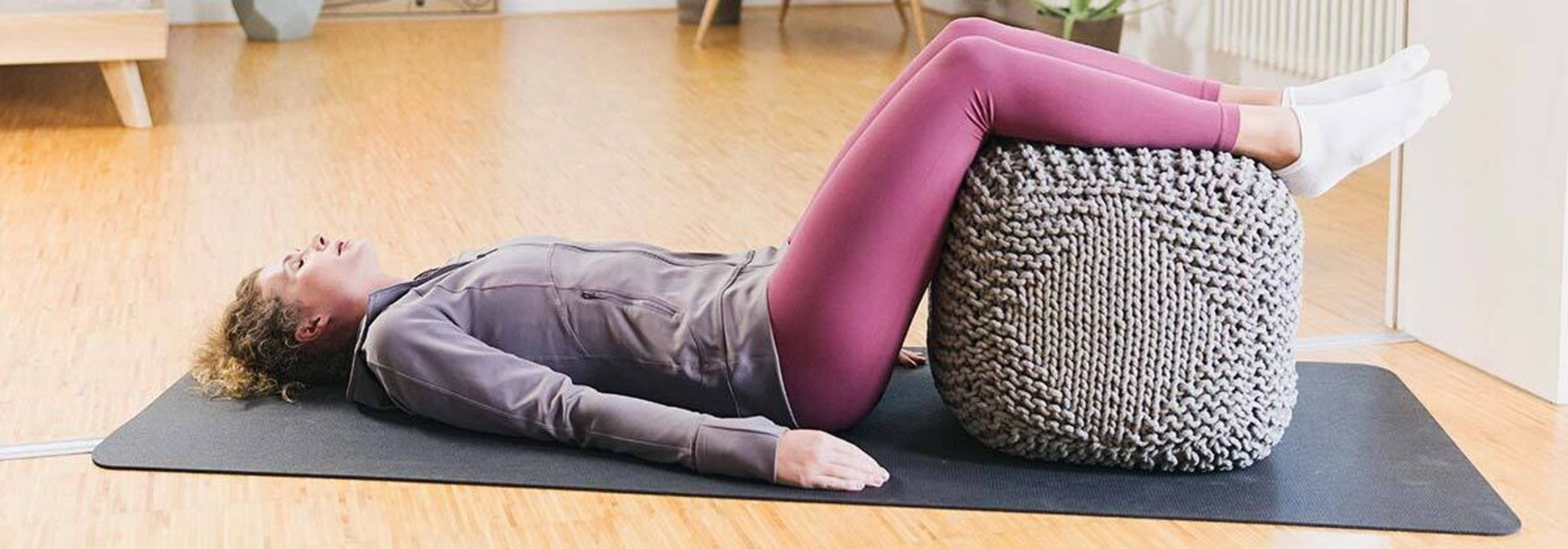
- Elevated position: Rest your lower legs on a chair, with your knees and hips at a 90-degree angle – this immediately relieves pressure on the lumbar spine.
- Heat: Heating pads or heat plasters help to promote relaxation of the muscles.
Conservative treatment:
- Myofascial self-massage: Using a foam roller or a fascia ball, you can release Adhesions and tightness in the muscle and fascial tissue. This boosts blood circulation and stimulates tissue metabolism.
- Mobilisation and strengthening exercises: Targeted lower back exercises strengthen the Core muscles, improve the mobility of the lumbar spine and reduce the risk of recurrence.
- Physiotherapy: Targeted treatment is particularly beneficial for chronic or recurrent lower back pain. It allows individual imbalances to be identified and corrected.
- Multimodal pain management: For chronic lower back pain (lasting more than 3 months), a combination of exercise therapy, behavioural therapy and patient education is recommended (National Care Guideline, 2023).
Surgery is only necessary in rare cases – for example, in the event of a severe herniated disc with symptoms of paralysis, cauda equina syndrome or severe spinal canal stenosis that does not respond to conservative treatment.
Prevention: How to protect your lower back
The best way to prevent lower back pain is to lead an active lifestyle combined with targeted core strength training. You can find detailed everyday tips on Ergonomics, Sleep positions and stress management in our Guide to lower back Tension.
The three key pillars of lumbar spine prevention:
Regular exercise: Any form of exercise counts – walking, cycling, swimming. You should aim for at least 150 minutes of moderate activity per week (WHO recommendation).
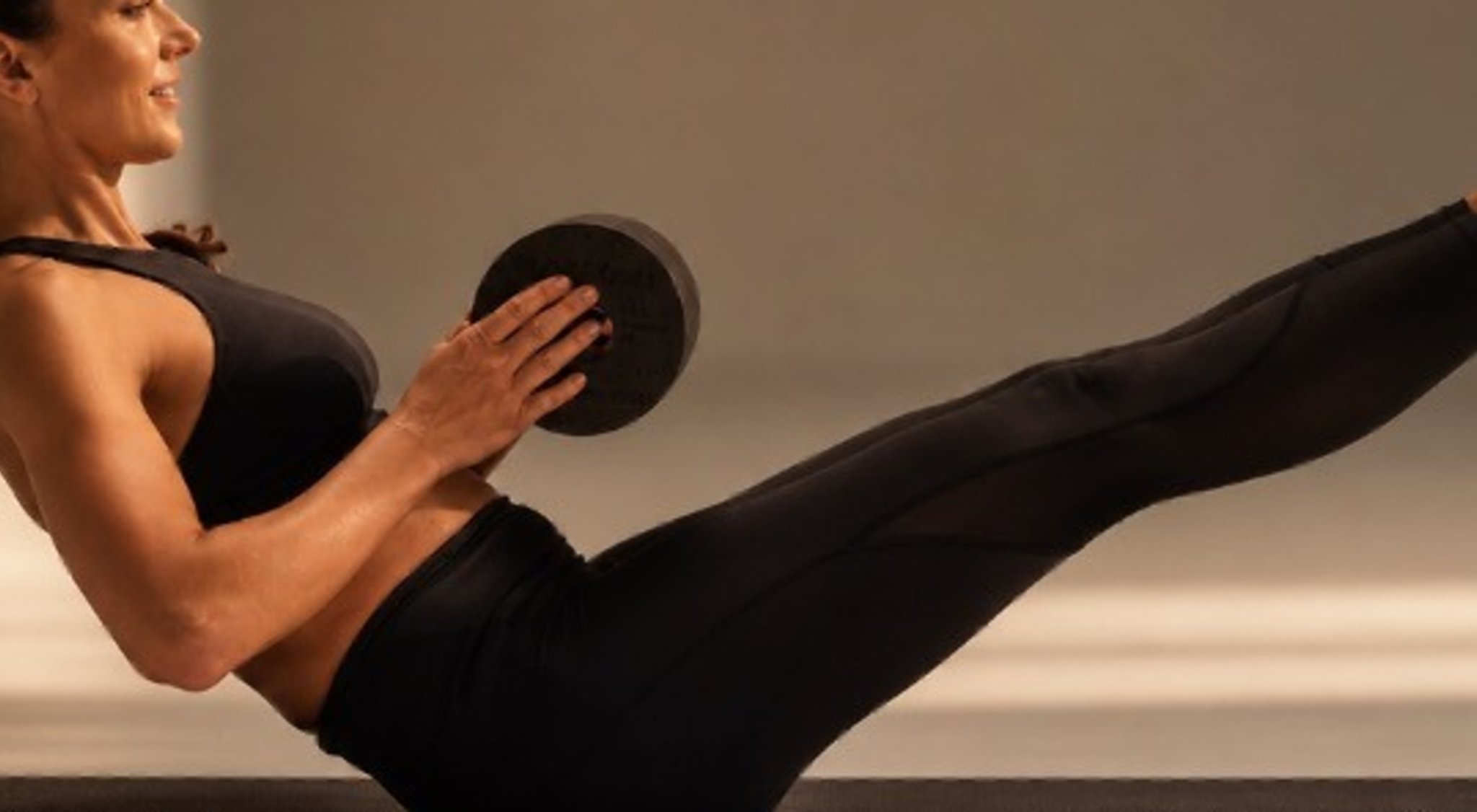
Core strength training: Strong abdominal and back muscles stabilise the lumbar spine and protect it from Overload. Try our exercises for the lower back, for example.
Regular fascia training: This helps release adhesions, improves blood flow to the tissues and keeps your muscles supple.
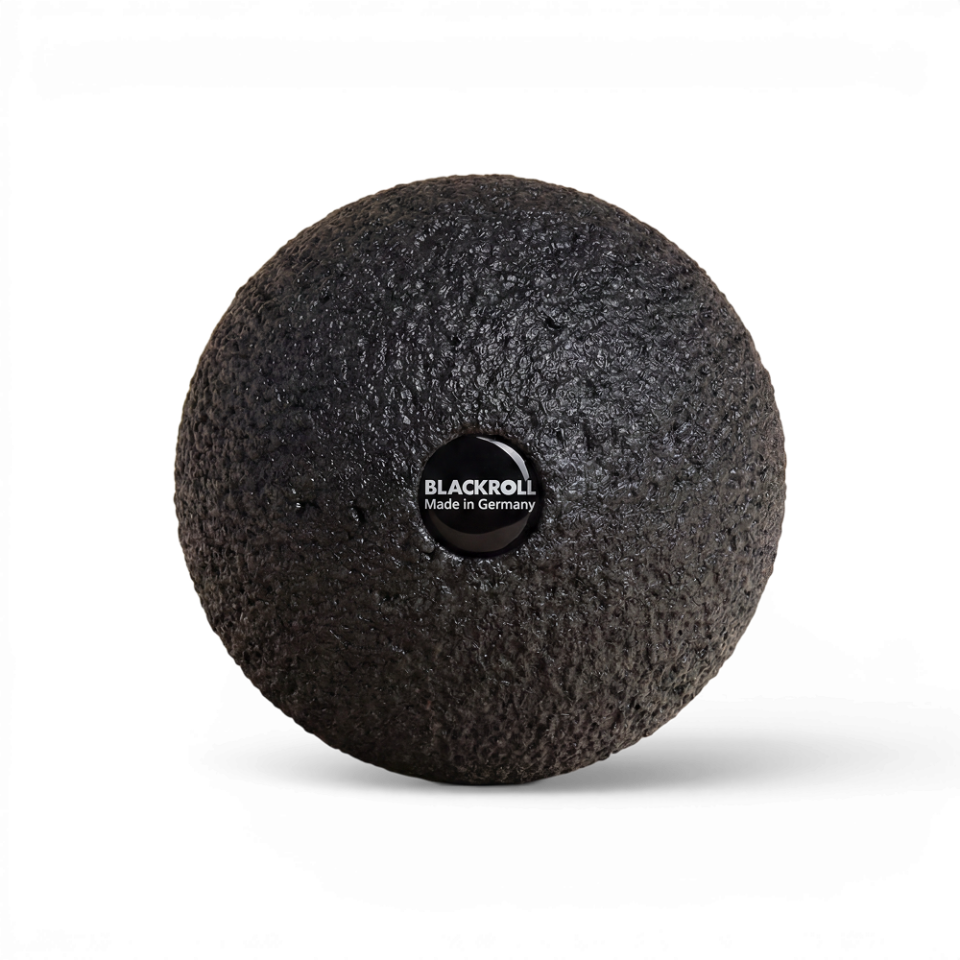
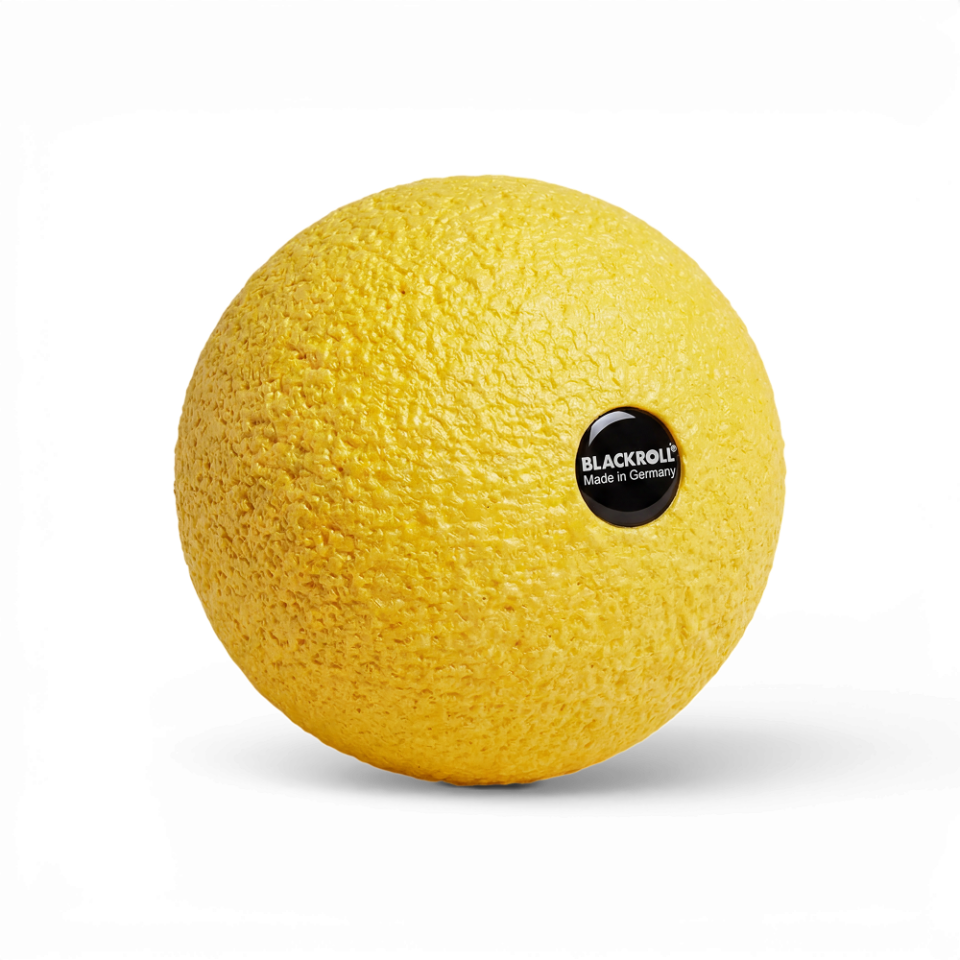
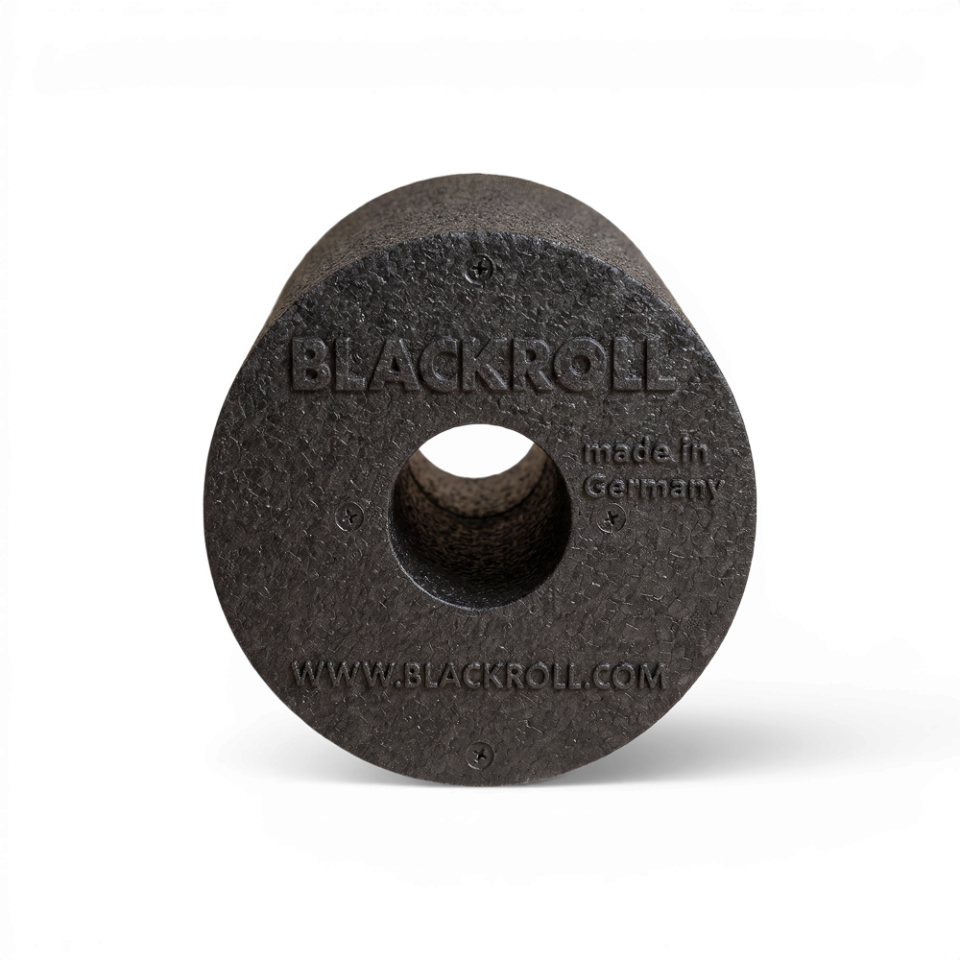
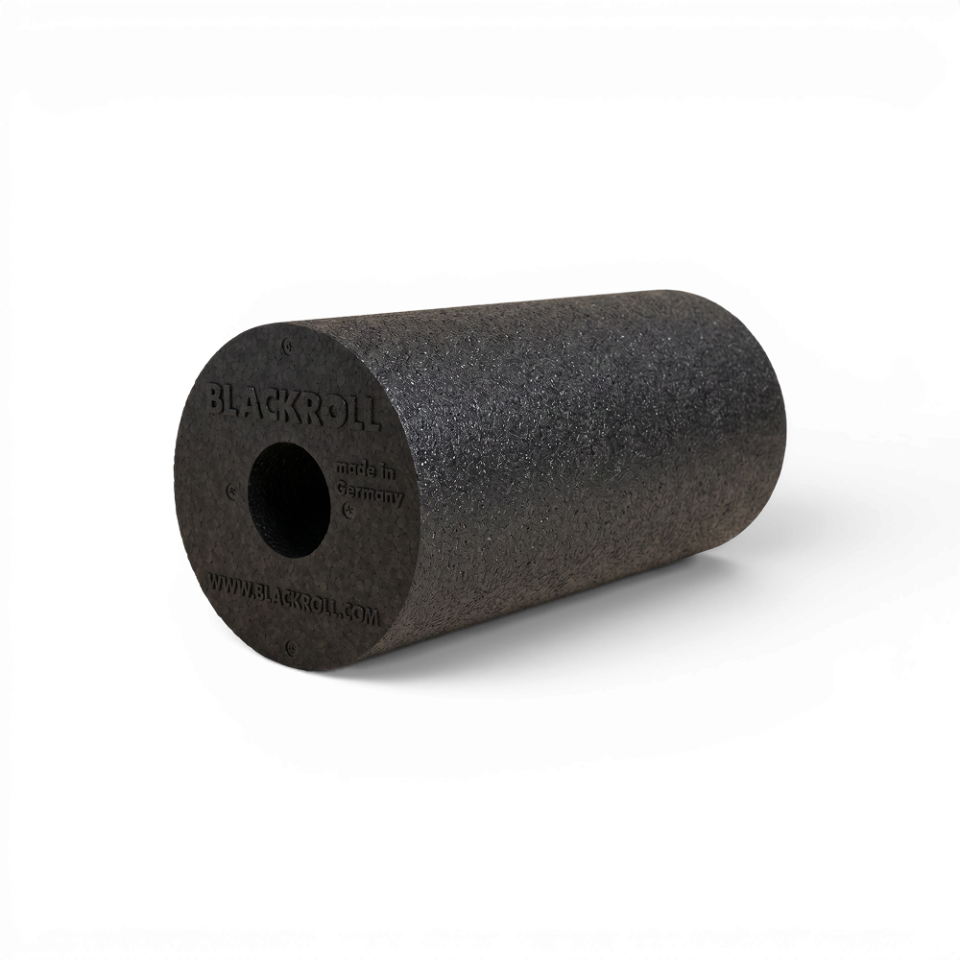
Fascia training for the lumbar spine: Just ten minutes of daily rolling with the BLACKROLL STANDARD can help relieve tension in the lower back and improve blood circulation to the tissues. Start gently and increase the pressure slowly – especially in the case of acute lower back pain, the rule is: less is more.
Ready to actively relieve pressure on your lumbar spine?
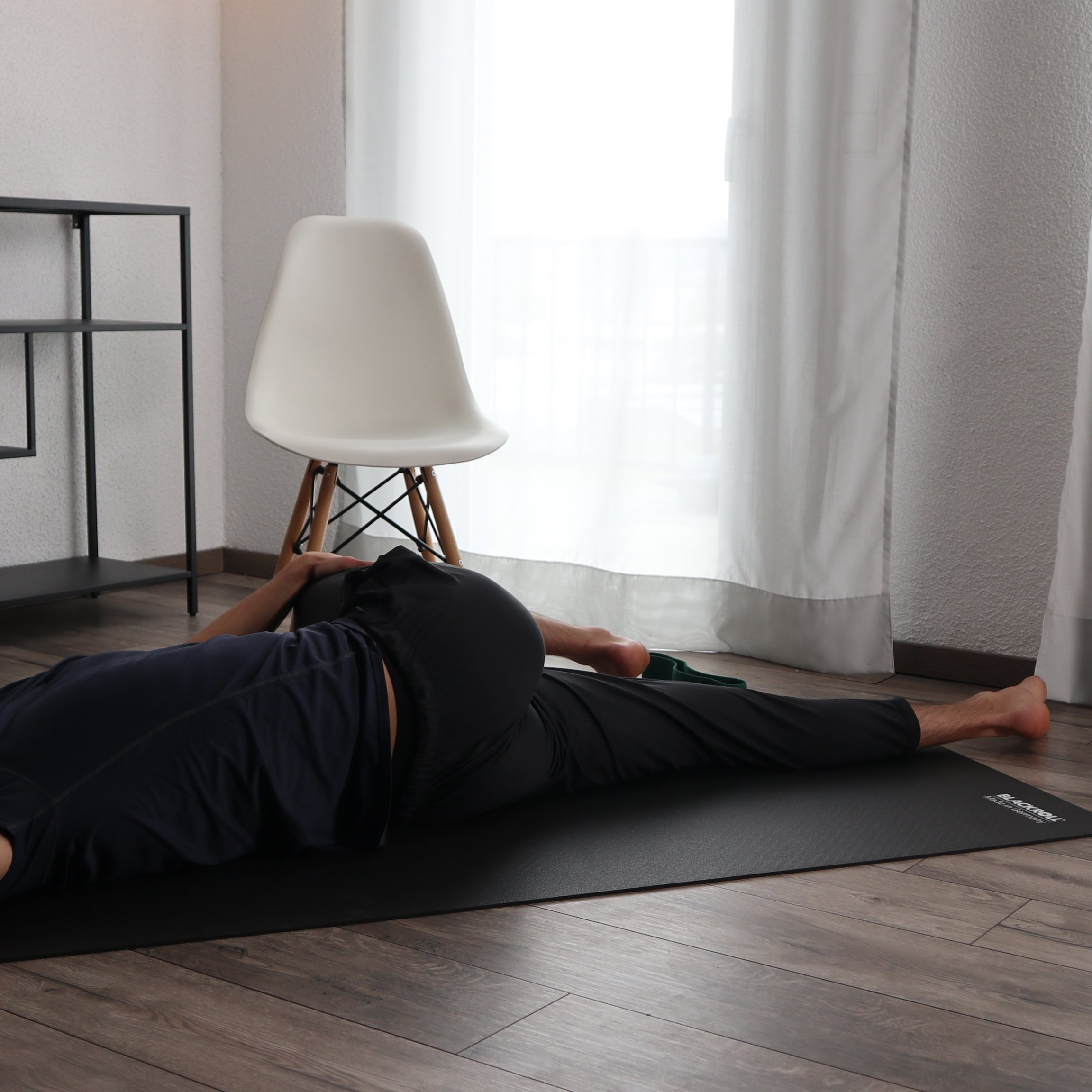
Targeted exercises are the most effective way to relieve lower back pain and prevent it in the long term. We’ve put together a step-by-step Routine – specifically for the lower back.


Frequently asked questions about lower back pain
Lumbar spine syndrome is a collective term for pain in the lumbar spine region. It encompasses both specific causes, such as a herniated disc, and – far more commonly – non-specific symptoms resulting from muscle tension, poor posture and a Lack of movement. In around 85 per cent of those affected, the exact structural cause remains unclear.
Specific lower back pain has a verifiable structural cause – such as a herniated disc, facet joint syndrome or spinal stenosis. Non-specific lower back pain (approximately 85 per cent of all cases) occurs without any discernible structural damage, usually due to muscular imbalances, poor posture and Lack of movement.
Yes. If lower back pain persists for longer than three months, it is referred to as chronic lower back syndrome. The risk increases if you take it easy and avoid exercise. Early mobilisation is the most important protective factor against the condition becoming chronic. For chronic symptoms, the guideline recommends multimodal pain management.
Acute back pain in the lumbar region usually subsides within four to six weeks. It is crucial that you keep moving: bed rest prolongs the symptoms. If the pain persists for longer than three months, this is referred to as chronic lumbar spine syndrome. In such cases, medical or physiotherapy support is particularly important.
Short-term relief can be achieved by the ‘step position’ (lower legs resting on a chair, with the knees and hips at a 90-degree angle), gently drawing both knees towards the chest, and applying heat using a heating pad or heat patch. These measures provide relaxation for the muscles and take the pressure off the lumbar spine.
Seek medical help if the pain does not improve after three weeks, if it radiates into the legs, or if it is accompanied by numbness and tingling. You must go to A&E immediately if you experience symptoms of paralysis or bladder or bowel problems.
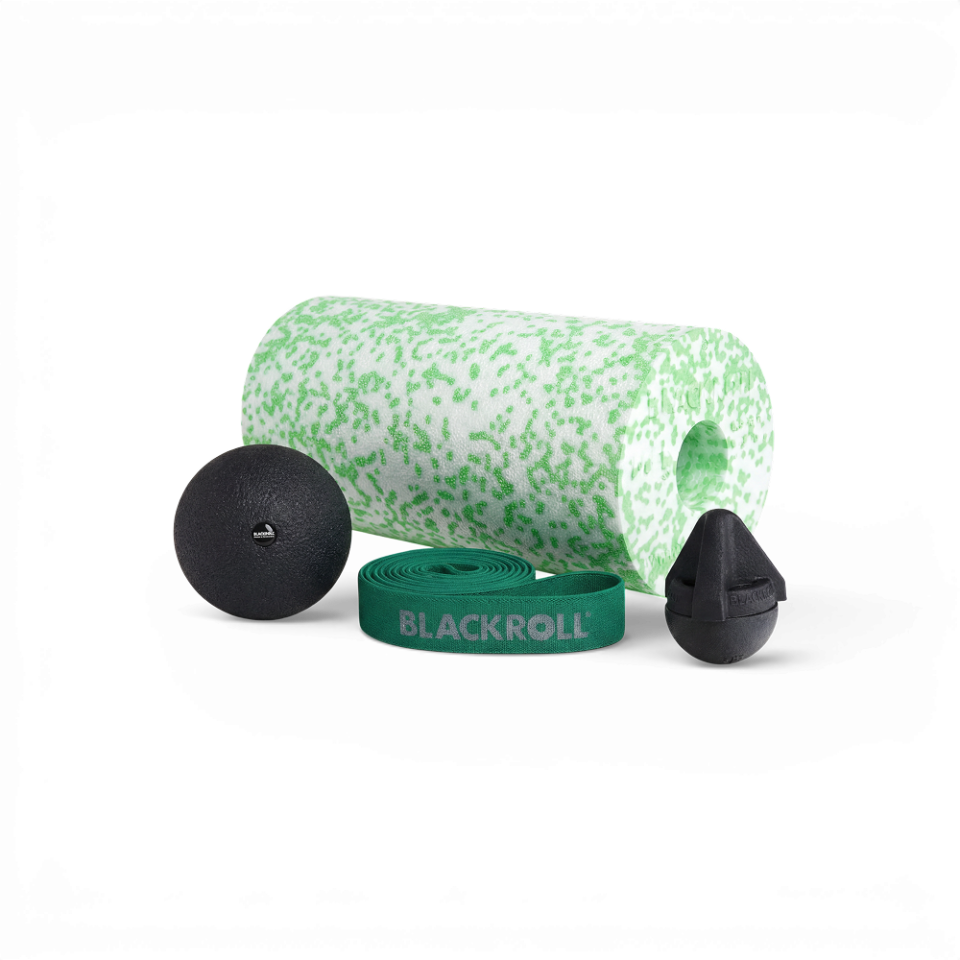
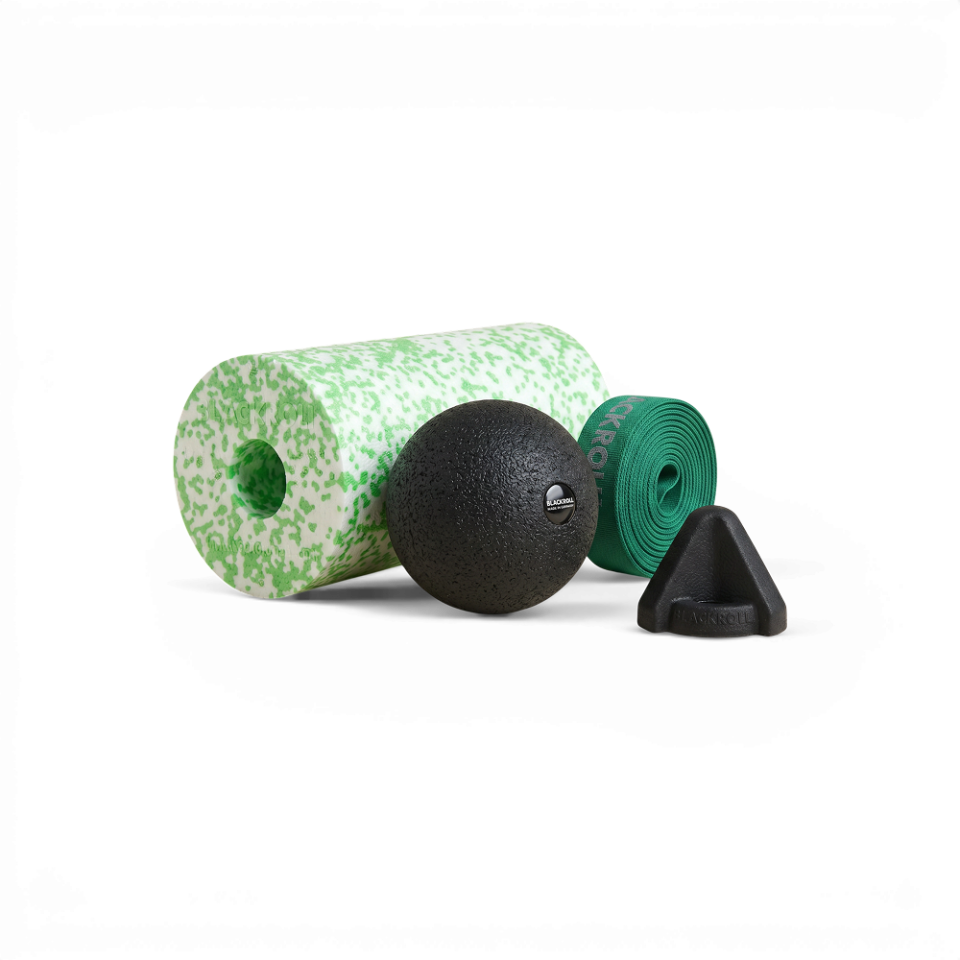
The BLACKROLL STANDARD is ideal for myofascial self-massage of the lumbar spine and gluteal muscles. The BLACKROLL BALL 08 allows for targeted pressure point treatment in hard-to-reach areas. For a structured training programme, we recommend the BACK BOX – a complete all-round package for Back pain, including online training.
Sources & Studies
Airaksinen, O., Brox, J. I., Cedraschi, C., Hildebrandt, J., Klaber-Moffett, J., Kovacs, F., Mannion, A. F., Reis, S., Staal, J. B., Ursin, H., & Zanoli, G. (2006). Chapter 4: European guidelines for the management of chronic non-specific low back pain. European Spine Journal, 15(Suppl. 2), S192–S300. https://doi.org/10.1007/s00586-006-1072-1
Brinjikji, W., Luetmer, P. H., Comstock, B., Bresnahan, B. W., Chen, L. E., Deyo, R. A., Halabi, S., Turner, J. A., Avins, A. L., James, K., Wald, J. T., Kallmes, D. F., & Jarvik, J. G. (2015). Systematic literature review of imaging features of spinal degeneration in asymptomatic populations. American Journal of Neuroradiology, 36(4), 811–816. https://doi.org/10.3174/ajnr.A4173
German Medical Association, National Association of Statutory Health Insurance Physicians, & Working Group of Scientific Medical Societies. (2017). National Care Guideline on Non-specific Low Back Pain (2nd ed.). https://www.leitlinien.de/nvl/html/kreuzschmerz
German Society for Orthopaedics and Trauma Surgery. (n.d.). DGOU prevention recommendations. Retrieved 21 August 2026, from https://dgou.de/patienten/praeventionsempfehlungen-der-dgou
Hartvigsen, J., Hancock, M. J., Kongsted, A., Louw, Q., Ferreira, M. L., Genevay, S., Hoy, D., Karppinen, J., Pransky, G., Sieper, J., Smeets, R. J., & Underwood, M. (2018). What low back pain is and why we need to pay attention. The Lancet, 391(10137), 2356–2367. https://doi.org/10.1016/S0140-6736(18)30480-X
Maher, C., Underwood, M., & Buchbinder, R. (2017). Non-specific low back pain. The Lancet, 389(10070), 736–747. https://doi.org/10.1016/S0140-6736(16)30970-9
Searle, A., Spink, M., Ho, A., & Chuter, V. (2015). Exercise interventions for the treatment of chronic low back pain: A systematic review and meta-analysis of randomised controlled trials. Clinical Rehabilitation, 29(12), 1155–1167. https://doi.org/10.1177/0269215515570379