
Muscle Tension: Causes, Symptoms & Tips

Does this sound familiar? Your neck feels stiff, your shoulders are as hard as a rock, and as soon as you stand up, you feel that unpleasant pressure in your back. For many of us, muscle tension has long since become a daily reality—whether from sitting for hours at the office, intense physical activity, or constant stress. We often ignore these signals from our bodies for far too long—until muscle stiffness sets in or the discomfort even becomes chronic.
In this article, we’ll show you how to relieve tension, interpret symptoms correctly, and even alleviate chronic muscle tension in the long term. You’ll get helpful tips, targeted exercises, and simple steps—so you can feel freer, more relaxed, and more comfortable in your body again.


What is muscle tension?
Muscle tension is one of the most common musculoskeletal complaints—and almost everyone has experienced it at some point. But what exactly happens in your body when this occurs?
From a medical perspective, muscle tension is an unconscious, sustained contraction of individual muscle fibers or entire muscle groups. Normally, contraction and relaxation alternate with every movement—but when tension occurs, this natural rhythm is disrupted. The muscles remain constantly active, which can lead to reduced blood flow, impaired metabolism, and ultimately pain.
Important to know: Muscle tension is not the same as muscle stiffness. Even though they feel similar, there are clear differences.
Tension describes a functional disorder—the muscles are overactive but still flexible. You can usually manage this type of discomfort well with movement, heat, conscious relaxation, or self-massage.
Muscle hardening (also known medically as myogelosis) goes a step further. It develops when tension persists over a longer period of time. Connective tissue accumulates around the affected area, forming a palpable hard knot in the muscle—often significantly more painful and persistent.
In short: Tension is usually the preliminary stage, while muscle hardening is the result of prolonged overexertion. But with the right knowledge and targeted techniques, you can actively counteract both—and that’s exactly what I’ll show you in this post.
For More Relaxation


Common causes of muscle tension
Muscle tension doesn’t just happen—it’s usually the result of your daily habits, emotional stress, or physical overexertion. If you know the most common triggers, you can take targeted steps to counteract them.
Poor Posture in Everyday Life
Much muscle tension is caused by one-sided postures while sitting or standing—often for hours at a time and usually without you even noticing.
Common triggers:
- Working on a laptop or PC with a hunched back
- Frequently looking down at your smartphone (“text neck”)
- Uncomfortable sleeping positions or sagging mattresses
- Slouching on the sofa in the same position all the time
- Lack of breaks for movement during the workday
These postures cause certain muscle groups—especially in the neck, back, and hips—to remain constantly active without getting any relief. Over time, your body reacts with painful tension.
Stress and emotional strain
Mental tension also has a direct effect on your muscles. The body puts itself into a constant state of alert.
Typical reactions to stress:
- Tensing of the neck, shoulders, and jaw (e.g., clenching your teeth)
- Shallow breathing, which strains the chest and neck muscles
- Unconscious body tension caused by inner restlessness
If this state becomes a habit, it can lead to chronic muscle tension—even if you hardly move at all.
Overuse from sports or physical labor
Too much exercise or physical exertion without recovery also leads to tension.
Typical causes:
- Failure to warm up or cool down during exercise
- Repetitive movement patterns at work (e.g., lifting, carrying)
- Repeated micro-injuries in muscle tissue (repetitive strain injuries)
- Increasing training intensity too quickly without focusing on technique
Your muscles need time to recover—if they don’t get it, tension can build up over time and turn into painful knots.
Everything about fascia





Recognizing Symptoms of Muscle Stiffness
Does your neck feel as stiff as concrete, or does your back hurt with every movement? Then there might be more to it than just simple muscle tension—namely, muscle stiffness. But how can you tell if it’s really that bad?
Pain During Movement or When Pressure Is Applied
A clear sign of muscle stiffness is a dull to sharp pain that intensifies with movement. Do you feel an unpleasant pulling sensation or a sudden sharp pain when you raise your arm, turn your head, or lean forward? If so, that’s a clear warning sign. Even with light pressure on the affected area—such as with your fingers or a foam roller—the muscles often react very sensitively.
Typically, the pain is deep within the tissue and feels as if the muscle is “hardened” or knotted.
Limited Mobility
Tight muscles lose their natural elasticity. You’ll notice this very clearly: movements become more difficult, and you feel stiff, inflexible, or even blocked. Perhaps you can only turn your head to the side with pain, or your shoulders feel as if they’re weighed down by lead weights. Your range of motion is noticeably restricted—often without any apparent injury.
Referred Pain
What many people don’t know: Muscle stiffness doesn’t just affect the local area—it can cause pain to radiate to completely different parts of the body.
Common examples:
Tension headaches when the neck is affected
Sciatica-like pain when the gluteal muscles are tight
Tingling or numbness when muscles press on nerve pathways
If you’re experiencing these symptoms, it’s high time to take action and address them specifically—so your body can regain its balance.


Relieving Tension: Immediate Relief and Long-Term Strategies
Want to finally get rid of your muscle tension—preferably right away and for good? Good news: There are simple methods you can use to provide targeted relief for your muscles. It all comes down to the right combination of immediate relief for acute cases and long-term habits. This is how you bring your body back into balance—and specifically prevent new symptoms from arising.
1. Heat, Exercise, & Massage—First Aid for Tense Muscles
If you’re currently suffering from acute muscle tension, a simple remedy often helps: heat. It promotes blood circulation, relaxes the muscles, and relieves pain.
Here’s how to use heat effectively:
- Place a hot water bottle or cherry pit pillow on the affected area
- Heat patches or ointments
- A warm bath or a hot shower
Light exercise is also important—ideally in the form of gentle mobility exercises or a walk. Traditional massages or self-massage with your hands can also relieve tension and stimulate lymphatic flow.
2. Foam Rollers & Self-Massage Tools – Effective and Easy to Use at Home
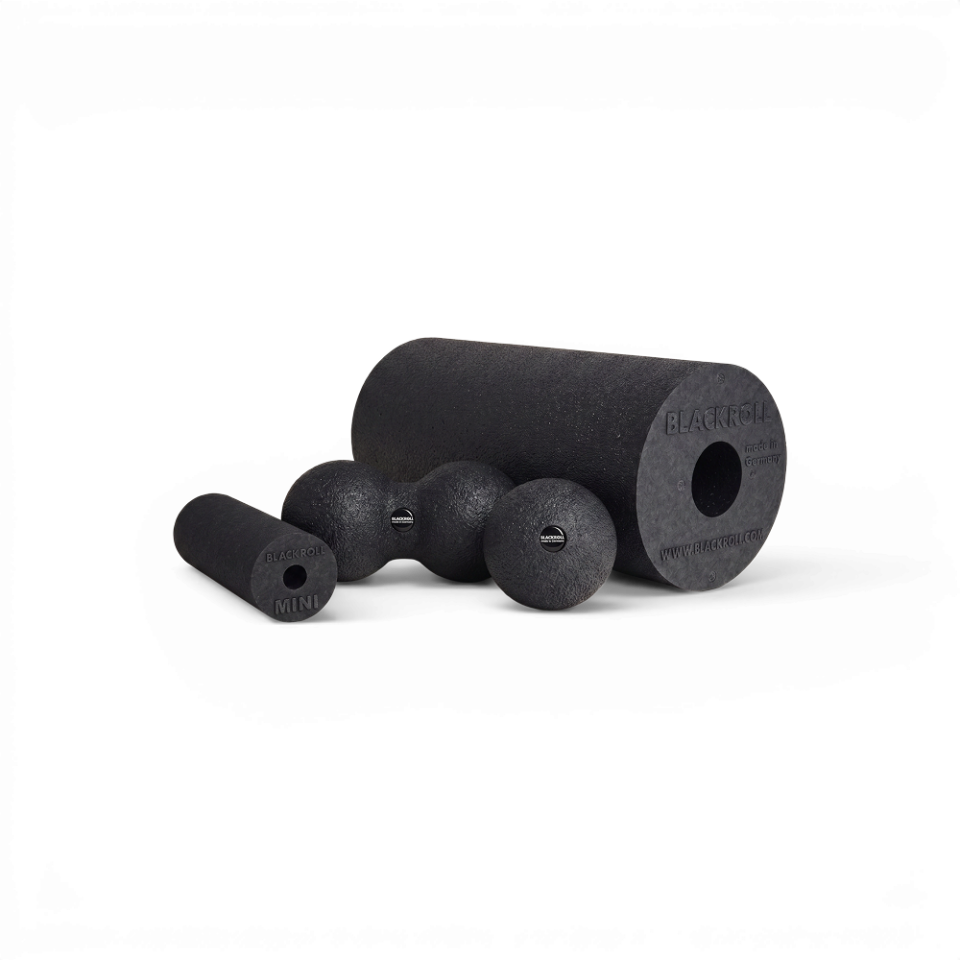
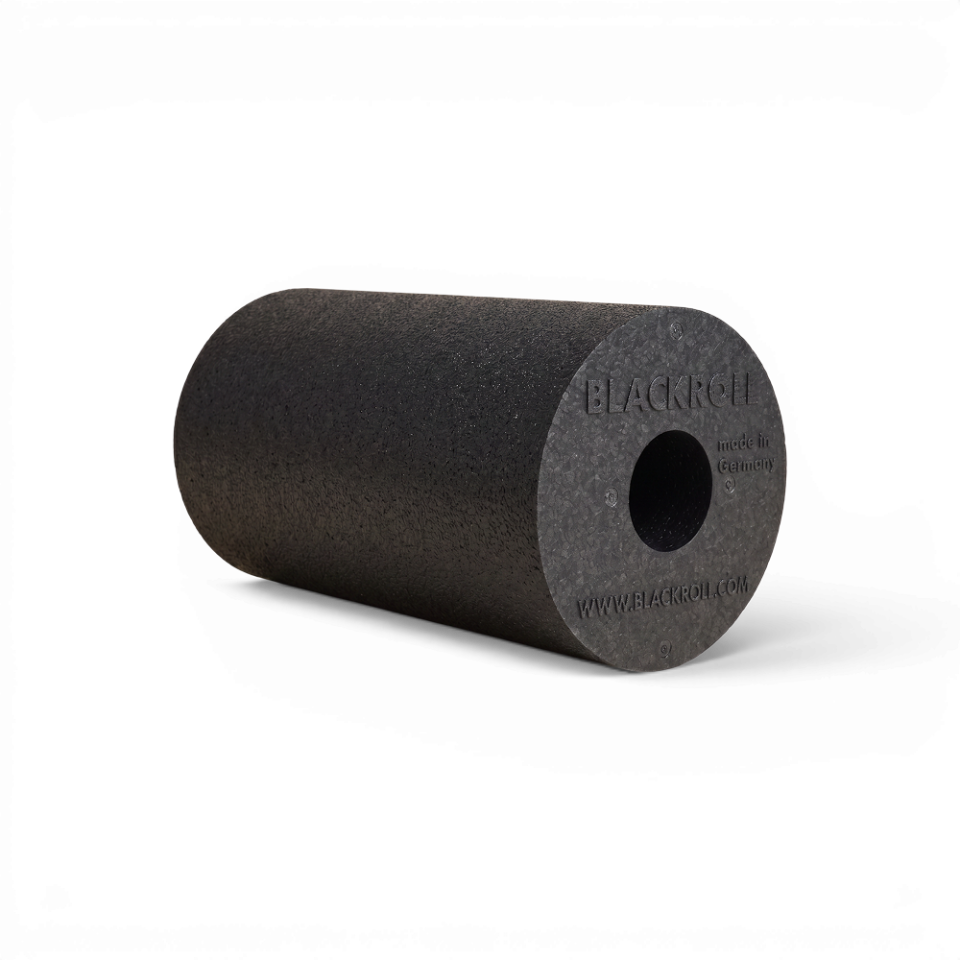
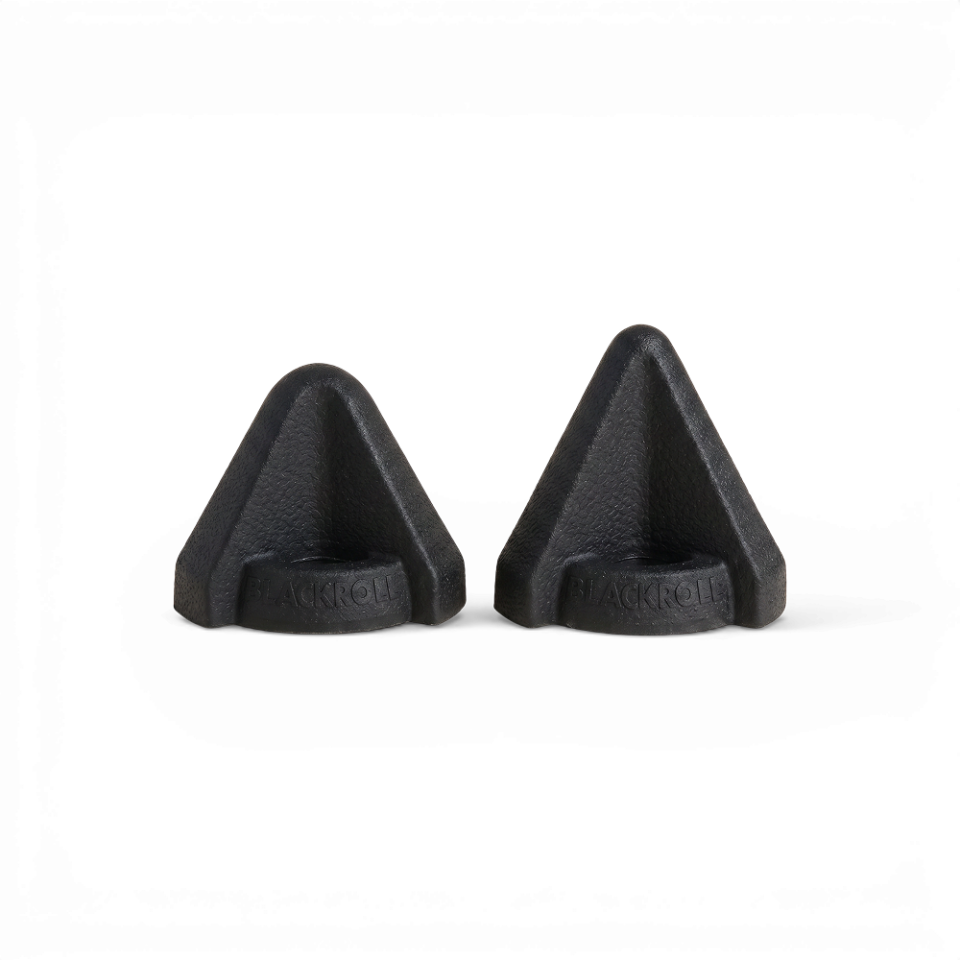
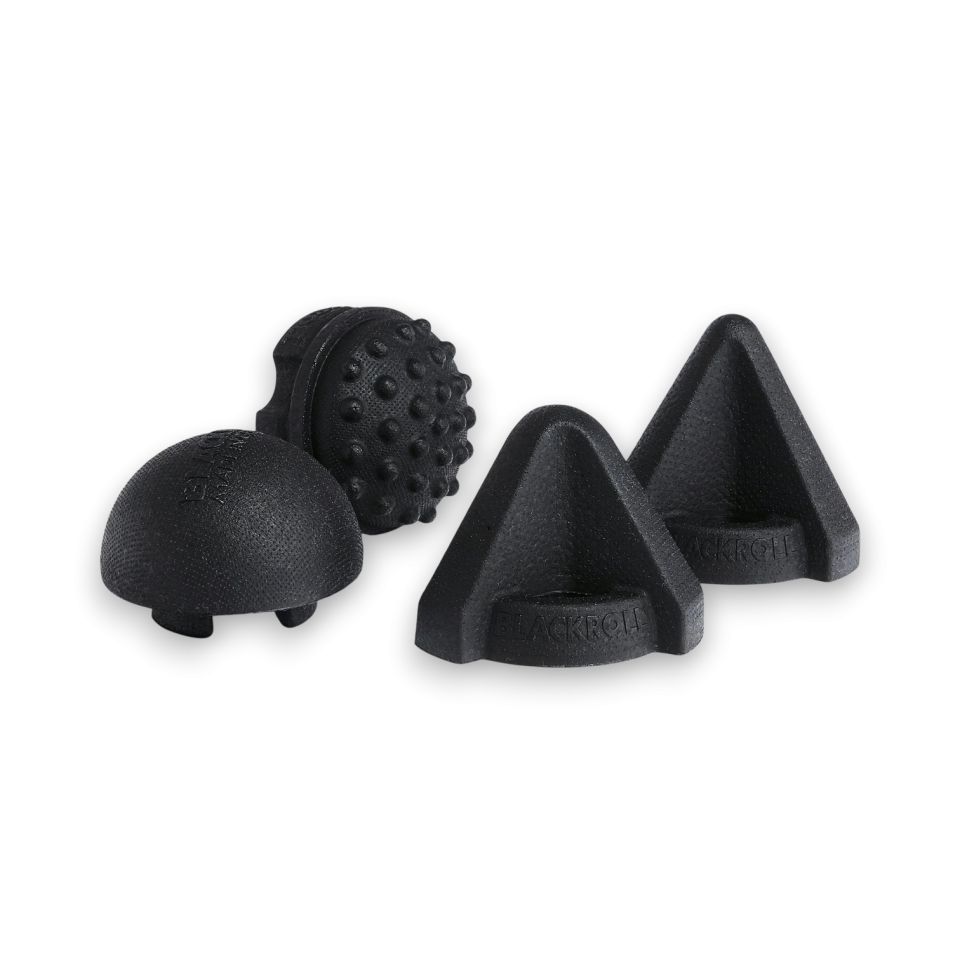
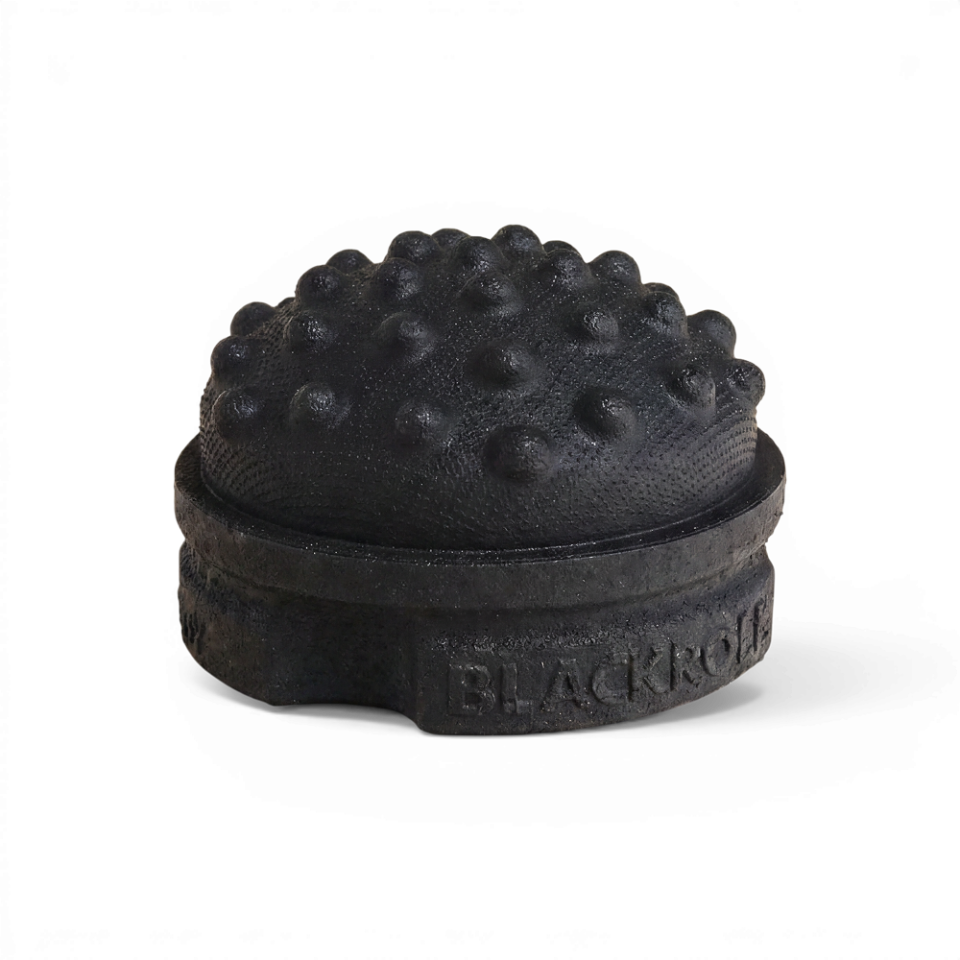
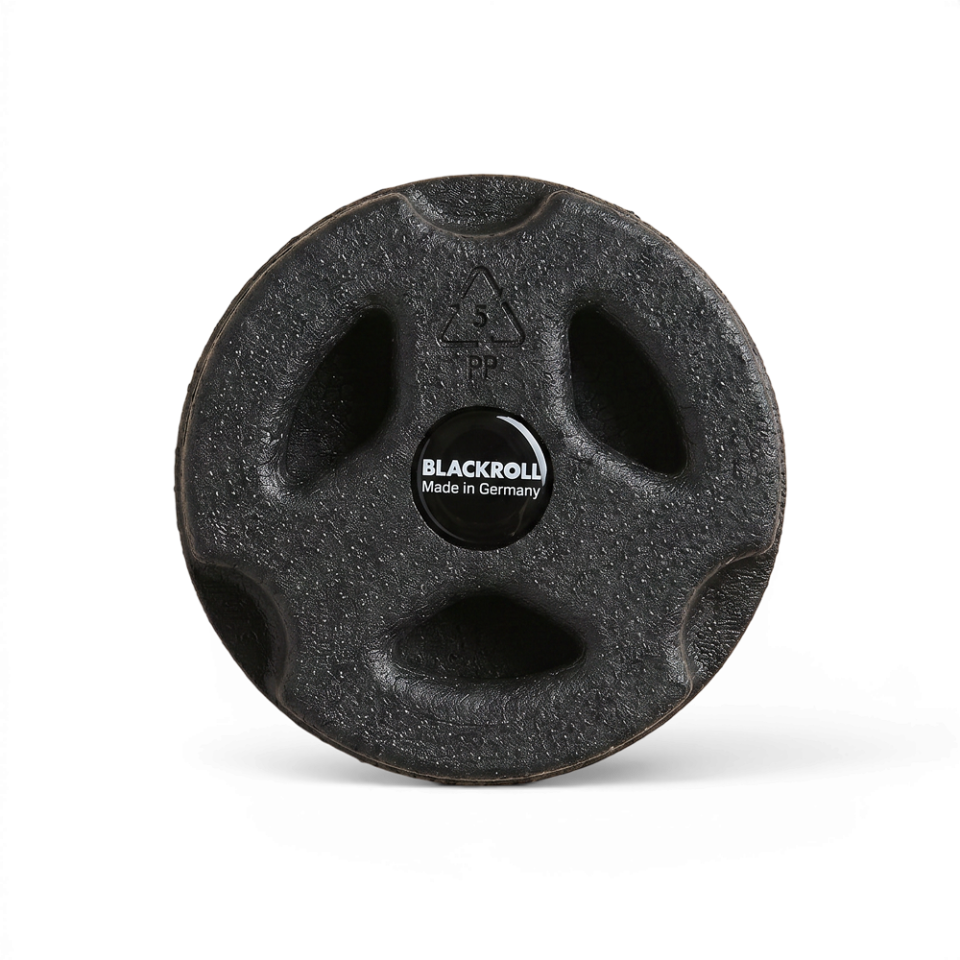
Fascia rollers, massage balls, or tools like trigger point sticks help you target tense muscle areas—exactly where you need relief.
Here’s how to use fascia tools:
- Slowly roll over the affected muscles
- Hold the roller on painful spots (trigger points)
- Combine with breathing exercises for even deeper relaxation
Important: Always work slowly and mindfully—don’t just “roll over” the area frantically, but apply targeted pressure in combination with conscious breathing.
3. Breathing Exercises & Stress Reduction – Relaxation Starts in the Mind
Tension often arises not only from physical strain but also from mental pressure. That’s why stress management is an indispensable component for living—and feeling—more relaxed in the long term.
Practical exercises for greater relaxation:
- Deep abdominal breathing: Why not try the 4-7-8 breathing technique?
- Meditation or mindfulness exercises in everyday life
- Conscious breaks, digital time-outs, walks in nature
Tip: It’s the combination that makes the difference! Warmth, movement, and mental relaxation—if you incorporate these regularly into your daily routine, you’re on the right track. Let go of tension and embrace a sense of ease.
Breathing and Mindfulness Exercises

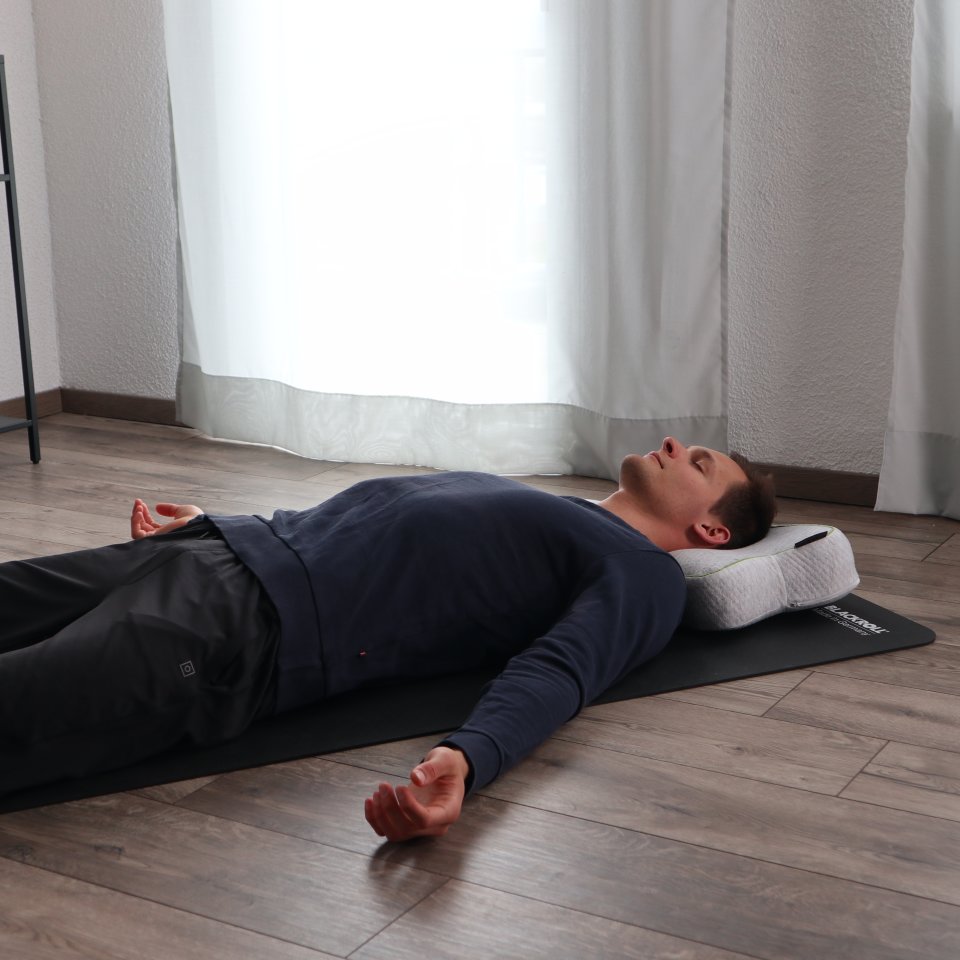



Relieving Muscle Tension: Practical Exercises for Everyday Life
If you suffer from muscle stiffness, your body needs specific stimulation to relax. Simply waiting it out won’t help—but with the right exercises, you can effectively help your body relieve stiffness and alleviate pain. The key is consistency and mindfulness. Often, just a few minutes a day are enough to achieve noticeable changes.
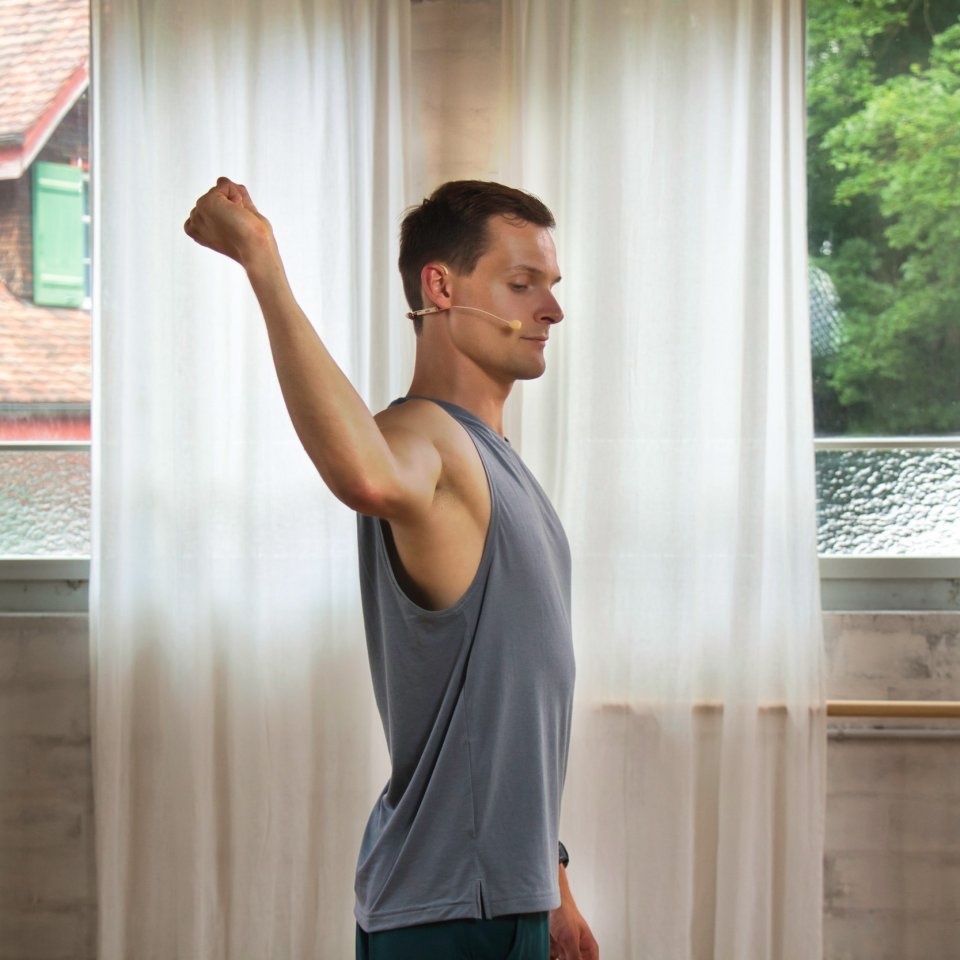
Stretching Exercises for the Neck, Shoulders, and Back
Targeted stretching restores length and flexibility to the muscles. The neck, shoulders, and back are particularly prone to tension—a daily mini-routine is well worth your time here.
Tools such as resistance bands, mobility sticks, or small balls can help you perform movements more precisely and restore suppleness to stiffened structures.
Tip: Focus on fluid, controlled movements—no rushing. Mobilization exercises are particularly effective when combined with mindful breathing to further reduce muscle tone.
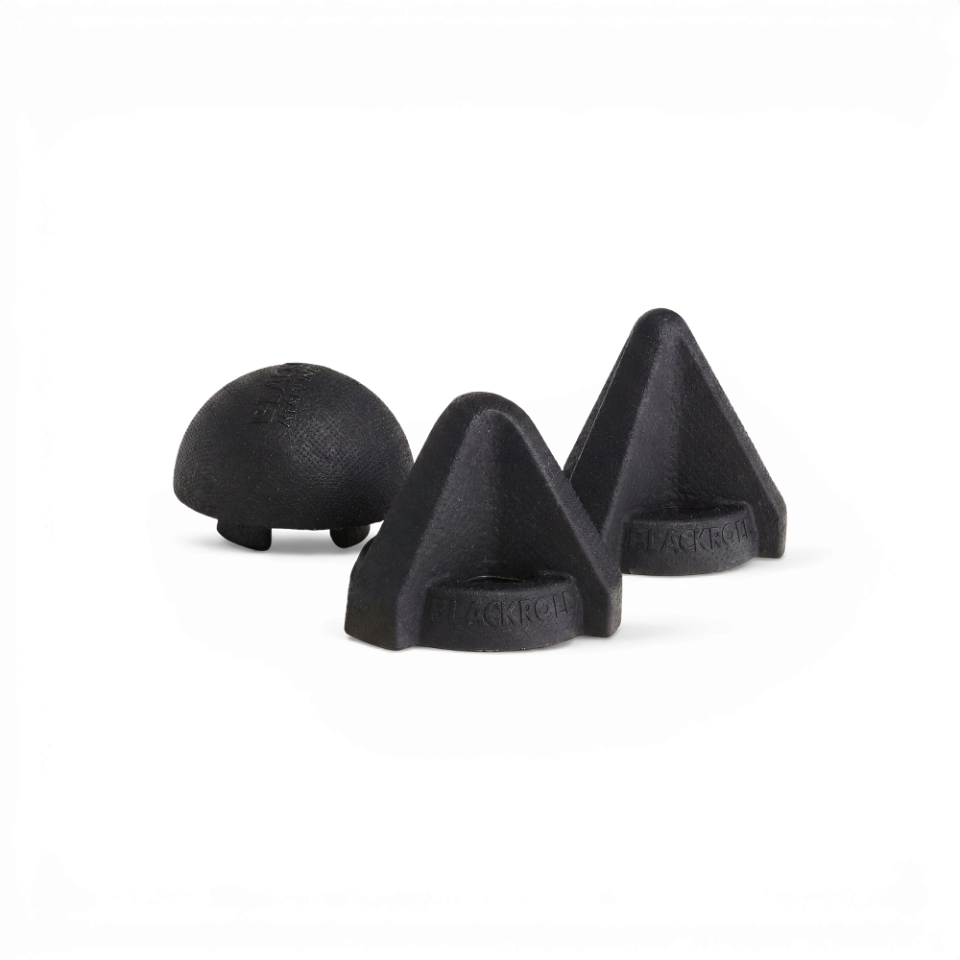
The BALL 08 or 12 are ideal for specifically targeting localized muscle stiffness. They often work wonders, especially for deep-seated tension in the glutes, between the shoulder blades, or in the chest muscles.
Trigger point techniques are particularly effective when you feel that a specific point is triggering or intensifying the pain. It’s important to apply pressure in moderation—don’t clench, but breathe and let go.
Relieving Muscle Tension



Relieving Chronic Muscle Tension: When Nothing Else Works
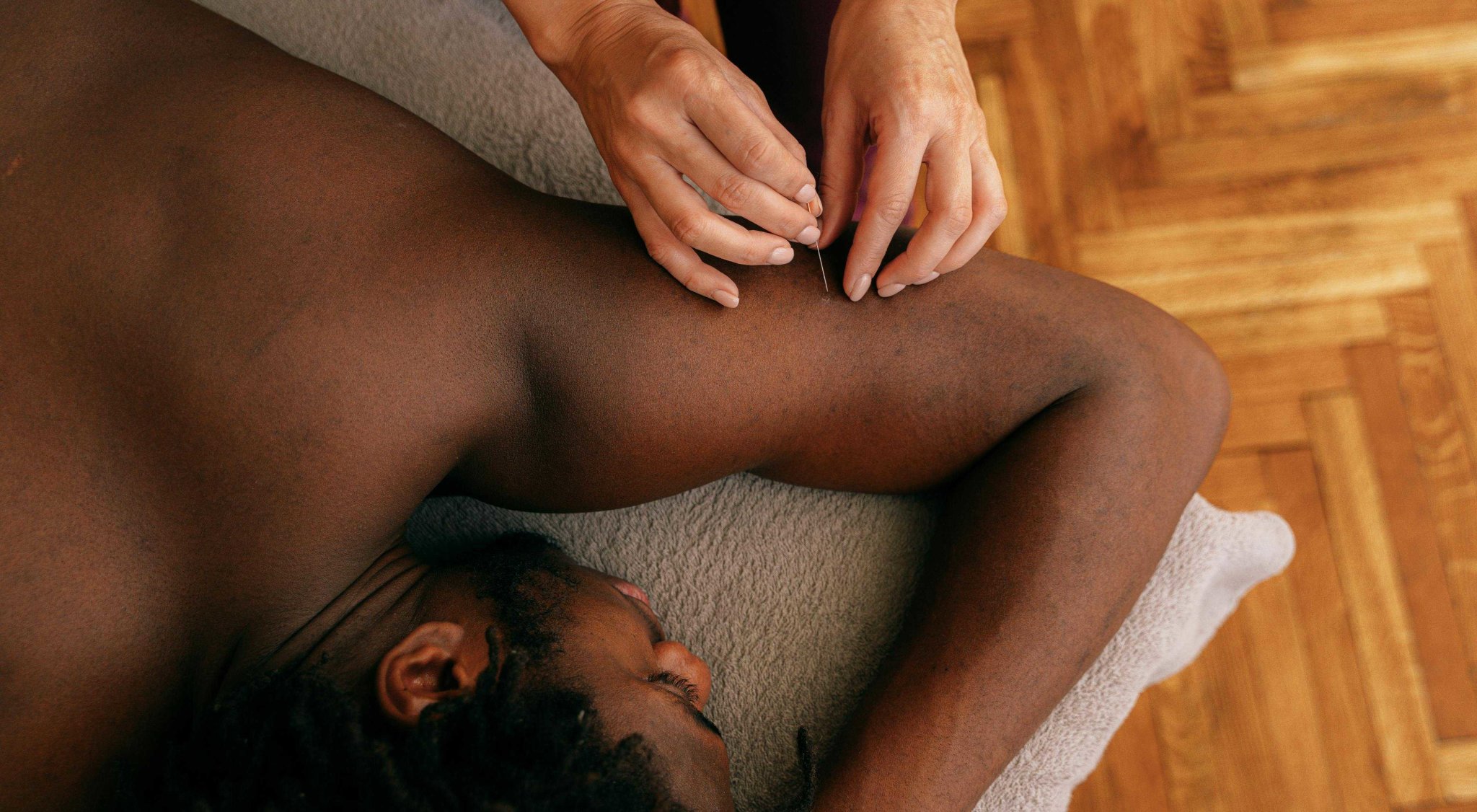
Sometimes heat, exercise, or self-massage alone just aren’t enough anymore. If your tension persists for weeks or even months and keeps coming back, it’s considered chronic muscle tension. In this case, it’s worth looking deeper—and considering professional help.
Causes of Chronic Tension
Chronic tension often results from a combination of various factors:
- Persistent poor posture, such as at the office or while sleeping
- Psychological stressors such as anxiety, fear, or unresolved emotional issues
- Untreated acute tension that “sets in” over time
- Repetitive strain in the workplace or daily life, e.g., in an office, in manual labor, or in competitive sports
If the muscles are unable to relax for a long period of time, this can lead to a vicious cycle of pain—the body becomes chronically tense.
Myofascial Pain Syndrome: When Muscles Become Pain Points
A common but often overlooked trigger for chronic pain is myofascial pain syndrome (MPS). This involves so-called “trigger points” in the muscles—localized areas of stiffness that radiate pain and are often mistaken for other symptoms.
Typical example:
- A pain point in the buttocks causes sciatica-like symptoms
- A knot in the shoulder muscles triggers tension headaches
- Tenderness in seemingly harmless areas
These trigger points are not dangerous, but they are extremely persistent—and without targeted treatment, they usually do not go away on their own.
Releasing fascia


When You Should Seek Professional Help
If your symptoms persist for a long time or get worse, it makes perfect sense to seek professional help. This isn’t a sign of weakness—it’s an important step toward recovery.
Here are your options:
- Physical therapy: Targeted mobilization, manual therapy, active exercises
- Osteopathy: A holistic approach to relieving tension in the body
- Pain management: A combination of medical diagnostics and targeted pain treatment
Many therapists now also use fascia and trigger point techniques to identify and release myofascial issues.
Important for you: Give your body time. Chronic tension often develops over months—but with patience, targeted treatment, and regular self-care, you can provide lasting relief and manage it in the long term.
Trigger Sets
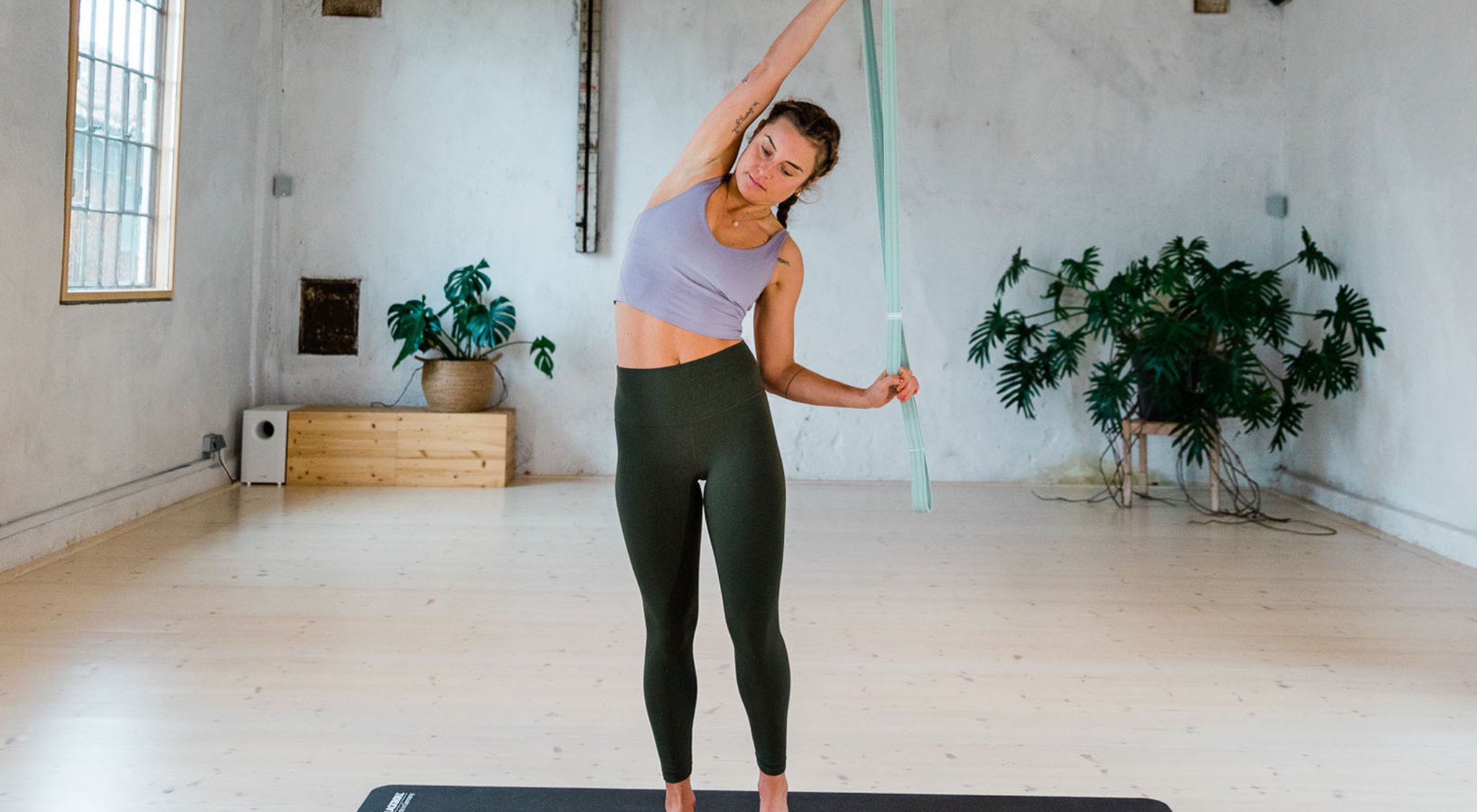
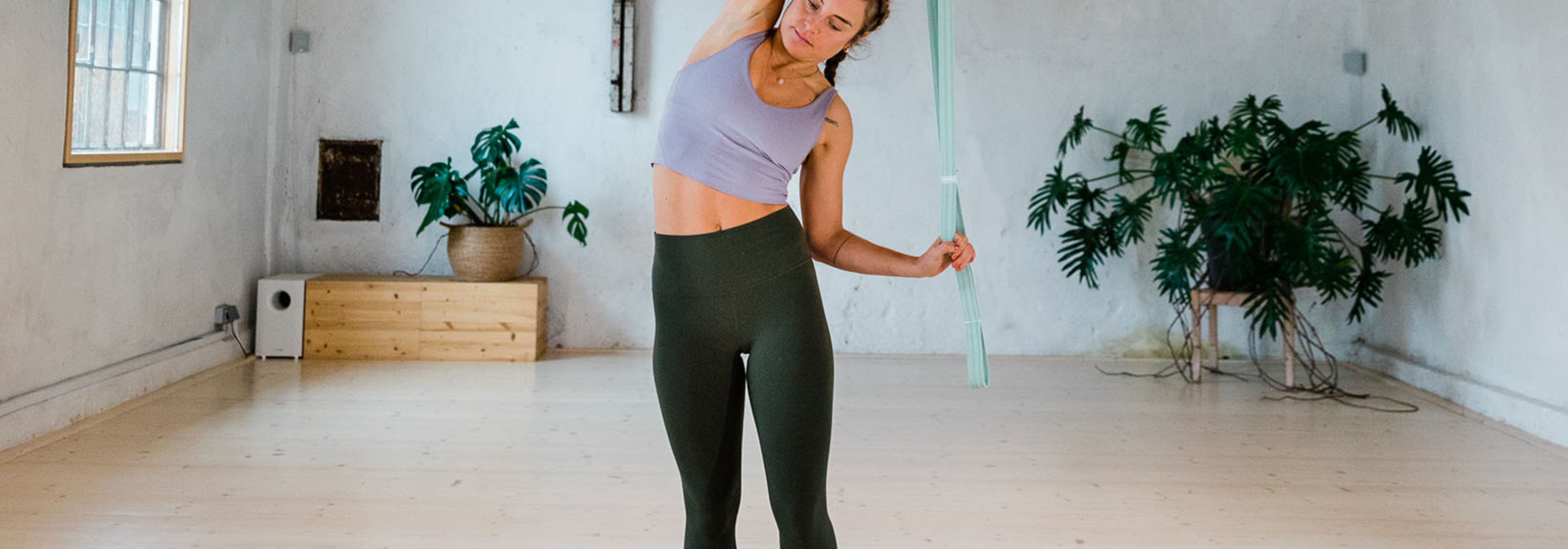
Relieving Tension in the Flanks: Focus on the Lateral Core Muscles
The flanks—that is, the lateral areas of your torso—are often overlooked in everyday life, but they’re particularly prone to tension. Why? Because many everyday movements involve moving forward or backward, but hardly ever to the side. In addition, prolonged sitting, shallow breathing, and a lack of rotation cause the lateral abdominal and back muscles to literally “fall asleep” and stiffen. This manifests as a pulling sensation or a dull pressure along the ribs or around the waist.
To release this tension, targeted mobilization exercises such as the following can help:
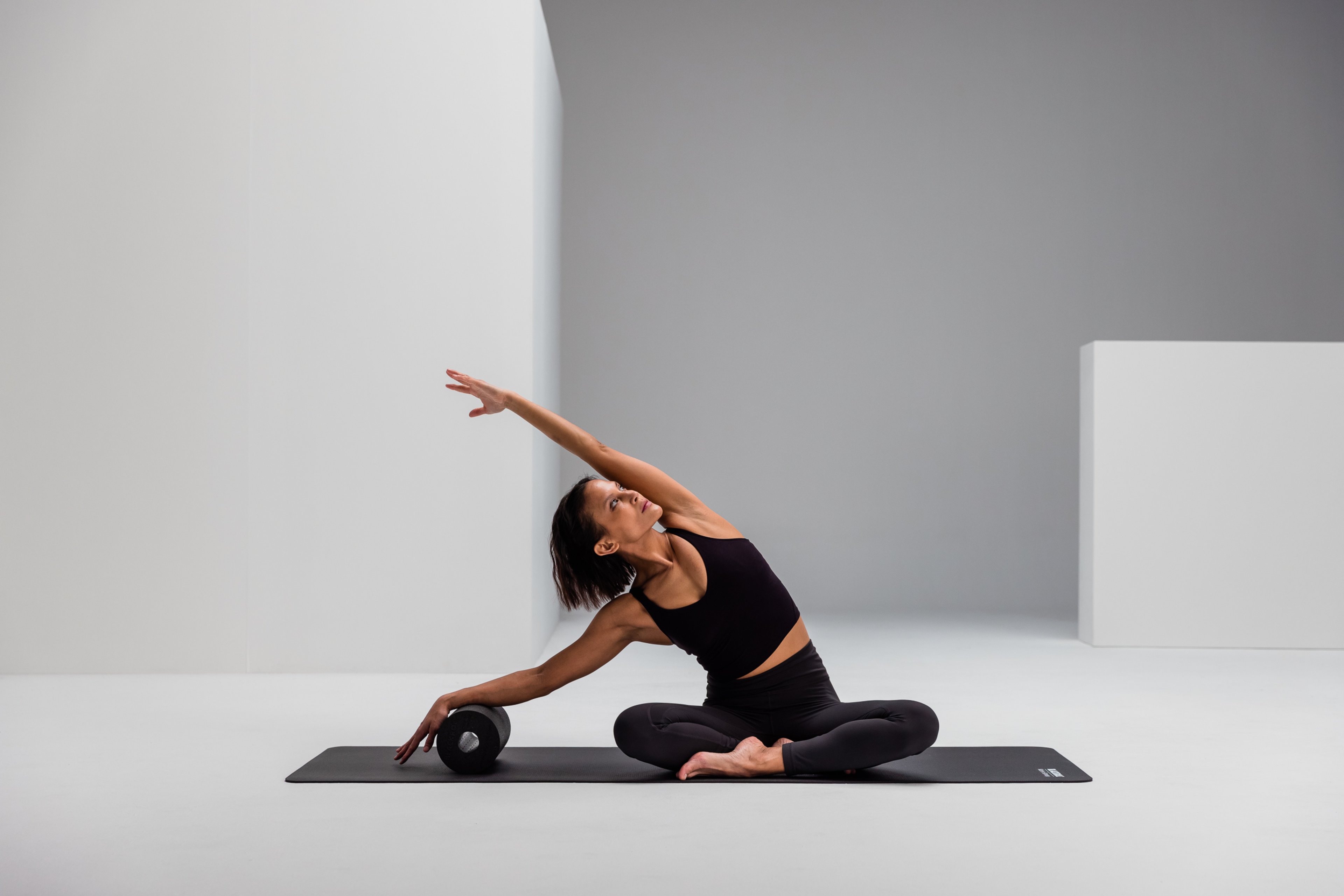
Spinal Mobilization
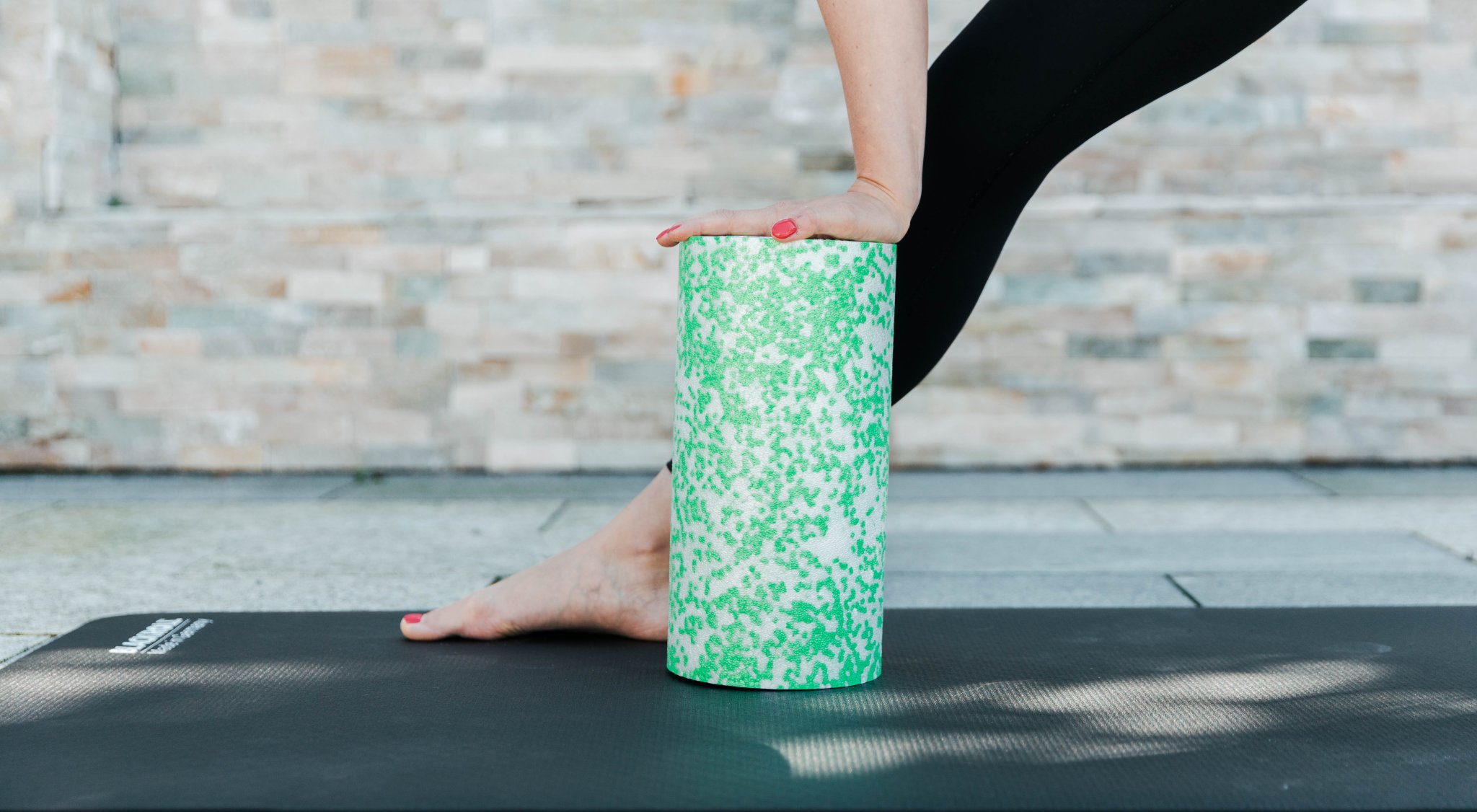
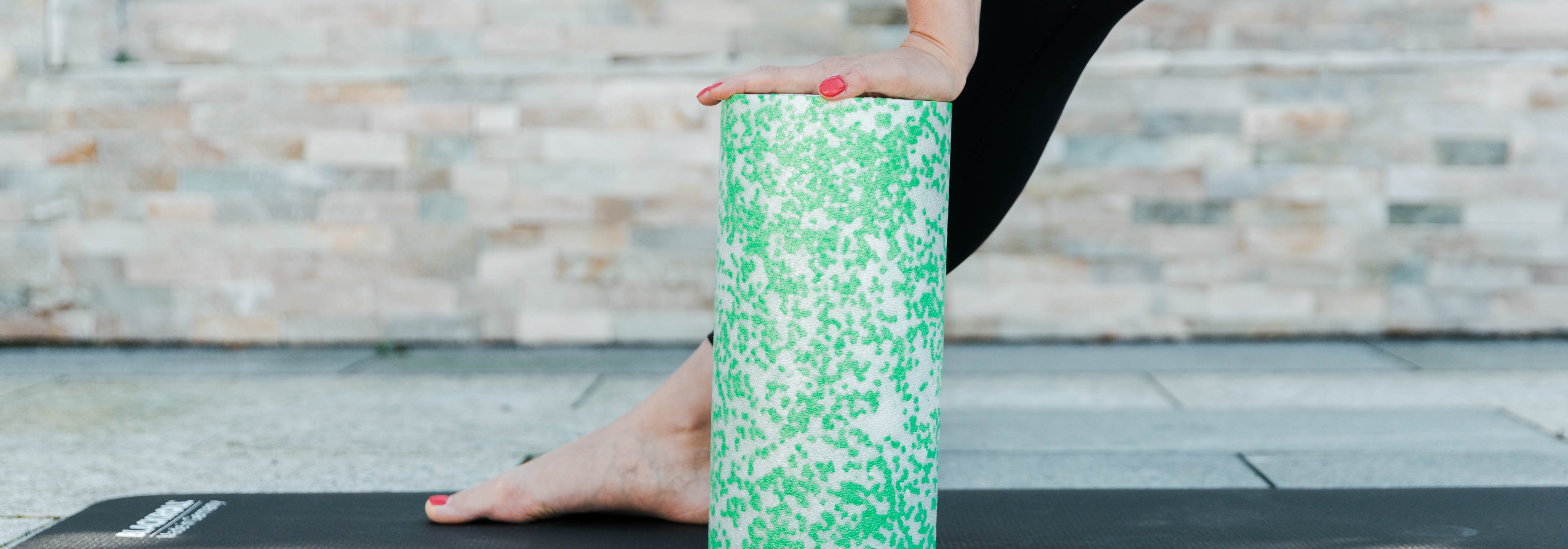
Start in a cross-legged position. Place the foam roller to your right. Rest your right hand on the roller. Stretch your left arm over your head while leaning your upper body to the right. Hold this position before switching sides.
Your upper body should only perform a lateral bend during this exercise. Be careful not to tilt forward or backward.
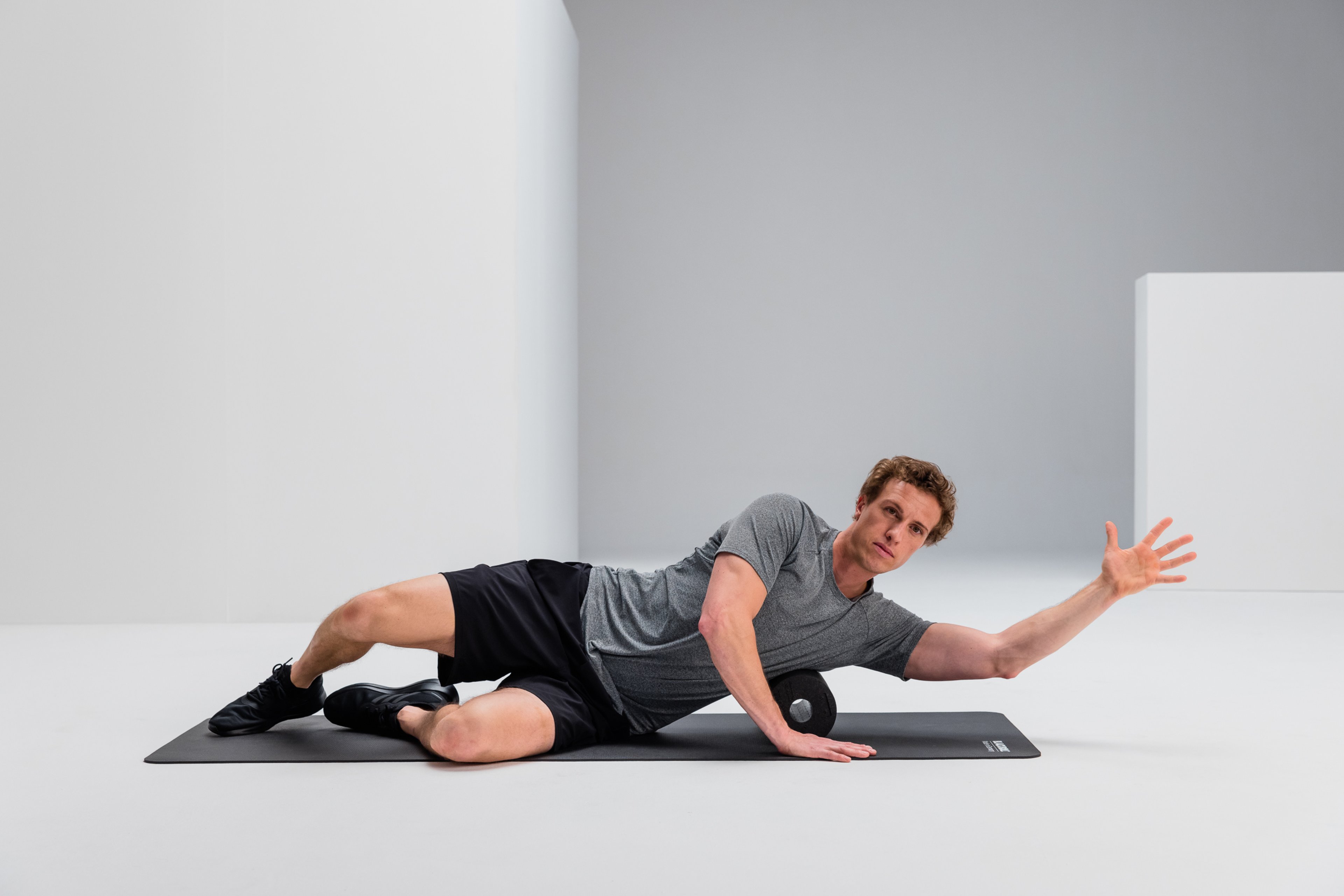
Latissimus massage
Start in a side-lying position. Place the foam roller under your upper torso. Support yourself on your forearm. Bend your upper leg so it’s at a slight angle. Slowly roll the foam roller up and down along your torso.
Lean slightly forward and backward to work all areas of your muscles.
These exercises activate the deep muscle layers, improve your breathing, and increase flexibility in your upper body.
Everyday Tip: Consciously incorporate simple side-to-side movements into your daily routines—for example, while brushing your teeth, warming up, or during your lunch break. Conscious breathing into your sides (for example, while sitting or lying down) can also help gently stretch and relax the muscles in that area — with no effort at all.
Expert Advice for Home
Conclusion: Getting Rid of Muscle Tension Holistically
Muscle tension isn’t just a physical problem—it often results from a combination of lack of exercise, overexertion, poor diet, stress, and insufficient recovery. That’s why it’s important to take a holistic approach if you want to relieve your symptoms long-term.
The most effective solution lies in a combination of targeted exercise, adequate rest, and mental relaxation. Stretching exercises, mobility work, and regular exercise help you release tension and keep your muscles supple.
Equally important, however, are conscious periods of rest, healthy sleep, and effective stress management—because true recovery can only take place when both body and mind are relaxed. A healthy, anti-inflammatory diet provides the necessary foundation for smooth tissue restructuring during rest periods.
Don’t forget: prevention is key. The sooner you start listening to your body’s signals and taking active steps to address them, the better you can avoid long-term discomfort. Even small daily routines—a few minutes of movement, mindful breathing, or short stretching breaks—make a huge difference over time.