Strengthening and Training Fascia Chains: Here’s How

They connect the body from head to toe, from hip to neck, or from arm to hand. We’re talking about myofascial chains, or simply fascia chains. “Myofascial” refers to muscle fascia.
This term refers to the fascial tissues that are directly connected to the muscles. Myofascial pathways are therefore the muscle fascia chains that run through our entire body system and connect everything to everything else. When we understand how these pathways work together, we can improve our movement patterns, body awareness, joint stability, and strength.
Muscle fascia chains can also help us gain an understanding of pain and structural weaknesses.
In this article, you’ll learn about the potential benefits for training, therapy, and pain relief, as well as everything you need to know about muscle-fascia chains.
Why You Should Always Consider Muscle-Fascia Chains Rather Than Individual Muscles When Exercising
When you activate the soles of your feet, this can have an effect all the way up to the skull. These myofascial connections between distant muscle groups occur via so-called pathways in the fascia and through muscle loops or muscle-fascia chains. Information is transmitted throughout the body primarily via electrical impulses and through the nerves in the fascia.
These new insights into functional anatomical relationships enable new training principles as well as new types of treatment for muscle pain. So when you train, you no longer target individual muscles in isolation; instead, you train them best within their functional role in the entire chain. In short: You train movements, not just the biceps or triceps.
Background– The Tensegrity Principle
Tensegrity is a combination of the two English terms “tension” and “integrity.” It is a relatively new concept.
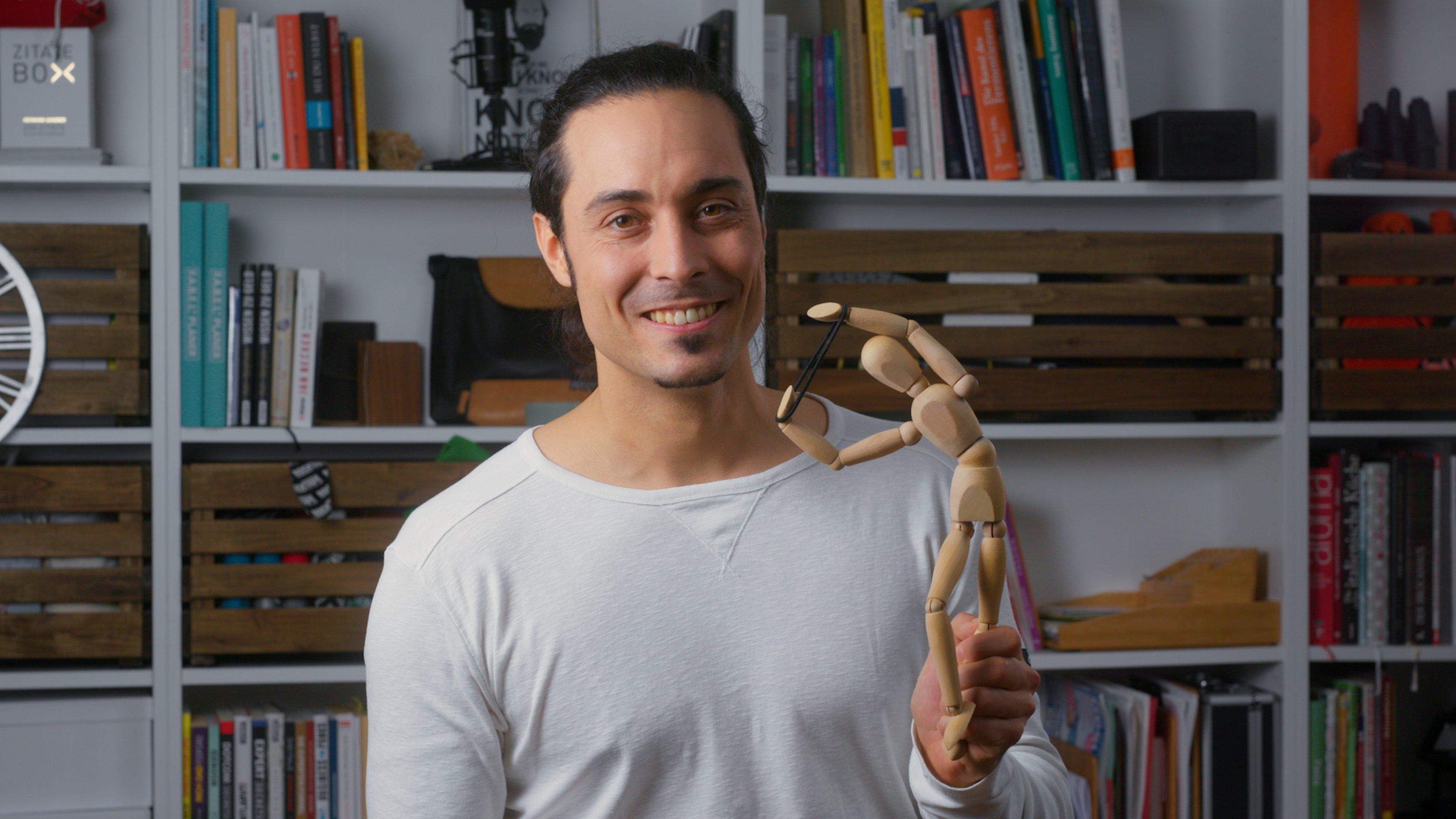
The approach involves viewing human anatomy and the body’s structure as a so-called tensegrity system, which keeps us both stable and flexible. This is made possible by the fascial structures, which use tensile force to connect the rigid components of this structural principle—the bones—while simultaneously keeping them at a distance from one another. A
example: If you move just one muscle—such as the little finger—the movement is transmitted through the forearm, into the upper arm, and sometimes even as far as the base of the skull.
This new perspective on the human body was developed by Thomas W. Myers. His book *Anatomy Trains*, now in its 4th edition in German, describes these connections in detail.
The book describes the muscle-fascia chains as “Anatomy Trains,” or myofascial pathways. Tom Myers identifies 12 of these fascia chains. We’ll discuss the most important ones below.
What muscle-fascia chains are there?
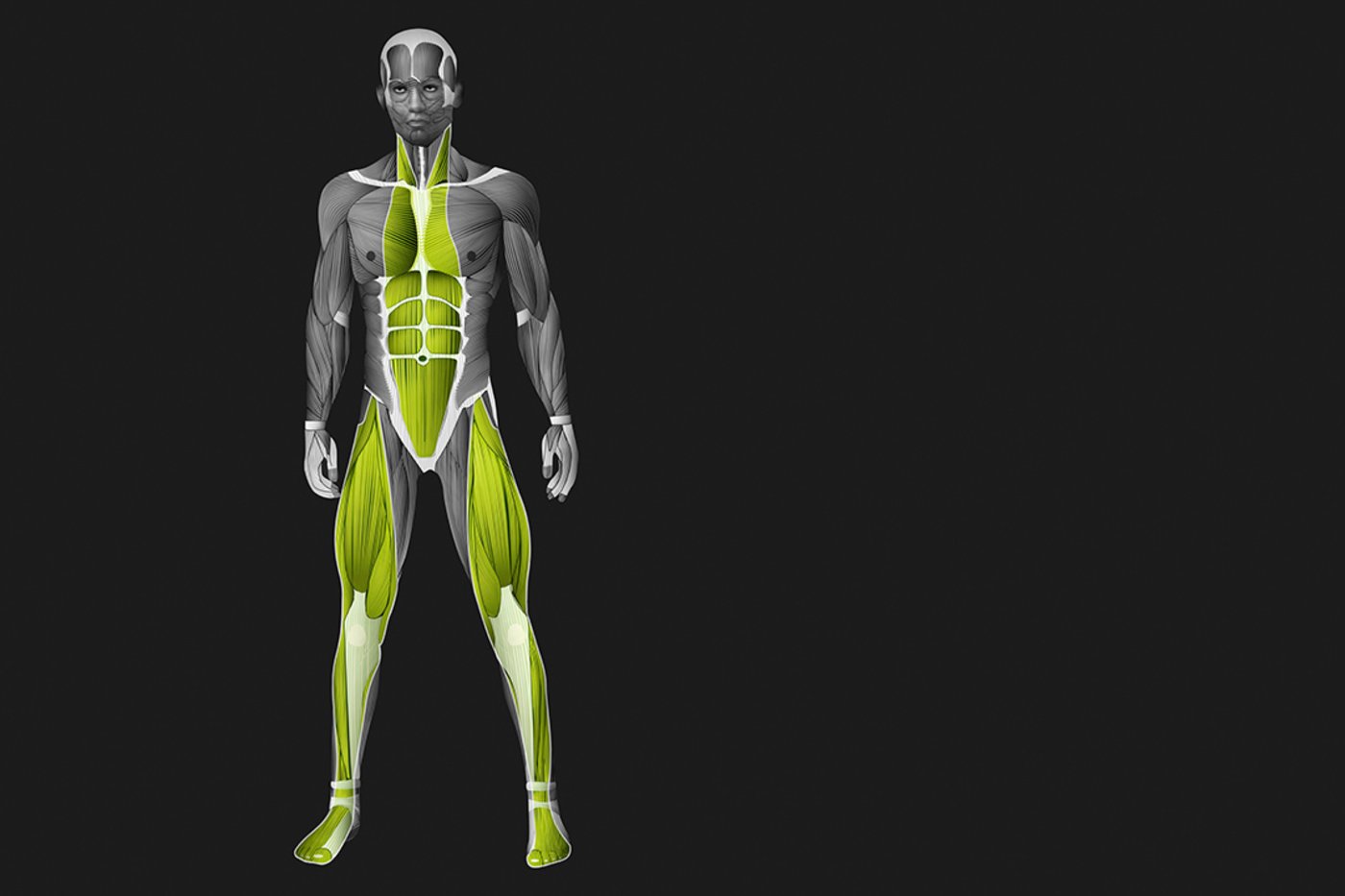
The anterior superficial myofascial chain runs from the toes over the shin and the front of the thigh, attaching to the iliac crest. At this point, the line is structurally interrupted. It continues over the pubic bone, the abdomen, and the ribs to the sternum and clavicle along the sternocleidomastoid muscle, attaching to the skull behind the ears.
Together with the posterior fascial chain, it ensures an upright posture. During movement, the anterior muscle-fascia chain is responsible for trunk flexion and knee extension. If you sit a lot, your trunk usually remains in a slightly forward-leaning position for long periods. If we do this for several hours a day without providing compensation, the muscle fascia on the front of the body becomes distorted.
Colloquially, we refer to this as “shortening.” The result is an imbalance in tension between the anterior and posterior muscle-fascia chains. The posterior muscle-fascia chain must compensate for the increased tension caused by the anterior chain.
This leads to back pain. In practice, this means that you should look for the causes of back pain primarily on the front of your body.
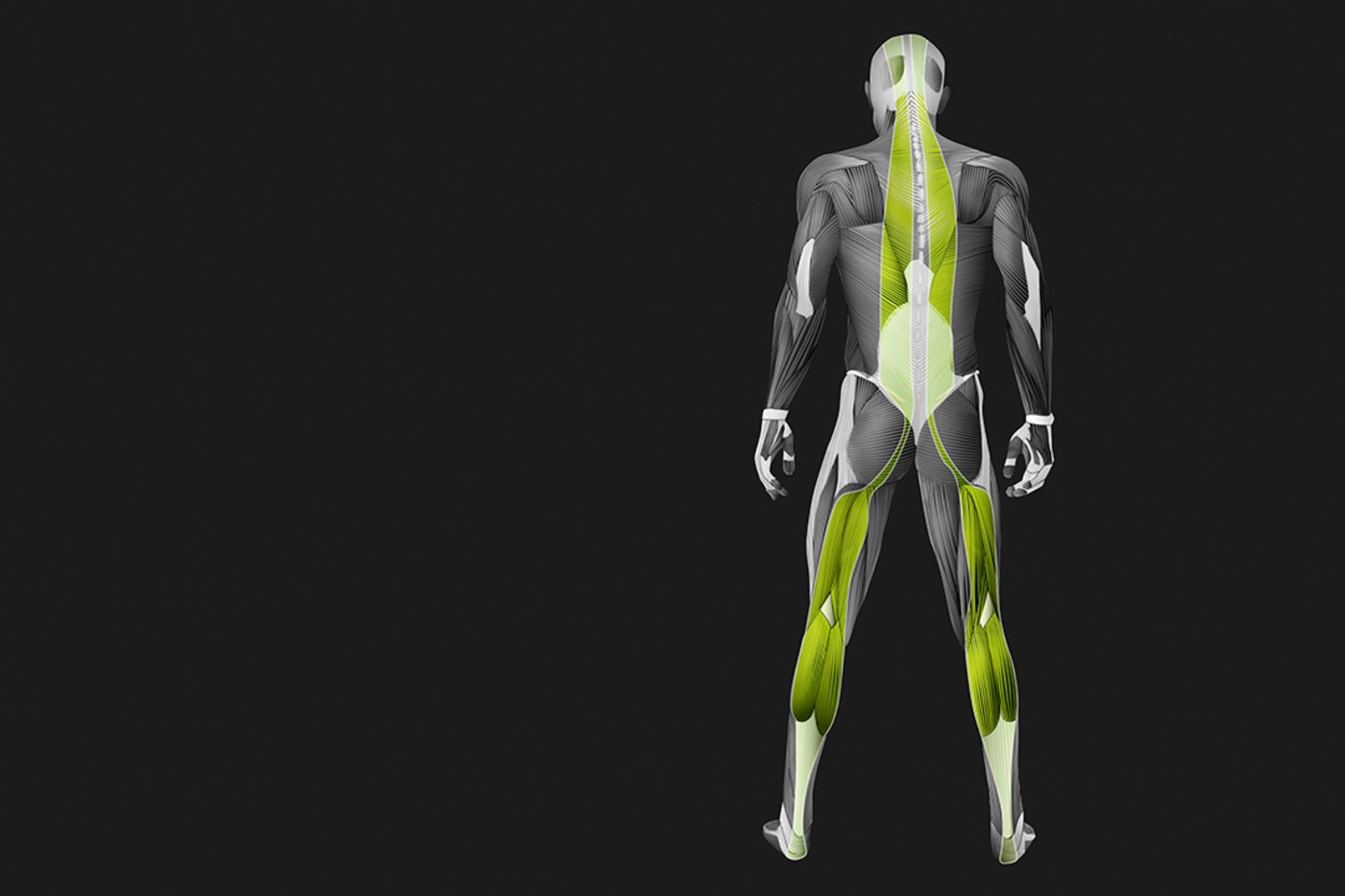
The posterior muscle-fascia chain extends from the metatarsophalangeal joints, through the plantar fascia in the sole of the foot, up the back of the leg and the back extensors, all the way to the top of the skull, and ends at the eyebrows.
Thus, the sole of the foot—including the Achilles tendon—the calf muscles, the hamstring, the long back extensors, and the connective tissue plate of the skull are functionally interconnected. This posterior chain primarily serves to extend the body and maintain an upright posture.
Do you often complain of headaches in your forehead area? Then your posterior chain could be the source of the problem.
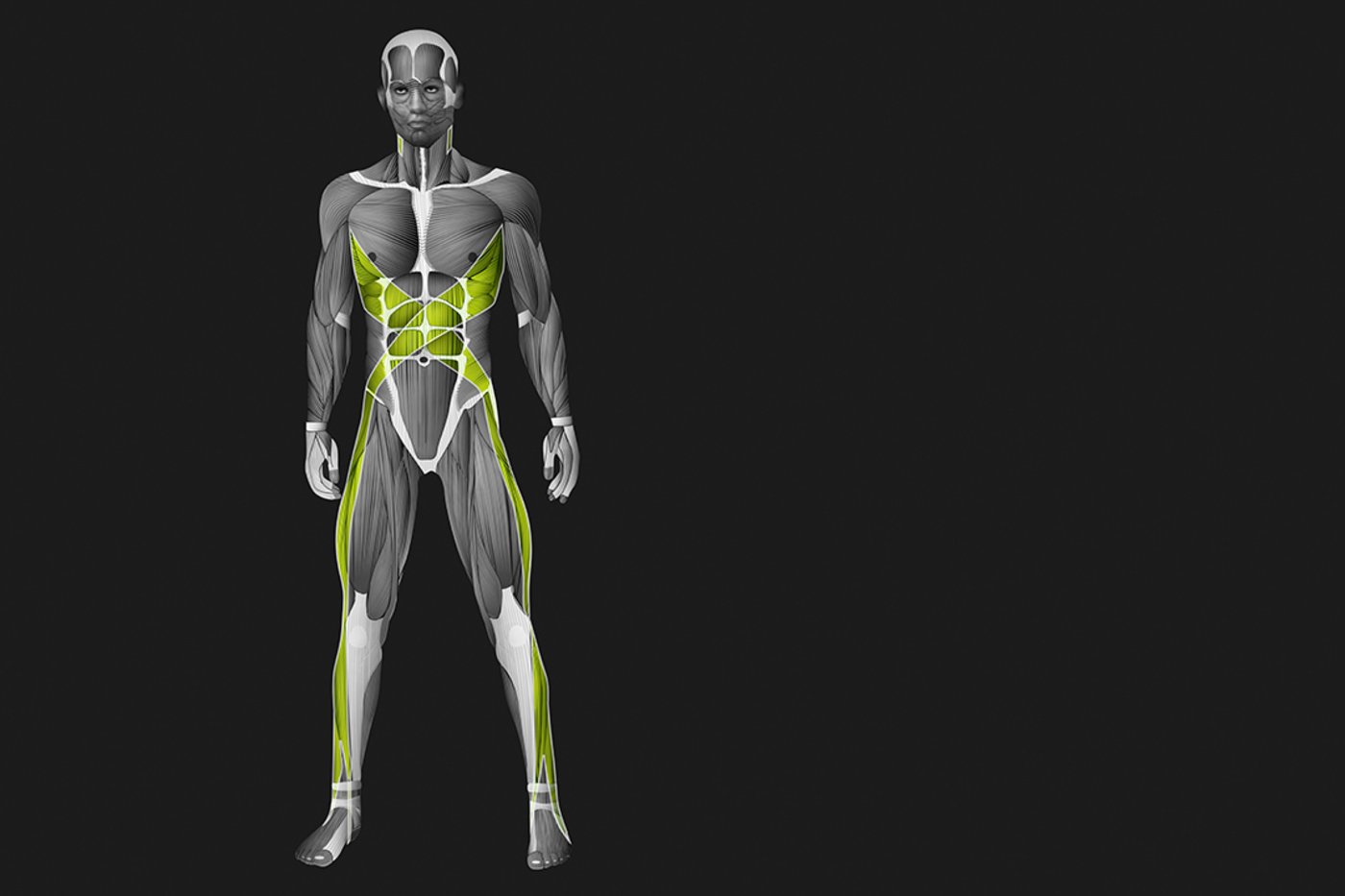
The spiral muscle-fascia chains run around the body like a double helix. They connect the respective sides of the skull via the upper back to the opposite shoulder and run around the ribcage.
They cross at about the level of the navel and continue down the outer sides of the legs to the inner sides of the feet. From there, they run along the back of the torso back to the base of the skull. These spiral chains are responsible for rotation. Their role is also to keep you balanced and stable in all postures.
Do you tend to have hip or shoulder issues? You might find the solution by paying closer attention to these spiral chains.
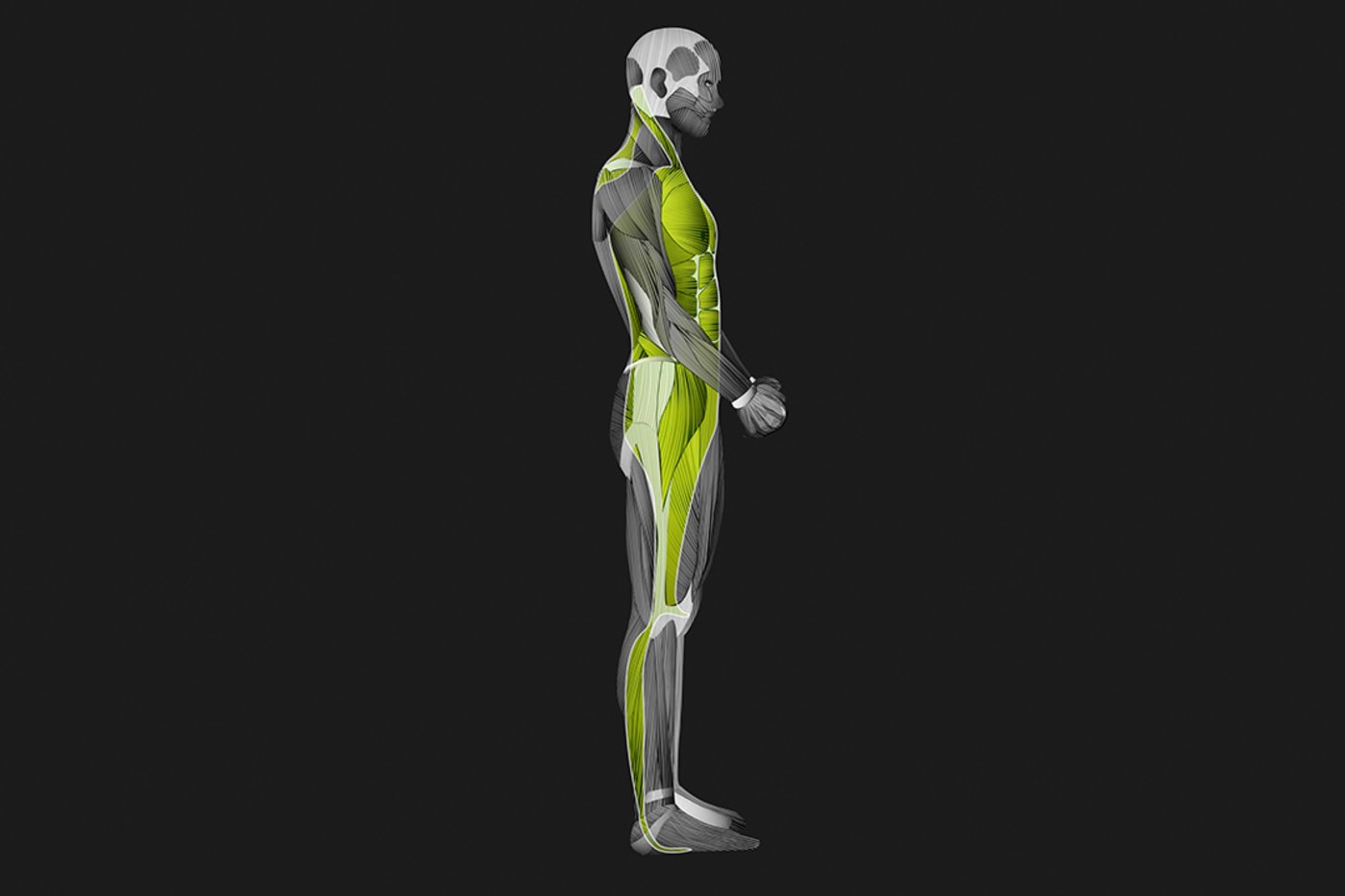
The lateral muscle-fascia chains run from the middle of the outer side of the foot, along the respective outer sides of the legs and torso, under the shoulders, and up to the ears. Their role is to maintain postural balance forward, backward, and to the sides. This also includes the ability to spread the legs apart.
These lateral chains run from the sole of the foot along the side of the body upward to the skull. They balance the front and back of the body. In everyday life, we often use one side more than the other—even during sports, when, as a right- or left-handed person, you typically use one side more actively than the other—and this naturally applies to the legs as well.
Our muscle fasciae become distorted, leading to structural imbalances between the right and left sides. The flanks also house the accessory respiratory muscles.
So, by training your lateral muscle-fascia chains, you can improve your vital capacity (a measure of lung function)—which is particularly interesting for all endurance athletes.
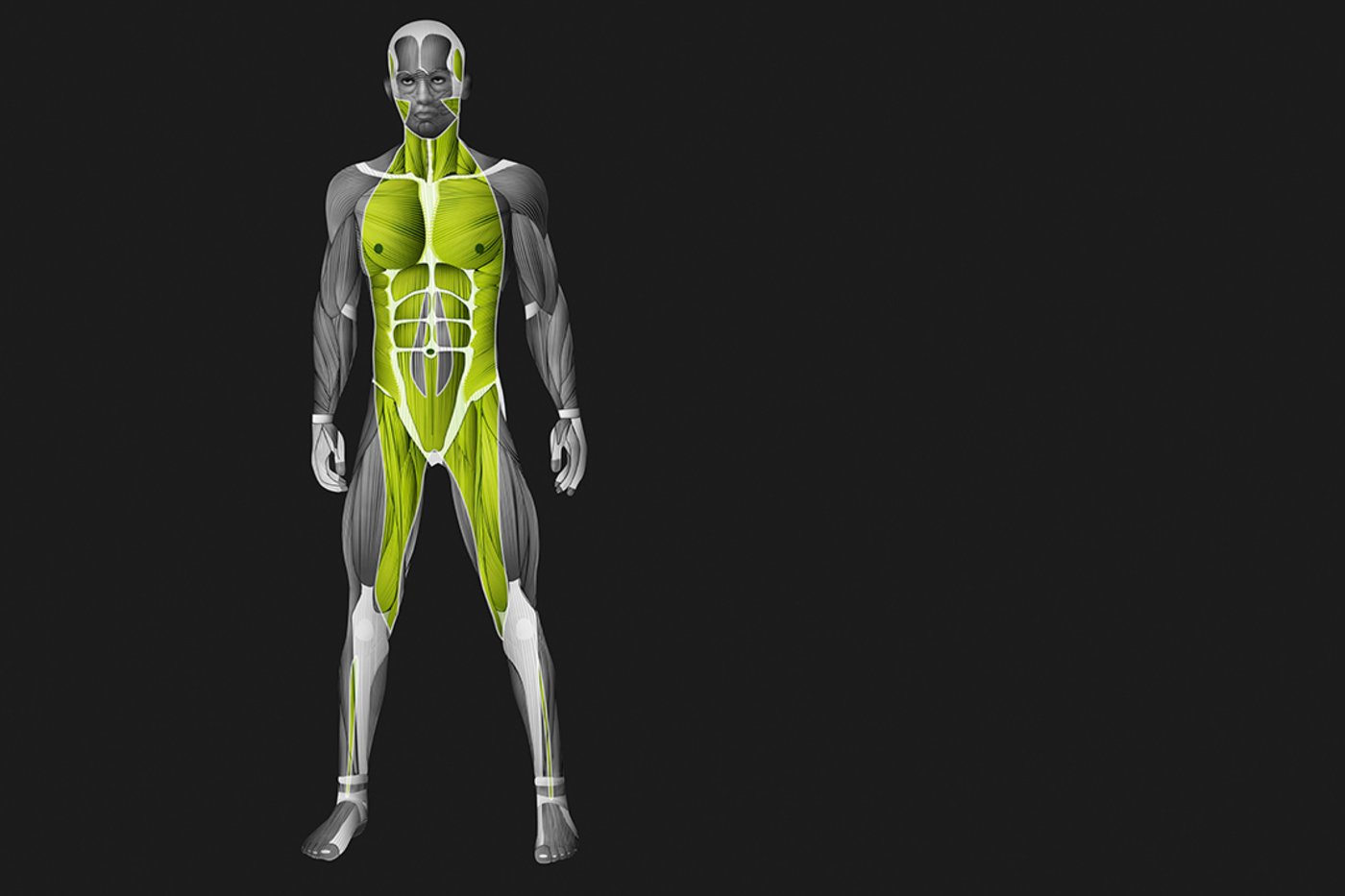
The deep anterior muscle-fascia chain runs from the undersides of the toes, along the deep calf muscles, up the inner thighs to the deep gluteal muscles, and connects the lower body to the upper body via the hip flexor muscles.
In the trunk region, it includes the pelvic floor, the deep trunk muscles, the diaphragm, and the deep chest muscles.
Finally, it attaches to the back of the head via the lateral and anterior neck muscles, as well as to the jaw muscles. The deep anterior muscle-fascia chain has a stabilizing function and ensures balance among the other chains.
It is involved in every movement and body position. In our predominantly sedentary and constantly stressed society, the muscles of the deep anterior chain are often tense. The deep anterior chain is therefore the root cause of many chronic pain syndromes.
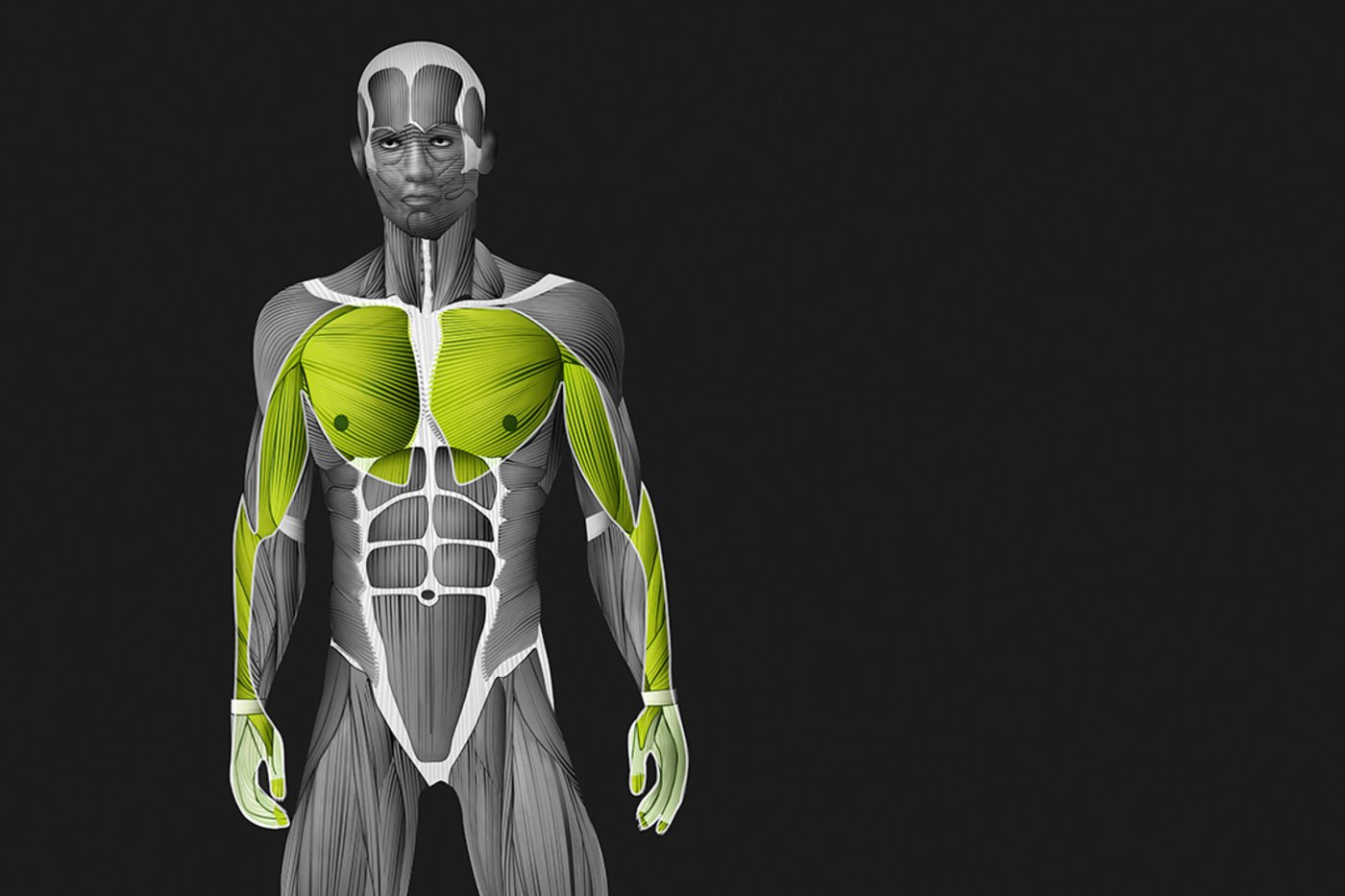
The arm chains are present on both the front and back of the body. They run both superficially and along the deeper musculature. All arm chains transition seamlessly into other chains.
Many everyday activities therefore affect the rest of the body via the arm chains. The anterior arm chain, in particular, is often tight due to shoulders that are rotated strongly forward (e.g., while sitting at a computer) and should therefore be regularly lengthened through compensatory movements.
How can the functional muscle chains be trained?
Basically, by always incorporating entire chains into your training and no longer viewing muscles in isolation. In yoga, for example, there are many poses in which entire fascial chains are lengthened.
So-called muscle length training has proven to be particularly effective. It strengthens the muscles while lengthening them and makes the fascia more supple. We create a natural balance in the body. With regular muscle length training, you keep your muscle-fascia chains flexible and functional.
Background: In everyday life and due to certain imbalances—such as sitting for long periods—the fascia, which is normally so supple, becomes knotted, and muscle function is restricted.
Even when performing myofascial self-massage with a foam roller, you should incorporate these specific pathways. As you’ve learned, the source of pain can lie in places entirely different from where it’s felt.
For your fascia training, this means you should work on your structures as holistically as possible using various massage tools. So apply the self-massage tools along as many muscle fasciae in a chain as possible and incorporate all the traction pathways. This way, you’ll train your body’s suppleness and flexibility holistically.
What are the benefits of training entire muscle loops?
- Better flexibility and mobility
- Better balance, because you correct imbalances
- Less tension, adhesions, and trigger points
- A more supple body and a better quality of life
- Improved sensory reception and processing (body awareness)
- More functionally efficient movement
- Reduced feelings of psycho-emotional stress (relaxation)
- Fewer symptoms originating in the musculoskeletal system
- Improved recovery
- Prevention of injuries
Exercises for your most important muscle-fascia chains
Want to train your muscle-fascia chains holistically? Why not try these short muscle-lengthening routines for in between your regular workouts? Restore your body’s natural tension balance through active mobility exercises, prevent pain, and feel more comfortable in your body. Short, simple, and very effective.
By regularly performing your fascia training, you can release tension, prevent injuries, and feel more relaxed and flexible overall. Regular fascia training not only helps alleviate physical discomfort but also deepens your understanding of your own fascial chains and how they’re interconnected.
Through regular training and targeted stretching of the fascial chains, you can not only alleviate physical discomfort but also deepen your understanding of your own fascial chains and how they’re interconnected—a realization reflected in the growing popularity of fascia rollers and mats.
Growing knowledge about the complex connections and interrelationships of the fascial chains has led more and more people to use fascia rollers and pads to improve their physical fitness and flexibility. The rising demand for fascia products has led more and more people to turn to specialized books that offer instructions and exercise suggestions to further improve their physical fitness and flexibility.
For people who want to train their fascial chains intensively, it can be helpful to consult specialized books that offer instructions and exercise suggestions to further improve their physical fitness and flexibility; they might also consider contacting professional trainers who can create personalized training plans for them.
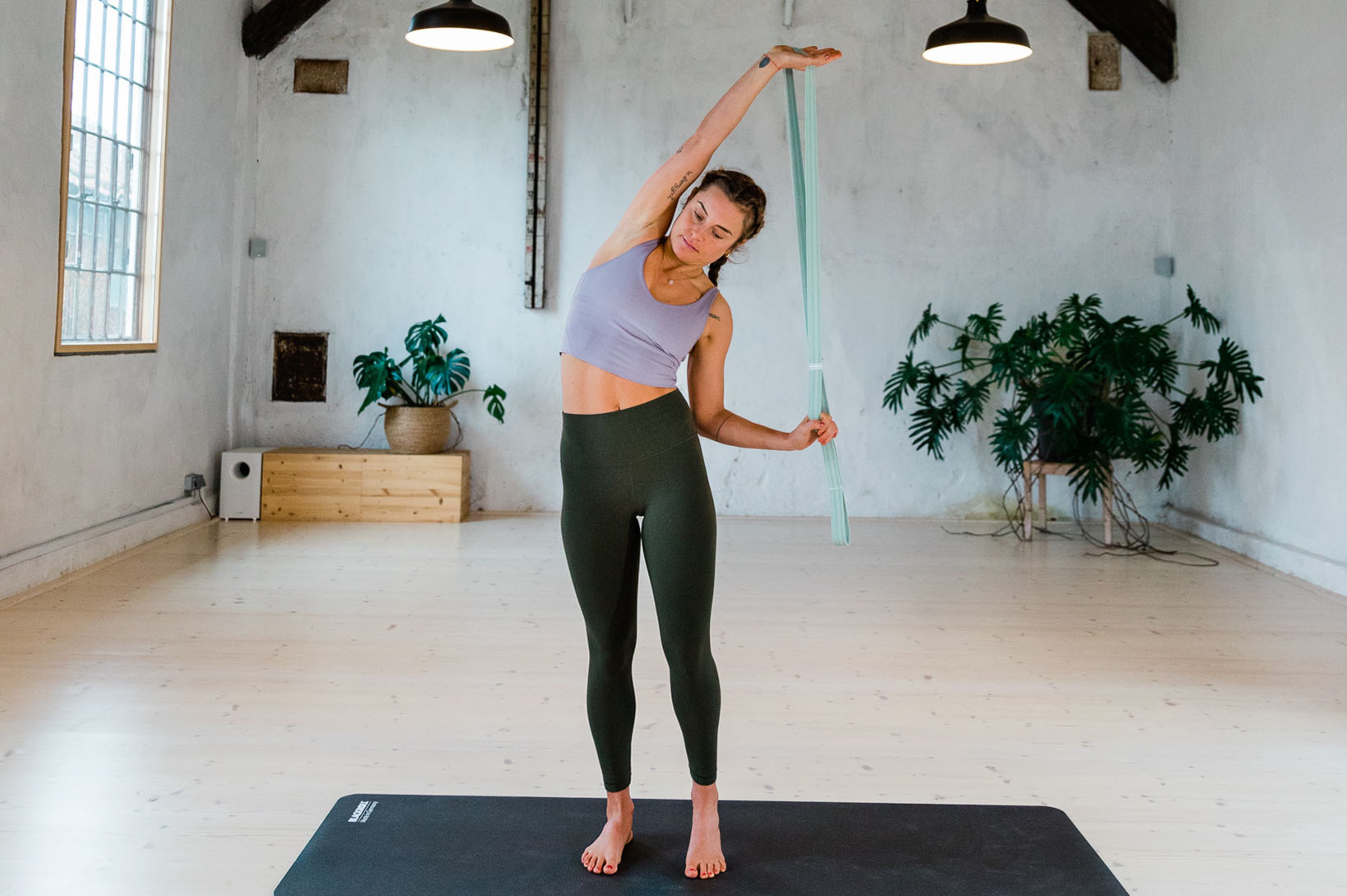
Muscle Length Training for Your Muscle-Fascia Chains
More exercise tutorials for muscle-fascia chains


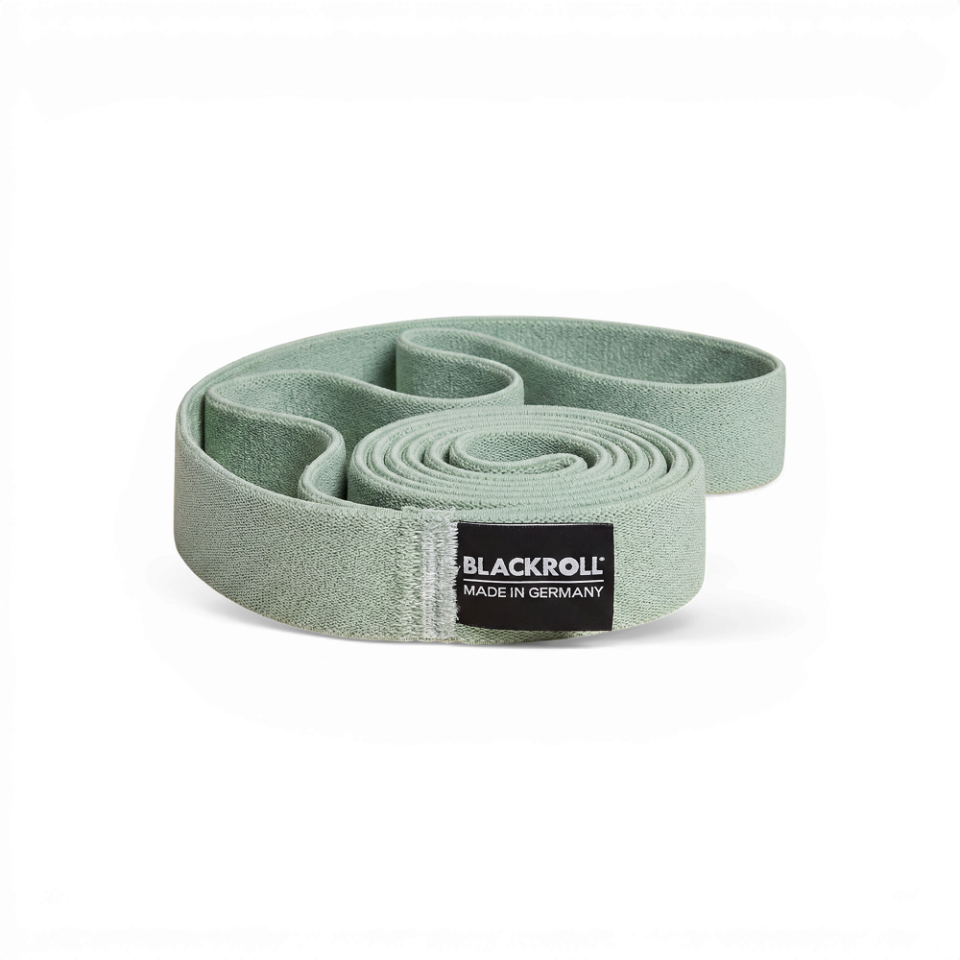
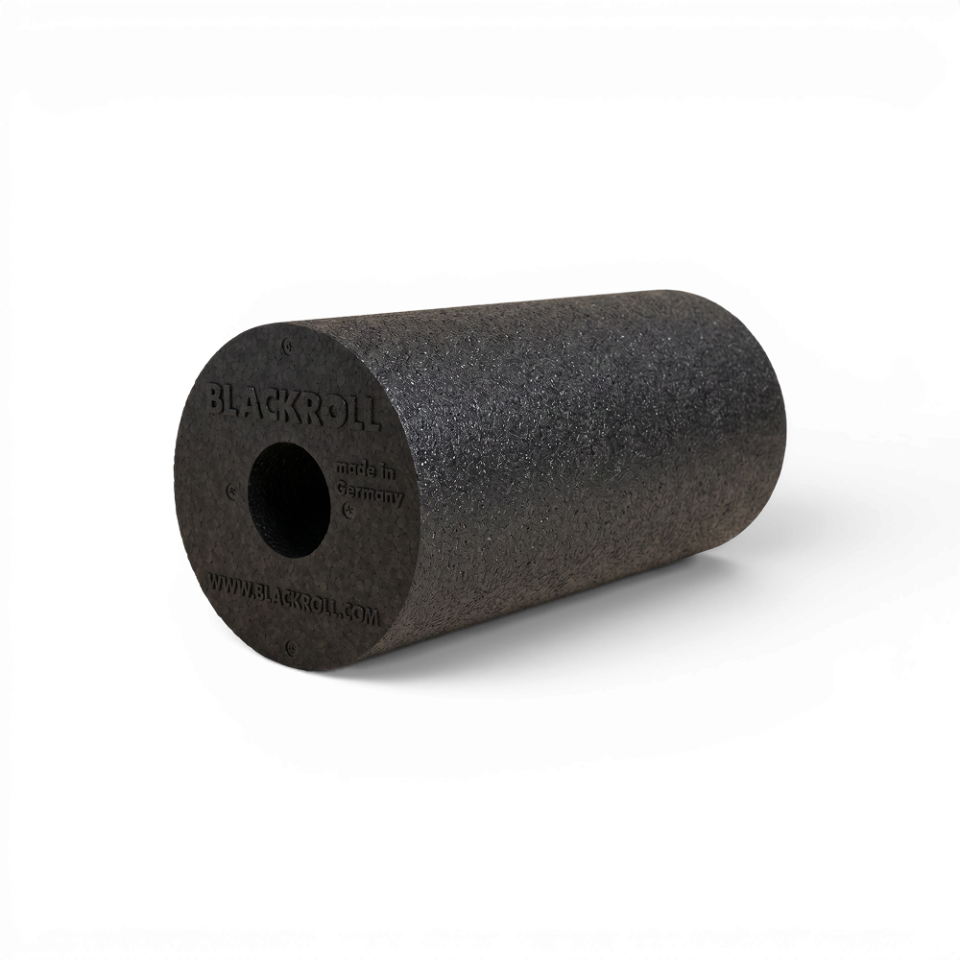
Tools for training along the myofascial chains
Standard
Available in multiple variants